The Hanseatic city on the Gulf of Finland · Estonia
Tallinn
Your guide to Tallinn
Medieval towers, wooden-house districts and a short ferry ride from Helsinki.
Tallinn lies on the Gulf of Finland, a couple of hours by ferry from Helsinki and an overnight sailing from Stockholm. The Danes took the area in 1219, and in the Middle Ages the town, then called Reval, grew into a wealthy Hanseatic city. From 1561 to 1710 it belonged to Sweden, and since 1991 Tallinn has been the capital of an independent Estonia.
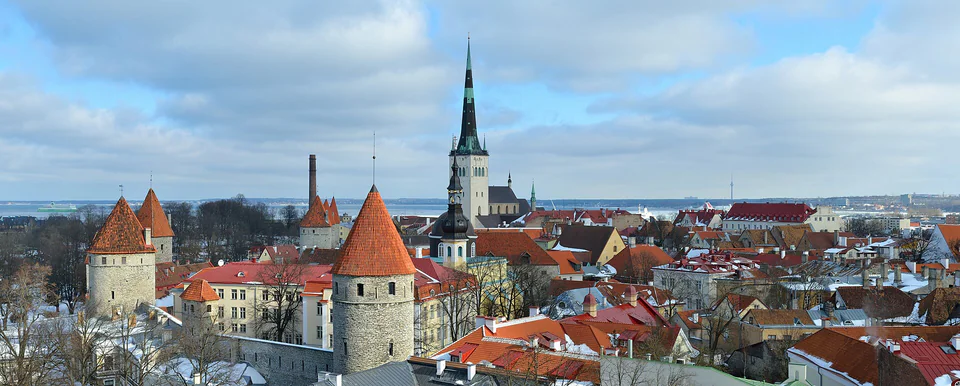
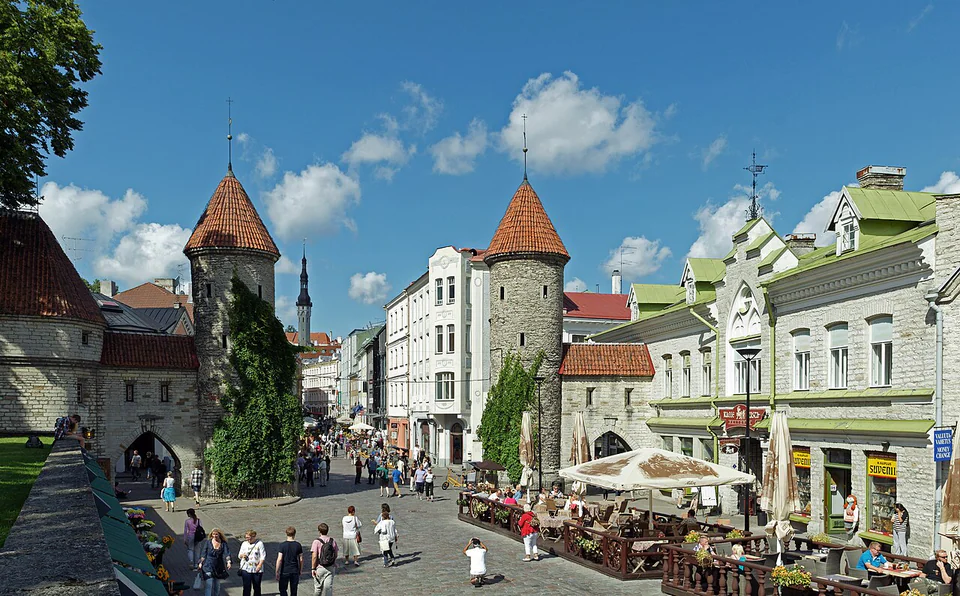
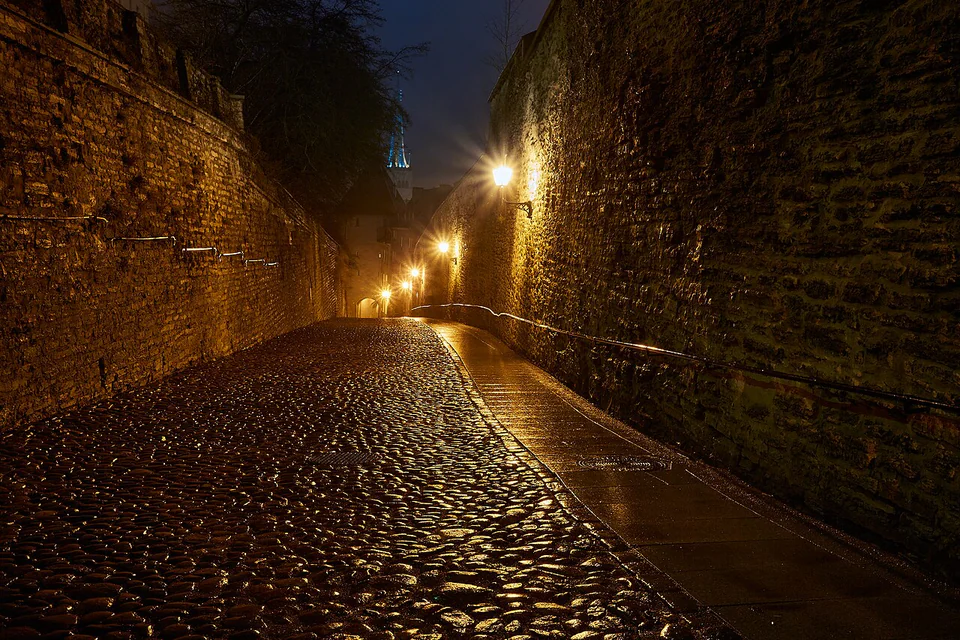
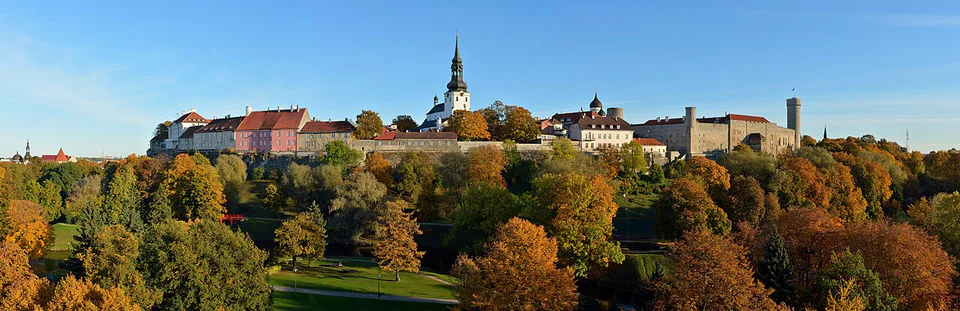
The Old Town is one of the best-preserved medieval town centres in northern Europe and has been a UNESCO World Heritage Site since 1997. Inside the town wall, with its round towers, cobbled lanes wind between guild halls, churches and Town Hall Square. The Gothic town hall has stood there since the early 15th century. On the limestone cliff of Toompea are the castle and the cathedral, along with several viewpoints overlooking the red rooftops.
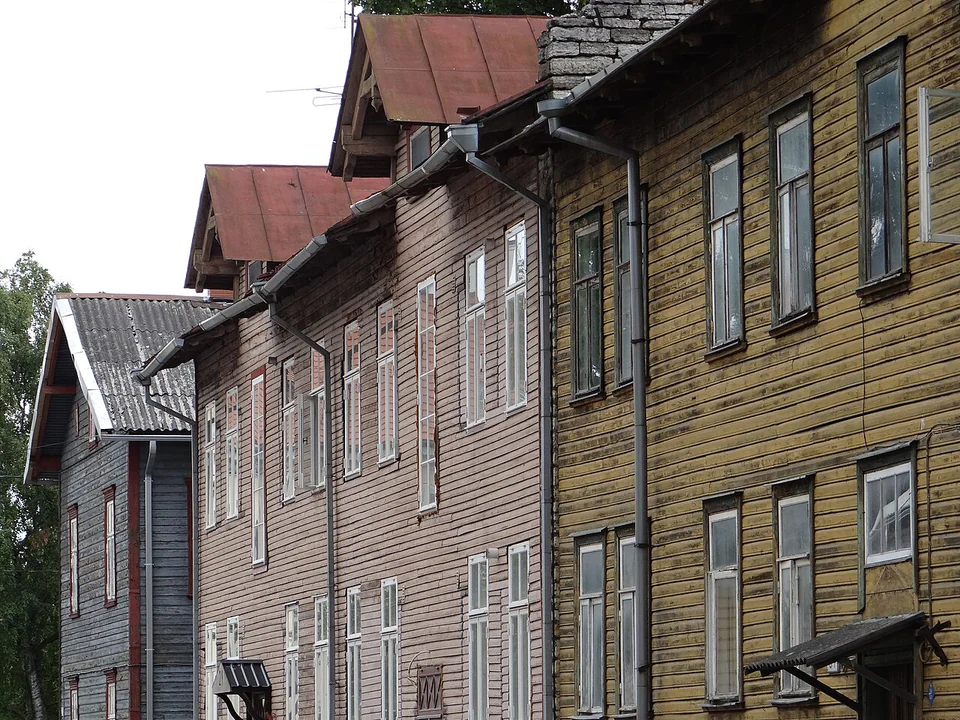
But Tallinn is more than the Middle Ages. Kalamaja has wooden houses from around the turn of the 20th century, and in converted factories and industrial quarters in Telliskivi and Rotermanni, cafés, design shops and restaurants have moved in. On the waterfront is the Seaplane Harbour, where a submarine and seaplanes are displayed in vast concrete hangars. In Kadriorg, Tsar Peter's Baroque palace and the Kumu art museum share a leafy park.
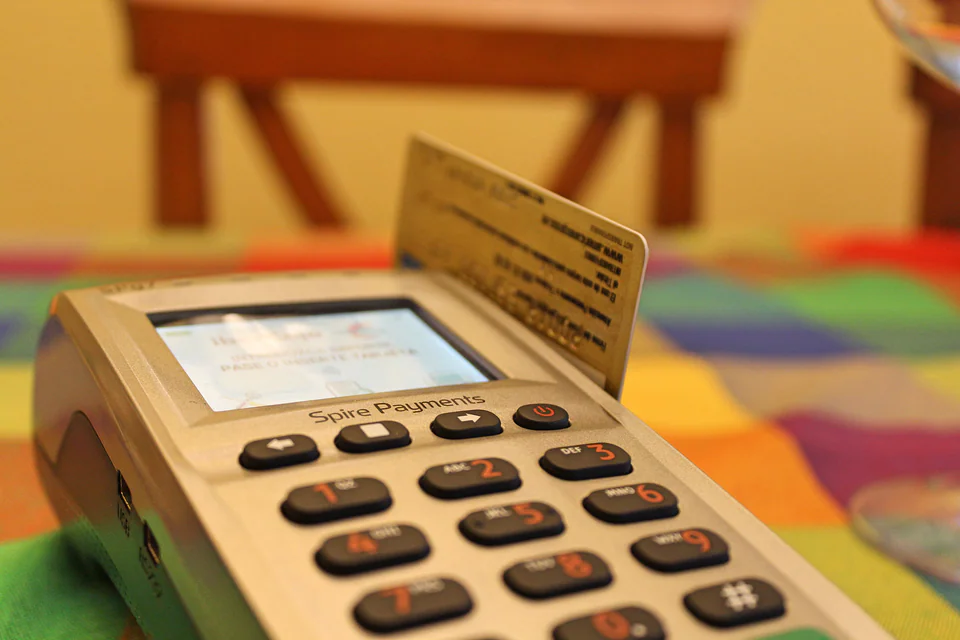
Estonia is considered one of Europe's most digital countries, and it shows in many parts of everyday life. Card payments are the norm almost everywhere, and public transport has convenient digital ways to pay. A weekend is enough to explore the Old Town, but stay longer if you can and take a day trip to the forests, bogs and fishing villages of Lahemaa National Park.
Things to do
A walk on the town wall
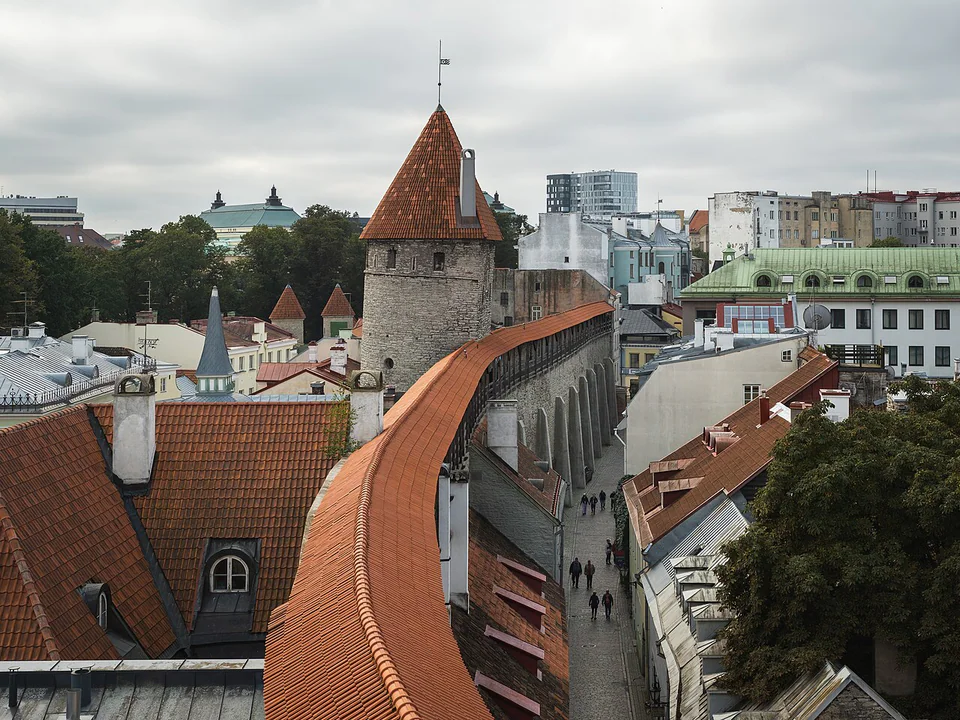
From the Hellemann Tower you can walk a couple of hundred metres along the top of the medieval wall, looking out over the rooftops. About two kilometres of wall and 26 towers survive, and several are best seen from the Tornide väljak park.
Wander among the wooden houses of Kalamaja to Telliskivi Creative City, a former factory complex with cafés, shops and street art. Right next door is the Balti Jaama Turg market hall, with food stalls and a flea market.
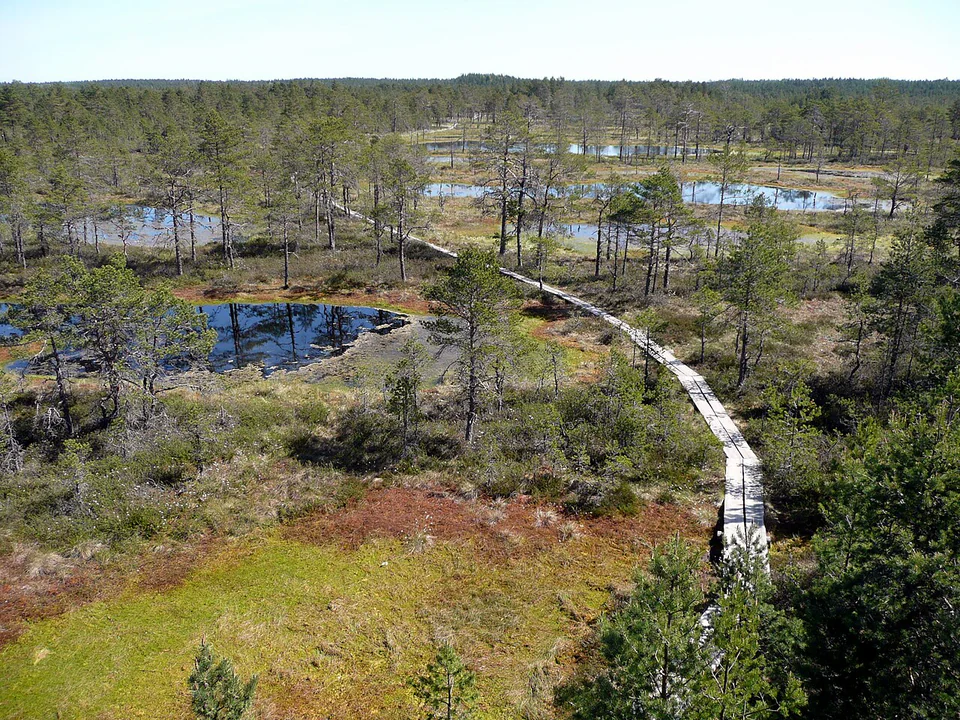
Estonia's oldest national park, about an hour's drive east, has bogs, forests, fishing villages and manor houses. Follow the boardwalk across Viru Bog and climb the observation tower.
Cold, dark winters with snow and sometimes ice in the bay, and summers around 20 °C with long light evenings. The Christmas market on Town Hall Square draws visitors in December despite the cold.
Current currency
€
Euro
1 EUR to SEK
The rate is updated every hour. Always check the current rate before you travel.
Find places to stay in Tallinn
Compare hotels and apartments on the map, with current prices.
The map loads from Stay22 only when you click. Stay22 may then set cookies and collect information about your browser. Privacy
Plan your trip
✈Getting to Tallinn
Tallinn is a classic ferry destination. From Helsinki, Tallink, Viking Line and Eckerö Line cross the Gulf of Finland several times a day in about two hours, and Tallink also runs overnight ferries from Stockholm several times a week, taking around 16–17 hours. DFDS sails between Kapellskär in Sweden and Paldiski, just under an hour west of Tallinn, for travellers with a vehicle.
Tallinn Airport (TLL) lies only about four kilometres from the centre and has direct flights from many European cities, including Stockholm Arlanda (ARN). Trams 2 and 4 take you into town in about a quarter of an hour.
Check current departures and prices before you travel.
⌂Where to stay
In and around the Old Town you stay right among the sights, in anything from small hotels in medieval houses to larger hotels by the Viru Gate. Rotermanni and the area towards the harbour are close to the ferry terminals, handy if you arrive by boat.
Kalamaja suits you if you'd like to stay in a wooden-house neighbourhood near Telliskivi and Balti Jaama Turg, and Kadriorg is calm and green with the park around the corner. Book well ahead for summer weekends and the December Christmas market.
The big and the small
Selected sights
Alexander Nevsky Cathedral
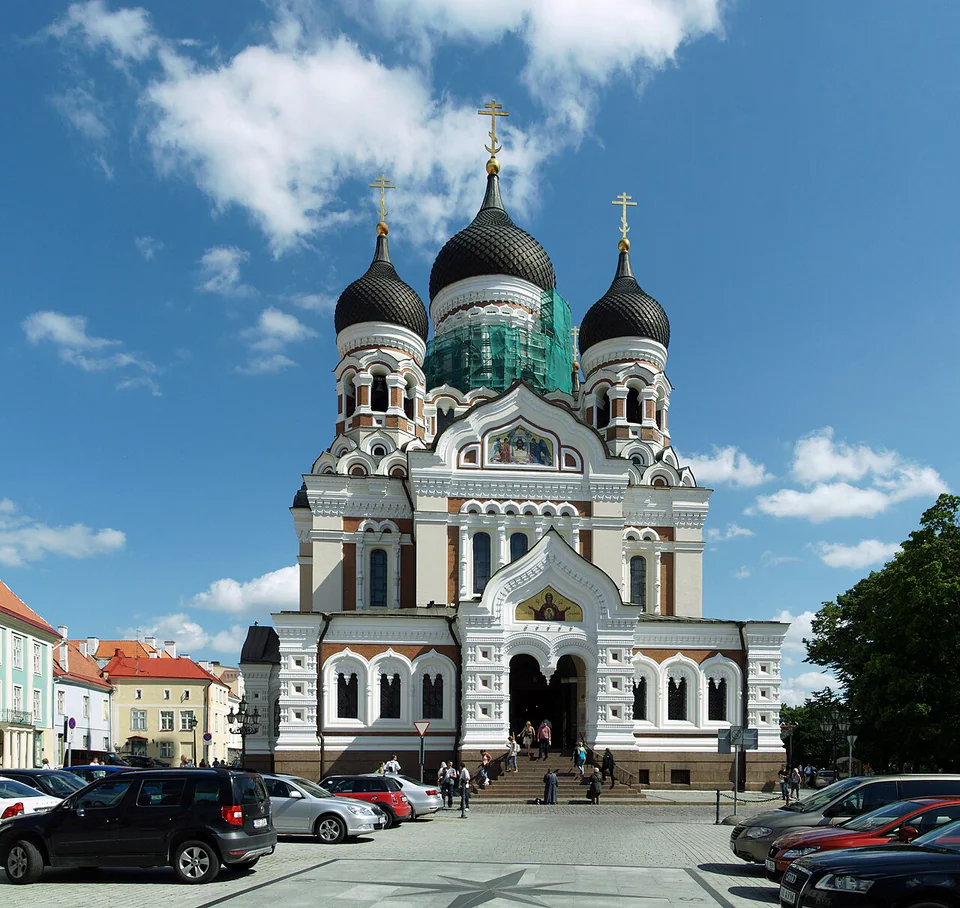
The onion-domed Russian Orthodox cathedral was built in 1894–1900 on Toompea, opposite the castle, when Estonia was part of the Russian Empire. Inside, icons and a gilded iconostasis glow, and the towers hold eleven bells, the largest weighing around 15 tonnes.
St Olaf's Church
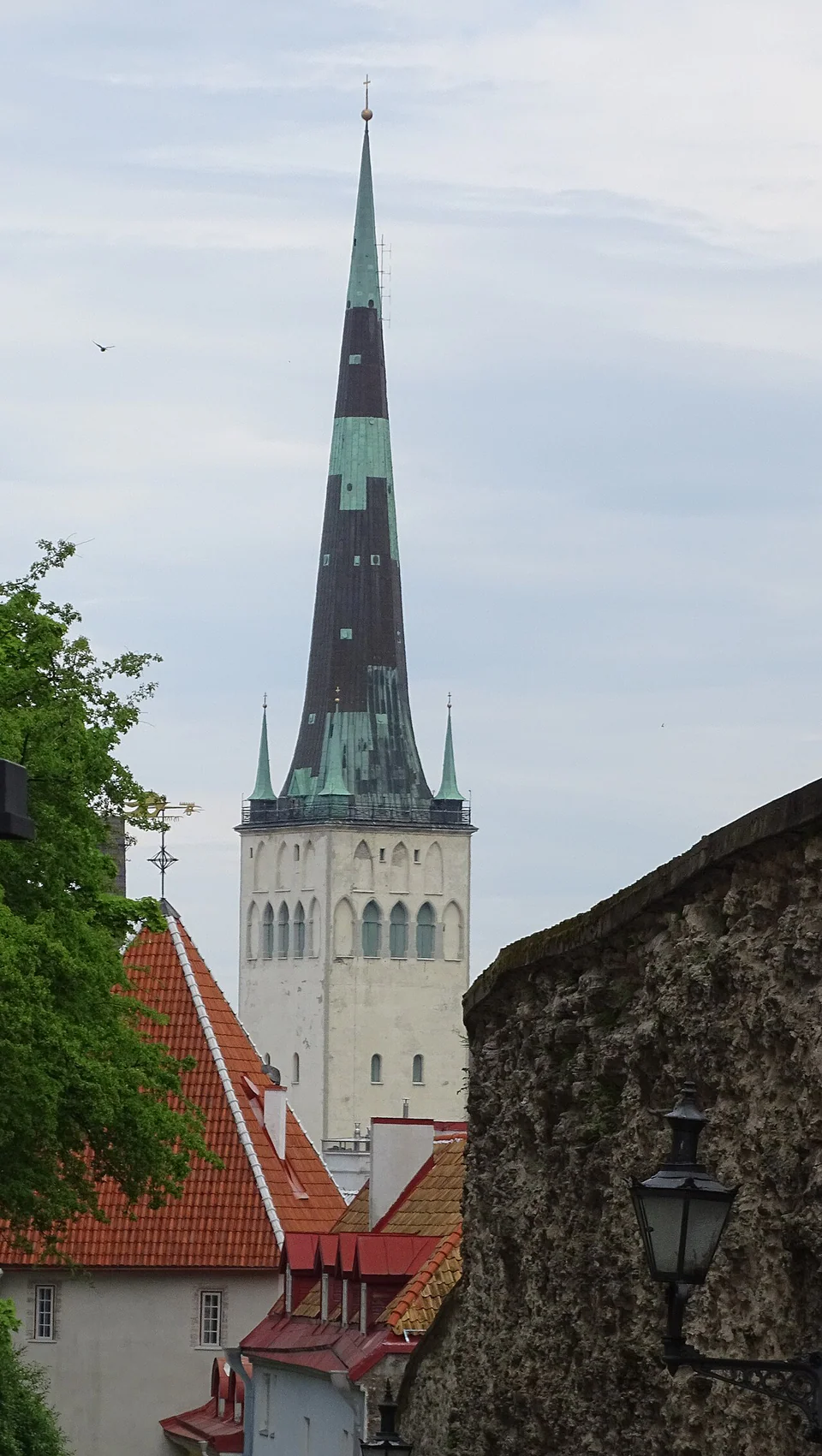
The Gothic church is named after the Norwegian king St Olaf, and its tower is around 124 metres tall today. Lightning has struck it several times and caused major fires. From April to October you can climb the steep stairs to the viewing platform 60 metres up, with one of the best views in the city.
Seaplane Harbour
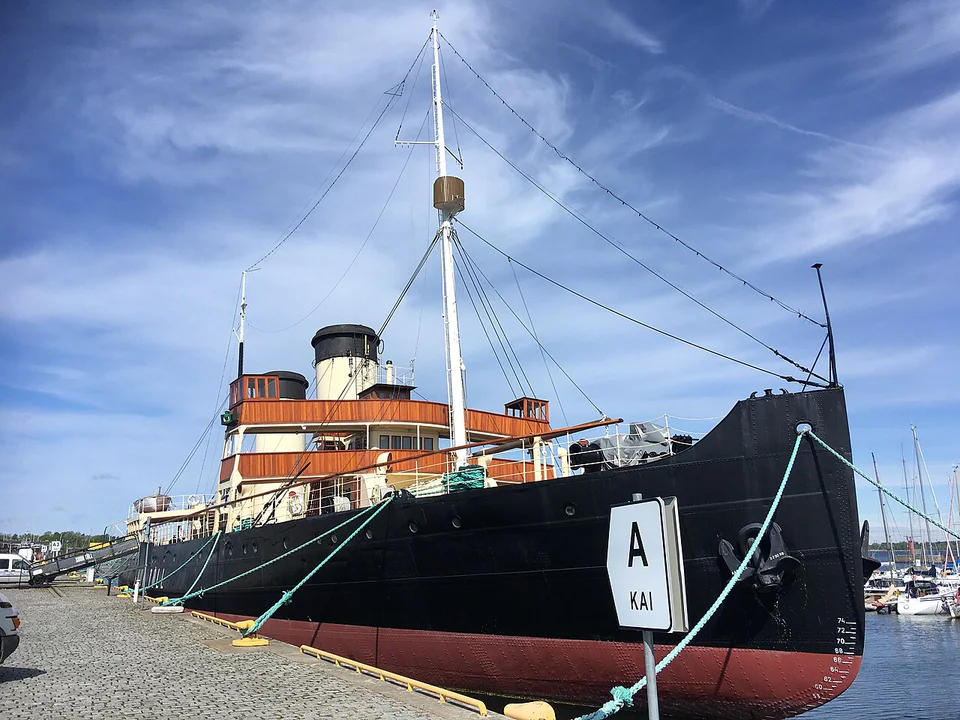
The Estonian Maritime Museum shows its largest exhibits in concrete hangars built for seaplanes during the First World War. Inside you can go aboard the 1936 submarine Lembit, and at the quay outside lies the 1914 steam icebreaker Suur Tõll. One of the city's best museums for families. Seaplane Harbour tickets
Kiek in de Kök and the Bastion Passages
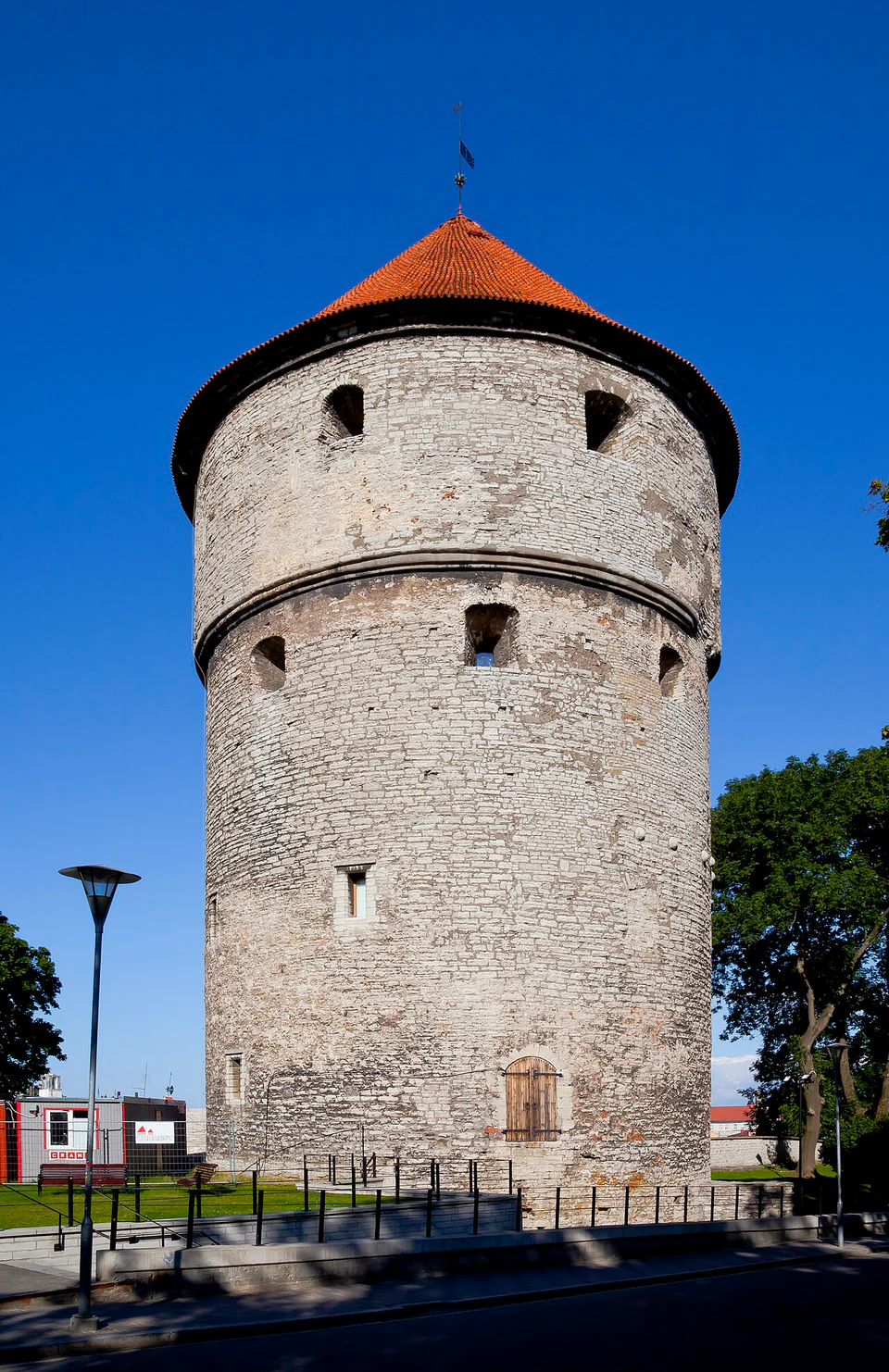
The massive 15th-century cannon tower's Low German name means roughly "peek into the kitchen", because the guards could look straight down into the houses' kitchens. Today it's a museum of the city's defences, and guided tours of the Bastion Passages start here, tunnels first built during the Swedish era in the 17th century. Kiek in de Kök tickets
Kumu
The Art Museum of Estonia opened in 2006 in a building cut into the limestone bank by Kadriorg Park. The collections cover Estonian art from the 18th century to the present, including the Soviet era, and the museum was named European Museum of the Year in 2008.
The Old Town and Town Hall Square
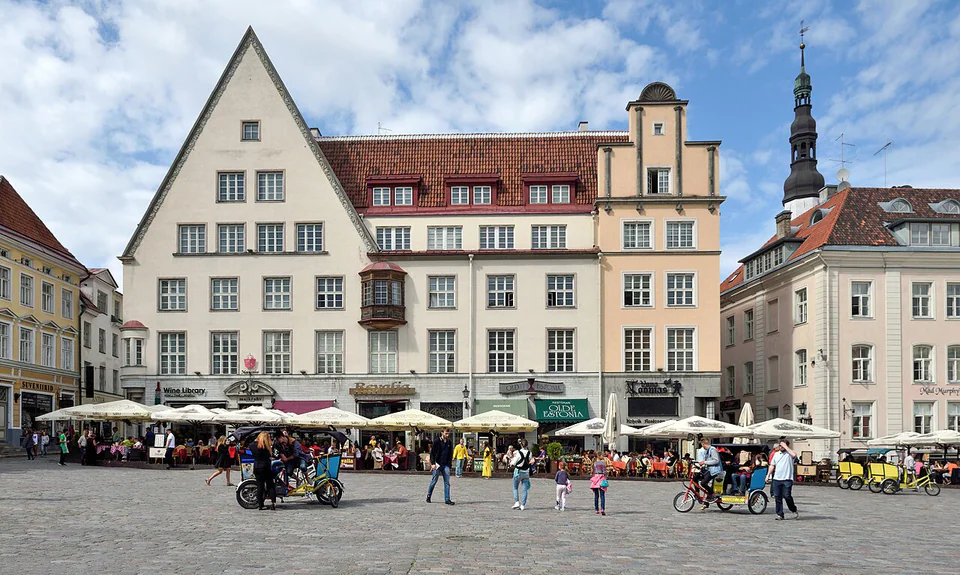
Town Hall Square is the heart of the Old Town, surrounded by pastel houses and outdoor cafés. The town hall was completed in 1404 and is often described as the only surviving Gothic town hall in northern Europe. At the top of its tower stands the Old Thomas weathervane, one of the city's symbols. In December the square fills with a Christmas market around a tall tree. Old Town walking tours
The view from Toompea
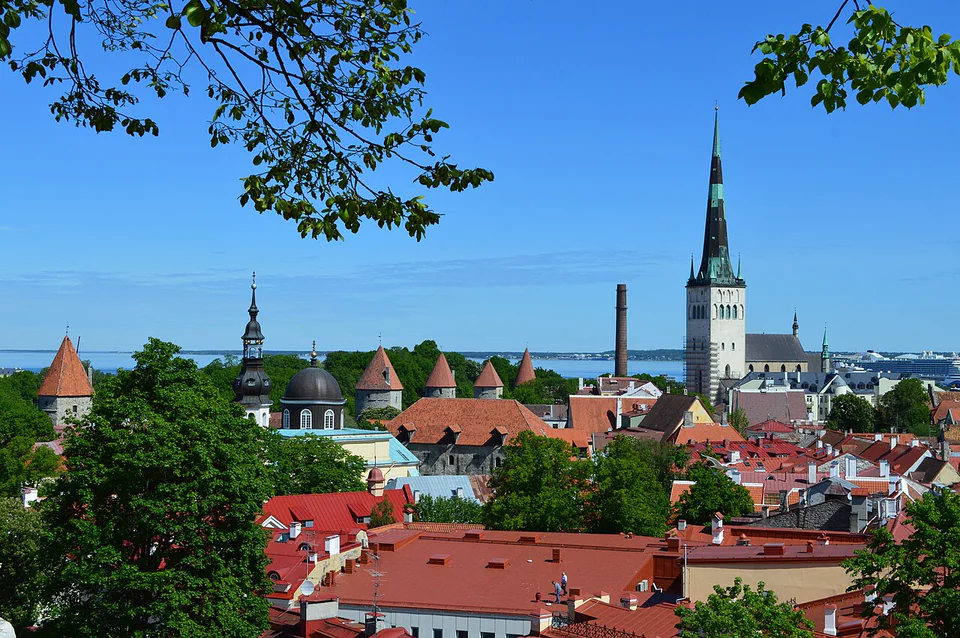
Up on the limestone cliff of Toompea, where Estonia's parliament sits in the castle, are the Kohtuotsa and Patkuli viewing platforms. From here you look out over the Old Town's red roofs, church spires and the harbour, with the high-rises of the modern centre behind. Walk up from the lower town through the steep lanes of Pikk jalg or Lühike jalg.
Kadriorg
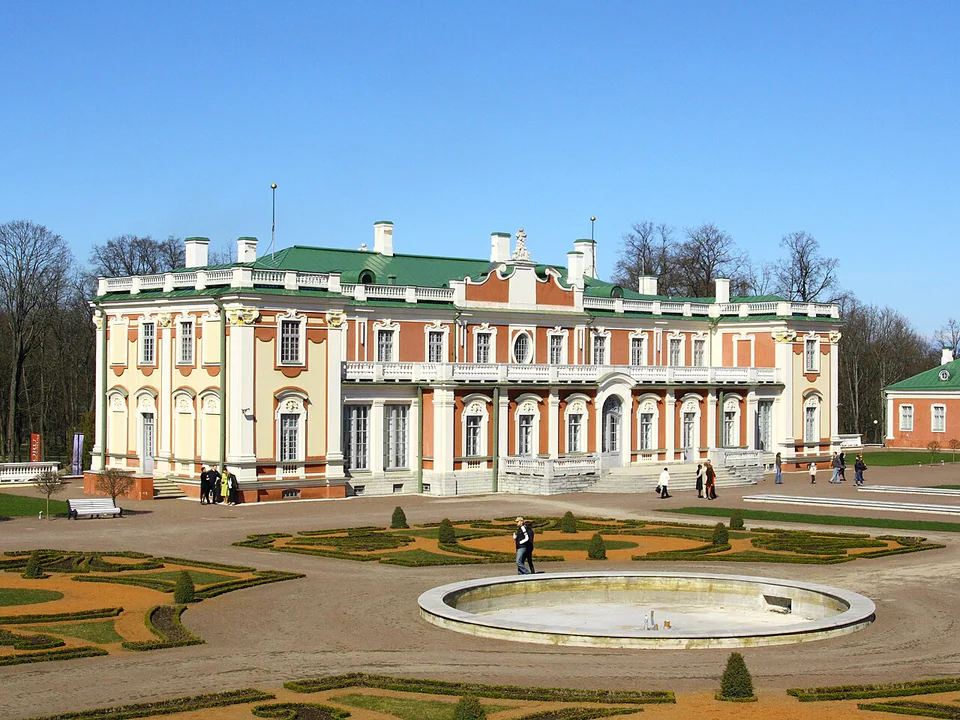
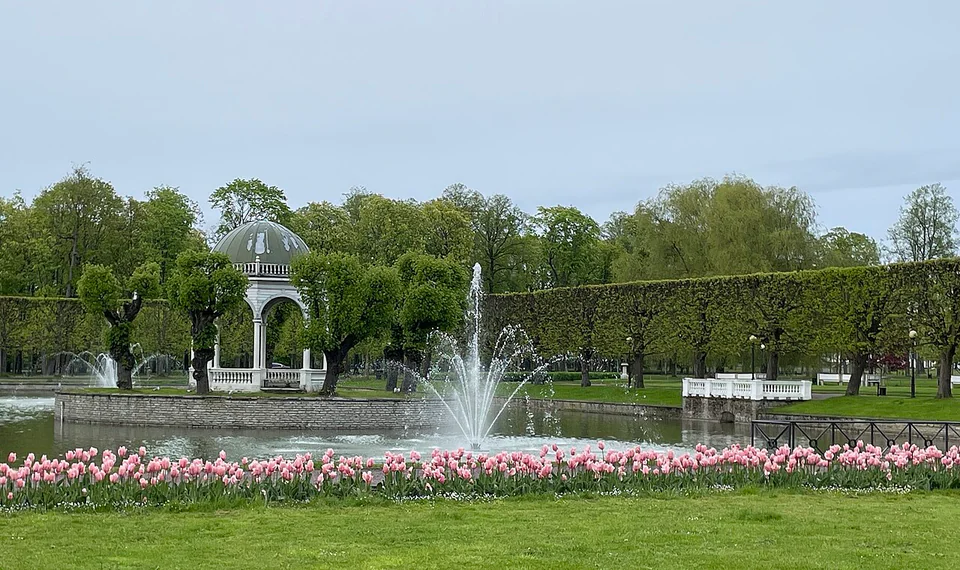
In 1718 Tsar Peter the Great began building a Baroque palace for his wife Catherine in a park east of the centre, and the name Kadriorg means Catherine's Valley. The palace houses the Kadriorg Art Museum with European art, and the park has the Swan Pond, flower gardens and the Kumu art museum. The tram takes you there from the centre in a few minutes.
Worth knowing
Neighbourhoods
The Old Town, Vanalinn, is divided into the lower town, where merchants and craftsmen lived, and Toompea up on the cliff, where power resided. Rotermanni, between the Old Town and the harbour, is a former industrial quarter with new architecture, shops and restaurants. Kalamaja, north-west of the Old Town, is a former fishing and working-class district of wooden houses, and neighbouring Telliskivi has culture, cafés and markets. Kadriorg to the east is elegant, with the palace and park, and Pirita, further along the coast, has a sandy beach, the convent ruins and the sailing harbour from the 1980 Olympics.
Food & drink
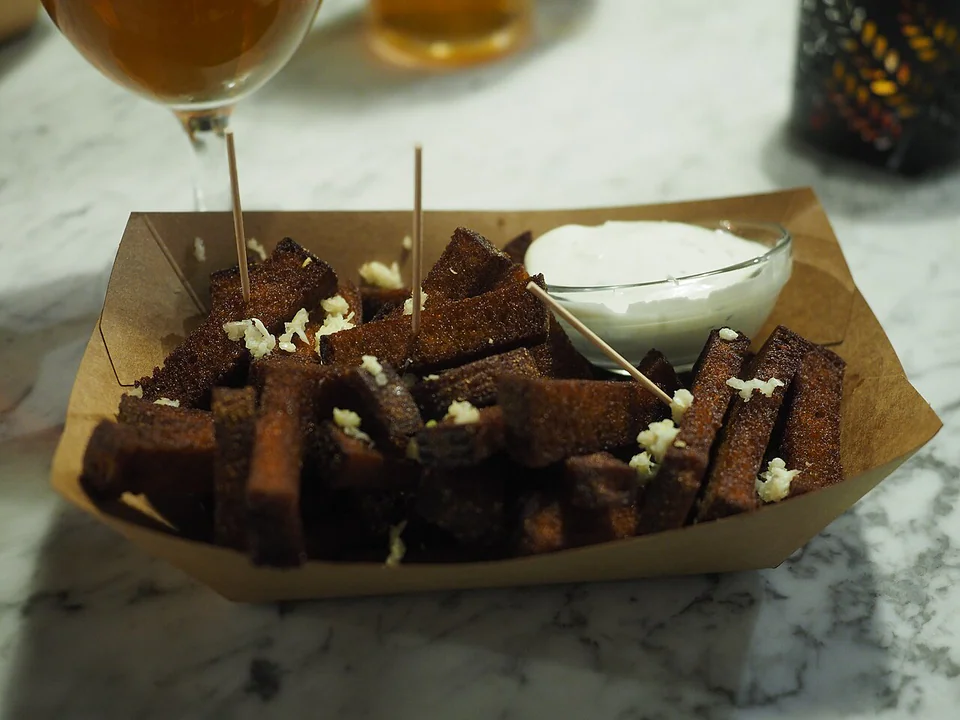
Estonian cooking is built on rye bread, fish, potatoes, and mushrooms and berries from the forest. Try fried garlic rye bread with your beer, kiluvõileib, an open sandwich of dark bread with spiced sprats and egg, and blood sausage with lingonberry jam around Christmas. Balti Jaama Turg has food stalls from all over the world, and the Old Town has everything from medieval-themed taverns to restaurants in the Michelin Guide. Vana Tallinn liqueur is a classic souvenir.
Getting around
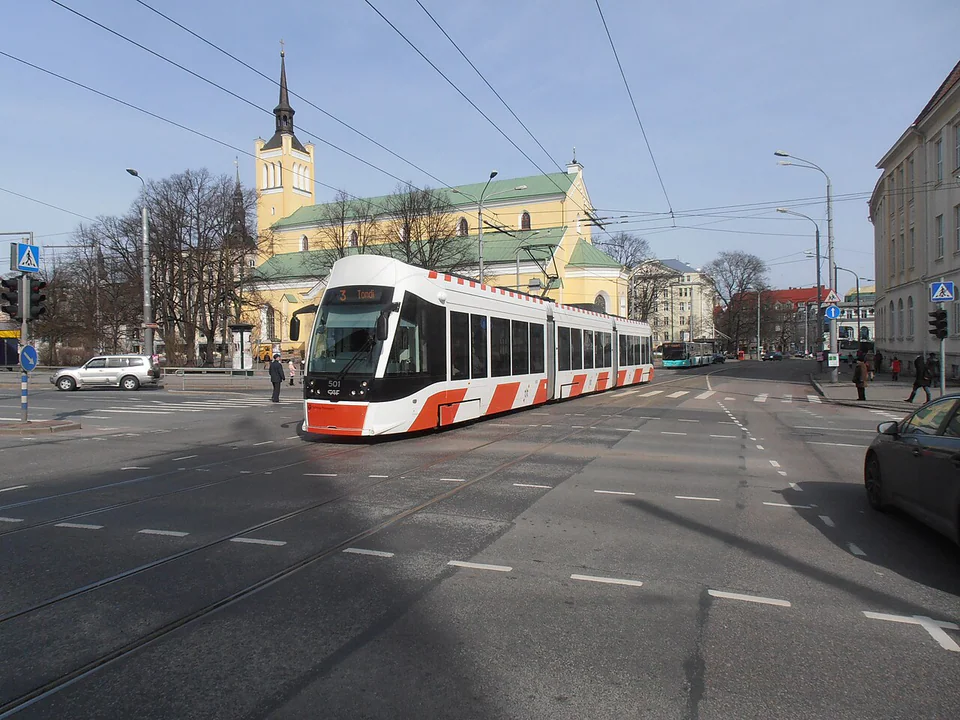
The Old Town is small and best explored on foot, but hilly and with uneven cobbles, so wear comfortable shoes. Trams and buses cover the rest of the city. Tap a contactless bank card or phone on the reader when you board to buy a one-hour ticket, and if you ride a lot the same day it automatically becomes a day ticket. The Tallinn Card includes free public transport and entry to many museums. The tram also stops at the Old City Harbour, close to the ferry terminals.
Apps
Bolt, founded in Estonia, is the most common way to order a taxi in Tallinn, and the same app rents out e-scooters. Public transport tickets are sold in the Pilet.ee app, but the simplest option is to tap your bank card on board. Departures and a journey planner are on transport.tallinn.ee and in Google Maps. Book ferry tickets in the ferry companies' own apps or on their websites.
Essentials
Estonia uses the euro, and cards or mobile payment work almost everywhere. The country is in the EU and the Schengen Area, so EU roaming rules apply. Estonian is the main language, but English is widely spoken, especially among younger people, and many also understand Finnish and Russian. The tap water is safe to drink, and tipping isn't required but is appreciated for good service.
Extra tips and advice
Head up to the Toompea viewpoints early in the morning, before the cruise passengers arrive, and take an evening stroll through the Old Town once the day-trippers have gone home. Buy a Tallinn Card if you plan to see several museums in a short time. Try a traditional public sauna, such as Kalma sauna in Kalamaja, dating from 1928. On a clear summer evening, the seaside walk from Kadriorg to Pirita is lovely.
Toompea with the castle and cathedral above autumn trees
The Swan Pond in Kadriorg Park with its pavilion and fountain on a spring day