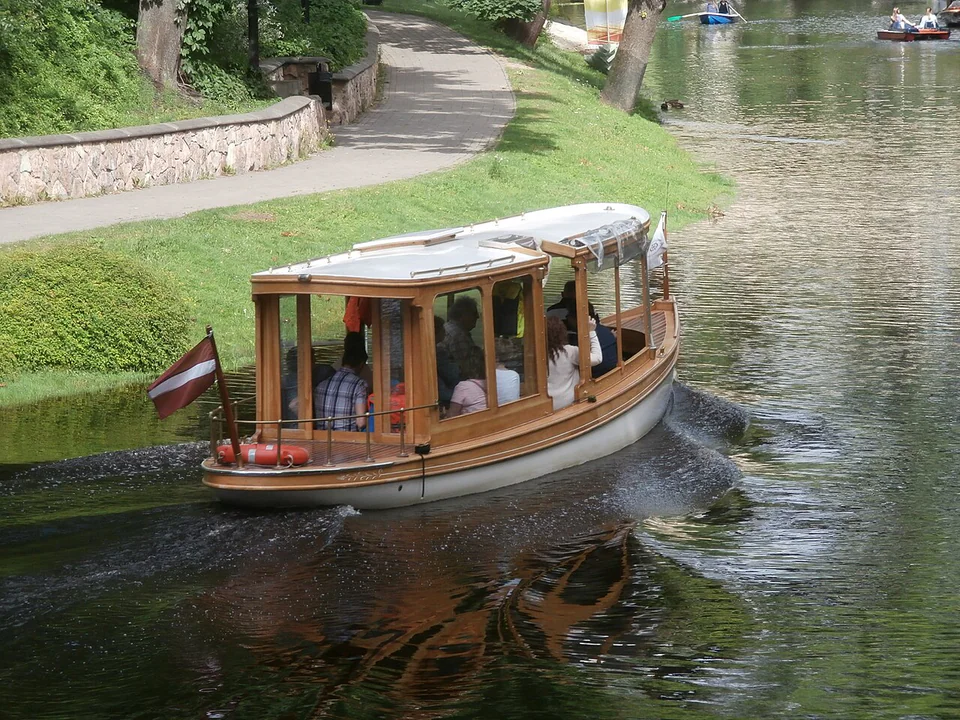
A boat trip on the city canal
Small boats leave from Bastejkalns and Kronvalds Park along the canal through the parks and out onto the Daugava. The trip takes about an hour and shows the old town and the Opera from the water.
See tours and prices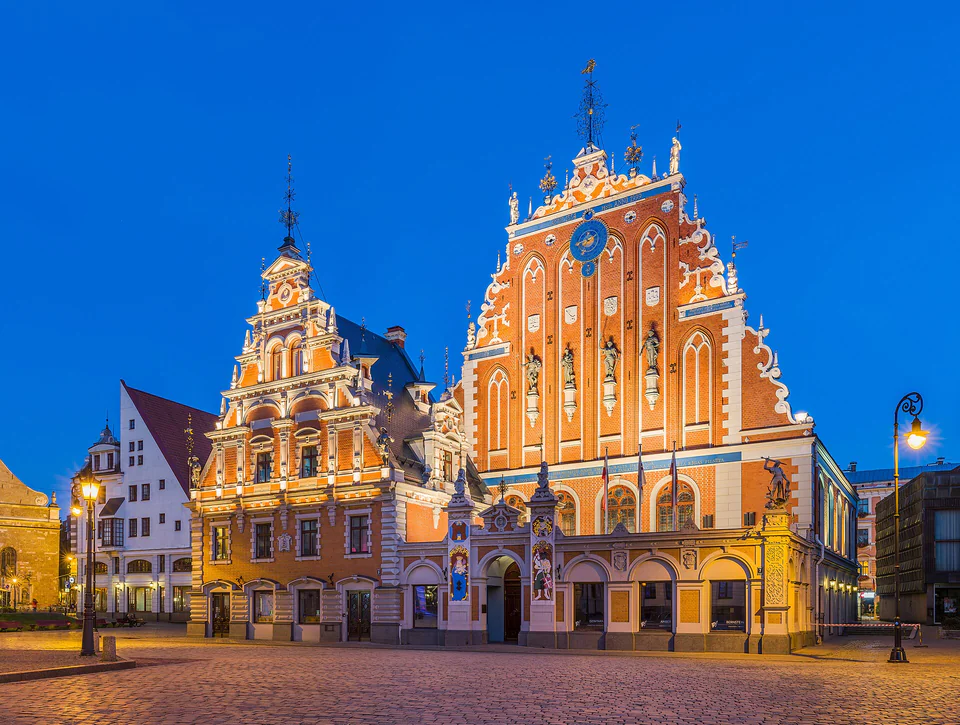
The Hanseatic city on the Daugava · Latvia
Your guide to Riga
Riga lies where the Daugava River flows into the Gulf of Riga and is the largest city in the Baltic states. According to tradition, Bishop Albert founded the city in 1201, and it soon became one of the Hanseatic League's most important trading cities. Over the centuries Riga has been ruled by German crusader knights, Poland-Lithuania, Sweden and Russia, and each has left its mark on the cityscape.
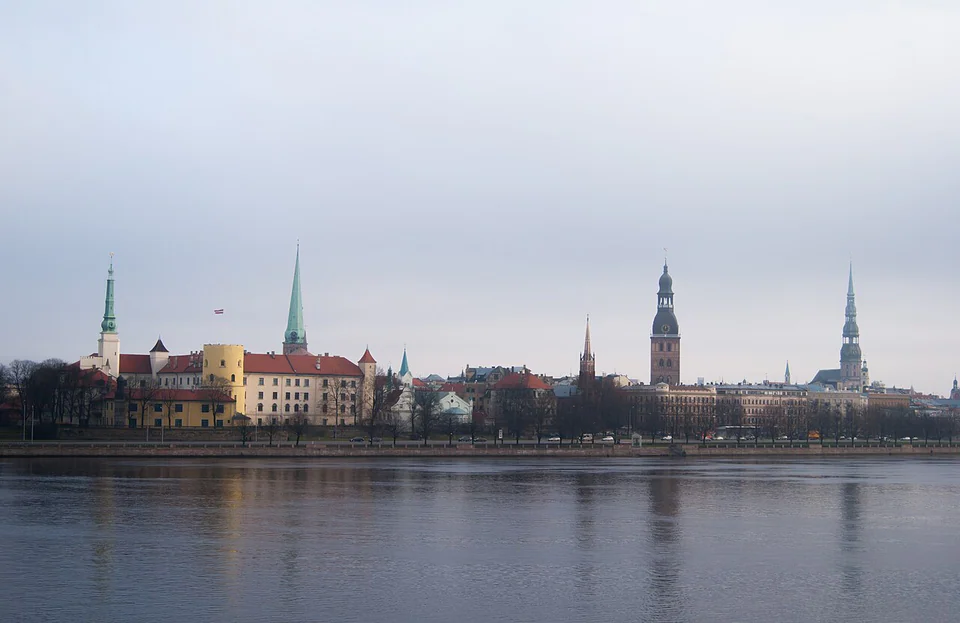
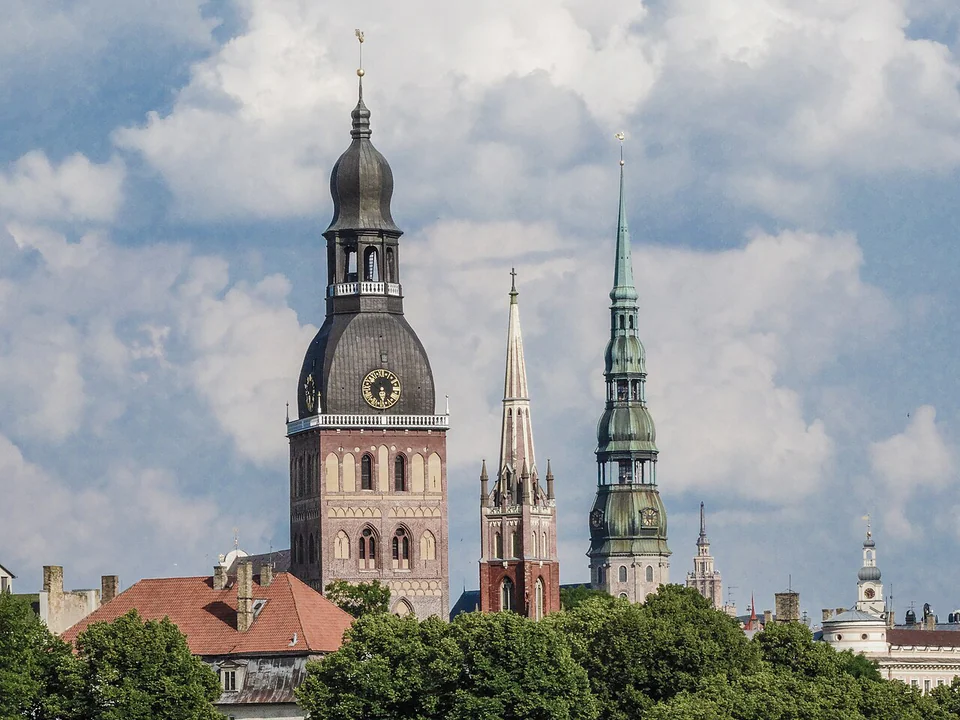
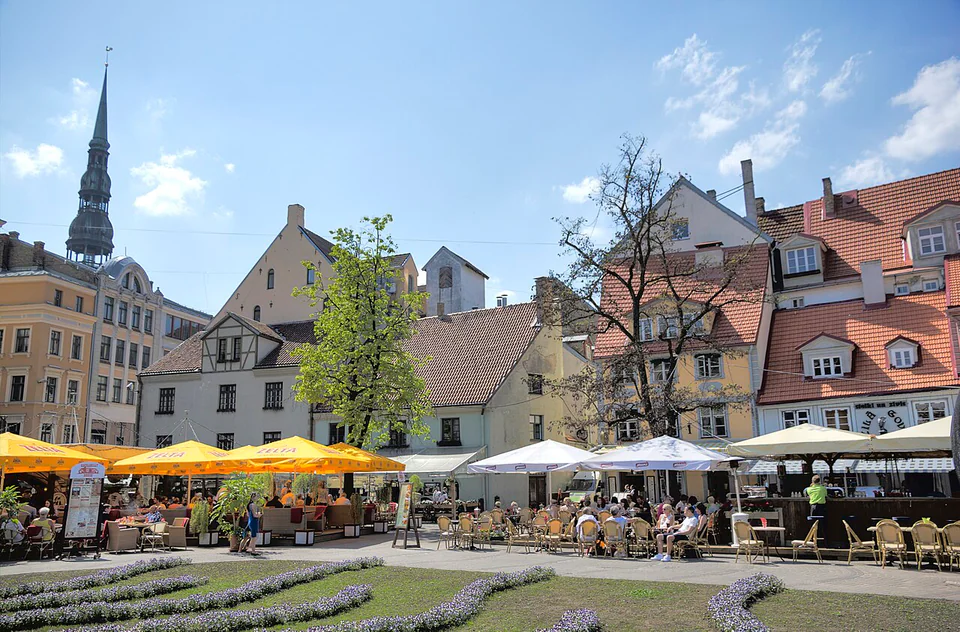
The old town, Vecrīga, has cobbled streets, guild halls and church spires. Together with the surrounding central districts, it forms part of the World Heritage Site inscribed on UNESCO's list in 1997. Here you'll find the Cathedral, St Peter's Church and the House of the Blackheads on Town Hall Square. On summer evenings the outdoor terraces around Līvu laukums and Dome Square fill up, and in December a Christmas market is held on Dome Square.
Where the city's fortifications once stood, a park now runs along a canal. Beyond it begins the city of the 19th and 20th centuries. Roughly a third of the buildings in the centre are Art Nouveau, and along Alberta iela the façades compete with faces, sphinxes and swirling ornament. Five former Zeppelin hangars next to the railway station house the Central Market.
Riga is easy to reach from the Nordic countries and cheaper than their capitals. Take the train half an hour to the sandy beaches of Jūrmala, go to an organ concert in the Cathedral, or settle into a cellar restaurant and order grey peas with bacon. At midsummer, Latvian families celebrate Jāņi with songs, wreaths and bonfires, often out in the countryside.
Things to do
Small boats leave from Bastejkalns and Kronvalds Park along the canal through the parks and out onto the Daugava. The trip takes about an hour and shows the old town and the Opera from the water.
See tours and prices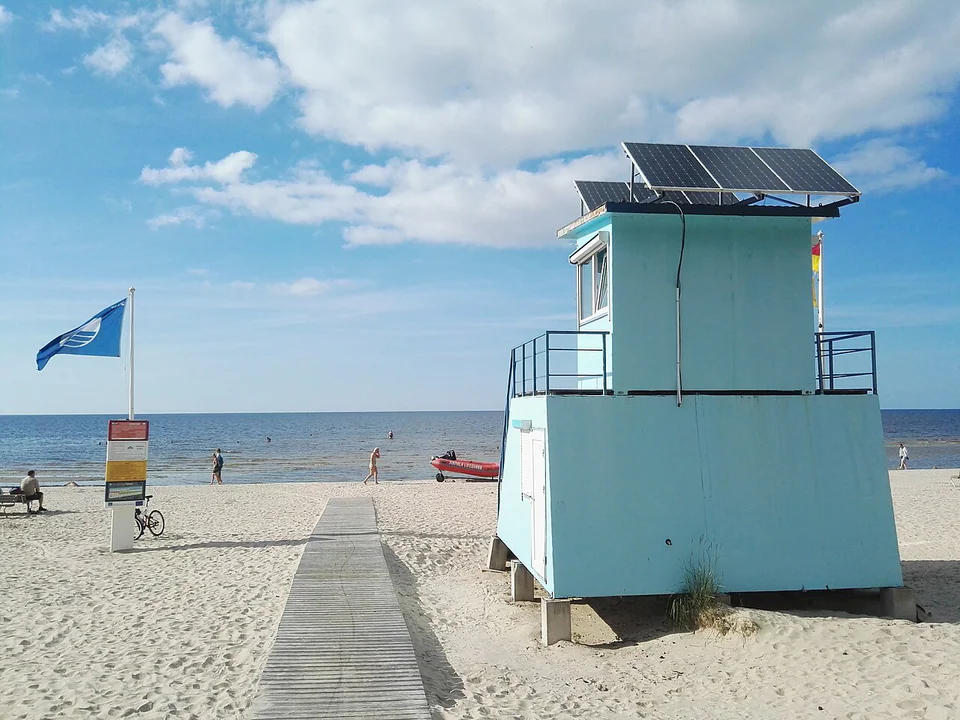
The train takes about half an hour to the resort of Majori in Jūrmala, with a long sandy beach, pine forest and old wooden villas. The pedestrian street Jomas iela has cafés and restaurants.
See tours and prices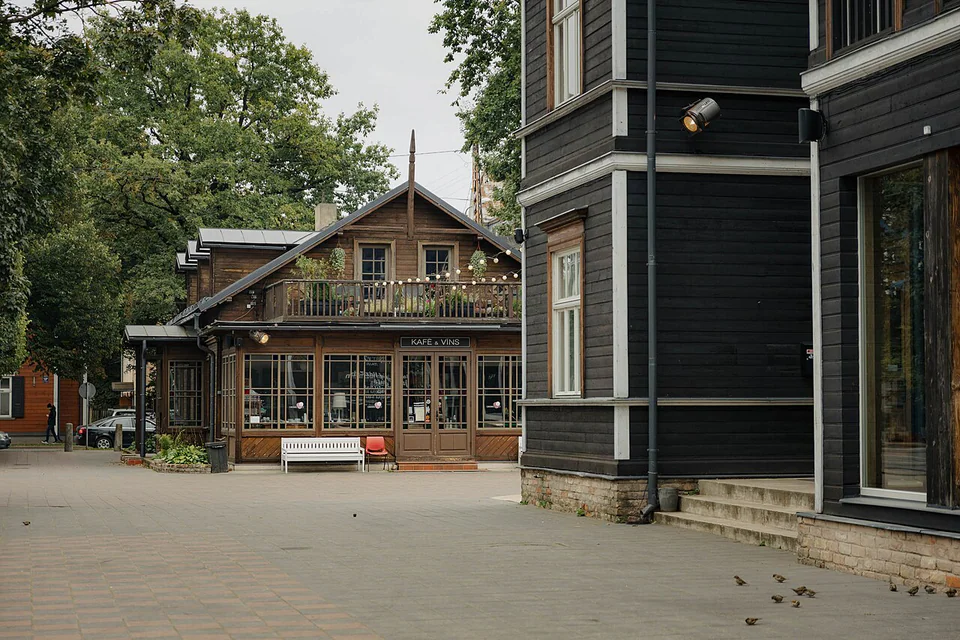
Across the river, a group of 19th-century wooden houses has been restored. Every Saturday, local farmers and craftspeople sell cheese, honey, rye bread and handicrafts in the courtyard.
See tours and pricesPack right
Best May–September
−6–23 °CCold, grey winters with snow and short days, and summers around 20 °C with light evenings. In December the Christmas market on Dome Square draws visitors, and June–August is peak season for the beaches of Jūrmala.
Current currency
Euro
1 EUR to SEKThe rate is updated every hour. Always check the current rate before you travel.
Compare hotels and apartments on the map, with current prices.
The map loads from Stay22 only when you click. Stay22 may then set cookies and collect information about your browser. Privacy
Plan your trip
Riga International Airport (RIX) lies just over ten kilometres south-west of the centre and is the base of airBaltic, which flies direct from Stockholm Arlanda (ARN) and many European cities. Bus 22 takes you to the centre in about half an hour, and a taxi is quicker.
The Stockholm–Riga ferry hasn't sailed since 2020, and Tallink hasn't announced a restart. Instead, Stena Line sails Nynäshamn–Ventspils, a few hours from Riga by car or bus. Another option is Tallink's Stockholm–Tallinn ferry followed by a bus to Riga of around four and a half hours. Buses also run from Vilnius.
Check current departures and prices before you travel.

The old town is charming and has everything within walking distance, but can be noisy on weekend nights. Centrs, especially Klusais centrs, the 'quiet centre' around Alberta iela and Elizabetes iela, has hotels and apartments in Art Nouveau buildings and calmer evenings. The area near the railway and bus stations is practical if you're heading on to Jūrmala or the airport.
Prices are lower than in the Nordic capitals, but book early for midsummer, the Christmas market and big concerts.
The big and the small
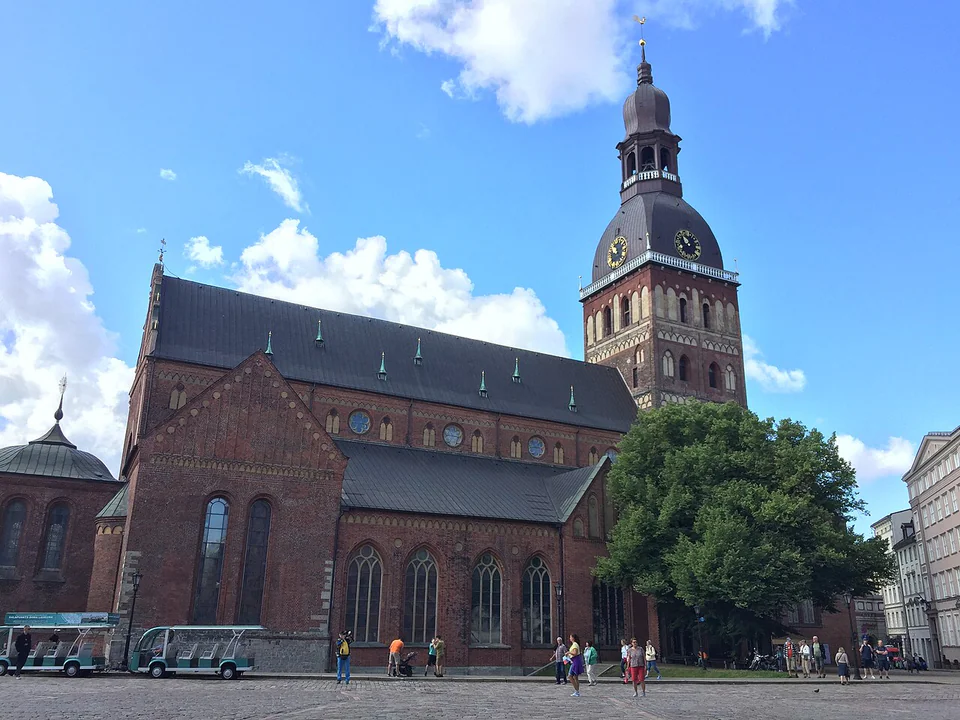
Bishop Albert began building the cathedral in 1211, and it is considered the largest medieval church in the Baltic states. The organ from 1884, built by Walcker, was one of the largest in the world when it was inaugurated. Go to one of the regular organ concerts, and see the medieval cloister at the back of the church. Dome Cathedral organ concerts
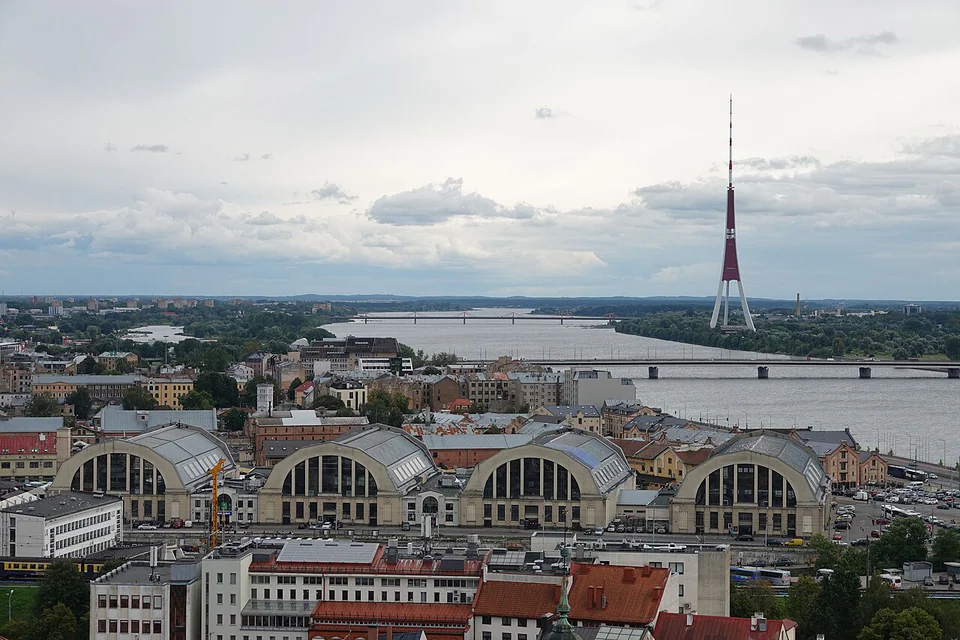
The Gothic church's tower burned during the Second World War and was rebuilt in the 1970s, now with a lift. From the viewing platform 72 metres up you look out over the old town's roofs, the Daugava and the Central Market's hangars. There is only one lift, so expect a queue in the middle of the day. St Peter's Church tower tickets
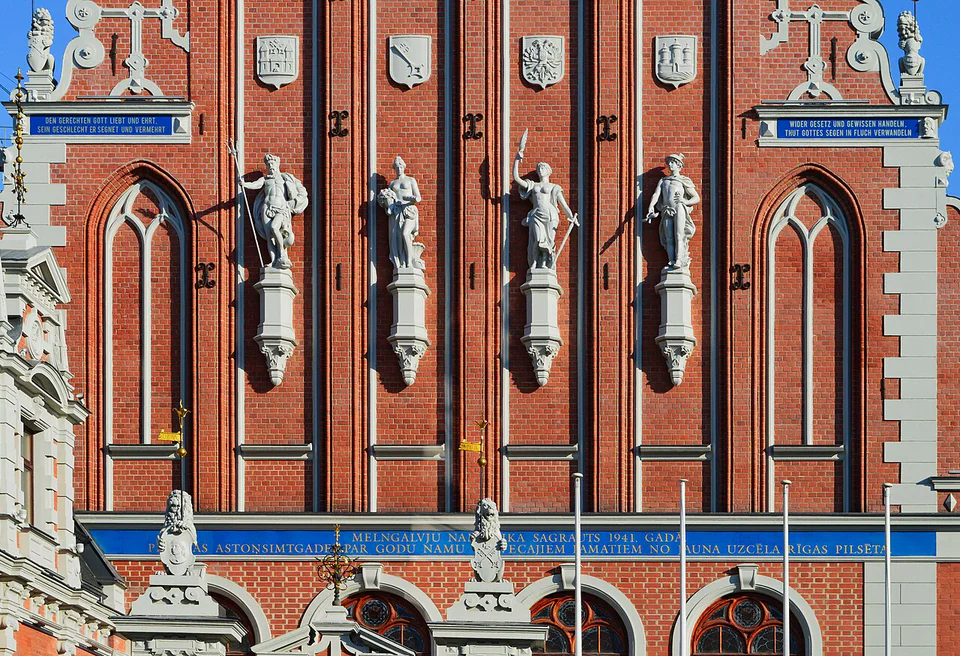
The splendid guild house on Town Hall Square was used by the Brotherhood of Blackheads, an association of unmarried foreign merchants. The building was destroyed in the Second World War, its ruins were demolished in the Soviet era, and it was rebuilt by 1999. Today it is a museum with medieval cellars. In the paving outside, a plaque marks where Riga's first Christmas tree is said to have stood in 1510.
The 42-metre monument was unveiled in 1935 in memory of those who fell in the Latvian War of Independence. At the top, the female figure known as Milda holds up three stars. The monument stood throughout the Soviet era and was a rallying point when Latvia regained its independence. During the day, weather permitting, an honour guard stands at its foot, changing every hour.
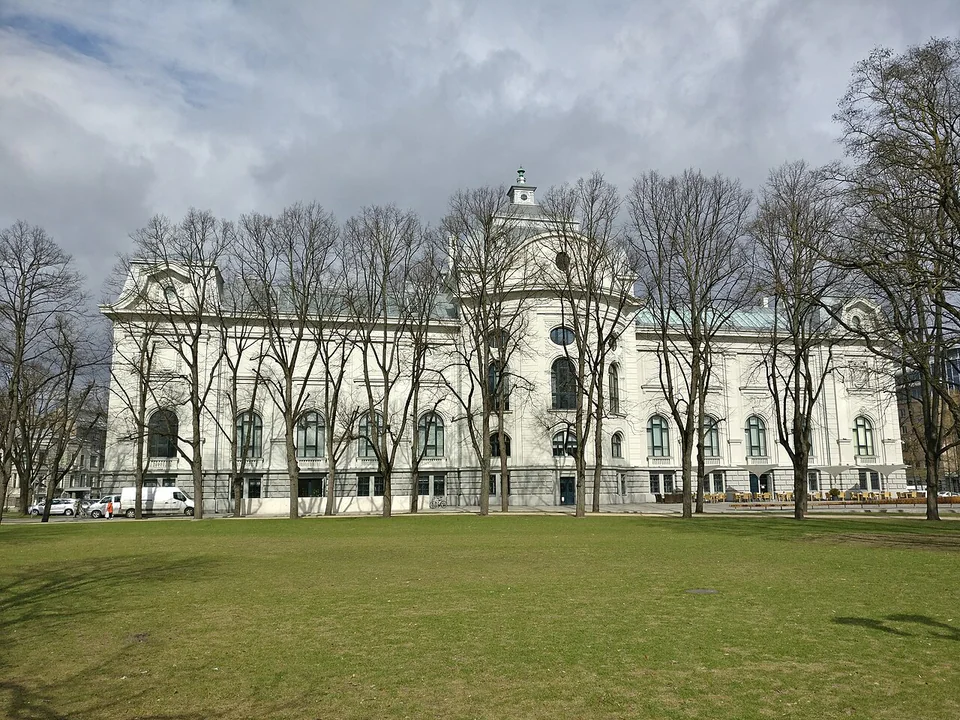
The museum is in a palatial building from 1905 by the canal park and reopened in 2016 after a major renovation with new underground galleries. The collection shows Latvian art from the 18th century to today, with landscapes by Vilhelms Purvītis and paintings by Janis Rozentāls.
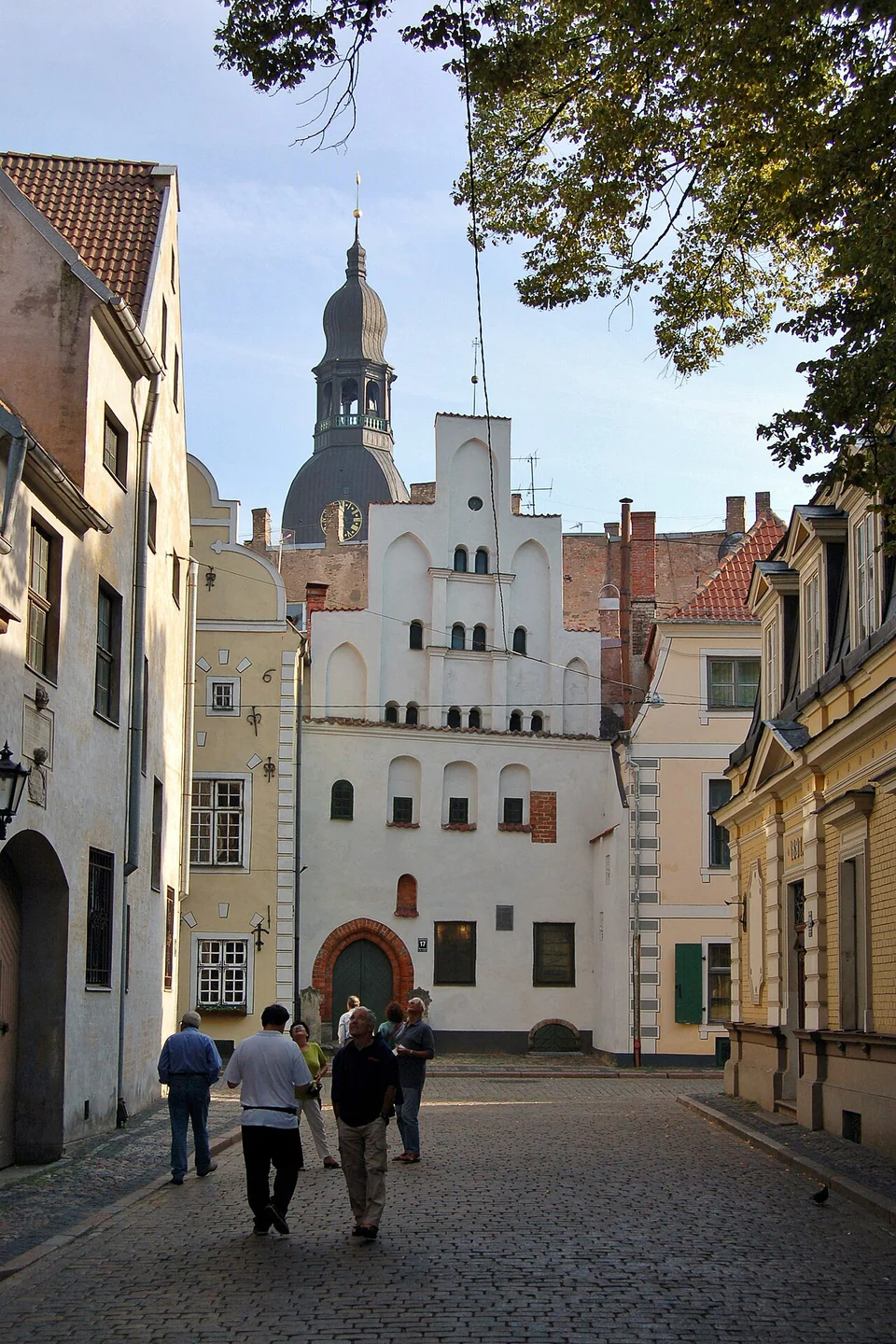
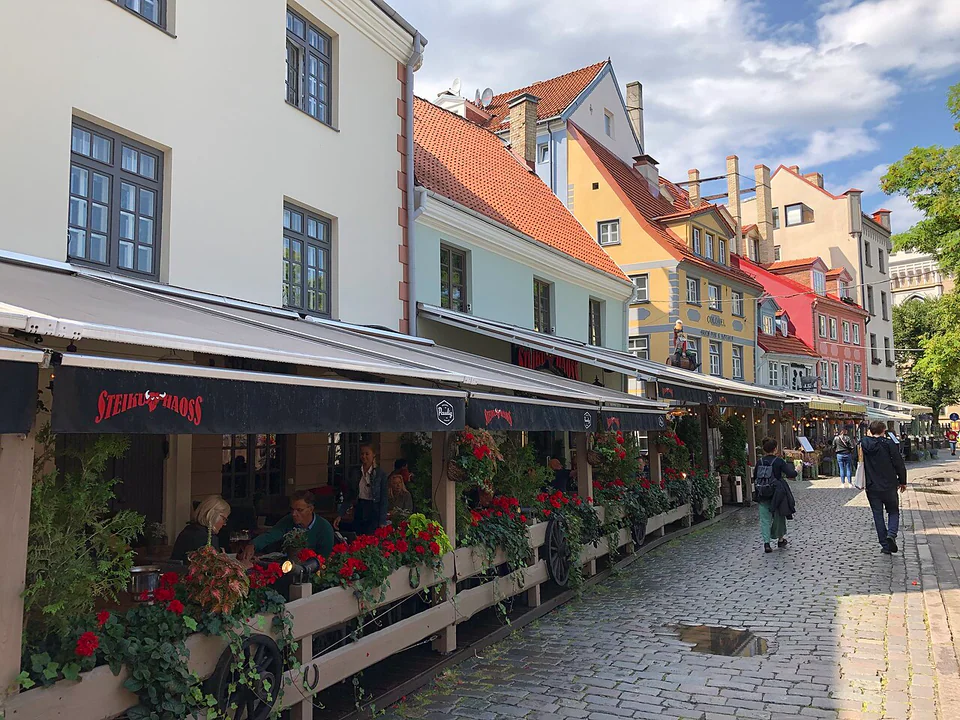
Riga's medieval core is small enough to explore on foot in a day. Look for the Three Brothers on Mazā Pils iela, where the oldest house, from the late 15th century, is considered the city's oldest surviving dwelling, and the Swedish Gate from 1698, the only remaining city gate. Between the churches, small squares open up with cafés and outdoor terraces. Old Town walking tours
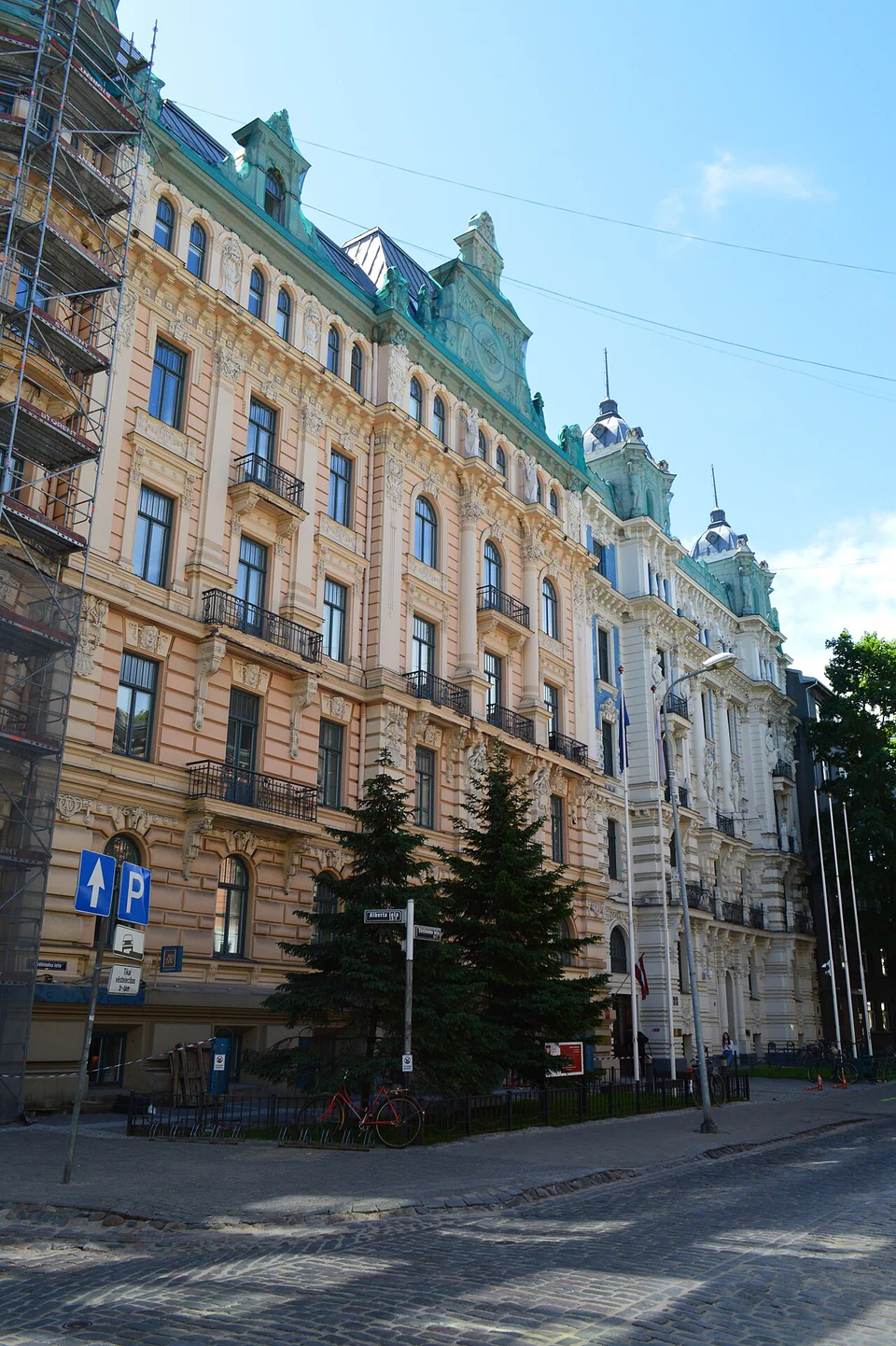
Riga has one of the world's largest collections of Art Nouveau architecture. Best known are the buildings on Alberta iela, several of them designed by Mikhail Eisenstein, father of the film director Sergei Eisenstein, with masks, lions and sphinxes on their façades. At number 12, the Art Nouveau Museum shows an apartment furnished as around 1900, with a famous spiral staircase. Art Nouveau walking tours
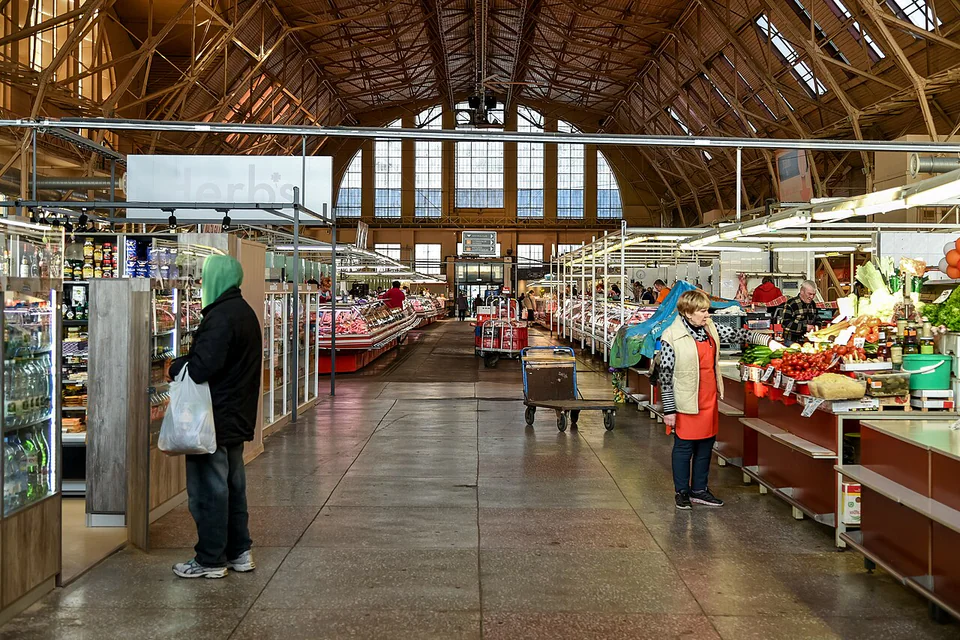
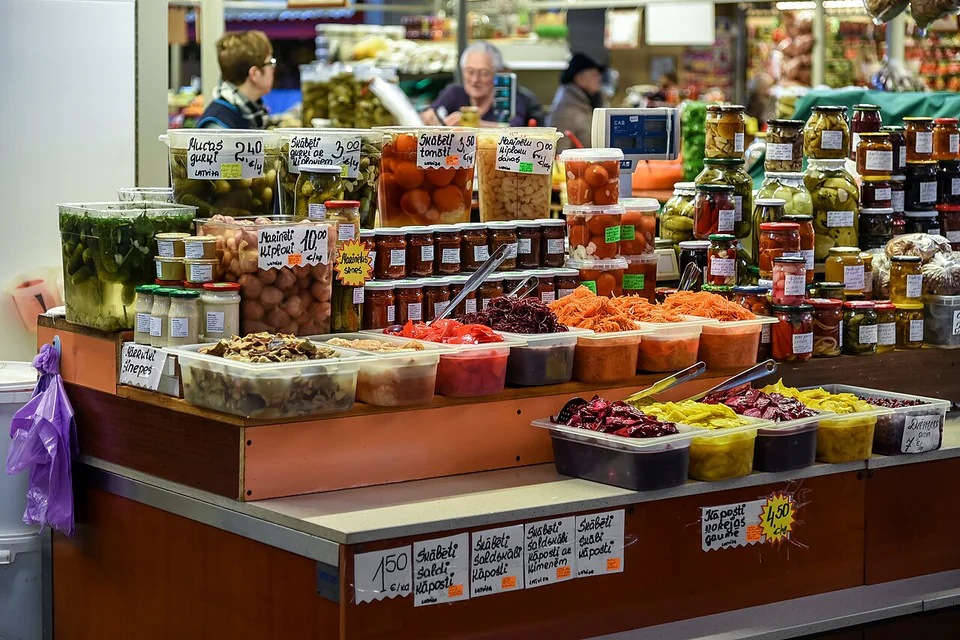
The market was built in 1924–1930 from the upper parts of German Zeppelin hangars from the First World War and is part of the World Heritage Site. Its five pavilions sell meat, fish, dairy and vegetables from thousands of stalls. Try smoked fish, dark rye bread and pickled vegetables, and head out to the outdoor stalls where farmers sell berries and mushrooms in late summer. Central Market food tours
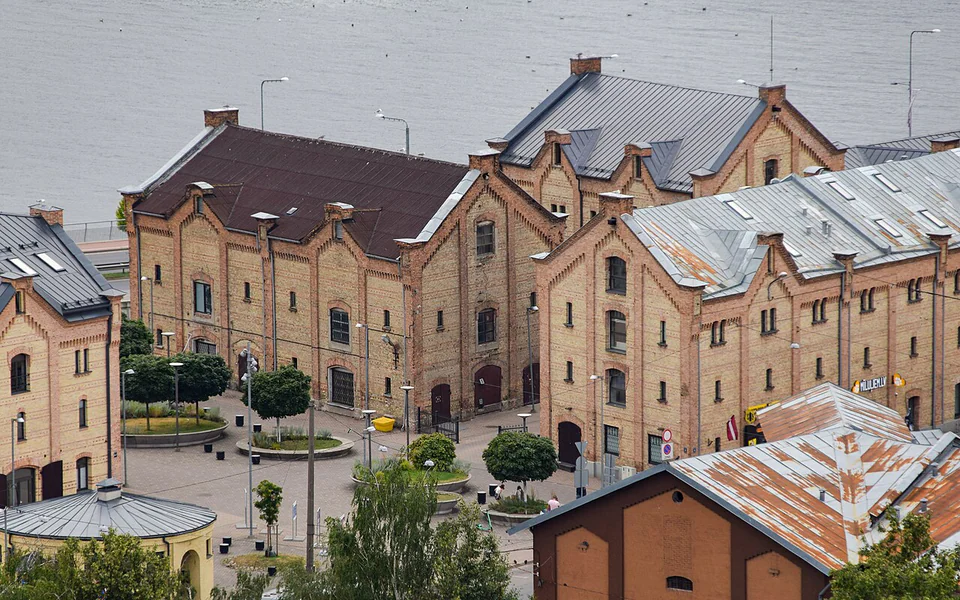
Vecrīga, the old town, is the medieval core by the Daugava, with churches, guild halls and small squares. Around it run the canal park and the boulevards, and beyond them is Centrs, with the Art Nouveau streets of Klusais centrs. South of the Central Market is Maskavas forštate, where the old warehouses of Spīķeri have become cafés, galleries and stages. Across the river, in Pārdaugava, are the National Library, the wooden houses of Ķīpsala and the Kalnciems Quarter in Āgenskalns. Further north is the garden suburb of Mežaparks, with forest and the great Song Festival stage.
Latvian cuisine is hearty, with dark rye bread, smoked fish, potatoes and grey peas with bacon, pelēkie zirņi ar speķi. Pīrāgi, small buns filled with bacon and onion, are sold in bakeries everywhere. The Lido chain runs buffet restaurants where you can try home cooking at low prices. The Central Market and the Kalnciems Quarter are good for cheese, honey and fish, and Riga has a couple of restaurants with Michelin stars. Try Riga Black Balsam, a bitter herbal liqueur, ideally mixed with blackcurrant juice or in coffee.
The old town and the Art Nouveau district are easy to explore on foot. Trams, trolleybuses and buses are run by Rīgas satiksme. Buy your ticket in advance in the Rīgas satiksme app or Mobilly, from a machine or at a Narvesen kiosk, and validate it every time you board. Drivers only sell tickets on airport bus 22, and then by card. Trains to Jūrmala leave from the central station, and Bolt offers taxis, e-scooters and rental bikes.
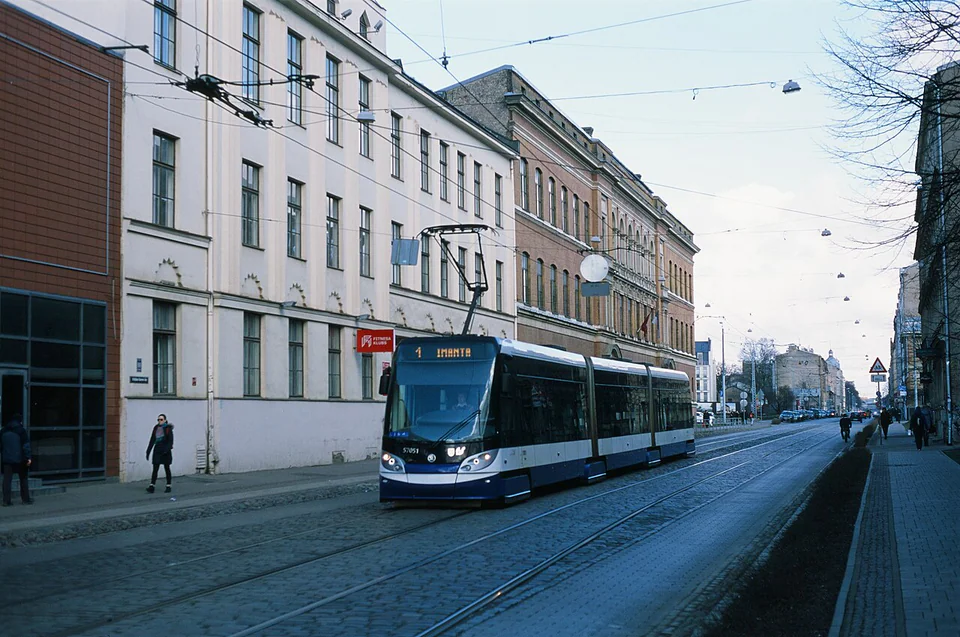
The Rīgas satiksme app and Mobilly sell tickets for public transport in Riga. With the Vivi app you buy train tickets, for example to Jūrmala. Bolt is the most common way to order a taxi and also has e-scooters, and the Lux Express app sells bus tickets to Tallinn and Vilnius. Wolt delivers food if you'd rather eat in your room.

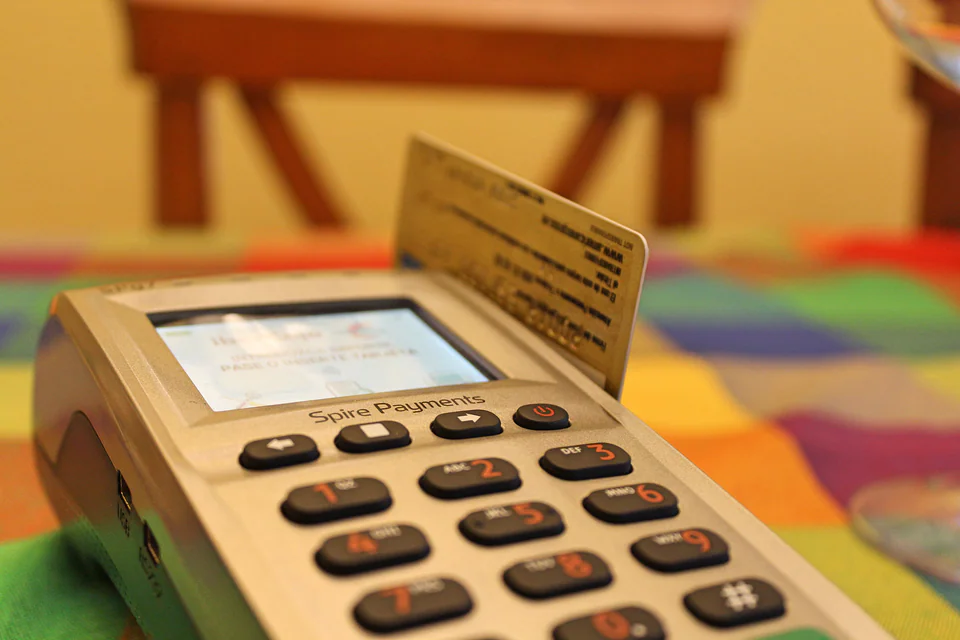
Latvia uses the euro and is part of Schengen, and EU roaming rules apply. Cards work almost everywhere. Latvian is the official language, many people also speak Russian, and younger Latvians and those working with tourists often speak good English. A tip of around ten per cent is usual in restaurants if the service was good. The tap water meets EU standards, but many people prefer bottled water. Check prices before ordering in old town bars, and say no if strangers invite you to a bar.
Much of Riga is free to enjoy: the old town, the Art Nouveau façades on Alberta iela, the canal park and the Central Market. Book organ concerts in the Cathedral and tours of the Corner House in advance. For views, besides St Peter's tower, there's the terrace on the Academy of Sciences, a Soviet high-rise near the market. Around midsummer, 23–24 June, many Latvians head to the countryside and some shops and restaurants close. In December the Christmas market on Dome Square is at its most atmospheric.