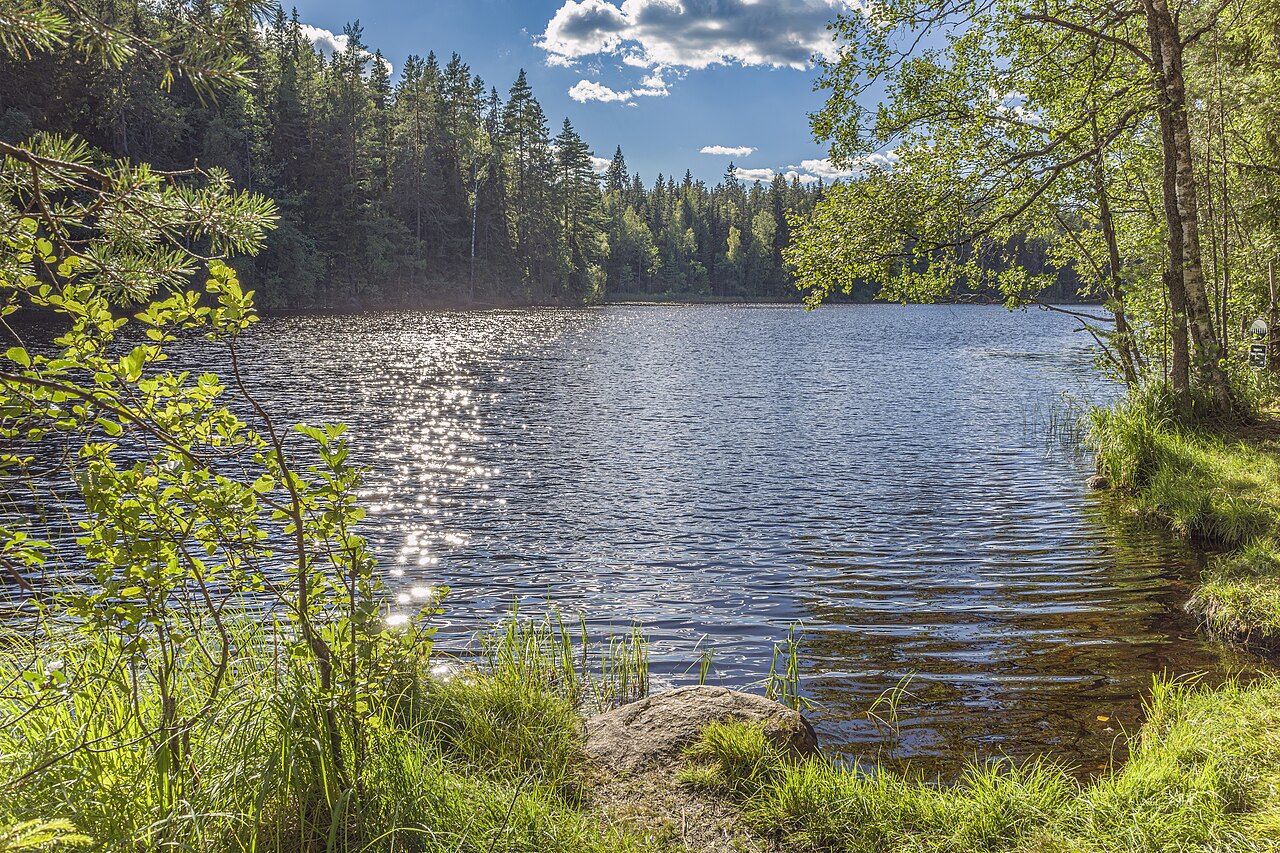
A hike in Nuuksio National Park
Lakes, spruce forest and rocky outcrops with marked trails, about an hour from the centre. Take the train to Espoo Centre and the bus on to the park.
See tours and pricesThe white city of the Baltic · Finland
Your guide to Helsinki
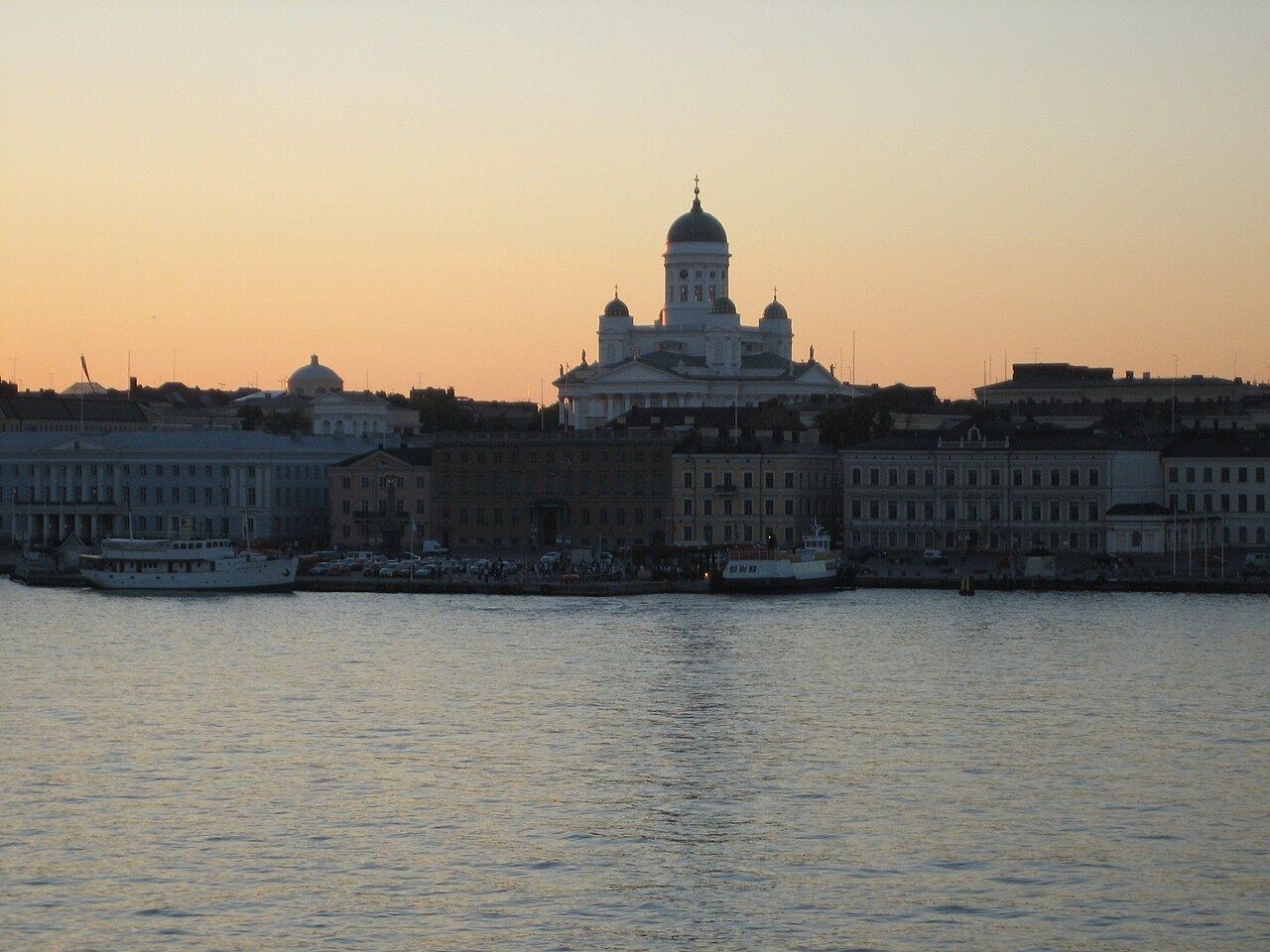
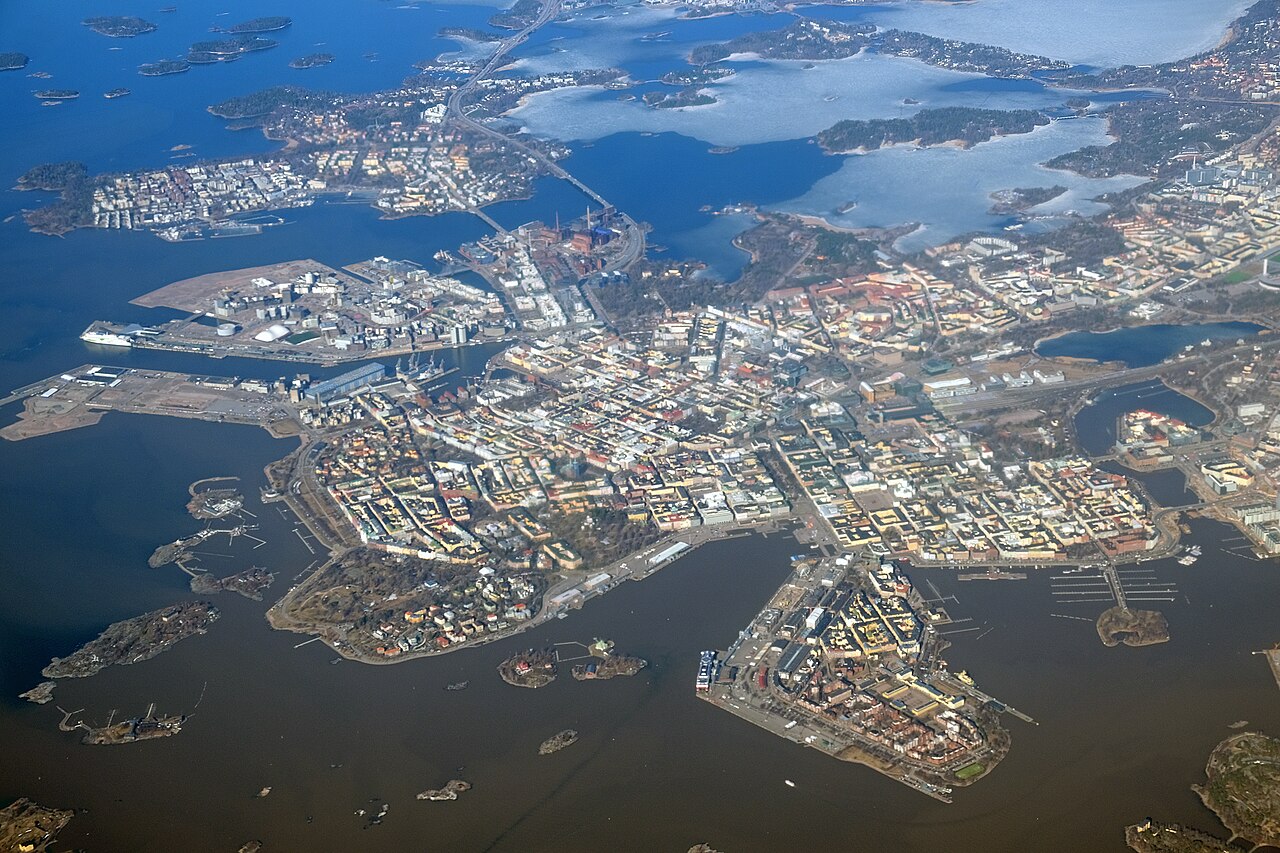
Helsinki was founded in 1550 on the orders of the Swedish king Gustav Vasa, as a trading town with the ambition of rivalling Reval, today's Tallinn. When Finland became a grand duchy under Russia, Helsinki was made its capital in 1812. The architect Carl Ludvig Engel designed the neoclassical centre around Senate Square that still shapes the city. Today Helsinki is a seaside city on a peninsula, surrounded by bays and hundreds of islands.
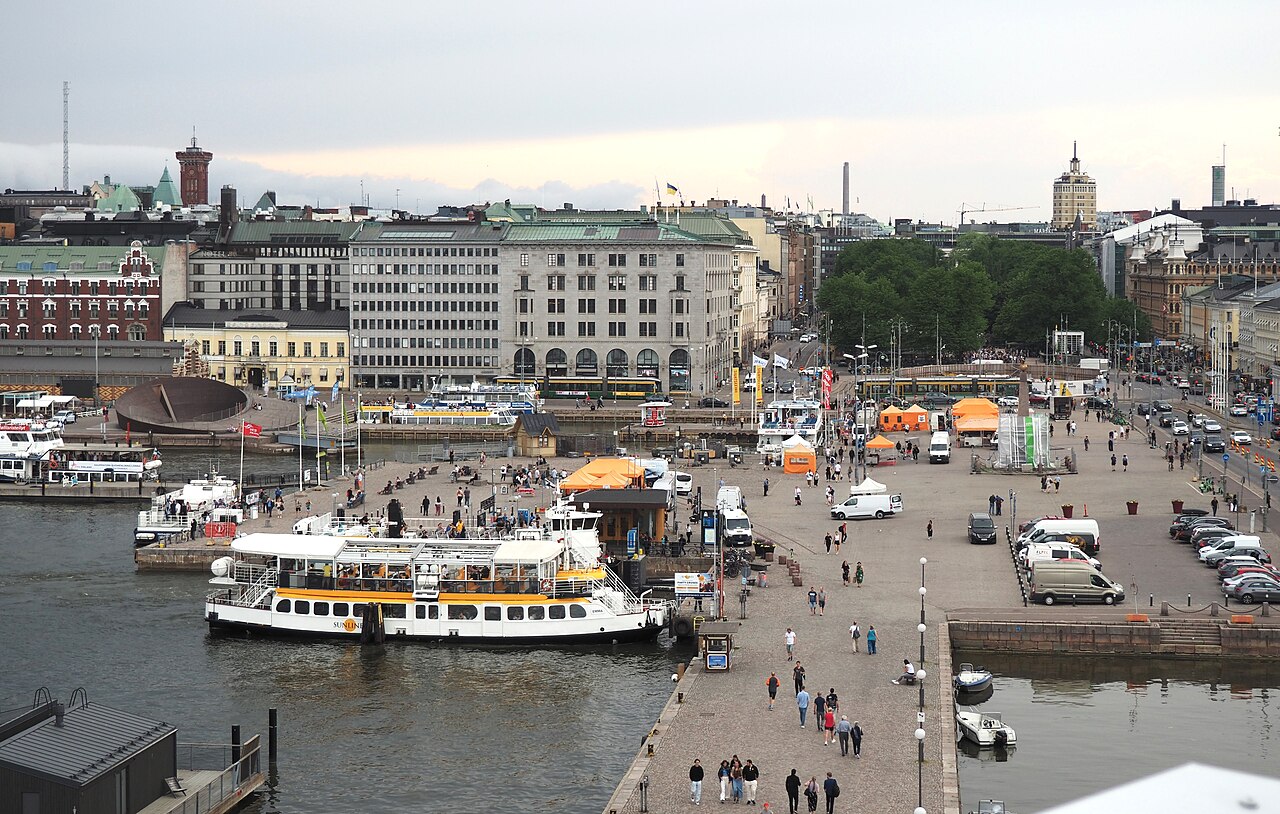
From the Market Square, ferries run to the Suomenlinna sea fortress, a UNESCO World Heritage Site, and to several of the archipelago's smaller islands. Along the shore are saunas where you can step straight from the heat down into the sea – all year round. The sauna is a natural part of everyday Finnish life, and Helsinki has everything from innovative, architect-designed saunas to simpler public baths in older neighbourhoods.
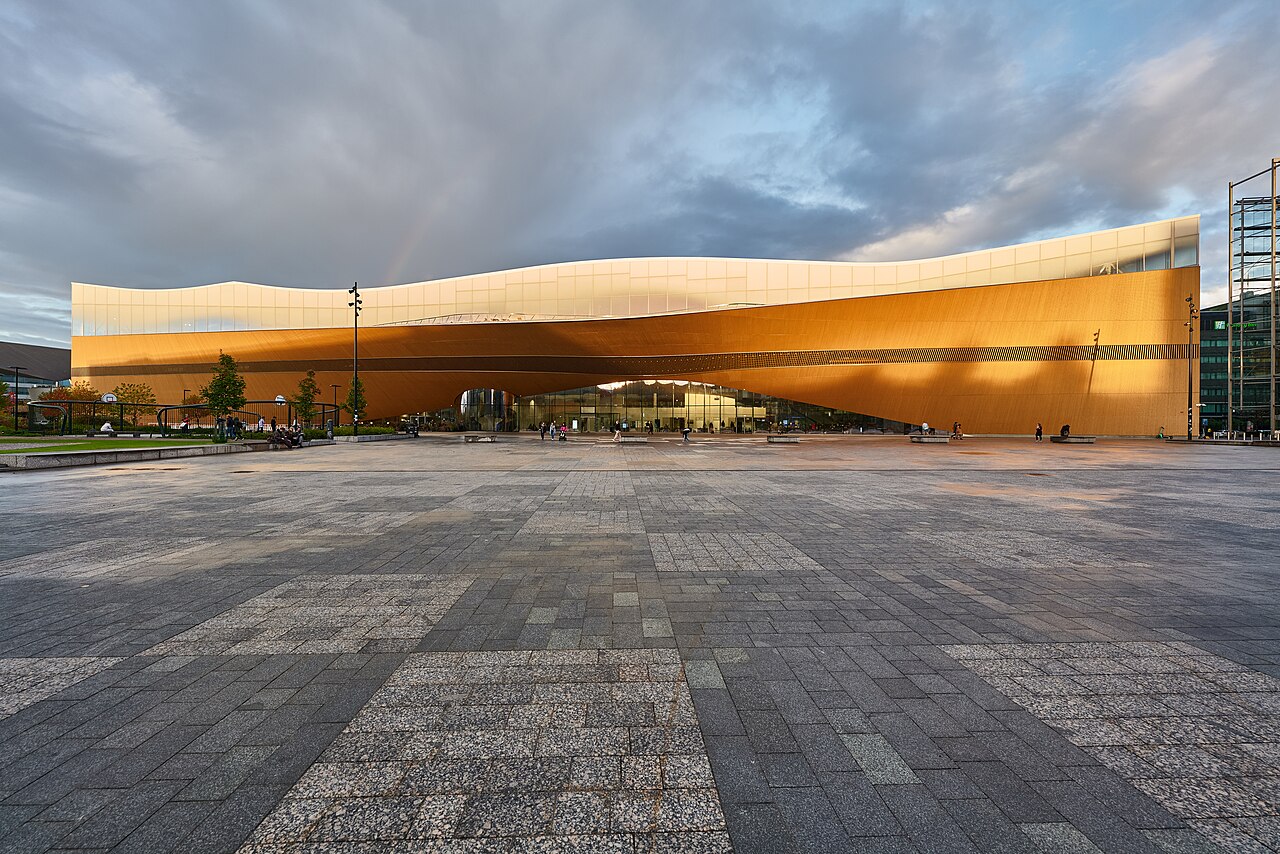
The city is also known for its architecture and design. Here you'll find the Art Nouveau buildings of Katajanokka, the Temppeliaukio Church blasted into the bedrock and the modern Oodi central library. Around the Esplanadi are design shops and galleries, while the Ateneum shows Finnish art from, among other periods, the golden age.
Helsinki has close ties to Sweden in several ways. The overnight ferry across the Baltic from Stockholm is a classic route, Swedish is one of the city's official languages and the street signs are bilingual. Just remember that Finland is an hour ahead of Sweden and most of Central Europe.
Things to do
Lakes, spruce forest and rocky outcrops with marked trails, about an hour from the centre. Take the train to Espoo Centre and the bus on to the park.
See tours and prices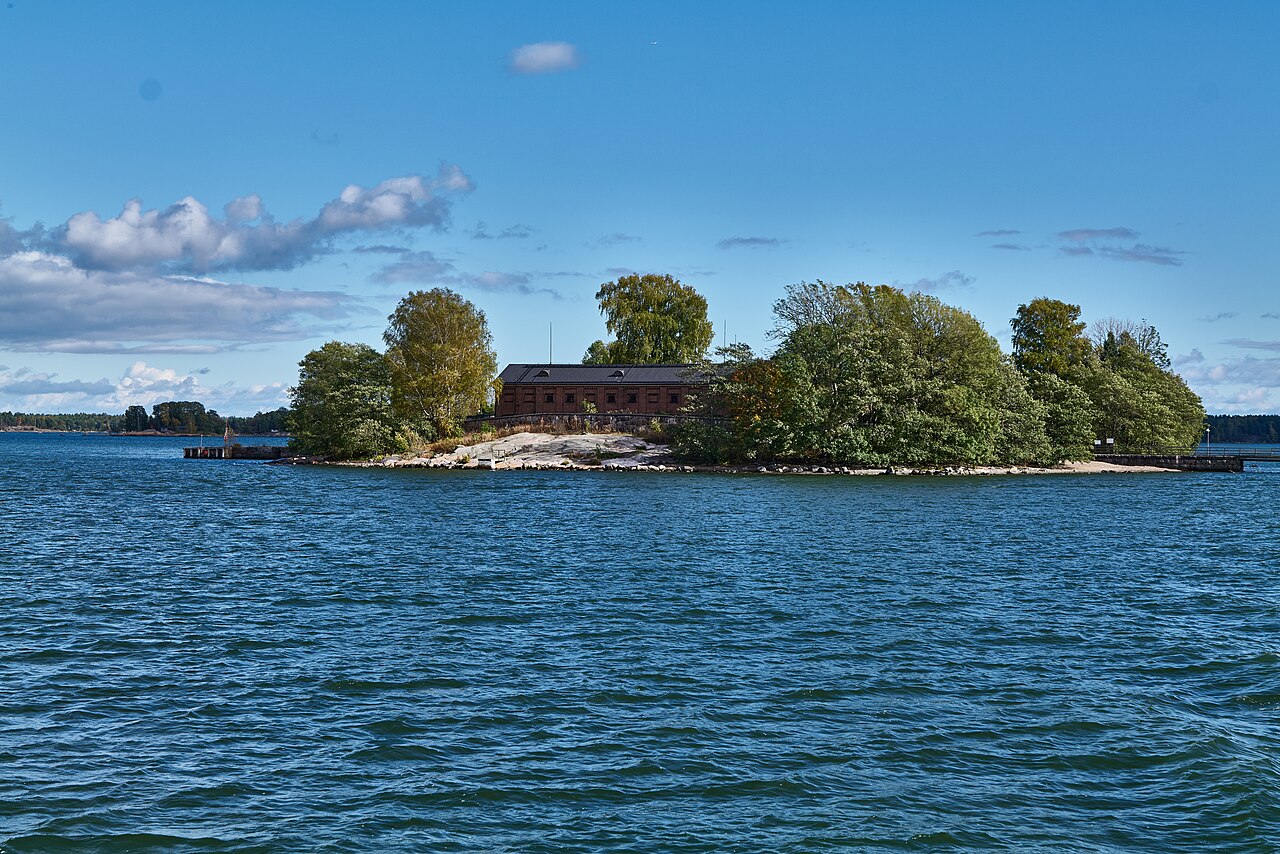
The small island between the Market Square and Suomenlinna has a public sauna, a restaurant and rocks to swim from. Boats run there in summer.
See tours and prices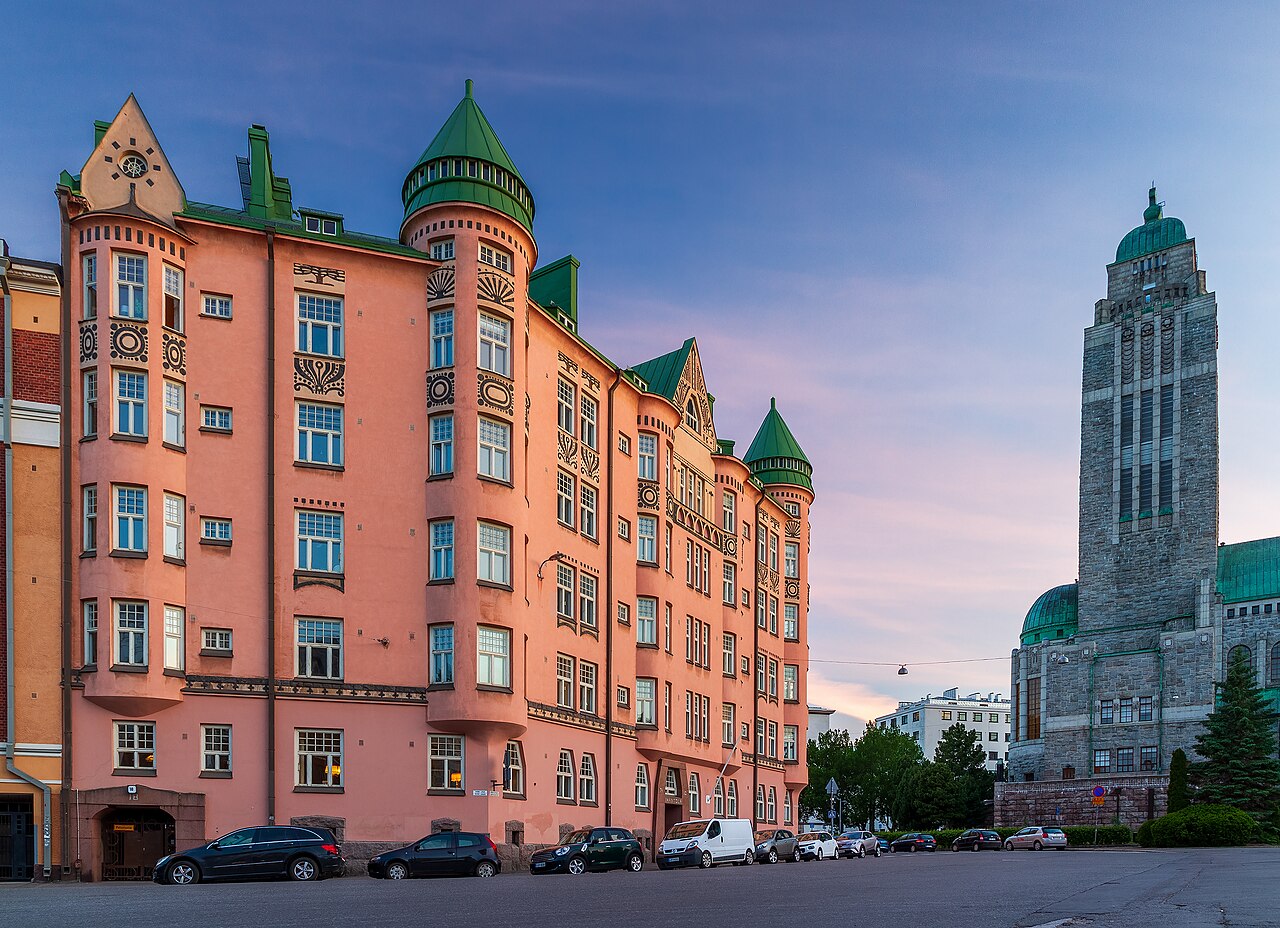
Start at Hakaniemi square and market hall and walk uphill to the granite Kallio Church. The streets are full of bars, vintage shops and small cafés.
See tours and pricesPack right
Best May–September
−5–22 °CCold winters, often with snow and ice on the sea, and short days. Summers are light and pleasant, around 20 °C, with long evenings by the water.
Current currency
Euro
1 EUR to SEKThe rate is updated every hour. Always check the current rate before you travel.
Compare hotels and apartments on the map, with current prices.
The map loads from Stay22 only when you click. Stay22 may then set cookies and collect information about your browser. Privacy
Plan your trip
Helsinki Airport (HEL) lies just under 20 kilometres north of the centre and has direct flights from Stockholm, Gothenburg and many European cities. The I and P commuter trains take you to the Central Station in about half an hour, and you need an HSL ABC ticket.
Viking Line and Tallink Silja run overnight ferries from Stockholm every evening, arriving in Helsinki in the morning. From Tallinn the ferry takes about two hours.
Check current departures and prices before you travel.

The centre around the Central Station, Esplanadi and Kamppi is practical, close to trains, museums and the boats from the Market Square. Katajanokka is quiet yet central and close to the Viking Line terminal.
Kallio and Sörnäinen, with bars, cafés and slightly lower prices, suit you if you'd rather stay in a neighbourhood, and Punavuori and Eira are calm areas with Art Nouveau buildings near the sea. Book well ahead of summer weekends and big events.
The big and the small
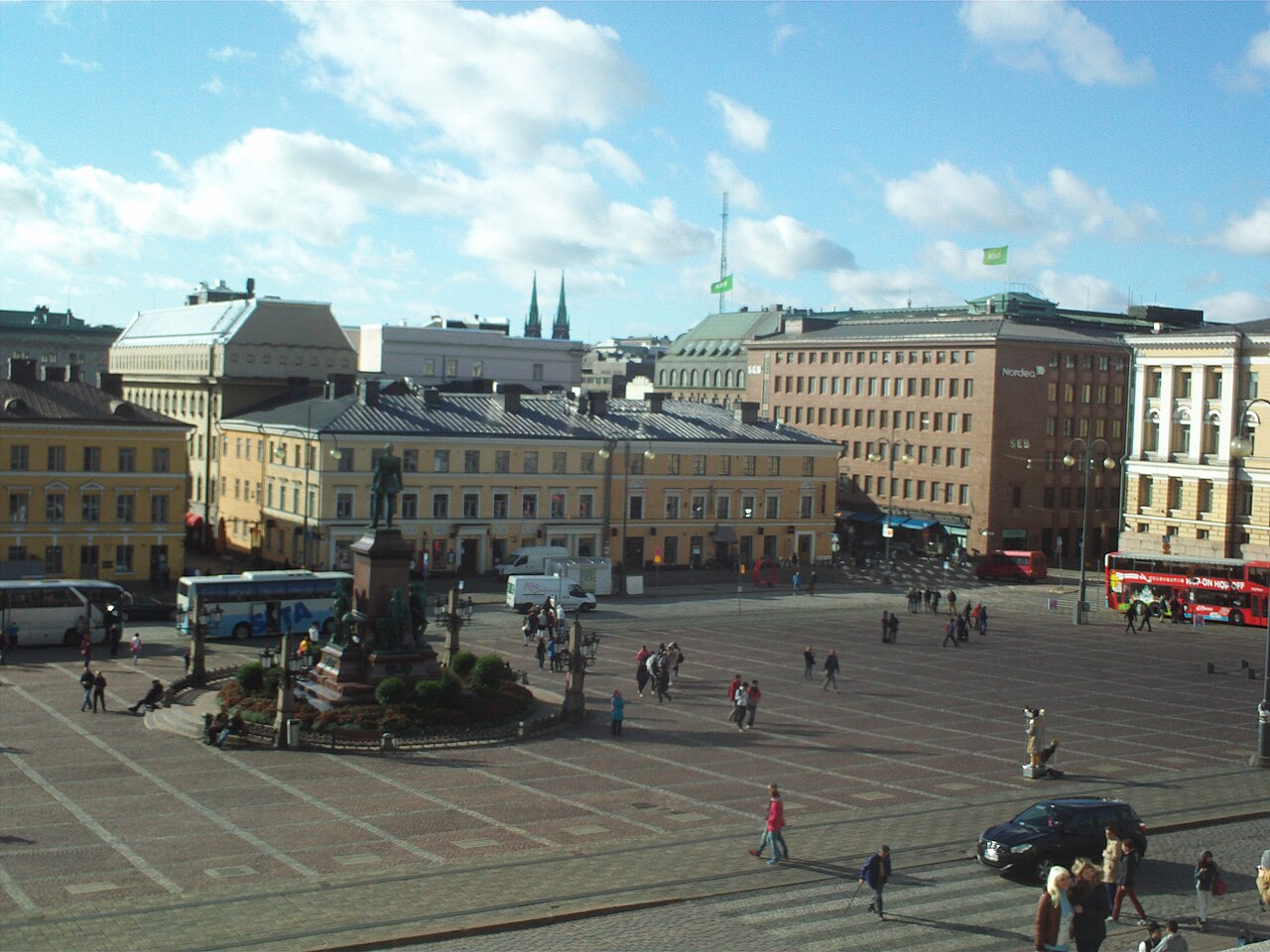
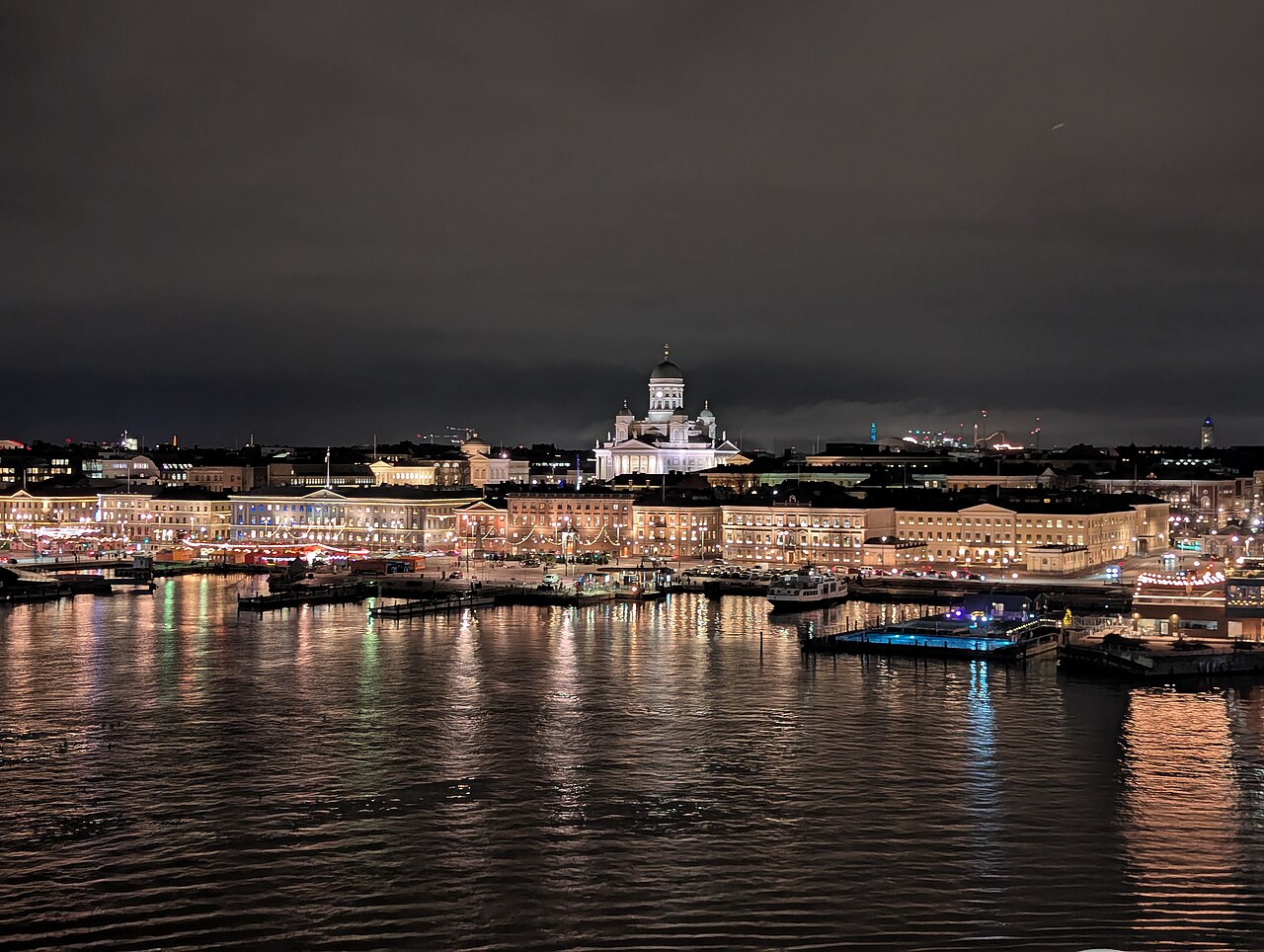
Carl Ludvig Engel designed the square with the Government Palace, the university's main building and the white cathedral, completed in 1852, after his death. The wide steps up to the church are a popular place to sit, and in the middle of the square stands the statue of Tsar Alexander II.
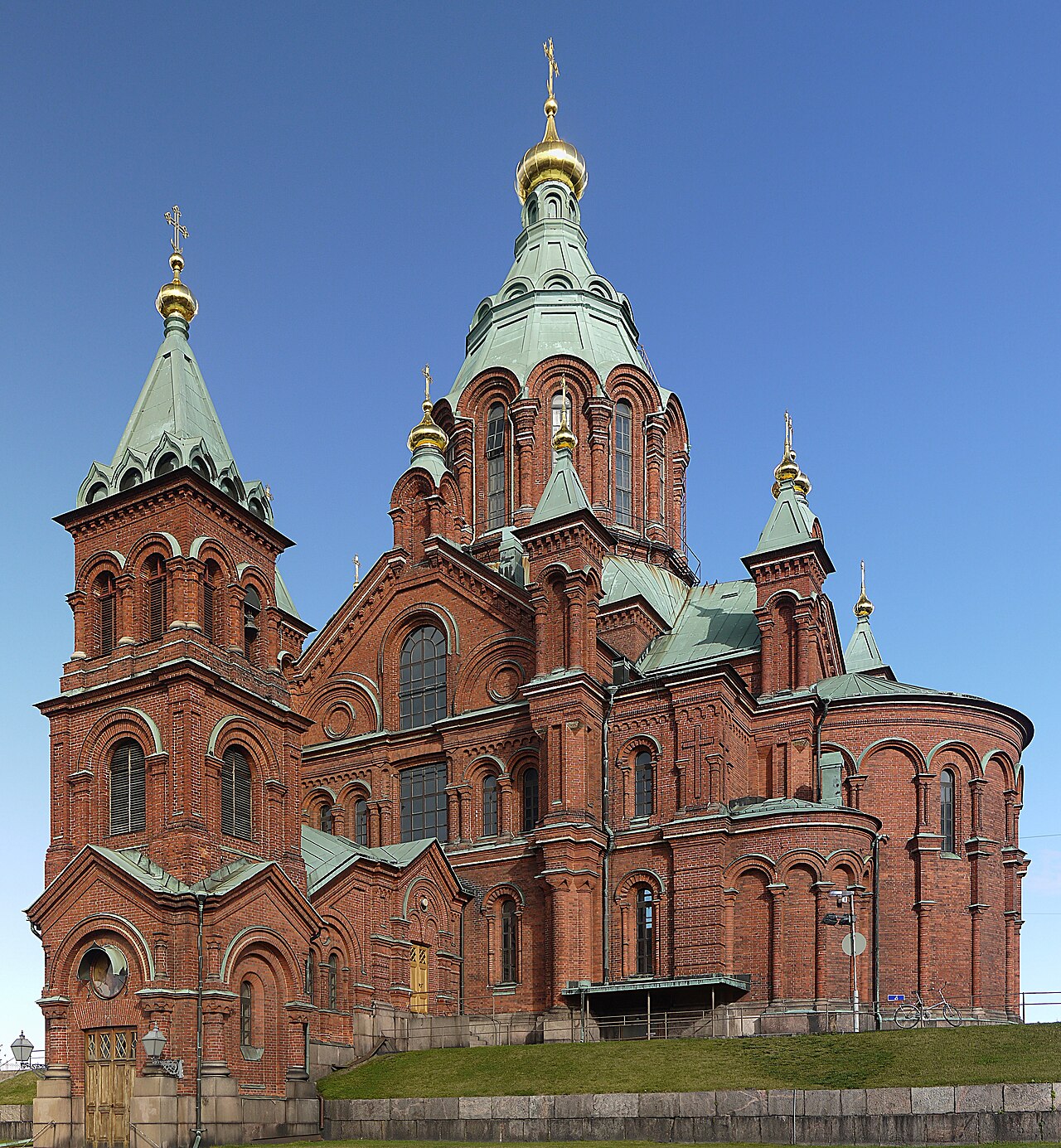
The red-brick cathedral on the rock at Katajanokka was consecrated in 1868 and belongs to the Finnish Orthodox Church. It's considered one of the largest Orthodox churches in Western Europe. Inside, icons and gold glimmer, and from the rock you look out over the Market Square and the harbour.
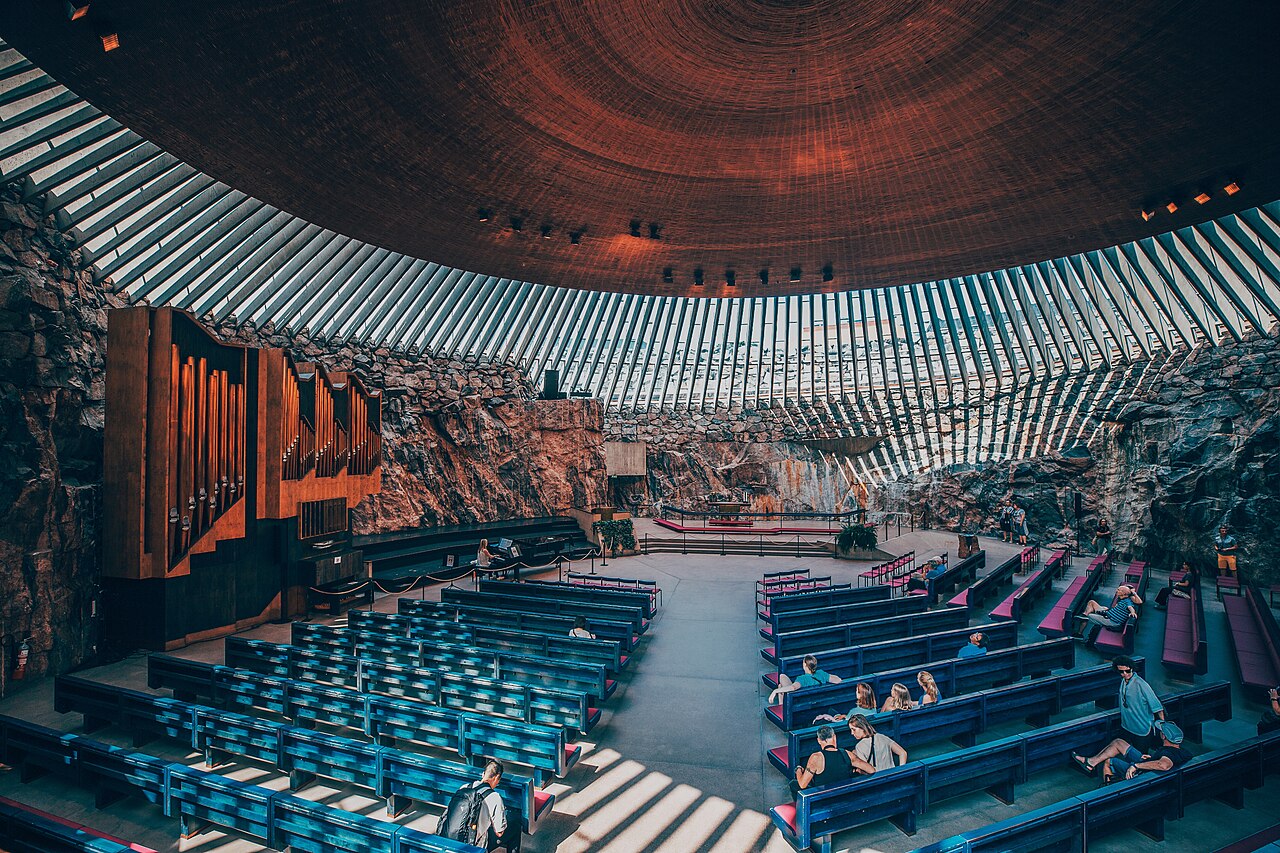
The brothers Timo and Tuomo Suomalainen blasted the church straight into the bedrock in Töölö, and it was consecrated in 1969. The walls are rough-hewn rock, and daylight enters beneath a copper dome. Its acoustics make it popular for concerts. Visitors pay an entrance fee. Temppeliaukio Church tickets
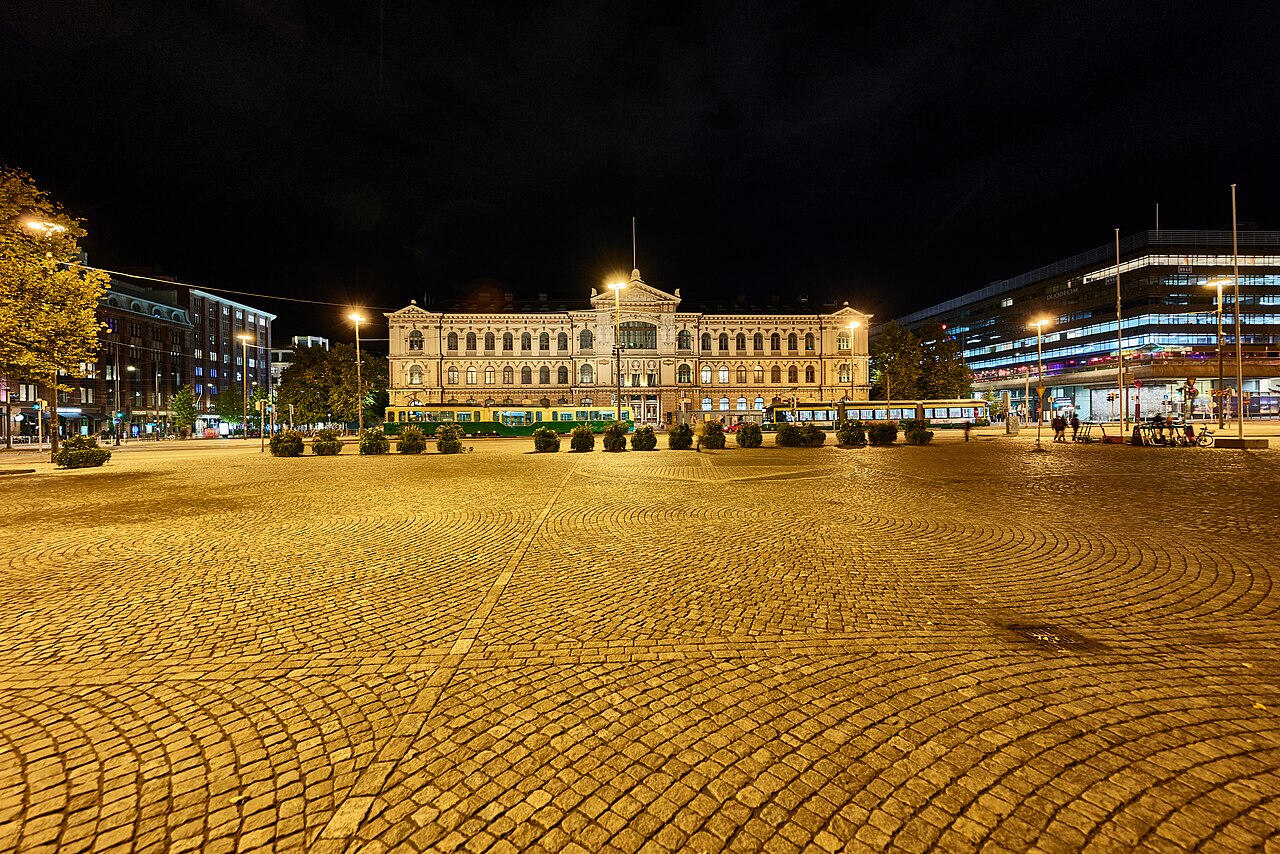
The art museum opposite the Central Station is housed in an 1887 palace and is part of the Finnish National Gallery. It holds the art of the Finnish golden age, with works by Akseli Gallen-Kallela, Helene Schjerfbeck and Hugo Simberg, and the collection reaches into the 1950s. Exhibitions of international art change regularly.
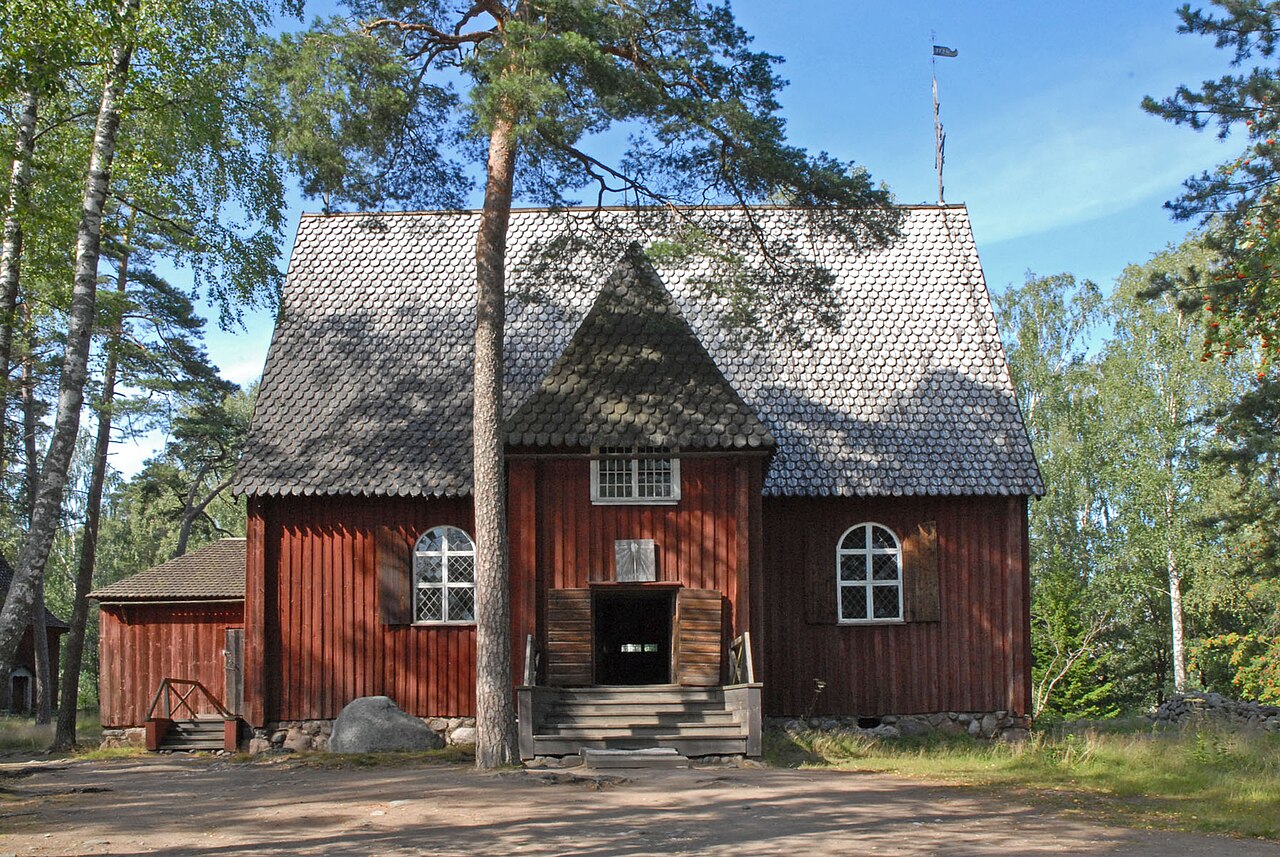
On the island of Seurasaari, reached by a bridge, stand old farmsteads, manor houses and a 17th-century wooden church moved here from all over Finland. The buildings are open in summer, but the island itself is free and open all year, with paths, squirrels and swimming spots. On Midsummer Eve, big bonfires are lit here.
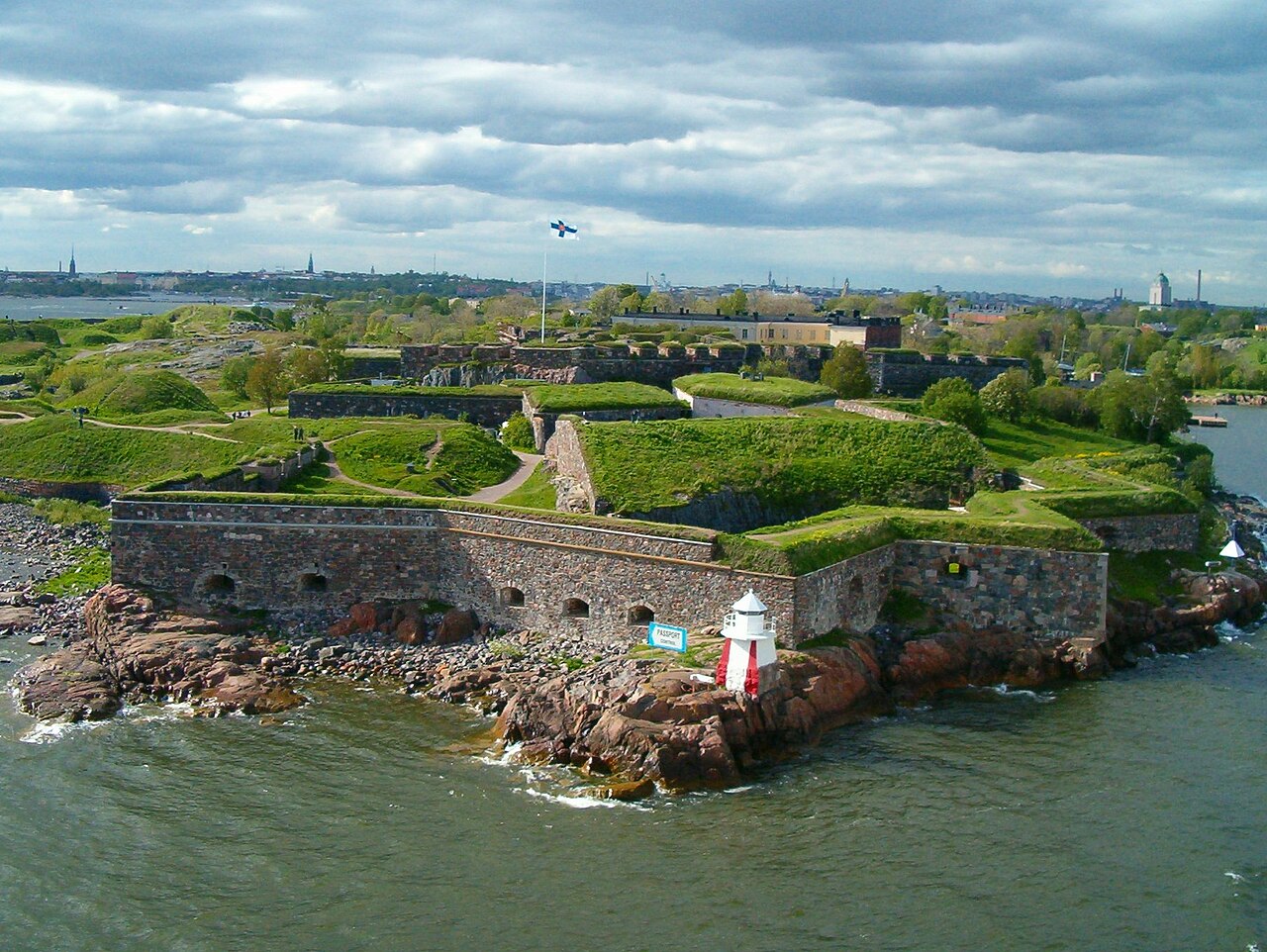
Sweden began building the sea fortress on the islands off Helsinki in 1748 to defend itself against Russia, and it has been a World Heritage Site since 1991. There are ramparts, cannons, museums and cafés, and the fortress's founder, Augustin Ehrensvärd, is buried in the Great Courtyard. The HSL ferry runs from the Market Square all year round and takes about a quarter of an hour. Suomenlinna tours and tickets
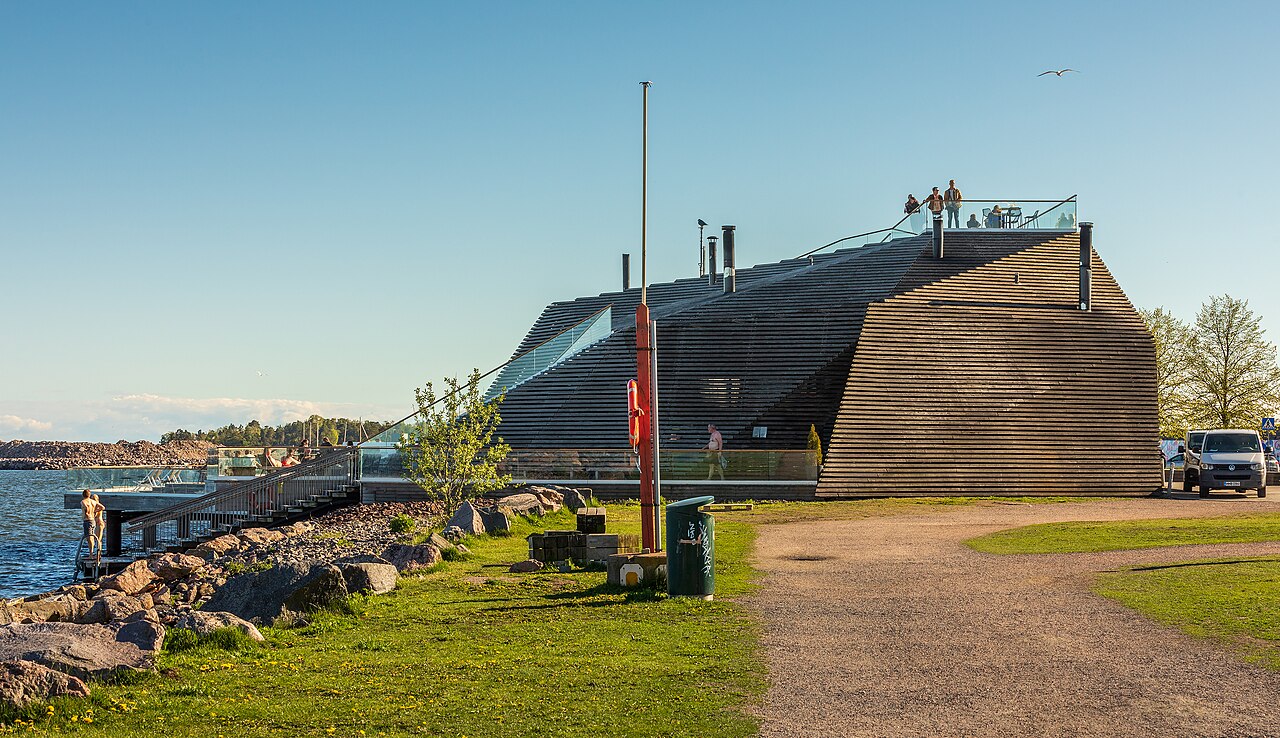
Löyly in Hernesaari opened in 2016, a timber building on the waterfront with wood-fired saunas, a smoke sauna and steps straight down into the sea, winter included. It's a good idea to book ahead. For something more everyday, the old public sauna Kotiharju in Kallio is still heated with wood. Löyly tickets
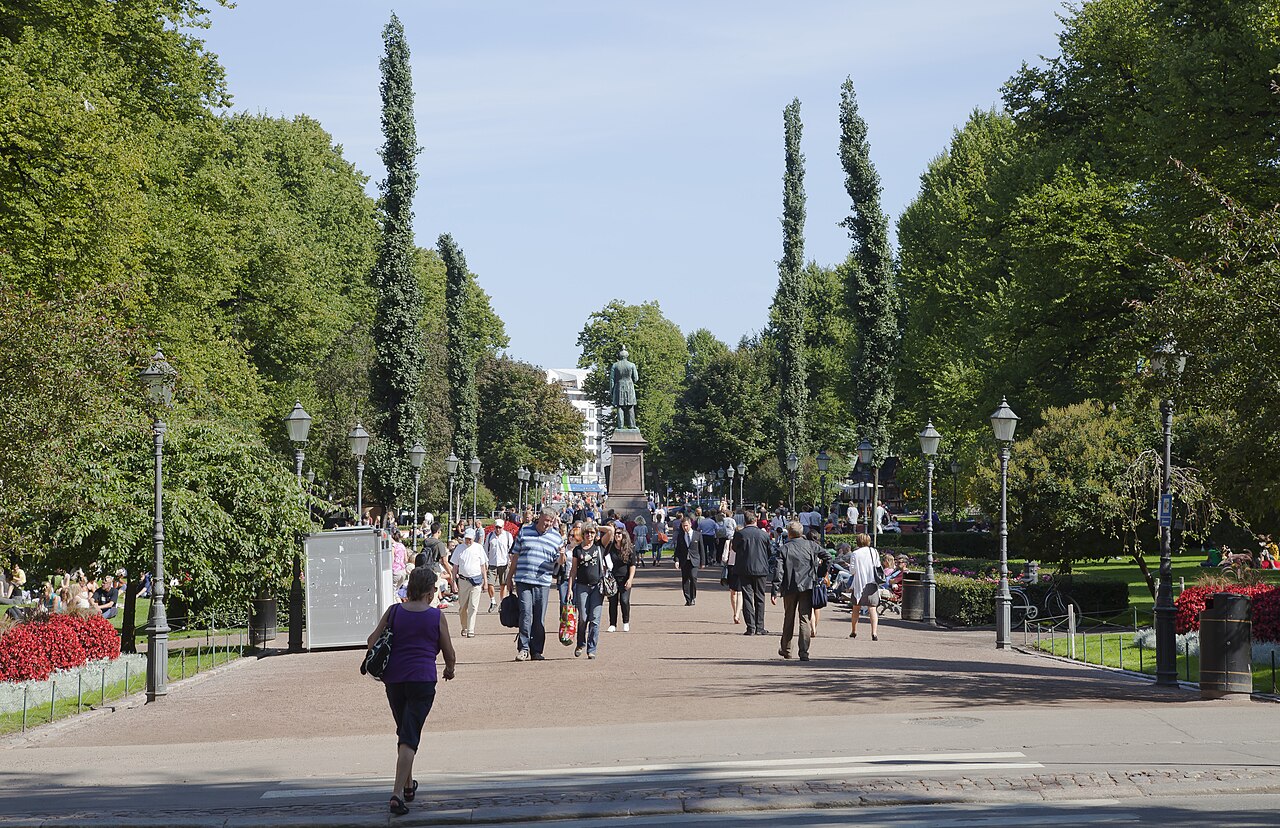
The leafy park boulevard of Esplanadi runs from the Swedish Theatre down to the harbour, lined with cafés and design shops and with concerts in summer. On the waterfront is the Market Square, where stalls sell berries, fish and fried Baltic herring and the boats leave for the islands. The Presidential Palace and Uspenski Cathedral are close by.
The centre gathers around Esplanadi, the Central Station and Senate Square, and behind the square lies Kruununhaka, with quiet streets in the Empire style. On Töölö Bay stand the Oodi library, the Music Centre and the Kiasma art museum, and Kamppi is the city's shopping district. The Design District stretches through Kaartinkaupunki, Punavuori and Eira, with design shops, galleries and Art Nouveau buildings. Kallio, across the Long Bridge, is a former working-class district with bars and vintage shops, and Katajanokka has Art Nouveau streets and ferry terminals. Töölö is leafy, with the Temppeliaukio Church and parks by the water.
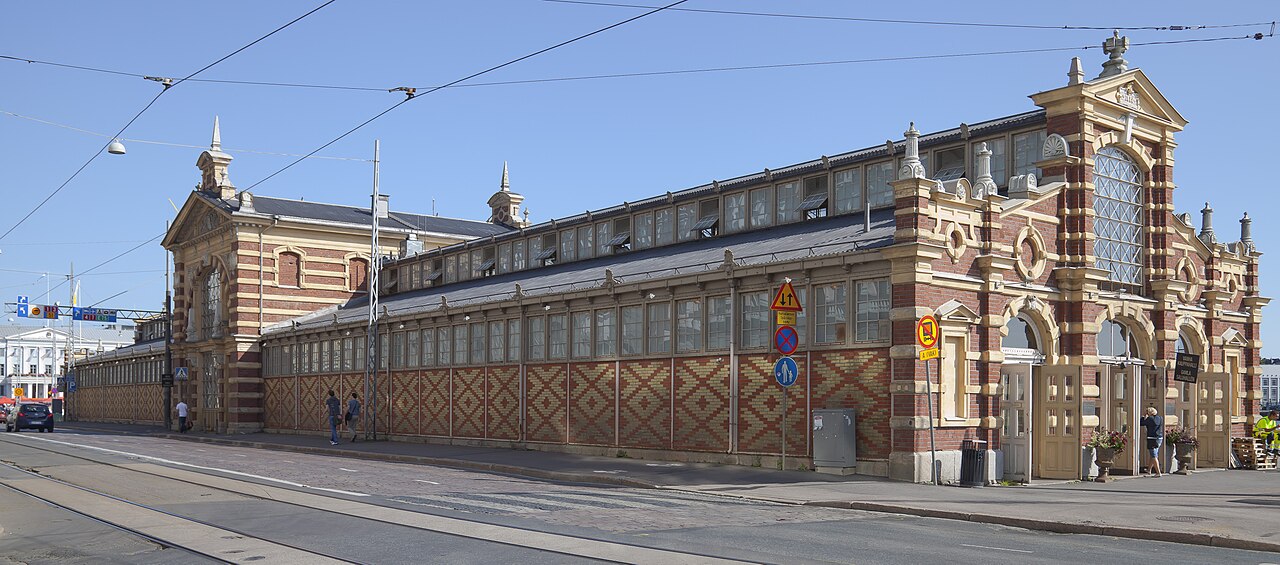
The Old Market Hall at the South Harbour opened in 1889 and has stalls with fish, cheese, smoked meat and small lunch places. Try salmon soup, Karelian pies with egg butter and fried Baltic herring or vendace from the stalls on the Market Square. Korvapuusti is the Finnish cinnamon bun, and in early February people eat Runeberg torte. Liquorice and salmiak come in every variety, and lonkero, a ready-mixed gin and grapefruit drink, is a Finnish classic. Helsinki has several restaurants with Michelin stars, and weekday lunch menus are often good value.
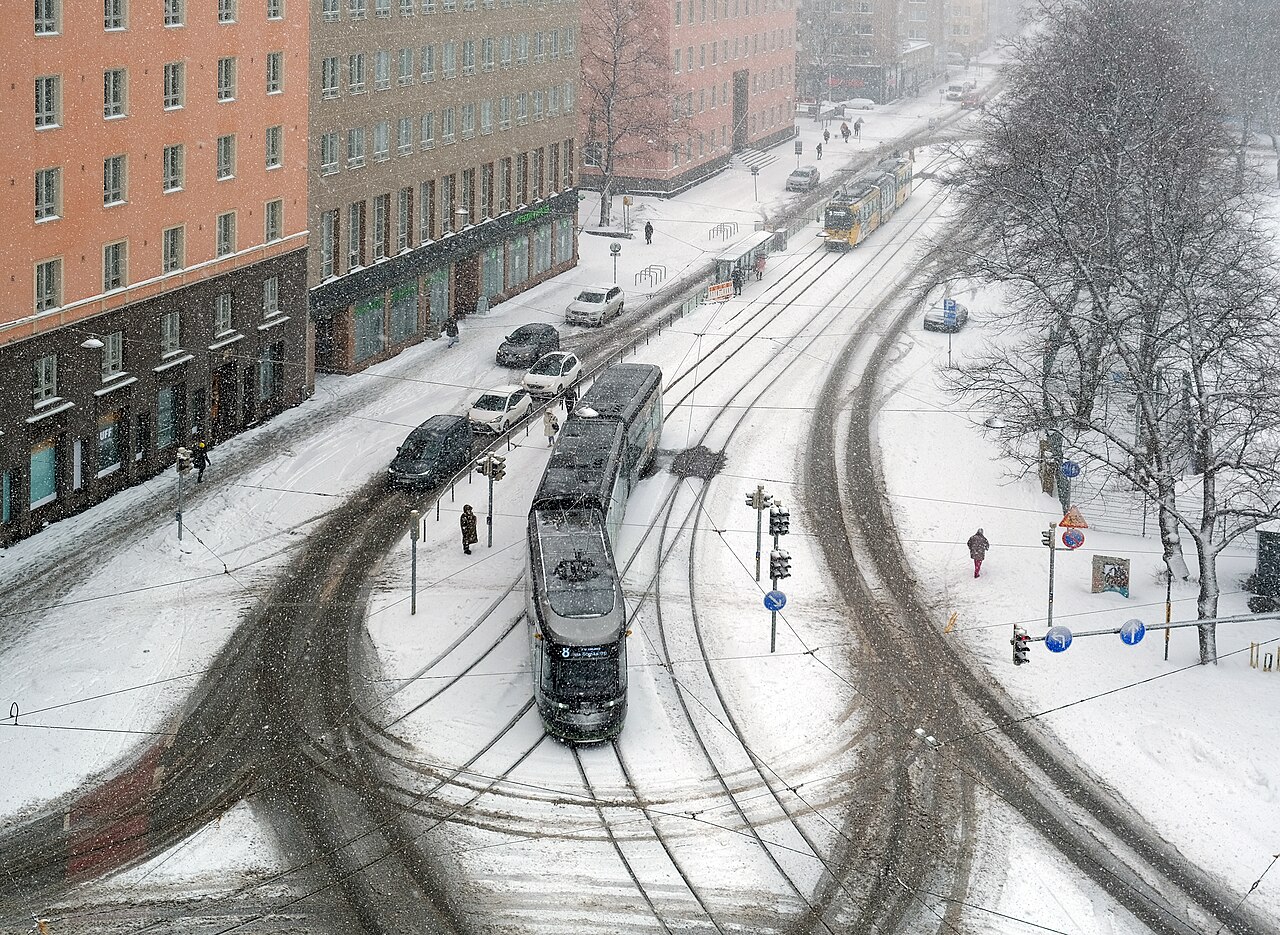
Central Helsinki is easy to explore on foot. Trams, the metro, buses, commuter trains and the Suomenlinna ferry all use the same HSL tickets. Buy your ticket in the HSL app or from a machine, or tap your bank card on the reader as you board, and consider a day ticket if you'll be travelling a lot. The inner city is in zone A, and an AB ticket covers most trips, but for the airport you need ABC. During the warmer months, city bikes are available at stations around town.
The HSL app sells tickets and shows departures for trams, the metro, buses, commuter trains and ferries in the Helsinki region. With the VR app you buy train tickets further into Finland, for example to Turku or Tampere. Wolt, which comes from Helsinki, delivers food from restaurants, and Bolt and Uber are available if you need a taxi.

Finland uses the euro, and cards or mobile payment work almost everywhere. The time zone is two hours ahead of UTC (three in summer), an hour ahead of Sweden. Swedish is an official language alongside Finnish, so signs and street names come in both, and English is widely spoken. Stronger wine and spirits are sold at Alko, while supermarkets may sell beer, cider and wine up to 8 per cent. EU roaming rules apply. The tap water is excellent, and tipping isn't expected.

The Suomenlinna ferry is included in an ordinary HSL ticket and is a cheap way to get out on the sea. Much of the best is free, such as Senate Square, Esplanadi, Seurasaari and Oodi, where you can sit on the roof terrace. Bring a swimsuit even in winter, since most seaside saunas offer winter swimming. If you arrive on the overnight ferry from Stockholm, you can spend a whole day in Helsinki and sail home the same evening.