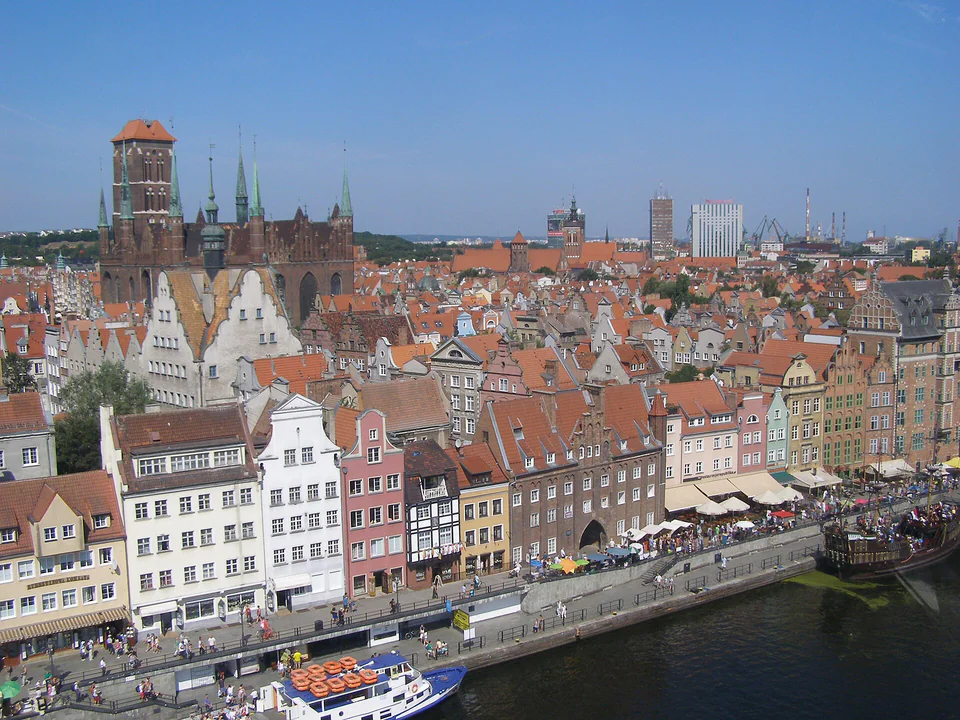
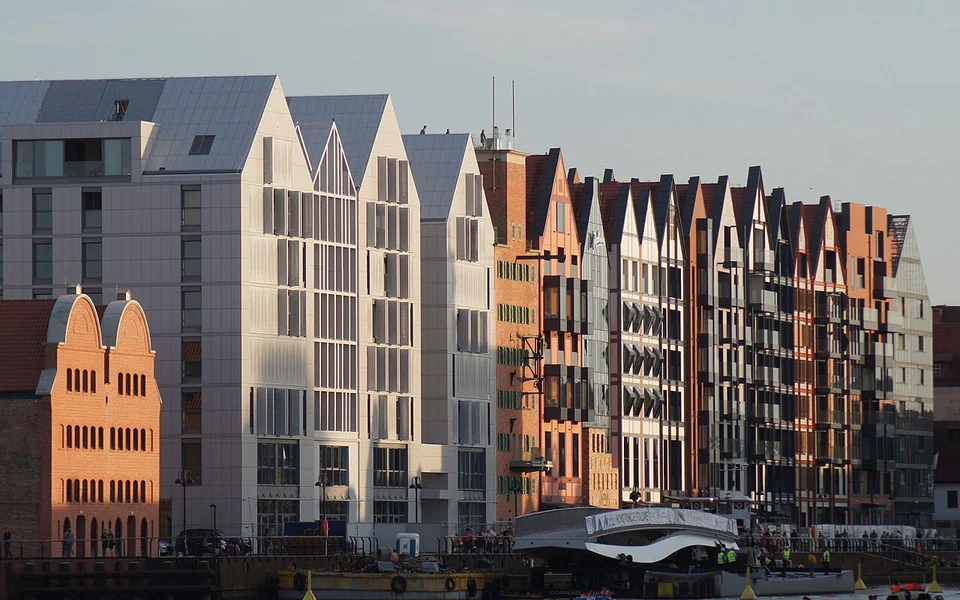
Gabled houses along the quay, amber in the shop windows and a dramatic history.
Gdańsk lies at the mouth of the Vistula on the Baltic Sea. In the Middle Ages it was one of the richest ports of the Hanseatic League, and through history it has passed between Polish and German rule. Between the world wars it was a self-governing city-state, the Free City of Danzig. At the end of the Second World War, in spring 1945, large parts of the historic centre were destroyed. Much of what you see today was rebuilt using the older buildings as models.
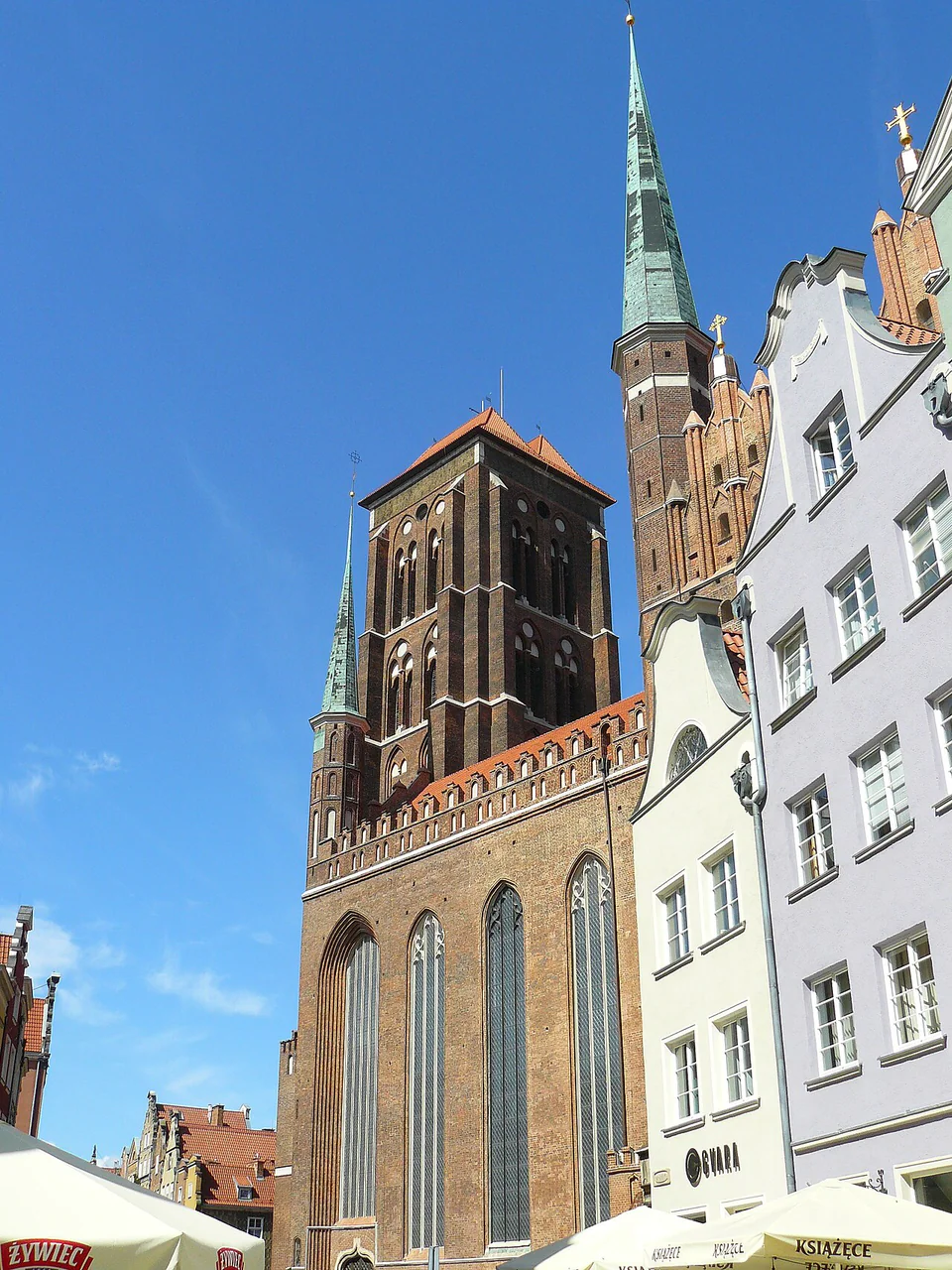
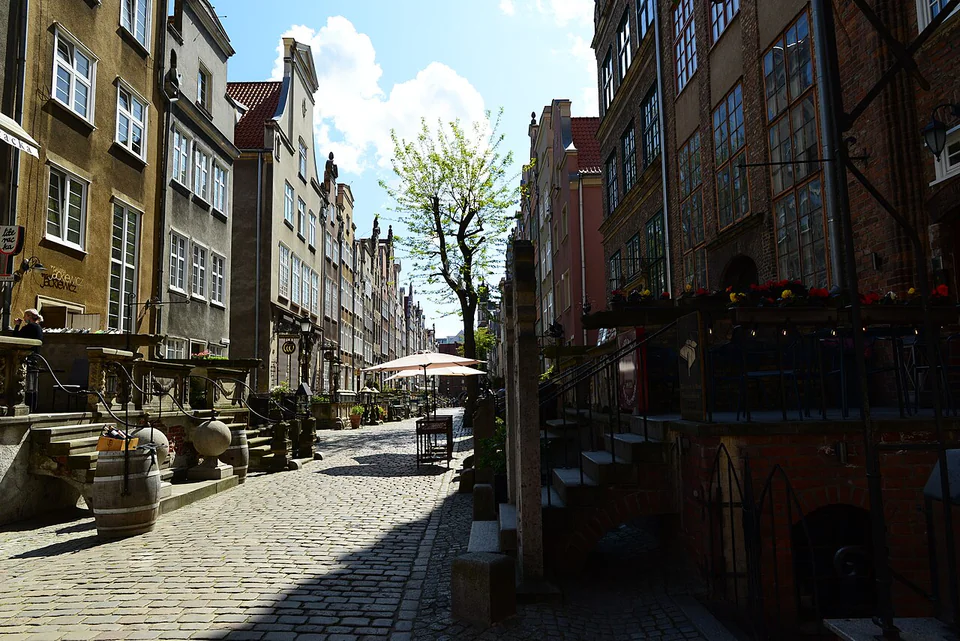
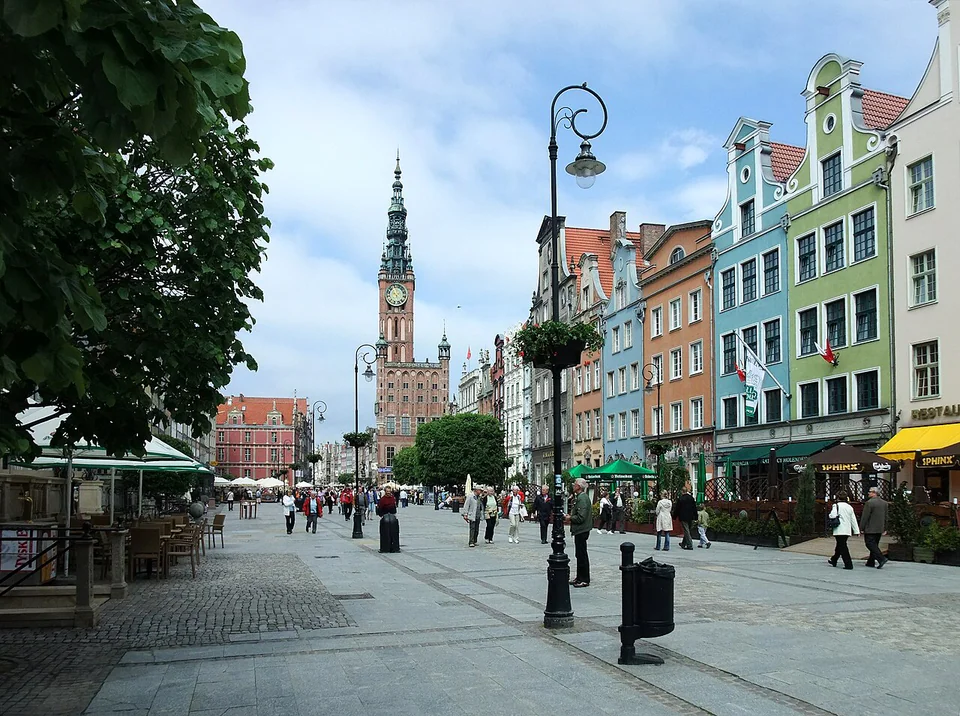
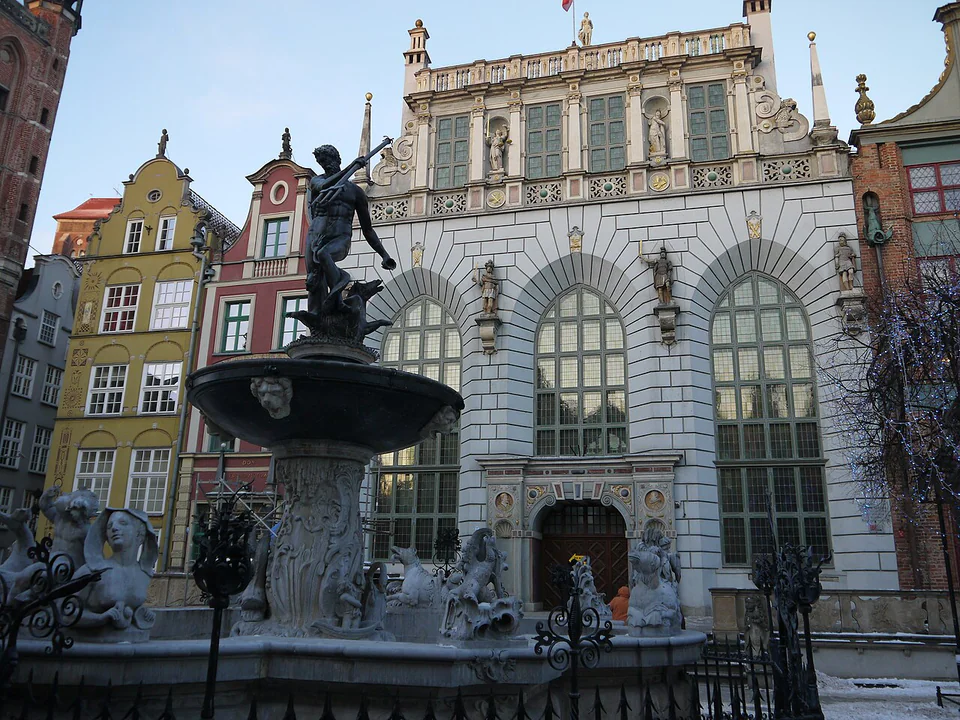
The result is impressive. Along Długa street and the Długi Targ square, the streets are lined with narrow, colourful gabled houses. Here you also find the Neptune Fountain and Artus Court, while the medieval port crane, Żuraw, rises down on the quay. Mariacka street leads up to St Mary's Church, one of the largest brick churches in the world.
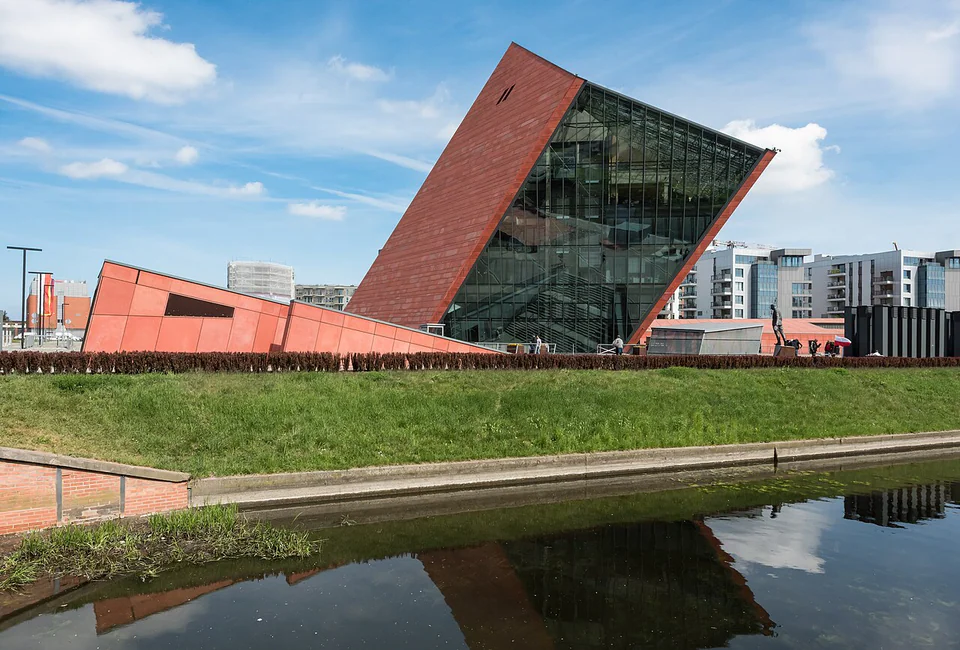
In Gdańsk you also come face to face with the dramatic history of the 20th century. On the Westerplatte peninsula the first shots of the Second World War were fired on 1 September 1939. The strike at the Lenin Shipyard in August 1980 sparked the free trade union movement Solidarity. Both the European Solidarity Centre and the Museum of the Second World War offer powerful and thought-provoking insights into the history of the city and of Europe.
Together with the seaside resort of Sopot and the port city of Gdynia, Gdańsk forms the Tricity, Trójmiasto, a metropolitan area with sandy beaches and convenient commuter train links. Ferries from Sweden dock in Gdańsk and Gdynia, and many European cities have direct flights. Food and accommodation also often cost less than in Western Europe.
Things to do
A boat trip to Westerplatte
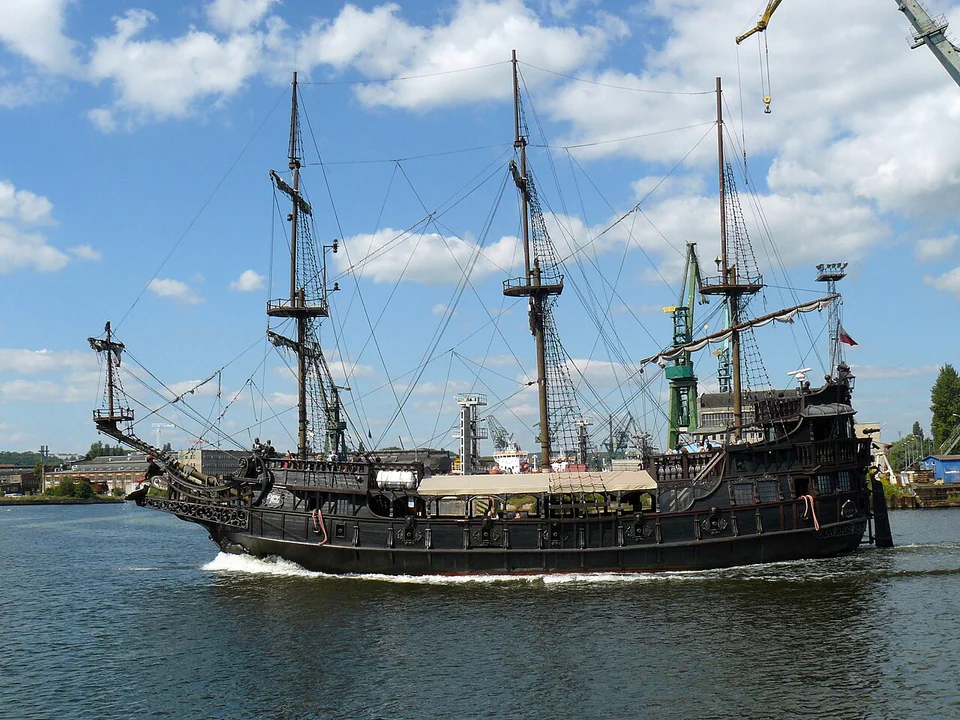
Replica galleons sail from the quay near the Green Gate, past the shipyards and the harbour, out to Westerplatte, where the Second World War began. There you can see the ruins of the Polish garrison and the large monument.
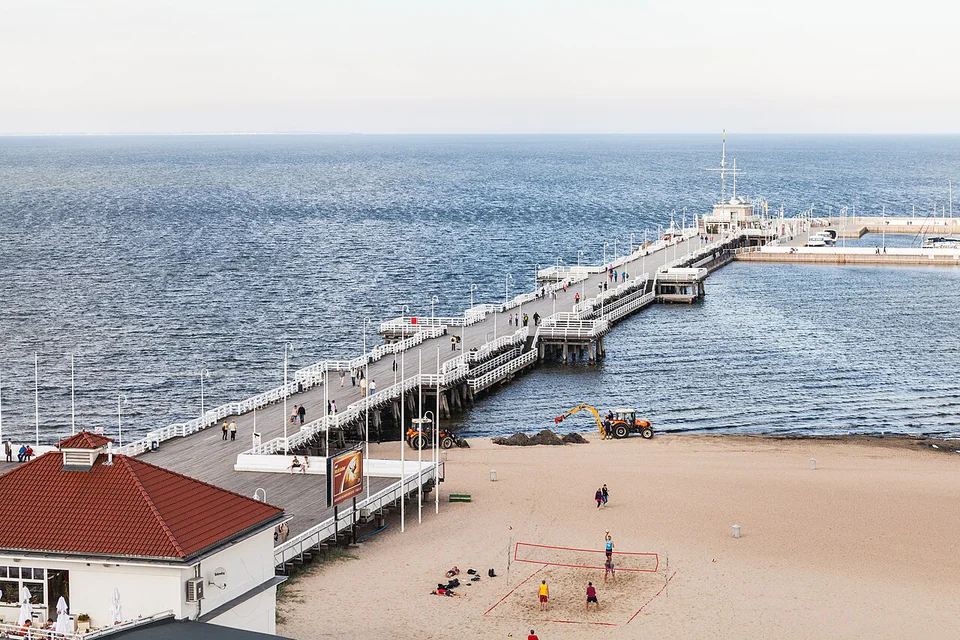
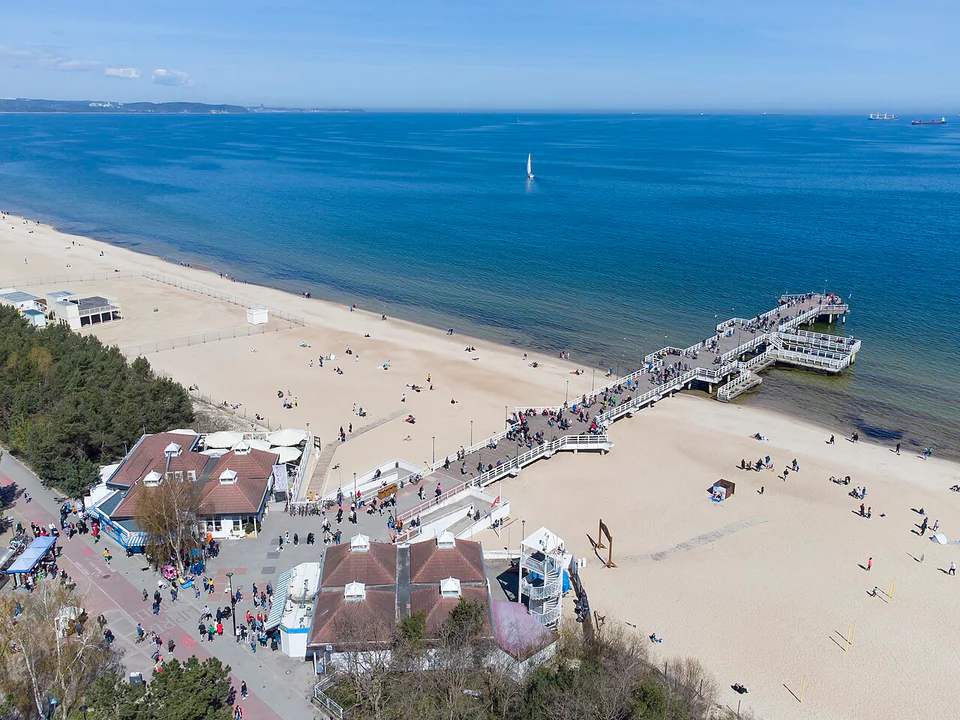
The commuter train takes you to the seaside resort of Sopot in about 20 minutes. Walk out along the wooden pier, just over half a kilometre long and the longest in Europe, and carry on along the sandy beach. In the warmer half of the year there's a small fee to walk on the pier.
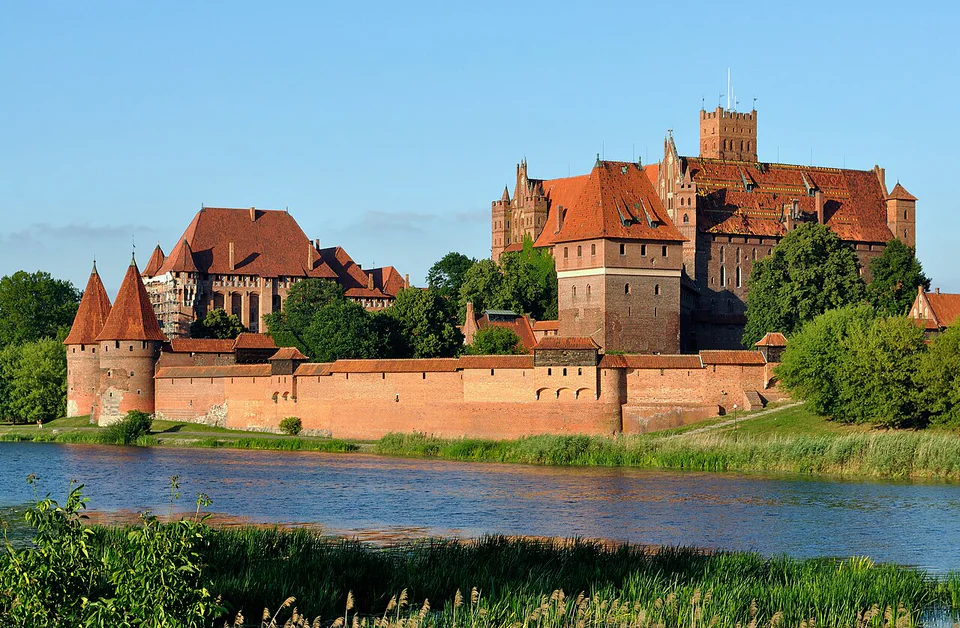
The Teutonic Order's brick castle on the Nogat river is the largest castle in the world by area and a UNESCO World Heritage Site. The train from Gdańsk takes between half an hour and an hour, and from the station you can walk to the castle.
Cold, grey winters and summers around 20 °C, with the Baltic Sea at its warmest in July and August, when the beaches in Sopot and Brzeźno fill up.
Current currency
zł
Polish złoty
1 PLN to SEK
The rate is updated every hour. Always check the current rate before you travel.
Find places to stay in Gdańsk
Compare hotels and apartments on the map, with current prices.
The map loads from Stay22 only when you click. Stay22 may then set cookies and collect information about your browser. Privacy
Plan your trip
✈Getting to Gdańsk
Gdańsk Lech Wałęsa Airport (GDN) lies just over ten kilometres west of the centre. There are direct flights from Stockholm, Gothenburg and many other European cities, with airlines such as Wizz Air and Ryanair. From the airport, the PKM train runs to Gdańsk Wrzeszcz, where you change to a commuter train into the centre, and bus 210 runs into town.
Ferries connect Gdańsk and Gdynia with Sweden: from Nynäshamn near Stockholm and Karlshamn to Gdańsk with POLSCA Baltic Ferries (formerly sold as Polferries), and from Karlskrona to Gdynia with Stena Line. Trains run to Gdańsk from Warsaw and other Polish cities, and from Gdynia the SKM commuter train reaches Gdańsk in just over half an hour.
Check current departures and prices before you travel.
⌂Where to stay
Główne Miasto, the historic centre around Długi Targ and the Long Embankment, is the obvious choice for a first visit, with everything within walking distance. On Granary Island, Wyspa Spichrzów, in the middle of the river, old warehouses have been turned into hotels and apartments, and Dolne Miasto just to the south is quieter and cheaper.
To combine city and beach, you can stay in Sopot, which has hotels near the pier and the sandy beach and commuter trains into Gdańsk. Accommodation is good value by Western European standards, but book well ahead for summer weekends and big events.
The big and the small
Selected sights
St Mary's Church
The Gothic St Mary's Church was built in the 14th and 15th centuries and is one of the largest brick churches in the world, with room for more than 20,000 people. Inside is an astronomical clock from the 1460s. Climb just over 400 steps up the tower for the view over the gables and the river.
Mariacka Street
This cobbled street runs from St Mary's Church down to the Long Embankment. The houses have small stone terraces with railings and decorated stone slabs in front of their entrances, and amber shops and cafés fill the ground floors. The street is at its most beautiful early in the morning, before the shops open.
The Museum of the Second World War
The leaning tower of glass and red concrete opened in 2017, and the large exhibition lies underground. It tells the story of the war from the perspective of civilians, in Poland and the rest of the world. Allow at least three hours, and be prepared for it to be hard-hitting. Museum of the Second World War tickets
Oliwa Cathedral
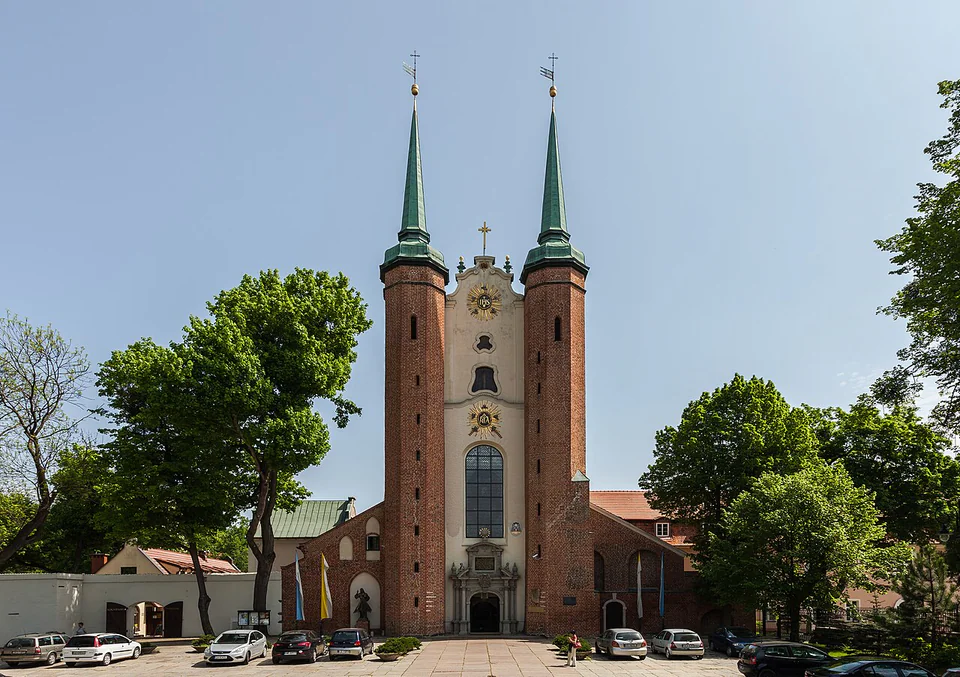
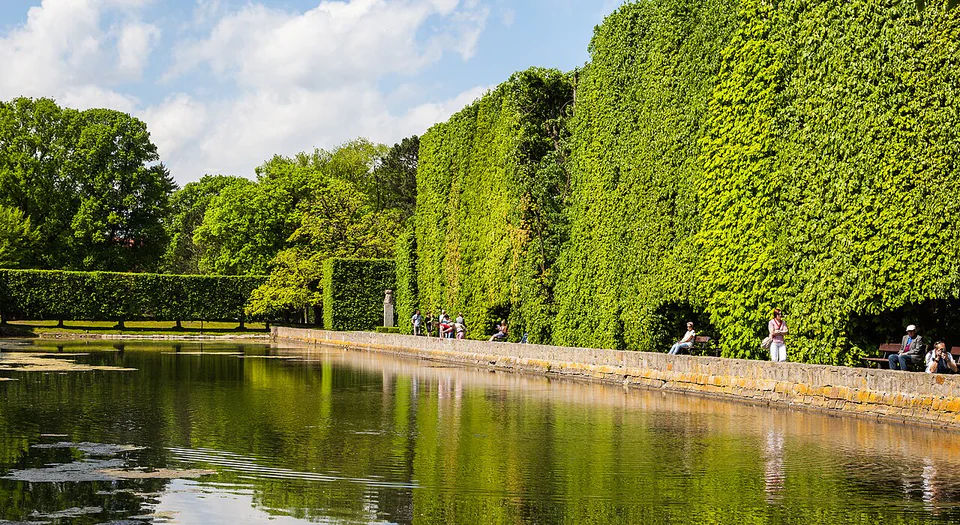
The former Cistercian abbey church in the Oliwa district is famous for its 18th-century organ, whose angels move and blow trumpets as it plays. Short organ recitals are held regularly, most often in summer. The Treaty of Oliva, which ended the war between Sweden and Poland, was signed here in 1660. Behind the church lies the leafy Oliwa Park. Oliwa organ concerts
The Amber Museum in the Great Mill
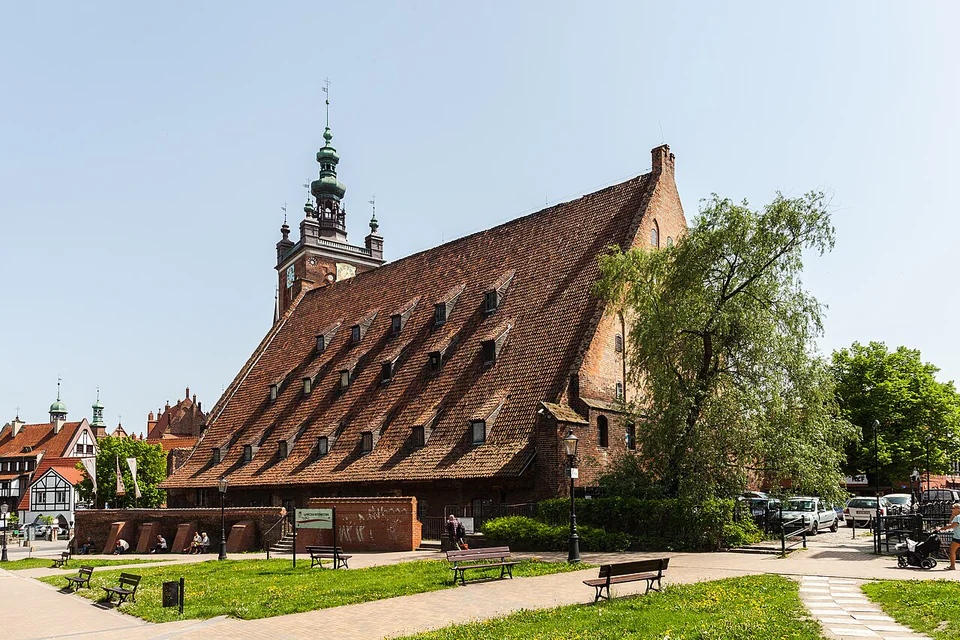
Baltic amber has made Gdańsk rich for centuries. Since 2021, the city's Amber Museum has been housed in Wielki Młyn, the Great Mill, built by the Teutonic Order around 1350 and grinding grain right up to 1945. Here you'll see insects trapped in resin millions of years ago, and jewellery and works of art made of amber. Amber Museum tickets
Długi Targ and the Royal Route
Długa street and the Długi Targ square form the heart of the old Royal Route, along which Polish kings once rode into the city. Along the way stand the Town Hall with its tall tower, Artus Court, where the merchants gathered, and the Neptune Fountain, which has stood in front of Artus Court since 1633. Walk the whole way from the Golden Gate to the Green Gate by the river. Gdańsk walking tours
The Long Embankment and the Żuraw crane
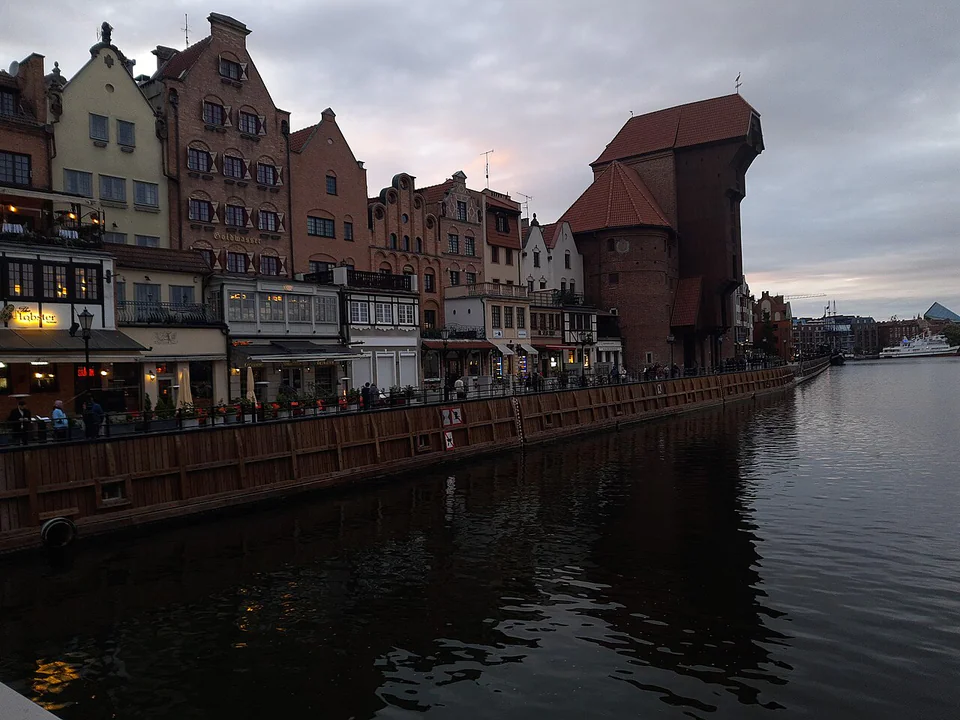
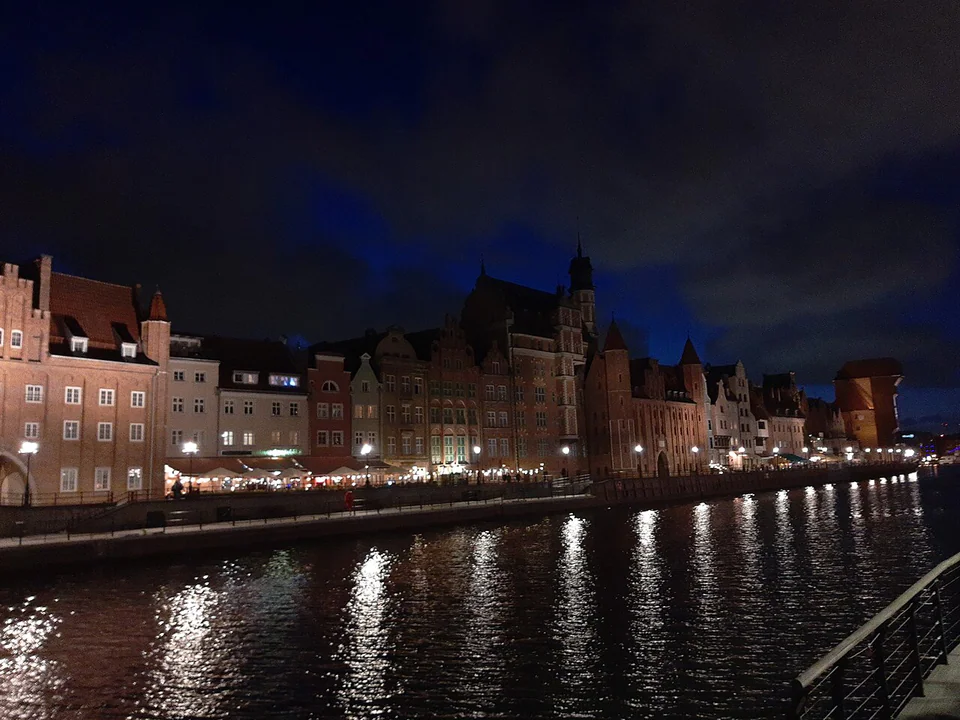
Along the Motława runs Długie Pobrzeże, the Long Embankment, with restaurants, amber shops and moored boats. Here stands Żuraw, a port crane built in 1442–1444 with a wooden treadwheel powered by men walking inside it. It's considered the oldest surviving port crane in Europe and is now part of the National Maritime Museum. Motława river cruises
The European Solidarity Centre
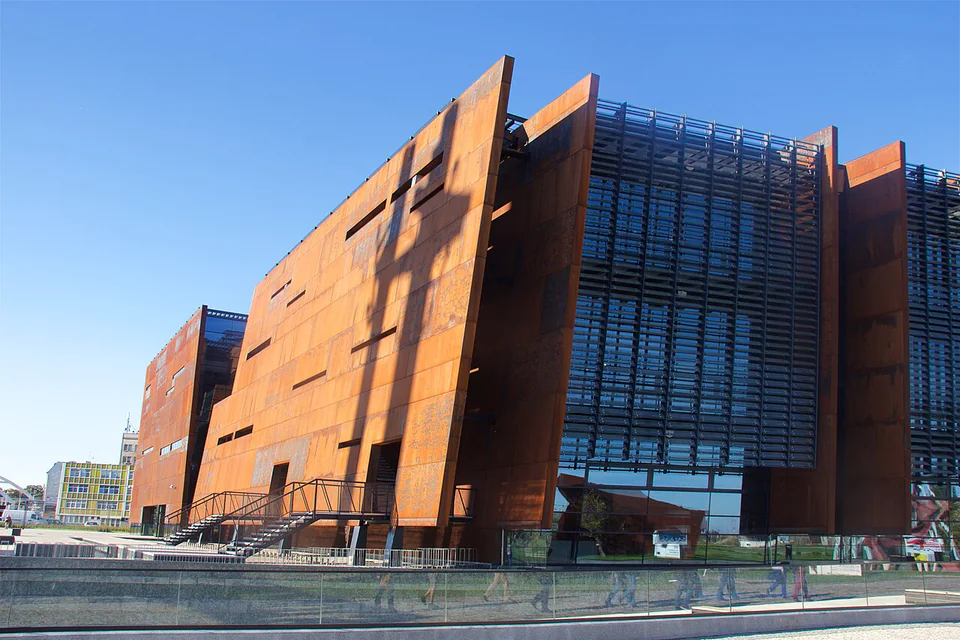
The rust-brown building by the shipyard's historic Gate No. 2 opened in 2014. Its exhibition tells how the strike at the shipyard in August 1980 led to Solidarity, the first free trade union in the Eastern Bloc, and on to the fall of communism in 1989. Next door is the BHP Hall, where the agreement with the regime was signed on 31 August 1980. European Solidarity Centre tickets and tours
Worth knowing
Neighbourhoods
Główne Miasto is the rebuilt historic centre with the Royal Route, St Mary's Church and the quays along the Motława. Stare Miasto, the Old Town, lies to the north with the Great Mill, and just beyond are the shipyard and the Solidarity Centre. Granary Island and Ołowianka across the river have new hotels, the Maritime Museum and the Ferris wheel. Wrzeszcz is a lively district with cafés and student life on the way to Oliwa, home to the cathedral and the park. By the sea are Brzeźno and Jelitkowo with sandy beaches, and Sobieszewo Island has forest and birdlife.
Food & drink
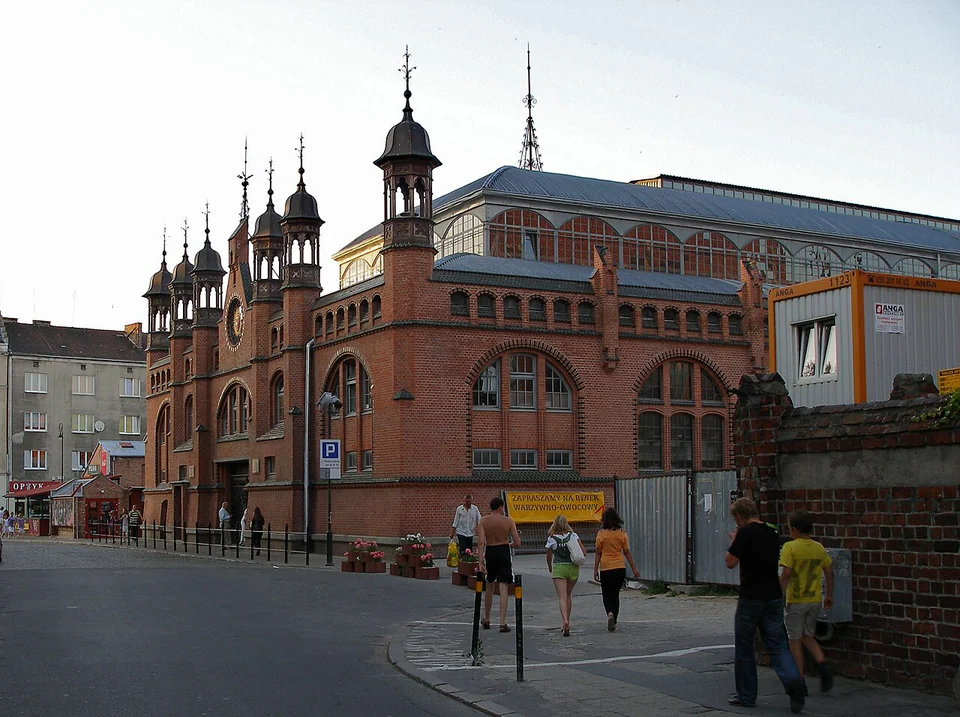
Try pierogi, filled dumplings, żurek, a sour rye soup often served in a bread bowl, and herring and smoked fish from the Baltic. At a bar mleczny, a milk bar, you can eat simple Polish home cooking for very little. The old Hala Targowa market hall from 1896 reopened in 2026 after renovation and now has restaurants, street-food stalls and delicatessens. Gdańsk has several restaurants in the Michelin Guide and a growing number of craft breweries. Goldwasser, a herbal liqueur with flakes of gold leaf, was created in Gdańsk in the 16th century.
Getting around
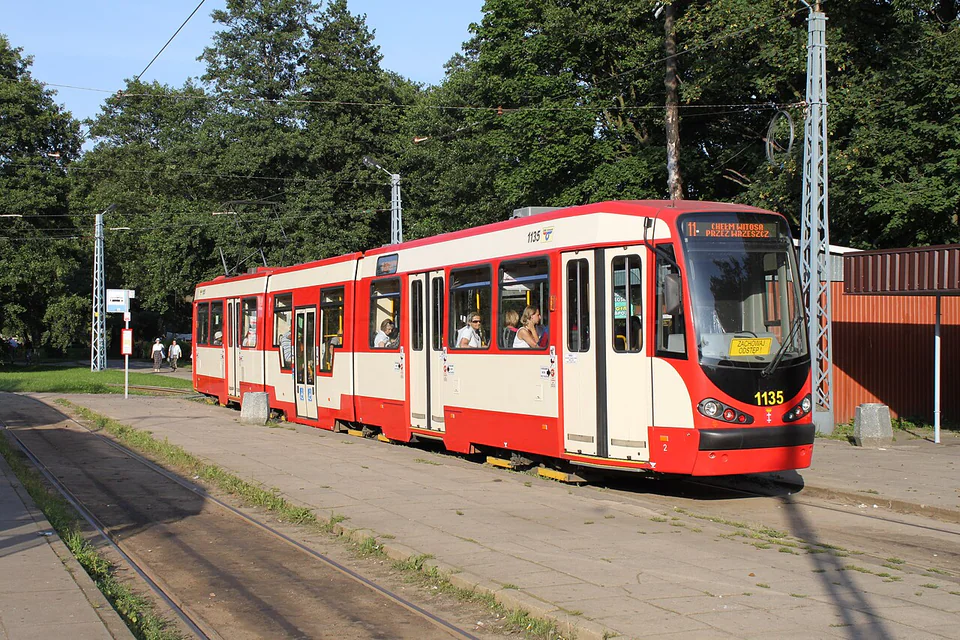
The historic centre is easy to explore on foot. Trams and buses run out to Oliwa, Brzeźno and Westerplatte, and the SKM commuter train links Gdańsk, Sopot and Gdynia with frequent departures. You buy tickets in apps, from machines and on the trains, and Gdańsk's trams and buses use different tickets from SKM, so check which one you need. Mevo rental bikes, many of them electric, are available in all three cities.
Apps
Jakdojade shows departures and sells single tickets for trams, buses and trains in the Tricity. FALA is the region's own ticket app. The Mevo app unlocks the rental bikes, and Bolt and Uber are available if you need a taxi. For the day trip to Malbork, you can buy train tickets in the PKP Intercity or Polregio apps.
Essentials
Poland has its own currency, the złoty, and cards and mobile payment work almost everywhere. Poland is in the EU, so EU roaming rules apply. In restaurants with table service, a tip of 5–10 per cent is usual if you're happy. Most shops are closed on Sundays by law, so plan your shopping.
Extra tips and advice
Walk the Royal Route early in the morning or late in the evening, after the cruise passengers and day-trippers have gone. Climb the tower of St Mary's Church or head up Gradowa Hill for the view. Westerplatte and the Museum of the Second World War go well together, but plan something lighter afterwards, such as an evening in Sopot. Take the commuter train to the beach on a warm day, and save Malbork for a day with poorer weather, since much of the castle is indoors.
The Neptune Fountain in front of Artus Court on Długi Targ
Lit-up houses along the Motława on a summer evening