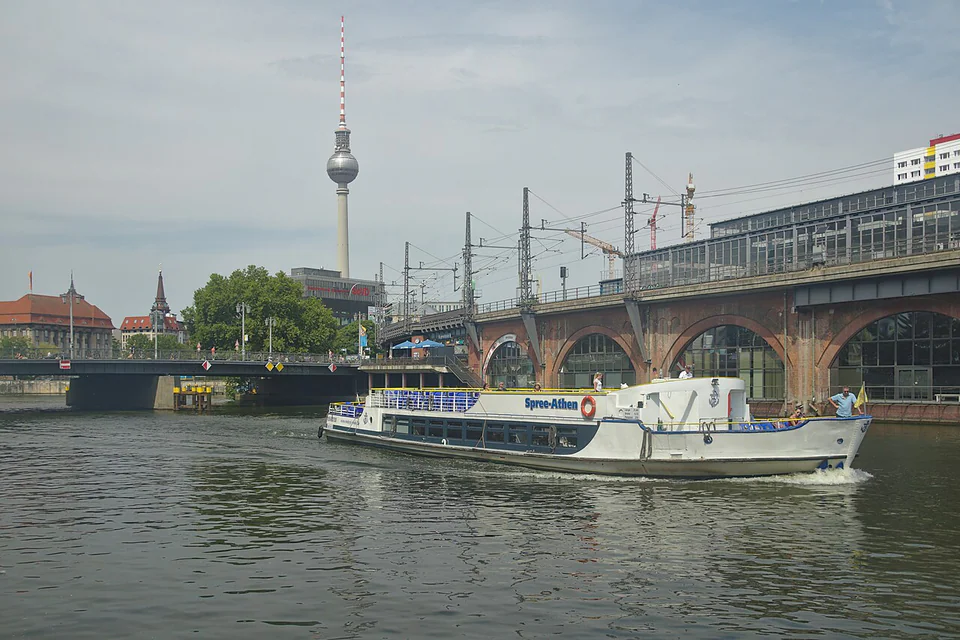
A boat trip on the Spree
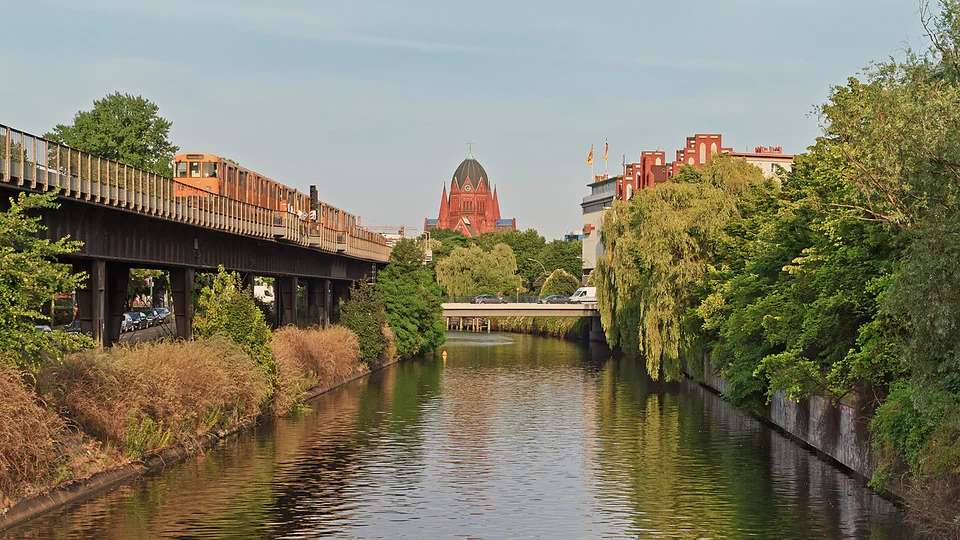
Sightseeing boats run through the government quarter, past Museum Island and the Reichstag. A trip often takes just over an hour, and longer circuits continue into the Landwehr Canal through Kreuzberg.
See tours and prices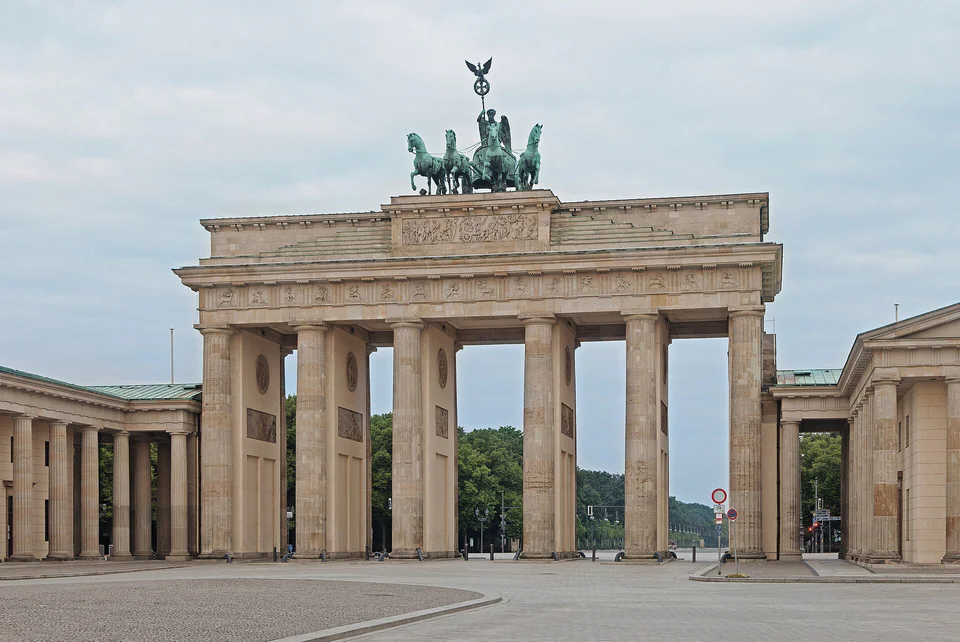
The capital on the Spree · Germany
Your guide to Berlin
Berlin is Germany's capital and largest city, with almost four million inhabitants. The city grew up as the residence of the Prussian kings, and the history of the 20th century is still clearly present in its streets: from the grand boulevards of the imperial era to the traces of the Second World War and the Wall that divided the city from 1961 to 1989.
Today Berlin is one of Europe's most creative cities. Along Unter den Linden stand the Brandenburg Gate, the Reichstag and Museum Island, where five major museums hold everything from Egyptian art to 19th-century painting. In districts such as Kreuzberg, Neukölln and Prenzlauer Berg, cafés, bars and markets sit alongside a club scene that is famous far beyond Germany's borders.
History is ever present. At Bernauer Straße, preserved sections of the Wall and the former border strip remain. Right in the centre, the Holocaust Memorial commemorates the millions of Jews murdered in the Nazi genocide. Several of the city's memorials and museums focusing on 20th-century history are free to enter.
Berlin is also a green and spacious city. On the old Tempelhof airfield, Berliners cycle and picnic on the former runways. Sightseeing boats ply the Spree and the city's canals, while the palaces and parks of Potsdam are just a short train ride away. And compared with many other European capitals, eating out is still relatively good value.
Things to do
Sightseeing boats run through the government quarter, past Museum Island and the Reichstag. A trip often takes just over an hour, and longer circuits continue into the Landwehr Canal through Kreuzberg.
See tours and prices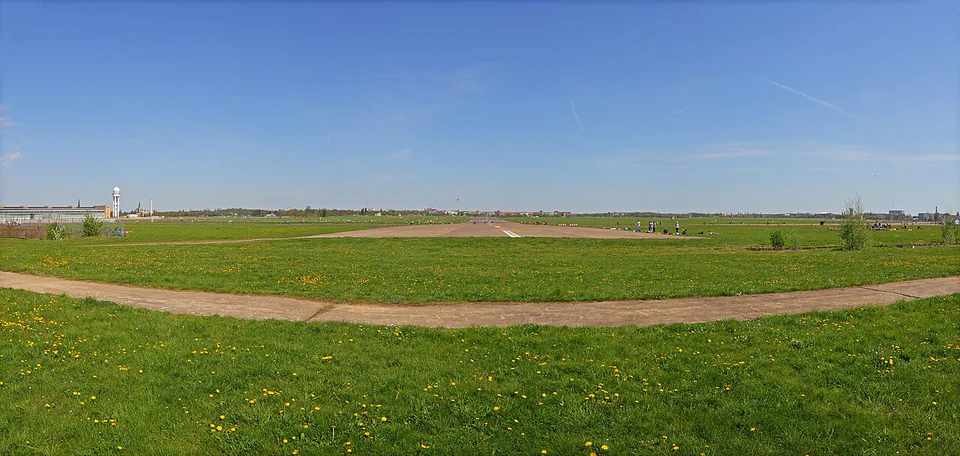
Tempelhof Airport closed in 2008 and is now a huge park. Cycle or skate on the old runways, or have a picnic on the grass on a sunny evening.
See tours and prices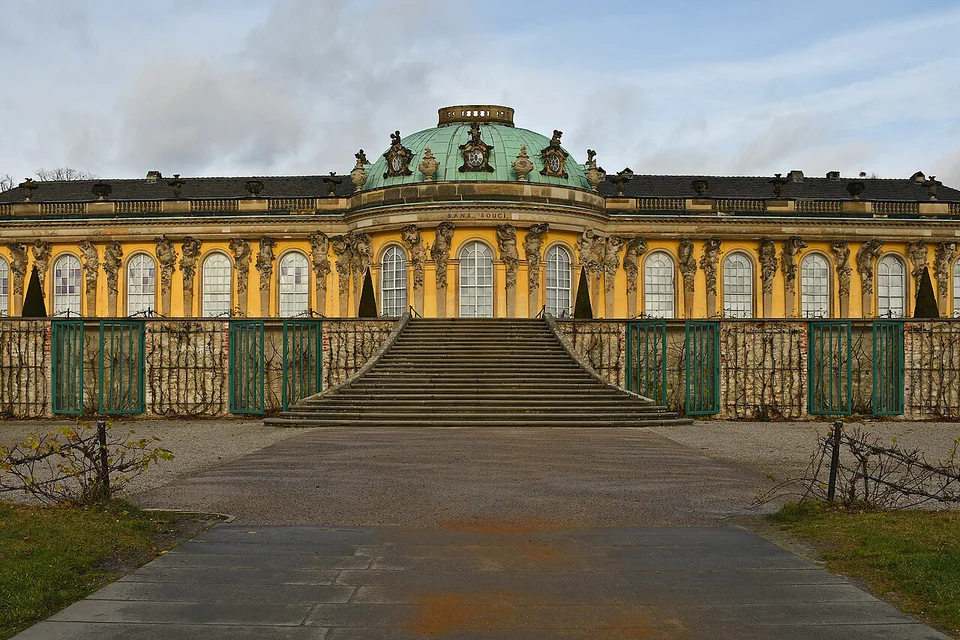
The capital of the state of Brandenburg is reached by regional train or S-Bahn. Stroll in the park around Frederick the Great's summer palace of Sanssouci and through the Dutch Quarter in the town centre.
See tours and pricesPack right
Best May–September
−2–24 °CWarm summers made for parks, outdoor terraces and swimming in the lakes around the city, and cold, grey winters. In December the Christmas markets light up the squares.
Current currency
Euro
1 EUR to SEKThe rate is updated every hour. Always check the current rate before you travel.
Compare hotels and apartments on the map, with current prices.
The map loads from Stay22 only when you click. Stay22 may then set cookies and collect information about your browser. Privacy
Plan your trip
Berlin Brandenburg Airport (BER) lies south-east of the city and has direct flights from much of Europe, including SAS, Norwegian and Eurowings from Stockholm Arlanda (ARN). From the airport, the FEX express train takes you to Berlin Central Station in around half an hour, and regional trains and the S-Bahn also run into the centre. The airport is in fare zone C, so you need an ABC ticket.
Berlin is a major rail hub, with high-speed trains from Hamburg and Munich, direct trains from Prague and Warsaw, and night trains from Stockholm, Vienna and elsewhere.
Check current departures and prices before you travel.

Mitte is practical for a first visit, within walking distance of Museum Island, the Brandenburg Gate and Hackescher Markt. Around Alexanderplatz there are many large hotels with good transport links.
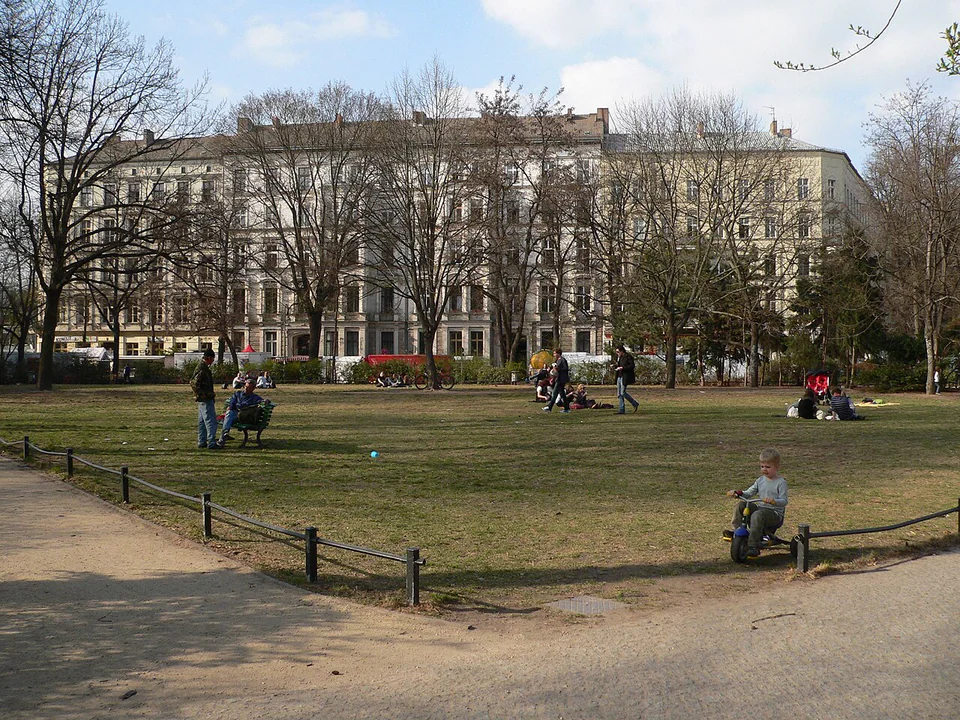
Prenzlauer Berg, with leafy squares such as Kollwitzplatz, is calm and suits families. Kreuzberg and Friedrichshain suit you if you want bars, restaurants and nightlife on the doorstep, and Charlottenburg in the west is elegant and quiet. Berlin's hotels are good value compared with other capitals, but book well ahead of trade fairs and big events.
The big and the small
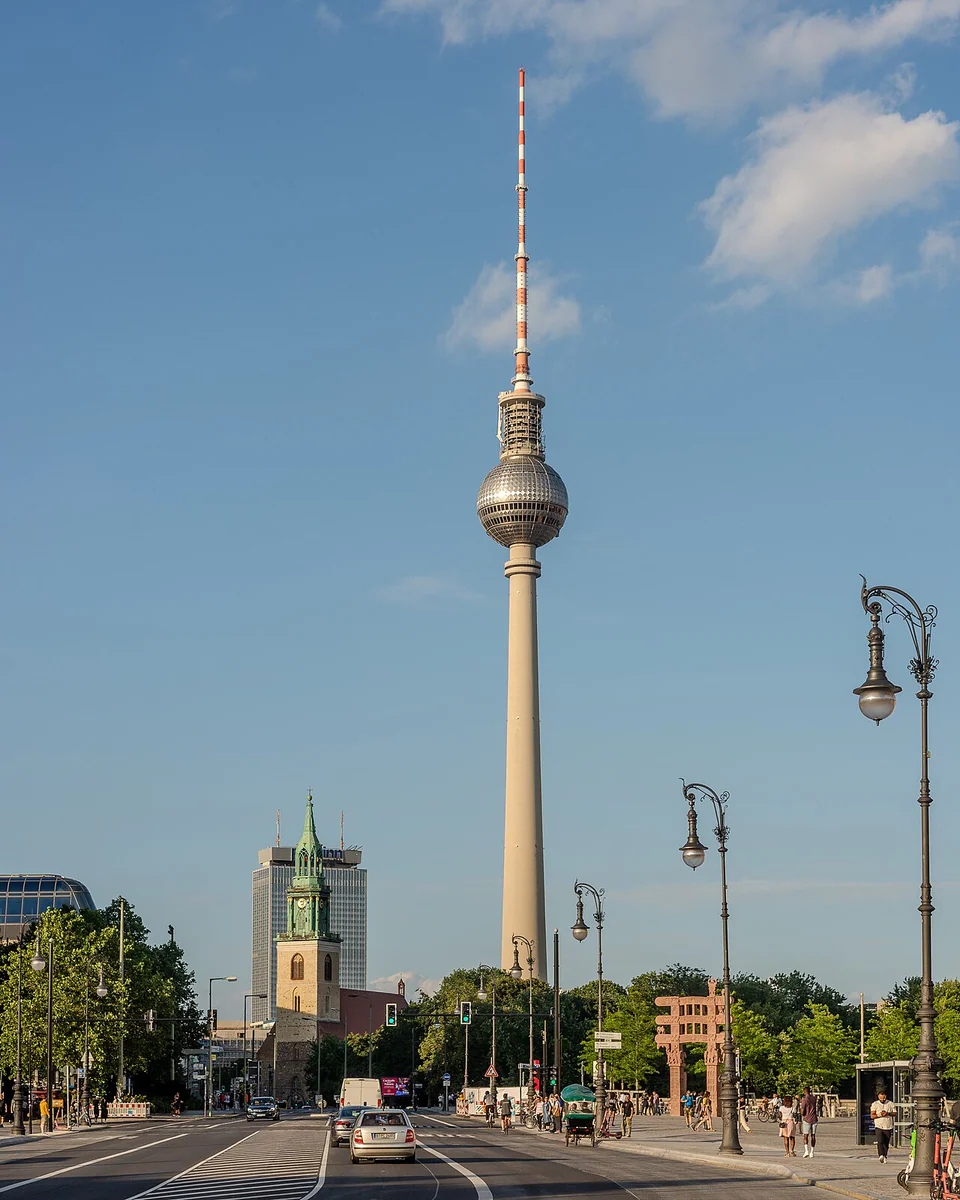
The Berlin TV Tower at Alexanderplatz opened in 1969 and, at 368 metres, is Germany's tallest structure. The lift takes you up to the observation deck at just over 200 metres, and one floor above is a slowly revolving restaurant. Buy a timed ticket in advance to skip the queues. TV Tower tickets
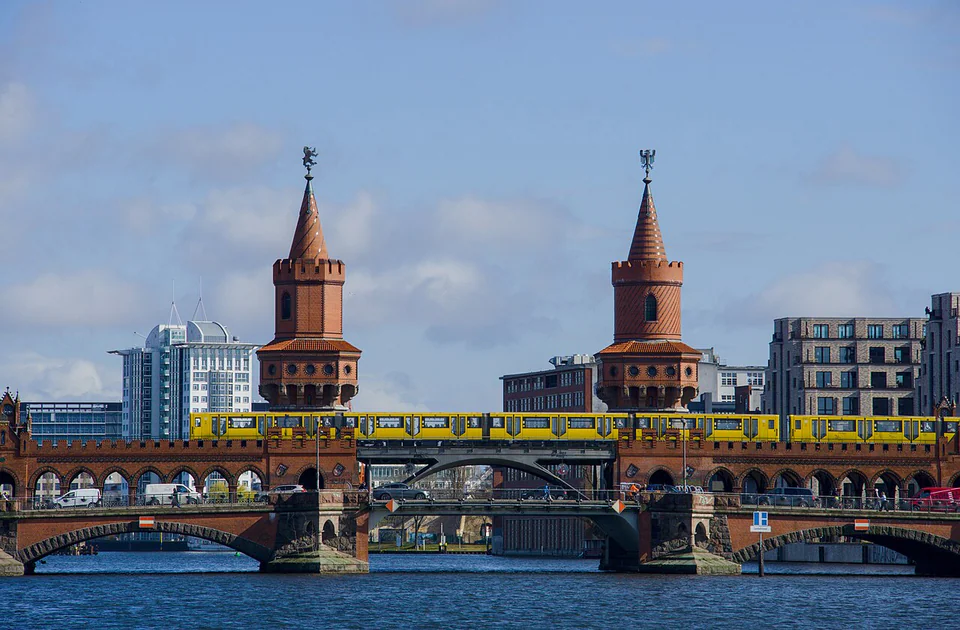
The longest surviving section of the Berlin Wall, just over 1.3 kilometres along the Spree in Friedrichshain, was painted in 1990 by 118 artists from 21 countries. It is open around the clock and free. Walk from Ostbahnhof to the Oberbaum Bridge and carry on across the bridge into Kreuzberg.
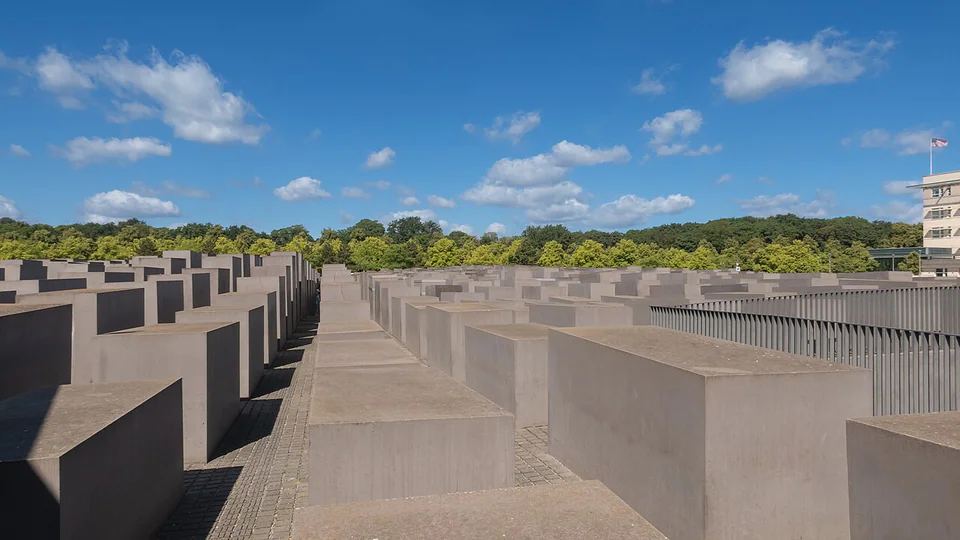
The Memorial to the Murdered Jews of Europe opened in 2005 and consists of 2,711 concrete slabs on an undulating field near the Brandenburg Gate. The field is always open, and beneath it an information centre tells of the victims and their families. It is closed on Mondays, and entry is free. Treat the place with respect: walk, but don't climb on the slabs.
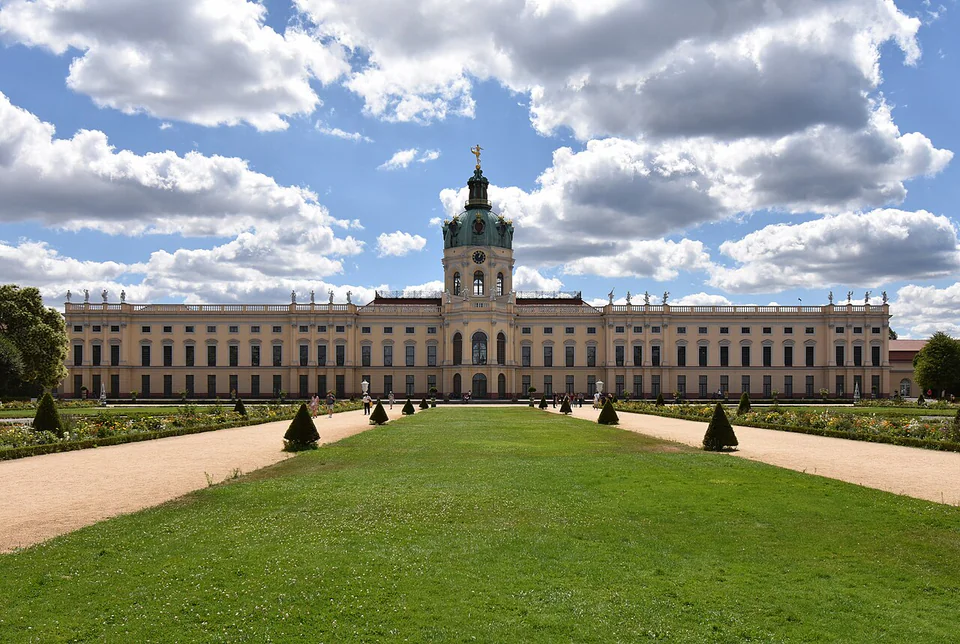
Berlin's largest palace was begun in the 1690s as a summer residence for Queen Sophie Charlotte and was later extended by several Prussian kings. Inside are lavish halls and porcelain, and behind the palace a large park stretches along the Spree, free to enter. Charlottenburg Palace tickets
In Oranienburg, about 35 kilometres north of Berlin, stood the Sachsenhausen concentration camp, where the Nazis imprisoned more than 200,000 people between 1936 and 1945. Tens of thousands died here. After the war the Soviet occupying power used the camp as a special camp. The memorial and its museums are free to enter, and you get there by S-Bahn or regional train and a walk from the station. Sachsenhausen tours
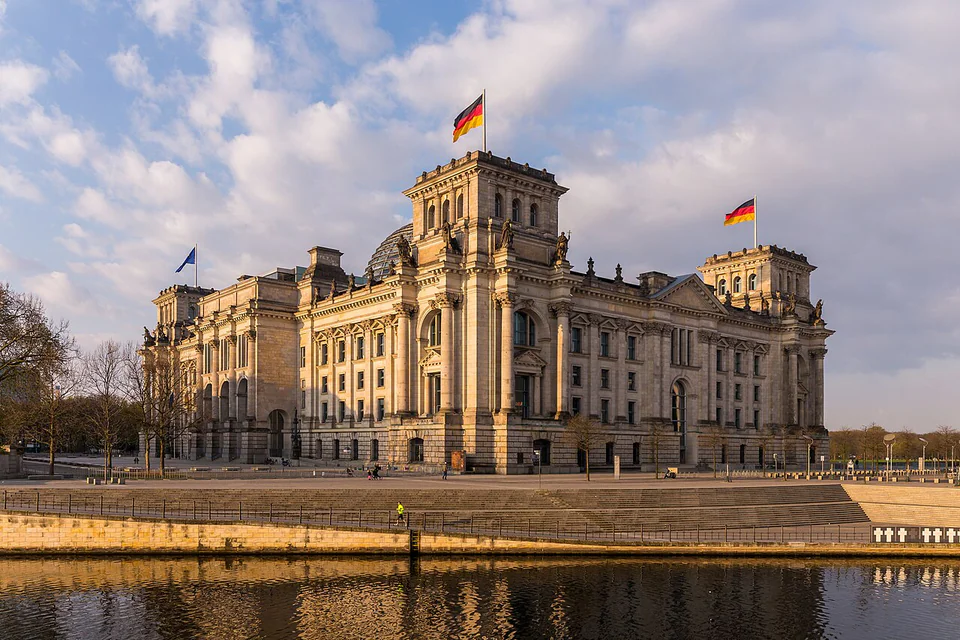
The Brandenburg Gate was completed in 1791 and stood right by the Wall during the Cold War. Today it is the symbol of reunified Germany. A few hundred metres away is the Reichstag, where the Bundestag meets beneath a glass dome. Visiting the dome is free, but you must register in advance on the Bundestag website and bring valid ID. Reichstag tours
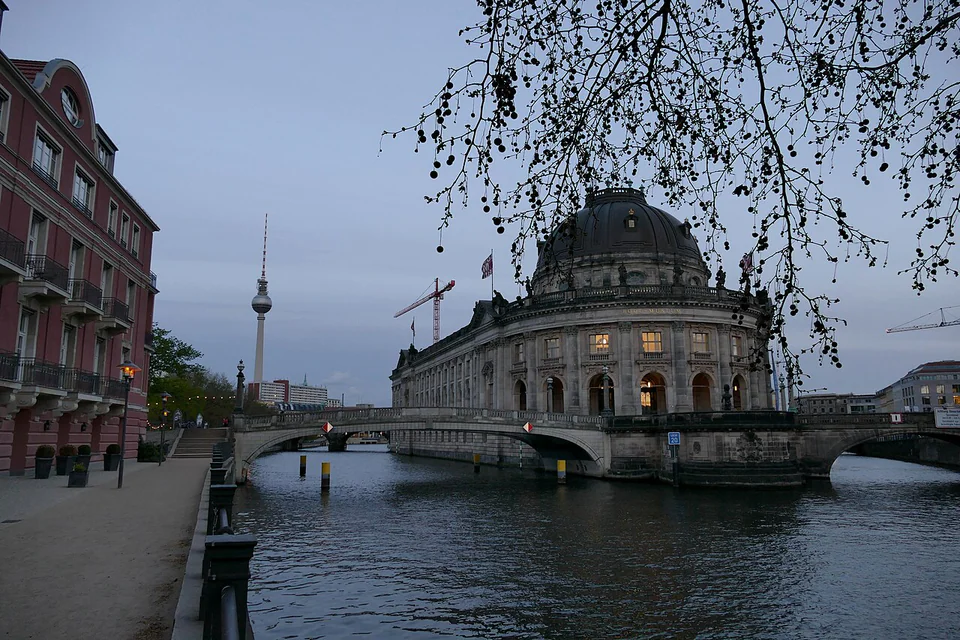
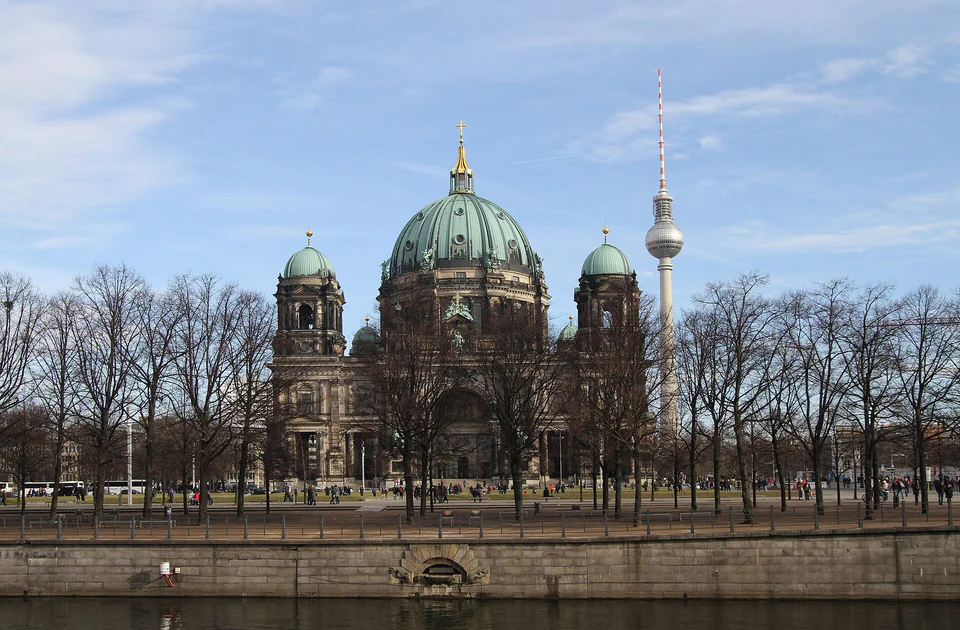
The northern part of the island in the Spree holds five major museums, and the whole ensemble is a UNESCO World Heritage Site. The Neues Museum shows the bust of Nefertiti, the Alte Nationalgalerie has 19th-century painting and the Bode Museum sculpture and coins. The Pergamon Museum is closed for renovation and is planned to partly reopen in 2027. Berlin Cathedral is right next door. Museum Island tickets
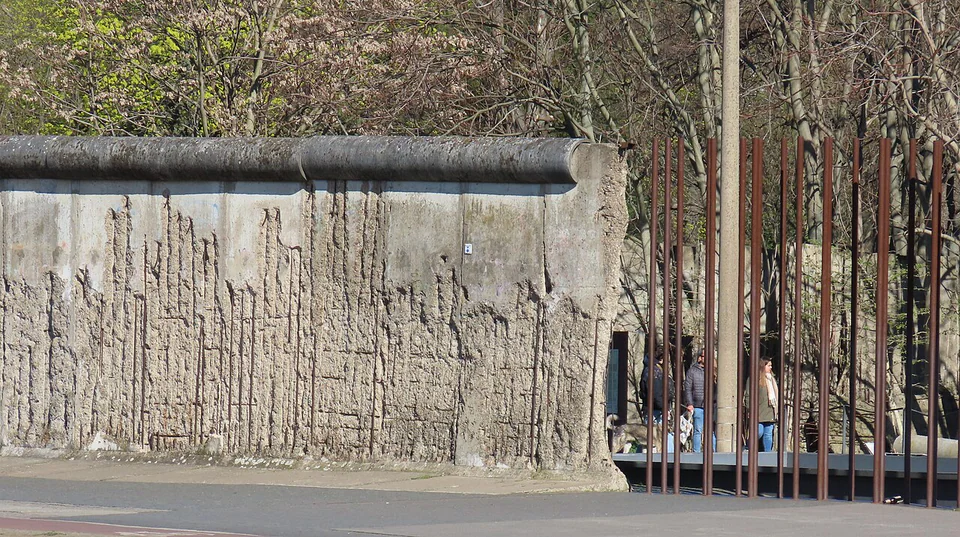
The Berlin Wall Memorial runs along the former border strip on Bernauer Straße, where the houses once stood in the East and the pavement in the West. A section of the Wall still stands here, and signs and markings in the ground tell of escape attempts, tunnels and people who died at the border. The open-air exhibition is free and open every day, and the visitor centre is closed on Mondays. Berlin Wall tours
Mitte is the historic centre, with Unter den Linden, Museum Island and galleries and shops around Hackescher Markt. Kreuzberg, along the Landwehr Canal, is multicultural, with markets, Turkish bakeries and bars. Friedrichshain, across the Spree, has the East Side Gallery and much of the club scene. Prenzlauer Berg has handsome turn-of-the-century buildings and the Mauerpark, with a flea market on Sundays. Neukölln is the city's creative quarter, and Charlottenburg in the west has the palace and the Kurfürstendamm shopping street.
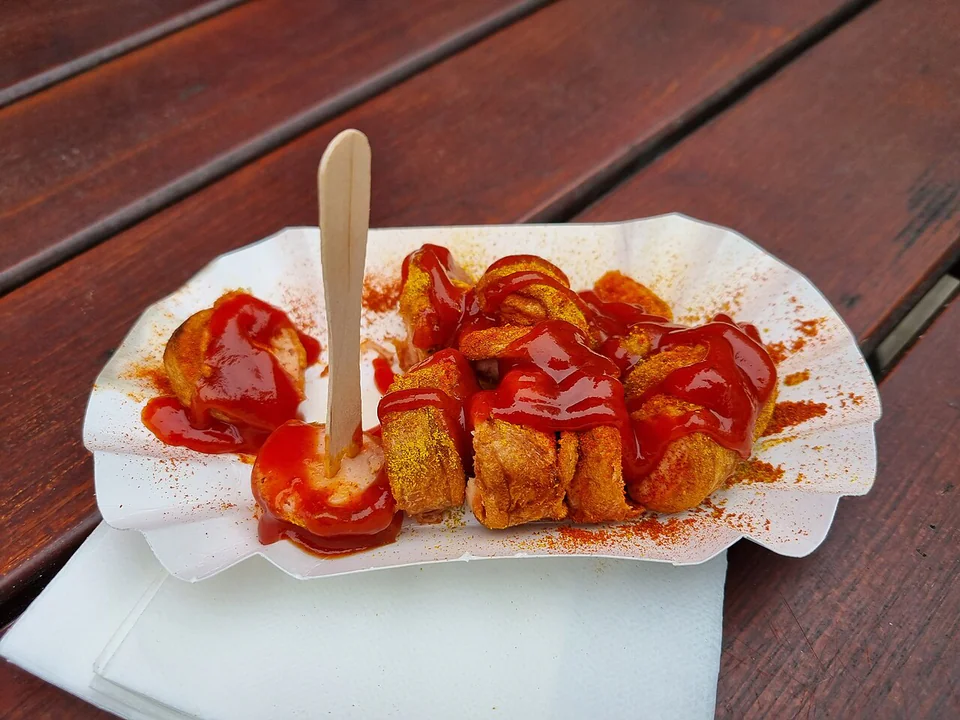
Currywurst, fried sausage with spicy ketchup and curry powder, is Berlin's own street food, and döner kebab is at least as popular. Also try Eisbein, salted pork knuckle, and a Berliner Weisse, a sour wheat beer. Markthalle Neun in Kreuzberg has food stalls and a street food evening on Thursdays, Street Food Thursday. Berlin has restaurants from all over the world and several with Michelin stars, and prices are often lower than in other big cities. Beer gardens and outdoor terraces fill up as soon as the sun comes out.
Berlin is big, but public transport is frequent. The U-Bahn, S-Bahn, trams, buses and ferries all use the same BVG and VBB tickets. Zone AB covers the whole city, and ABC is needed for BER airport, Potsdam and Sachsenhausen. Buy tickets in the BVG app or from machines, and validate paper tickets before you travel. A day ticket pays off if you travel a lot. Cycling is easy on the flat streets, and rental bikes are everywhere.
The BVG app sells tickets and shows departures for all public transport in Berlin. With DB Navigator you buy train tickets, for example onwards around Germany. Jelbi brings rental bikes, e-scooters and car sharing together in one app, and Bolt, Uber and FreeNow are available if you need a taxi. Museumsportal Berlin shows opening hours and exhibitions at the city's museums.

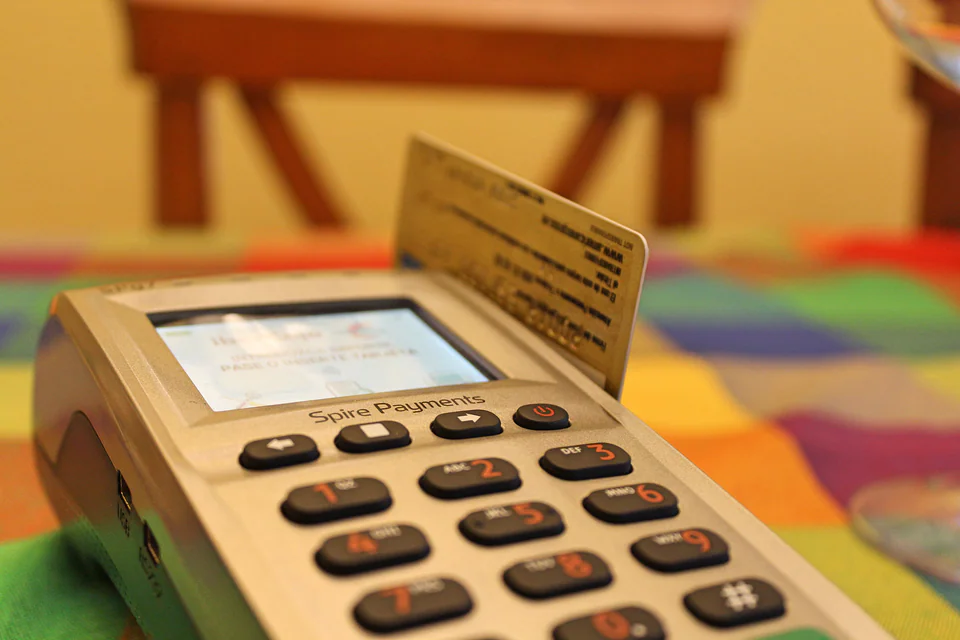
Germany uses the euro. Cards are accepted in more and more places, but cash is still common, and some cafés, bars and small restaurants only take cash, so always carry a few notes. Most shops are closed on Sundays, while corner shops, known as Späti, and shops at the big stations stay open. Tip by rounding up, often around ten per cent in restaurants. There is a deposit on bottles and cans.
Much of Berlin is free: the East Side Gallery, the Bernauer Straße memorial, the Holocaust Memorial, the Tränenpalast and the parks. Book your visit to the Reichstag dome well ahead. Take the ordinary bus 100 between Zoologischer Garten and Alexanderplatz, or the 300 between the Philharmonie and Warschauer Straße, for a cheap sightseeing tour past the Brandenburg Gate and Unter den Linden. Plan museum visits around the days of the week, since many memorials and museums are closed on Mondays. In summer you can swim in the Wannsee or one of the other lakes on the edge of the city.