The view from Letná
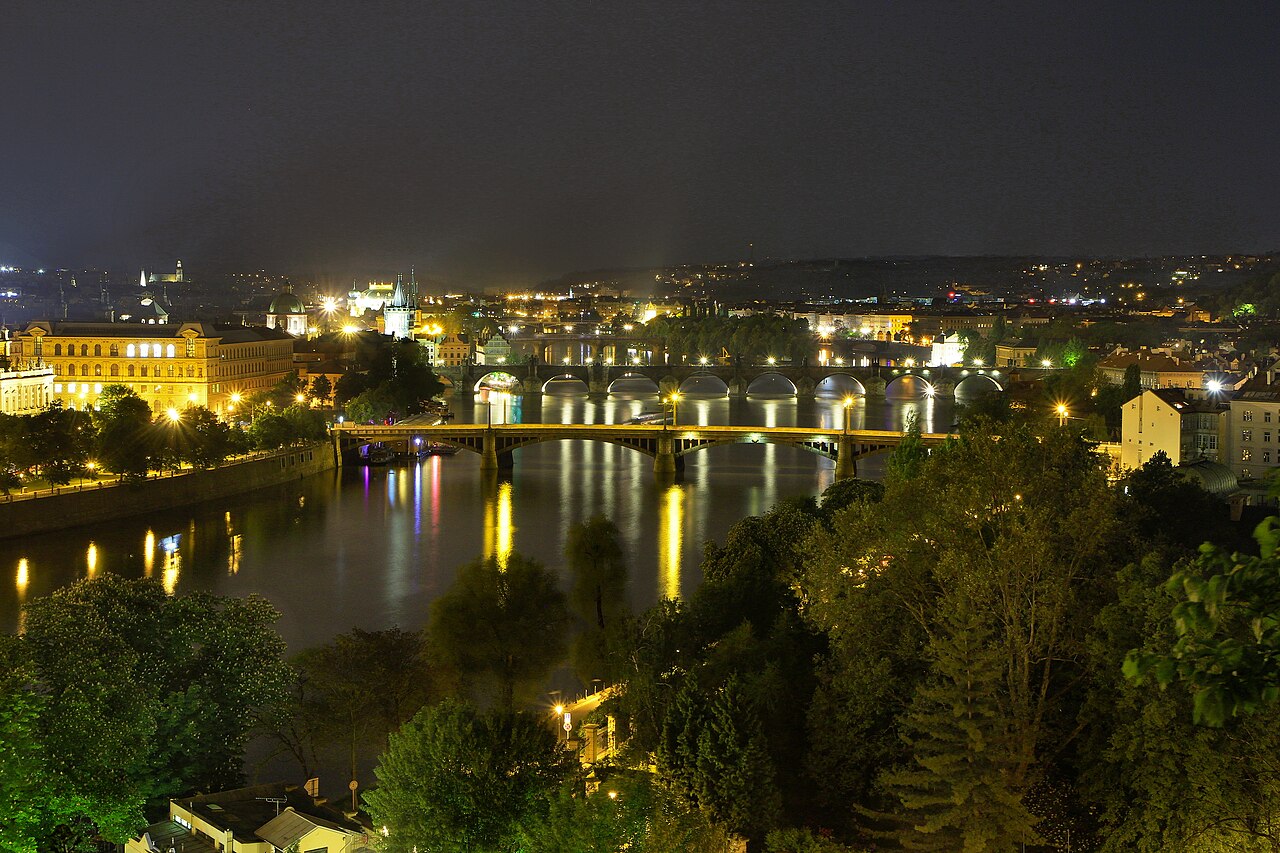
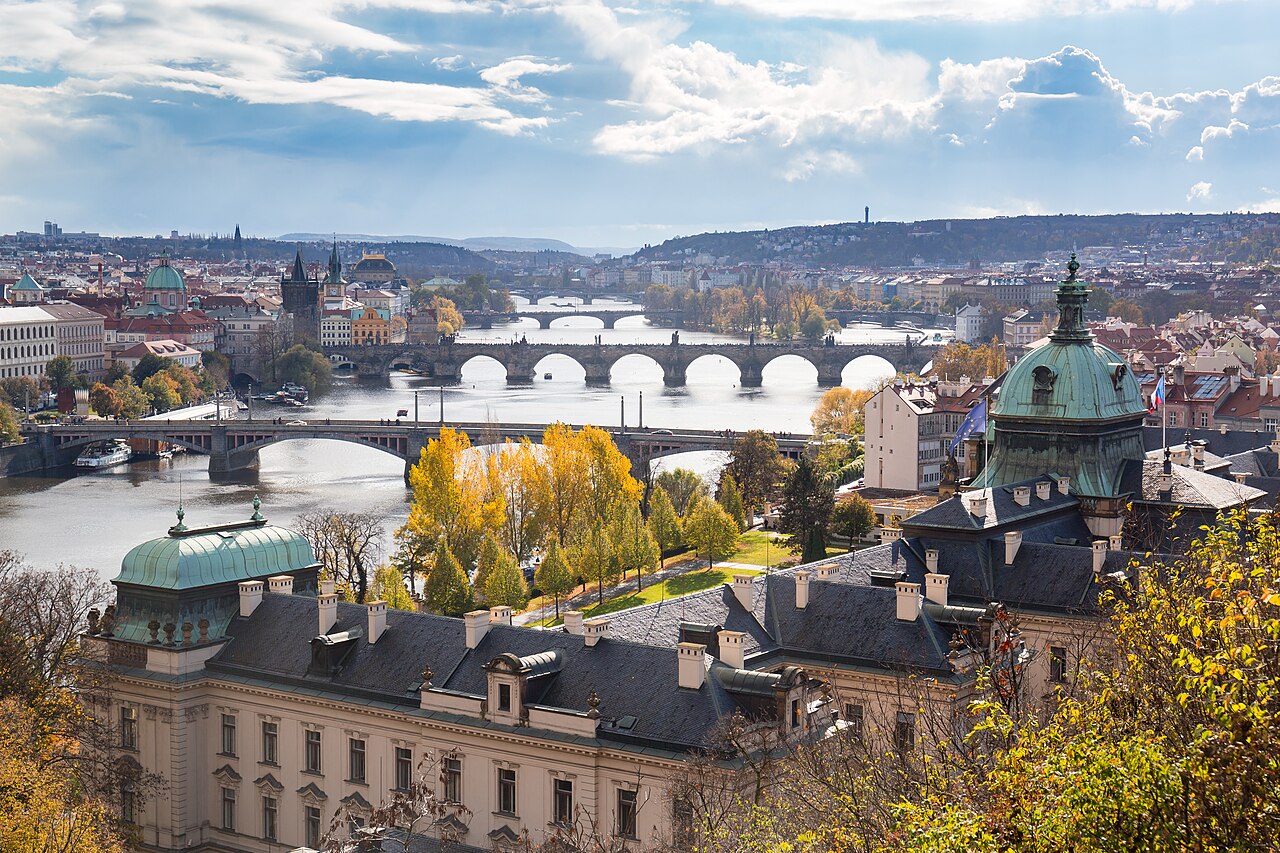
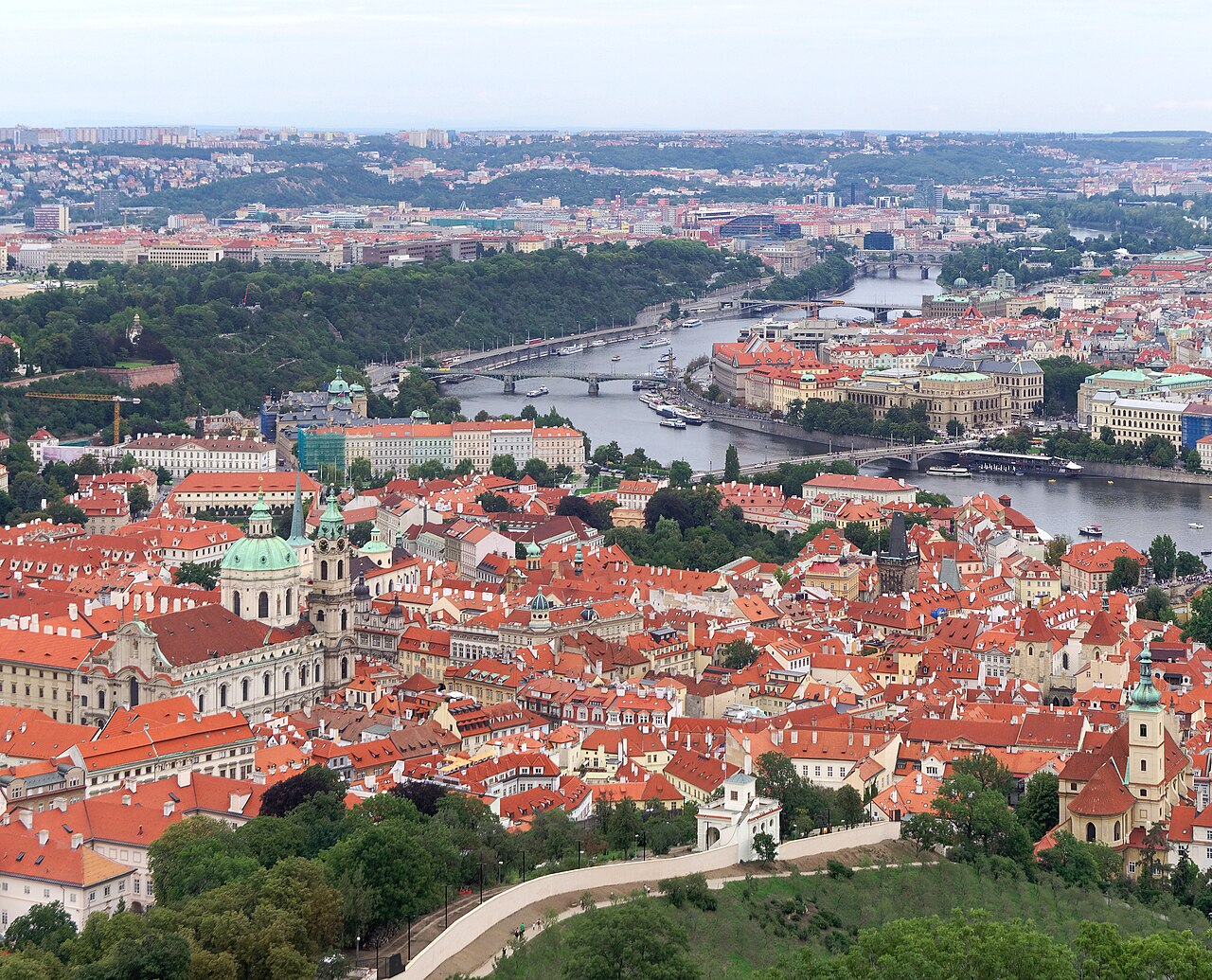
Walk up into Letná Park and watch the bridges over the Vltava line up below you. The park's beer garden is one of the city's favourites on summer evenings.
See tours and pricesCity of a hundred spires · Czechia
Your guide to Prague
Prague came through the wars of the 20th century almost undamaged, so the city still stands as a living museum of a thousand years of European architecture. Romanesque cellars, Gothic churches, baroque palaces and Art Nouveau façades sit side by side, and the whole historic centre is on UNESCO's World Heritage List.
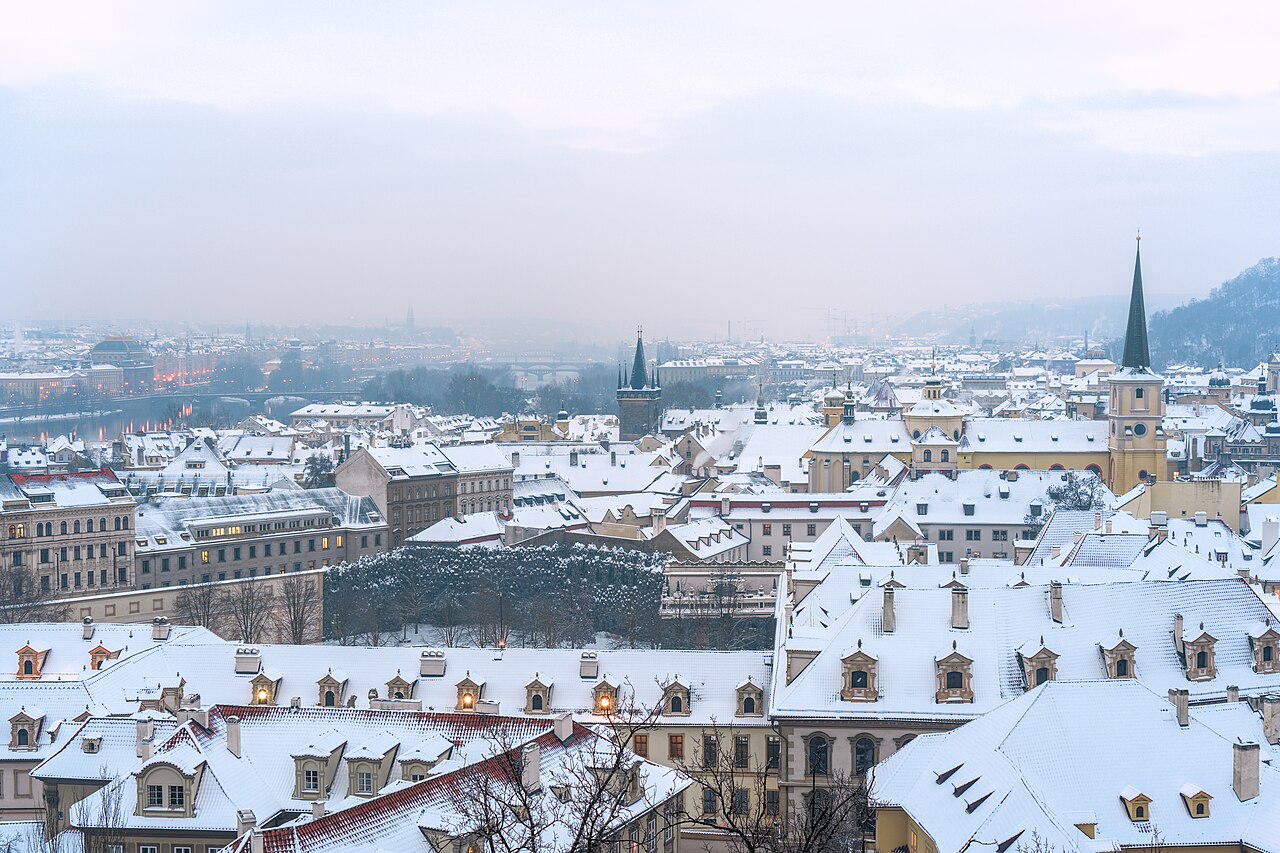
On one side of the river Vltava, Prague Castle and St Vitus Cathedral rise above the red roofs of Malá Strana. On the other lies Old Town Square with the astronomical clock, which has been telling the time since 1410. Between them runs the Charles Bridge, a 14th-century stone bridge lined with baroque statues.
Between the sights you can settle into a beer hall and order a freshly tapped pilsner, eat svíčková with dumplings or walk up to a viewpoint on Petřín or Letná. The Vinohrady and Karlín neighbourhoods show a calmer, more everyday side of the city.
Prague is at its most beautiful early in the morning, before the day-trippers arrive. Take time to turn into the back streets, where courtyards, gardens and little wine cellars hide behind the gates.
Popular right now
Walk up into Letná Park and watch the bridges over the Vltava line up below you. The park's beer garden is one of the city's favourites on summer evenings.
See tours and prices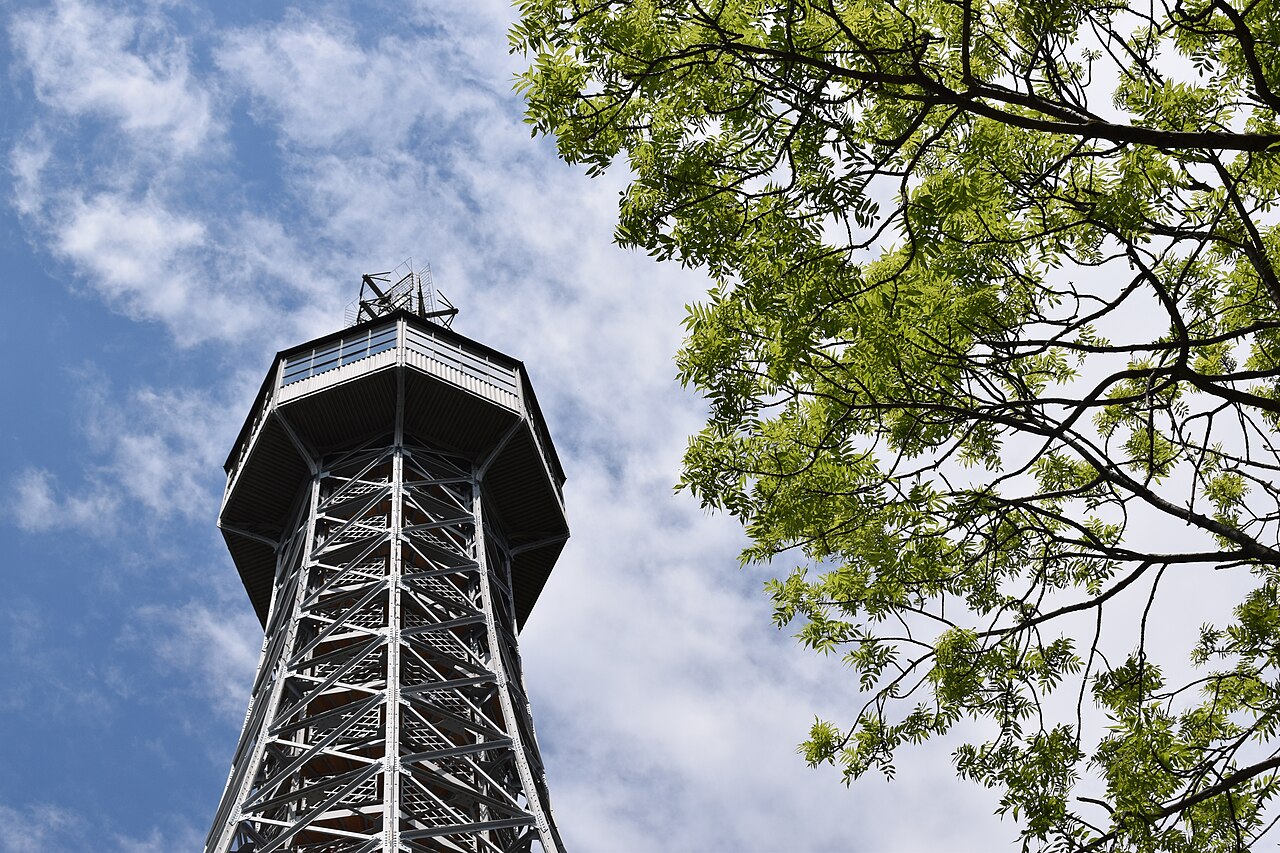
The green hill above Malá Strana has orchards, a rose garden and an 1891 lookout tower inspired by the Eiffel Tower.
See tours and prices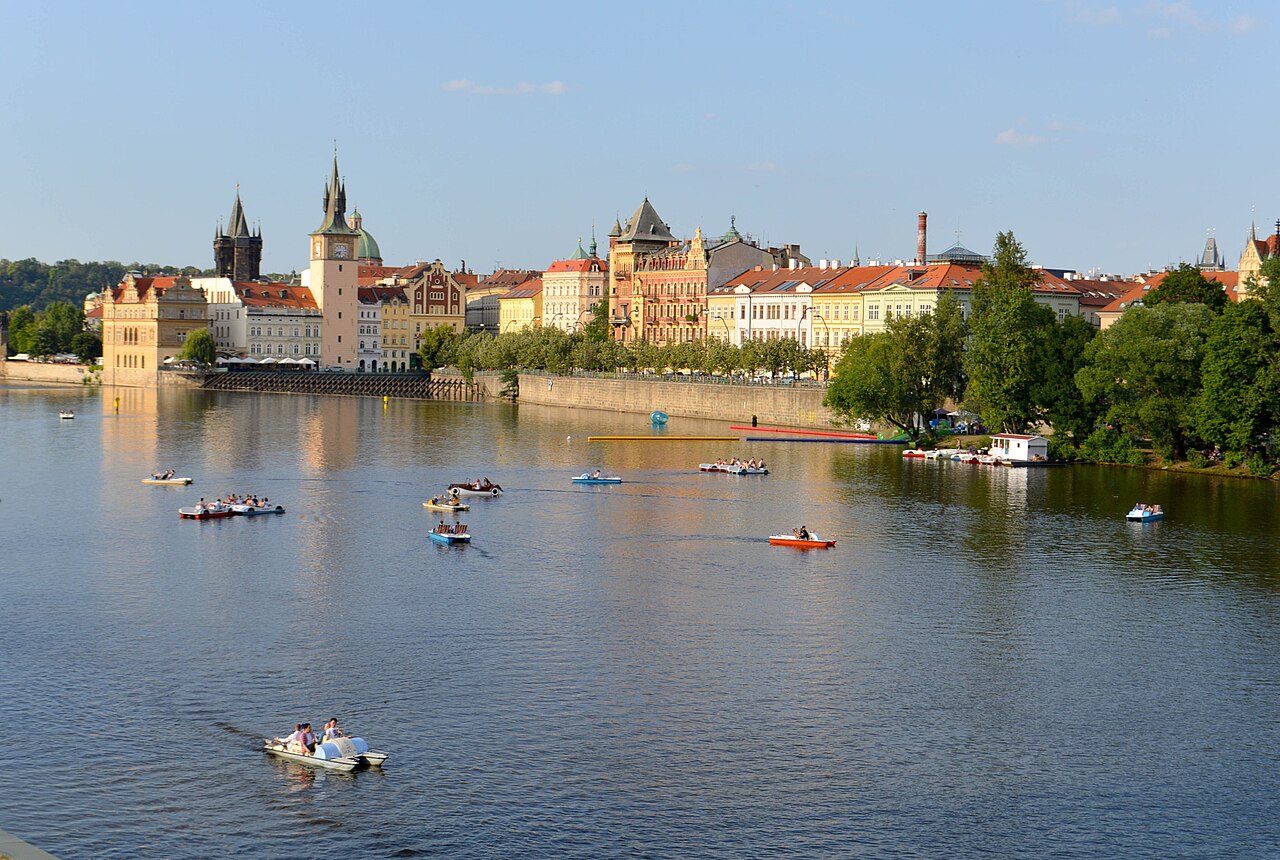
Rent a pedal boat at Slovanský ostrov and see the Old Town, the Charles Bridge and the castle from the water at your own pace.
See tours and pricesPack right
Best May–September
0–25 °CA continental climate with cold winters around freezing and warm summers with daytime highs around 25 °C. December draws visitors with its Christmas markets.
Current currency
Czech koruna
1 CZK to SEKThe rate is updated every hour. Always check the current rate before you travel.
Compare hotels and apartments on the map, with current prices.
The map loads from Stay22 only when you click. Stay22 may then set cookies and collect information about your browser. Privacy
Plan your trip
Václav Havel Airport lies about 17 kilometres west of the centre and has direct connections from cities including Stockholm. The flight from Stockholm takes just under two hours.
There's no railway to the airport, but the buses are frequent and cheap. Bus 119 runs to Nádraží Veleslavín metro station on line A, from where you reach Malá Strana and the Old Town in a quarter of an hour. The Airport Express goes straight to the main station, Hlavní nádraží. Taxis and apps such as Uber and Bolt are available at the terminals and cost more than public transport.
Check current departures and prices before you travel.

The Old Town and Malá Strana are closest to the big sights, but hotels there are more expensive and the streets are busy until late. You stay here for the atmosphere and to be able to walk everywhere.
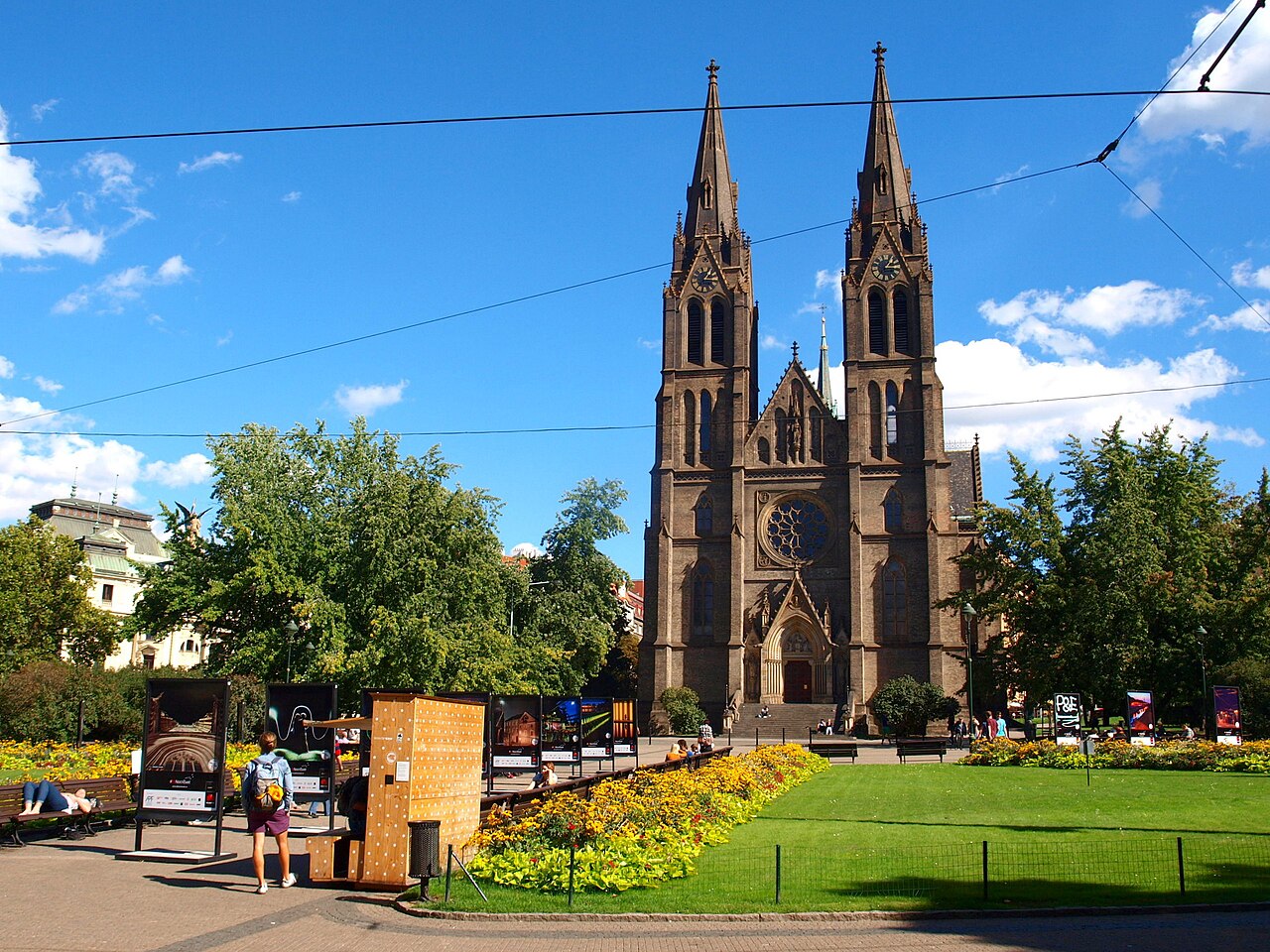
Vinohrady, with Art Nouveau houses, cafés and parks around Náměstí Míru, is a popular and good-value alternative, with the metro and trams taking you into the centre in a few minutes. Karlín has turned into a neighbourhood of restaurants and new hotels, and Nové Město around Wenceslas Square is practical if you want to be close to everything.
Book well ahead for the Christmas markets and summer weekends. A tourist fee per person per night is often added, so check whether it's included in the price.
The big and the small
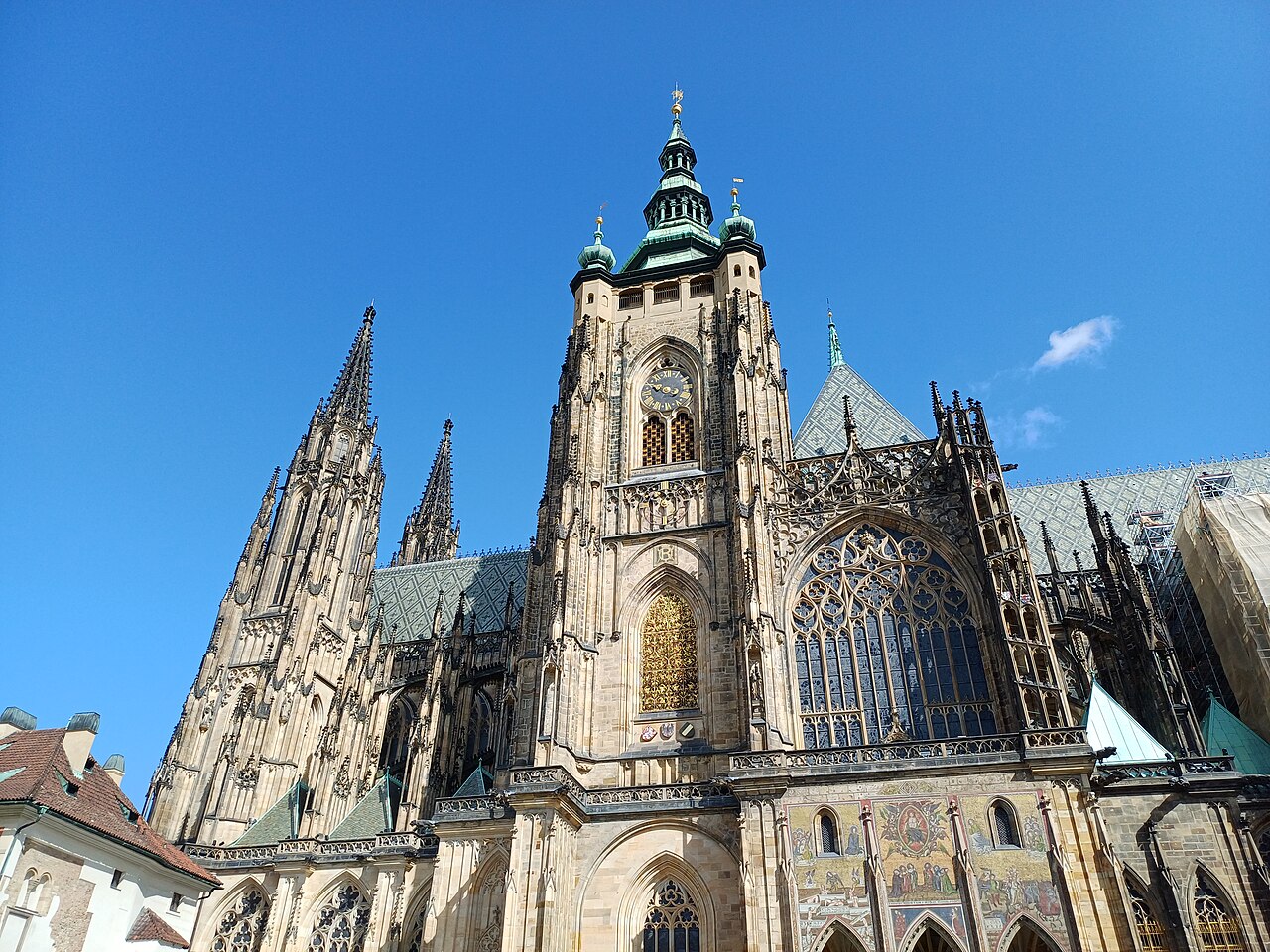
One of the largest castle complexes in the world, seat of the Bohemian kings and today of the Czech president. At its heart stands St Vitus Cathedral, begun in 1344 and only finished in 1929. The courtyards are free to walk around, but the cathedral, the Old Royal Palace and Golden Lane need a ticket. The guard changes every hour on the hour at the main gate.
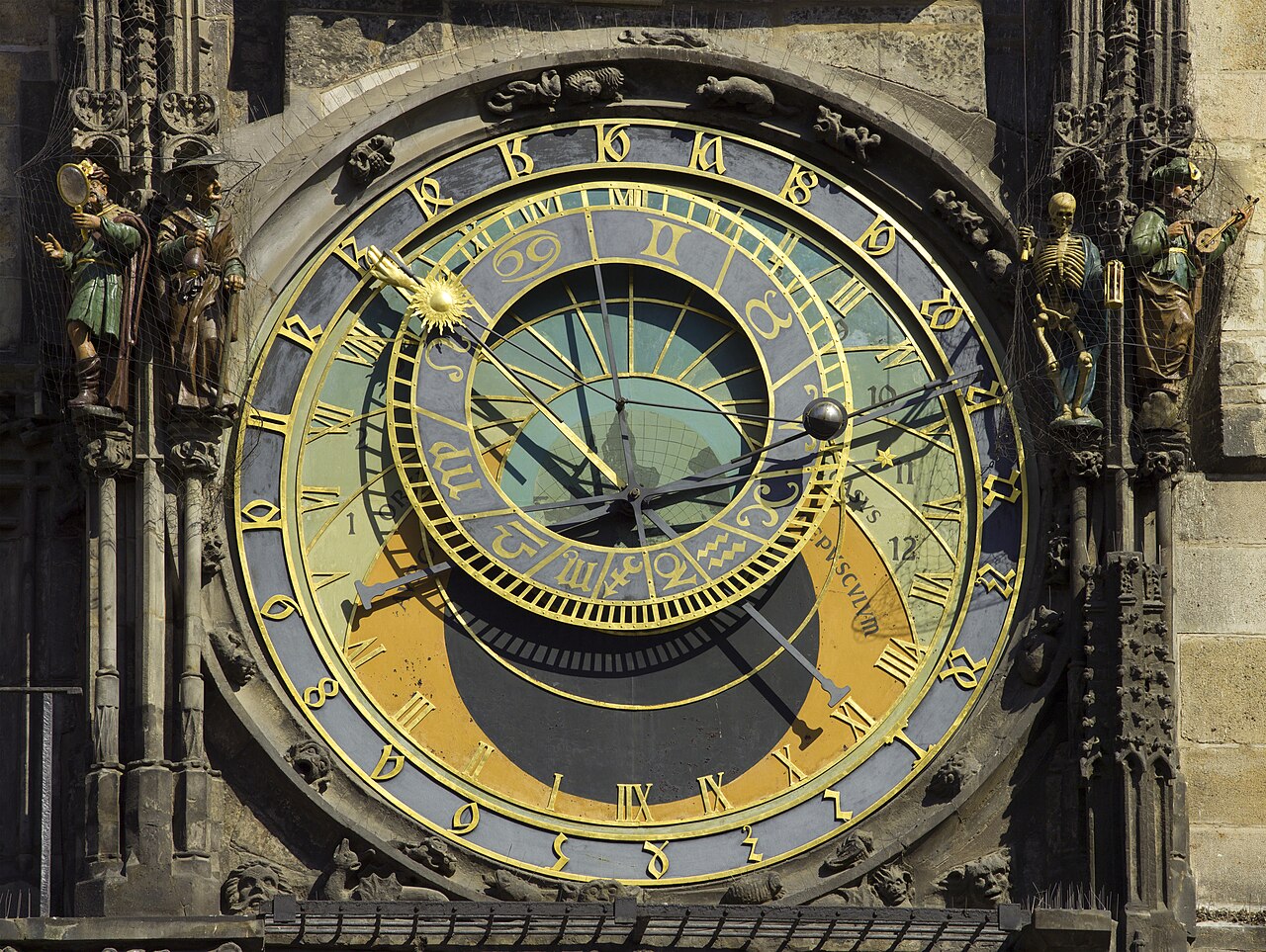
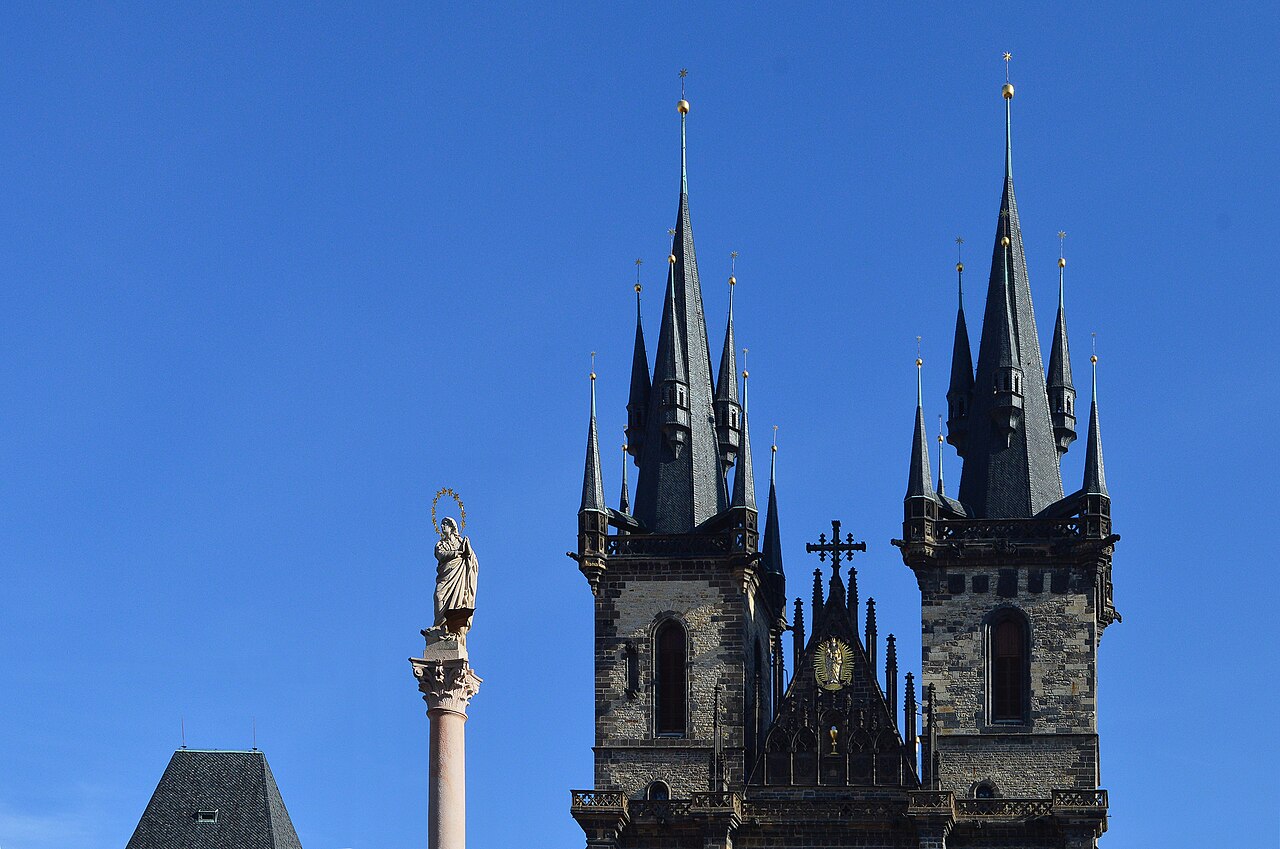
The city's medieval main square is surrounded by the black spires of the Týn Church, the baroque St Nicholas Church and colourful burghers' houses. On the town hall is the astronomical clock from 1410, the oldest in the world still working. Every hour during the day the apostles parade past its windows, and from the town hall tower you can see across the whole square.
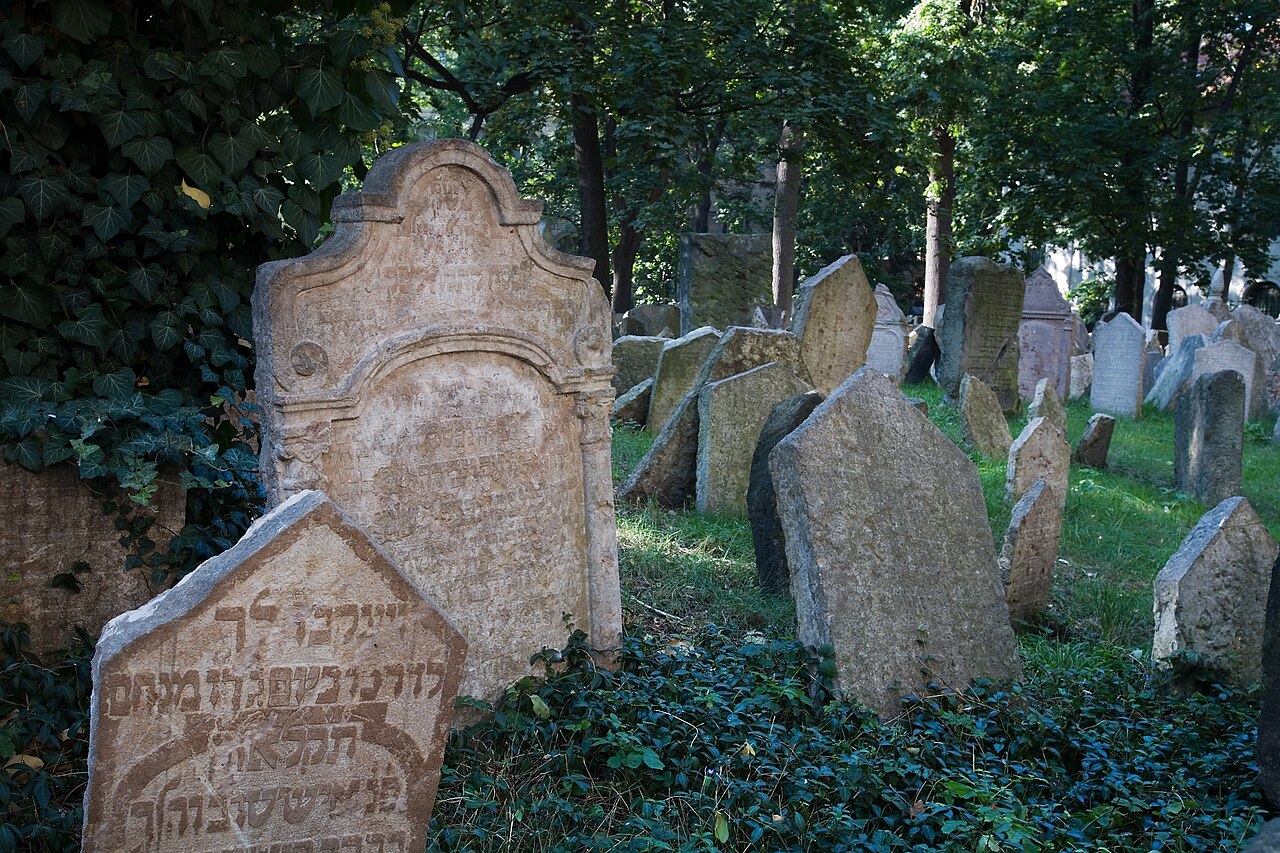
Here you'll find Europe's oldest synagogue still in use, the 13th-century Old-New Synagogue, and the Old Jewish Cemetery, where thousands of gravestones lean closely against each other. The Jewish Museum looks after several synagogues and the cemetery on a combined ticket. It's closed on Saturdays and Jewish holidays.
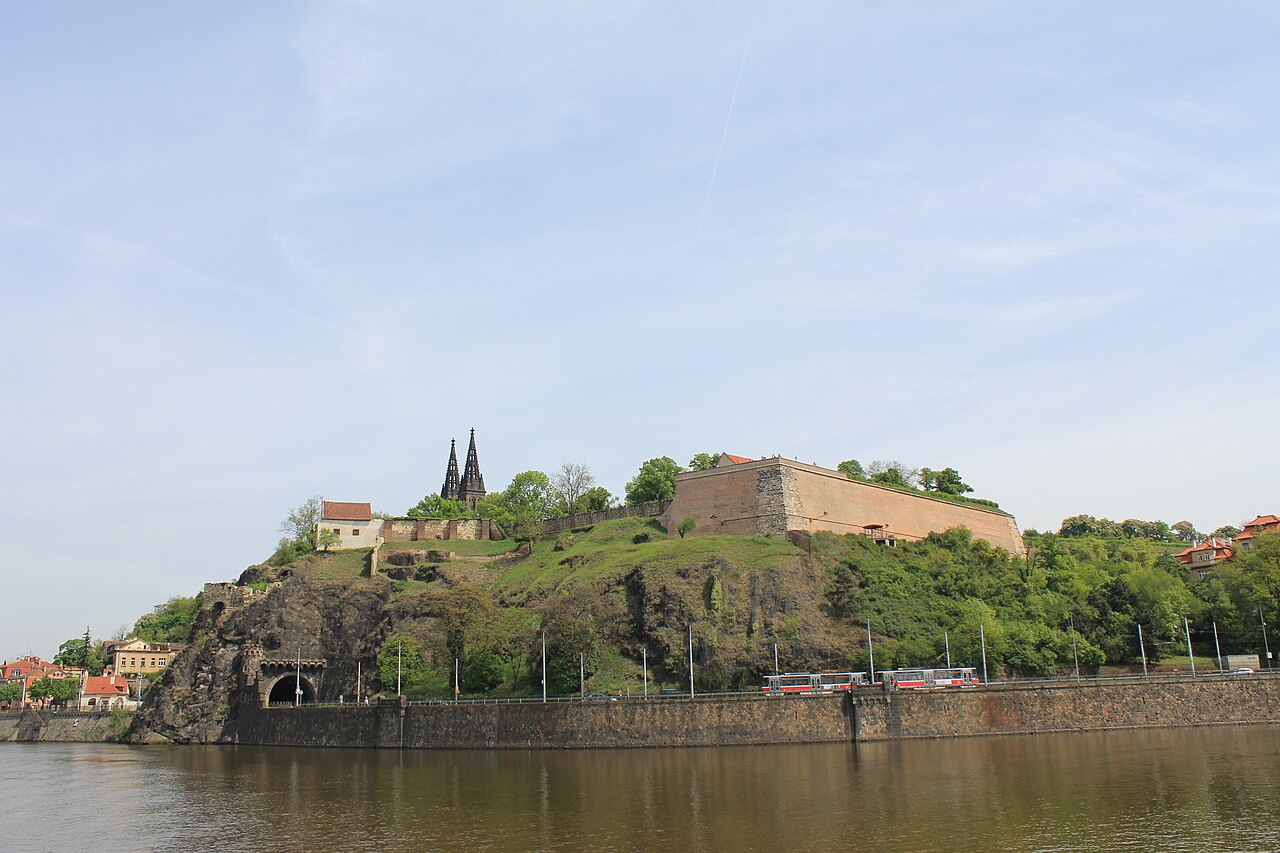
The old fortress on a rock above the Vltava, south of the centre, is where Prague was founded according to legend. Inside the walls are the Basilica of St Peter and St Paul and the cemetery where Dvořák, Smetana and Mucha, among others, are buried. The grounds are free, quiet and have a lovely view over the river.
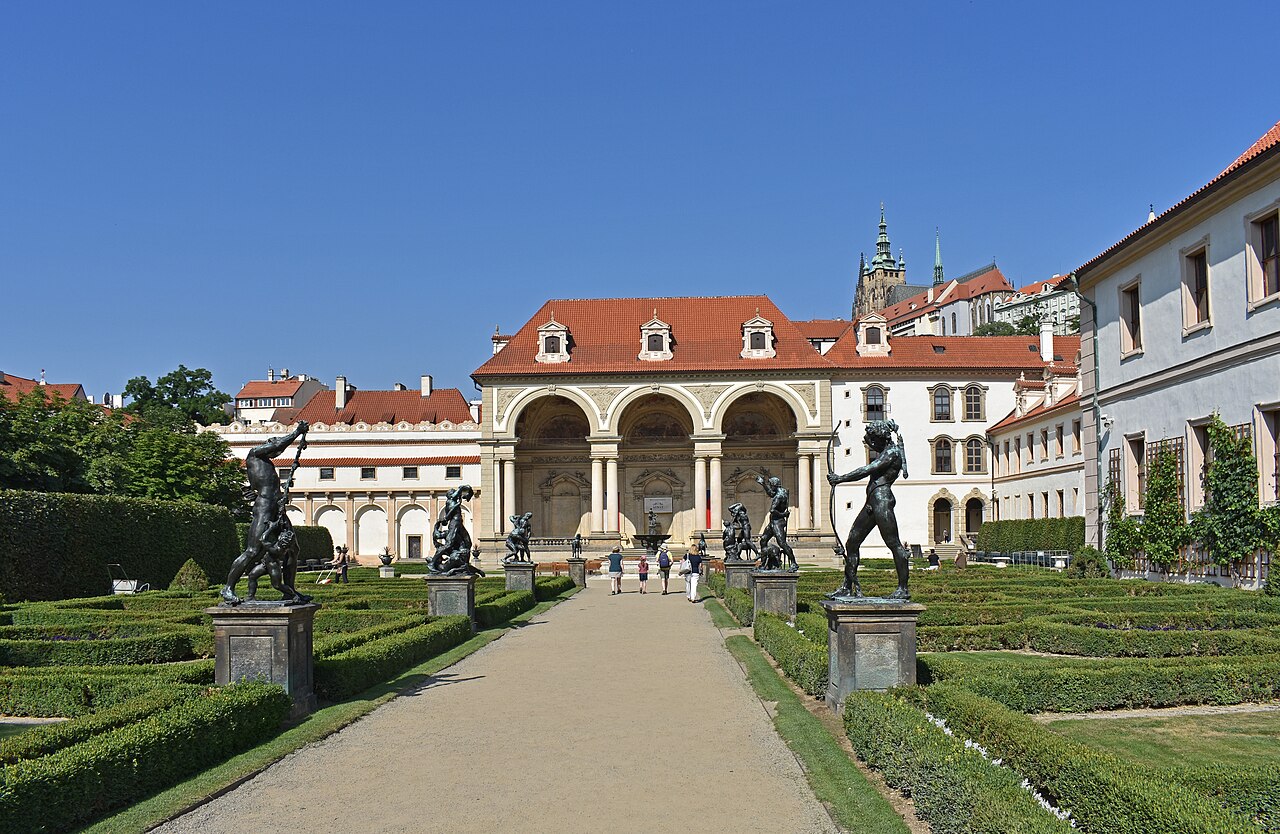
An early baroque garden from the 1620s at the palace that now houses the Czech Senate, a short walk from Malostranská metro station. It has a large open loggia, a grotto wall of dripstone, a pond and peacocks wandering freely. The garden is free and open from spring to autumn.
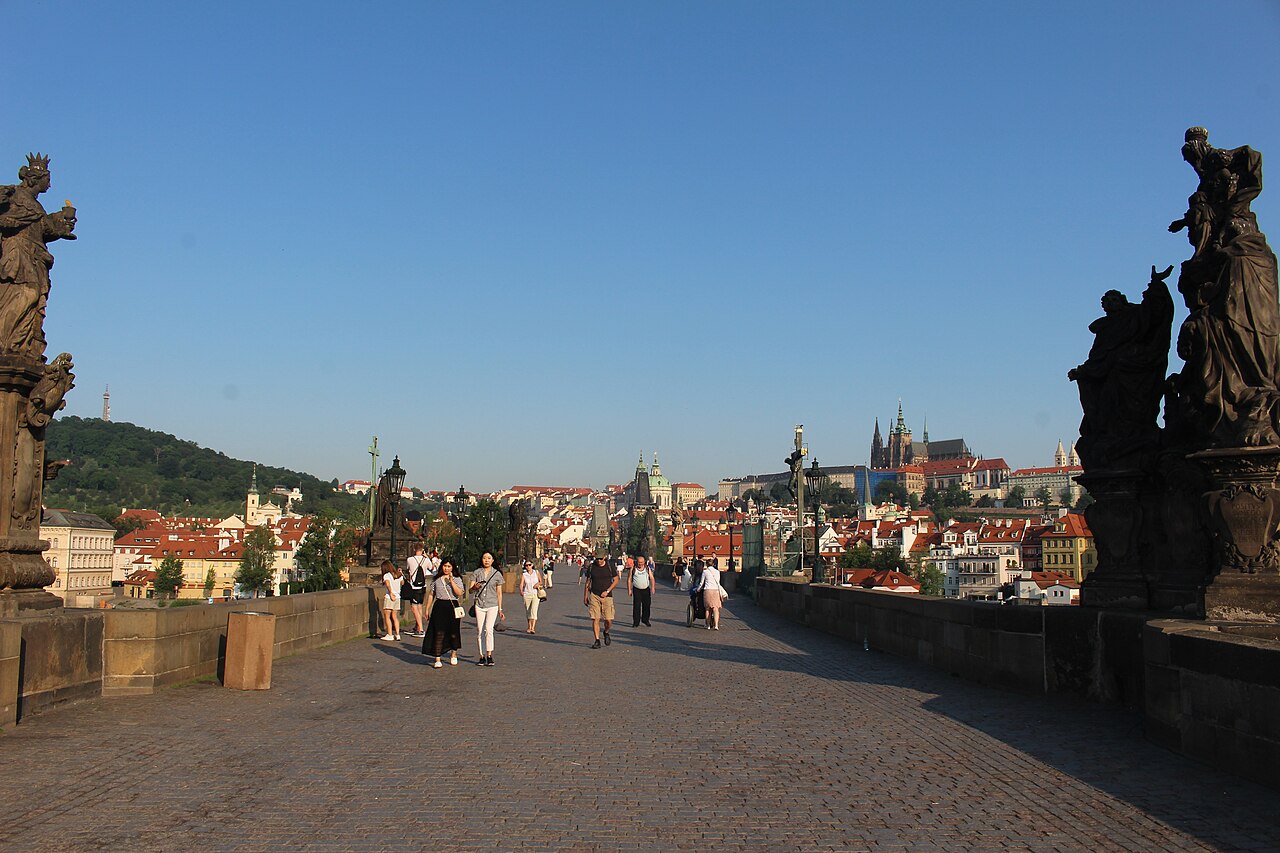
Work on the stone bridge over the Vltava began in 1357 under Emperor Charles IV, and for centuries it was the city's only link between the riverbanks. Thirty baroque statues line the parapets, most of them copies today. In the middle of the day it's packed with street musicians, artists and tourists, so come at sunrise to have the bridge almost to yourself.
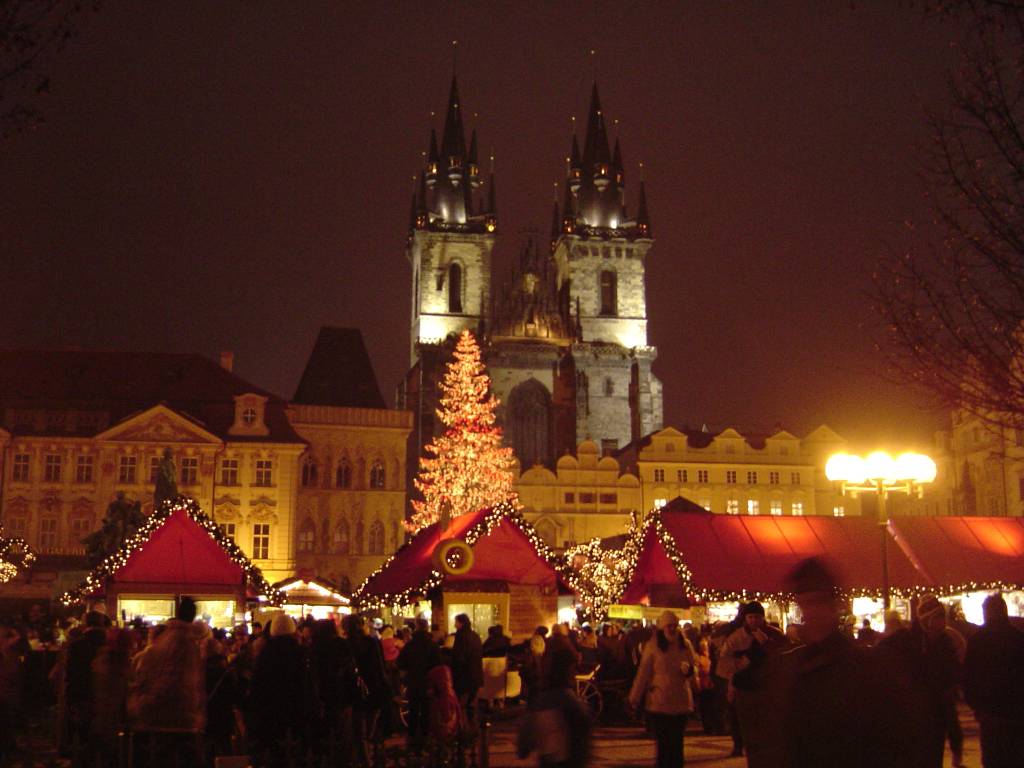
From late November to early January, Old Town Square and Wenceslas Square fill with Christmas markets. A huge Christmas tree is lit in front of the Týn Church, and the stalls sell mulled wine, sausages, roast ham and handicrafts. The evenings are the most beautiful but also the most crowded, and hotels get more expensive around the holidays.
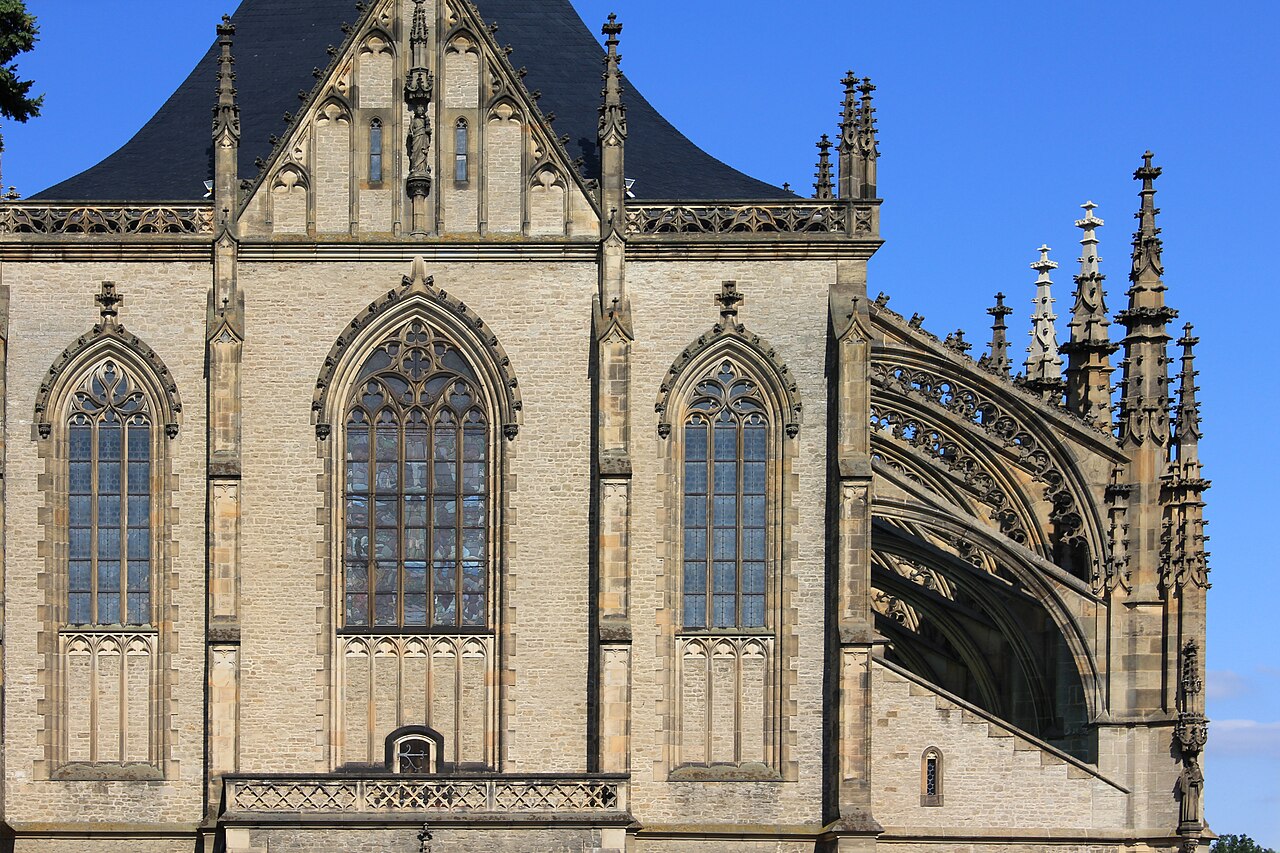
The silver town of Kutná Hora is about an hour by train from Prague and a World Heritage Site in its own right. The Gothic St Barbara's Church, with its tent-shaped roofs, was built with the mining town's wealth. In the suburb of Sedlec is the ossuary, a chapel decorated with the bones of tens of thousands of people.
Staré Město, the Old Town, is the city's medieval heart, with Old Town Square and the Jewish Quarter, Josefov. Malá Strana, across the Charles Bridge, is a baroque district of palaces, gardens and embassies, and above it lies Hradčany with the castle. Nové Město, the New Town, was founded back in 1348 and centres on Wenceslas Square. Vinohrady and Žižkov, east of the centre, have cafés, beer halls and more local nightlife, and Holešovice, north of the river, has art centres and the Pražská tržnice market hall.
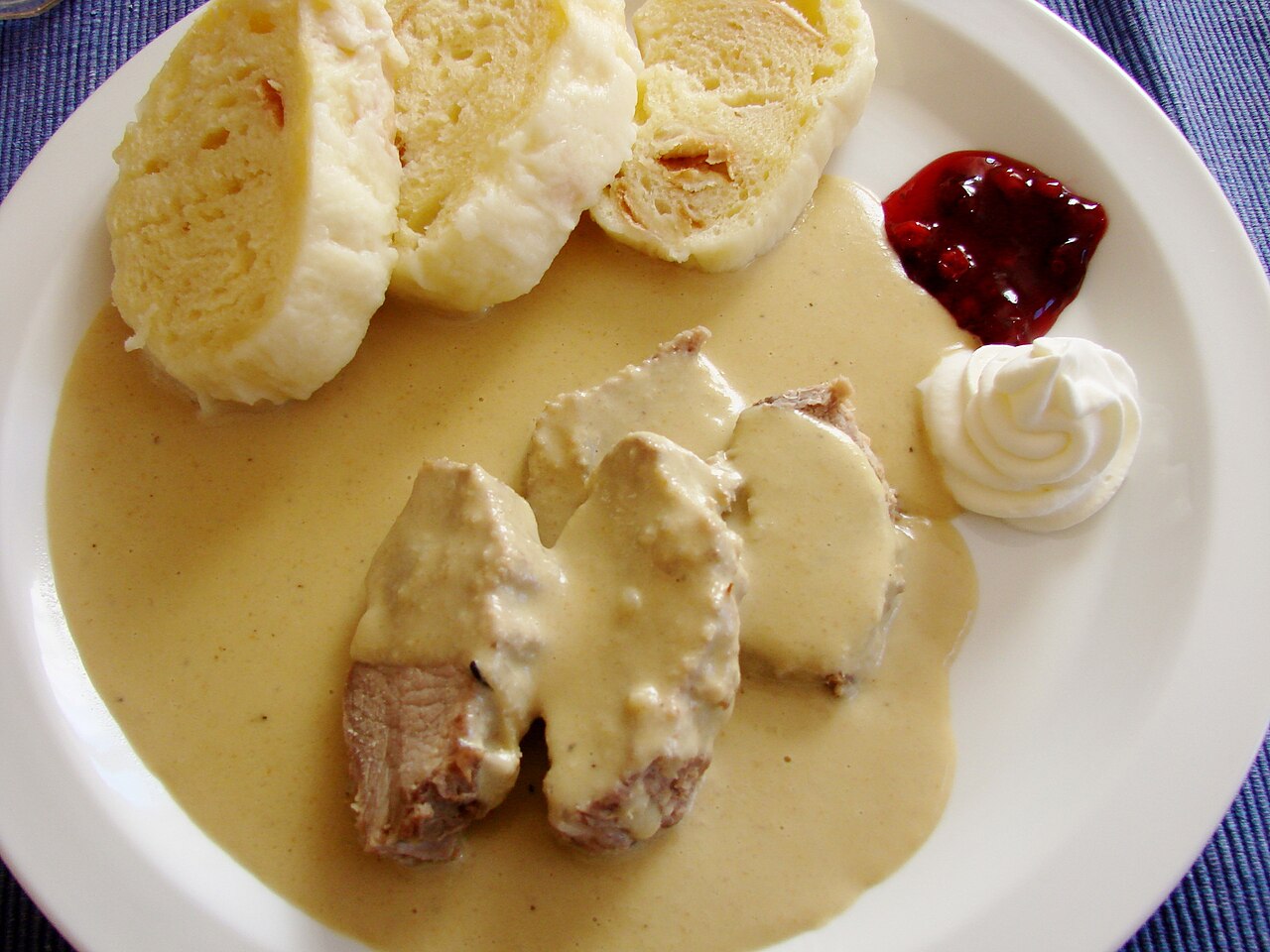
Czech home cooking is hearty and good. Try svíčková, beef sirloin in a creamy vegetable sauce with dumplings, cranberries and whipped cream, goulash with dumplings or fried cheese, smažený sýr. Beer is the national drink, and a freshly tapped pilsner often costs less than a soft drink. Put your beer mat on top of the glass when you don't want another, or a new one will arrive. At lunchtime many pubs offer a cheap daily menu, and chlebíčky, small open sandwiches, are a popular snack. Trdelník, the pastry roll sold all over the Old Town, is a tourist invention rather than a Czech tradition.
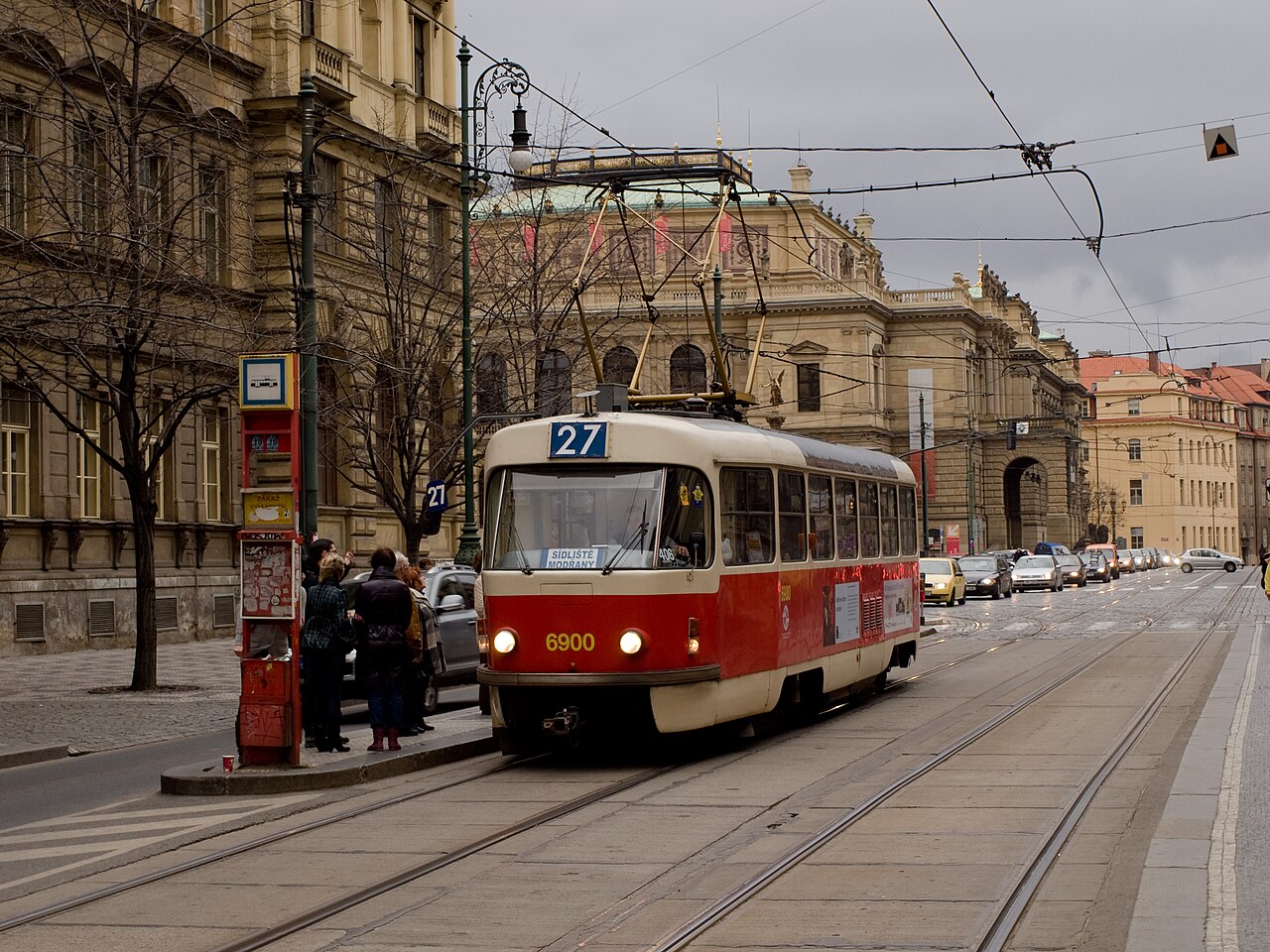
Central Prague is easy to explore on foot, but the hills up to the castle and Petřín are tiring. The metro, trams and buses share the same tickets, valid for a set time such as 30 or 90 minutes, or one or three days. Buy them in the PID Lítačka app, from the machines at stations or by bank card from the machines on board many trams. Paper tickets must be stamped when you start your journey, and inspectors are common. Tram 22 passes several sights and climbs up to the castle.
Download a map app so you can save places offline. PID Lítačka sells tickets for public transport in Prague and shows departures, and the Czech map app Mapy.com is good for both walking and journeys. Bolt, Uber and the Czech service Liftago are safer than hailing a taxi on the street. For trains to Kutná Hora and other towns, you can buy tickets in České dráhy's Můj vlak app.

Czechia still has its own currency, the koruna, and euros are only accepted in some places, often at a poor rate. Pay by card, which is accepted almost everywhere, and choose to pay in koruna when the terminal asks. Avoid exchange offices in the tourist areas and stand-alone cash machines with high fees, and use the banks' machines instead. Prague is a safe city, but watch out for pickpockets on the Charles Bridge, on tram 22 and around Old Town Square. A tip of around ten per cent is usual in restaurants, and the tap water is safe to drink.

Cross the Charles Bridge and go up to the castle early in the morning, before the crowds arrive. Have lunch at a local pub outside the Old Town, where the daily menu often costs half as much. Comfortable shoes are a must on the cobblestones and hills. On Saturdays there's a farmers' market on the Náplavka embankment, and on summer evenings the same quay fills with people, bars and boats.