A canal tour
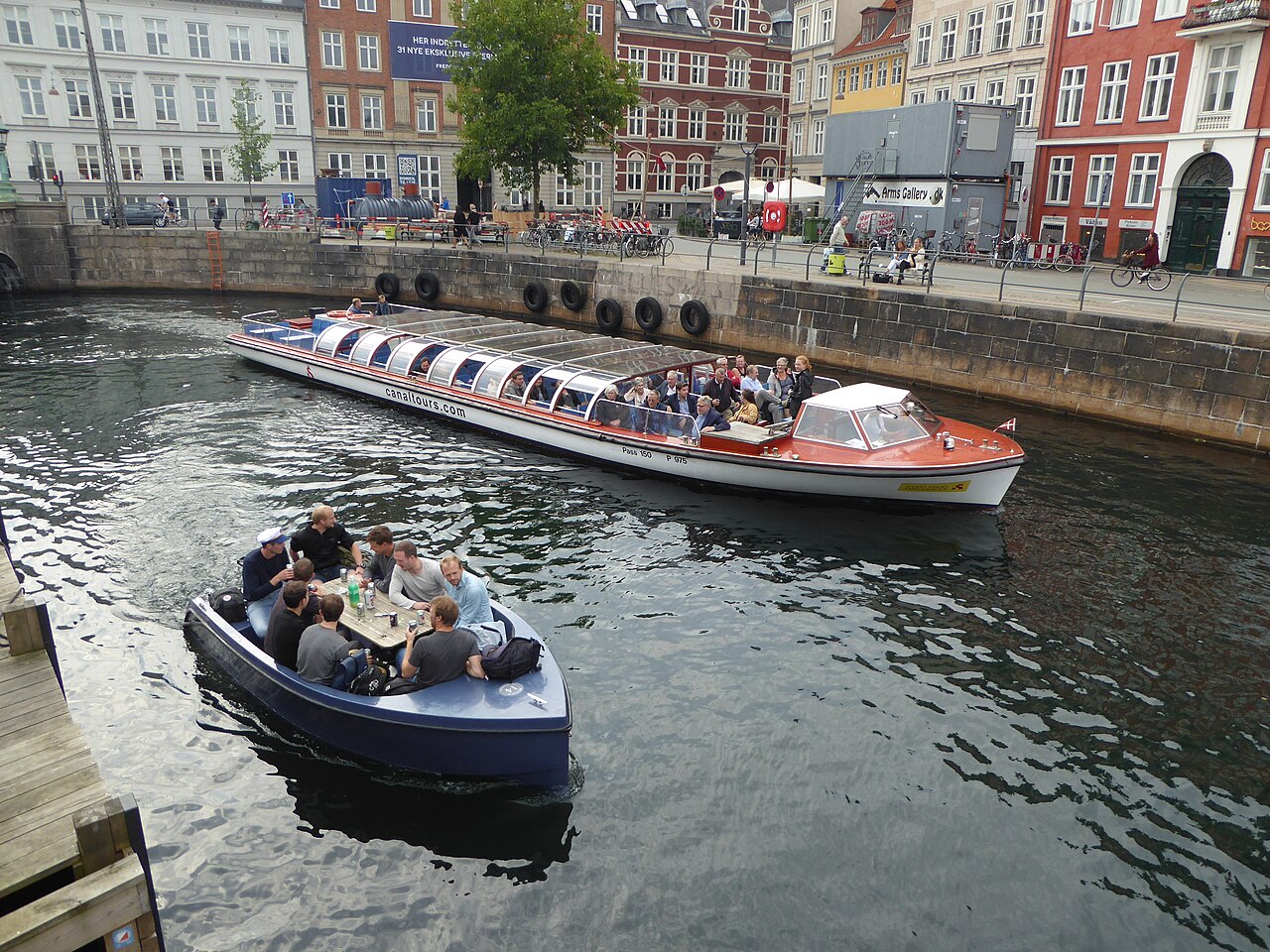
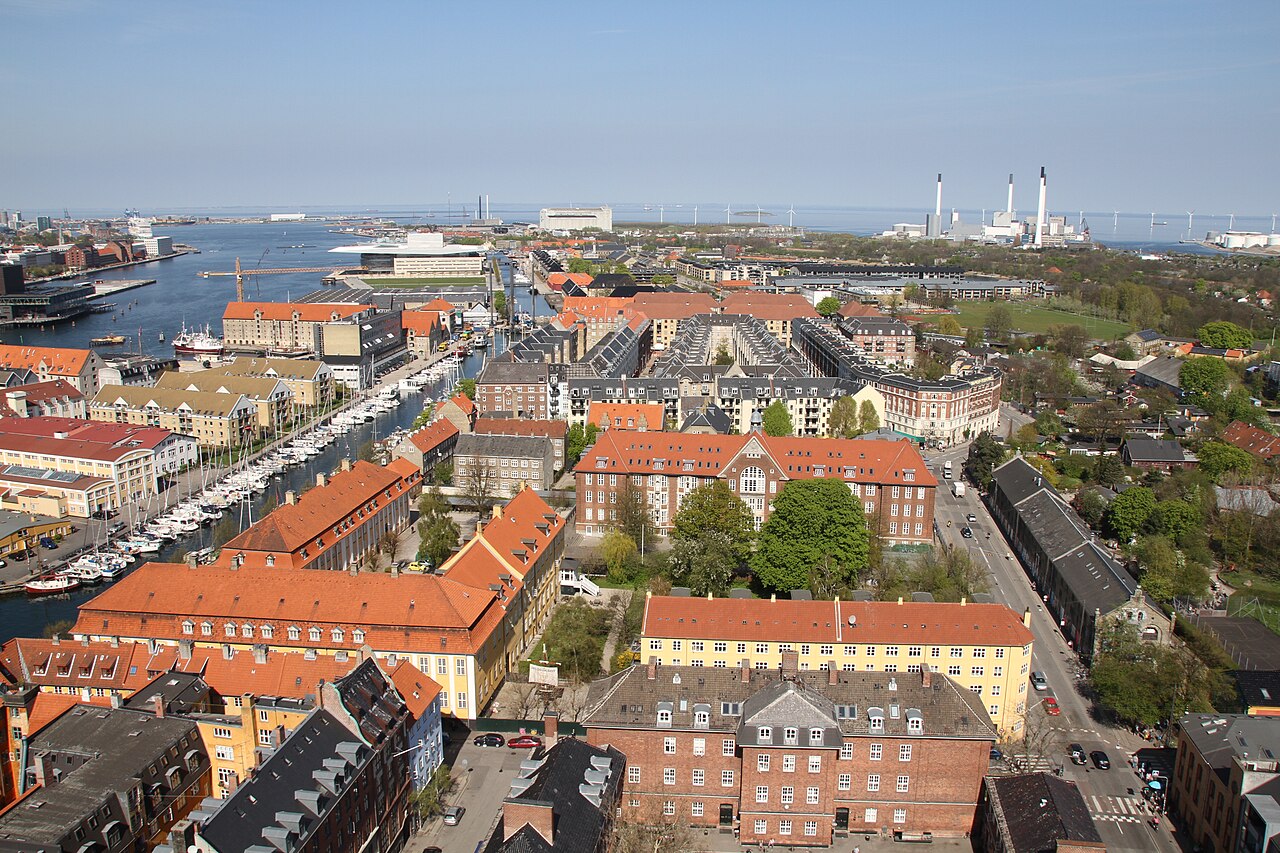
The boats from Nyhavn and Gammel Strand take you through the canals of Christianshavn, past the Opera House and Slotsholmen, in about an hour. An easy way to see a lot of the city in a short time.
See tours and pricesThe capital on the Øresund · Denmark
Your guide to Copenhagen
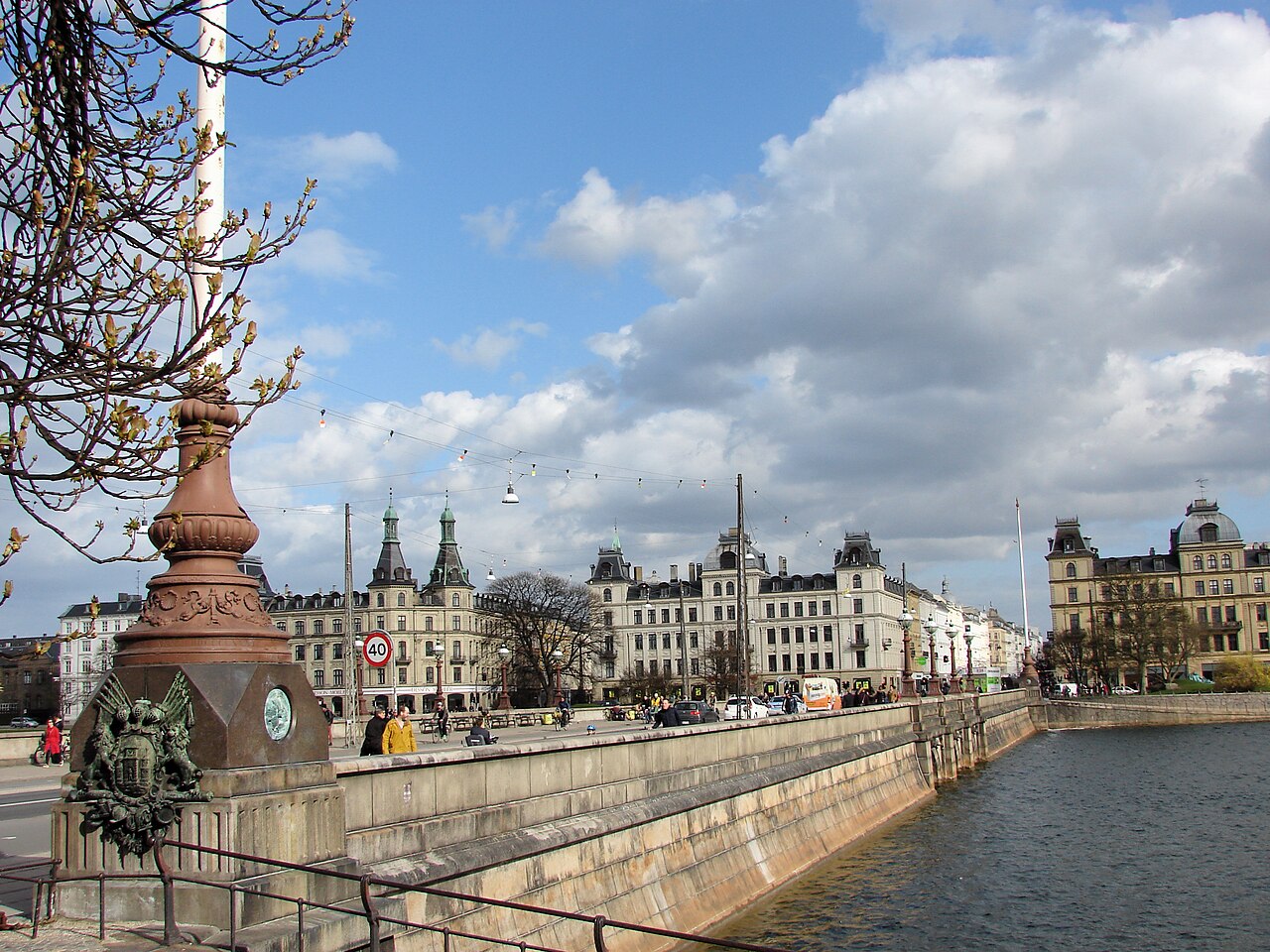
Copenhagen lies on the Øresund strait, with Sweden visible on the other side of the water. The city grew up around the castle that Bishop Absalon had built in the 12th century and has been Denmark's capital since the 15th century. Much of its historic cityscape bears the stamp of Christian IV, the king who in the 17th century built Rosenborg, the Round Tower and the yellow houses of Nyboder, among others.
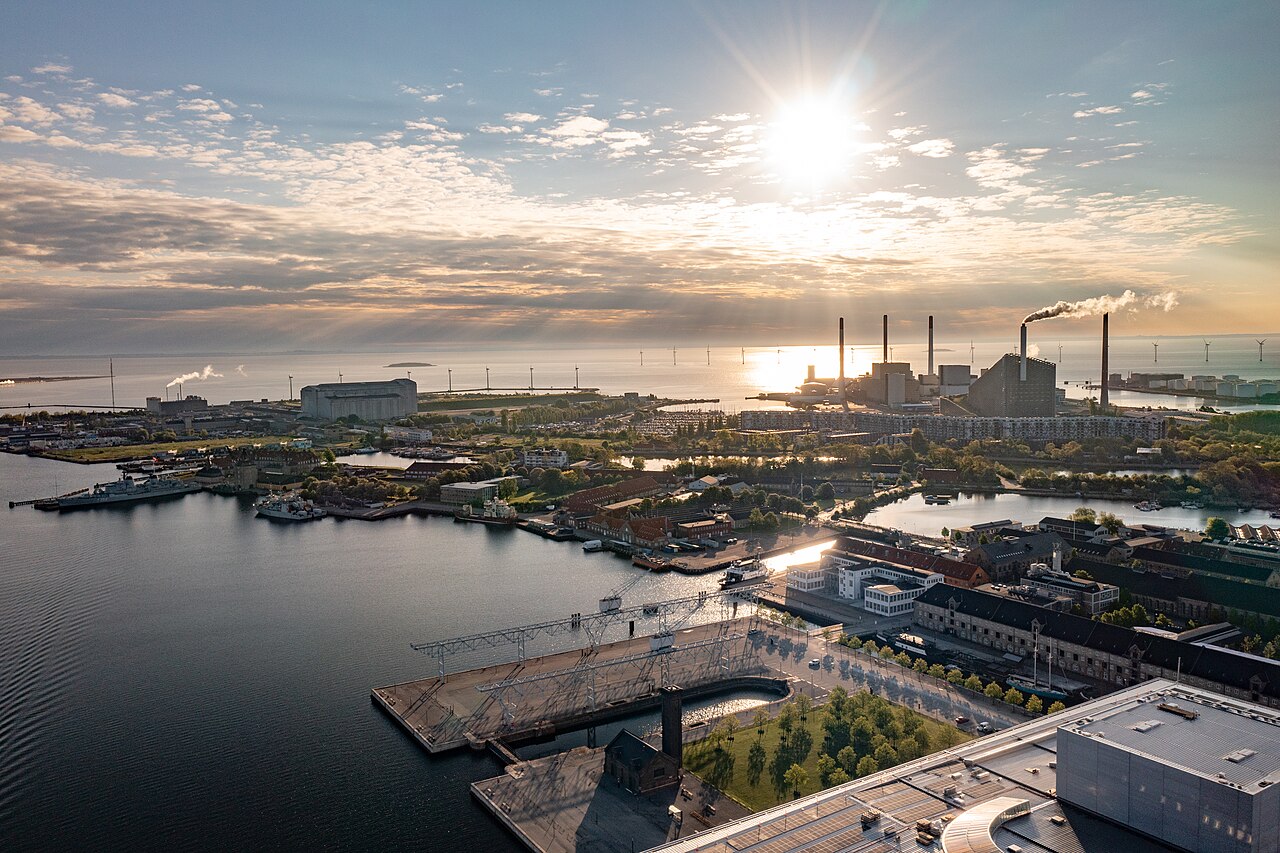
You can reach most of the inner city on foot or by bike. From the City Hall Square, the pedestrian street Strøget leads to Kongens Nytorv and on to Nyhavn, where colourful houses are reflected in the water. Along the harbour lie the royal Amalienborg, the Opera House on Holmen and former shipyards and industrial areas that have been turned into new districts.
Parts of the harbour have been transformed from industrial zones into the city's living room. The water is clean enough to swim in, and at Islands Brygge and several other harbour baths, locals and visitors alike gather for a dip. A canal boat lets you see the city from the water, passing Christianshavn and Slotsholmen. In summer the quays fill with people settling down with a beer in the evening sun.
Copenhagen is also a food city, with everything from smørrebrød and a hot dog from a pølsevogn to restaurants with Michelin stars. Tivoli, one of the world's oldest amusement parks, offers different seasons through the year, from summer opening to Halloween and Christmas. From Malmö in Sweden, the train gets you to Copenhagen in just over half an hour.
Things to do
The boats from Nyhavn and Gammel Strand take you through the canals of Christianshavn, past the Opera House and Slotsholmen, in about an hour. An easy way to see a lot of the city in a short time.
See tours and prices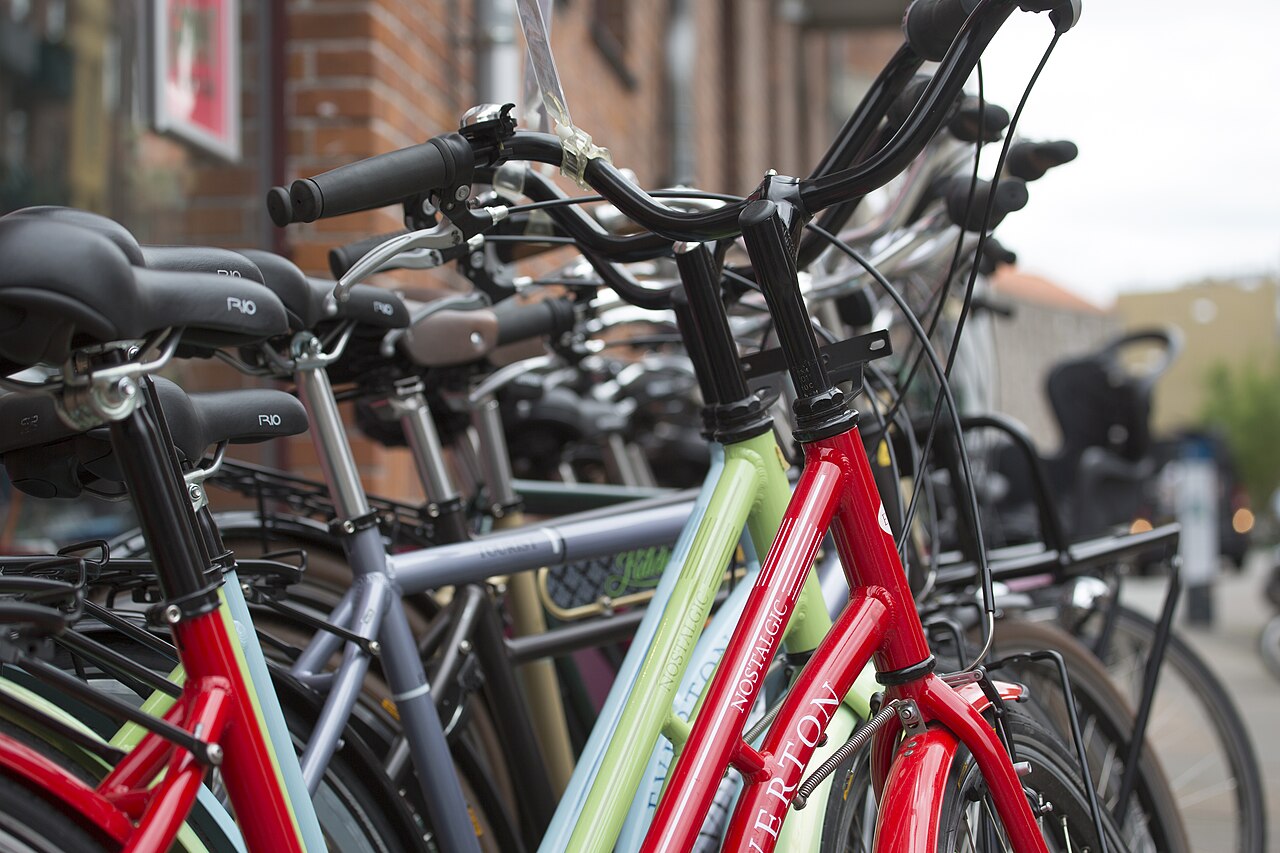
Copenhagen has wide cycle lanes almost everywhere. Rent a bike and follow the harbour across the cycle bridges, or ride around the Lakes and on to Nørrebro and Frederiksberg.
See tours and prices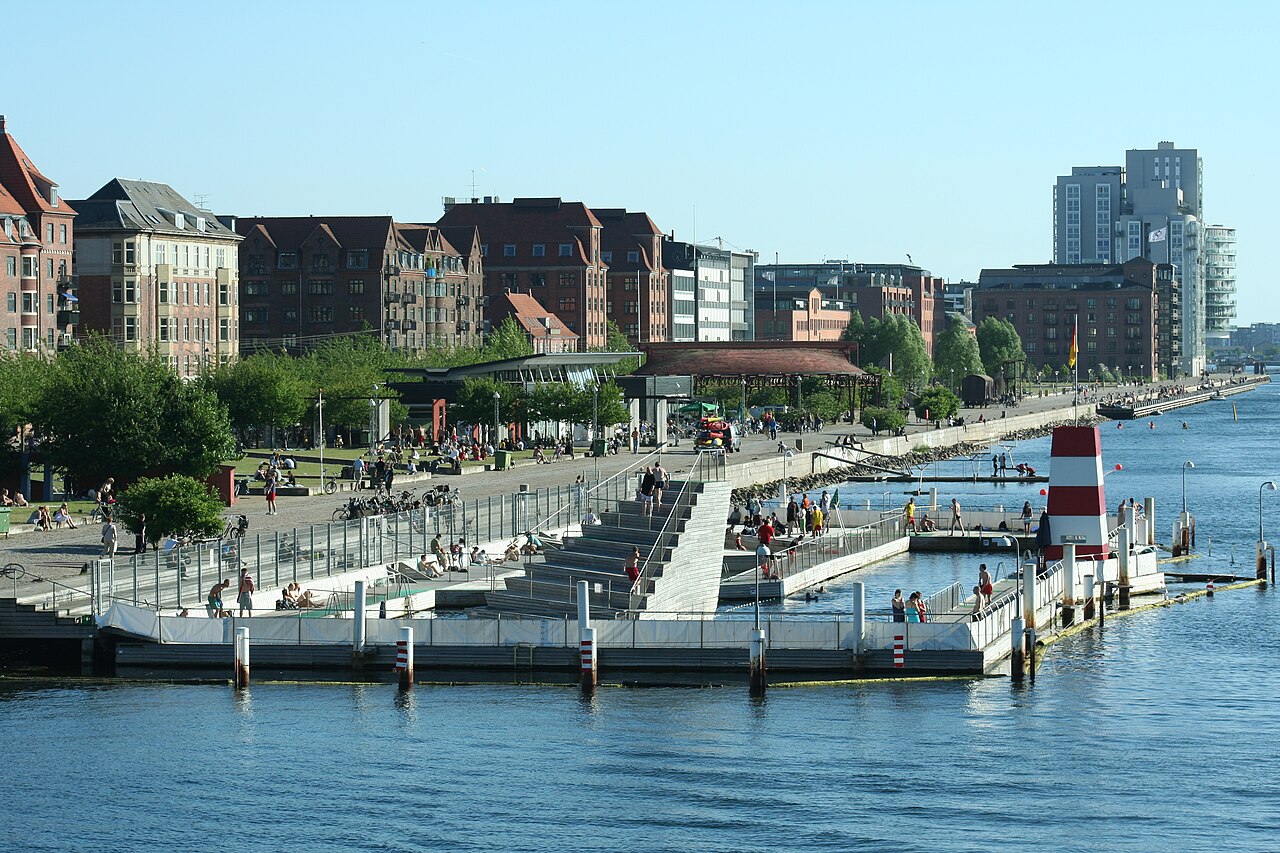
The harbour bath at Islands Brygge has pools and diving towers right in the city, and it's free. On a warm summer day, the lawns along the quay fill with people having picnics.
See tours and pricesPack right
Best May–September
0–22 °CMild, windy and often grey winters, and summers around 20 °C with long light evenings. Advent, with Tivoli and the Christmas markets, draws many visitors.
Current currency
Danish krone
1 DKK to SEKThe rate is updated every hour. Always check the current rate before you travel.
Compare hotels and apartments on the map, with current prices.
The map loads from Stay22 only when you click. Stay22 may then set cookies and collect information about your browser. Privacy
Plan your trip
Copenhagen Airport, Kastrup (CPH), lies just south of the centre and has flights from all over the world. The metro and the train take you into town in about 15 minutes.
The Øresund trains cross the Øresund Bridge from Malmö in Sweden to Copenhagen Central Station in just over half an hour, and there are direct trains from Stockholm, Gothenburg and Hamburg. Overnight ferries sail to Copenhagen from Oslo.
Check current departures and prices before you travel.

Indre By, the inner city, is practical, close to Strøget, Nyhavn and most of the sights. Around the Central Station and Vesterbro there are many hotels in every price range, with good connections to the airport and Sweden.
Christianshavn is quiet, by the canals, close to both the inner city and the metro. Nørrebro and Frederiksberg suit you if you'd rather stay in a neighbourhood among cafés and parks. Copenhagen is expensive, so compare prices and book well ahead of summer weekends and big events.
The big and the small
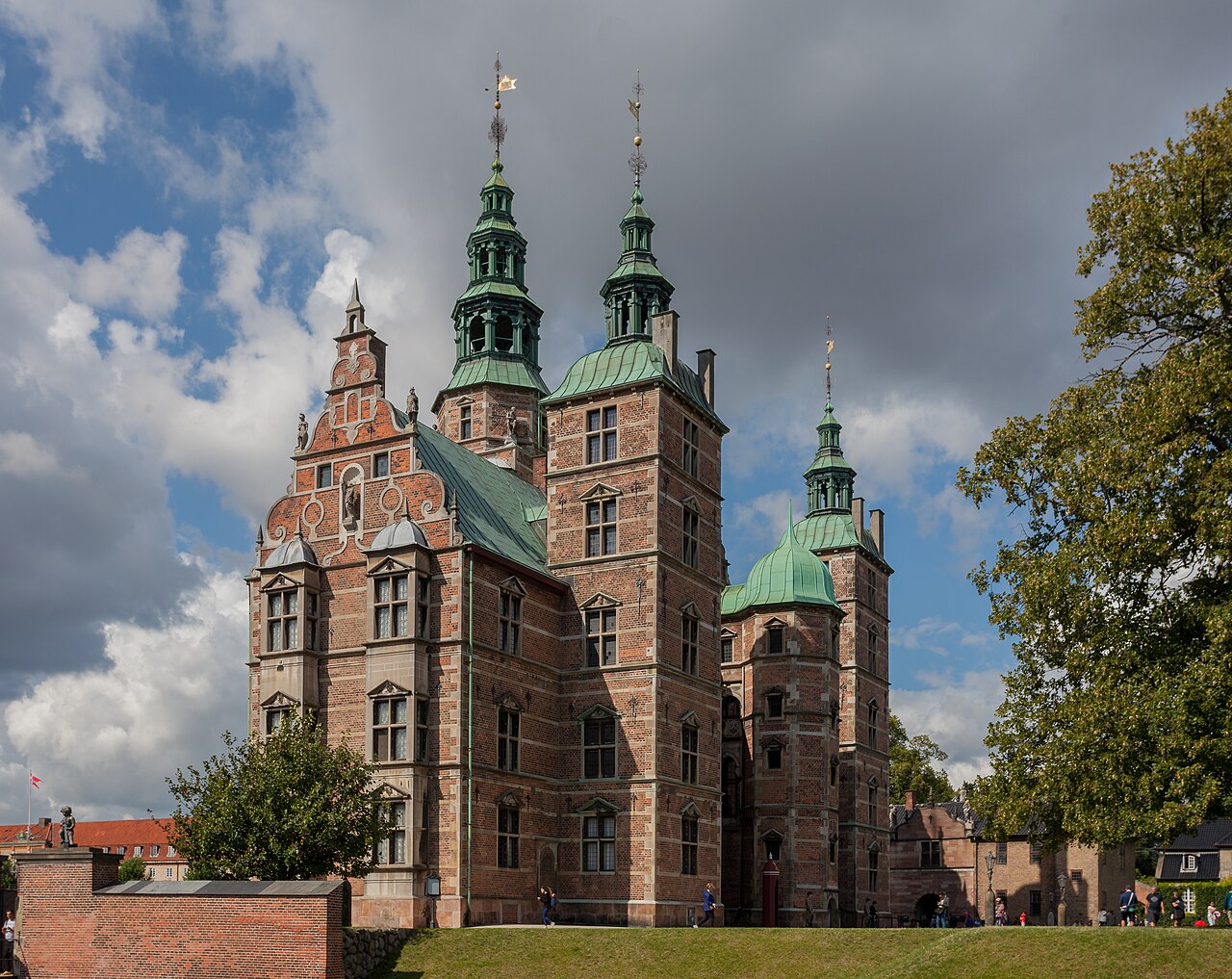
Christian IV's Renaissance castle in the King's Garden was built in the early 17th century as a summer residence. Inside are royal rooms and collections, and in the basement the crown jewels and Danish regalia. The surrounding park is free and one of the city's most popular.
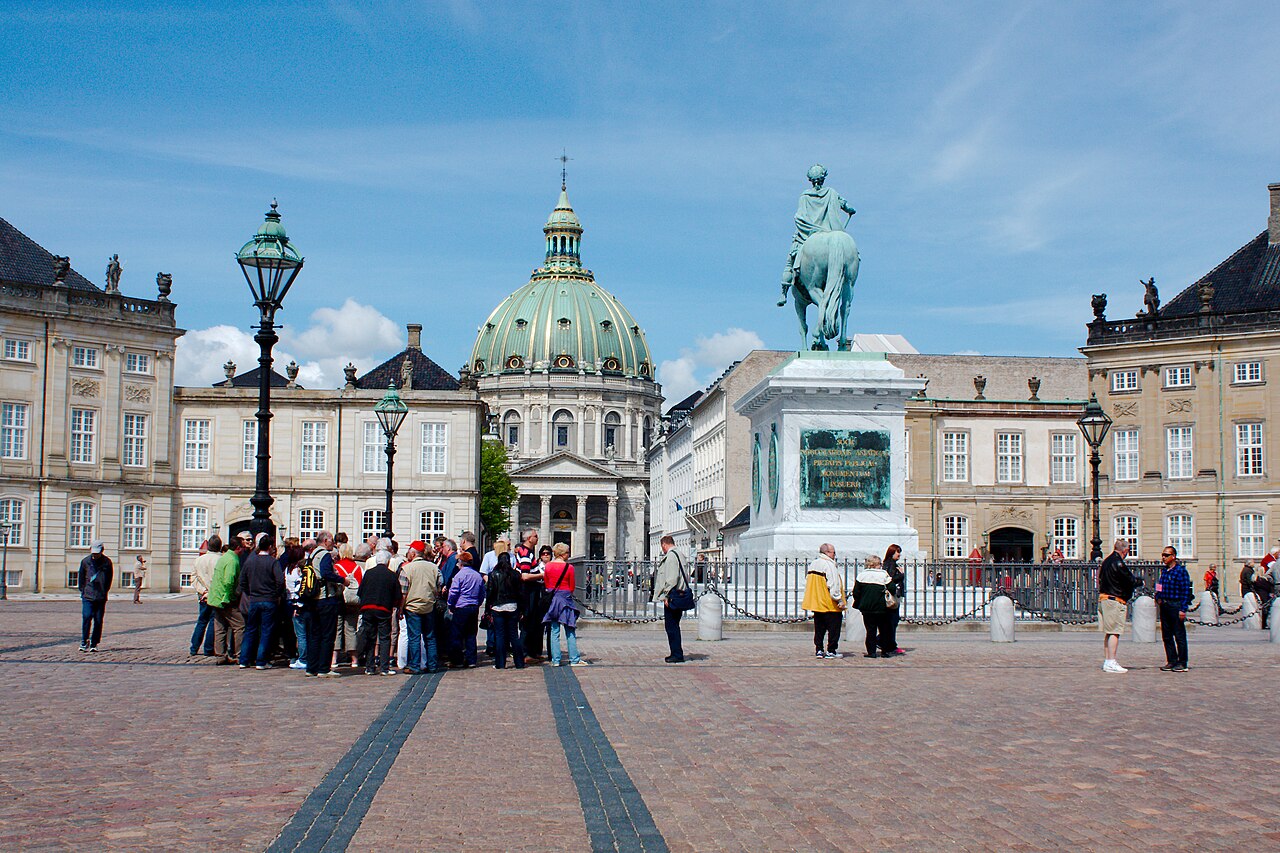
The Danish royal family's residence consists of four Rococo palaces around an octagonal square, with an equestrian statue of Frederik V in the middle. The changing of the guard takes place every day at noon. From the square you look straight up at the dome of the Marble Church in one direction and at the Opera House across the harbour in the other.
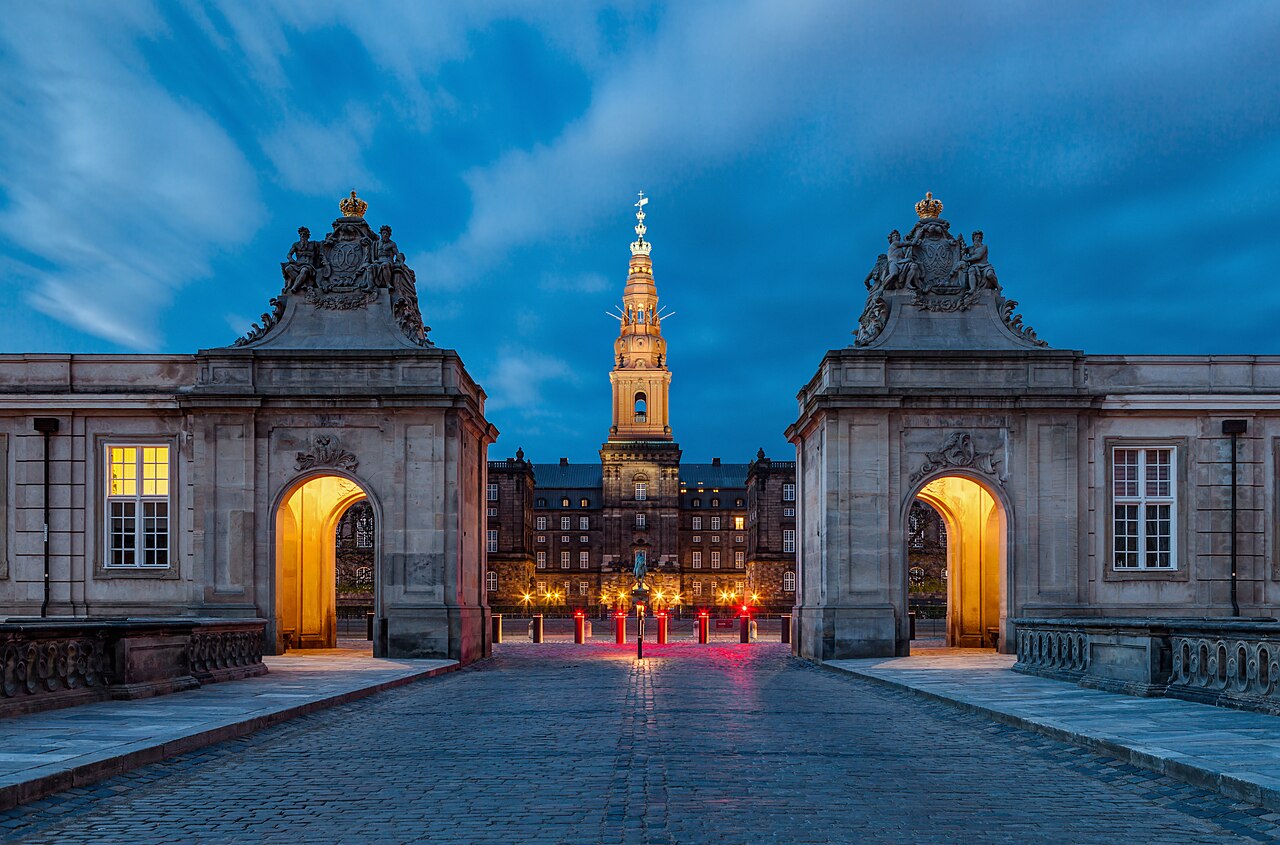
The palace on Slotsholmen houses the Danish Parliament, the Supreme Court and the Prime Minister's Office, and the royal family uses its reception rooms. Beneath the palace you can see the ruins of Absalon's castle. Going up the tower, the tallest in the city, is free, with views over all of Copenhagen.
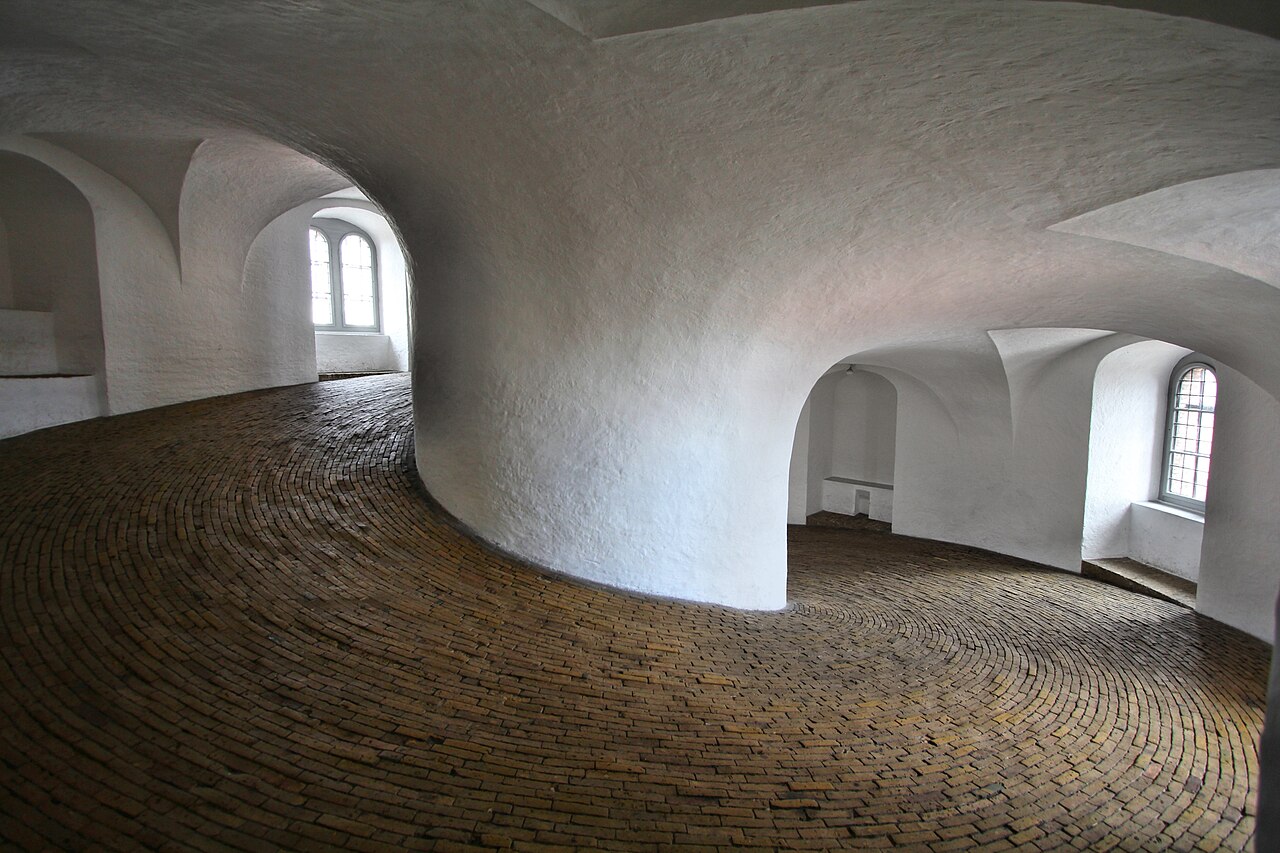
Christian IV built the tower in the 17th century as an observatory, and amateur astronomers still use it. You go up not by stairs but along a 209-metre spiral ramp of brick. From the top you look out over the rooftops and spires of the inner city.
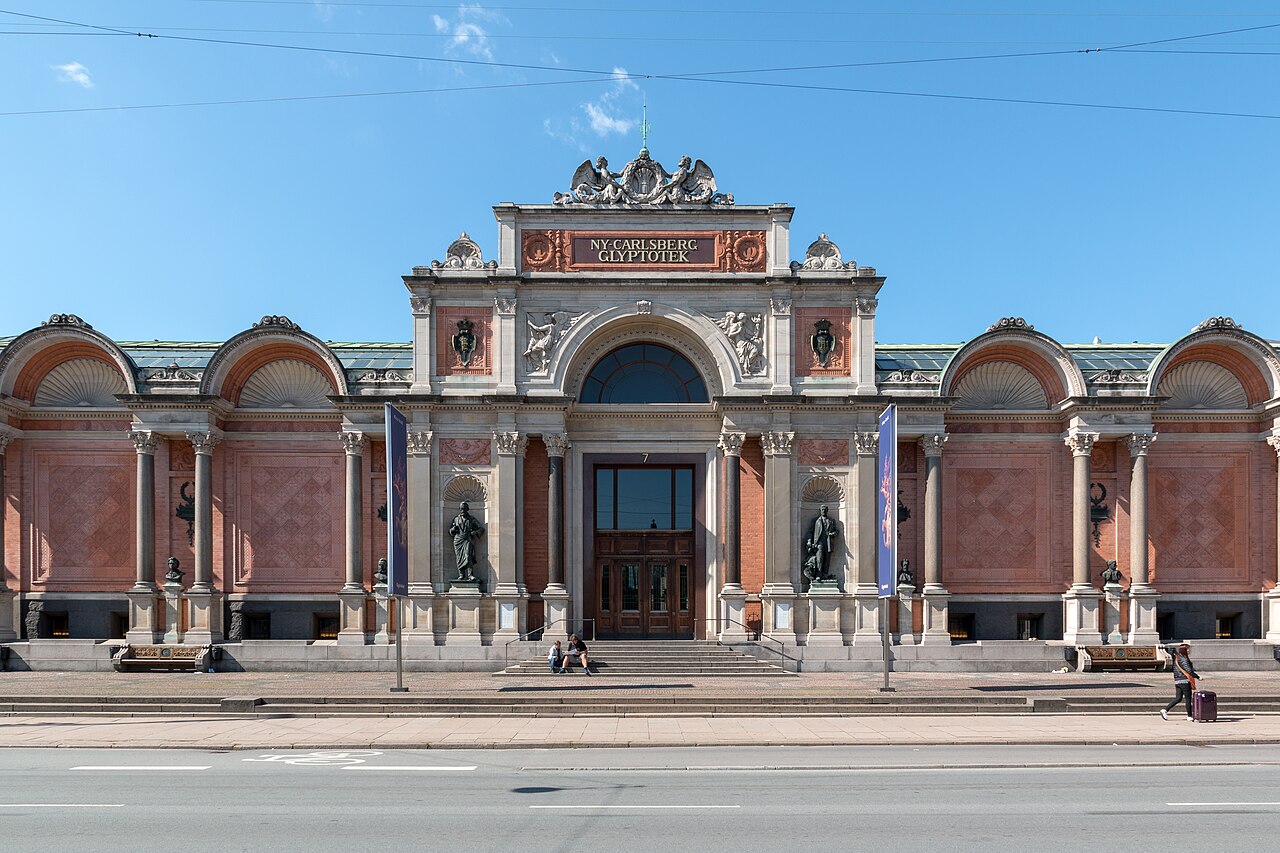
The brewer Carl Jacobsen of Carlsberg founded the museum, which shows ancient sculpture from Egypt, Greece and Rome along with French and Danish art from the 19th century. At the heart of the building is a winter garden with palm trees under a glass dome, a lovely place for a break on a rainy day.
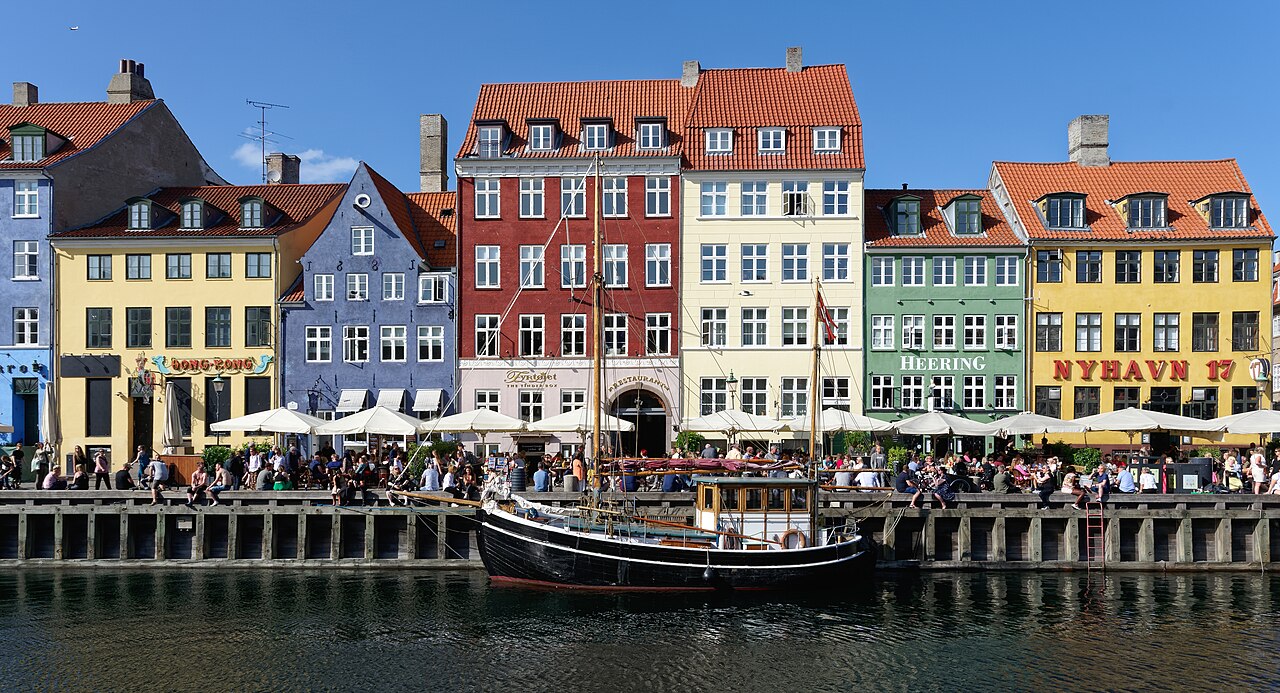
The canal was dug in the 1670s and is lined with narrow, colourful houses from the 17th and 18th centuries, with old wooden ships moored along the quay. Hans Christian Andersen lived in several of the houses. The north side is full of outdoor cafés, but it's cheaper to buy something to drink and sit on the edge of the quay like the locals do.
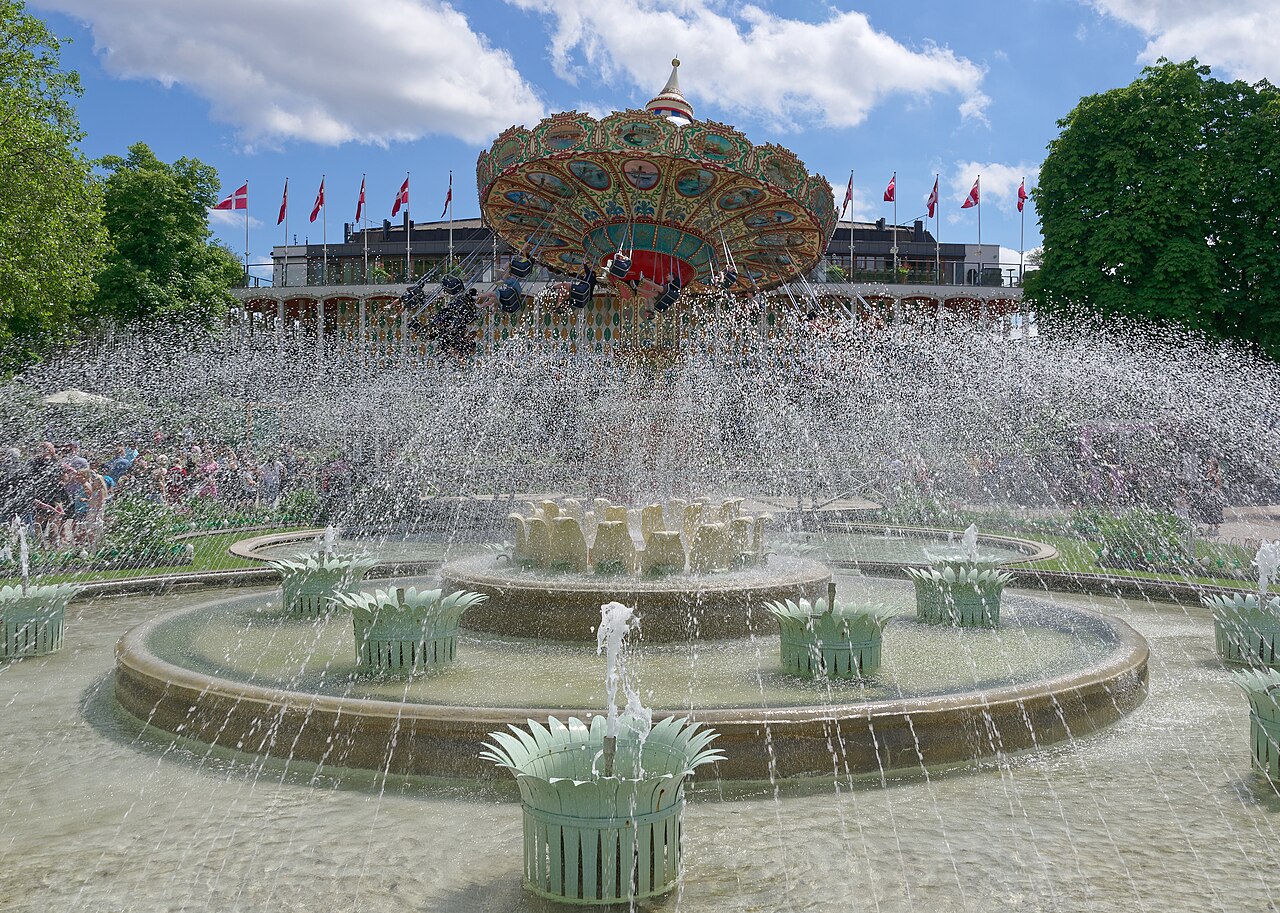
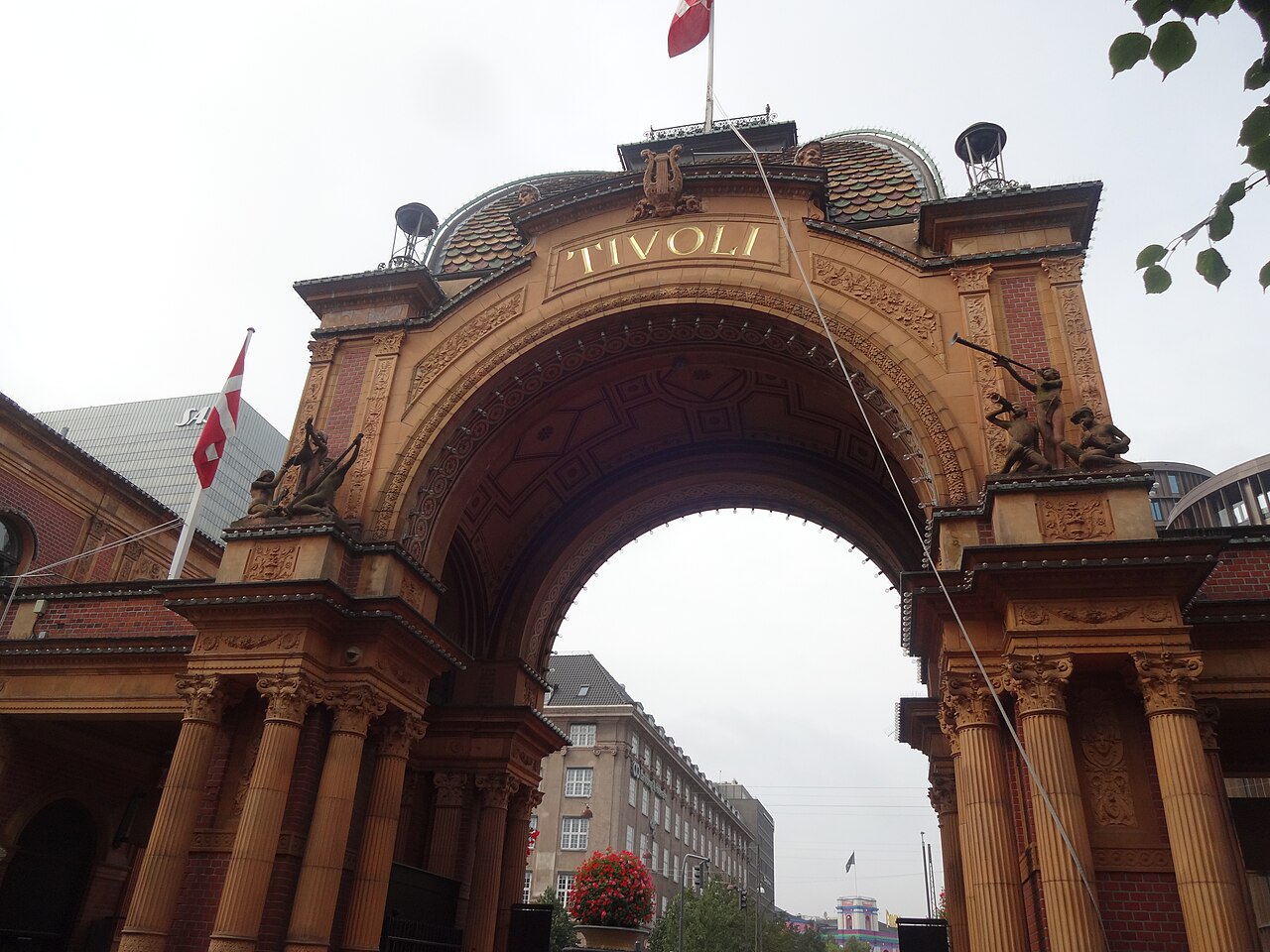
The amusement park opposite the Central Station opened in 1843 and is one of the oldest in the world. Roller coasters mix with gardens, lakes, restaurants and concerts. The park opens in seasons: summer, Halloween and Christmas, when the whole place glitters with lights. Entry is paid separately from the rides.
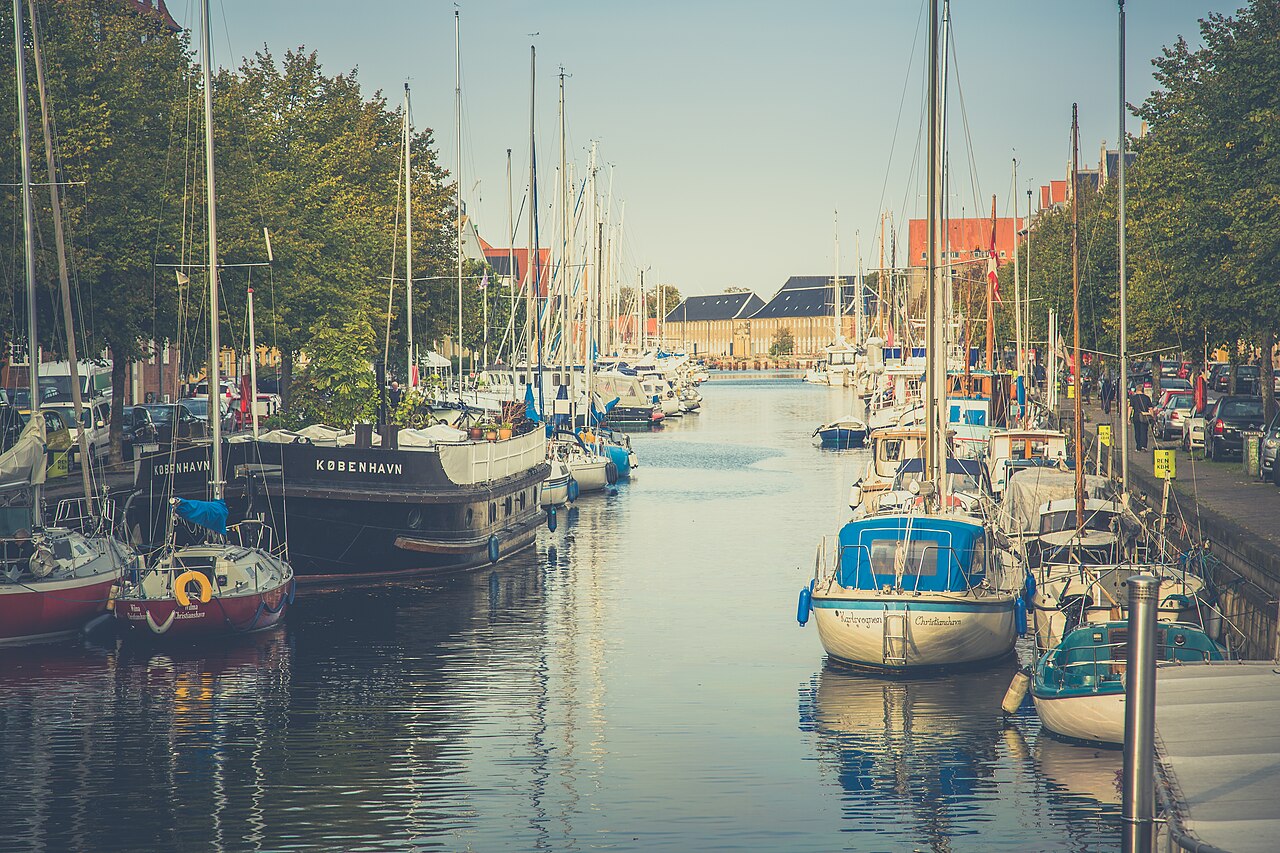
Christian IV had the district laid out in the 17th century on a Dutch model, with canals, boats and old warehouses. Here you'll find the Church of Our Saviour and the Freetown of Christiania, founded in 1971. Be considerate in Christiania: don't photograph the residents or their homes, and follow the signs.
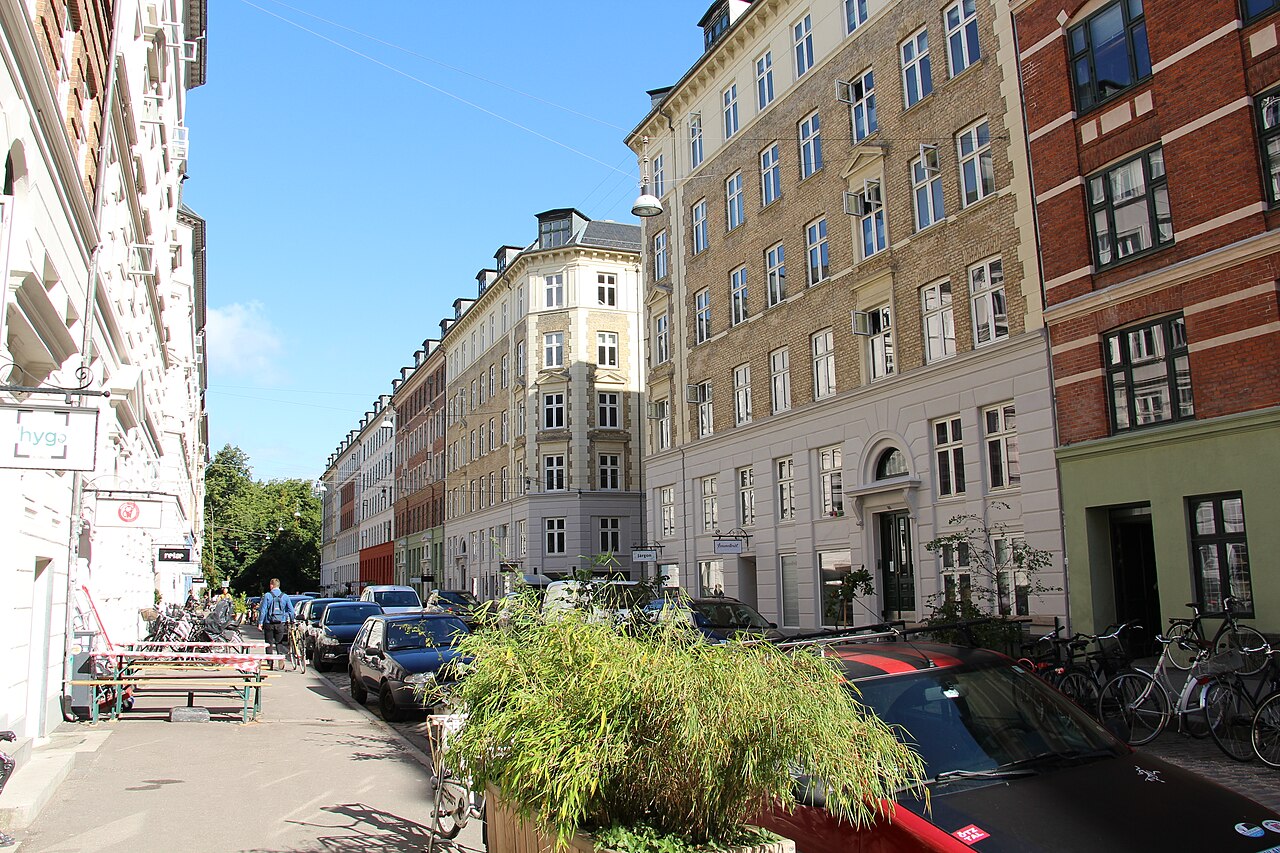
Indre By is the medieval core with Strøget, the Latin Quarter and the palaces. Christianshavn has canals, houseboats and the Freetown of Christiania. Vesterbro, behind the Central Station, has gone from a working-class and red-light district to an area of restaurants and bars, especially in Kødbyen, the old Meatpacking District. Nørrebro is multicultural and lively, with Jægersborggade and the Assistens Cemetery, where Hans Christian Andersen and Søren Kierkegaard are buried. Frederiksberg is a separate municipality in the middle of the city, green and calm. Further out lies Refshaleøen, a former shipyard with street food and cultural venues.
Smørrebrød, open rye-bread sandwiches topped with herring, liver pâté, roast beef or shrimp, is the classic lunch, ideally with a beer and a schnapps. Torvehallerne by Nørreport gathers stalls with produce, coffee and ready-made food under one roof. On Refshaleøen, the Reffen street food market sits by the water, open mainly in the warmer half of the year. Try a red hot dog from a pølsevogn and a kanelsnegl, a cinnamon swirl, from a bakery. Copenhagen is known for New Nordic cuisine and has several restaurants with Michelin stars. Beer, wine and spirits are sold in ordinary supermarkets.

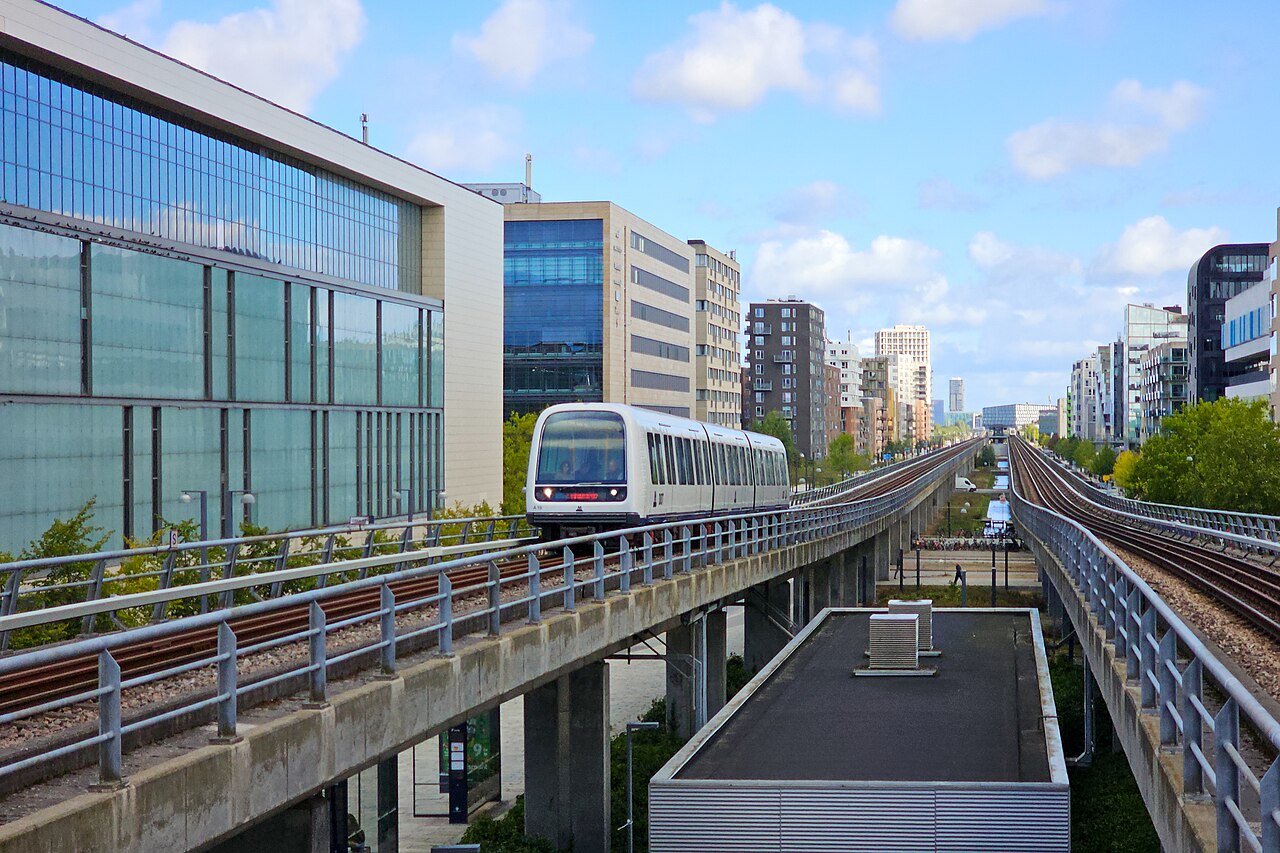
The inner city is easy to explore on foot, but Copenhagen is above all a cycling city, with wide cycle lanes and dedicated bike bridges across the harbour. The metro runs around the clock, and the metro, S-trains, buses and harbour buses all use the same tickets. Buy your ticket in the DOT app or from a machine before boarding. Note that the trip from the airport needs a ticket covering several zones. If you'll be travelling a lot, a 24-hour or multi-day pass can pay off.
The DOT app sells tickets for the metro, S-trains, buses and harbour buses in the Copenhagen area, and Rejseplanen shows departures and journey planning. Rental bikes are unlocked in the rental companies' own apps. Taxis are easiest to order in a taxi app, and MobilePay is common in Denmark but not necessary, since cards work almost everywhere.

Denmark uses the Danish krone, which is pegged to the euro, and cards or mobile payment work almost everywhere. Denmark is in the EU and the Schengen area, so EU roaming rules apply to most plans. Copenhagen is expensive, especially in restaurants. Service is included in the bill, so tipping isn't expected, though rounding up for good service is appreciated. The tap water is excellent.

Much of the best in Copenhagen is free: the Christiansborg tower, the harbour baths, the King's Garden and the walk along the water from Nyhavn to Kastellet. The harbour buses are included in an ordinary ticket and make a cheap canal tour. Climb the Round Tower or the Church of Our Saviour on a clear day for the view, and take a day trip north along the coast to the Louisiana museum in Humlebæk or Kronborg Castle in Helsingør. On a bike, keep to the right and raise your hand before you stop.