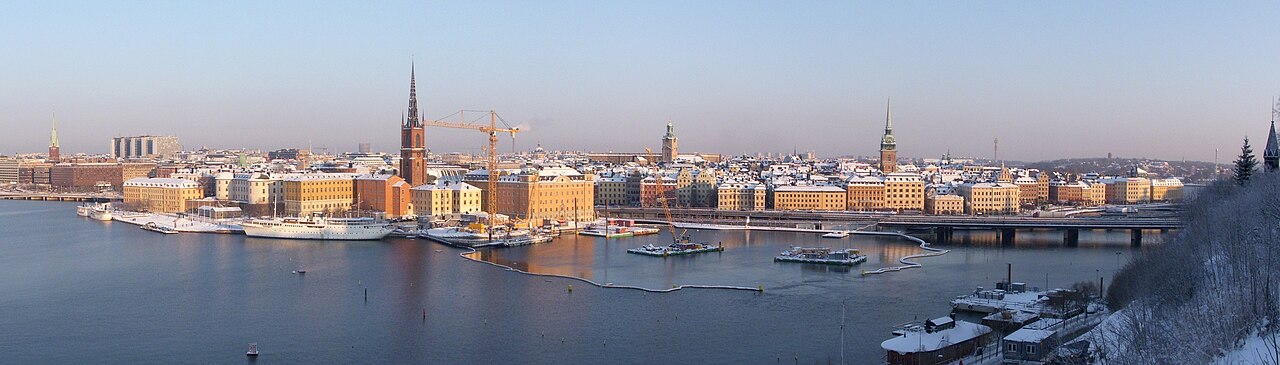
The view from Monteliusvägen
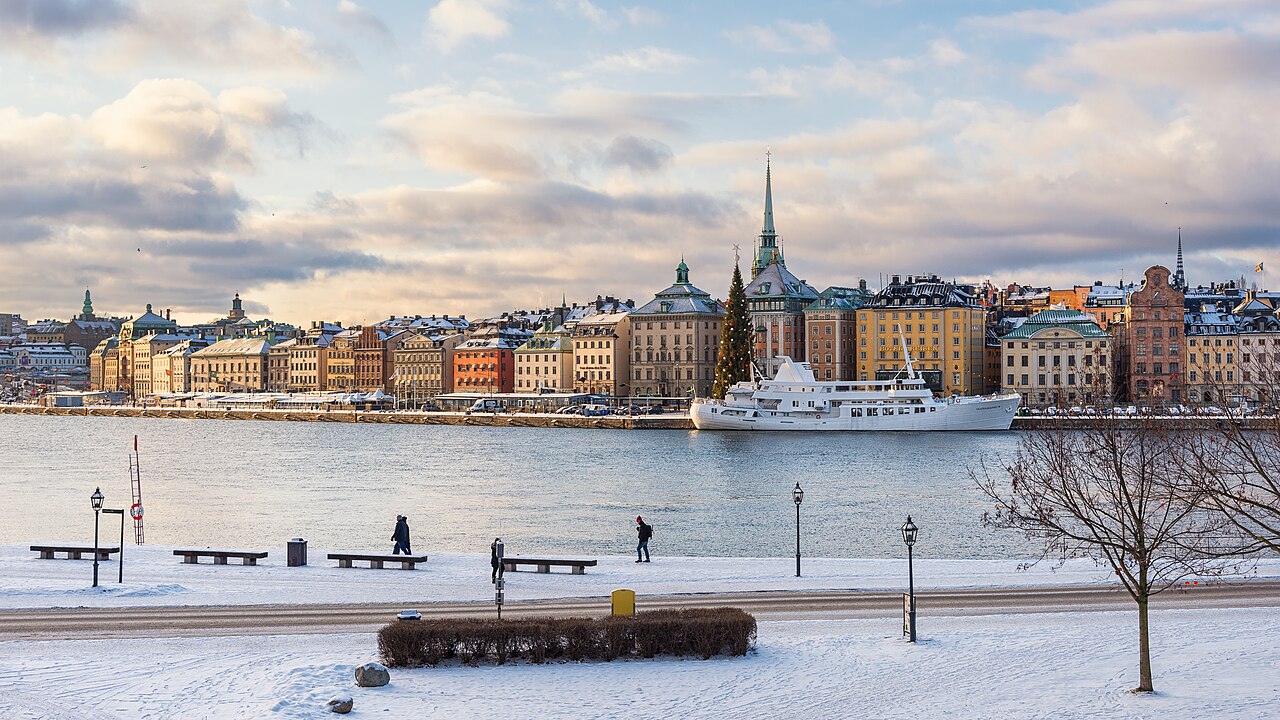
A footpath along the cliffs of Södermalm with one of the city's finest views over Riddarfjärden, Gamla stan and the City Hall. Best in the evening light.
See tours and pricesThe city on the water · Sweden
Your guide to Stockholm
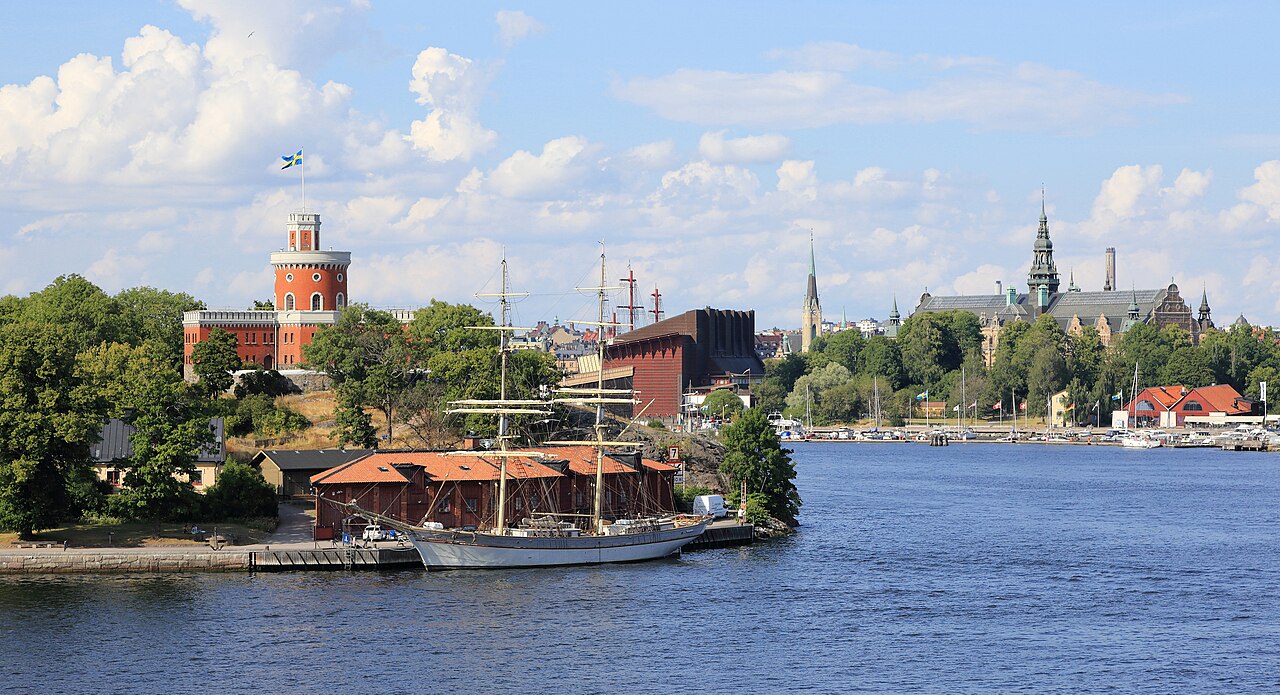
Stockholm is built on fourteen islands, where Lake Mälaren meets the Baltic Sea, and the water is never far away. Bridges and ferries link the districts, and from the city's quays you look out over boats, islets and façades reflected in the water.
In Gamla stan, where Stockholm grew up in the 13th century, narrow lanes wind between colourful houses, the cathedral and the Royal Palace. The rest of the city spreads out around it: Östermalm with the magnificent buildings along Strandvägen, Södermalm with its cafés and clifftop views, and the green island of Djurgården with the Vasa Museum, Skansen and long walking paths.
Stockholm also has a rich museum scene, from a well-preserved 17th-century warship to modern art collections. Several museums have free entry. Between visits it's a fine time for fika, meatballs or herring at a classic restaurant, or a browse among the delicacies in the Östermalm market hall.
In summer the nights are light, and boats take you out into the archipelago with its roughly 30,000 islands, islets and skerries. Winter is cold and dark, but has its own charm, with Christmas markets, mulled wine and sometimes ice settling over the bays.
Things to do
A footpath along the cliffs of Södermalm with one of the city's finest views over Riddarfjärden, Gamla stan and the City Hall. Best in the evening light.
See tours and prices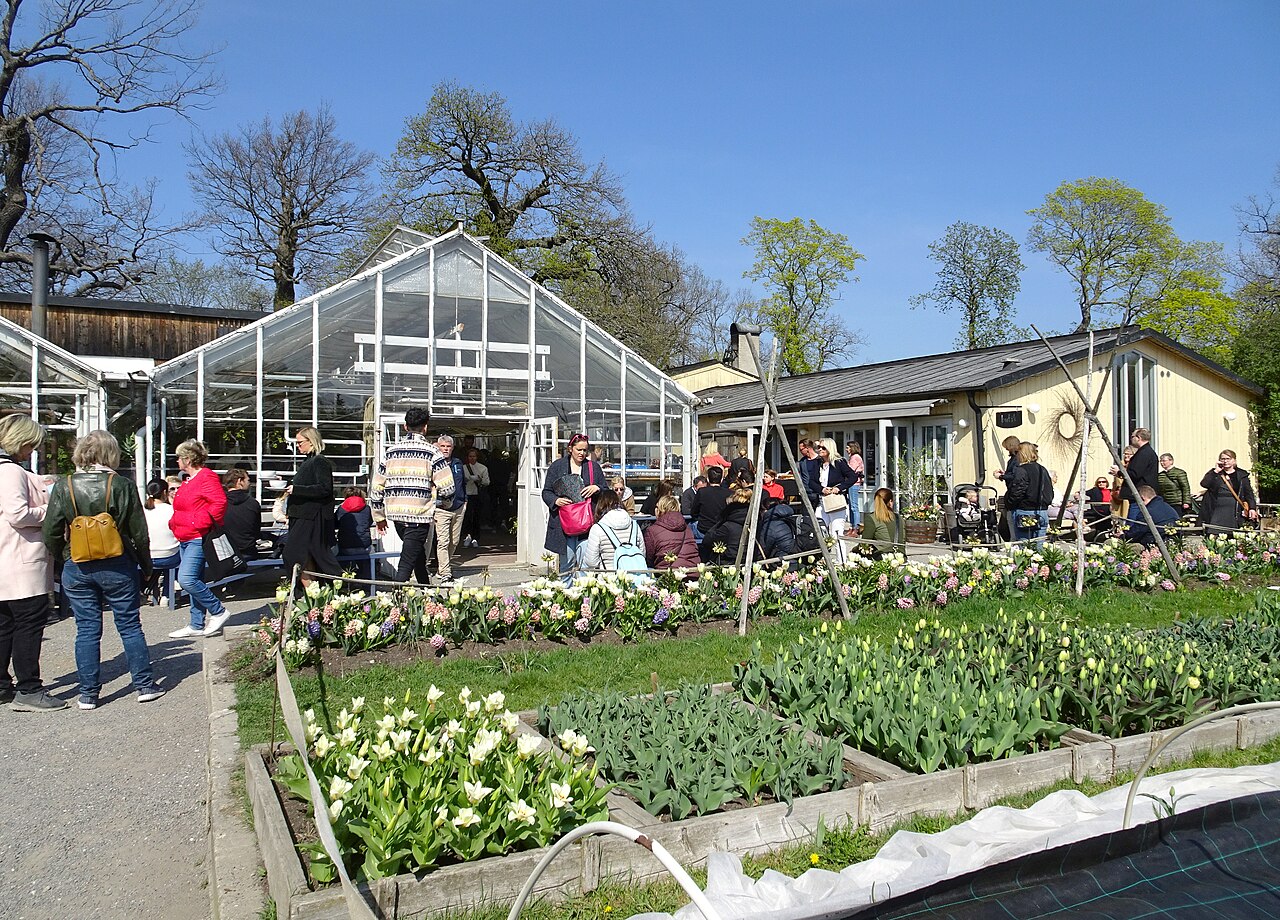
A biodynamic market garden on Djurgården with fruit trees, vegetable beds and a café in the greenhouse. Walk there along the water from Djurgårdsbron.
See tours and prices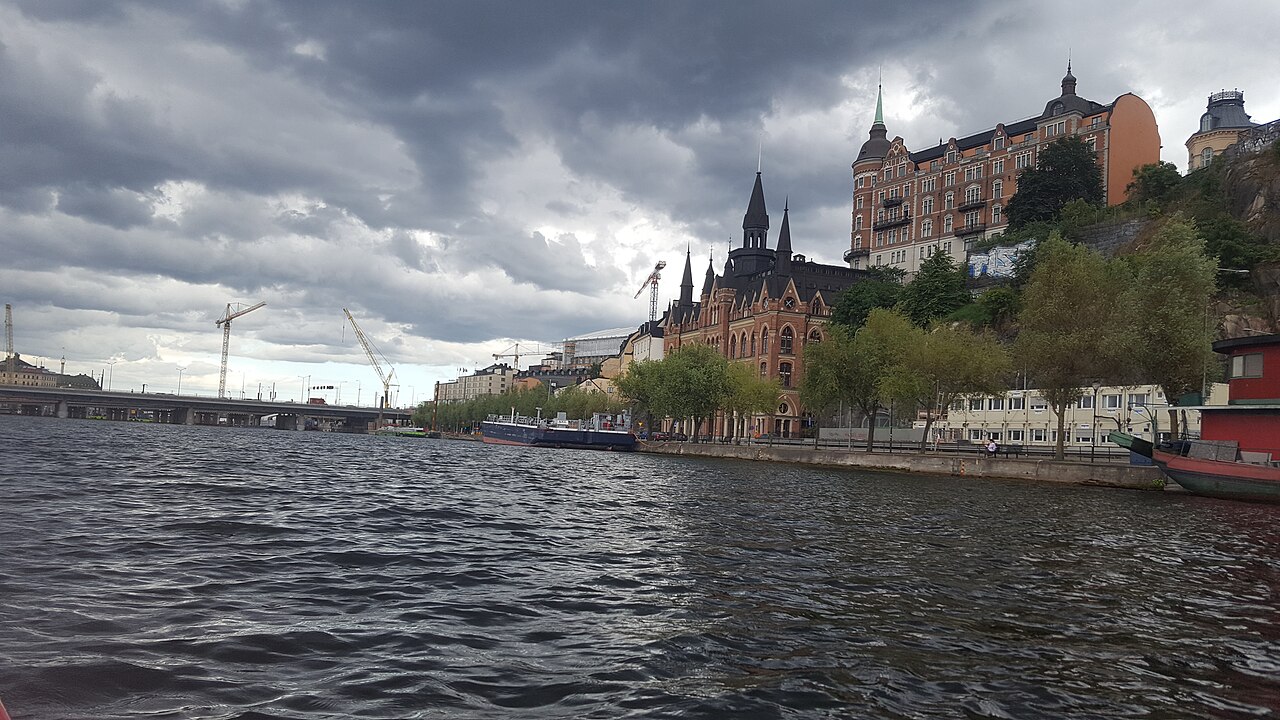
Rent a kayak and paddle along Söder Mälarstrand, around Långholmen or in the canals around Djurgården. The water in central Stockholm is clean enough to swim in.
See tours and pricesPack right
Best May–September
−3–23 °CCold winters just below freezing with short days, and summers around 22 °C with light nights around Midsummer.
Compare hotels and apartments on the map, with current prices.
The map loads from Stay22 only when you click. Stay22 may then set cookies and collect information about your browser. Privacy
Plan your trip
Arlanda Airport (ARN) lies about 40 kilometres north of the centre and has direct flights from all over Europe and many other parts of the world. The Arlanda Express takes you to the Central Station in under 20 minutes. Commuter trains are cheaper but slower, and the Flygbussarna airport coaches run to the City Terminal. Bromma Airport (BMA), closer to town, has domestic flights.
From Gothenburg the high-speed train takes around three hours, and there are trains from cities such as Oslo and Copenhagen. Ferries sail to Stockholm from Helsinki, Turku, Tallinn and Riga.
Check current departures and prices before you travel.

Norrmalm around the Central Station is practical, close to trains, airport coaches and shopping. Gamla stan has charming hotels in old buildings, but rooms are often small and expensive. Östermalm, with Strandvägen and Östermalmstorg, has more elegant hotels and is quiet in the evenings.
Södermalm suits you if you want to stay among cafés, vintage shops and bars, especially around Medborgarplatsen and Nytorget. Kungsholmen is a calmer alternative, with walks along Norr Mälarstrand.
Prices rise during the summer high season and around big events, so book well ahead.
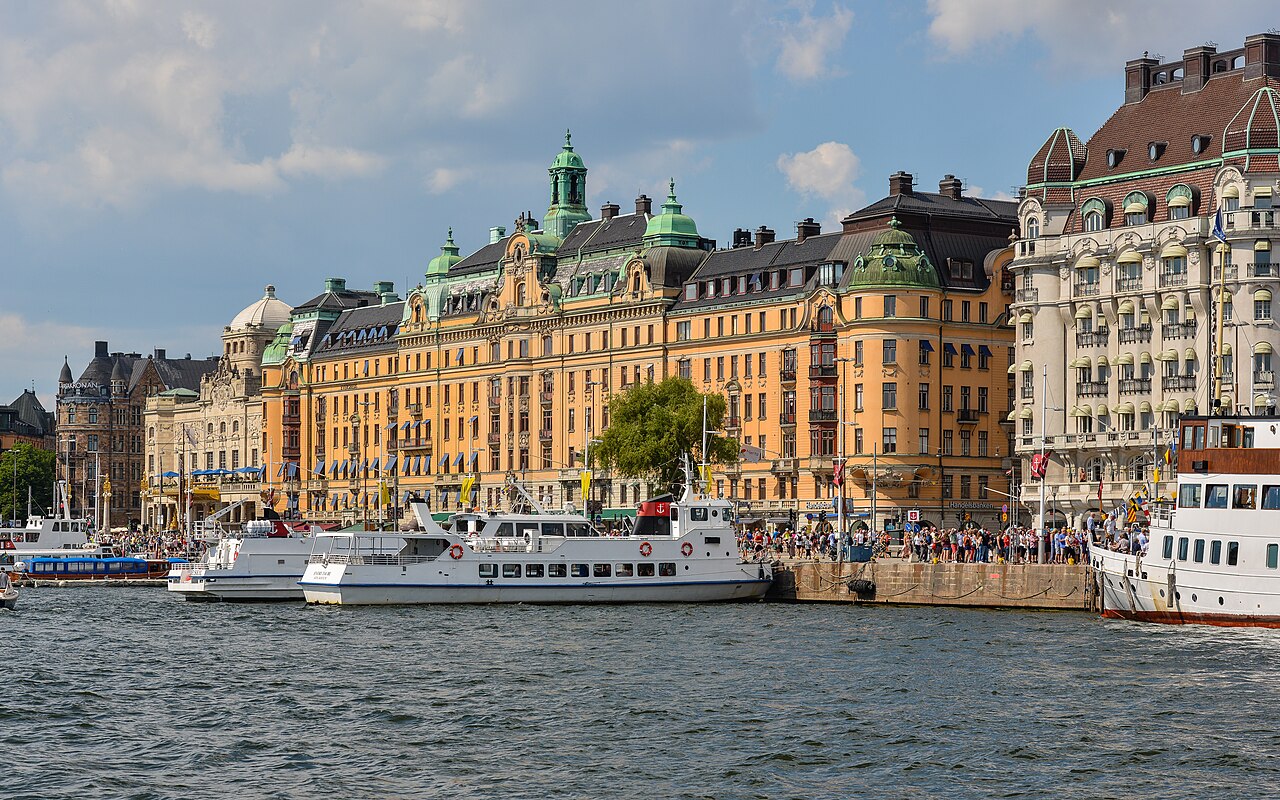
The big and the small
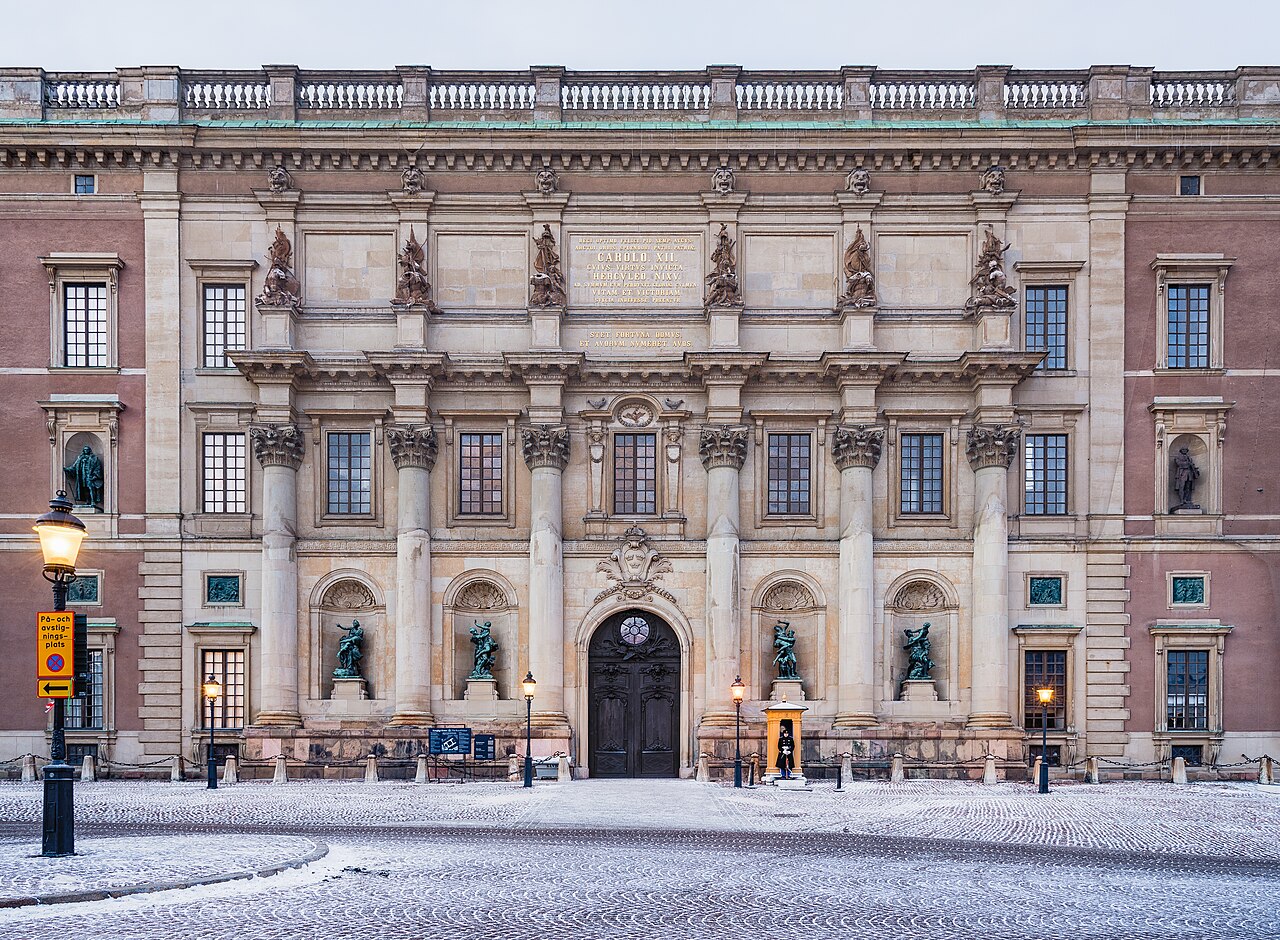
The baroque palace was designed by Nicodemus Tessin the Younger after the old Tre Kronor castle burned down in 1697, and it has more than 600 rooms. Inside are the state apartments, the Treasury with the regalia and the Royal Armoury. The changing of the guard in the outer courtyard takes place daily in summer and a few days a week the rest of the year.
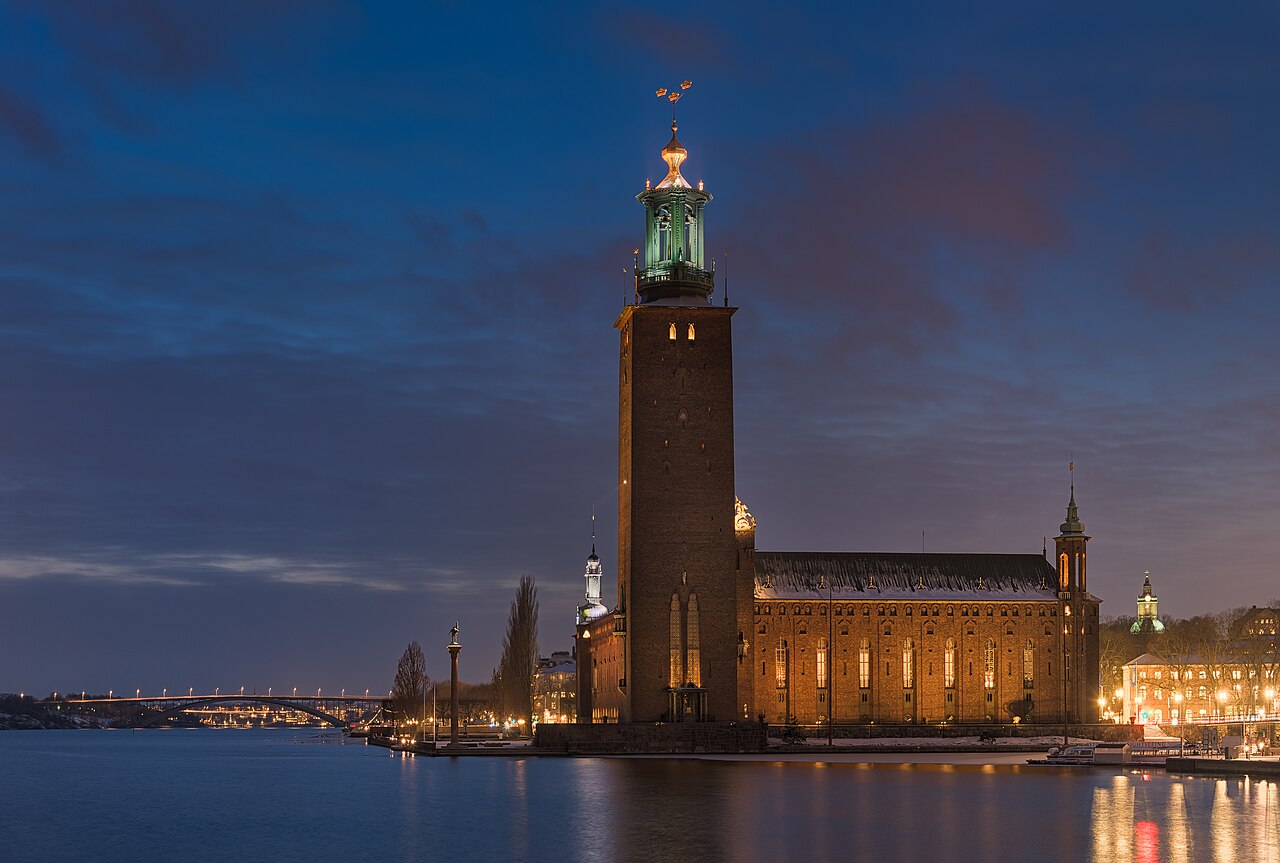
The City Hall on Riddarfjärden was inaugurated in 1923 and designed by Ragnar Östberg. The Blue Hall hosts the Nobel banquet every December, and the Golden Hall is covered in gold mosaic. The interior is shown on guided tours, and in summer you can climb the tower for views over Gamla stan and Lake Mälaren.
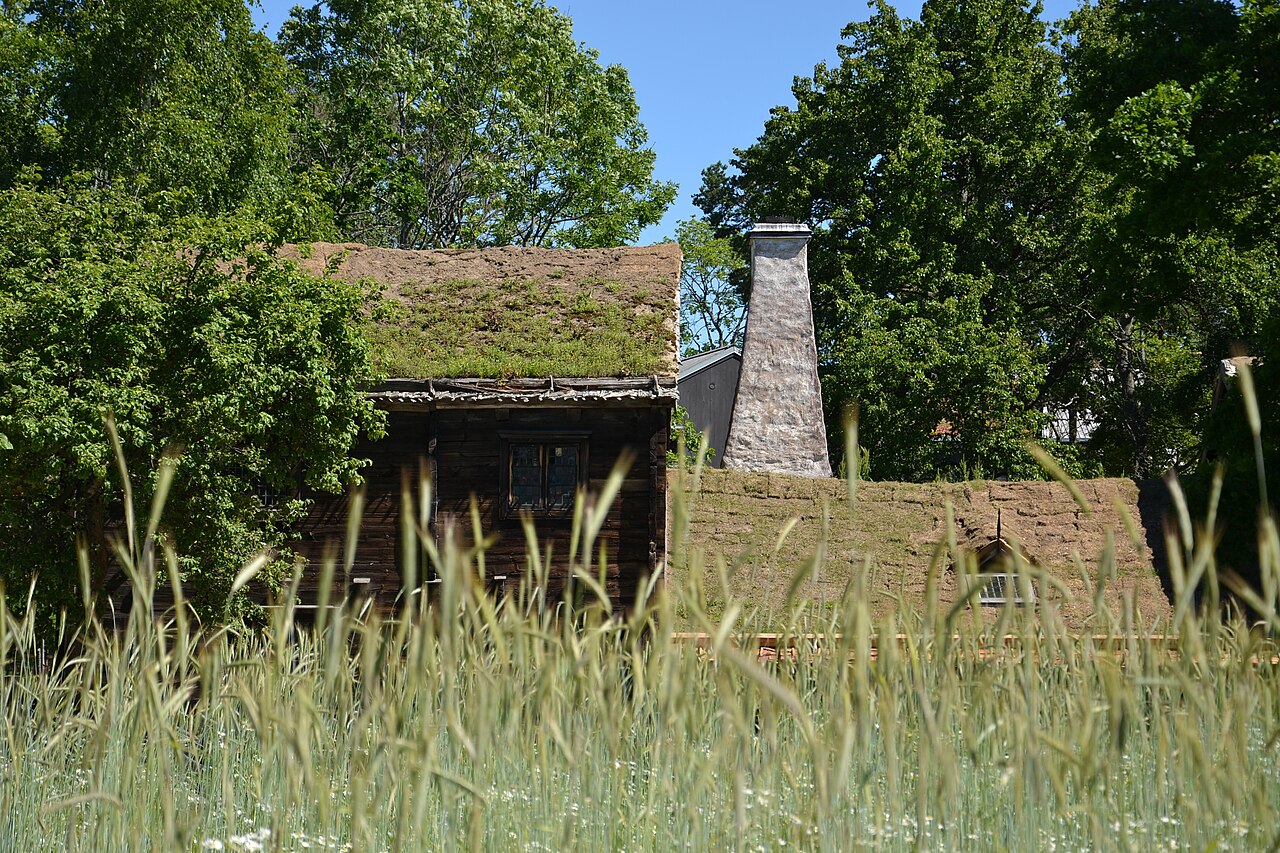
The world's oldest open-air museum opened on Djurgården in 1891. It has farms, workshops and town buildings moved here from all over Sweden, with craftspeople in period dress. The zoo has Nordic animals such as bears, wolves, elk and seals. Skansen celebrates Midsummer and holds a Christmas market in December.
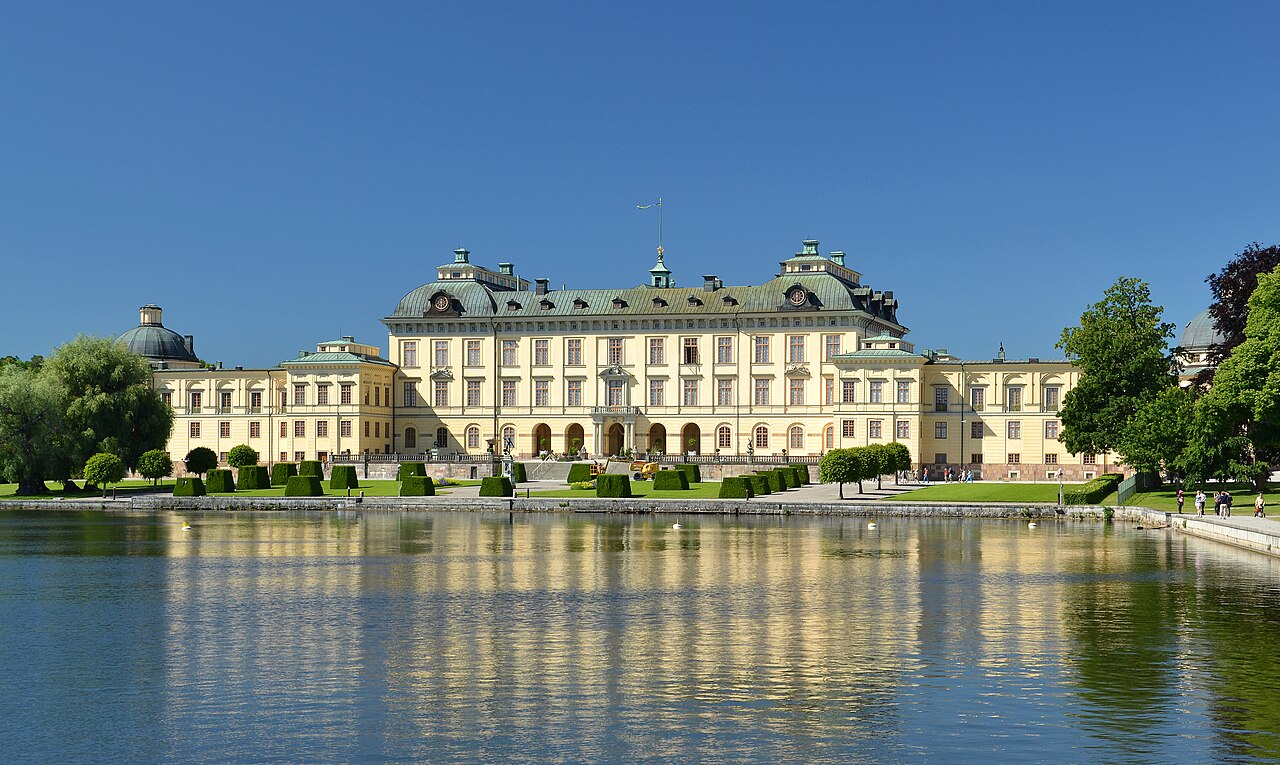
The royal family's residence on Lovön in Lake Mälaren is a World Heritage Site with baroque gardens, a Chinese pavilion and a palace theatre from 1766 whose original stage machinery is still in use. In summer, boats run there from Stadshusbron, a beautiful trip of about an hour. The rest of the year, take the metro and a bus.
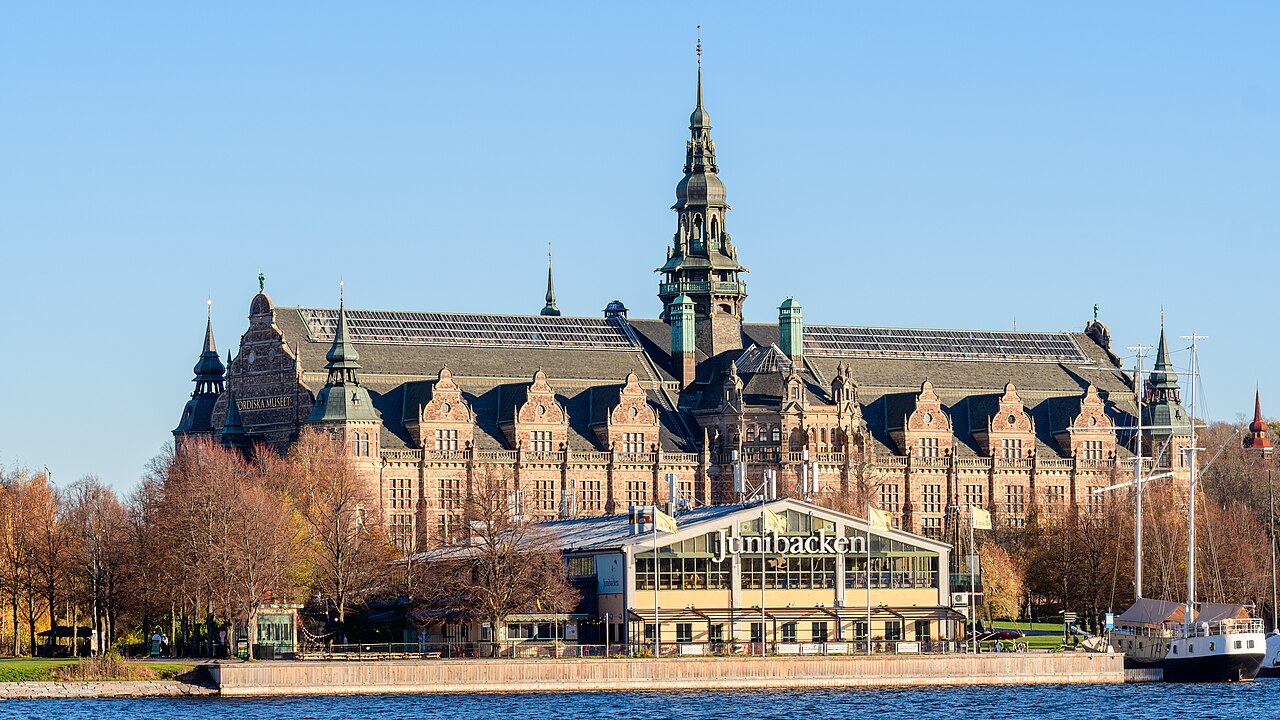
The palace-like museum on Djurgården opened in 1907 and tells the story of how people in Sweden have lived, from farming society to the present day. Its exhibitions cover homes, fashion, festivals and Sámi culture. The huge main hall is worth a visit in itself, and the Vasa Museum is a few minutes away.
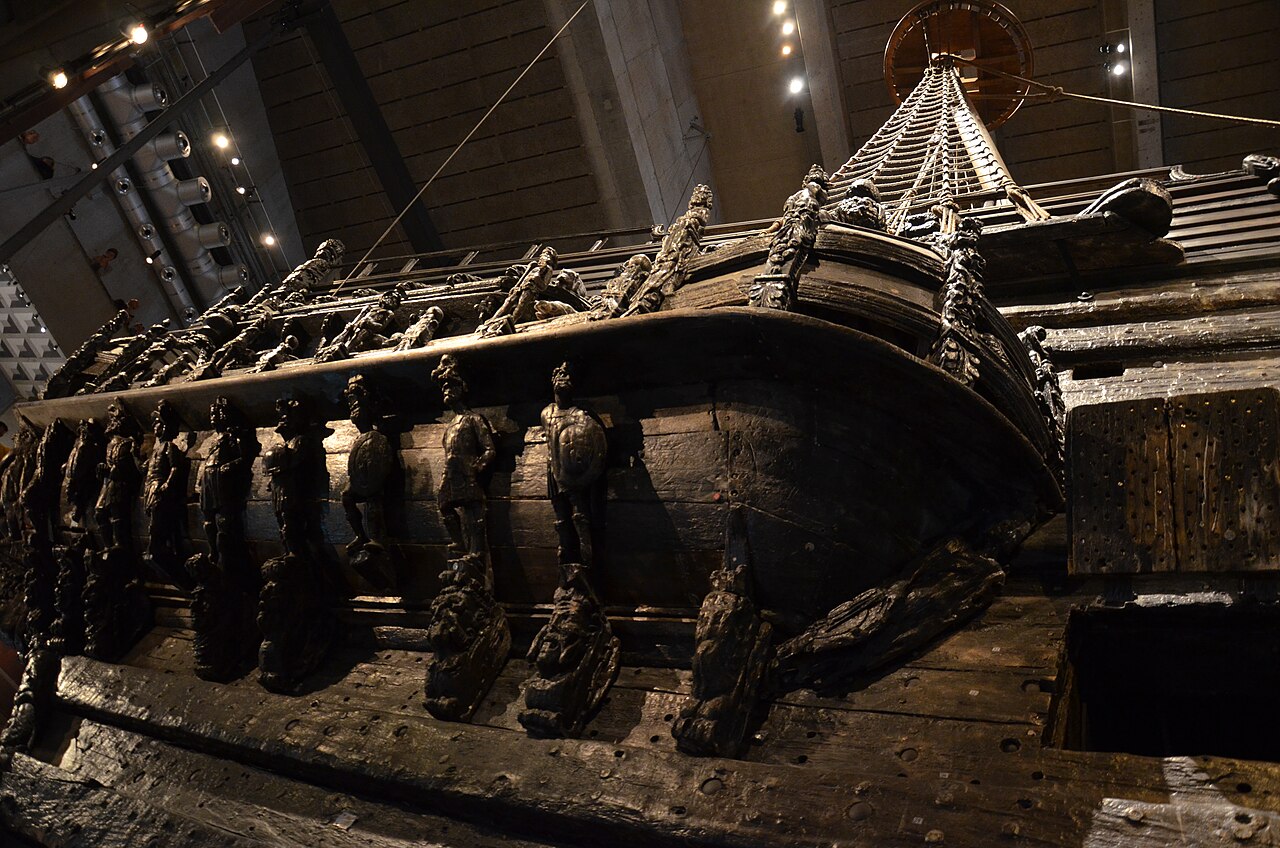
The warship Vasa sank on her maiden voyage in 1628, just a few hundred metres out into Stockholm's harbour. After 333 years on the seabed she was raised in 1961, and today the ship is largely original. It's the most visited museum in Scandinavia, so come early in the morning or late in the afternoon to avoid the queues.
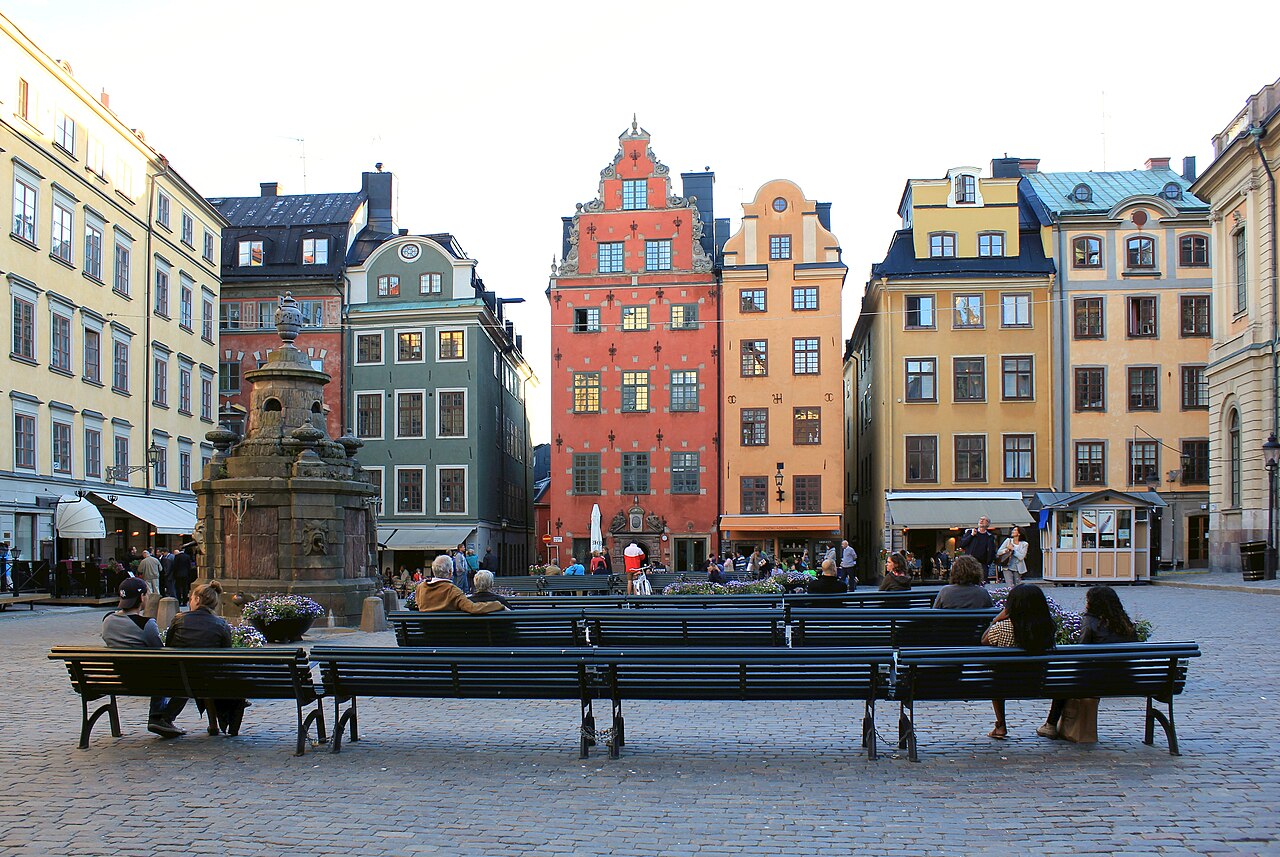
The city's medieval core is a tangle of cobbled lanes around Stortorget, where the colourful gabled houses are Stockholm's most photographed view. Here you'll find the cathedral, the Nobel Prize Museum and the palace. Västerlånggatan is full of souvenir shops, but turn into the narrow side lanes towards the water to find the quieter side. A Christmas market is held on Stortorget in December.
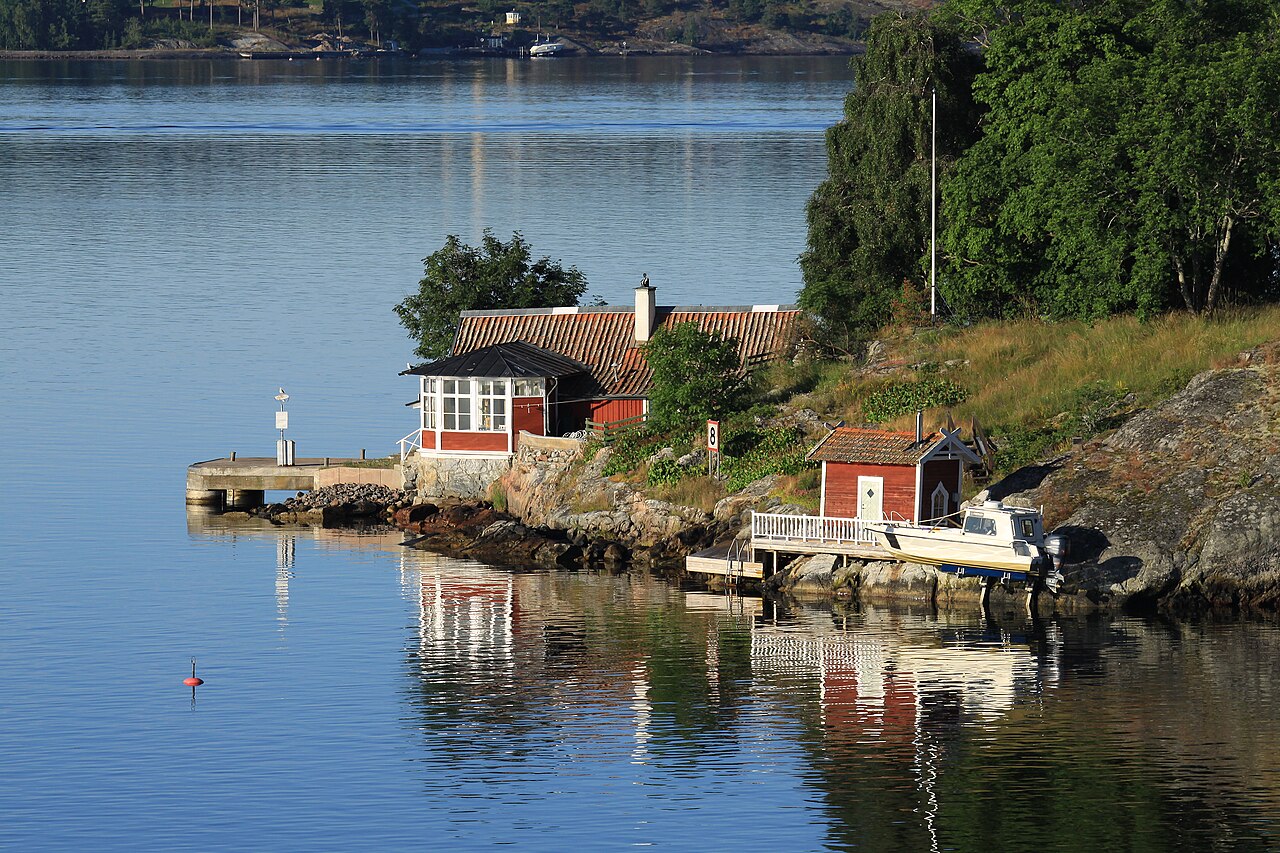
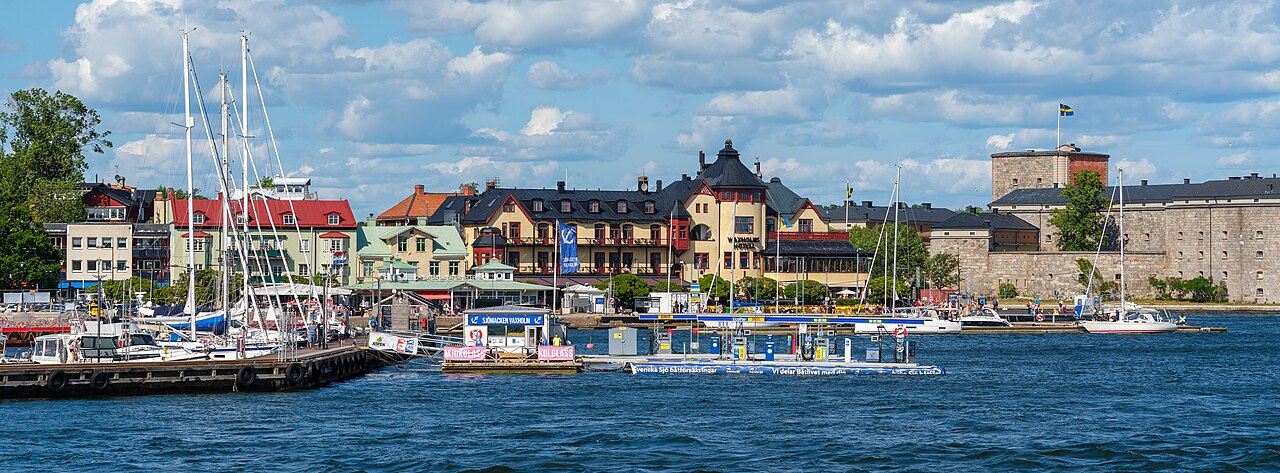
Stockholm's archipelago has some 30,000 islands, islets and skerries. The archipelago boats leave from Strömkajen in the city centre, and Fjäderholmarna is just half an hour away. Vaxholm and its fortress are about an hour away, and further out lie the sailing island of Sandhamn and peaceful Utö. Bring a swimsuit and a picnic, and check the timetable for the boat home.
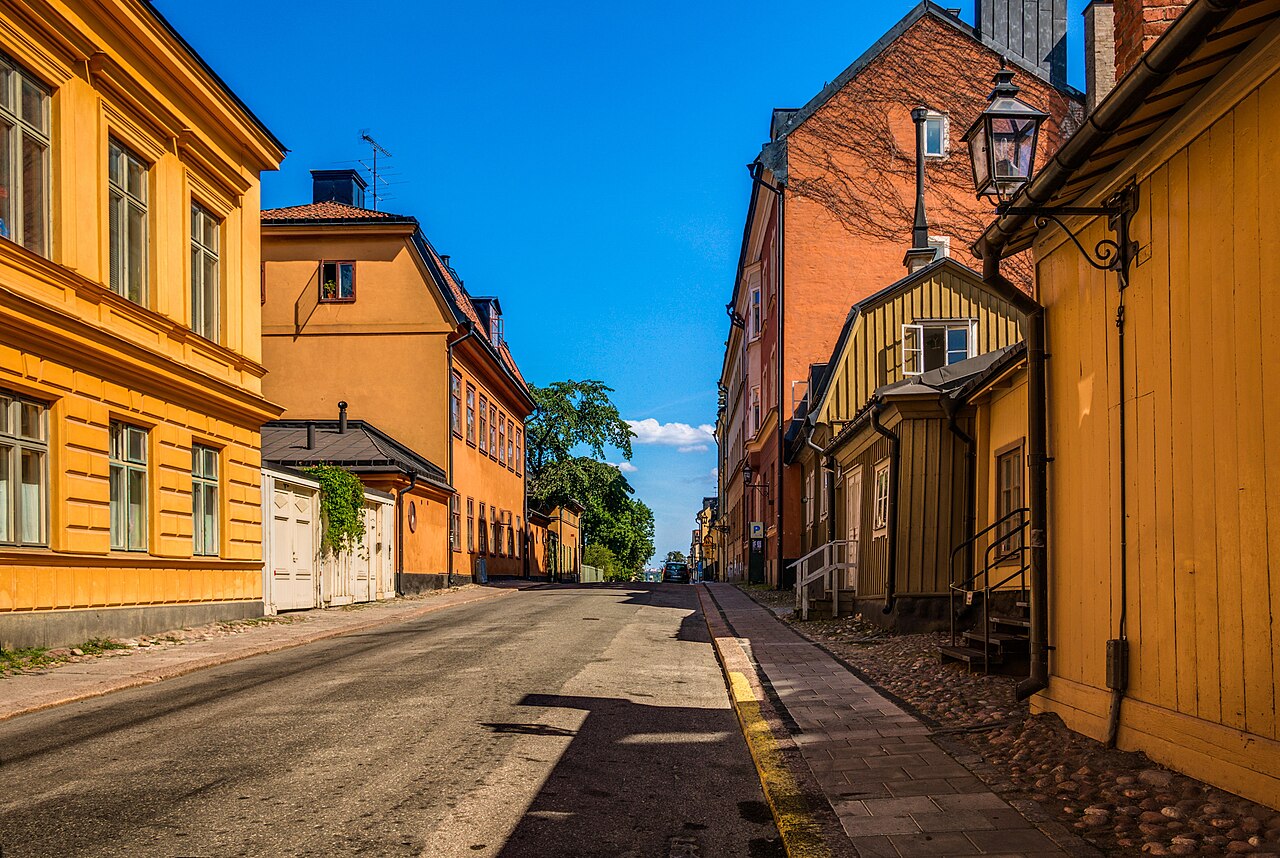
Gamla stan is the city's medieval core, with the palace and Riddarholmen right next to it. Norrmalm is the city centre, with department stores, Kungsträdgården and the Central Station. Östermalm is elegant, with Strandvägen, the Östermalm market hall and smart shops. Södermalm, or Söder, is bohemian, with cafés and vintage shops around SoFo, old wooden houses on Fjällgatan and views from the cliffs. Djurgården is a green island of museums, parks and walking paths, and Kungsholmen has the City Hall and waterside promenades along Lake Mälaren.
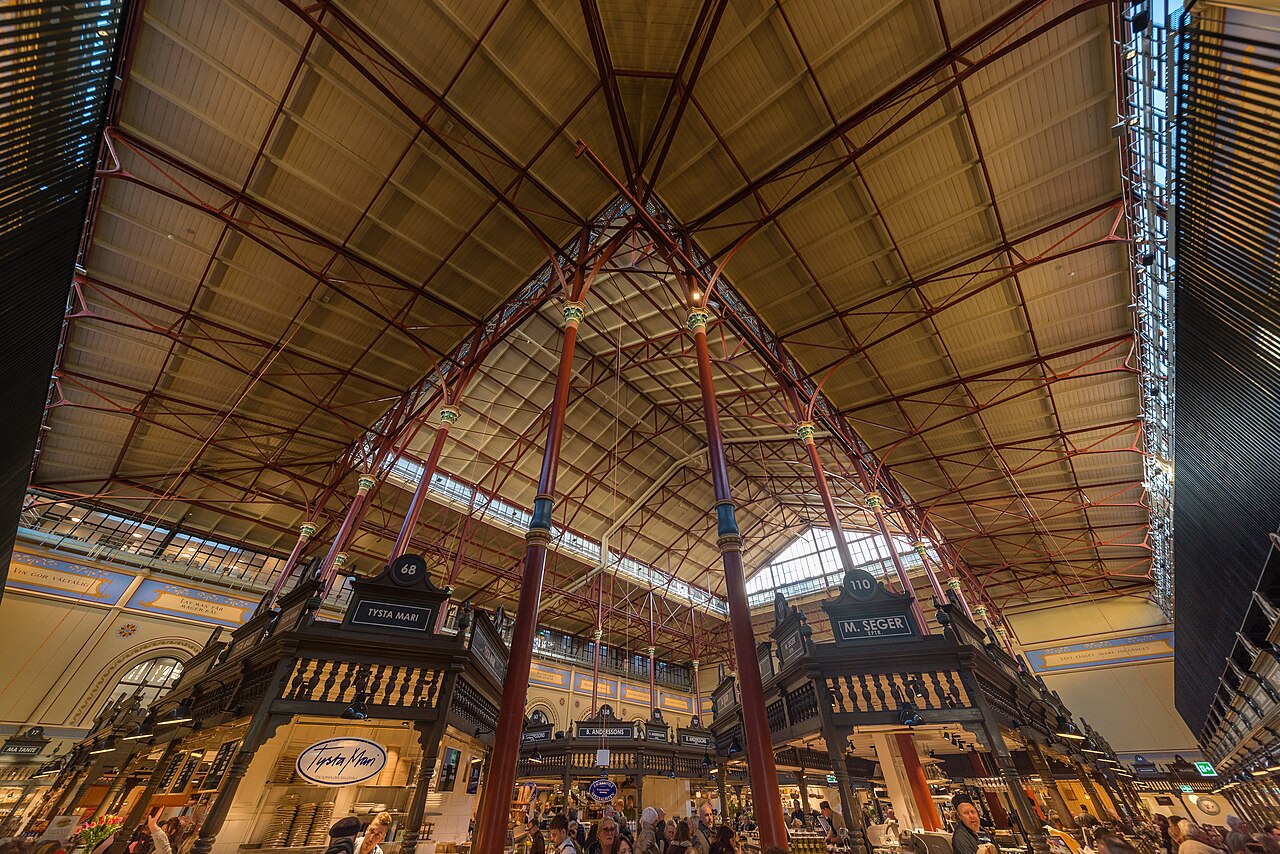
Try Swedish classics such as meatballs with mashed potatoes, lingonberries and pickled cucumber, toast Skagen, pickled herring or fried Baltic herring at a traditional restaurant. The Östermalm market hall from 1888 has stalls with fish, cheese and delicacies and several lunch restaurants. Stockholm has many restaurants with Michelin stars, but lunch with a dish of the day is the cheapest way to eat well. Fika is a natural part of the day, with a cinnamon or cardamom bun and coffee. In December many restaurants serve a Christmas buffet, julbord.
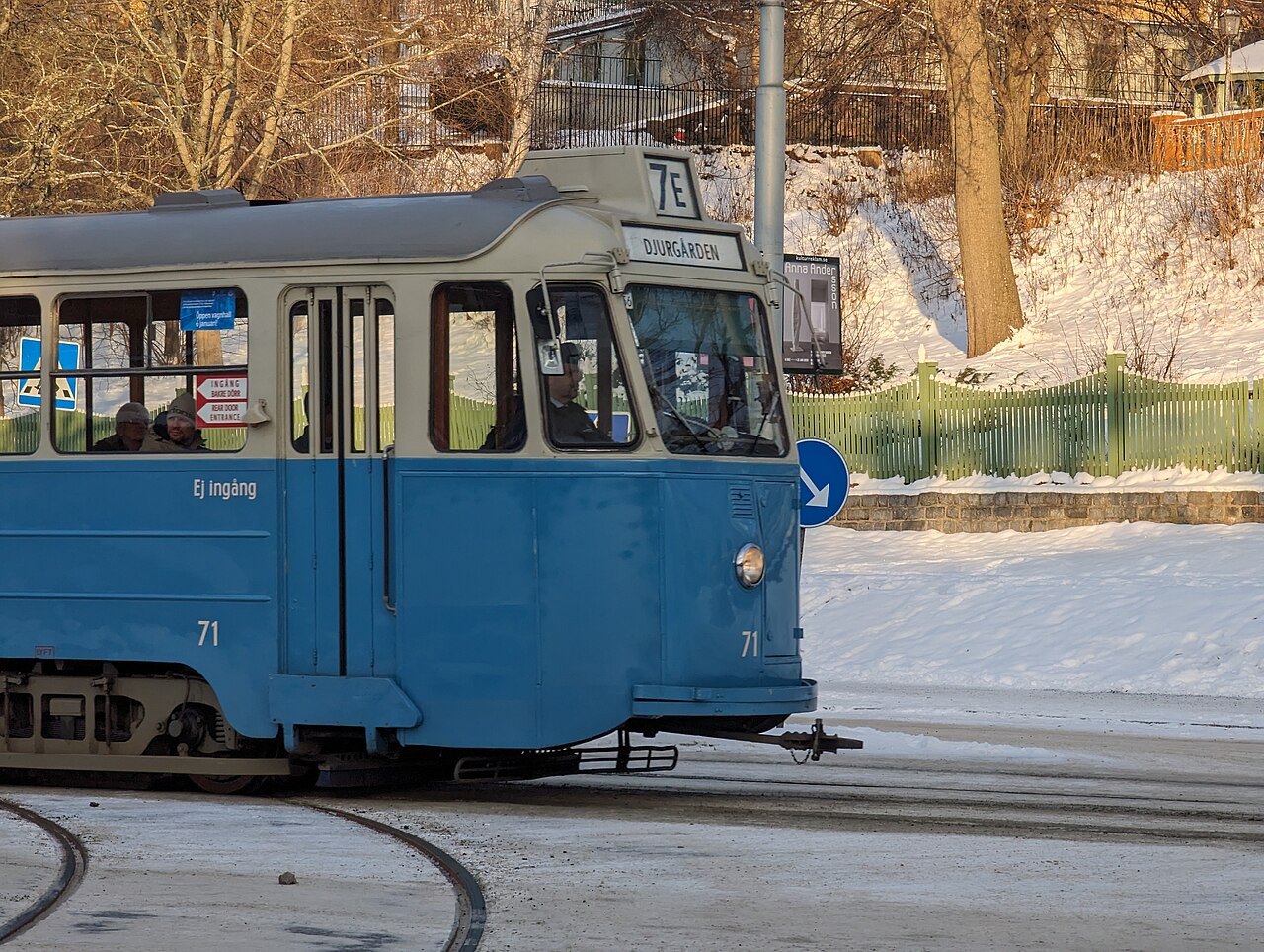
The metro is the fastest way to get around, and many of its stations are decorated by artists, so it's often called the world's longest art exhibition. The metro, commuter trains, buses, trams and the Djurgården ferry all use the same SL tickets. Buy tickets in the SL app or from machines and ticket offices. Tram 7 runs from Sergels torg out to Djurgården and its museums. Central Stockholm is also easy to explore on foot or by rented bike.
The SL app sells tickets and shows departures for the metro, commuter trains, buses, trams and ferries. The Waxholmsbolaget app and website show timetables for the archipelago boats. Bolt and Uber are available if you need a taxi, and e-scooters and rental bikes are unlocked in their own apps. It's also worth downloading a map app so you can save places offline before days out in the archipelago.

Sweden is almost cashless, and cards or mobile payment work everywhere, even in cafés and at markets. Some places don't accept cash at all. The tap water is excellent to drink. Tipping isn't required, but it's common to round up or leave around ten per cent in restaurants for good service. Wine and spirits are sold at Systembolaget, which has limited opening hours and closes early on Saturdays. Stockholm is a safe city, but watch out for pickpockets in the crowds in Gamla stan and around the Central Station.

Take the Djurgården ferry from Slussen to Djurgården, a short and cheap boat trip with lovely views of Gamla stan. The collections at Moderna Museet and Nationalmuseum are free. Visit the Vasa Museum and Gamla stan early in the day before the groups arrive. Walk up to Monteliusvägen or Skinnarviksberget at sunset. In summer you can swim right in the city, for example on Långholmen.