A boat trip on Paddan
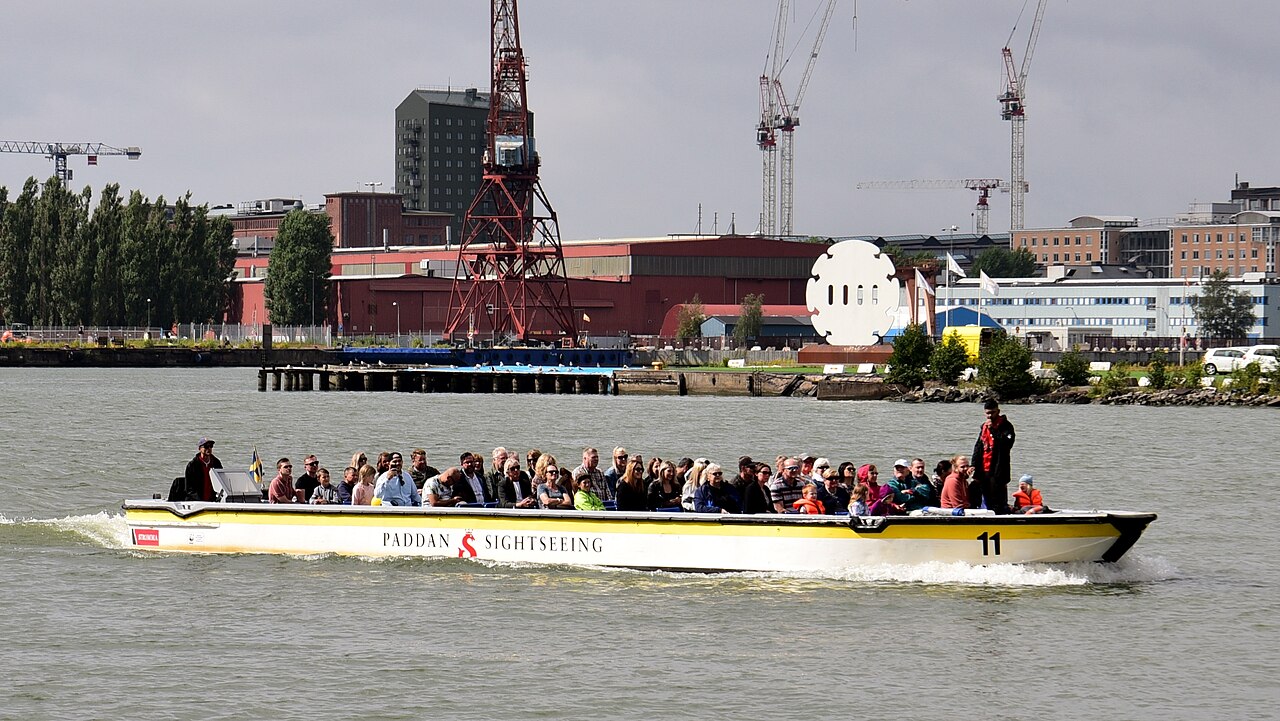
The low Paddan sightseeing boats have been running through the moat and canals since 1939. The trip passes under some twenty bridges, a few so low that everyone has to duck, and out into the harbour.
See tours and pricesThe harbour city on the west coast · Sweden
Your guide to Gothenburg
Gothenburg was founded in 1621 by King Gustav II Adolf and laid out by Dutch engineers. That's why the city centre is still shaped by canals and moats. The city grew into an important trading port facing west. It was home to the Swedish East India Company and some of the world's largest shipyards. Today Gothenburg is Sweden's second city, yet it feels smaller and more relaxed than its size suggests.
In the centre, most things are within easy walking distance. From Kungsportsplatsen you can walk to the Feskekôrka fish market, the old wooden houses of Haga and Avenyn, the boulevard leading up to Götaplatsen. Liseberg is just a few tram stops away. Along the river, old shipyards have been transformed into new neighbourhoods with restaurants, waterside walks and views over the harbour.
The sea is never far away. Shrimp, oysters and lobster come from the west coast fishing boats, and an ordinary public transport ticket takes you out to the car-free southern archipelago. There, smooth rocks, swimming coves and little harbours await.
Gothenburg is at its best in summer, when the light evenings and ferry trips out to the islands beckon. But the city also has plenty to offer in winter, with Christmas at Liseberg, Christmas markets and a fika culture that makes rainy days a lot more pleasant.
Things to do
The low Paddan sightseeing boats have been running through the moat and canals since 1939. The trip passes under some twenty bridges, a few so low that everyone has to duck, and out into the harbour.
See tours and prices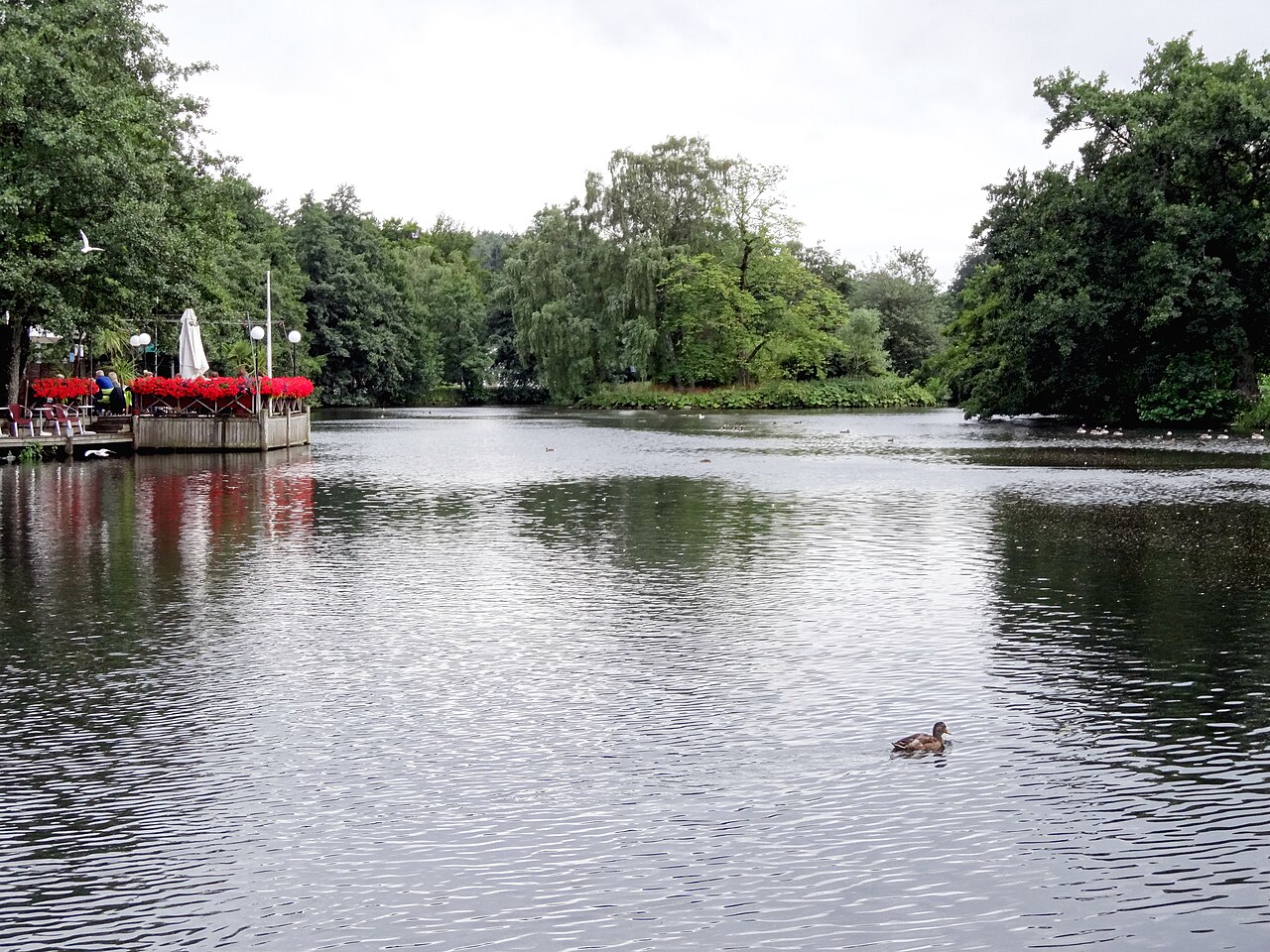
The city's great park has ponds, big lawns, the Natural History Museum and a free zoo with seals, penguins and elk. In August it hosts the Way Out West music festival.
See tours and prices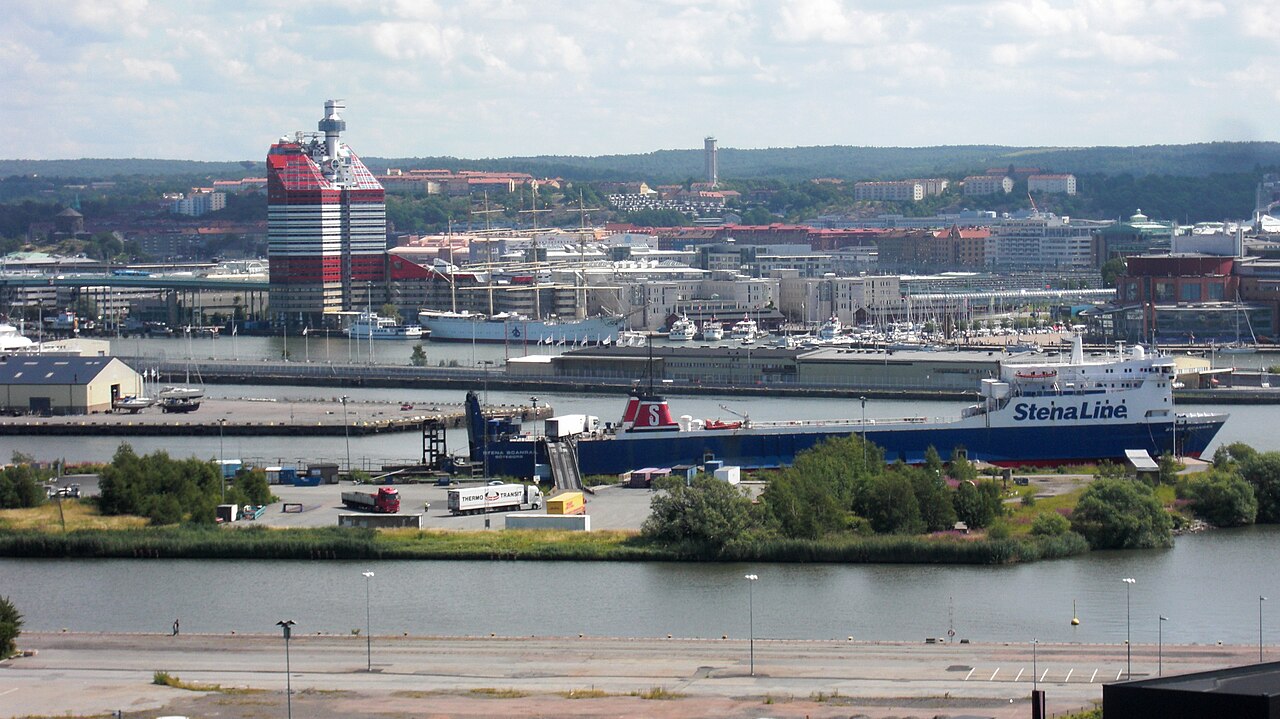
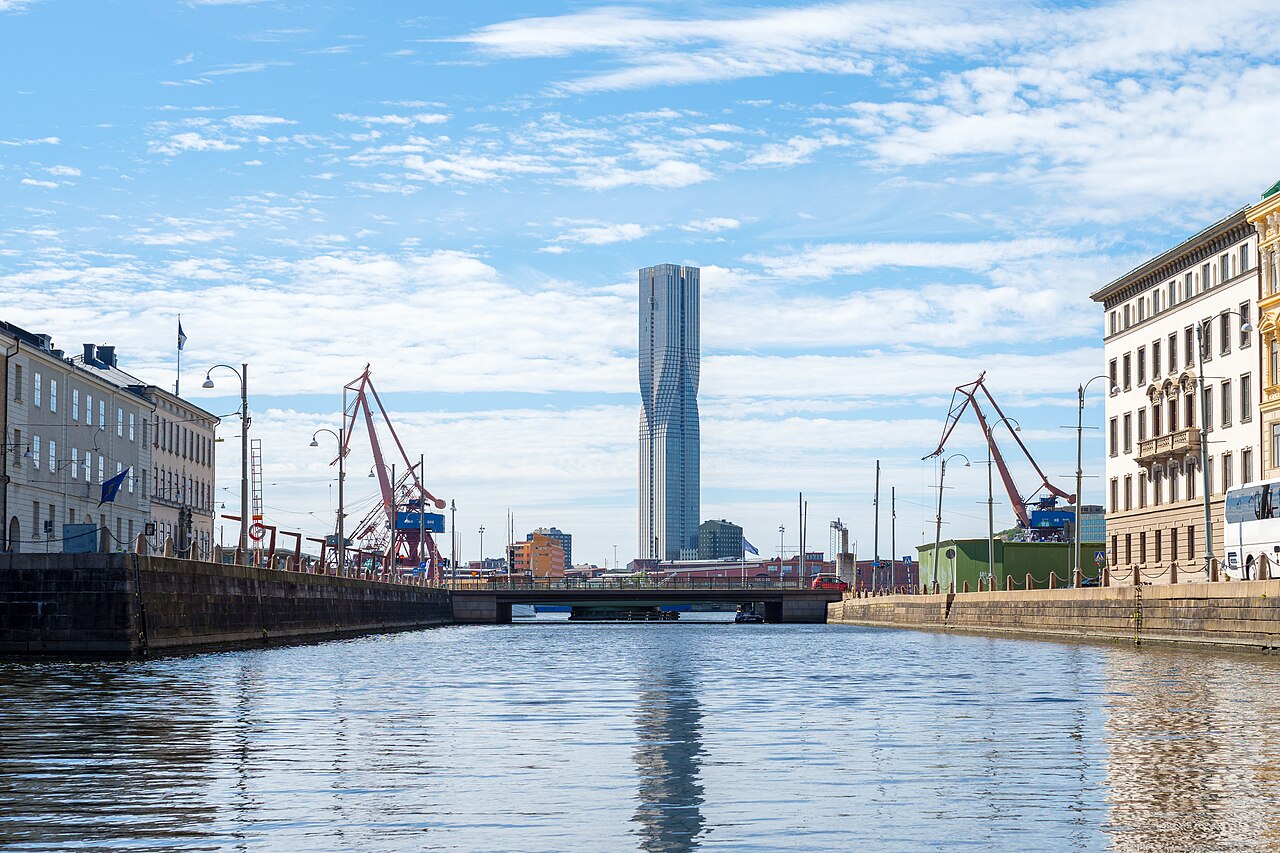
Walk up through Keiller Park on Hisingen to the top of Ramberget. From here you see the whole city, the river, the harbour and the Lipstick tower, and the evening light is lovely.
See tours and pricesPack right
Best May–September
0–22 °CA mild coastal climate with cool, windy winters around freezing and summers with daytime highs around 20 °C. Rain can come at any time of year, so pack a rain jacket.
Compare hotels and apartments on the map, with current prices.
The map loads from Stay22 only when you click. Stay22 may then set cookies and collect information about your browser. Privacy
Plan your trip
Landvetter Airport (GOT) lies about 25 kilometres east of the centre and has direct flights from Stockholm and many European cities. The Flygbussarna airport coaches reach the Nils Ericson Terminal by the Central Station in about half an hour. Taxis and apps such as Uber and Bolt are also available.
From Stockholm the train is often just as convenient as flying. High-speed trains take around three hours and arrive right in the centre. From Denmark and Germany, ferries sail to Gothenburg from Frederikshavn and Kiel.
Check current departures and prices before you travel.

Inside the old moat and around the Central Station, you're close to the canals, the shops and the trains. Around Avenyn and Korsvägen, you can walk to Liseberg, Universeum and the Swedish Exhibition & Congress Centre.
Linnéstaden, with Linnégatan, Järntorget and Haga and Slottsskogen nearby, is a popular alternative with restaurants and cafés around the corner. At Lilla Bommen you can stay on board the four-masted barque Viking, and at Eriksberg on Hisingen you have views across the river.
Book well ahead when the city hosts big events, such as the Göteborgsvarvet half marathon in May, the Gothia Cup football tournament in July, Way Out West in August and Christmas at Liseberg.
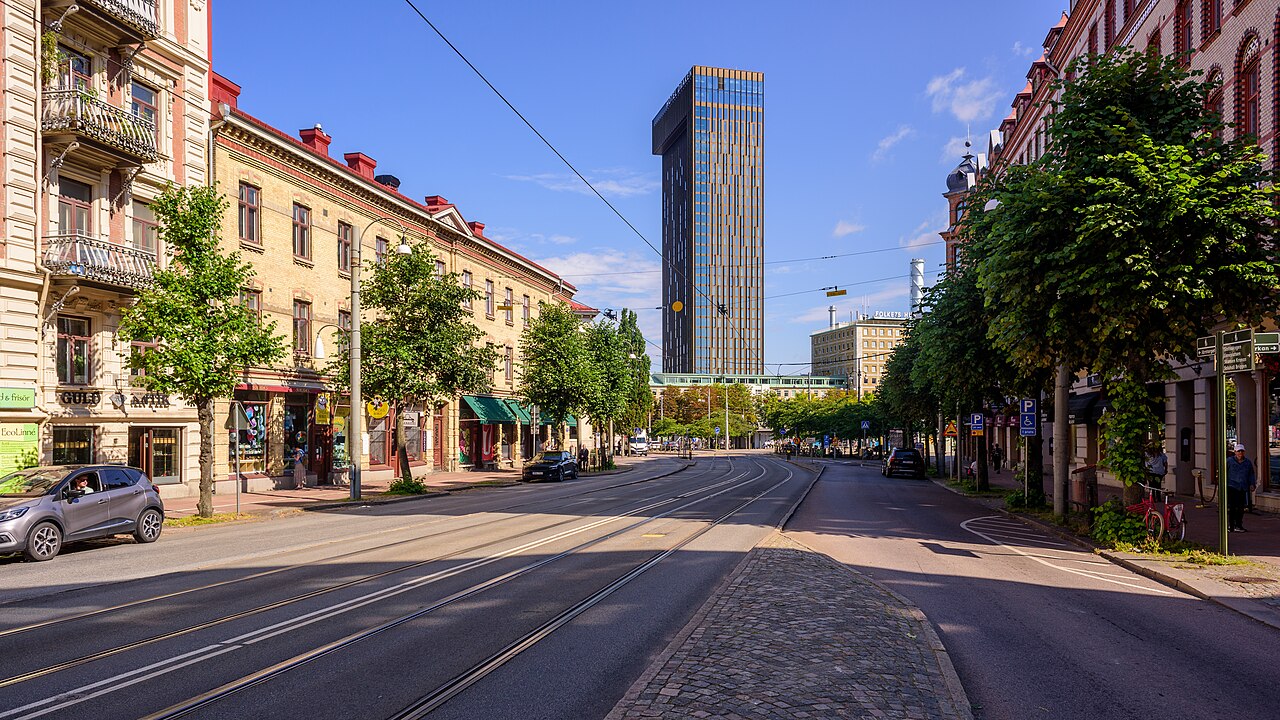
The big and the small
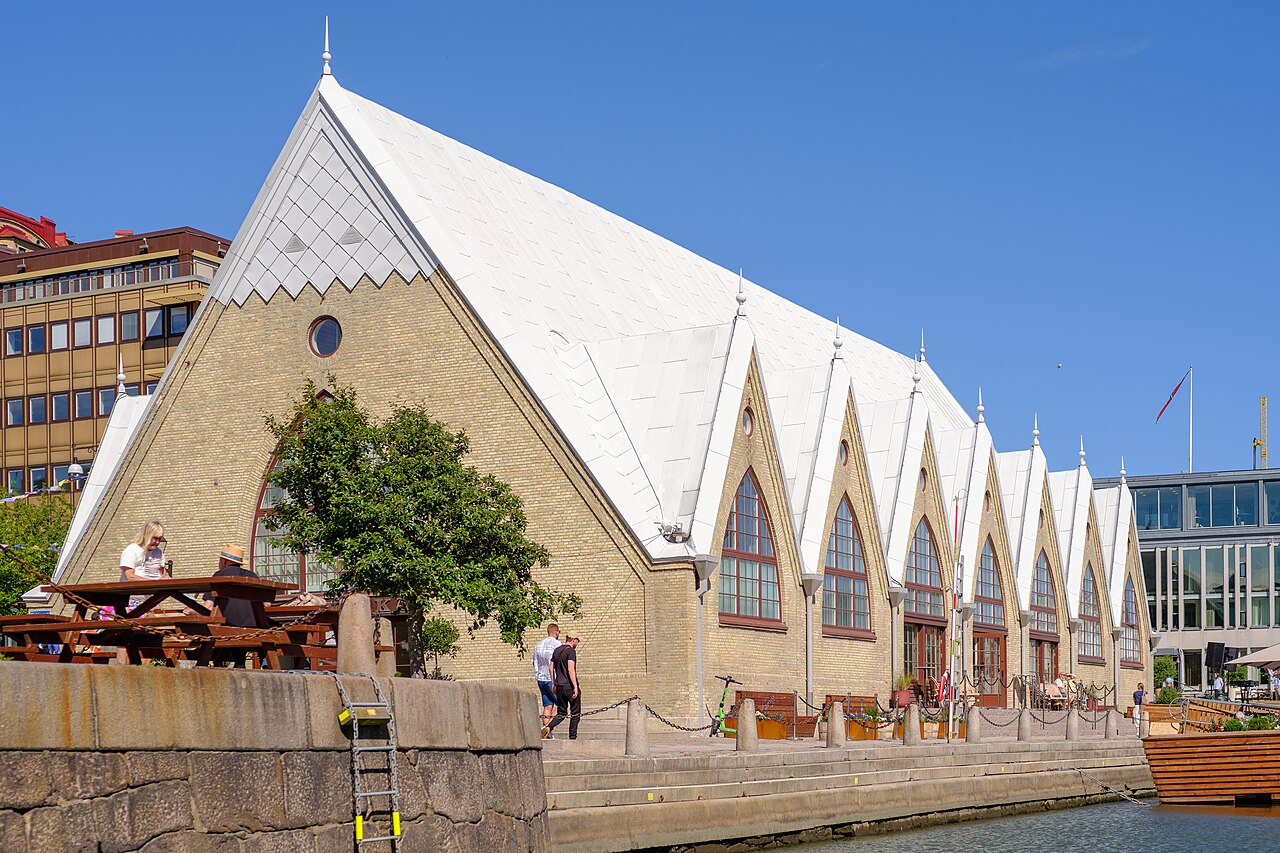
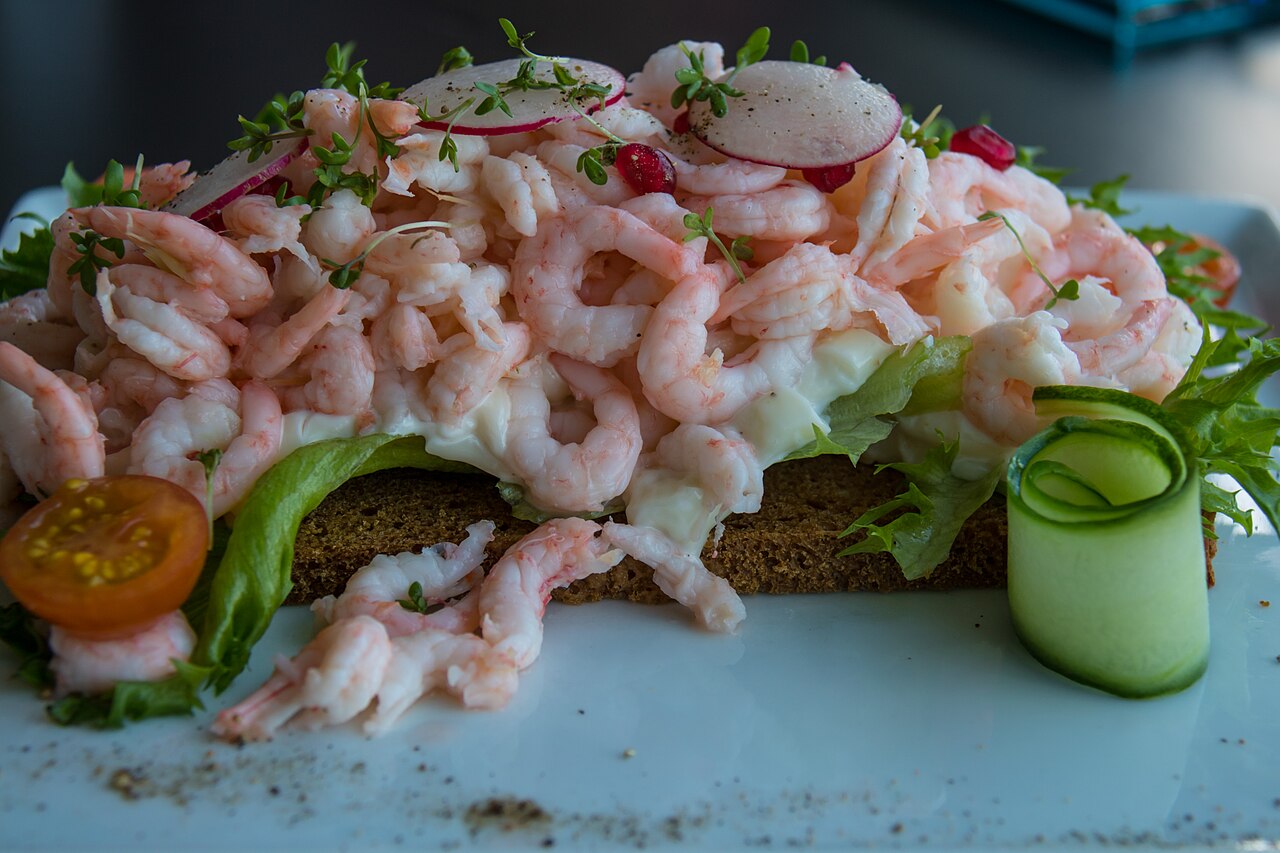
The fish market hall on the Rosenlund canal opened in 1874 and got its name, Gothenburg dialect for 'fish church', from its church-like neo-Gothic building. Inside, stalls sell shrimp, fish and shellfish from the west coast, and there's a restaurant up on the gallery. Come at lunchtime for fish soup or a shrimp sandwich. The hall is closed on Sundays and Mondays.
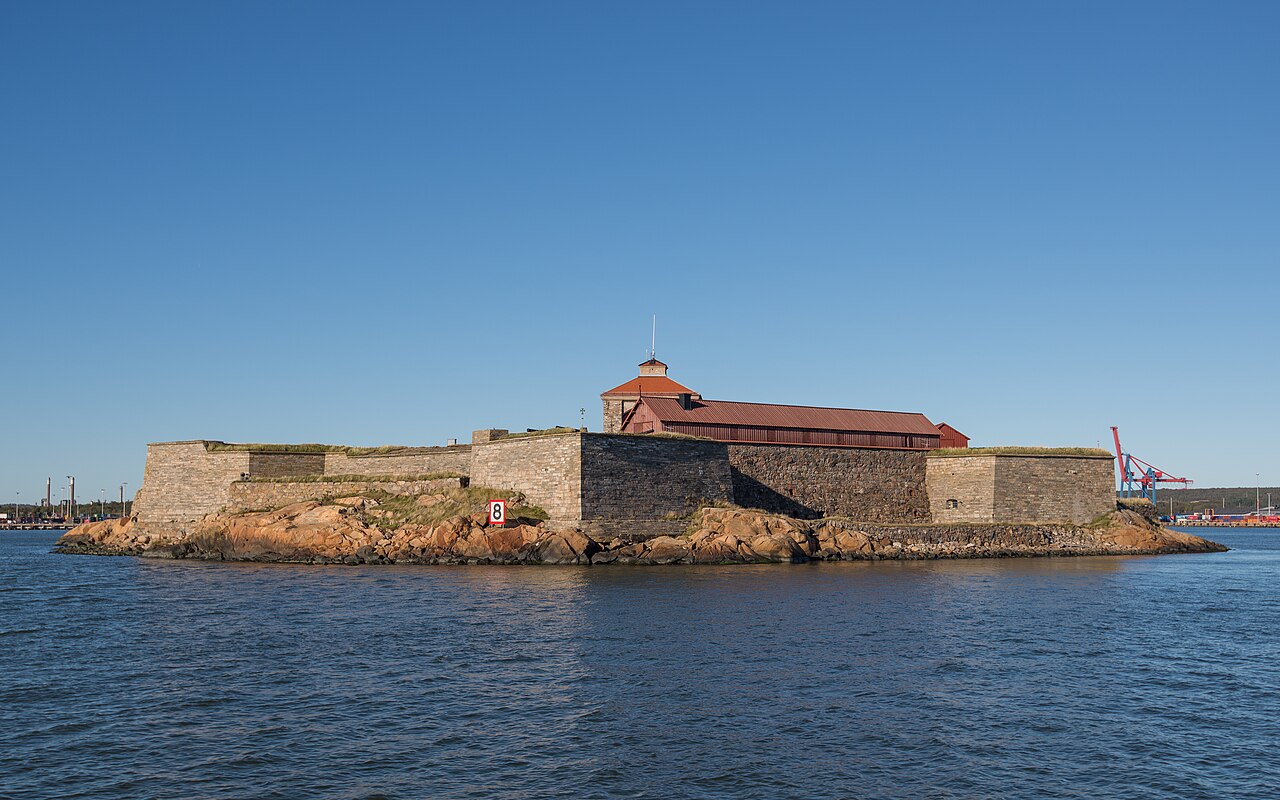
The fortress on a rocky island at the mouth of the river was built in the 17th century to protect the city from the Danes, and it withstood several attacks during the Great Northern War. In summer, boats run there from Lilla Bommen, and the island has guided tours, cannons, dungeons and a café.
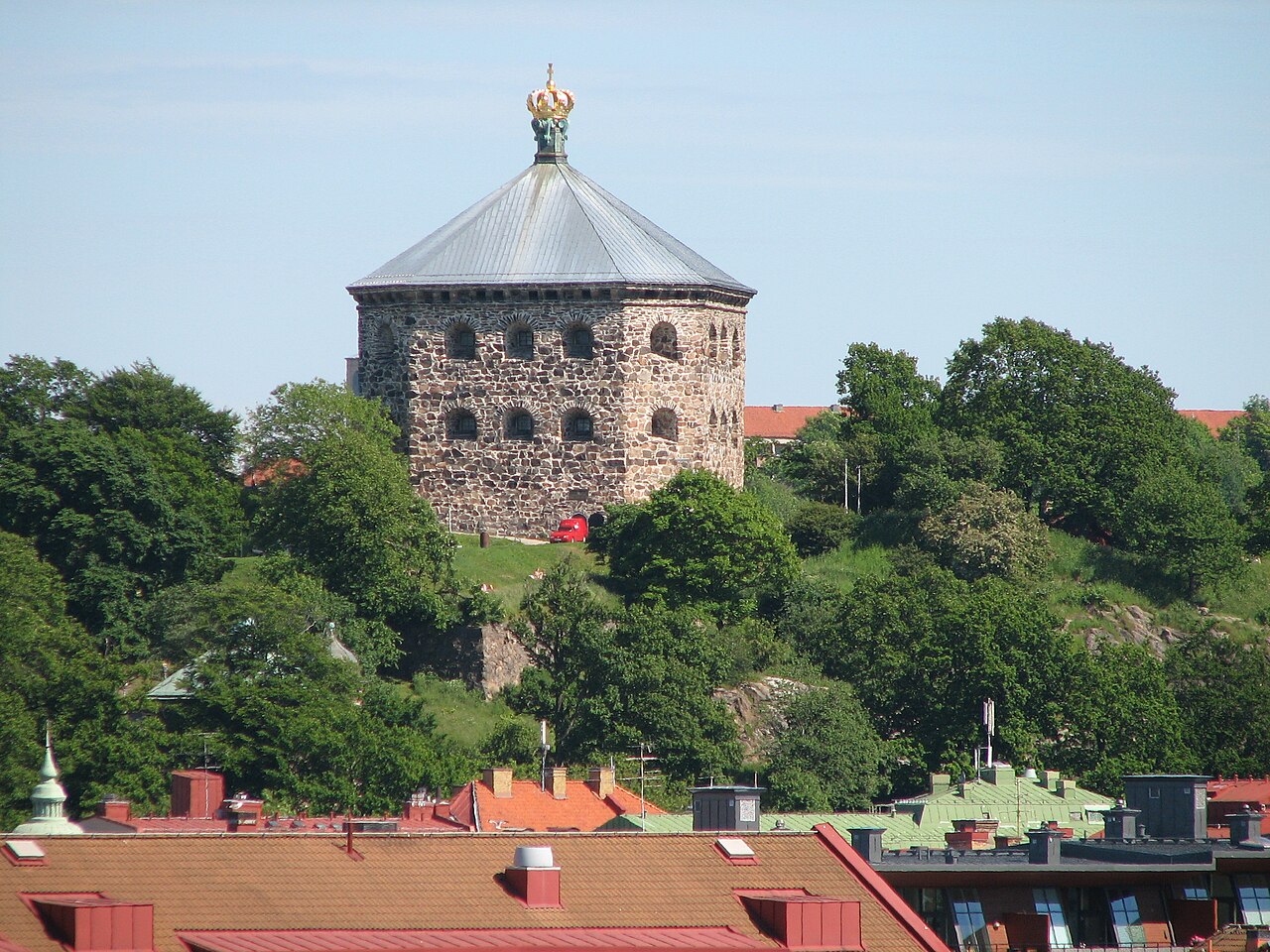
The octagonal defence tower with a gilded crown on its roof was built in the late 17th century on the hill above Haga. It has never had to defend the city against an enemy. The steps up start in Haga, and from the top you look out over the rooftops, church towers and harbour. Walking up is free.
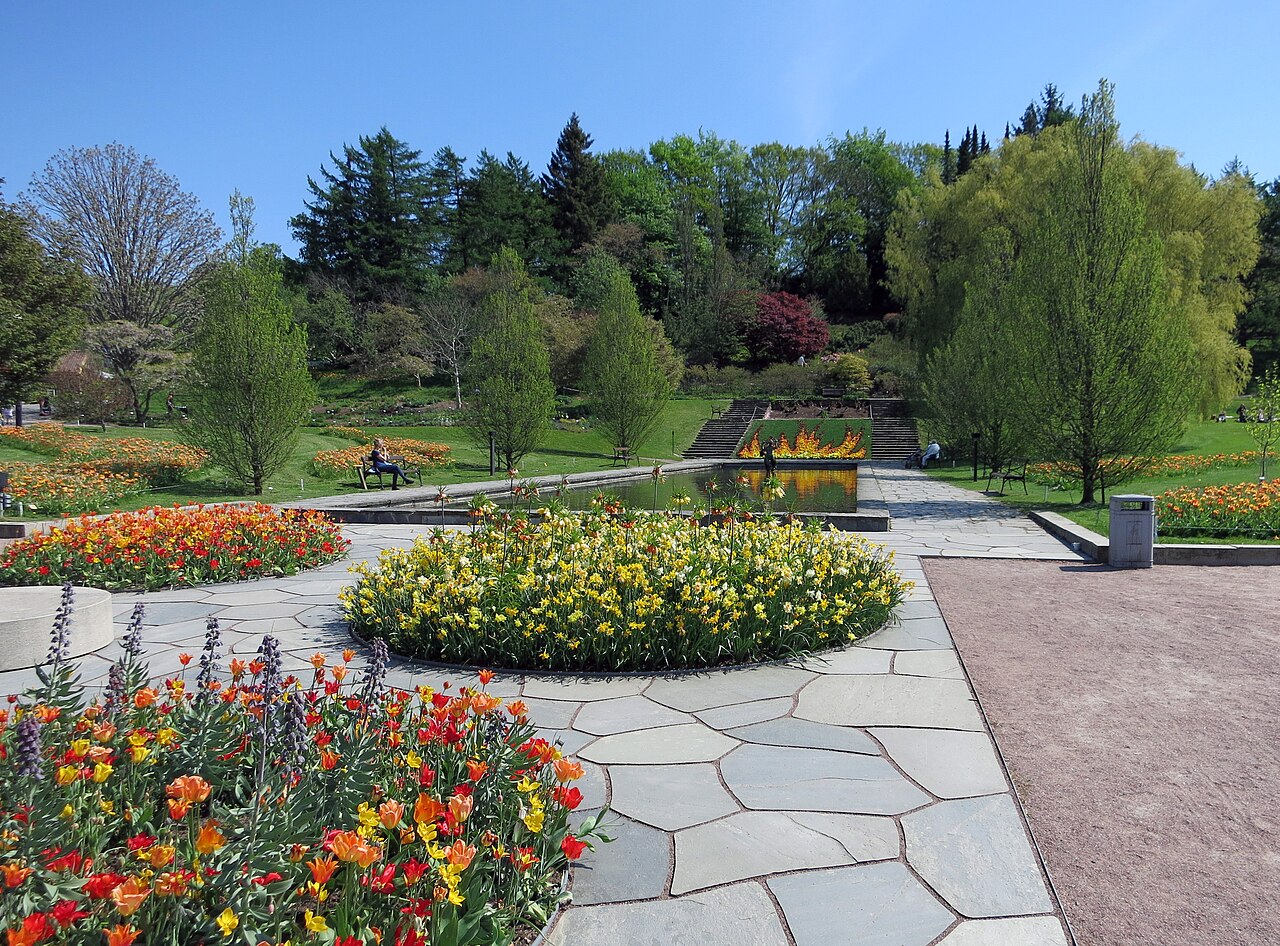
One of Europe's largest botanical gardens, opened in 1923, with a rock garden and waterfall, greenhouses, an arboretum and paths out into the nature reserve behind it. Tulips light it up in spring and rhododendrons in early summer. The tram stops outside, and entry is free with a voluntary contribution.
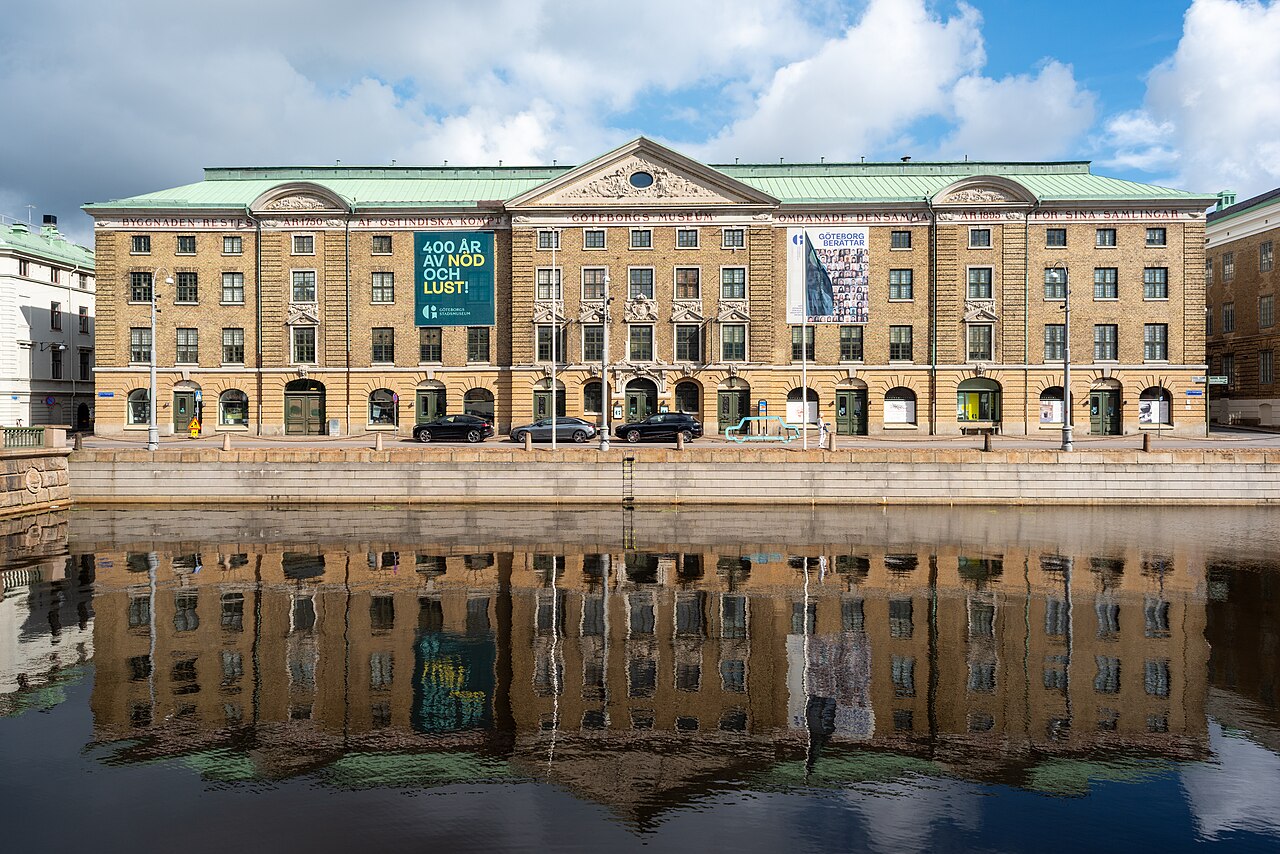
The museum is in the East India House on Stora Hamnkanalen, built in the 18th century for the Swedish East India Company. Its exhibitions tell the city's story from the Stone Age to today, and it displays the Äskekärr ship, the only original Viking ship found in Sweden.
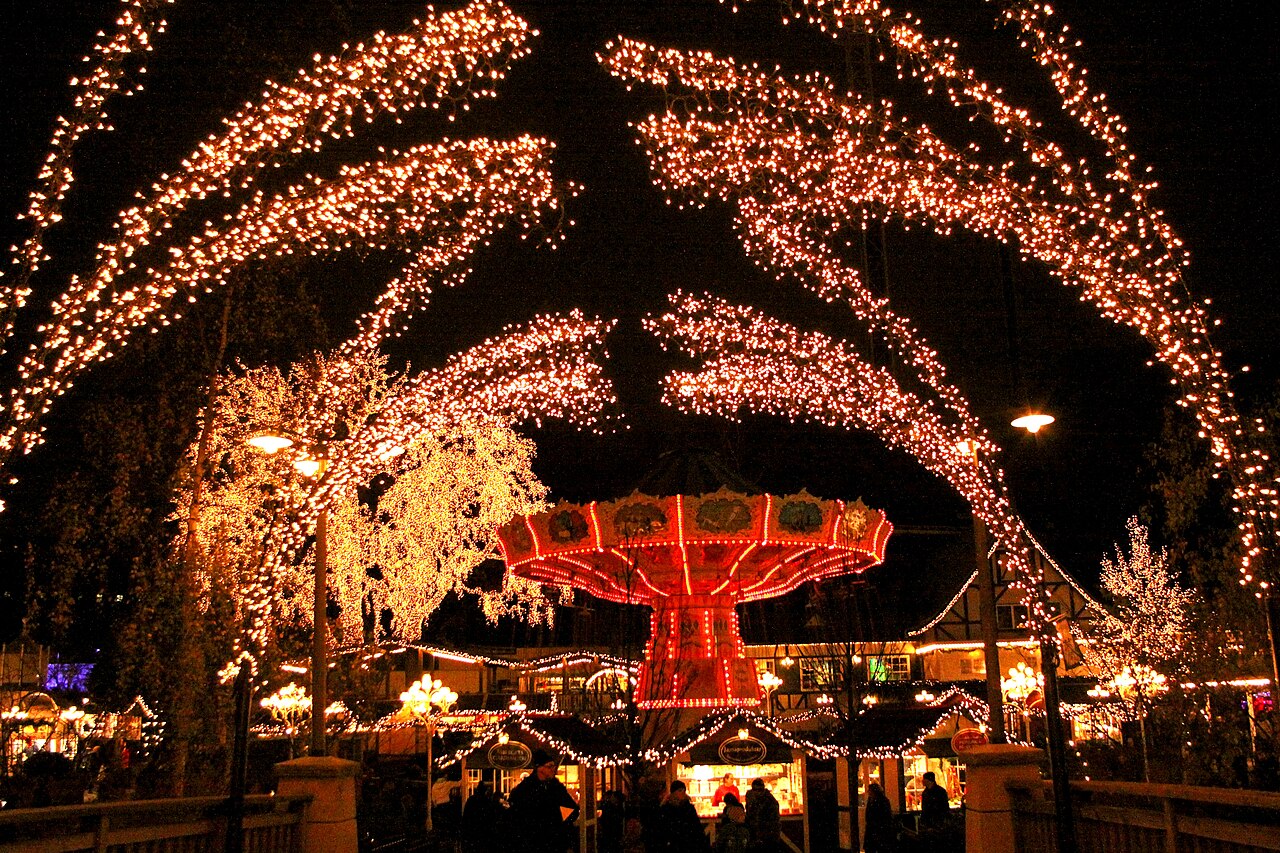
The amusement park in the middle of town opened in 1923 and is one of the most visited in the Nordic region. It has roller coasters such as the wooden Balder and Helix, but also gardens, concerts and gentler rides for children. From mid-November the park turns into Christmas at Liseberg, with millions of lights, a Christmas market, an ice rink and mulled wine. Buy entry and a ride pass in advance to save time and money.
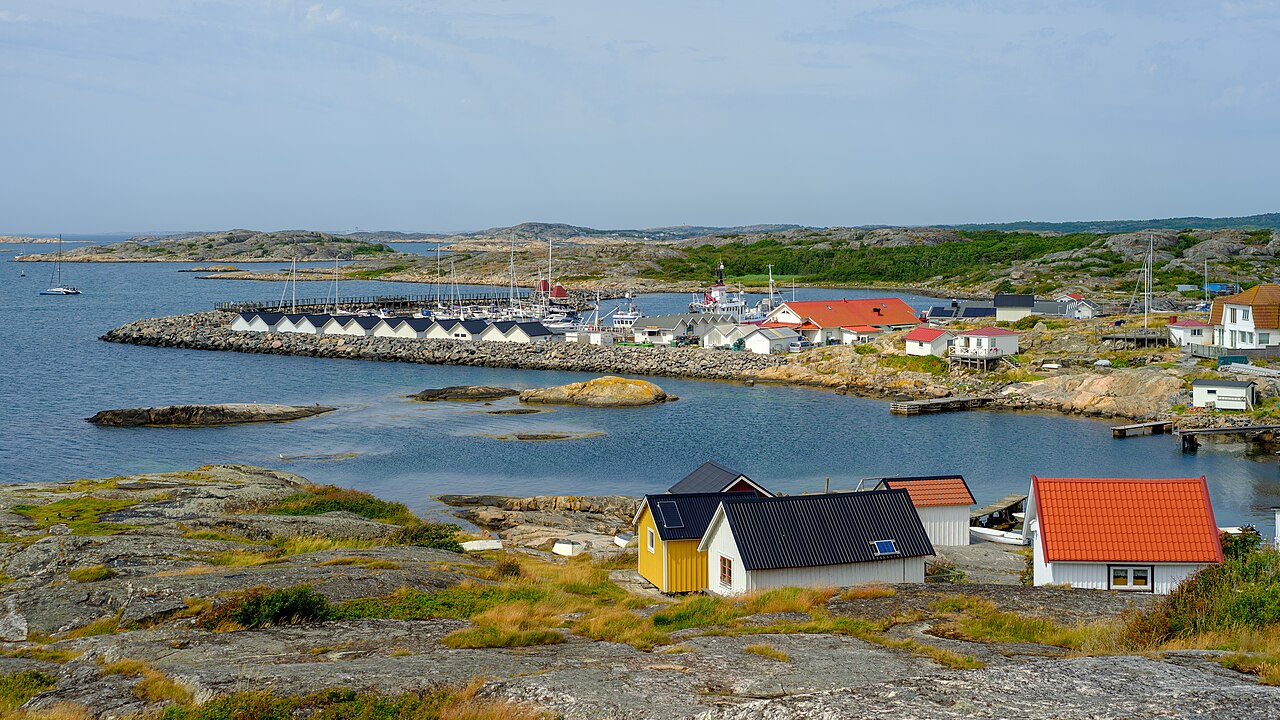
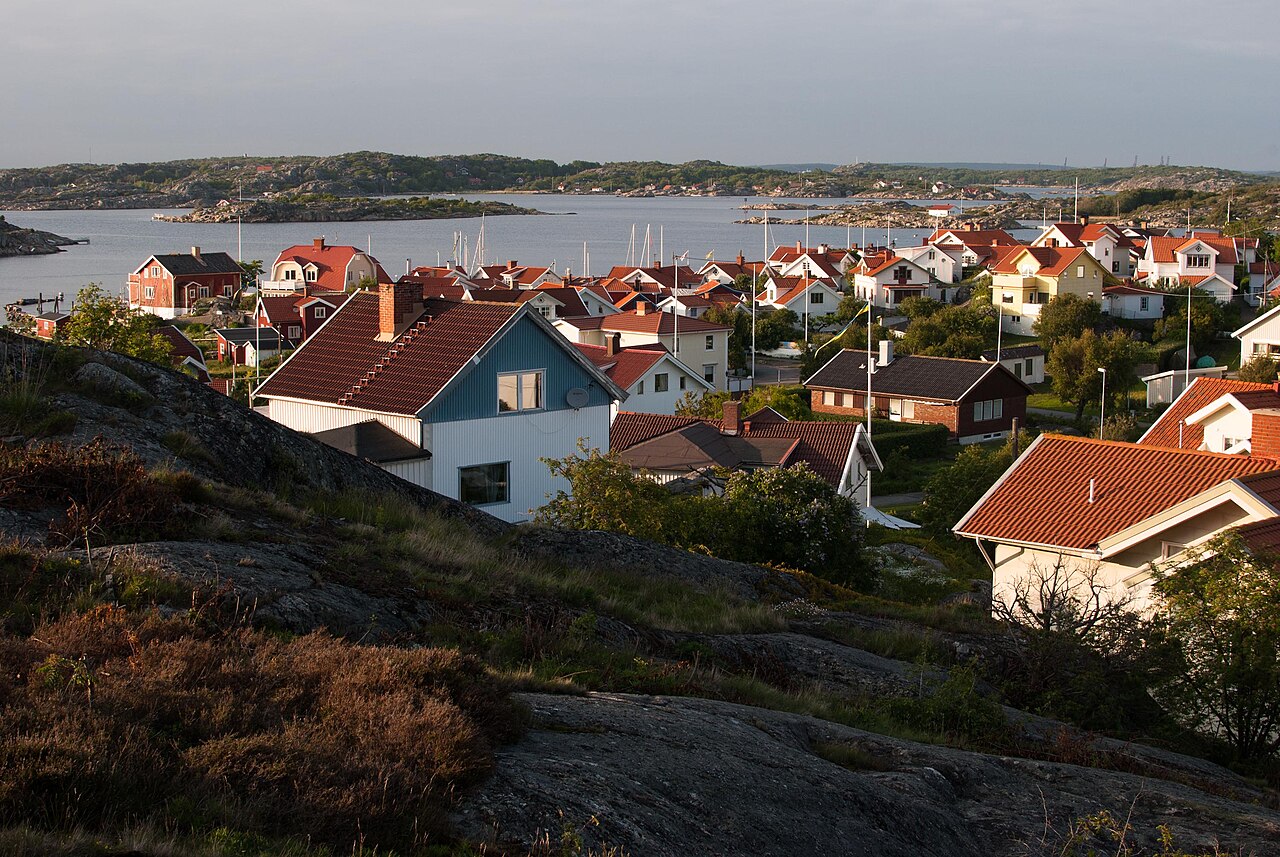
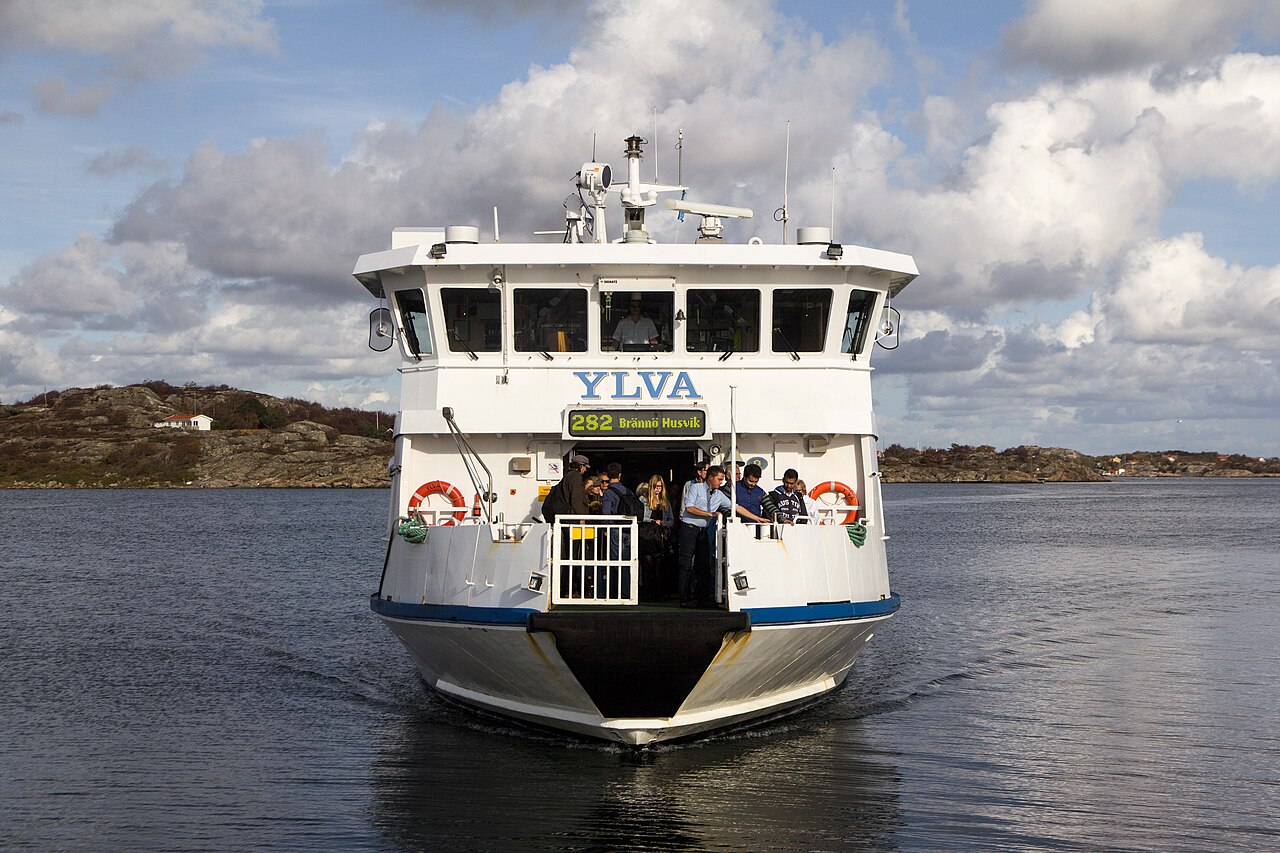
Take the tram to Saltholmen and then the ferry out to the car-free islands of Asperö, Brännö, Köpstadsö, Styrsö, Donsö and Vrångö. The ferries are included in Västtrafik's ordinary tickets. The islands have smooth rocks, swimming coves, little harbours and cafés. Vrångö, the southernmost, has a nature reserve with sandy beaches and views of the open sea.
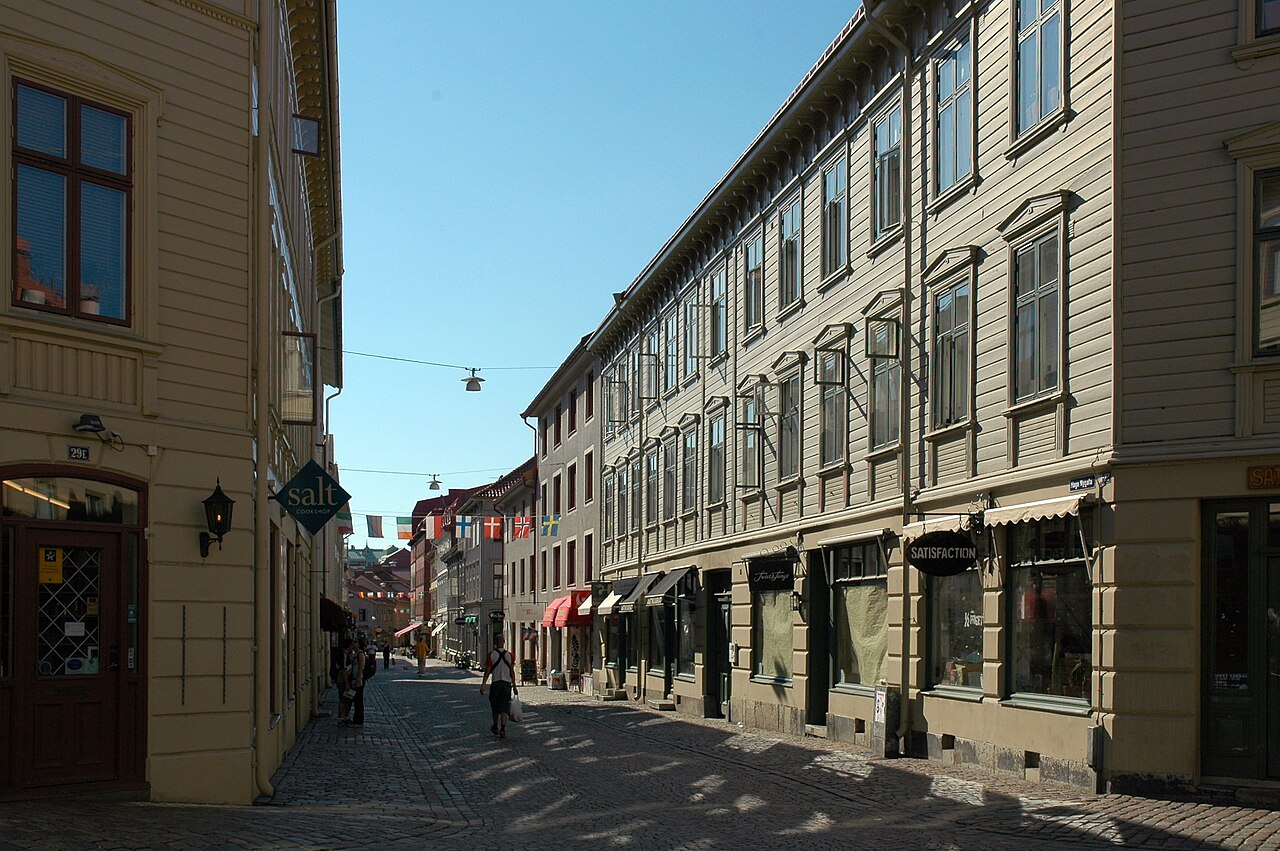
Haga is Gothenburg's oldest suburb, with 19th-century governor's houses and wooden houses along the car-free street Haga Nygata. It's full of cafés, little shops and antique stores, and Café Husaren is famous for its giant cinnamon buns. Afterwards, climb the steps up to Skansen Kronan for a view over the rooftops.
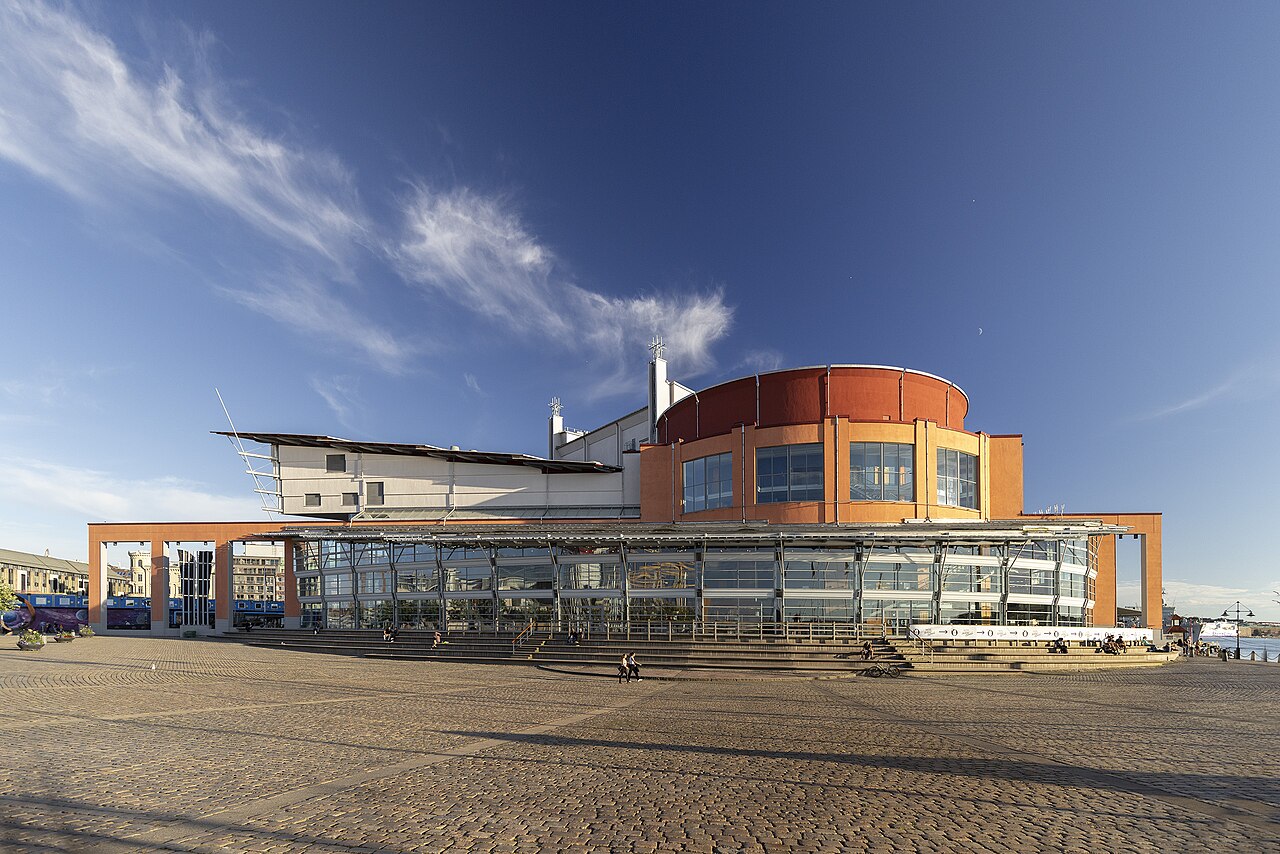
Inom Vallgraven, inside the old moat, is the 17th-century street grid with its canals, Stora Hamnkanalen, Kronhuset and shopping streets. To the south, Avenyn leads up to Götaplatsen with the art museum and the city theatre. Haga has wooden houses and cafés, and neighbouring Linnéstaden has some of the city's best restaurants. Majorna, further west, is a calm area of governor's houses, second-hand shops and cafés around Mariaplan. On Hisingen, across the river, the old shipyards at Eriksberg and Lindholmen have become homes, offices and waterside restaurants.
Gothenburg is a seafood city. Have a shrimp sandwich, fish soup or fresh fish at Feskekôrka, or shop at Saluhallen on Kungstorget, a market hall from 1889. Oysters and mussels are farmed along the coast, and the start of the lobster season in late September is celebrated in the city's restaurants. The city has several restaurants with Michelin stars, but also plenty of simple lunch places with good-value dishes of the day. Fika is taken seriously, with cinnamon buns, shrimp sandwiches and coffee in Haga and Linnéstaden. Gothenburg also has a strong beer scene, with microbreweries all over the city.
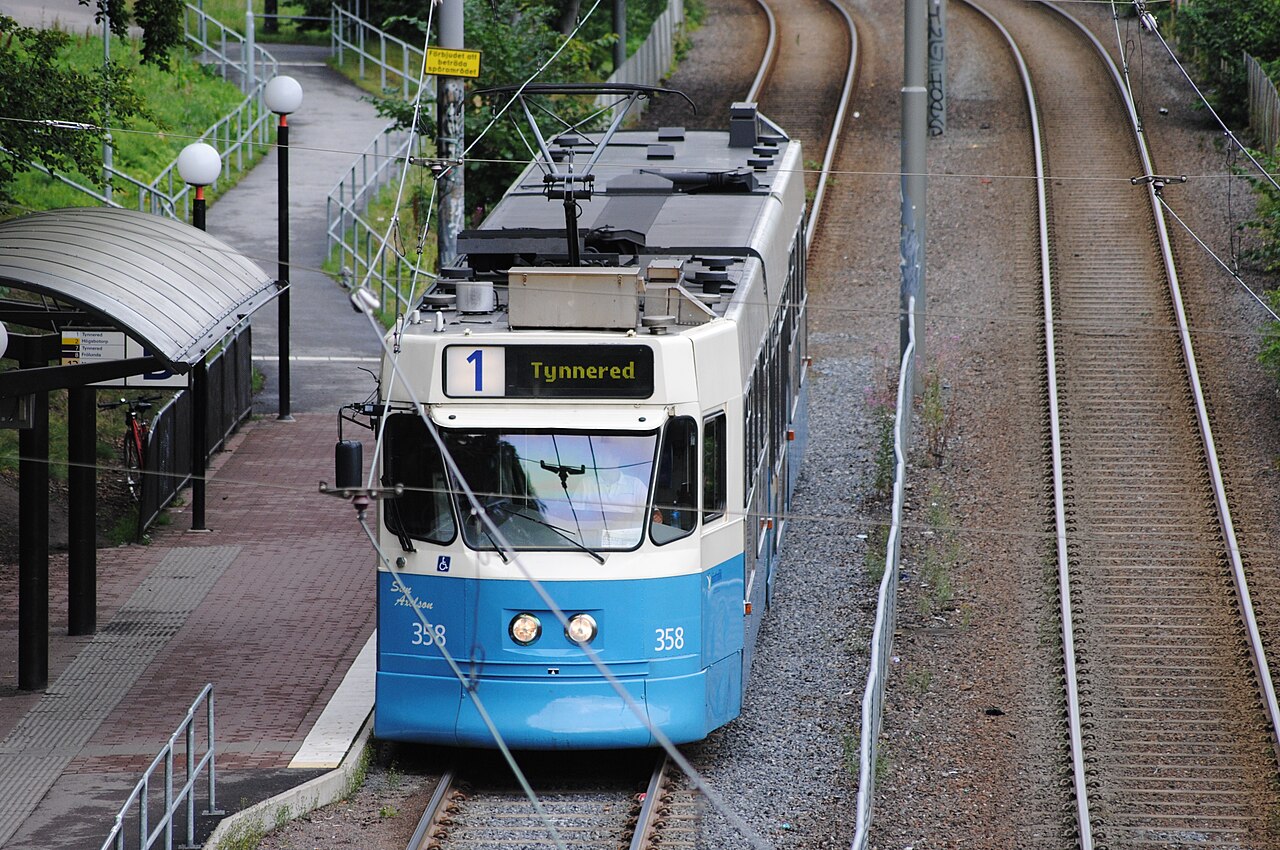
The centre is easy to explore on foot, but the trams quickly take you almost everywhere. Gothenburg has Sweden's largest tram network, and trams, buses, archipelago ferries and the Älvsnabben river ferry all use the same Västtrafik tickets. Buy your ticket in the Västtrafik app or from a machine before boarding, as it can't be bought on board. Älvsnabben between Stenpiren and Hisingen is a cheap way to see the harbour from the water. Styr & Ställ city bikes are available at stations around the centre.
Download the Västtrafik app for tickets and journey planning by tram, bus and boat. Liseberg's app shows queue times and opening hours in the park. The Styr & Ställ app unlocks the city bikes, and Bolt and Uber are available if you need a taxi. It's also worth downloading a map app so you can save places offline before days out in the archipelago.

Sweden is almost cashless, and cards or mobile payment work everywhere, even in cafés and at markets. Some places don't accept cash at all. The tap water is excellent to drink. Tipping isn't required, but it's common to round up or leave around ten per cent in restaurants for good service. Wine and spirits are sold at Systembolaget, which has limited opening hours and closes early on Saturdays. The weather changes quickly on the coast, so bring layers and rain gear even in summer.

Catch an early tram to Saltholmen on a summer's day and hop between the islands of the southern archipelago, with a swimsuit and a packed lunch in your bag. Eat lunch at Feskekôrka or Saluhallen rather than in the evening, when it's cheaper and freshest. Walk up to Skansen Kronan or Ramberget at sunset. Visit Liseberg on a weekday for shorter queues, and consider coming in November or December, when the park and the city are full of Christmas lights.