An Olympic downhill run, an old stone village centre and the highest pass in the Alps behind the village.
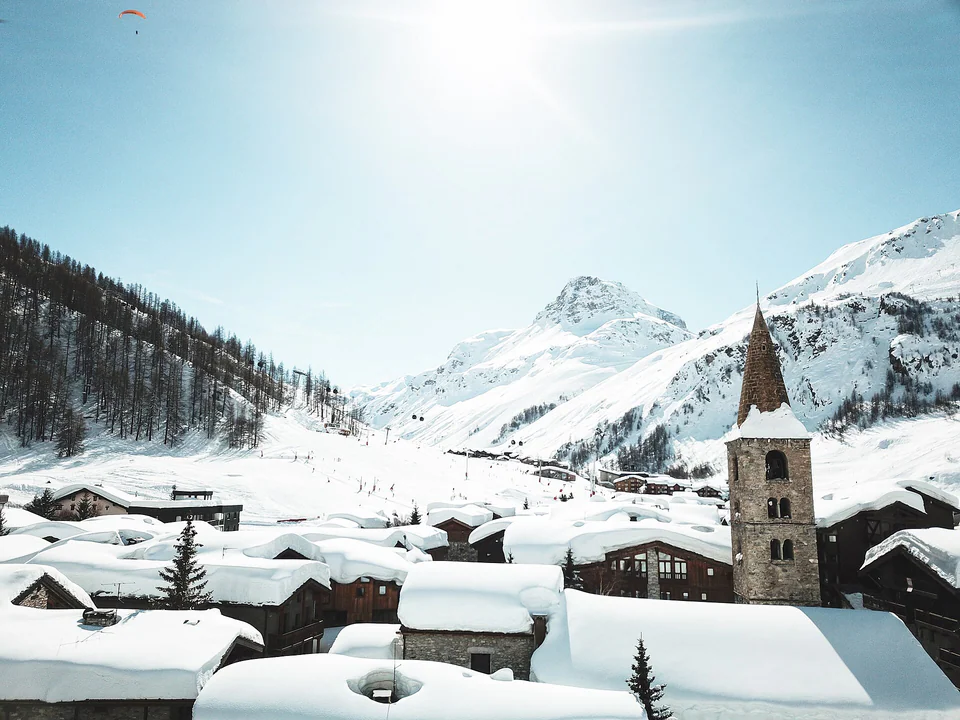
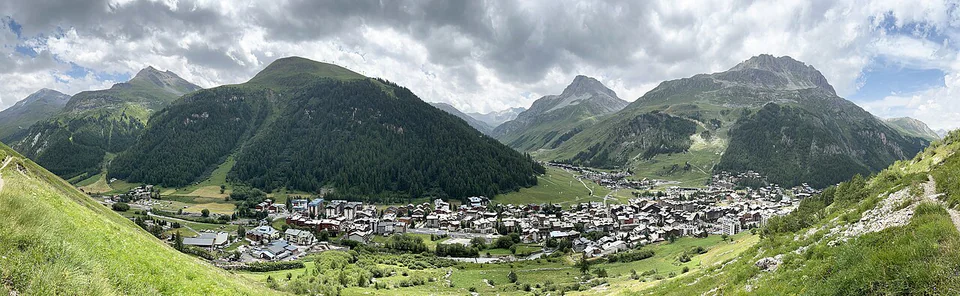
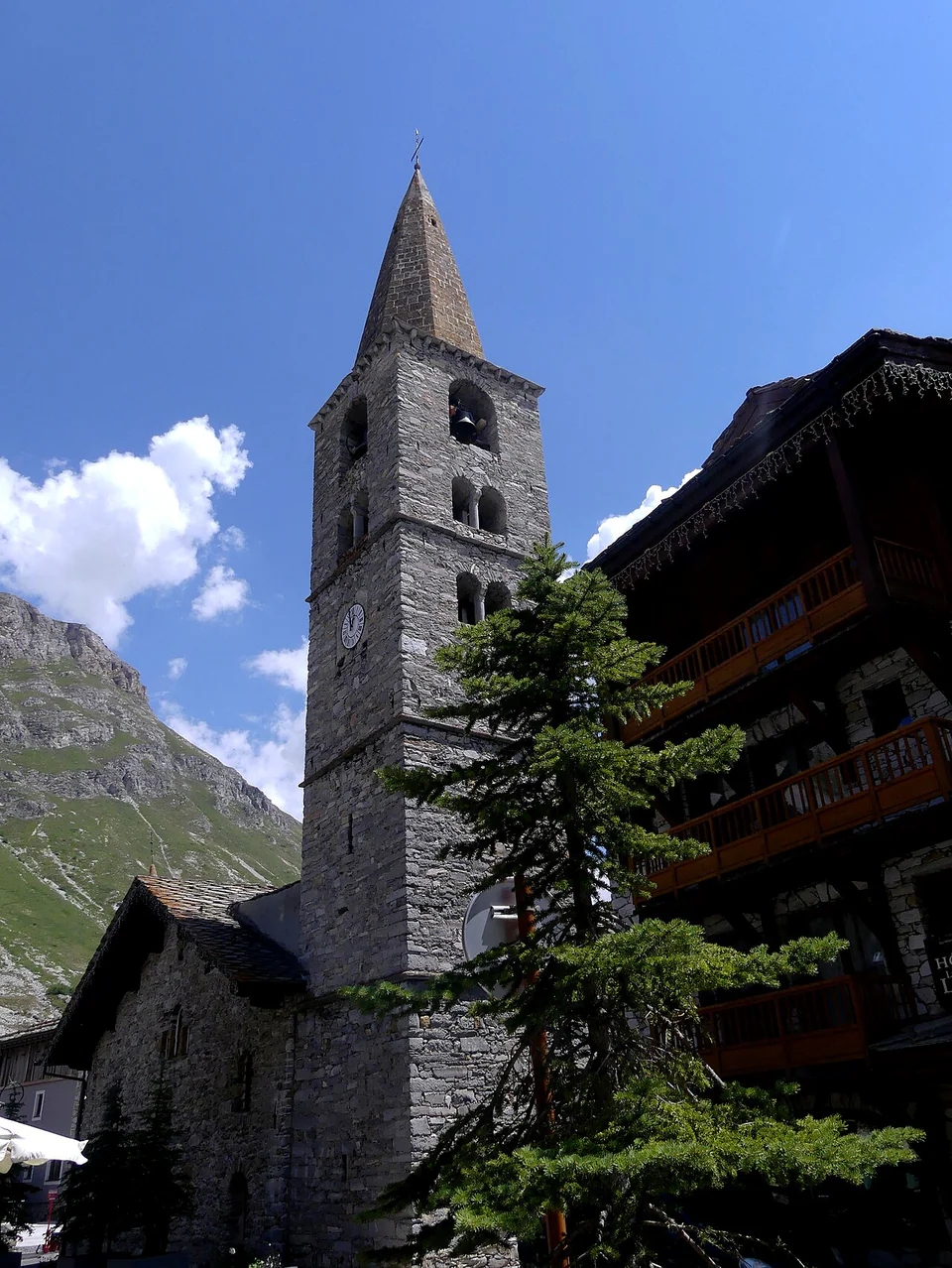
Val d'Isère lies at 1,850 metres above sea level, at the head of the Isère valley in Savoie. From here the road continues up to the Col de l'Iseran, the highest paved pass in the Alps. The village is surrounded by high mountains and lies on the edge of the Vanoise National Park. In the middle of the village stands the church of Saint-Bernard-de-Menthon, with its stone bell tower from 1664.
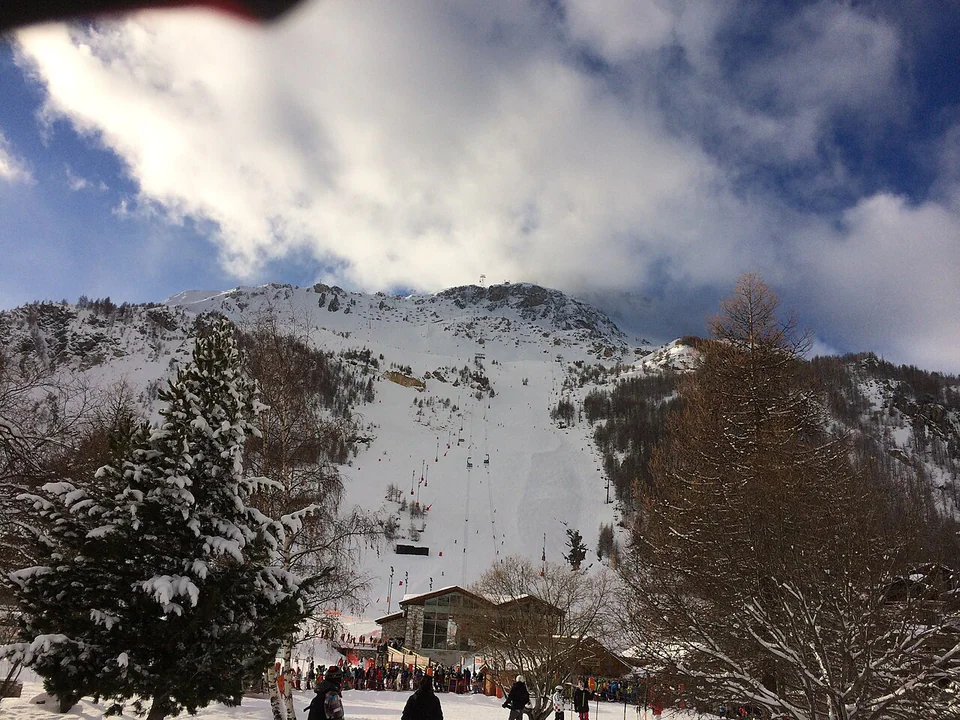
Val d'Isère began to develop into a ski resort in the 1930s, and after the Second World War its growth took off. Jean-Claude Killy grew up here and later won three Olympic gold medals in Grenoble in 1968. At the 1992 Albertville Olympics, the men's downhill was decided on the steep Face de Bellevarde. Every winter the World Cup returns to the same run.
Together with Tignes, Val d'Isère forms a ski area with around 300 kilometres of pistes. There are steep black runs and great opportunities for off-piste skiing, but also easier slopes high up on Solaise. Free buses run through the valley and make it easy to get between the villages and the lifts without a car. The ski season usually runs from late November to early May.
In summer the road over the Col de l'Iseran opens, a well-known goal for cyclists and the highest paved pass in the Alps. Hiking trails lead into the Vanoise National Park, including through the Manchet valley. The old hamlet of Le Fornet still has stone houses from the days before Val d'Isère became a ski resort.
Things to do
Hiking in the Manchet valley
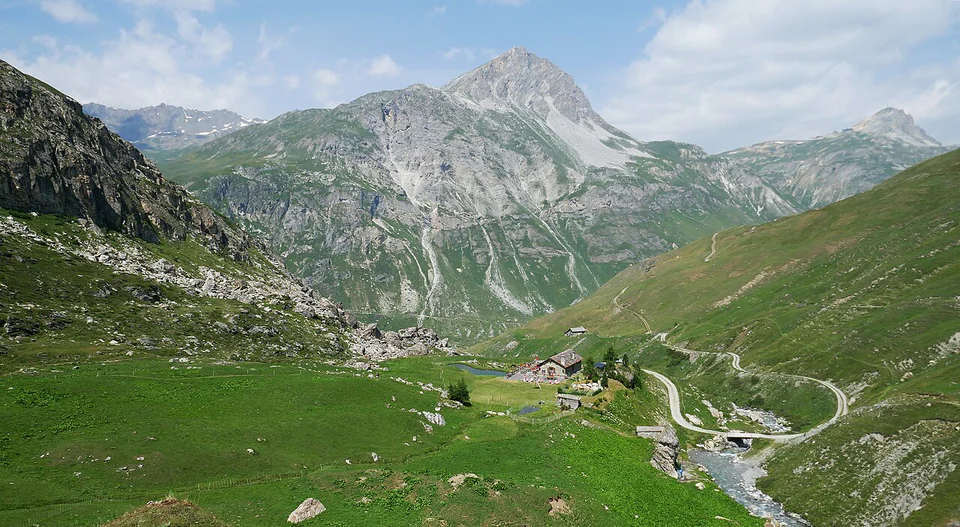
From the village a road leads into the Manchet valley, where paths continue into the Vanoise National Park towards the Col des Fours and the Lac de l'Ouillette. The Ferme de l'Arsellaz farm serves food along the way; book a table in advance.
Cycling up the Col de l'Iseran
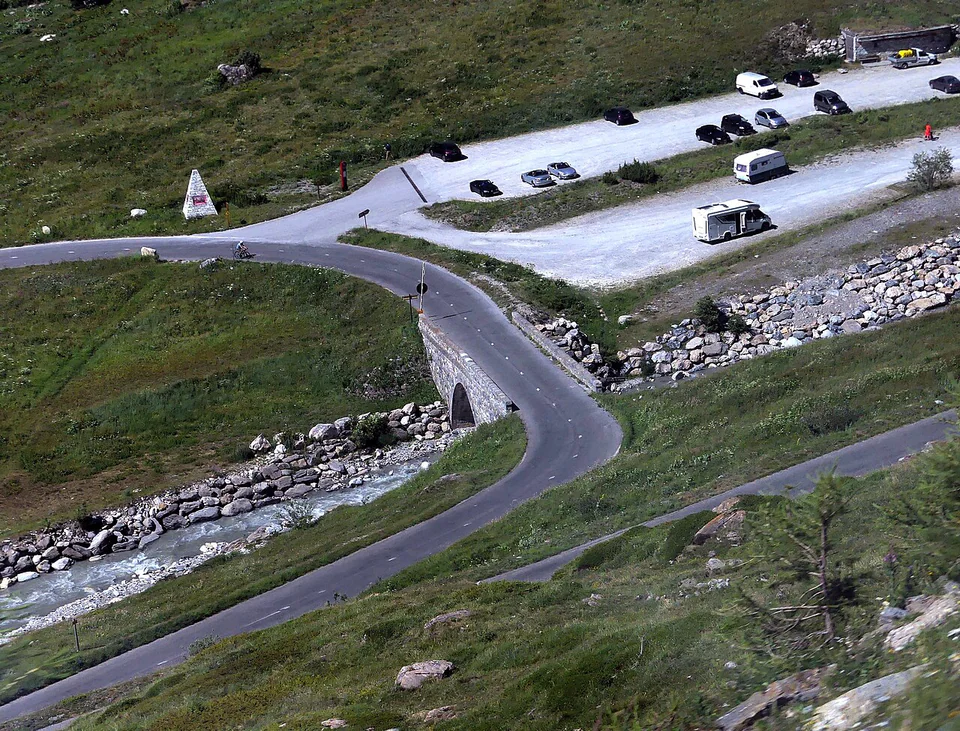
From the village it's around 900 metres of climbing on hairpin bends up to the pass, past the Pont Saint-Charles bridge and Le Fornet. Start early to avoid the cars and afternoon thunderstorms, and bring warm clothes for the descent.
Beginner slopes on Solaise
Up on Solaise, reached by a gondola from the village, there are gentle slopes with covered magic carpets for those learning to ski. There's a cheaper ski pass for Solaise alone, and some beginner lifts down in the village are free.
Pack right
☼
Best December–April and July–August
−12–17 °C
Long, cold, snowy winters and short, cool summers with afternoon thunderstorms. Up on the peaks it's much colder and windier than in the village.
Current currency
€
Euro
1 EUR to SEK
The rate is updated every hour. Always check the current rate before you travel.
Find places to stay in Val d'Isère
Compare hotels and apartments on the map, with current prices.
The map loads from Stay22 only when you click. Stay22 may then set cookies and collect information about your browser. Privacy
Plan your trip
✈Getting to Val d'Isère
The nearest airport is Chambéry (CMF), just over two hours away by car. Geneva (GVA) and Lyon Saint-Exupéry (LYS) are around three hours away, longer on a snowy Saturday when everyone changes over. Buses and transfer companies run from the airports.
By train, travel to Bourg-Saint-Maurice, where buses go up to Val d'Isère in about an hour. In the winter season there are direct TGV trains from Paris. The regional buses stop at the bus station in La Daille, where you change to the resort's free buses.
Check current departures and prices before you travel.
⌂Where to stay
Val d'Isère has everything from luxury hotels and catered chalets to simple apartments, usually let by the week from Saturday to Saturday. The centre is close to the gondolas to Solaise and Bellevarde, La Daille has the Funival funicular and lower prices, and Le Fornet and Le Laisinant are quieter.
Book well ahead for Christmas, New Year, Easter and February, when French school holidays fill the resort.
The big and the small
Selected sights
Saint-Bernard-de-Menthon
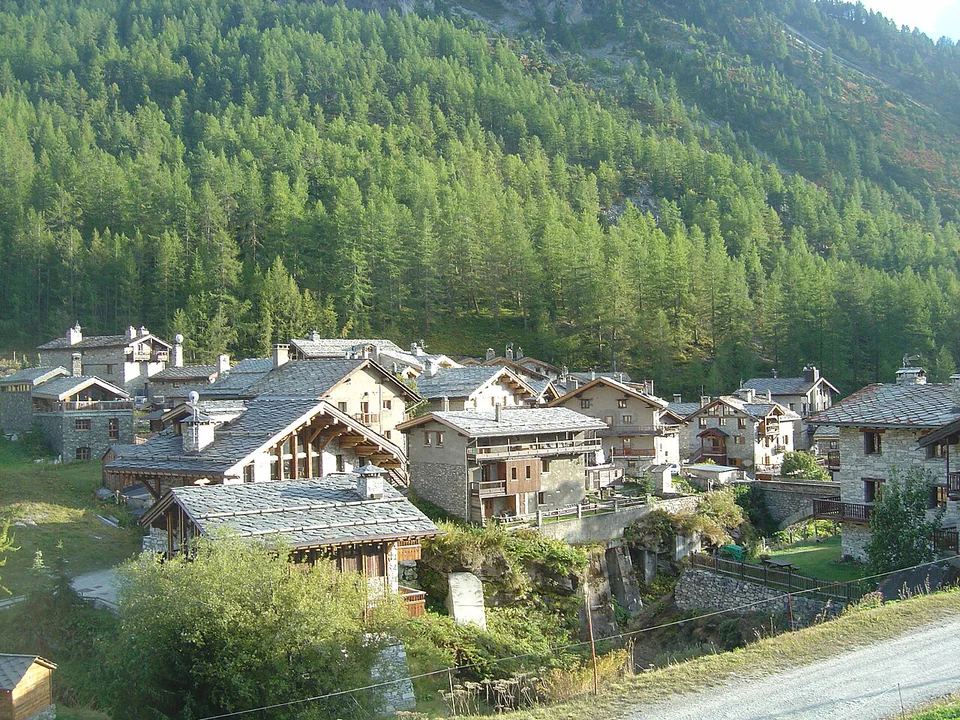
The village church is dedicated to the patron saint of mountain travellers and has a tall stone bell tower from 1664 in the Romanesque tradition. Inside is a baroque-style altarpiece. The church and the stone houses around it are what remains of the old farming village from before the ski resort grew up.
Rocher de Bellevarde
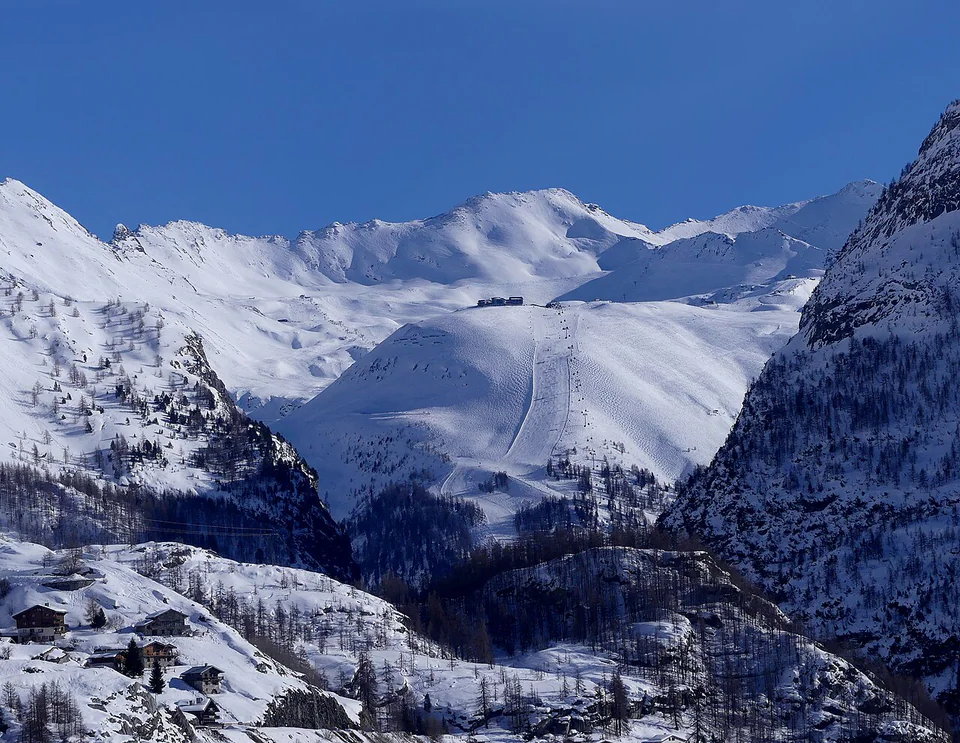
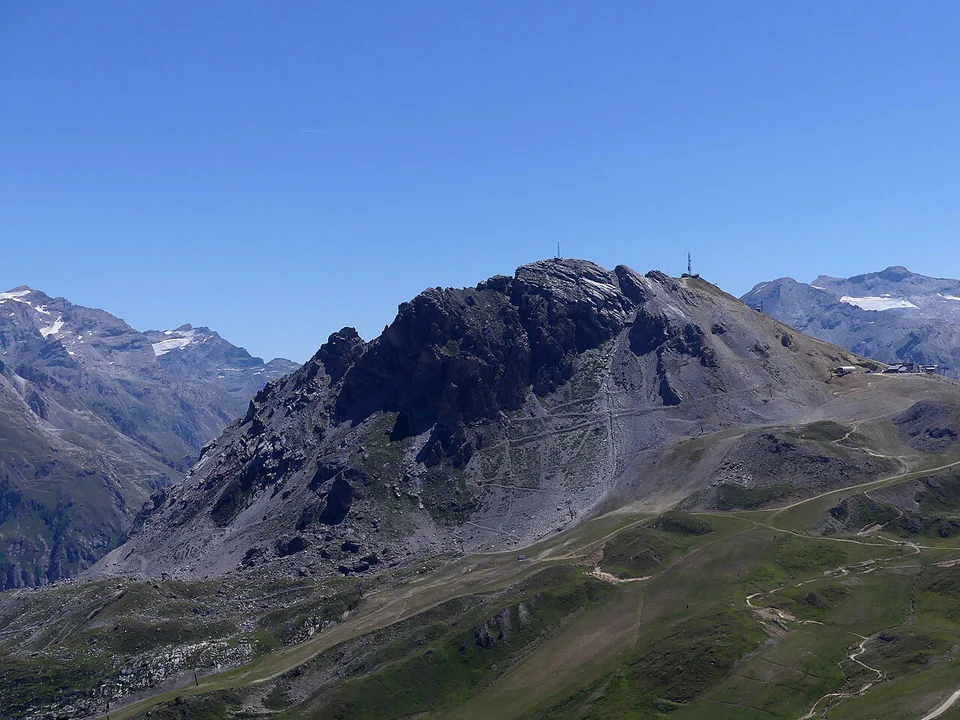
The peak above the village is the heart of the ski area. From La Daille the Funival funicular, mostly in a tunnel, climbs to Bellevarde in a few minutes, and a gondola goes up from the village. From here you have views over the valley and towards Tignes, with runs in several directions.
Vanoise National Park
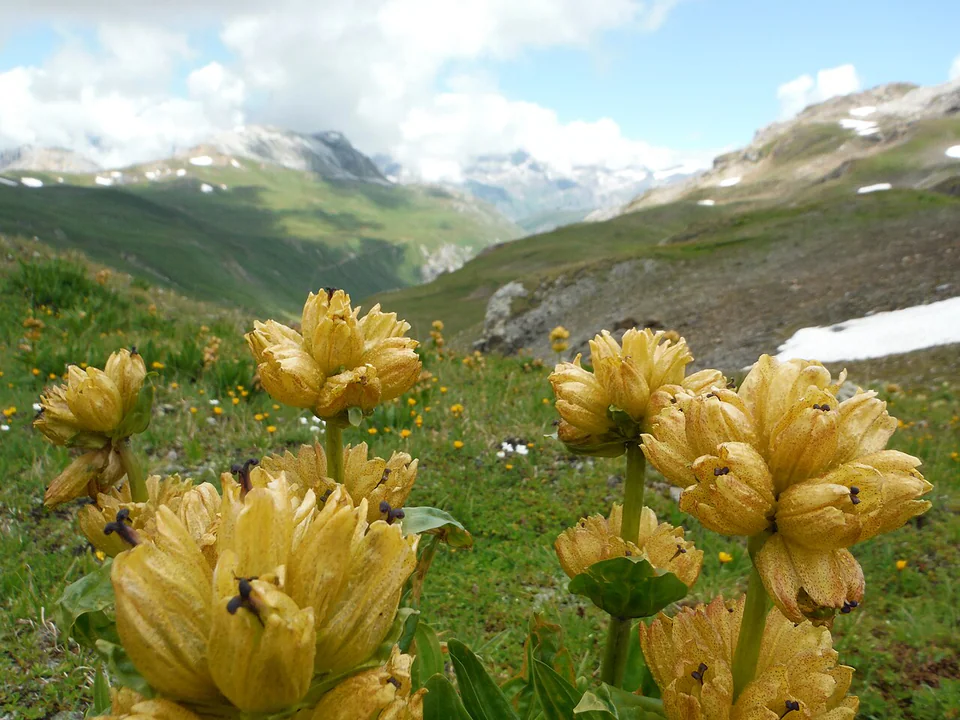
France's first national park was founded in 1963 and begins just south of the village. It's home to ibex, chamois and marmots, and in early summer gentians and alpine flowers bloom in the meadows. Trails from Val d'Isère lead into the park via the Manchet valley and from the road to the Col de l'Iseran.
Gorges de la Daille
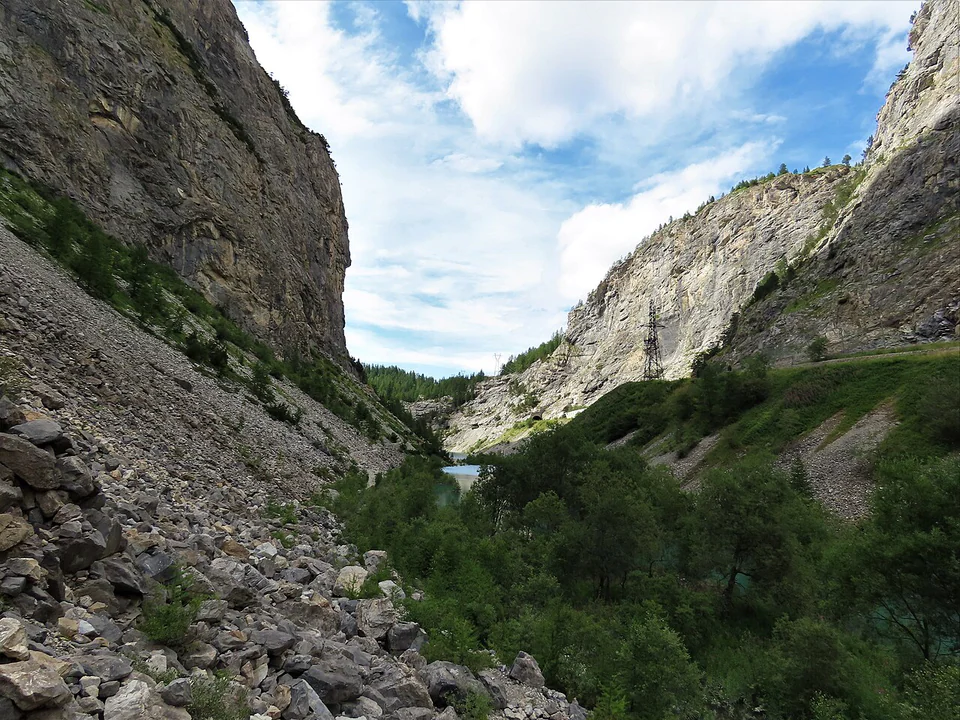
Below La Daille the Isère has cut a narrow gorge with steep rock walls. A path runs through the gorge down towards the Lac du Chevril, secured with cables and railings. The road to Val d'Isère runs through tunnels above, so the gorge is best experienced on foot in summer.
Tignes
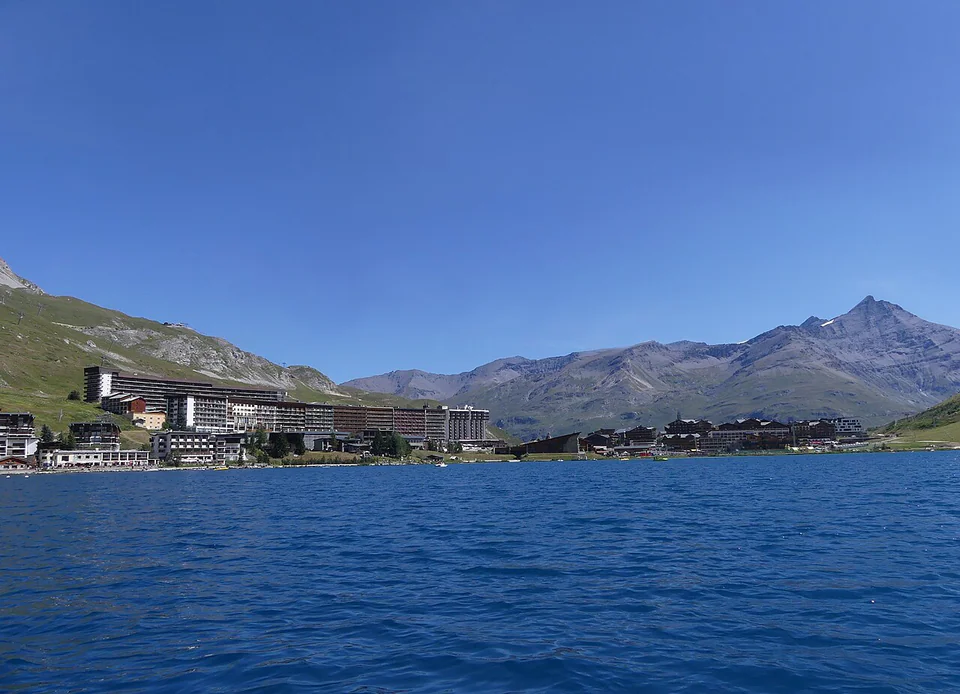
The neighbouring resort on the other side of Bellevarde shares the ski area with Val d'Isère. Its villages sit around a mountain lake at 2,100 metres, with the Grande Motte glacier rising above. On the way there you pass the dam at the Lac du Chevril, where old Tignes has lain under the water since 1952.
Face de Bellevarde
The steep run down towards the village was designed by the Swiss downhill champion Bernhard Russi and opened with the men's downhill at the 1992 Olympics. Today it's part of the Critérium de la Première Neige World Cup races in December. The rest of the winter, experienced skiers can ski it themselves, and from the village you see the run rising straight above the houses.
Col de l'Iseran
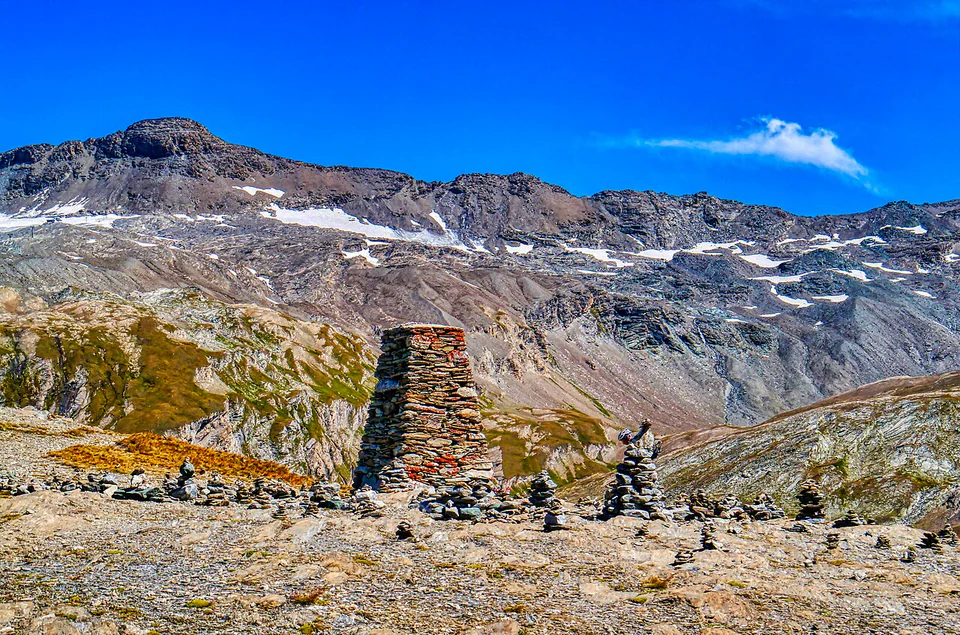
The pass at just over 2,760 metres between Val d'Isère and Bonneval-sur-Arc is considered the highest paved pass in the Alps. The road is clear of snow and open roughly from June to October, depending on the snow. At the top you'll find cairns, views of the glaciers and thin air. The pass has featured in the Tour de France several times.
Le Fornet
The highest village in Val d'Isère lies at around 1,930 metres, on the road to the Col de l'Iseran. It has old stone houses with slate roofs and a calmer atmosphere than the centre. In winter a cable car goes up towards the ski area and the Pissaillas glacier, and the free bus takes you to the village.
Worth knowing
Villages in Val d'Isère
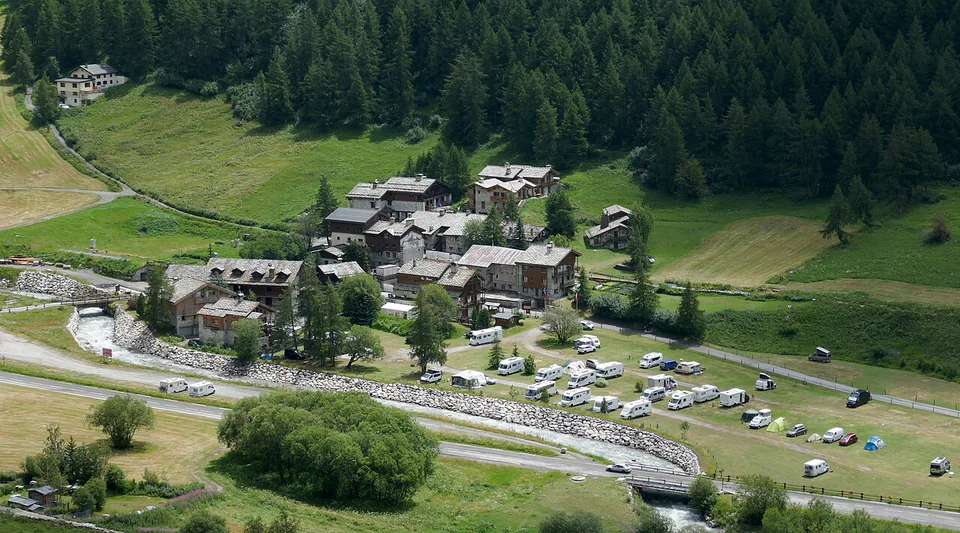
The centre, with the church, shops and restaurants, lies in the middle of the valley. Further down is La Daille, with the Funival and the bus station, and further up are Le Laisinant and Le Fornet, on the road to the Col de l'Iseran. Le Manchet, in the side valley behind the centre, is a small hamlet on the edge of the Vanoise.
Food & drink
Savoyard food is made for cold days. Try tartiflette, a potato bake with reblochon cheese and bacon, fondue savoyarde, raclette and diots, local sausages often served with crozets, small square pasta. Beaufort, a hard cheese from the Tarentaise and the neighbouring valley, is on almost every menu, and after the meal you'll often be offered génépi, a mountain herb liqueur. Val d'Isère has everything from mountain restaurants on the slopes to Michelin-starred restaurants and lively après-ski bars.
Skiing
From Val d'Isère you reach three sectors: Bellevarde, with the Funival from La Daille and a gondola from the centre, Solaise right above the village, and Le Fornet with the cable car towards the Pissaillas glacier. Together with Tignes there are around 300 kilometres of pistes, with steep black runs such as the Face de Bellevarde and plenty of off-piste. There are ski passes for Val d'Isère alone and for the whole area including Tignes.
The season usually runs from late November to early May. In December the World Cup races on the Face de Bellevarde, and parts of the run may then be closed.
Getting around
The free Train Rouge bus runs through the whole valley, from La Daille to Le Fornet, about every ten minutes in winter and less often in summer. A car isn't needed for a ski trip but is handy for the Col de l'Iseran and outings in the valley. From 1 November to 31 March you must have winter tyres or carry snow chains on the mountain roads.
Apps
The resort's website, valdisere.com, shows which lifts and pistes are open, bus times, the weather and events, and you can buy ski passes there. Download a weather app with mountain forecasts, as wind and snowfall decide whether the highest lifts run. A map app with offline hiking trails is handy in summer.
Essentials
The currency is the euro, and cards work almost everywhere. EU roaming rules apply. At 1,850 metres and above, the air is thinner than you may be used to, so take it easy on the first day and drink plenty of water. The sun is strong at altitude, even on a cold day. The off-piste carries avalanche risk: only ski off-piste with avalanche gear and preferably a guide.
Extra tips and advice
Choose your season by what you want to do: skiing from late November to early May, hiking and cycling in July and August. Try to avoid February, when French school holidays make the resort full and expensive; January and March are often quieter. If you want to see the World Cup, go in early December. Between seasons, in early summer and autumn, many hotels, restaurants and lifts are closed.
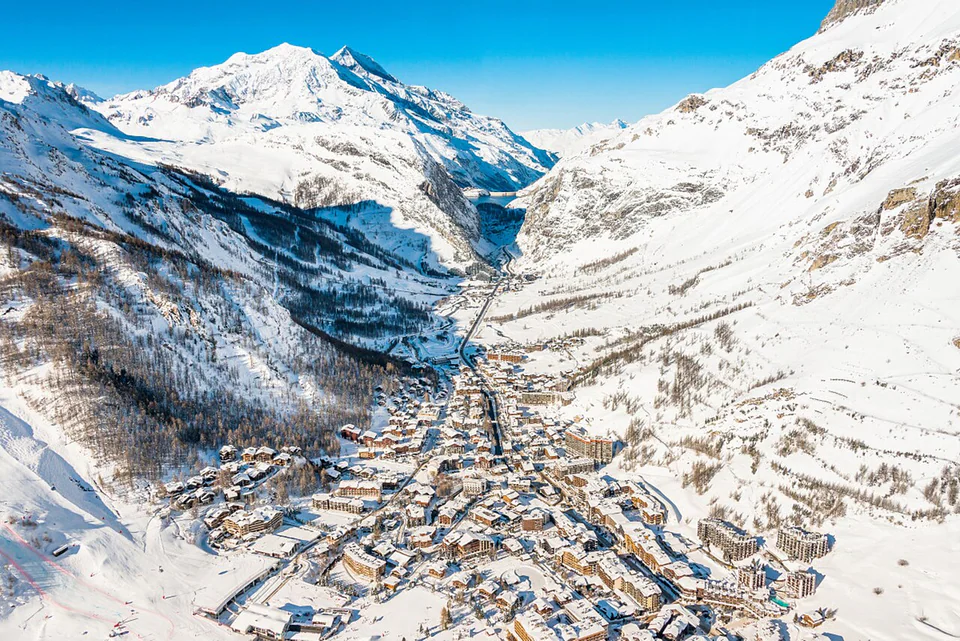
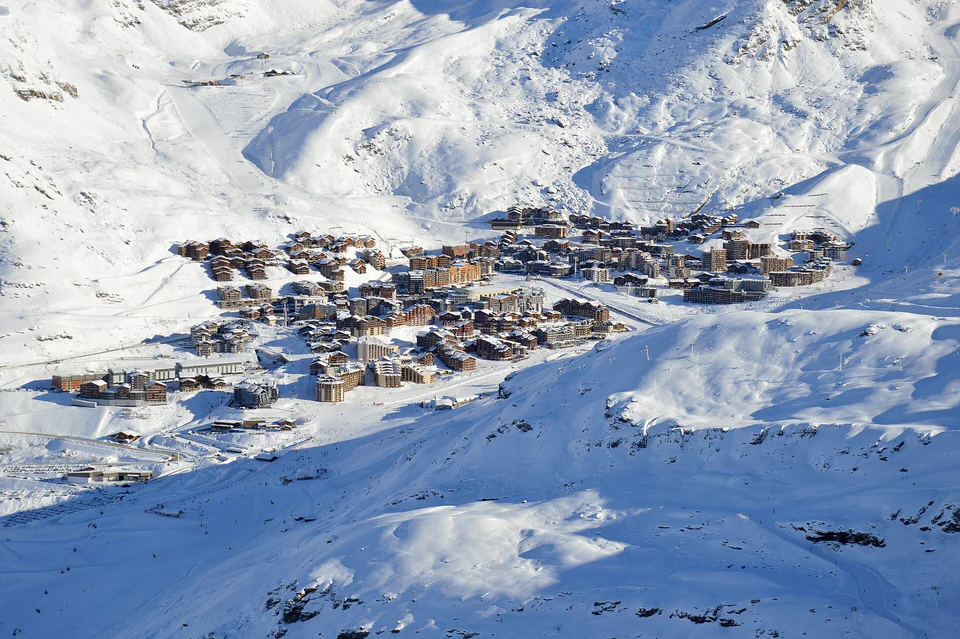
Val d'Isère and the valley from above on a winter day
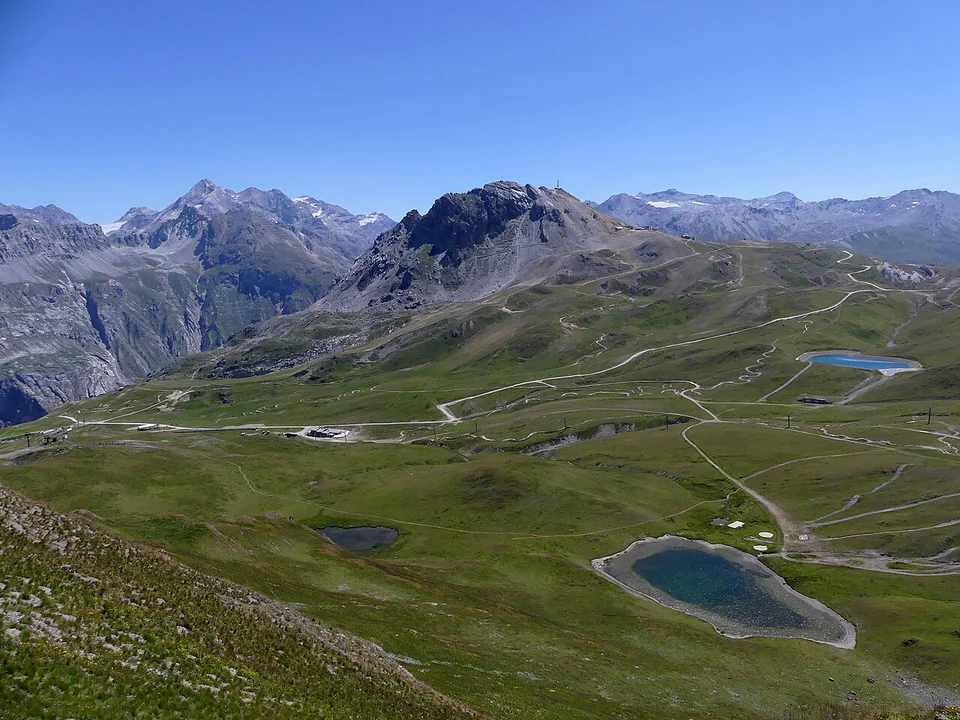
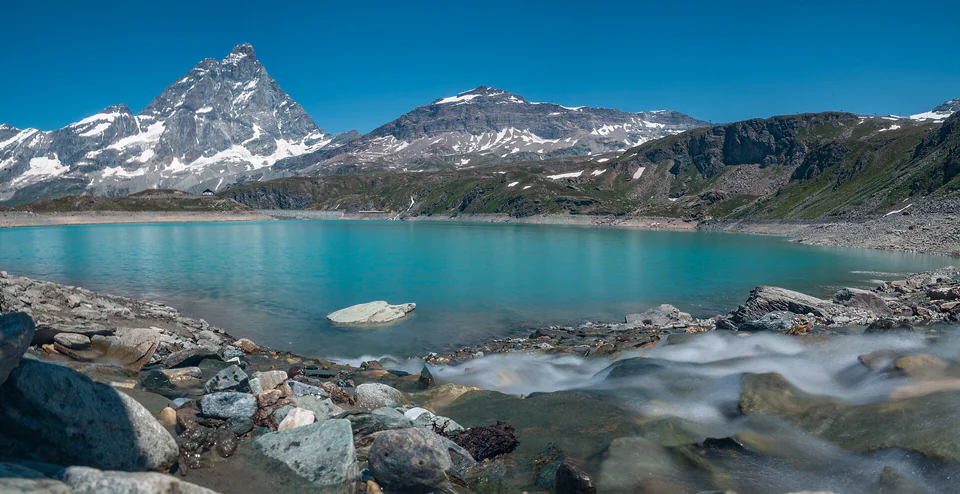
The Val d'Isère ski area with mountain lakes on a summer day