Hiking the GR5
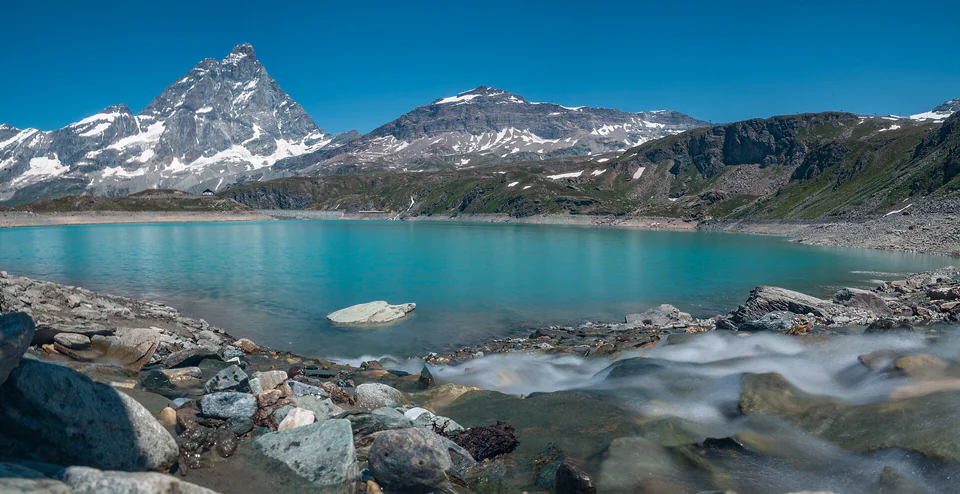
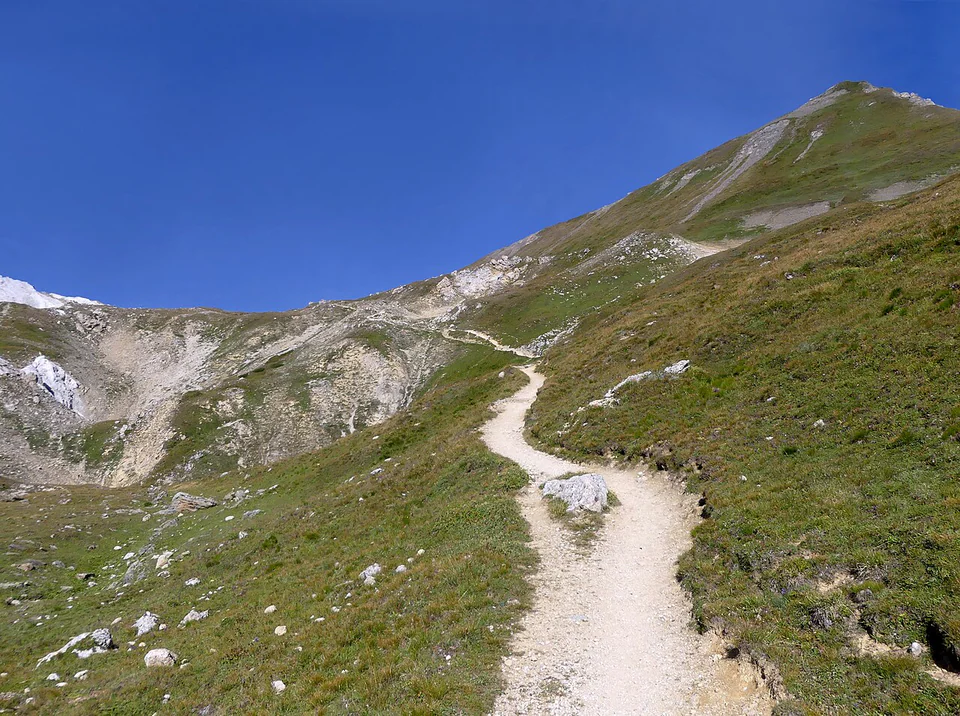
The long-distance GR5 trail across the Alps passes through Tignes. A good day hike goes from Tignes Le Lac up to the Col du Palet pass, on the edge of the Vanoise National Park, with mountain lakes and marmots along the way.
Your guide to Tignes
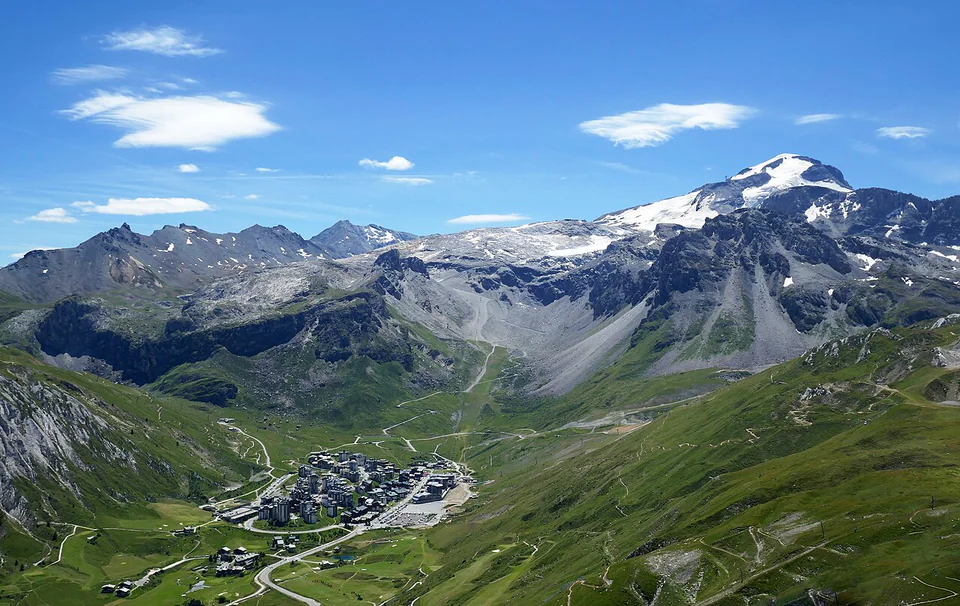
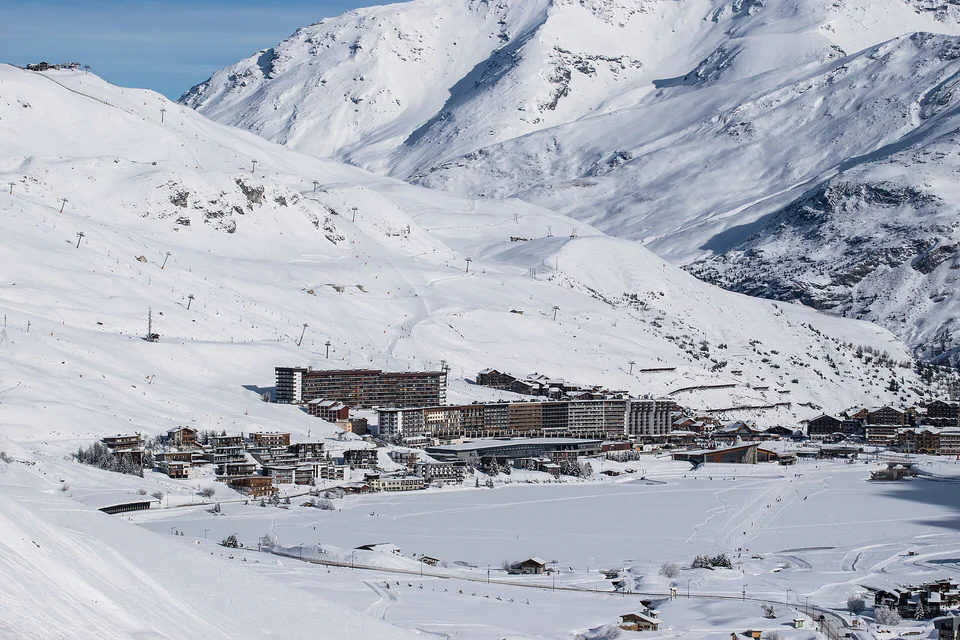
Tignes lies high up in the Tarentaise valley in Savoie, close to the Italian border and next door to Val d'Isère. The resort is made up of several villages at different altitudes. Tignes Le Lac, Le Lavachet and Val Claret sit around a mountain lake at about 2,100 metres above sea level, while Tignes 1800 and Les Brévières lie further down the valley. Above the resort rises the Grande Motte glacier.
The old village of Tignes is under water today. After the Second World War, a 180-metre dam was built in the valley. When the reservoir filled in 1952, the old village ended up beneath the surface of the new Lac du Chevril. A new ski resort grew up higher up instead, around the Lac de Tignes, mostly in the 1960s. At the 1992 Albertville Olympics, several freestyle skiing events were held in Tignes.
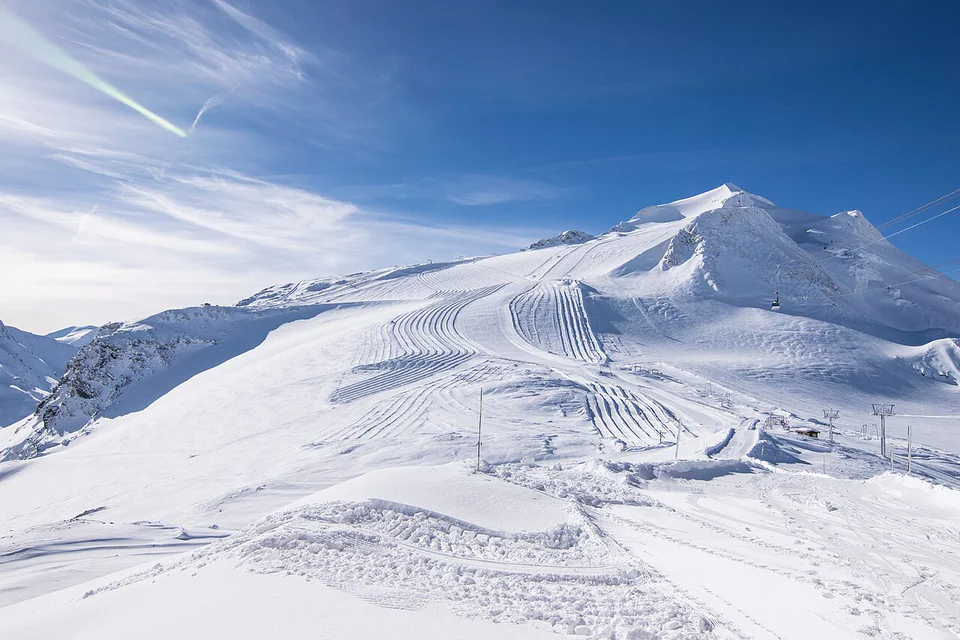
Together with Val d'Isère, Tignes forms a ski area with around 300 kilometres of pistes, from 1,550 to 3,456 metres. The high altitude and the Grande Motte glacier make for a long ski season, which normally runs from late November to early May. Snow conditions are usually good even at the beginning and end of the season.
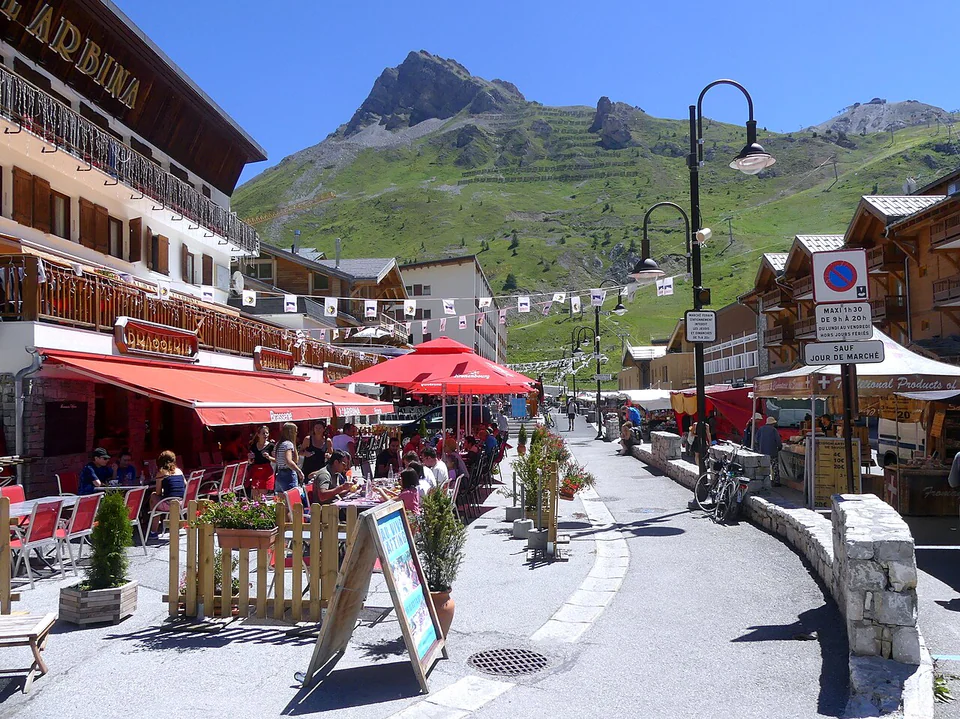
In summer the Lac de Tignes becomes a place to swim, with an 18-hole golf course right next to it. Hiking trails reach into the Vanoise National Park and up to the distinctive Aiguille Percée rock arch. On the Grande Motte glacier you can also often ski in early summer, usually in the mornings.
Things to do
The long-distance GR5 trail across the Alps passes through Tignes. A good day hike goes from Tignes Le Lac up to the Col du Palet pass, on the edge of the Vanoise National Park, with mountain lakes and marmots along the way.
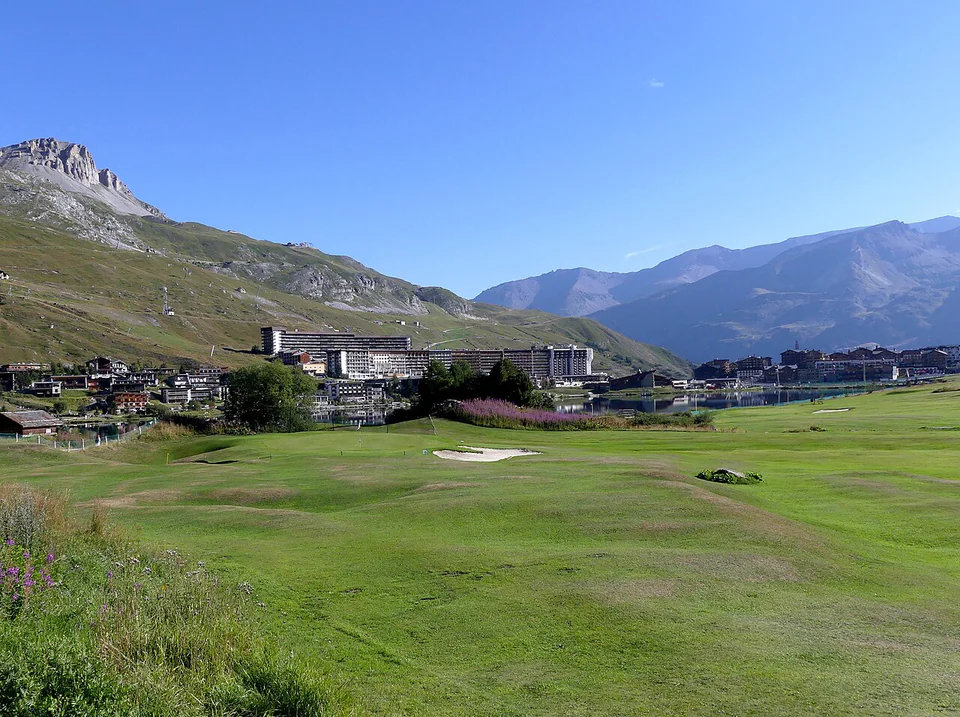
The golf course by the Lac de Tignes has 18 holes and is one of the highest in Europe. It's open from late June to early September, with the Grande Motte in the background.
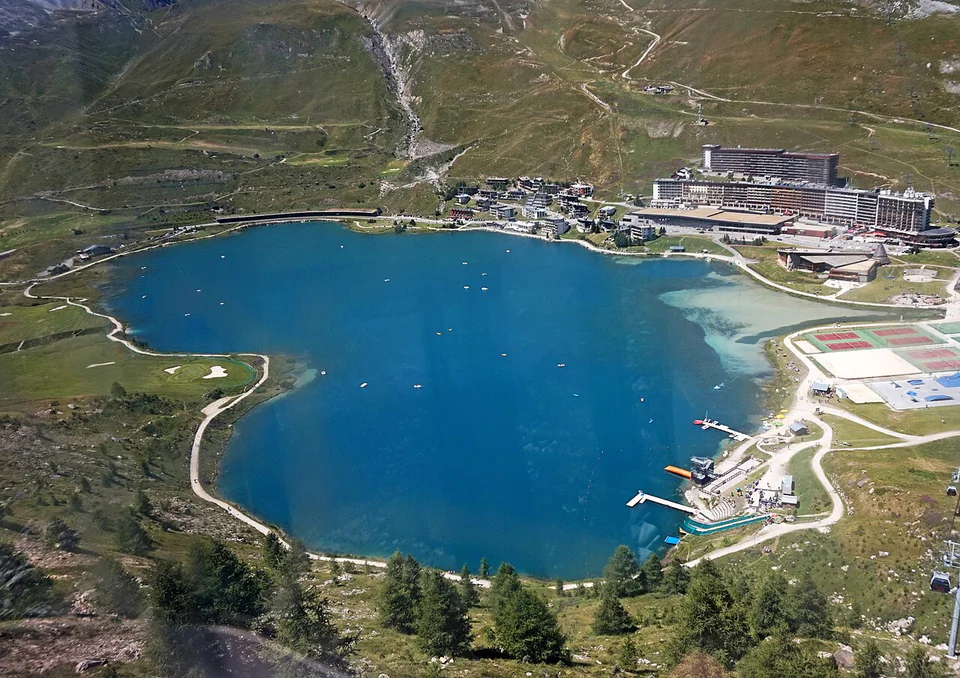
In summer the lake has a beach and rents out pedal boats, kayaks and paddleboards. The water is cold even in July, but on a sunny afternoon the beach is full of people.
Pack right
Best December–April and July–August
−12–16 °CLong, cold, snowy winters and short, cool summers. On the glacier it's much colder and windier than down by the lake, and snowfall or wind can close the highest lifts.
Current currency
Euro
1 EUR to SEKThe rate is updated every hour. Always check the current rate before you travel.
Compare hotels and apartments on the map, with current prices.
The map loads from Stay22 only when you click. Stay22 may then set cookies and collect information about your browser. Privacy
Plan your trip
The nearest airport is Chambéry (CMF), about two hours away by car. Geneva (GVA) and Lyon Saint-Exupéry (LYS) are both around three hours away, longer on a snowy Saturday when everyone changes over. Buses and transfer companies run from the airports to Tignes.
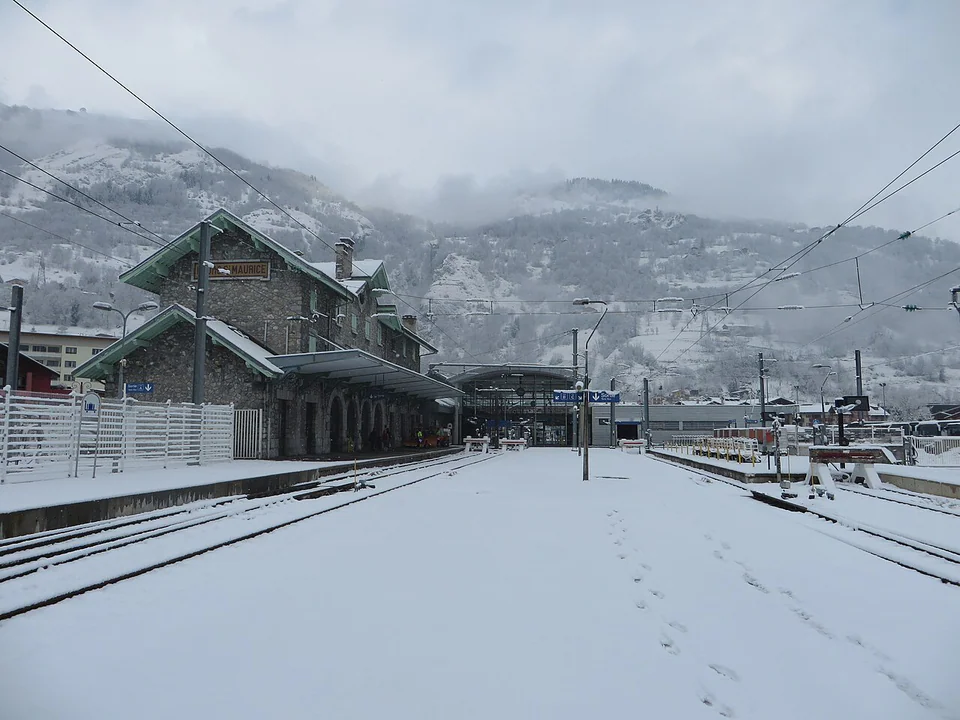
By train, travel to Bourg-Saint-Maurice, where buses cover the last 30 kilometres up to Tignes in about an hour. In the winter season there are direct TGV trains from Paris.
Check current departures and prices before you travel.

Most accommodation in Tignes is apartments, often ski-in, ski-out, usually let by the week from Saturday to Saturday. There are also hotels and chalets. Tignes Le Lac and Val Claret are in the middle of the ski area, while Tignes 1800 and Les Brévières are quieter and often cheaper.
Book well ahead for Christmas, New Year, Easter and February, when French school holidays fill the resort.
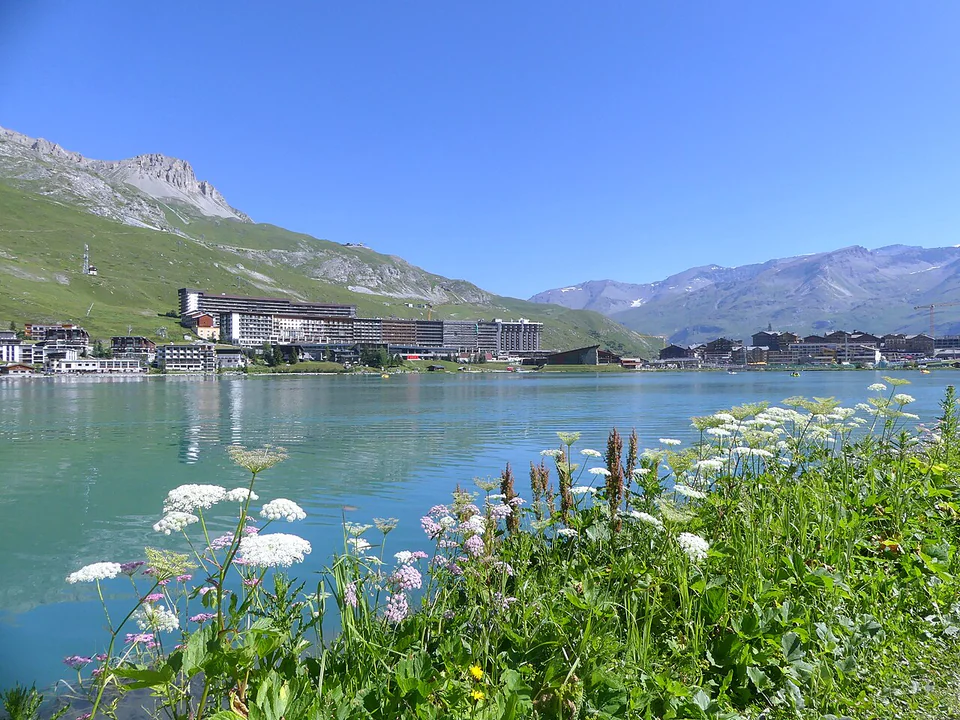
The big and the small
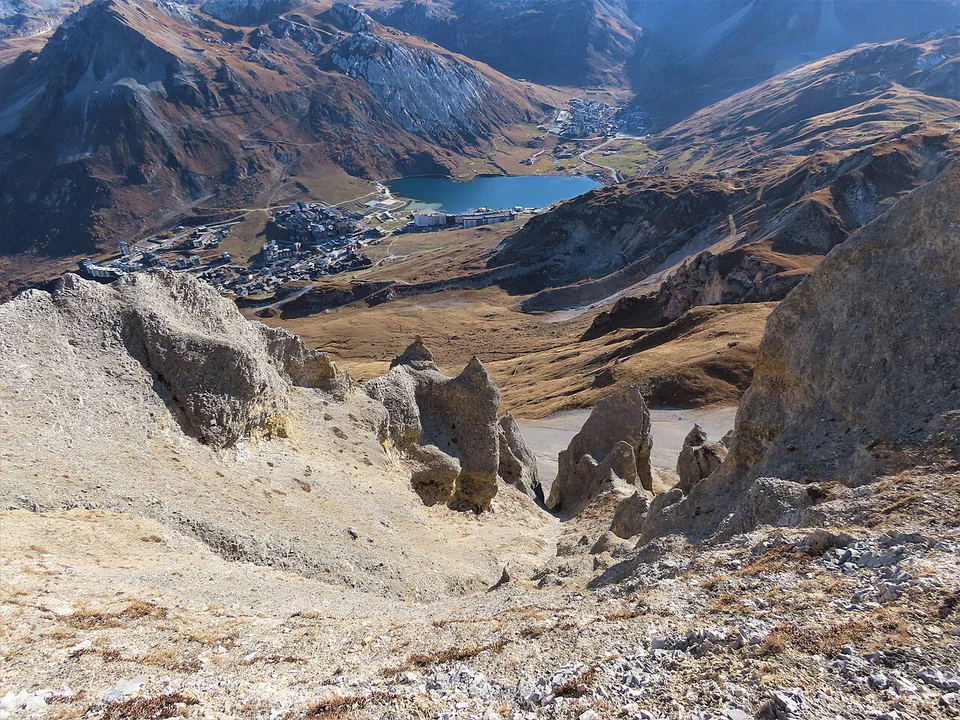
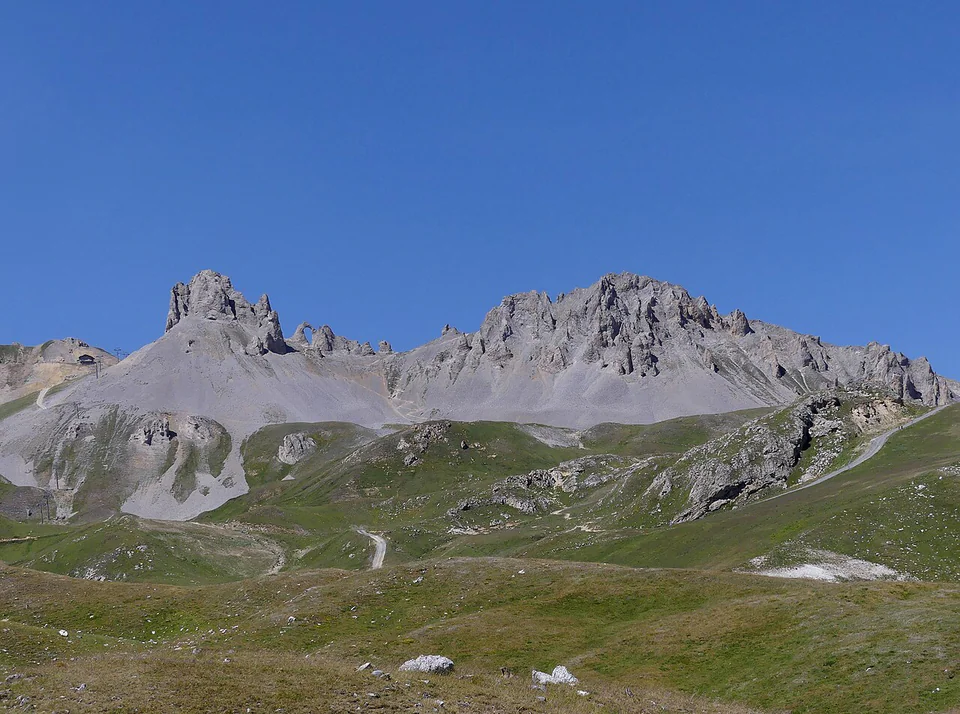
The rock arch at just over 2,700 metres, above Tignes Le Lac, is the resort's landmark. Erosion wore the hole through a ridge of porous limestone. In summer you can get here on a hike of a couple of hours there and back from the lake, and in winter a chairlift goes up nearby.
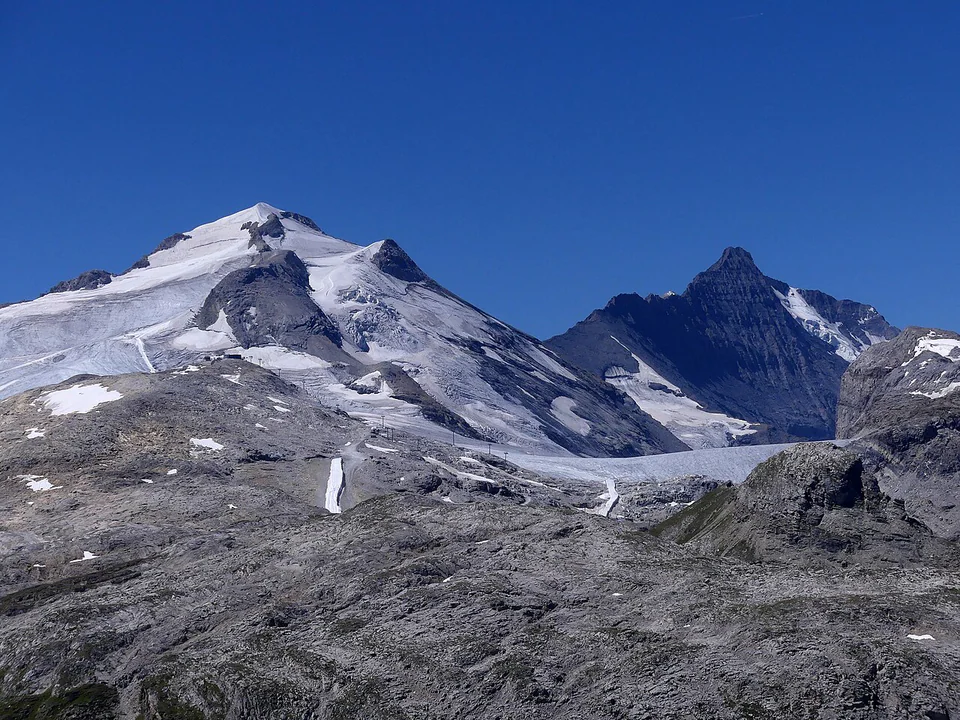
France's first national park was founded in 1963 and borders Tignes to the south. It's home to ibex, chamois and marmots, and the glaciers on the Grande Motte and the Grande Casse, the highest peak in the massif, can be seen from much of the ski area. Trails from Tignes lead into the park via the Col du Palet and the Col de la Leisse.
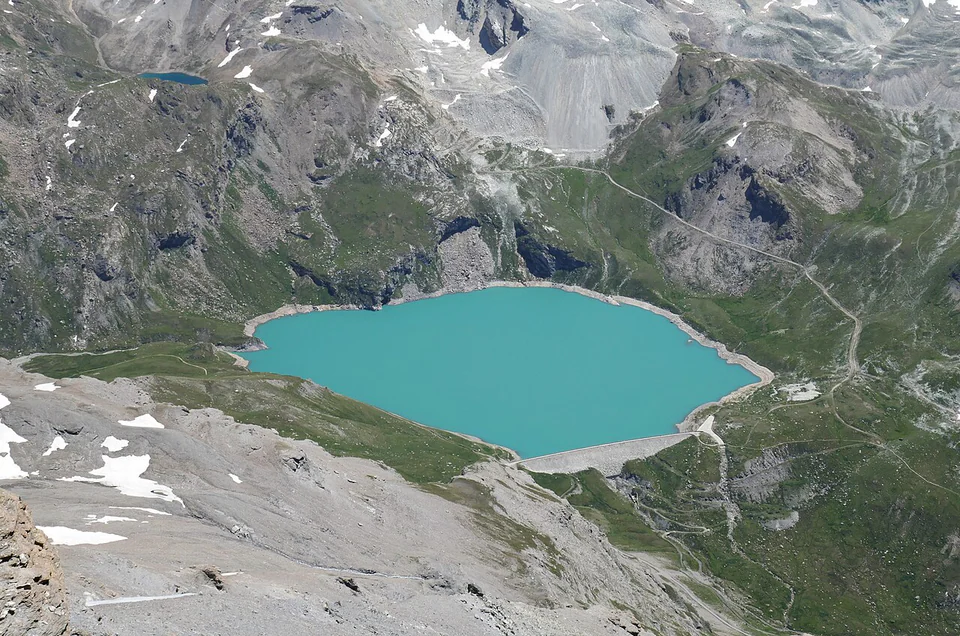
The turquoise lake at almost 2,500 metres lies in the Grande Sassière nature reserve, created in 1973 in a high side valley north of Tignes. A narrow road leads up from the Lac du Chevril in summer, and paths around the lake head towards the glaciers on the Italian border. The reserve is managed by the Vanoise National Park.
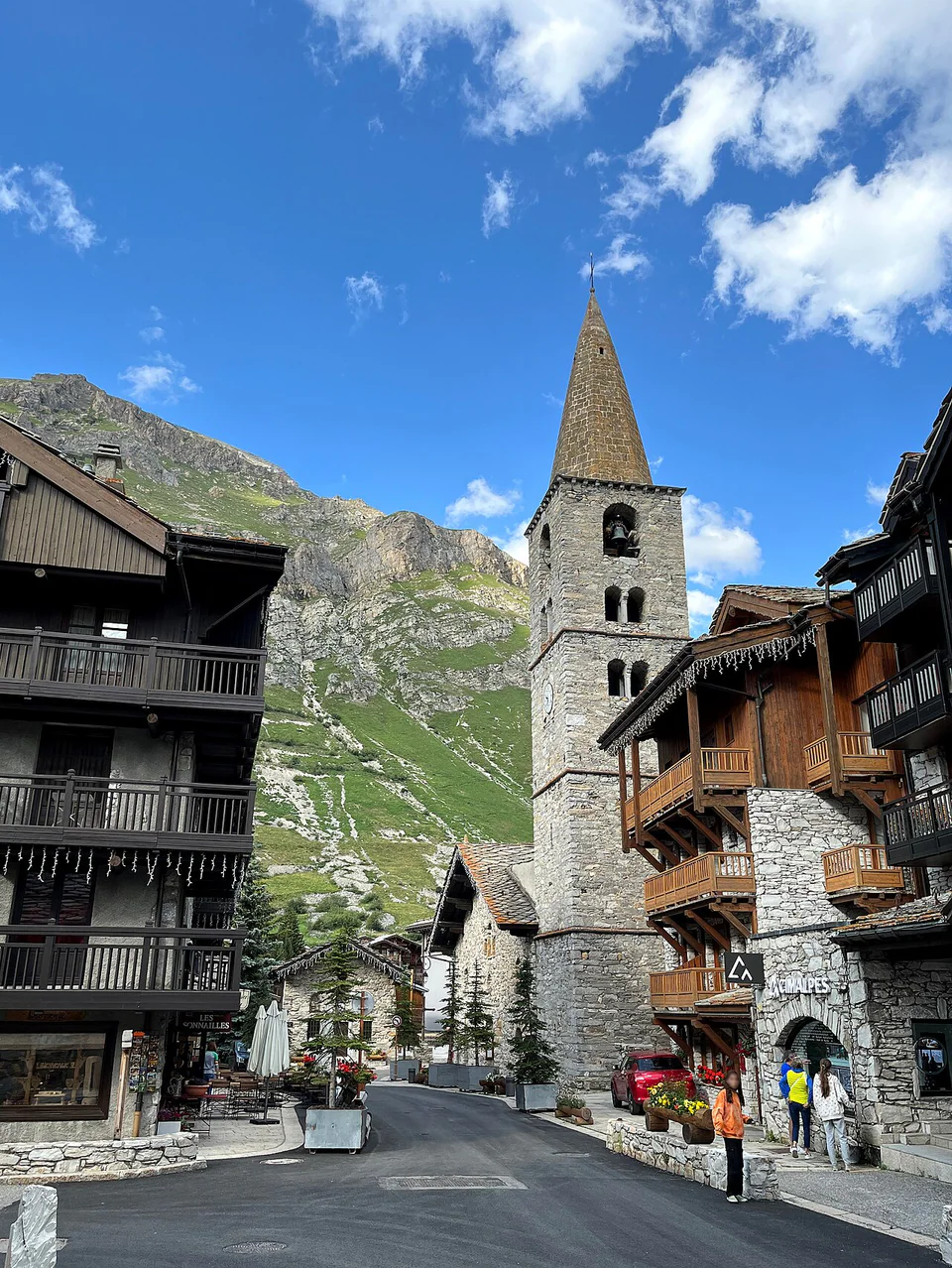
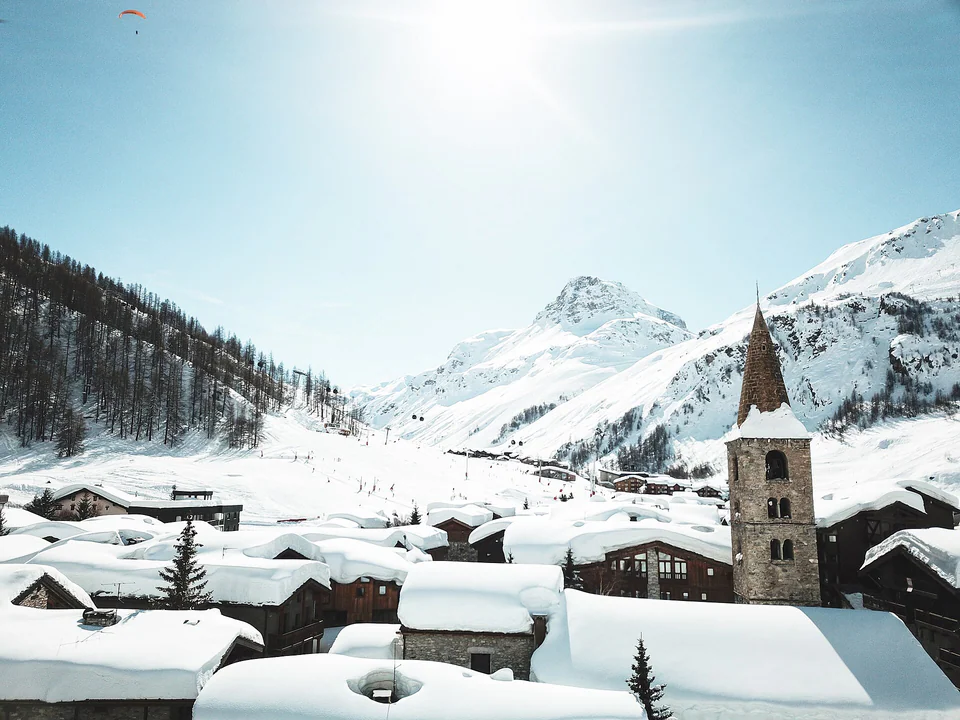
The neighbouring resort further up the valley is linked to the Tignes ski area and has an old village centre with stone houses and the church of Saint-Bernard-de-Menthon, whose bell tower dates from 1664. It has more restaurants and nightlife than Tignes, and you can get here on skis or by bus.
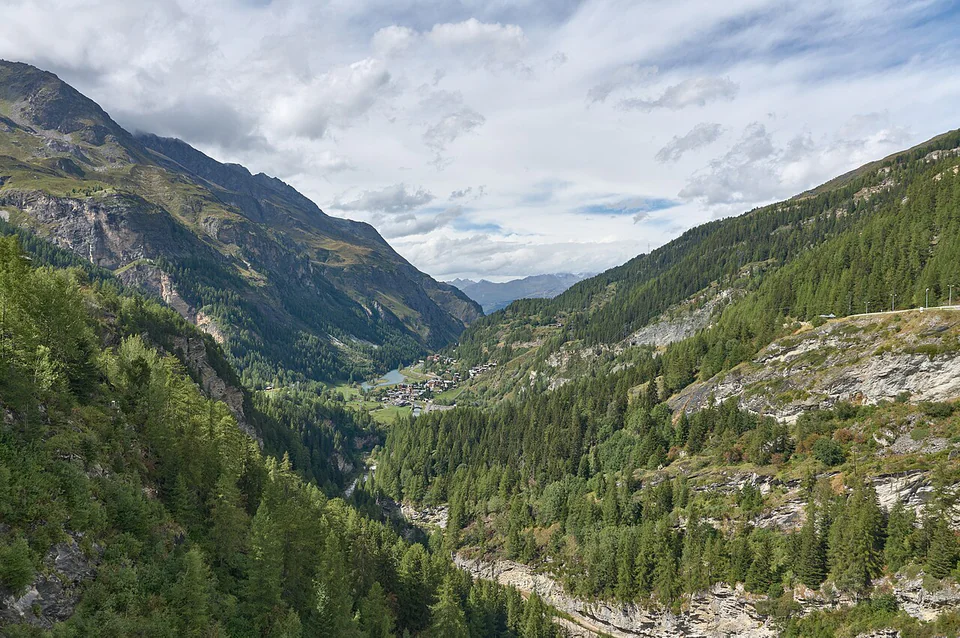
The lowest and oldest of the Tignes villages lies at around 1,550 metres, below the dam and surrounded by forest. It has old stone houses and a calmer atmosphere than up by the lake. The long black run through the Vallon de la Sache, from the Aiguille Percée, ends in the village.
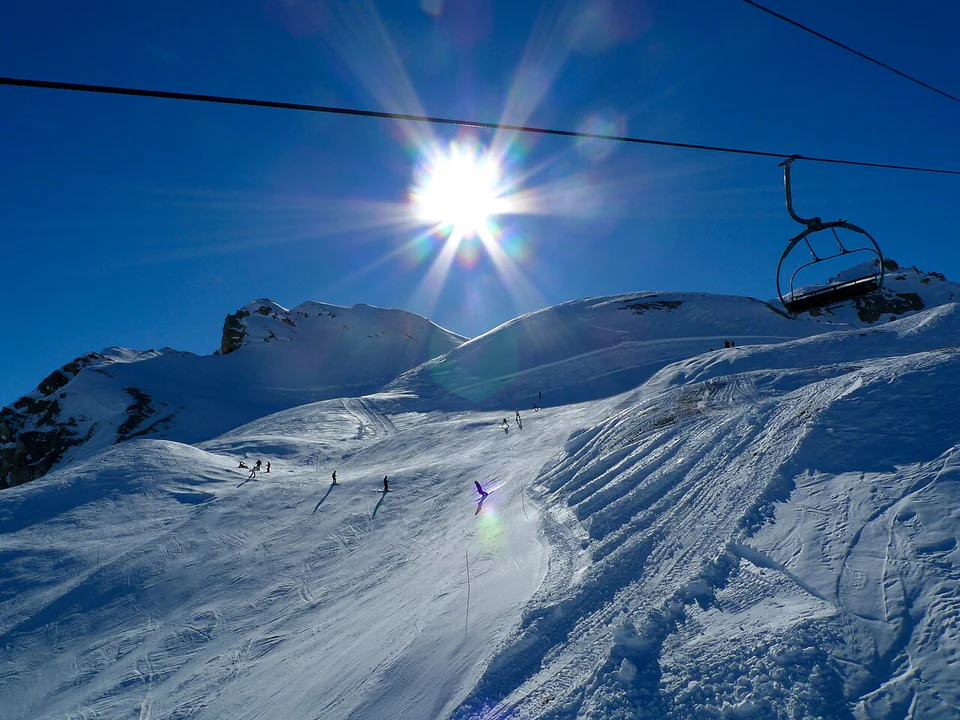
Tignes and Val d'Isère share one of the largest ski areas in the Alps, with around 300 kilometres of pistes. Most of it lies above the tree line, with wide red and blue runs around the Lac de Tignes and steep off-piste for those who want it. The lift system is modern, and you can ski right to the door in most of the villages.
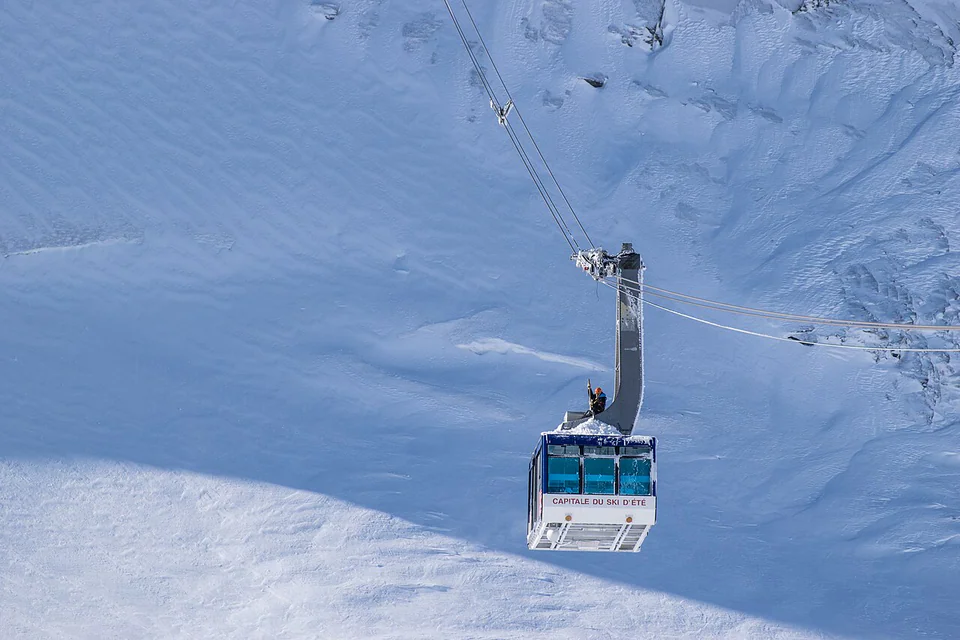
From Val Claret the Perce-Neige funicular runs through a tunnel inside the mountain up to 3,032 metres in about six minutes. From there a cable car takes you on to 3,456 metres, the highest point of the ski area, with views over the Vanoise and Mont Blanc. The glacier gives snow-sure skiing early and late in the season.
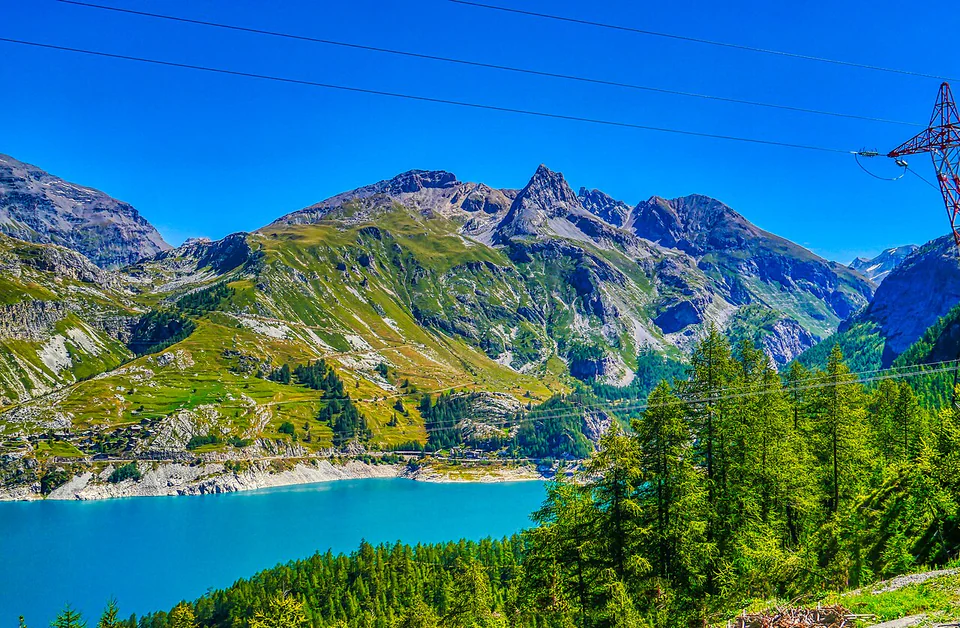
The turquoise lake behind the dam, which you drive past on the way up to the resort, covers the village where the people of Tignes lived until 1952. The church was blown up before the water rose, and the villagers had to move. The lake used to be emptied about every ten years for inspection, revealing the ruins. Today the inspections are mostly done with underwater robots.
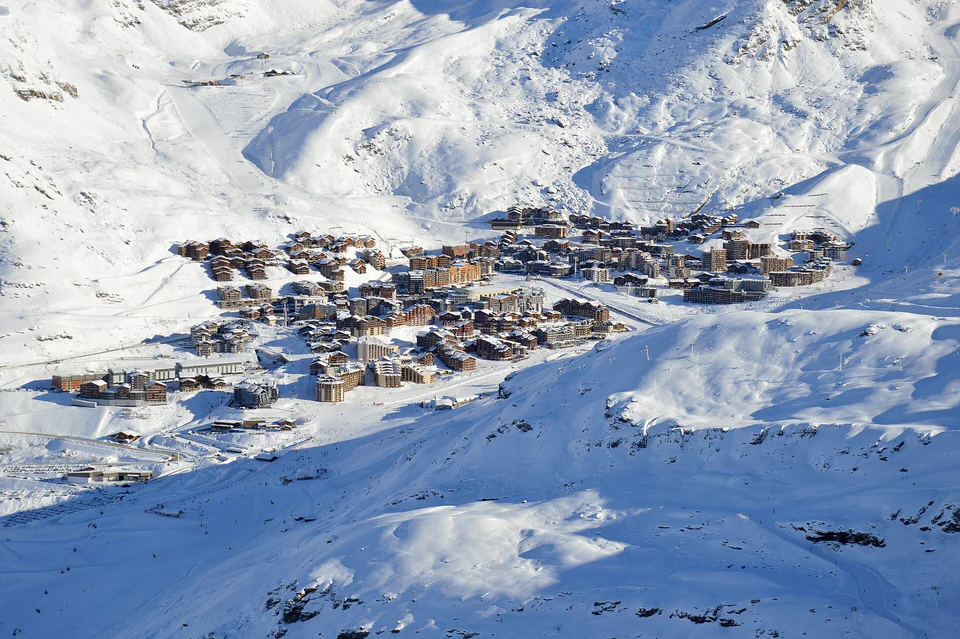
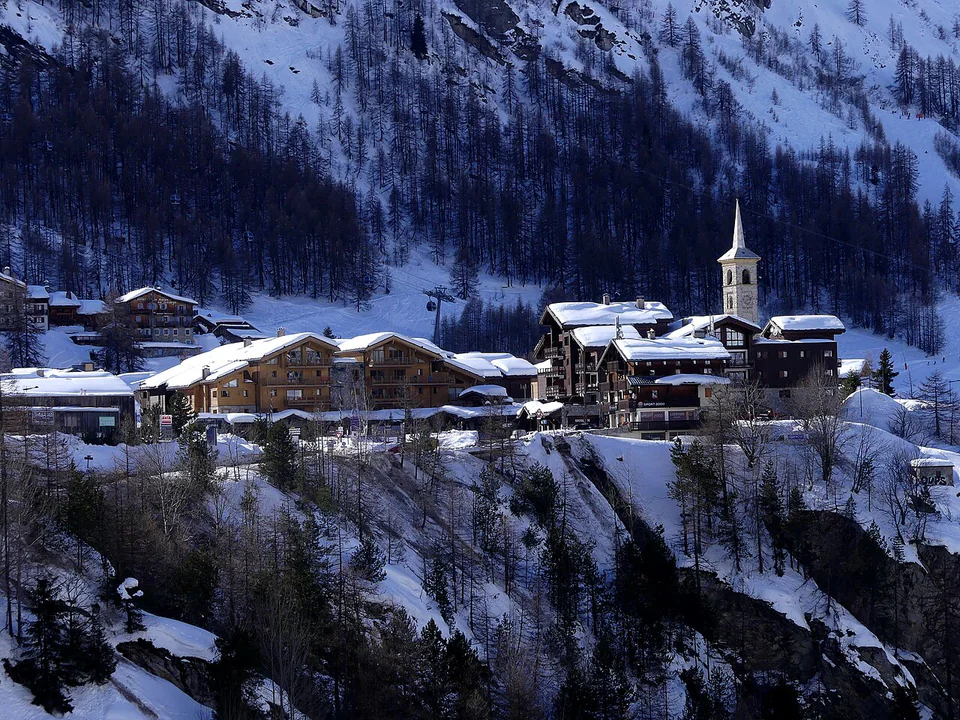
Tignes Le Lac is the centre of the resort, by the lake, with shops, restaurants and the Le Lagon aquatic centre. Le Lavachet is right next to it, and Val Claret, at the other end of the lake, has the funicular up towards the glacier. Further down the valley lies Tignes 1800 at Les Boisses, and at the bottom Les Brévières, the oldest and lowest village, surrounded by forest.
Savoyard food is made for cold days. Try tartiflette, a potato bake with reblochon cheese and bacon, fondue savoyarde and raclette, and diots, local sausages often served with crozets, small square pasta. Beaufort, a hard cheese from the neighbouring valley, is on almost every menu. After the meal you'll often be offered génépi, a mountain herb liqueur. There are plenty of mountain restaurants on the slopes, and the villages have everything from crêperies to fine dining.
From Tignes Le Lac and Val Claret you reach the ski area directly, and from Val Claret the Perce-Neige funicular goes up to the Grande Motte glacier. Tignes and Val d'Isère together have around 300 kilometres of pistes, between 1,550 and 3,456 metres, with many wide red and blue runs and plenty of off-piste. There are ski passes for Tignes alone and for the whole area including Val d'Isère.
The season usually runs from late November to early May. The glacier lifts open first, and the link to Val d'Isère opens about a week later. The long black run through the Vallon de la Sache down to Les Brévières is often ungroomed and demands both technique and stamina.
Free buses run between the villages in Tignes, and buses also go to Val d'Isère and down to Bourg-Saint-Maurice. A car isn't needed for a ski trip but is handy for outings in the valley. From 1 November to 31 March you must have winter tyres or carry snow chains on the mountain roads, and the road past the dam can be slow after snowfall.
The resort's website, tignes.net, shows which lifts and pistes are open, the weather and events, and you can buy ski passes there. Download a weather app with mountain forecasts, as wind and snowfall decide whether the highest lifts run. A map app with offline hiking trails is handy in summer.

The currency is the euro, and cards work almost everywhere. EU roaming rules apply. At 2,100 metres the air is thinner than you may be used to, and even more so up on the glacier, so take it easy on the first day and drink plenty of water. The sun is strong at altitude, even on a cold day. Many people in Tignes speak English, but a few words of French are appreciated.

Choose your season by what you want to do: skiing from late November to early May, hiking, swimming and golf in July and August. Try to avoid February, when French school holidays make the resort full and expensive; January and March are often quieter. Saturday is changeover day and the road up from Bourg-Saint-Maurice is often congested, so try to arrive early. Between seasons, in early summer and autumn, many hotels, restaurants and lifts are closed.