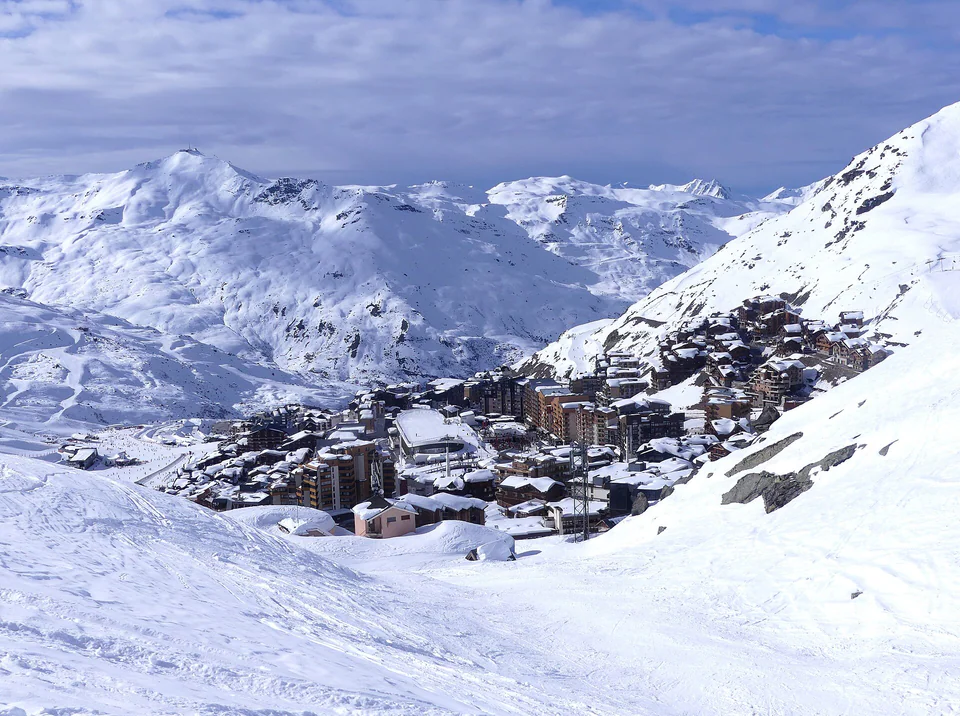
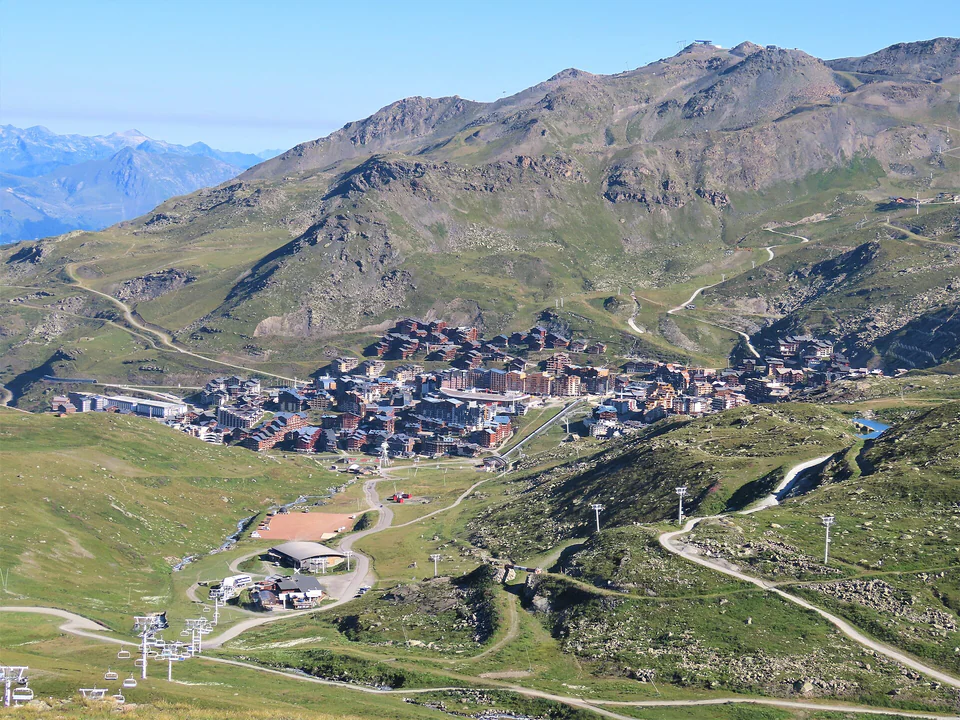
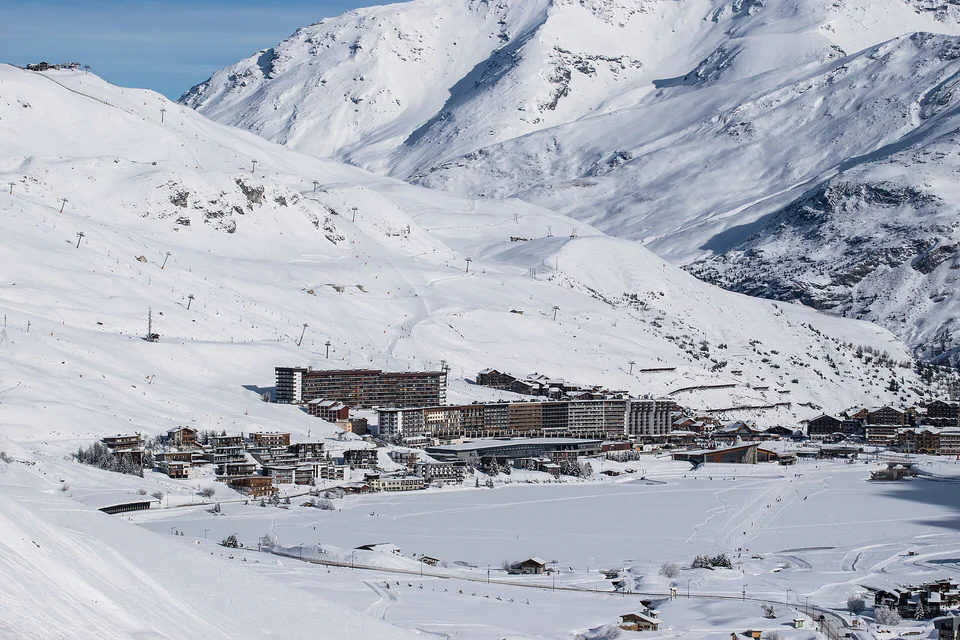
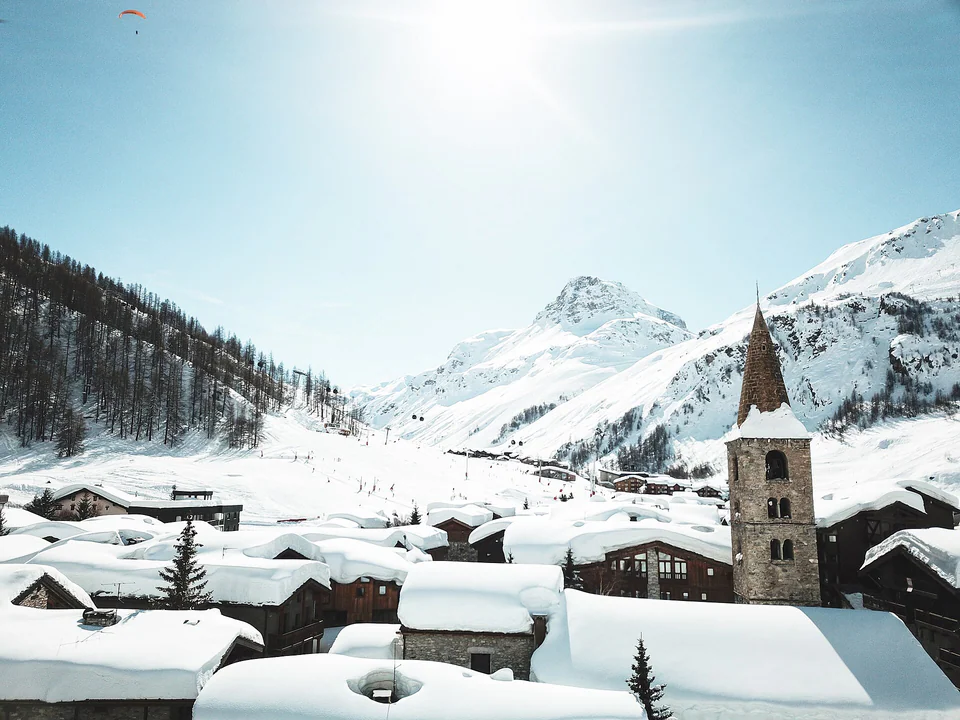
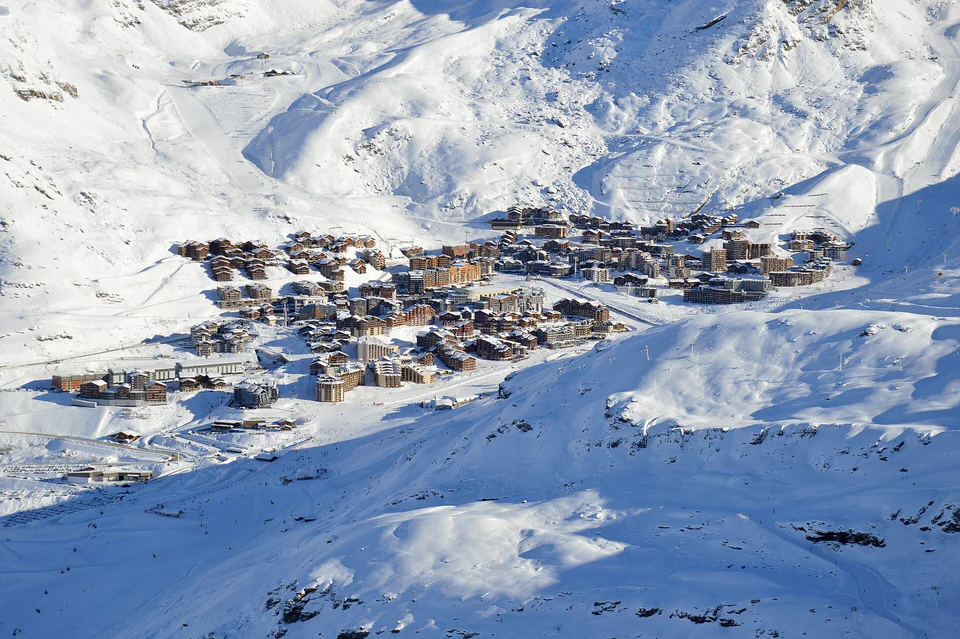
View of Val Thorens

At the top of the Belleville valley · France

Val Thorens

Ski resort

Your guide to Val Thorens

Europe's highest ski resort, skiing in three valleys and glaciers around the village

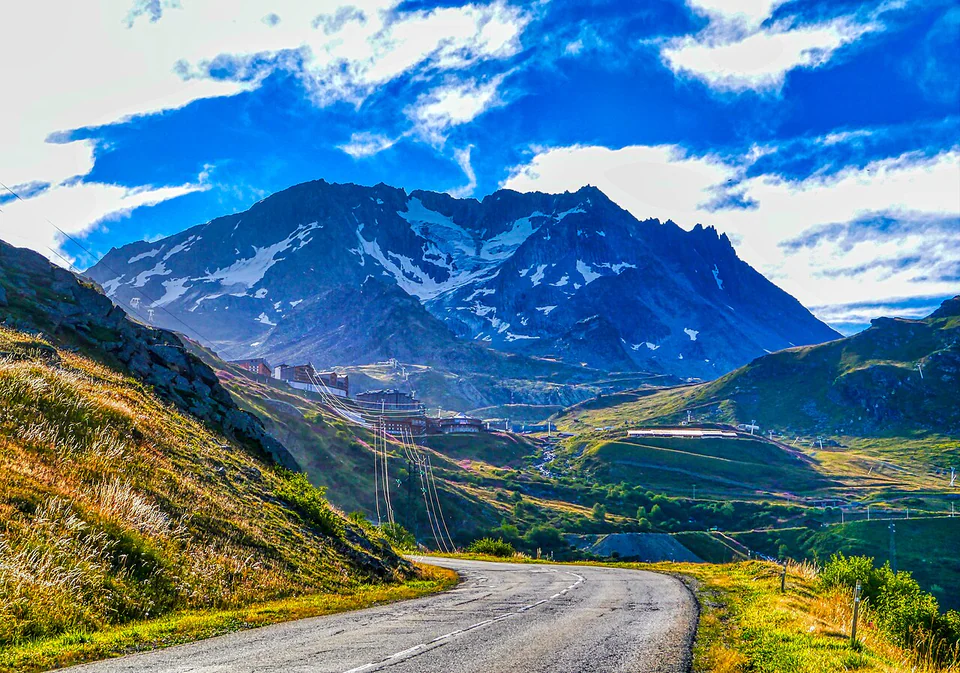
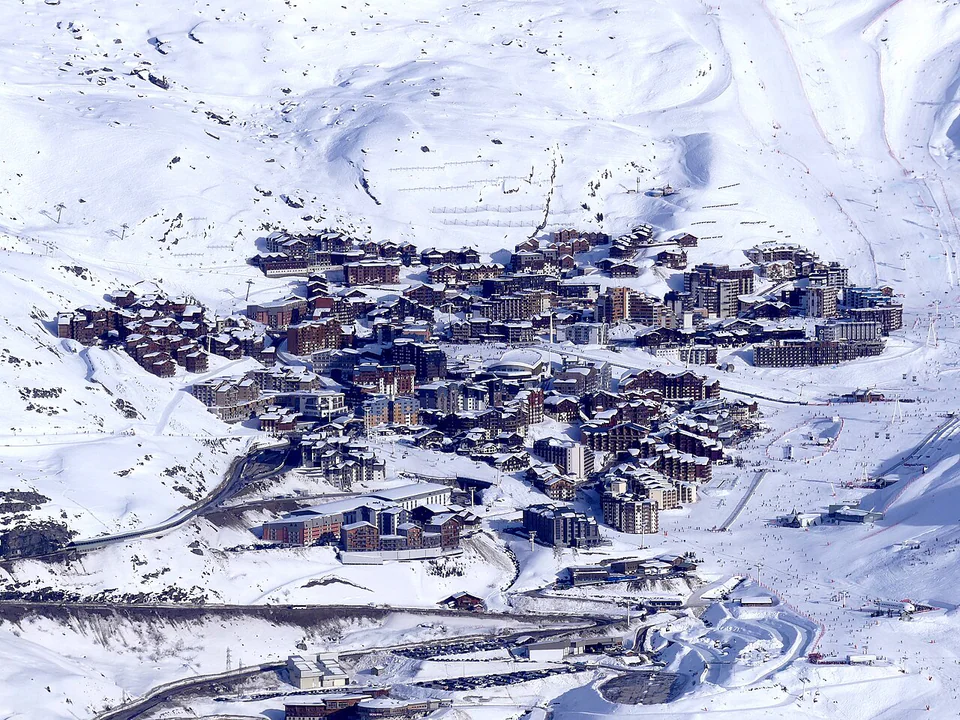
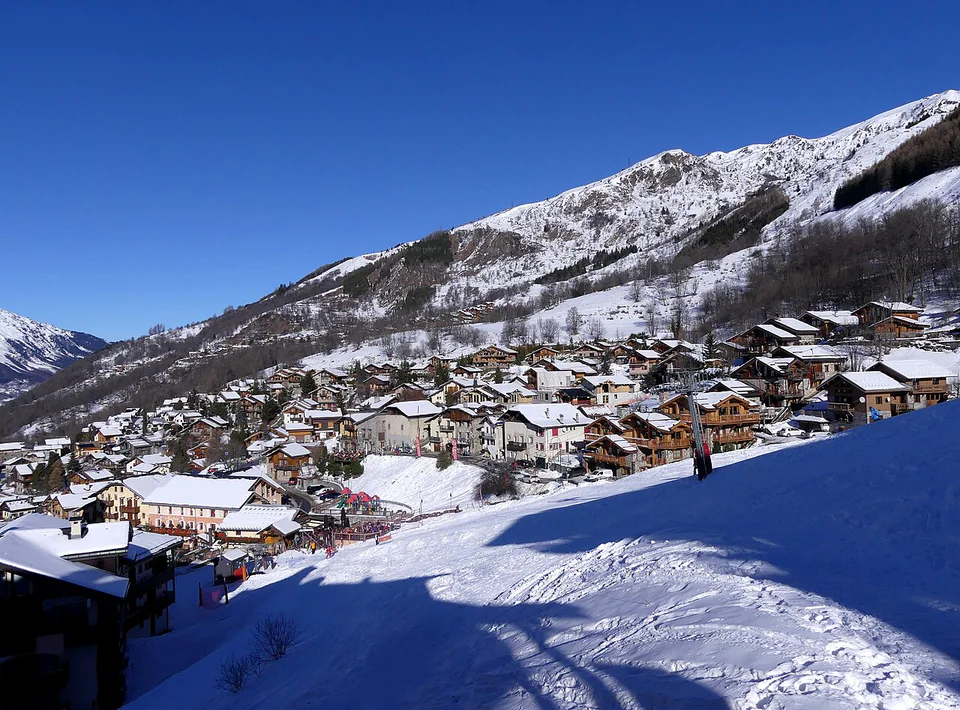
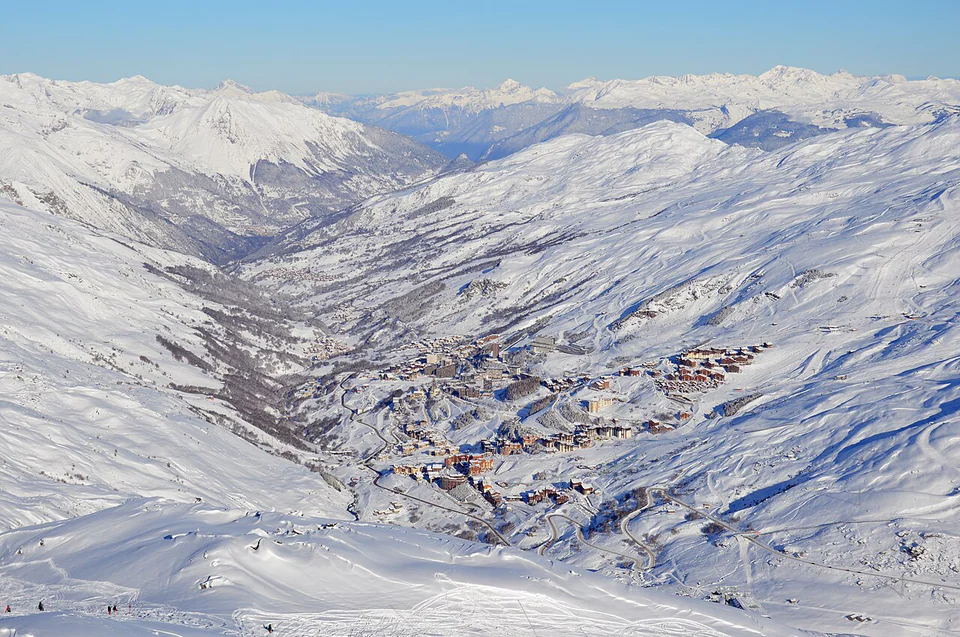
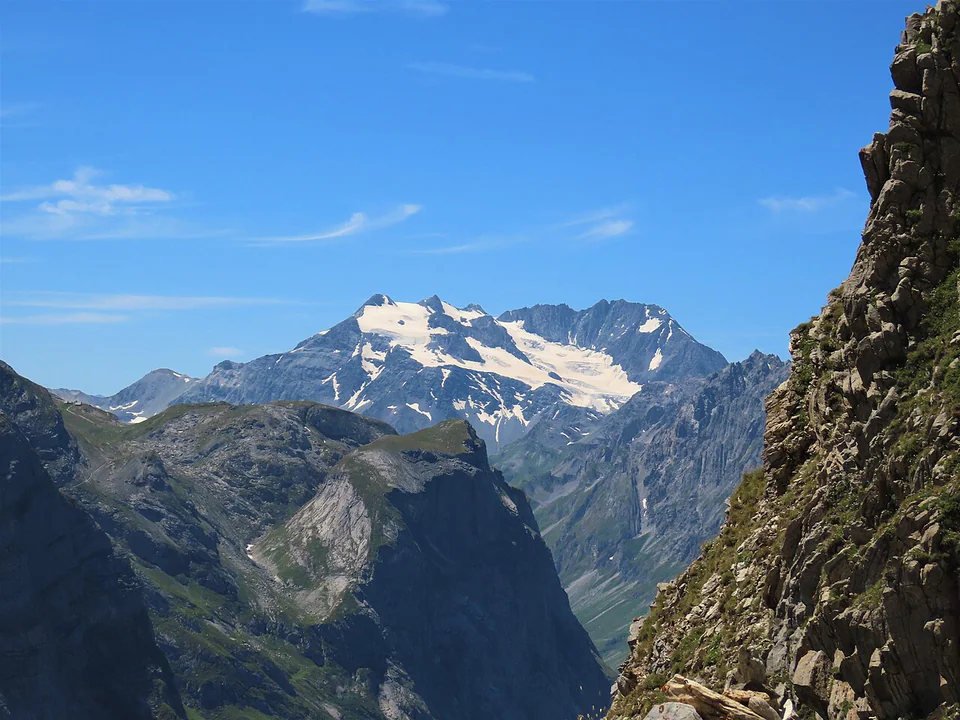
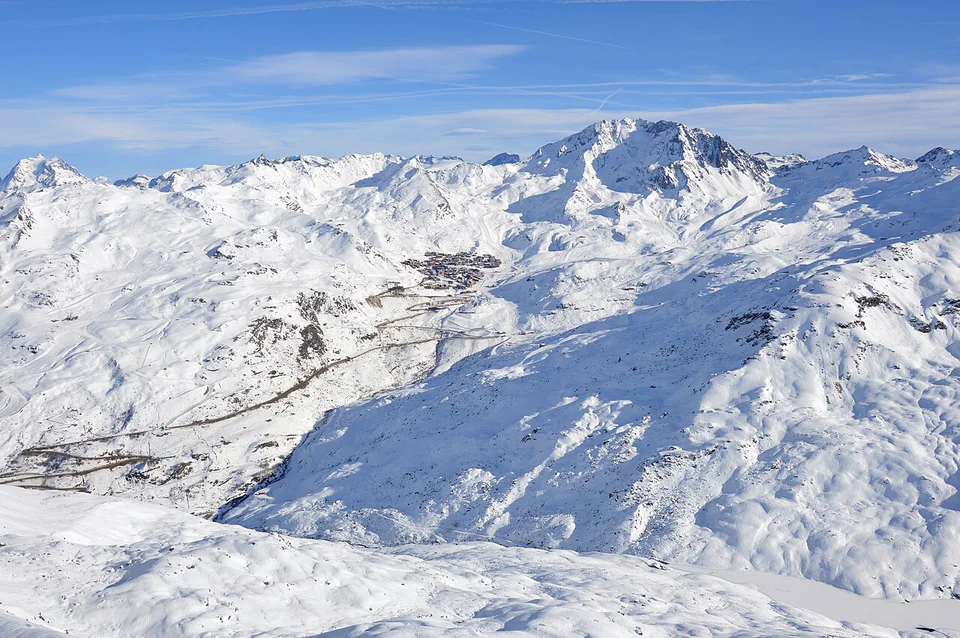
Val Thorens lies at around 2,300 metres above sea level, at the head of the Belleville valley in Savoie, and is the highest ski resort in Europe. The village was built from scratch on bare slopes above the tree line, and its first lifts opened in December 1971. Peaks of over 3,000 metres rise around the village, with the Vanoise National Park in the surrounding mountains.

Val Thorens is the highest resort in Les 3 Vallées, one of the world's largest linked ski areas, with around 600 kilometres of pistes according to the area's own figures. From here you can ski on to Les Menuires, Méribel and Courchevel without taking your skis off. The high altitude means good snow conditions, and the season usually runs from late November to early May.

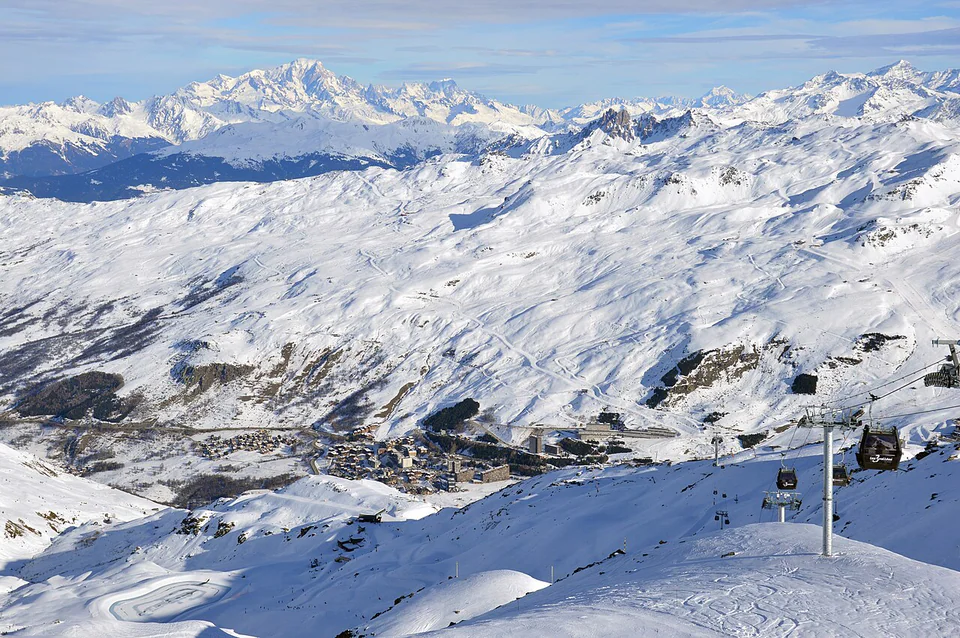
The village is largely car-free. You park at the entrance and then get around on foot, on skis or by free bus. From the Cime Caron, at around 3,200 metres, you can see Mont Blanc on clear days. For a change, you can go sledging on the Cosmojet, marketed as the longest toboggan run in France, or try La Tyrolienne zip line and soar high above the mountain slopes.

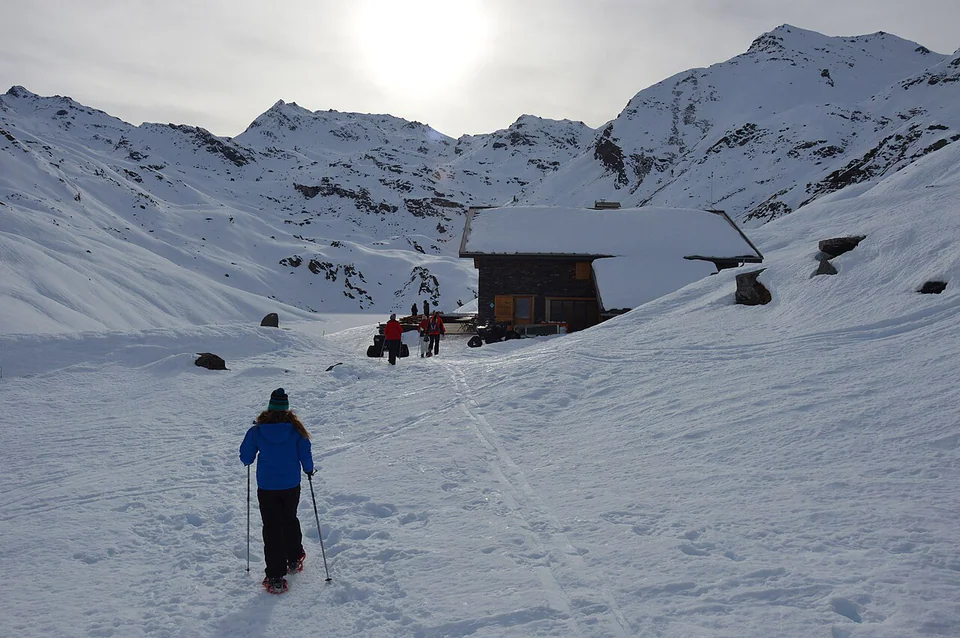
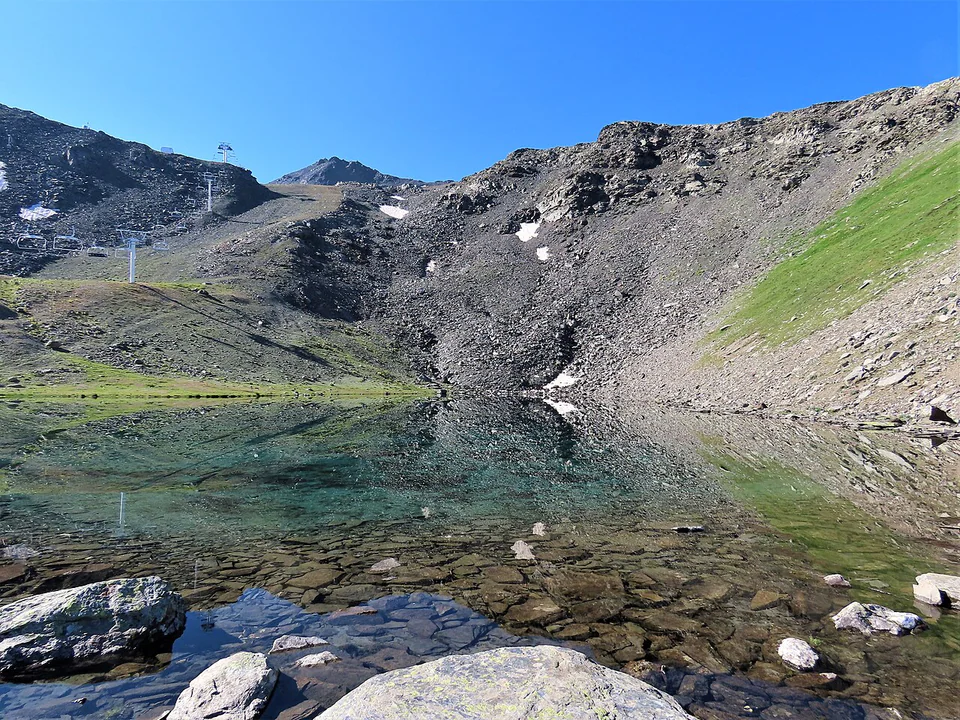
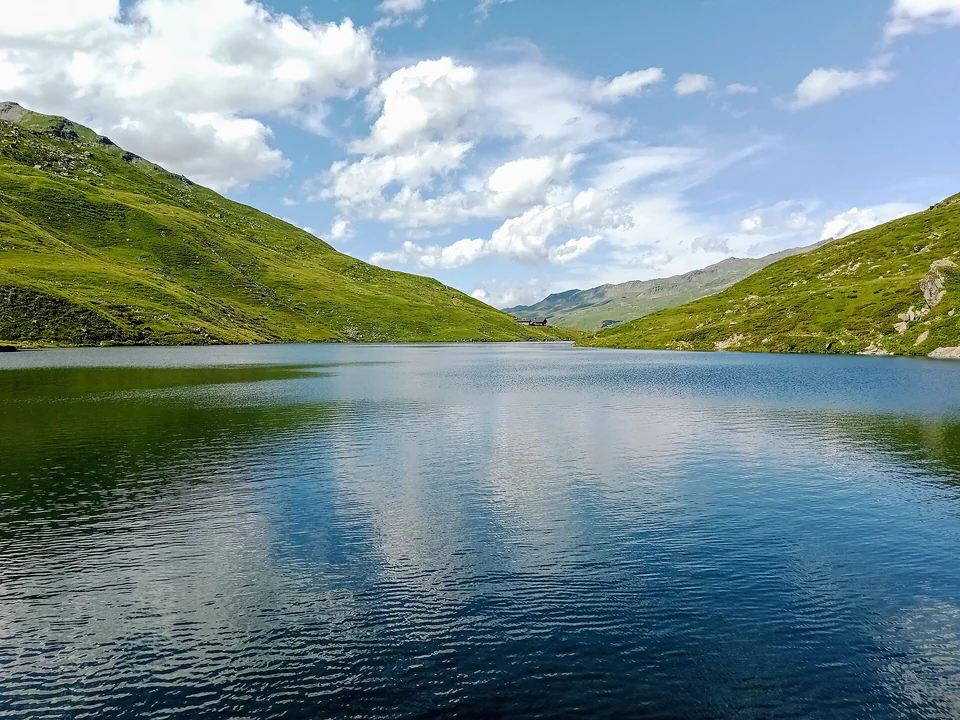
In summer the village is quieter. Hiking trails lead to mountain lakes such as the Lac de la Portette and the Lac du Lou and on up towards the glaciers. Cyclists can challenge themselves on the climb from Moûtiers, an ascent of just over 30 kilometres that has made the area well known among road cyclists.

Pack right

☼

Best December–April and July–August

−12–14 °C

Long, cold, snowy winters and short, cool summers with afternoon thunderstorms. The village lies above the tree line, so wind and poor visibility affect skiing more than in lower resorts.

Current currency

€

Euro

1 EUR to SEK

The rate is updated every hour. Always check the current rate before you travel.
Find places to stay in Val Thorens

Compare hotels and apartments on the map, with current prices.

The map loads from Stay22 only when you click. Stay22 may then set cookies and collect information about your browser. Privacy

Plan your trip

Getting to Val Thorens

The nearest airport is Chambéry (CMF), around two hours away by car. Geneva (GVA) and Lyon Saint-Exupéry (LYS) are around three hours away, longer on a peak-season Saturday when everyone changes over. Transfer buses and taxis run from the airports.

By train, travel to Moûtiers, which has direct TGV trains from Paris in the winter season. From there the bus takes about an hour up to Val Thorens.

Check current departures and prices before you travel.
Aeroplane in the air

Where to stay

Val Thorens has mostly apartments and hotels, and since the village sits in the middle of the slopes you can often ski straight from the door. Apartments are usually let by the week, from Saturday to Saturday, and there are also luxury hotels and catered chalets. Les Menuires and Saint-Martin-de-Belleville further down the valley are often cheaper.

Book well ahead for Christmas, New Year, Easter and February, when French school holidays fill the resort.

Val Thorens on a winter day, seen from the Pointe de la Masse

The big and the small

Selected sights

Saint-Martin-de-Belleville

Saint-Martin-de-Belleville

The old village further down the valley, at around 1,450 metres, has stone houses, wooden balconies and a baroque church. A gondola links the village with the ski area, so you can ski all the way down here and have lunch among old farmhouses, far from the concrete higher up.

Les Menuires

Les Menuires

The neighbouring resort below Val Thorens was built from the 1960s and is bigger and often cheaper. The pistes are wide and sunny, and it's easy to ski there and back. Lower down there are trees, which give better visibility than higher up on a snowy day.

Pointe de la Masse

Pointe de la Masse

The 2,804-metre peak above Les Menuires is reached by a gondola that opened in 2021. The view stretches from Mont Blanc in the north to the Vanoise and the Écrins. From here long runs lead back towards Les Menuires and into the unspoilt Vallon du Lou.

Méribel

Méribel

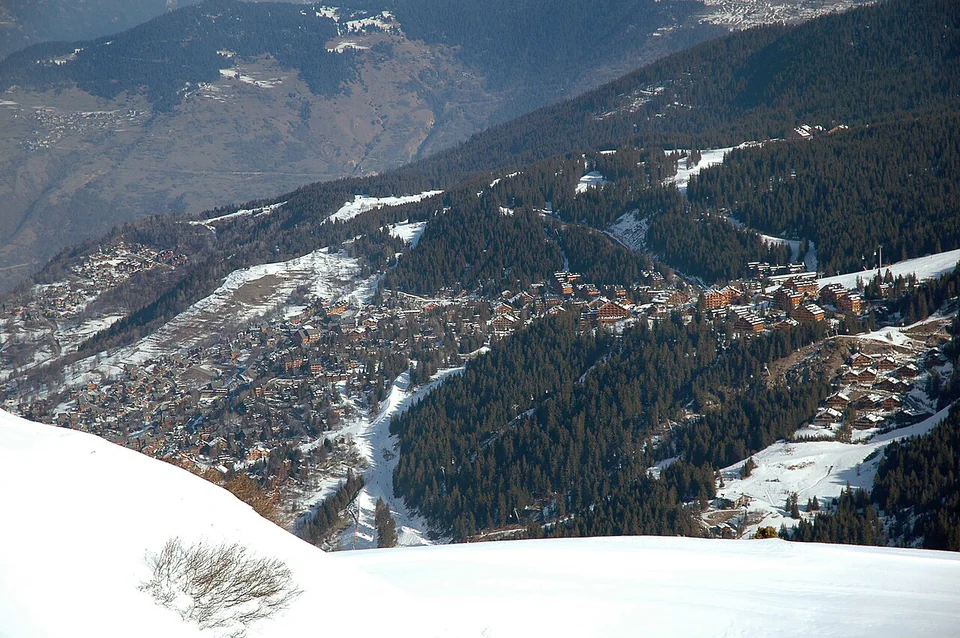
In the middle of Les 3 Vallées lies Méribel, founded in the late 1930s by the Scotsman Peter Lindsay. He wanted the buildings to be of wood and stone in the Savoyard style, and that still shapes the resort. At the 1992 Albertville Olympics, the women's alpine events and the ice hockey were held here.

Vanoise National Park

Vanoise National Park

France's first national park was founded in 1963 and borders the ski area. Within the park lies the Gébroulaz glacier, between Val Thorens and Pralognan-la-Vanoise. Ibex, chamois and marmots live here, and in summer hiking trails lead from Val Thorens into the park.

Cime Caron

Cime Caron

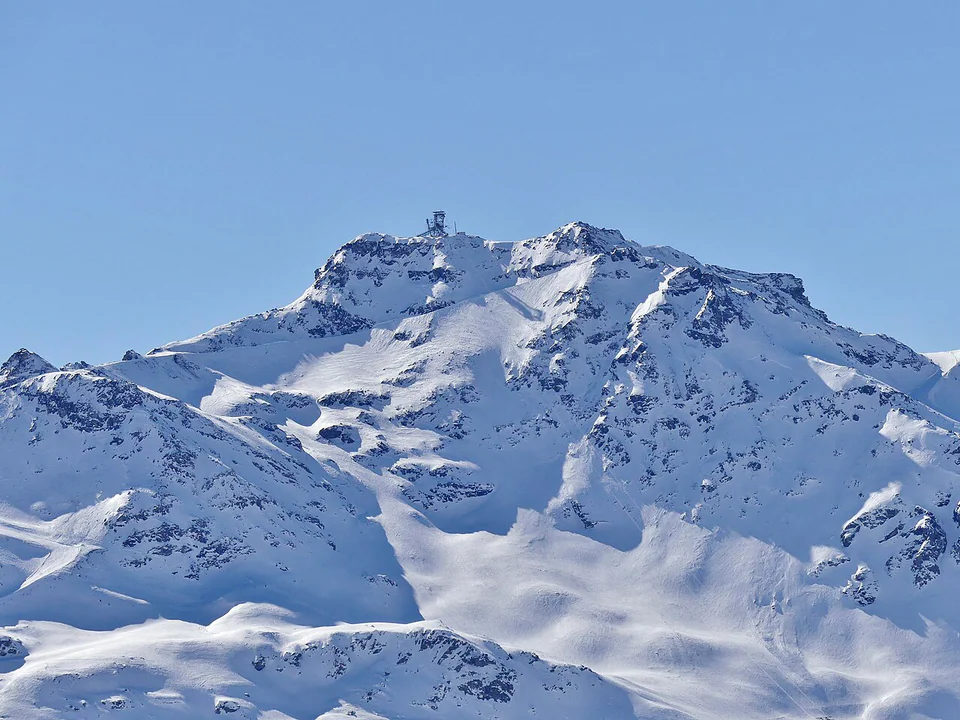
The peak above the village is reached by gondola and then a large cable car to around 3,200 metres. From the top you look out over the Vanoise and the other valleys of Les 3 Vallées, and on clear days Mont Blanc is visible. From here the red Cime run goes all the way down to the village, around 900 metres of descent.

The Péclet glacier

The Péclet glacier

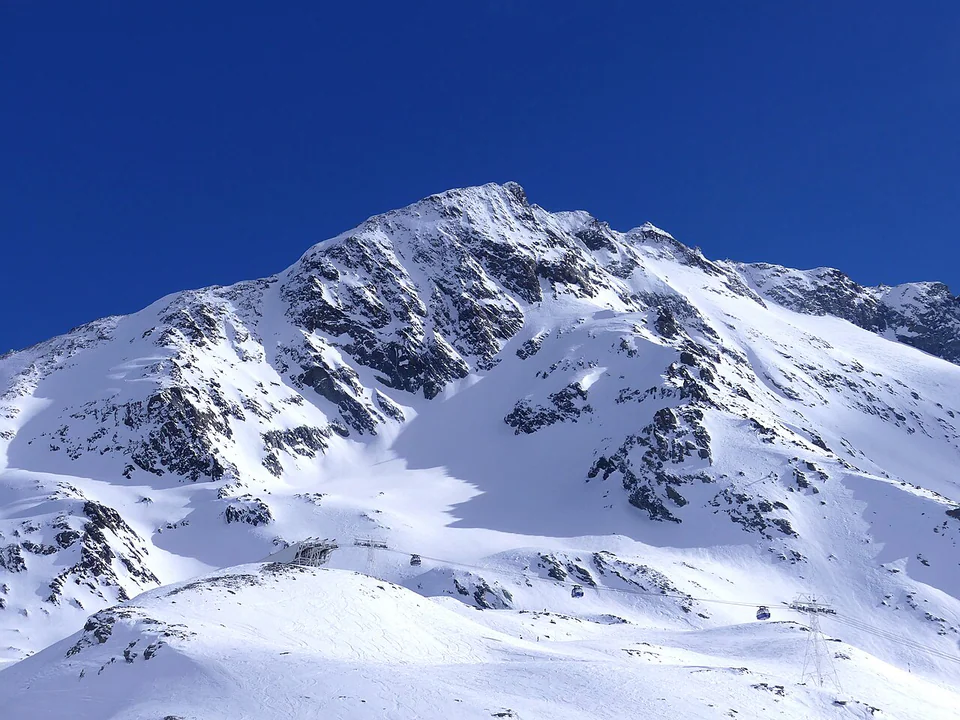
Below the Aiguille de Péclet, in the southern part of the ski area, lies the Péclet glacier. The funitel from the village, a lift with twin cables that copes with strong winds, climbs to around 3,000 metres, and from there you ski down along the edge of the glacier. Summer skiing used to be possible here, but the glacier has shrunk and summer skiing ended around 2000.

Les 3 Vallées

Les 3 Vallées

Val Thorens is the highest resort in Les 3 Vallées, which also includes Les Menuires, Saint-Martin-de-Belleville, Méribel, Courchevel and Orelle, among others. The area claims around 600 kilometres of pistes; independent measurements come out lower, but it still counts as one of the world's largest linked ski areas. With a pass for the whole area you can ski to Courchevel and back in a long day.

Worth knowing

Villages in the Belleville valley

Val Thorens sits at the top of the valley and is small enough to walk around, with free buses between the different parts of the village. Further down lie Les Menuires, at around 1,800 metres, and the old village of Saint-Martin-de-Belleville. All three belong to the municipality of Les Belleville and are linked by lifts and pistes.

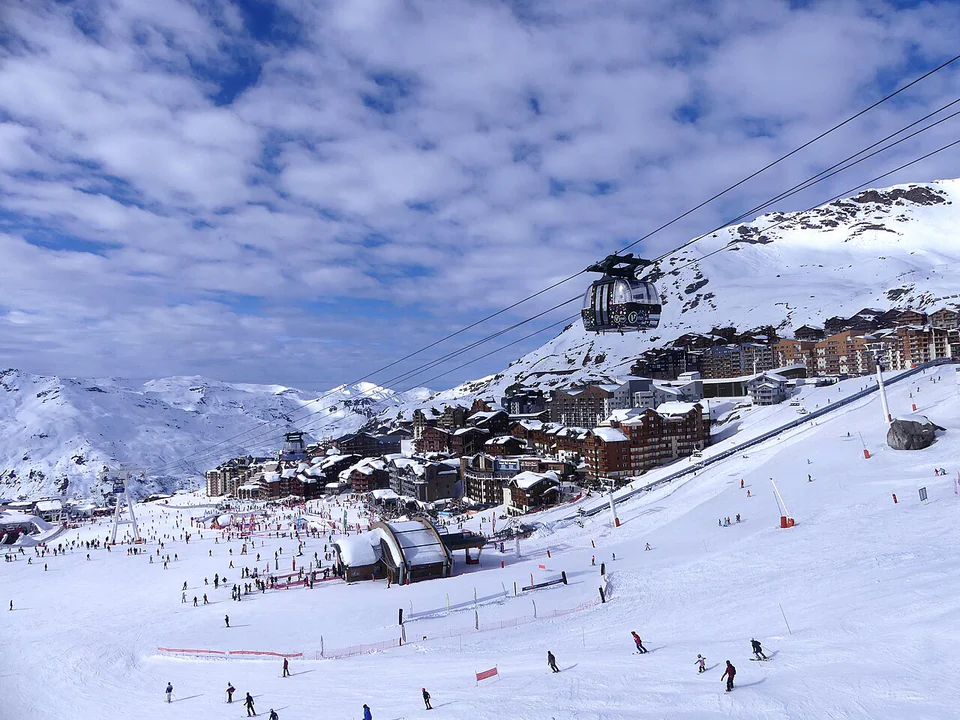
Val Thorens with the funitel and the pistes on a winter day

Food & drink

Savoyard food is made for cold days. Try tartiflette, a potato bake with reblochon cheese and bacon, fondue savoyarde, raclette and diots, local sausages often served with crozets, small square pasta. Beaufort, a hard local cheese, is on almost every menu, and after the meal you'll often be offered génépi, a mountain herb liqueur. Out on the slopes there are mountain restaurants, and at the refuge by the Lac du Lou you can have blueberry tart. The village has everything from pizzerias to Michelin-starred restaurants and lively après-ski bars.

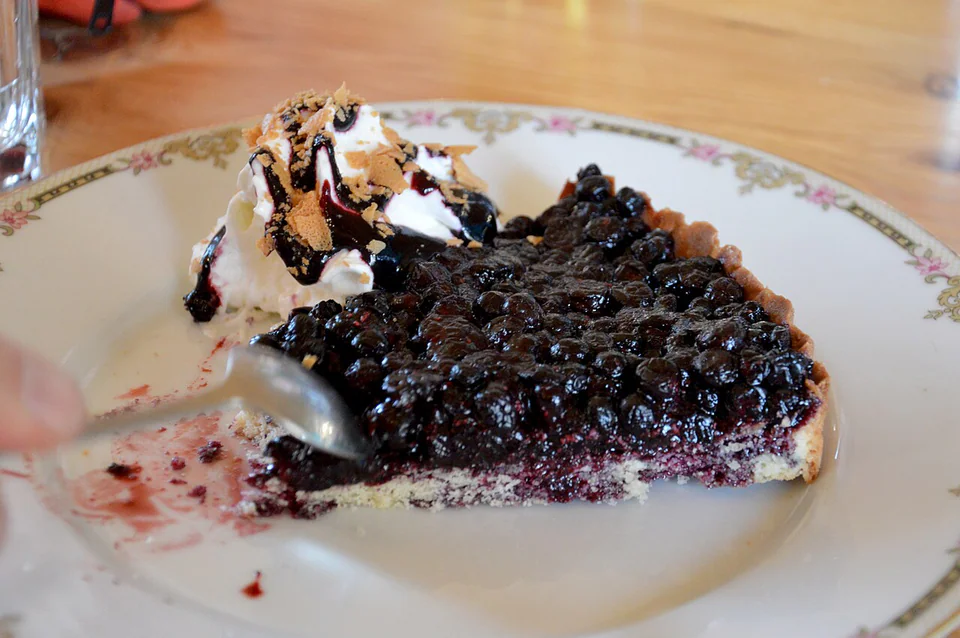
Blueberry tart at the Lac du Lou refuge

Skiing

From Val Thorens you reach the highest parts of Les 3 Vallées: the Cime Caron, the Péclet glacier and the Pointe du Bouchet at 3,230 metres, where you can ski over to Orelle in the neighbouring Maurienne valley. There are ski passes for Val Thorens and Orelle alone and for the whole of Les 3 Vallées, including Les Menuires, Méribel and Courchevel.

The season usually runs from late November to early May. Almost the whole area lies above the tree line, so on a day of snowfall and poor visibility it can be better to ski lower down towards Les Menuires and Saint-Martin, where the trees give contrast.

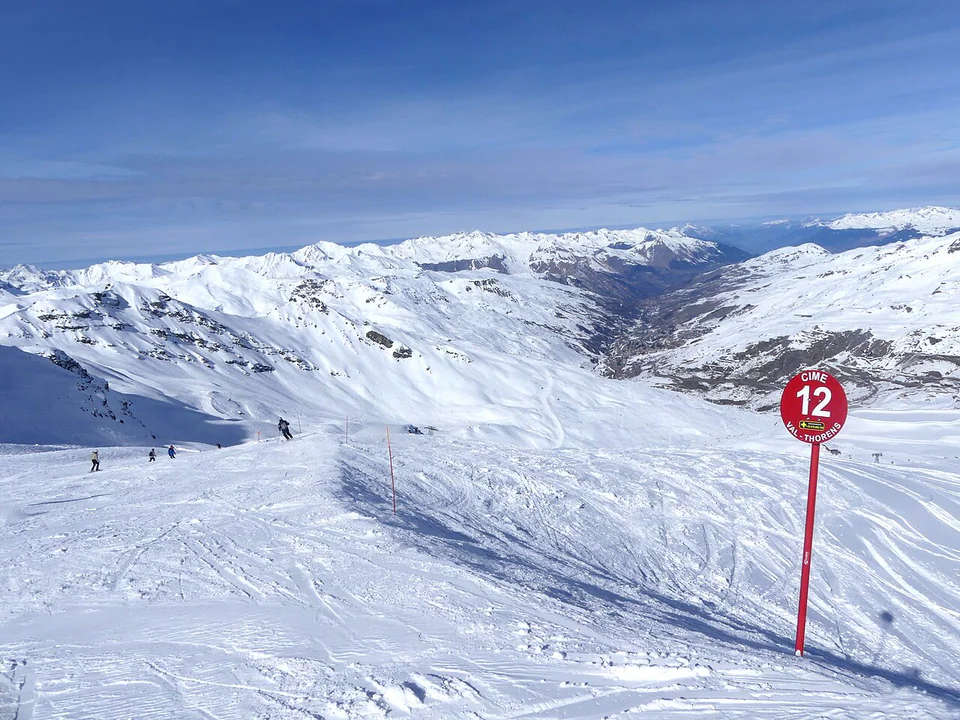
The red run from the Cime Caron down towards Val Thorens on a winter day

Getting around

Val Thorens is largely car-free. You leave your car in one of the car parks at the entrance, and in the season it's wise to book a space in advance. Free buses run around the village during the day, and regional buses go down to Les Menuires, Saint-Martin-de-Belleville and Moûtiers. From 1 November to 31 March you must have winter tyres or carry snow chains on the mountain roads.

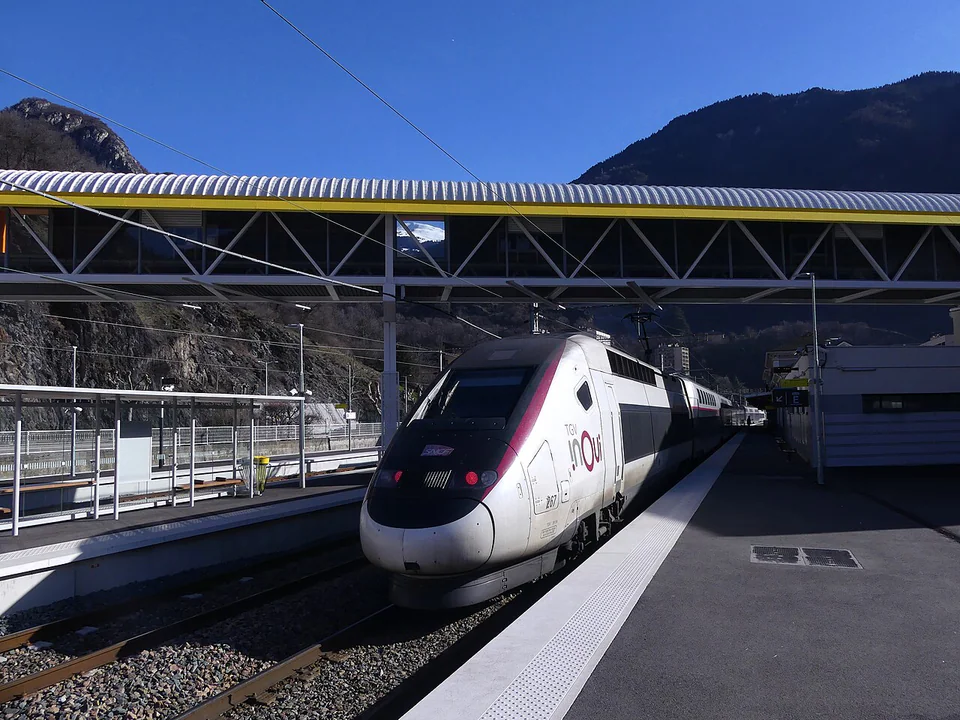
A TGV train from Paris at Moûtiers station on a winter day

Apps

The resort's website, valthorens.com, shows which lifts and pistes are open, the weather and events, and you can buy ski passes there. Download a weather app with mountain forecasts, as wind often closes the highest lifts. A map app with offline hiking trails is handy in summer.

Mobile phone with a travel app

Essentials

The currency is the euro, and cards work almost everywhere. EU roaming rules apply. At 2,300 metres the air is thinner than you may be used to, so take it easy on the first day, drink plenty of water and expect to sleep less well for the first nights. The sun is strong at altitude, even on a cold day. The off-piste carries avalanche risk: only ski off-piste with avalanche gear and preferably a guide.

A bank card in a payment terminal on a table

Extra tips and advice

Choose your season by what you want to do: skiing from late November to early May, hiking and cycling in July and August. Try to avoid February, when French school holidays make the resort full and expensive; January and March are often quieter, and in April the days are long and there's still plenty of snow. Between seasons, in early summer and autumn, most of the village is closed.

Suitcase on a trip