The coastal path to Cap-d'Ail
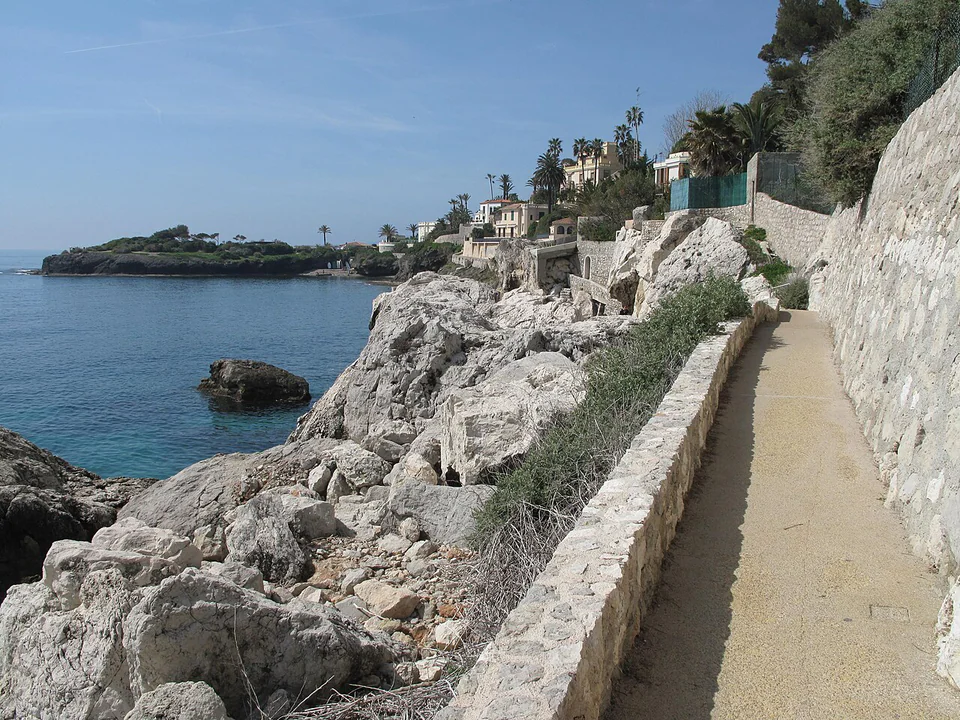
From the beach at Fontvieille, a path follows the rocks west to Cap-d'Ail in France, past small coves and swimming spots. The path closes in rough weather, so check before you set off.
The principality on the Rock · Monaco
Your guide to Monaco
Monaco is the world's second-smallest country, about two square kilometres in size and set between the mountains and the Mediterranean. The principality has been ruled by the Grimaldi family since 1297, when, according to legend, François Grimaldi captured the fortress on the Rock disguised as a monk. Today around 39,000 people live here, making Monaco one of the most densely populated countries in the world.
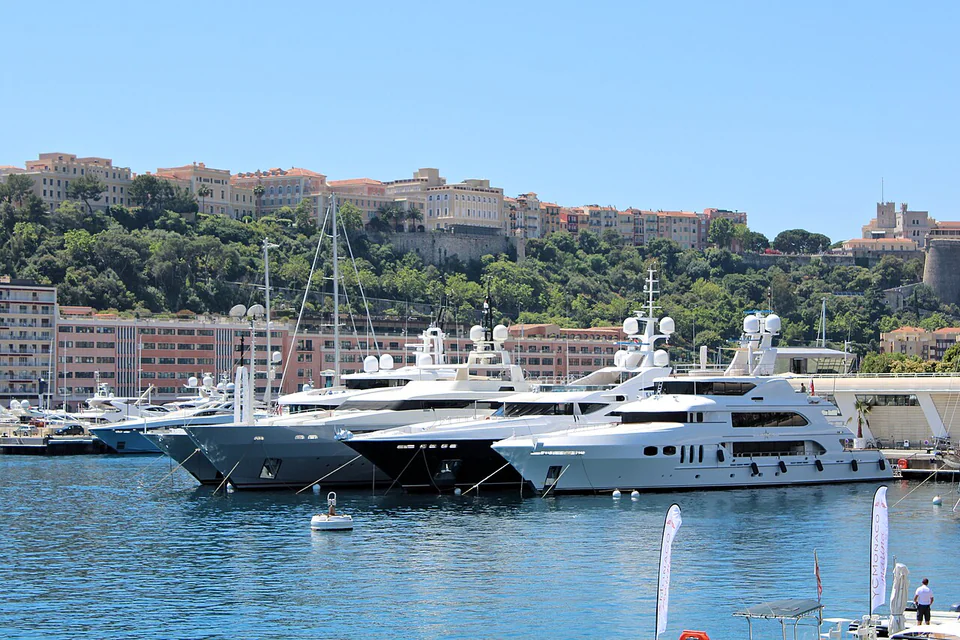
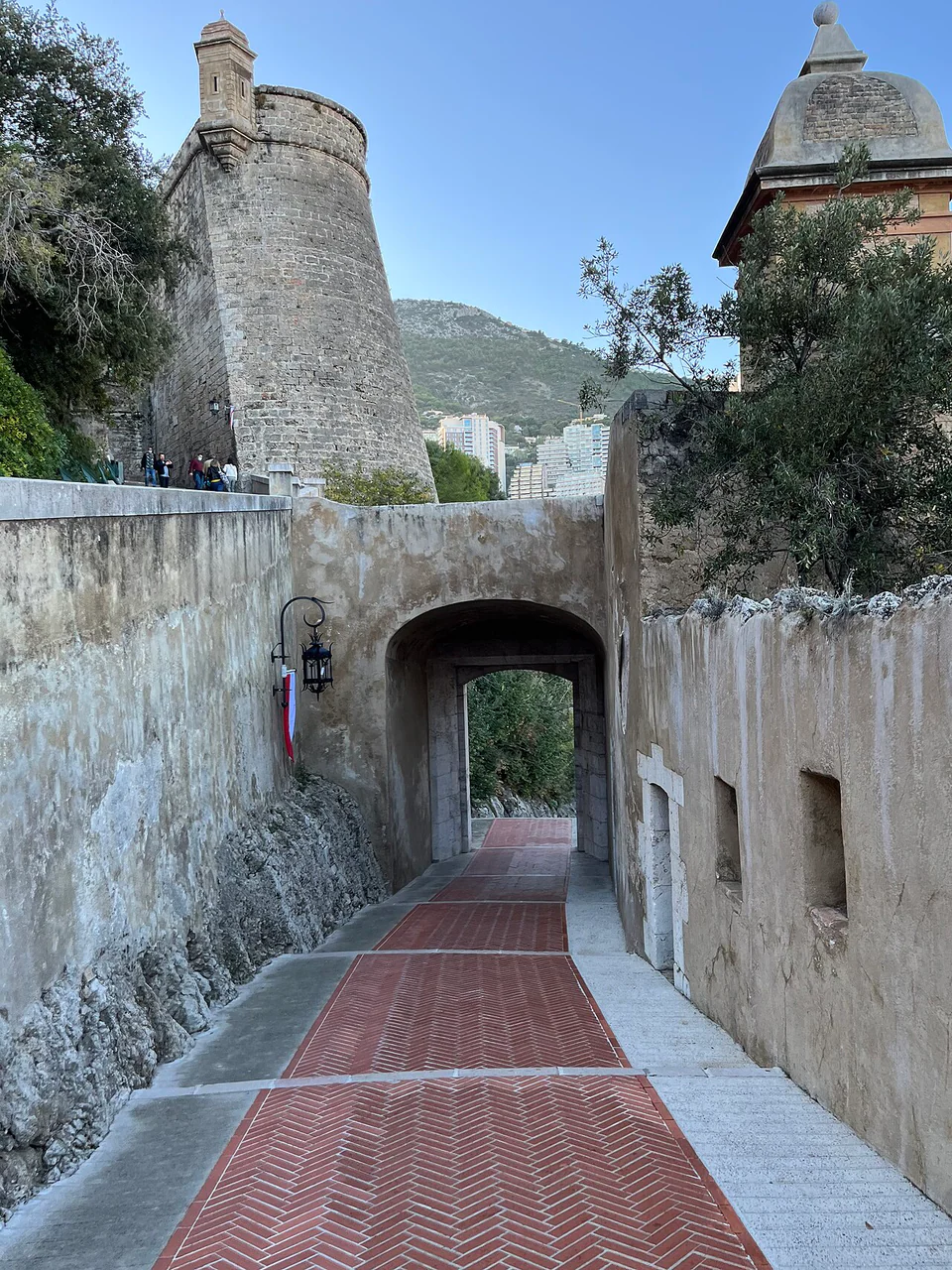
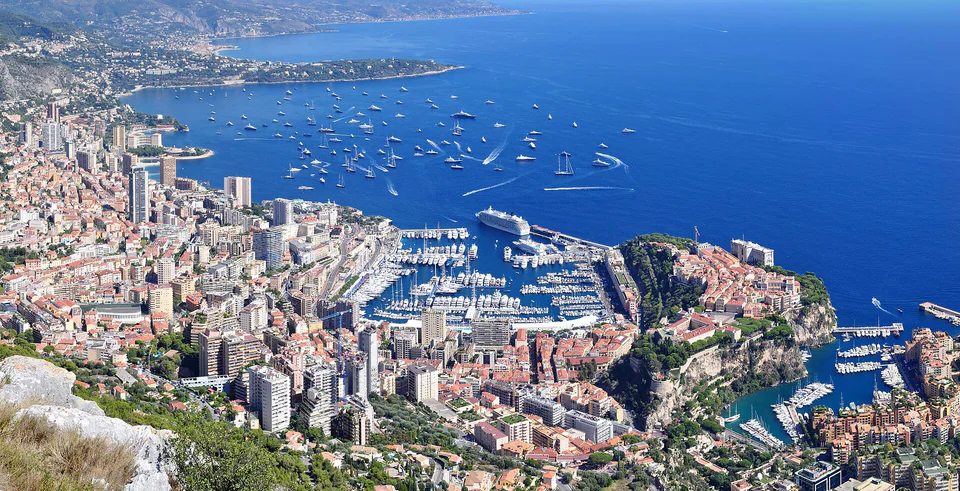
The old town, Monaco-Ville, sits up on the Rock, Le Rocher. Here you'll find the Prince's Palace, the cathedral where Princess Grace and Prince Rainier III are buried, and the Oceanographic Museum, built right on the edge of the cliff. Narrow lanes lined with pastel houses wind between the sights. From the ramparts you look out over the Port Hercule harbour and the superyachts below.
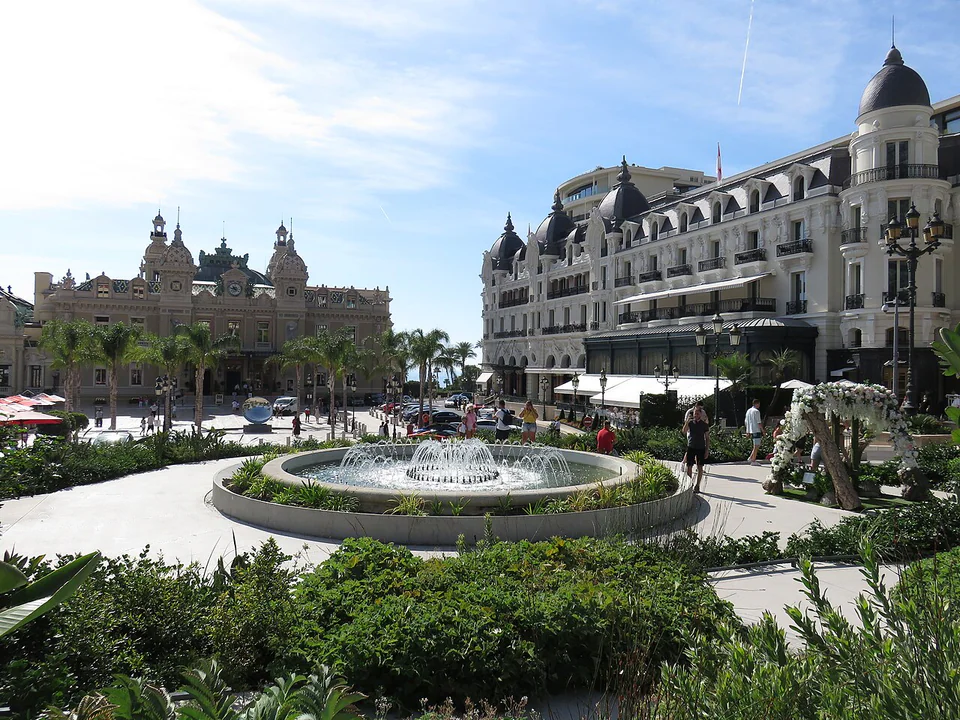
Above the harbour spreads Monte-Carlo, named after Prince Charles III, who had the casino built in the 1860s to bring new income to the principality. The magnificent casino and the Hôtel de Paris stand around the Place du Casino. Every early summer the streets turn into a racetrack when the Formula 1 circus comes to Monaco for the country's Grand Prix.
Monaco is expensive, but much of it can be enjoyed for free: the changing of the guard at the palace, the gardens, the views and a stroll along the harbour. There are no border controls, the currency is the euro and the train from Nice takes just over 20 minutes. That makes Monaco an easy destination for a day trip. Do stay for an evening if you can, when the day-trippers have left and the harbour lights up.
Things to do
From the beach at Fontvieille, a path follows the rocks west to Cap-d'Ail in France, past small coves and swimming spots. The path closes in rough weather, so check before you set off.
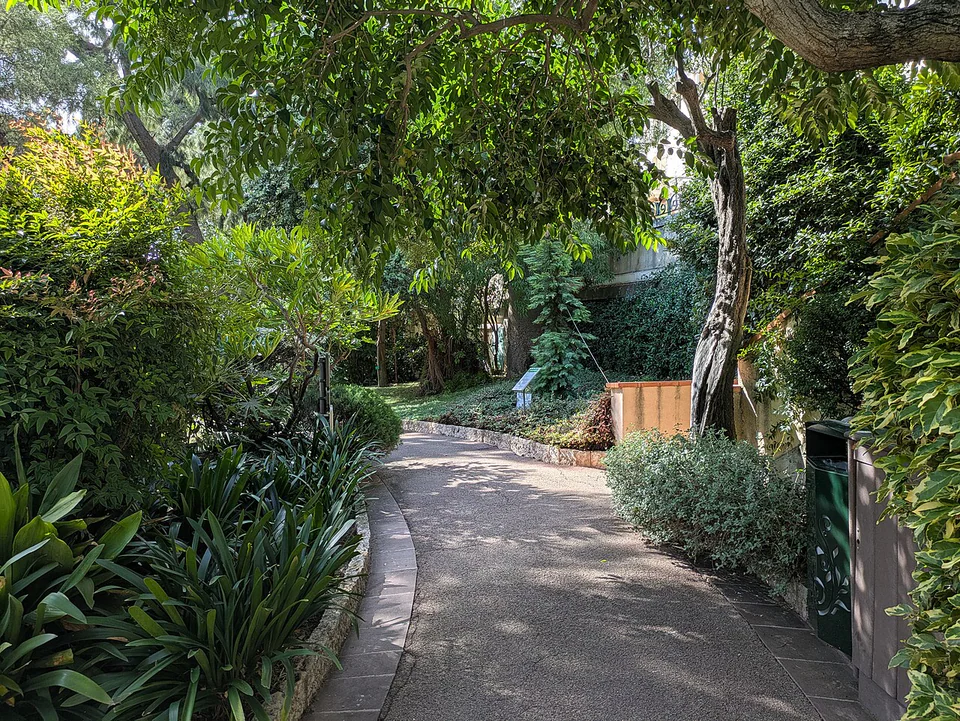
The shady gardens along the south side of the Rock have winding paths among pines, aloes and agaves, with the sea straight below. They're next to the Oceanographic Museum and free to enter.
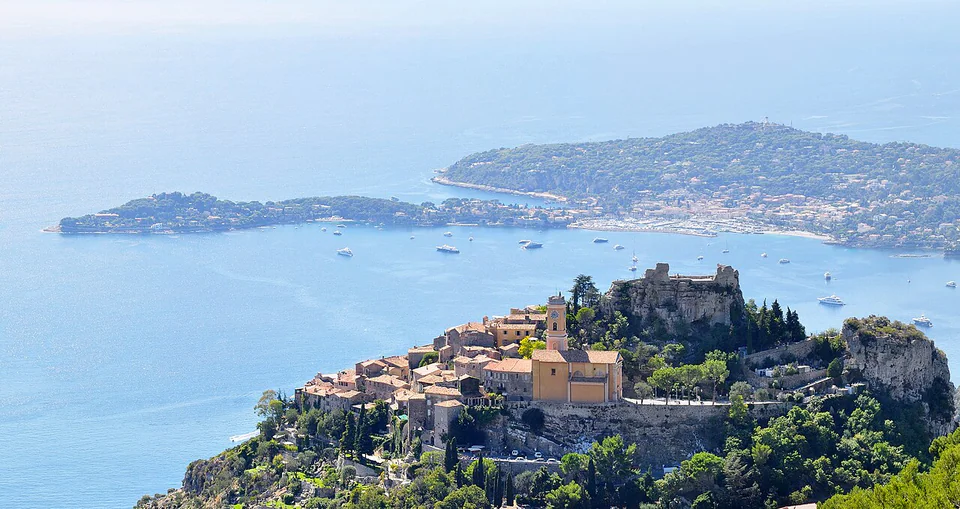
The hilltop village of Èze sits on a crag between Monaco and Nice, with an exotic garden at the top and views over Cap Ferrat. Get there by bus or on a guided tour along the coast.
See tours and pricesPack right
Best May–June and September–October
8–27 °CMild, often sunny winters and warm, dry summers. The mountains behind shelter the coast from cold winds, but July and August are hot and crowded.
Current currency
Euro
1 EUR to SEKThe rate is updated every hour. Always check the current rate before you travel.
Compare hotels and apartments on the map, with current prices.
The map loads from Stay22 only when you click. Stay22 may then set cookies and collect information about your browser. Privacy
Plan your trip
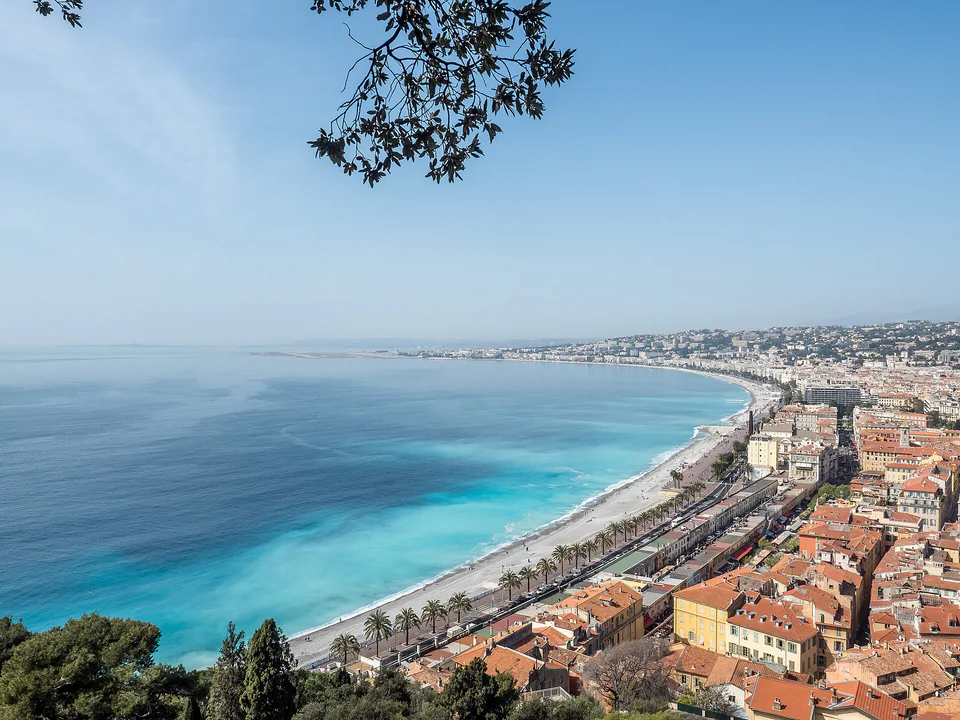
Monaco has no airport of its own. The nearest is Nice Côte d'Azur Airport (NCE), about 30 kilometres west of the principality. SAS flies direct from Stockholm Arlanda and Copenhagen, and there are direct flights from Gothenburg for part of the year. An express bus runs from the airport to Monaco in 45 minutes to an hour, depending on traffic. You can also take the tram into Nice and the train on from there, and helicopters fly between the airport and Monaco in about seven minutes.
Regional trains run frequently along the coast from Nice-Ville station to Monaco-Monte-Carlo in just over 20 minutes, and on towards Menton and the Italian border. The train is usually the easiest way to get here, since the roads are narrow and parking is expensive. Many visitors stay in Nice and come to Monaco for the day.
Check current departures and prices before you travel.

Monaco's hotels are among the most expensive in Europe. The classic luxury hotels stand around the Place du Casino, such as the Hôtel de Paris from the 1860s, and La Condamine by the harbour has simpler hotels close to the station and the market. Fontvieille and Larvotto have more modern hotels, near the beach and the Japanese Garden respectively.
Many visitors stay more cheaply in the neighbouring French towns, such as Beausoleil, Cap-d'Ail and Menton, or in Nice, and come in by train or bus. Prices soar during the Grand Prix and other big events, so book well ahead or pick another week.
The big and the small
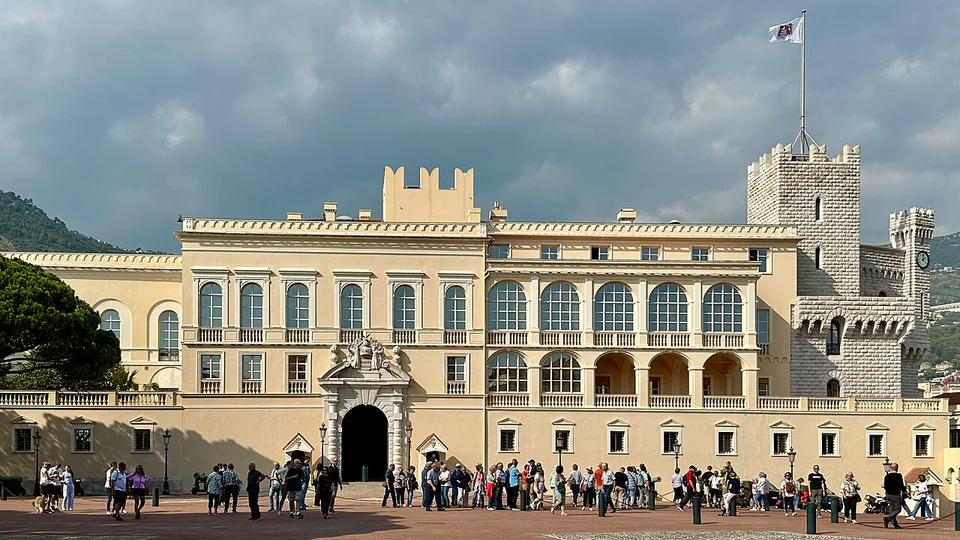
The palace grew out of a 13th-century Genoese fortress and is still the princely family's home. Every day at 11:55 the guard changes on the Place du Palais to the sound of drums. From spring to autumn you can walk through the State Apartments, with frescoes, marble staircases and the throne room. Prince's Palace tickets
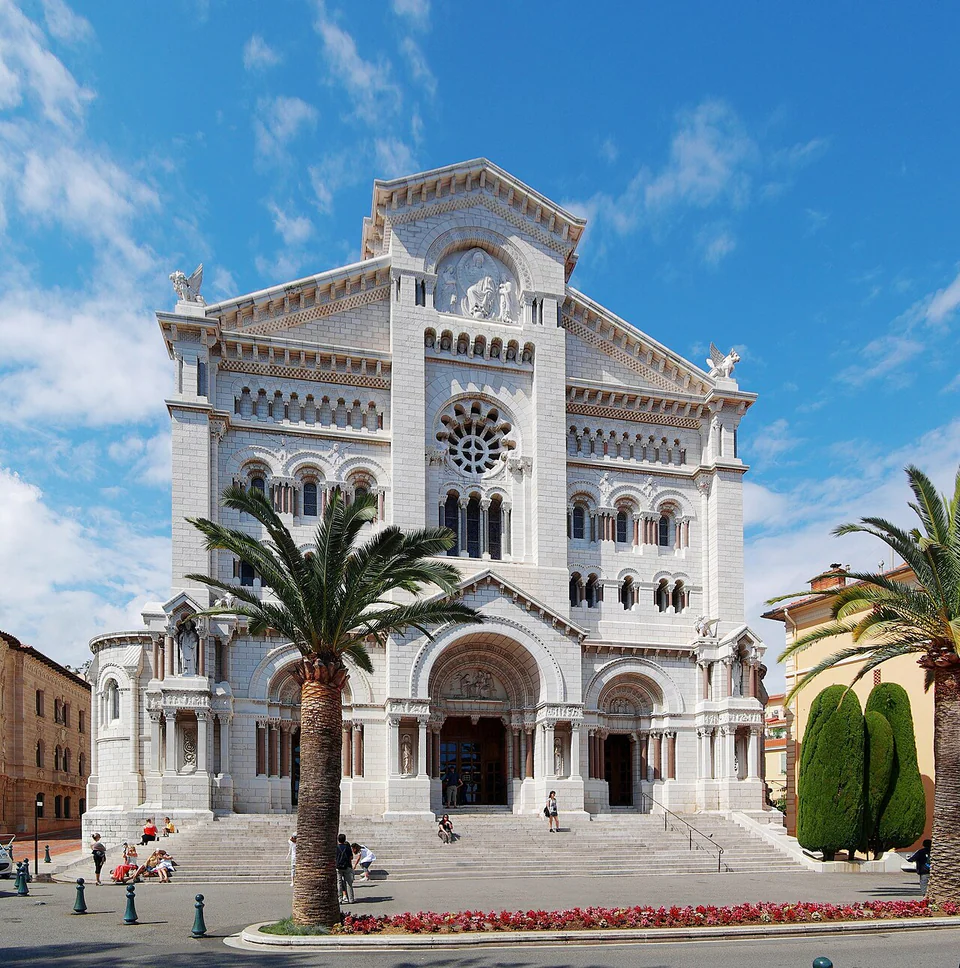
The white Romanesque-Byzantine cathedral was begun in 1875 on the site of Monaco's first parish church from the 13th century. Rainier III and Grace Kelly married here in 1956, and they are buried here along with most of Monaco's princes. Entry is free, and respectful dress is expected.
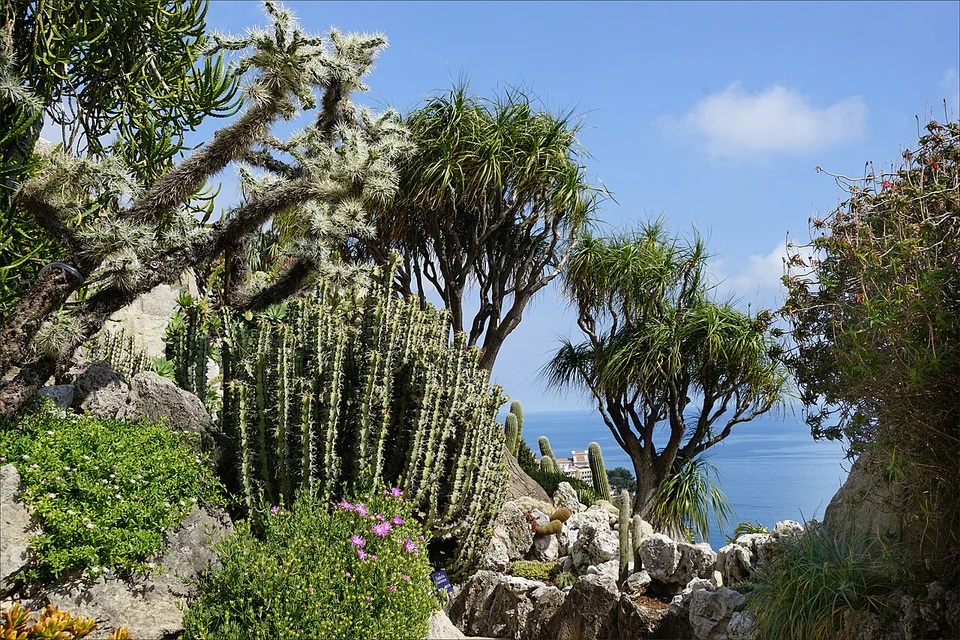
The garden clings to a steep cliff above Fontvieille and has thousands of cacti and succulents from dry regions around the world. It opened in 1933 and reopened in spring 2026 after several years of renovation. The view over the whole principality and the sea is one of the best in Monaco.
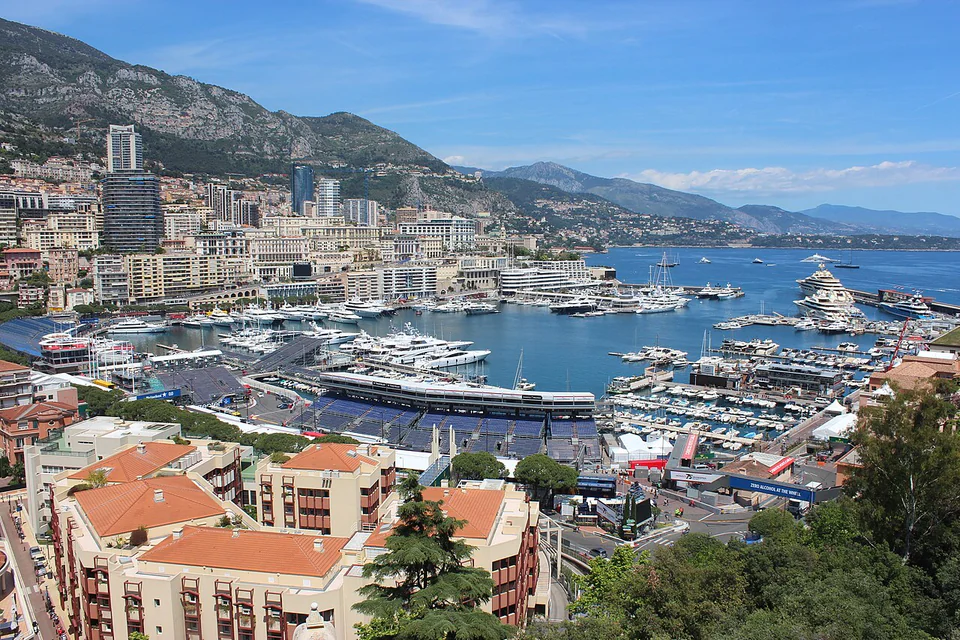
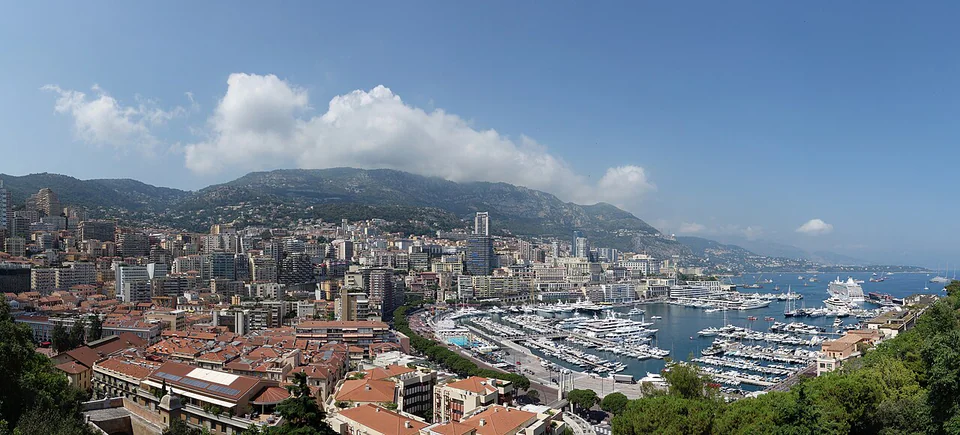
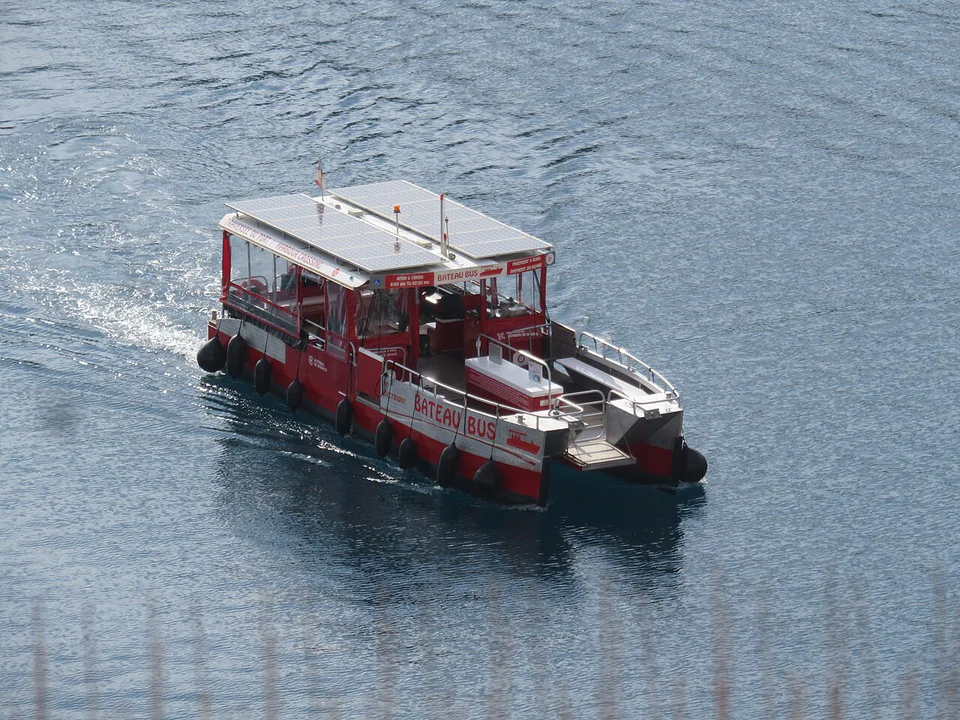
The natural harbour between the Rock and Monte-Carlo is full of superyachts, and the Grand Prix circuit runs along its quays. A small boat bus crosses the harbour, and on the quay is the Stade Nautique Rainier III outdoor pool, which becomes an ice rink in winter.
Rainier III began collecting cars in the 1950s, and today around a hundred of them are on show in a hall by Port Hercule, where the collection moved in 2022. They range from cars from the early 20th century to rally cars and Formula 1 cars. Prince's Car Collection tickets
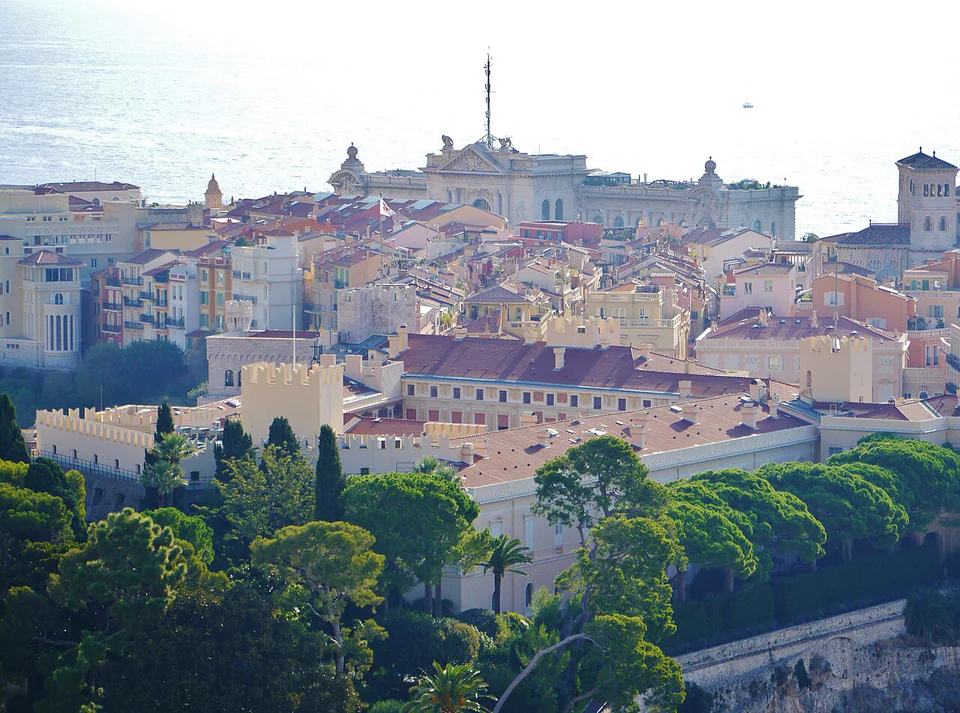
The old town stands on a rocky headland high above the sea. The Prince's Palace, the cathedral and the Oceanographic Museum share it with narrow lanes, pastel houses, souvenir shops and small restaurants. Walk up the old stepped ramp, the Rampe Major, from the harbour, and stop at the wall on the Place du Palais for the view over Port Hercule and Monte-Carlo. Monaco walking tours
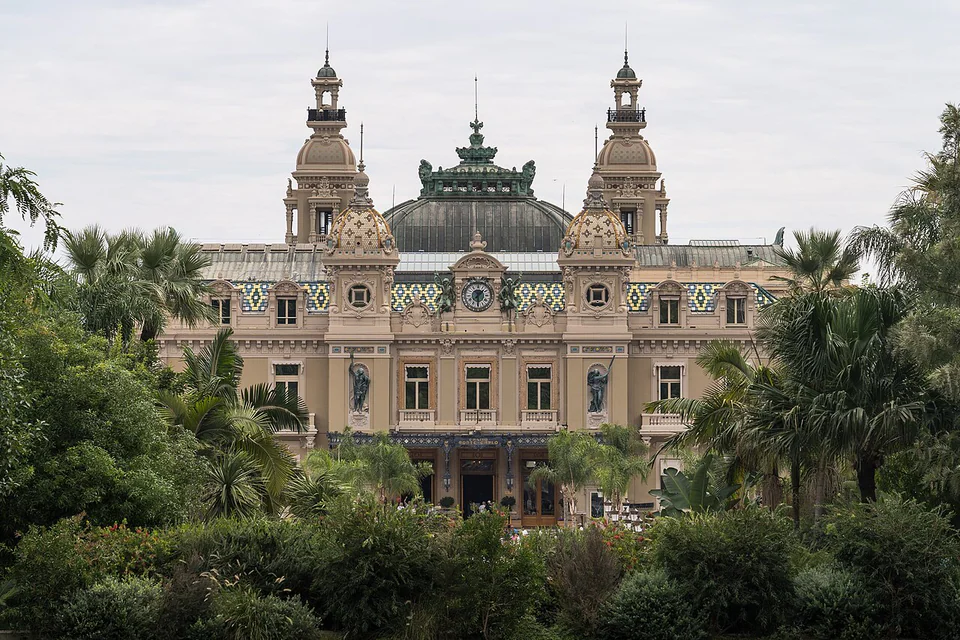
The casino opened in the 1860s and was later extended by Charles Garnier, the architect of the Paris Opera, who also designed the Salle Garnier opera hall from 1879. In the mornings you can pay to walk around and see the ornate rooms, and later in the day the gaming opens to adults with ID and smart clothes. Monegasques themselves aren't allowed to gamble here. Monte-Carlo Casino tours
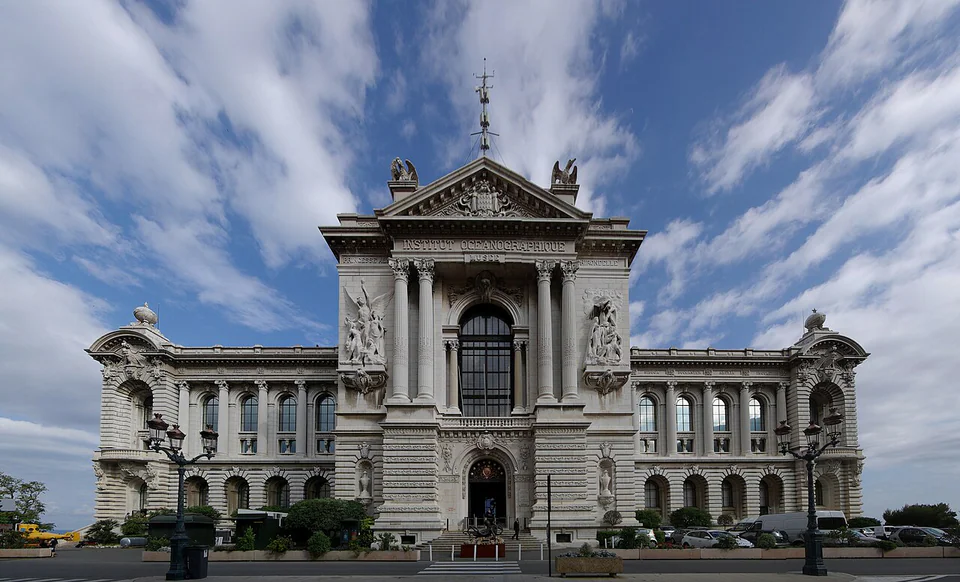
Prince Albert I, an oceanographer himself, opened the museum in 1910, built straight up from the cliff high above the sea. The lower floor holds an aquarium with fish, corals and sharks, and the upper halls show whale skeletons, scientific instruments and finds from the prince's expeditions. Jacques-Yves Cousteau was the museum's director for more than 30 years. Take the lift up to the roof terrace for the view. Oceanographic Museum tickets
Monaco-Ville up on the Rock is the old town, with the palace, the cathedral and the government buildings. Below it, La Condamine surrounds the Port Hercule harbour, with the market on the Place d'Armes, shopping streets and restaurants. Monte-Carlo, across the harbour, gathers around the casino, the grand hotels and luxury shops, and further east is Larvotto with the city's sandy beach. Fontvieille, west of the Rock, is built on reclaimed land, with a marina, the Stade Louis II football stadium and the Princess Grace Rose Garden. On the slope above lie the residential Moneghetti district and the Jardin Exotique.
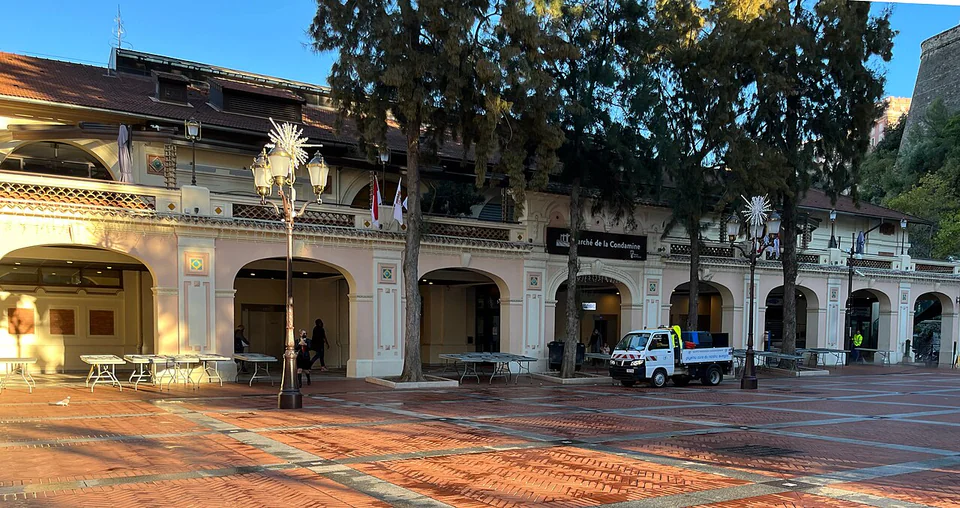
Monaco's cooking is close to that of its neighbours in Nice and Liguria. The national dish is barbagiuan, fried pastries filled with Swiss chard, ricotta and herbs, eaten all year but especially on National Day, 19 November. Also try socca, a thin chickpea-flour pancake, stocafi, dried cod stewed with tomatoes and olives, and sweet fougasse flavoured with orange blossom and anise. The market on the Place d'Armes in La Condamine sells fruit, vegetables and local specialities, and the market hall has simple food stalls. Monaco has several restaurants with Michelin stars, but lunch in La Condamine costs far less than dinner in Monte-Carlo.
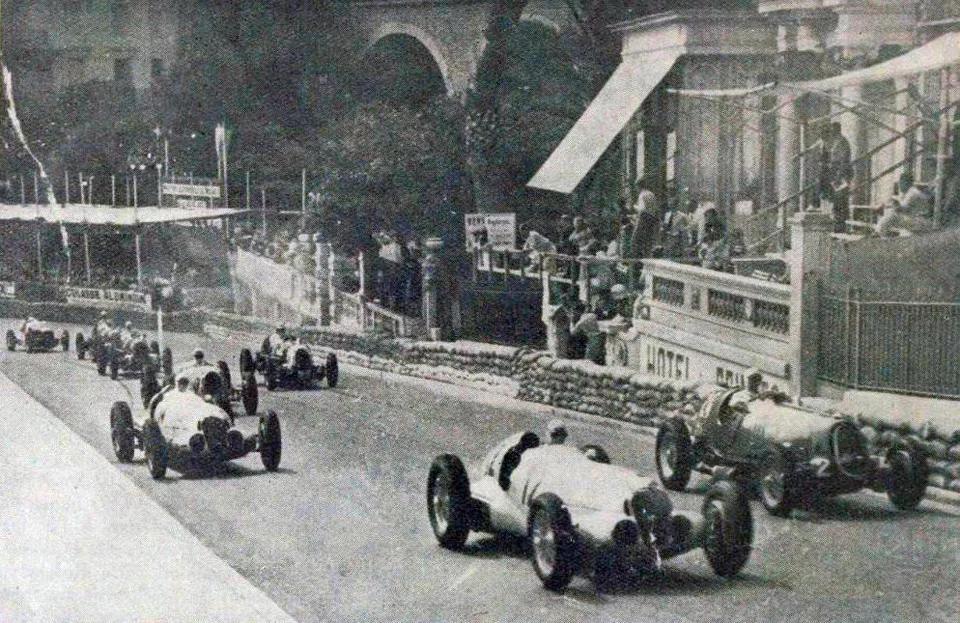
The Monaco Grand Prix has been raced through the streets since 1929 and is one of the most famous events in Formula 1. The circuit runs from the corner at Sainte-Dévote up the hill to the Place du Casino, through the tunnel and around the harbour. The race is held in May or June, and in 2027 Monaco also hosts a sprint race for the first time. In the weeks beforehand, grandstands and barriers go up and many streets close. Tickets are sold by the organiser, the Automobile Club de Monaco. The same circuit also hosts the all-electric Monaco E-Prix and, every other year, the Grand Prix Historique for older racing cars.
The Rallye Monte-Carlo, one of the oldest rallies in the world, opens the World Rally Championship in January, starting and finishing in Monaco. AS Monaco play football at the Stade Louis II in Fontvieille, and in April the Monte-Carlo Masters tennis tournament is played at the Monte-Carlo Country Club, just across the border in France.
Monaco is small and easy to walk around, but hilly. Around 80 public lifts and dozens of escalators link streets at different levels, and they're free and open around the clock. Buses run by the Compagnie des Autobus de Monaco cover the whole principality, and tickets are sold in the Monapass app or by the driver. The boat bus crosses Port Hercule and saves you the walk around the harbour. MonaBike has electric bikes for hire at stations around Monaco.
Monapass sells tickets for the buses in Monaco. SNCF Connect sells train tickets, for example to Nice, Menton and further into France. The Lignes d'Azur app is handy if you're staying in Nice and using the trams and buses there. MonaBike's electric bikes are rented through an app.

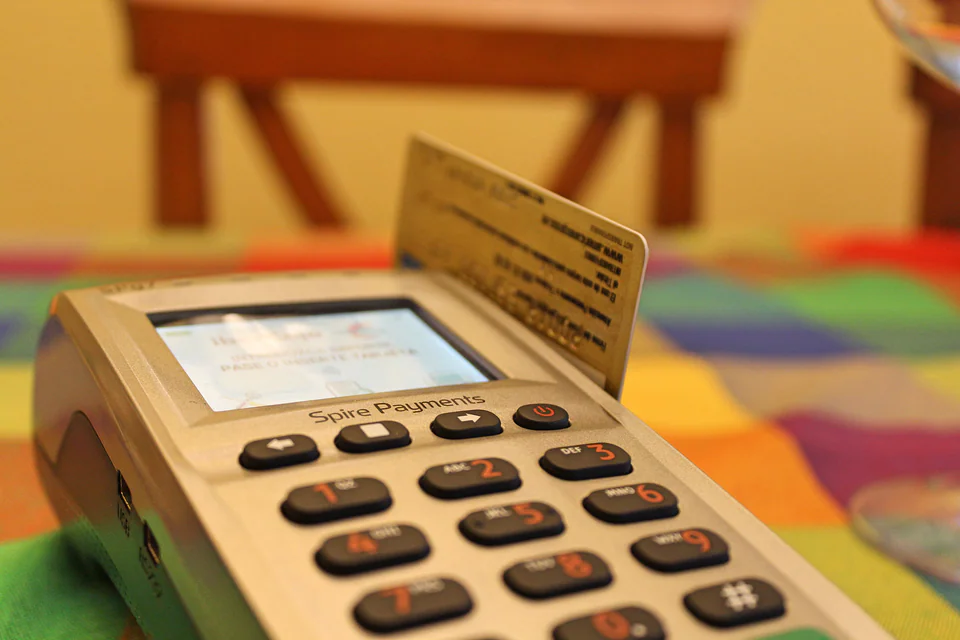
The currency is the euro, and cards work almost everywhere. Monaco is not in the EU, and EU roaming rules don't apply here, so check what your plan charges. Your phone may also connect to Monaco Telecom while you're still in the neighbouring French towns. There are no border controls with France. Swimwear and bare chests belong on the beach, and smart dress is expected in churches, at the casino and in better restaurants. Monaco is considered very safe. Service is included in the price, but rounding up is common.
Get to the Place du Palais a little before 11:55 for a good spot at the changing of the guard, and see the palace, the cathedral and the Oceanographic Museum in the same morning. Visit the casino in the morning if you want to see the rooms without gambling, and come back in the evening to see the Place du Casino lit up. Use the free lifts between levels rather than climbing the hills. During Grand Prix week the streets are closed off and prices are high, so come another week unless you're there for the race. Combine Monaco with Èze, Menton or Nice along the same railway line.