The cradle of alpine skiing, Austria's largest ski area and legendary après-ski
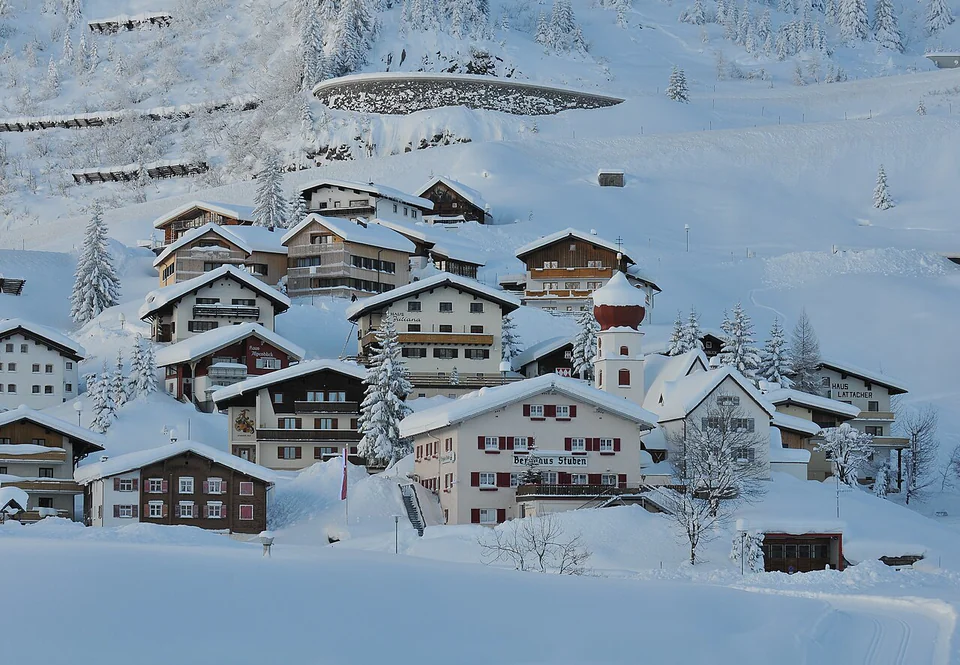
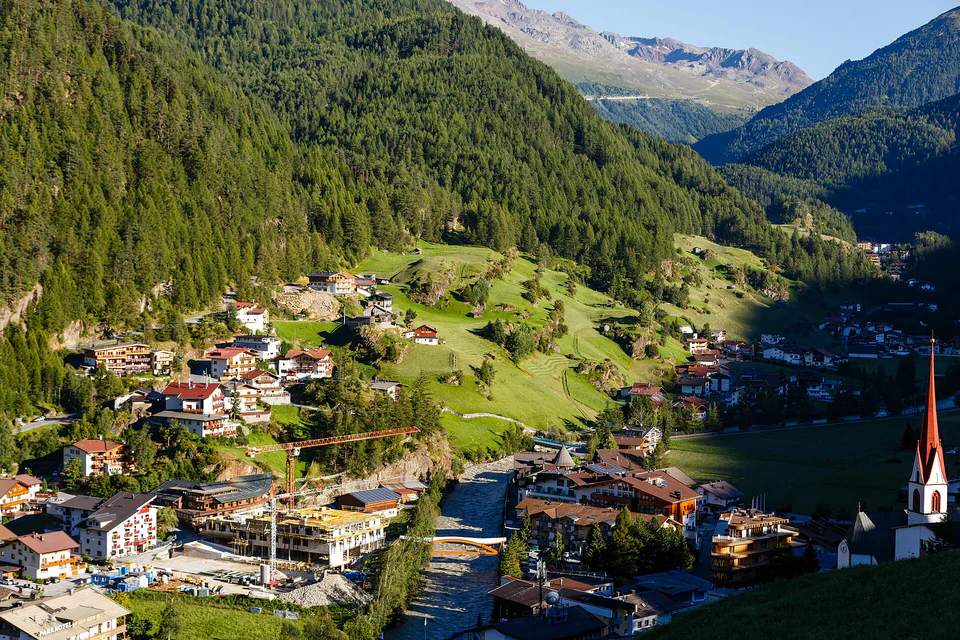
St Anton am Arlberg lies at around 1,300 metres in western Tyrol, below the Arlberg Pass that separates Tyrol from Vorarlberg. The village is counted as one of the birthplaces of alpine skiing. Hannes Schneider began teaching skiing here as early as 1907. The ski school he founded in 1921 then helped spread the Arlberg technique around the world. In 1928 the first Arlberg-Kandahar race was held on the Galzig, the mountain above the village.
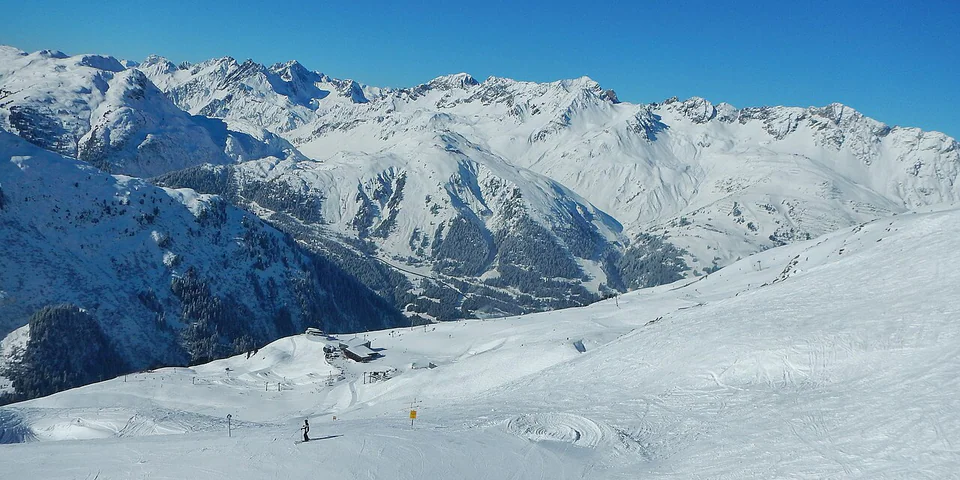
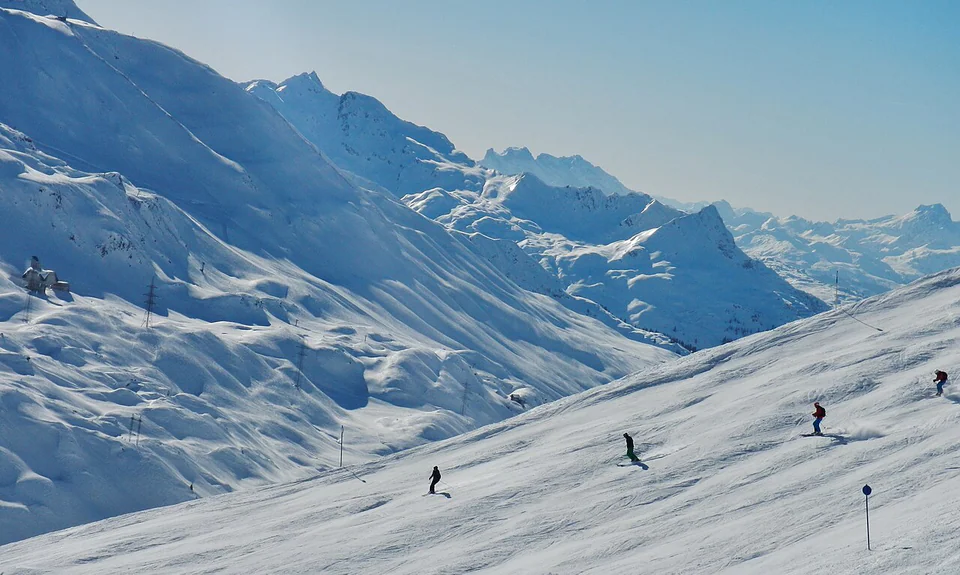
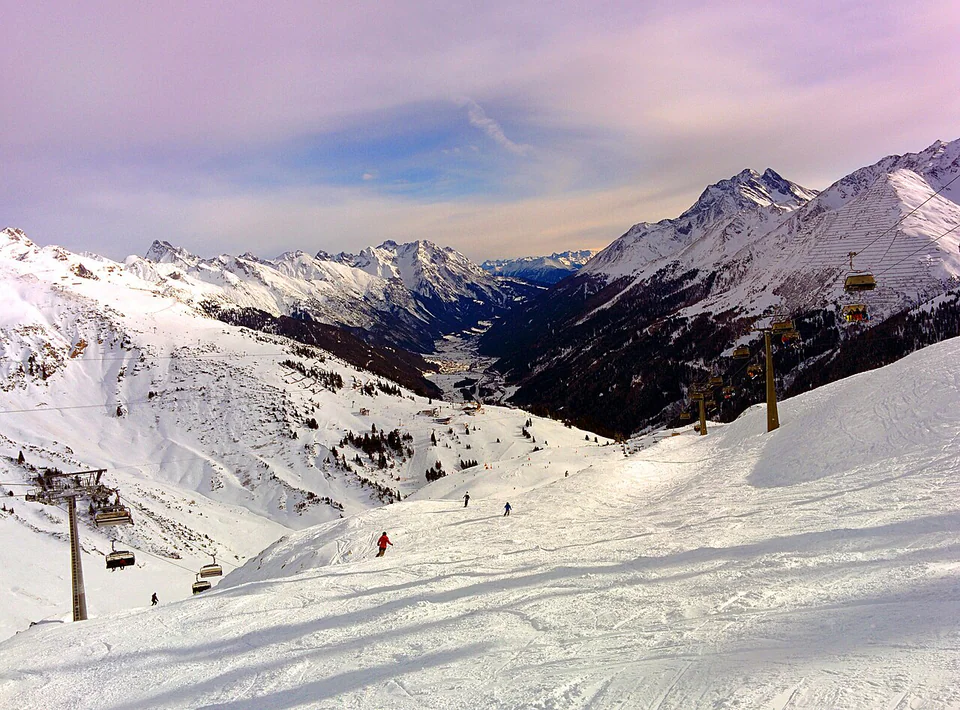
Today St Anton is the gateway to Ski Arlberg, Austria's largest linked ski area, with around 300 kilometres of pistes. Since the Flexenbahn opened in 2016, the ski areas of St Anton, Zürs and Lech have been linked, so you can ski between the resorts. The area is also known for its extensive off-piste. From the Valluga, at 2,811 metres, a sweeping view across the Alps awaits. The ski season usually runs from early December to late April.
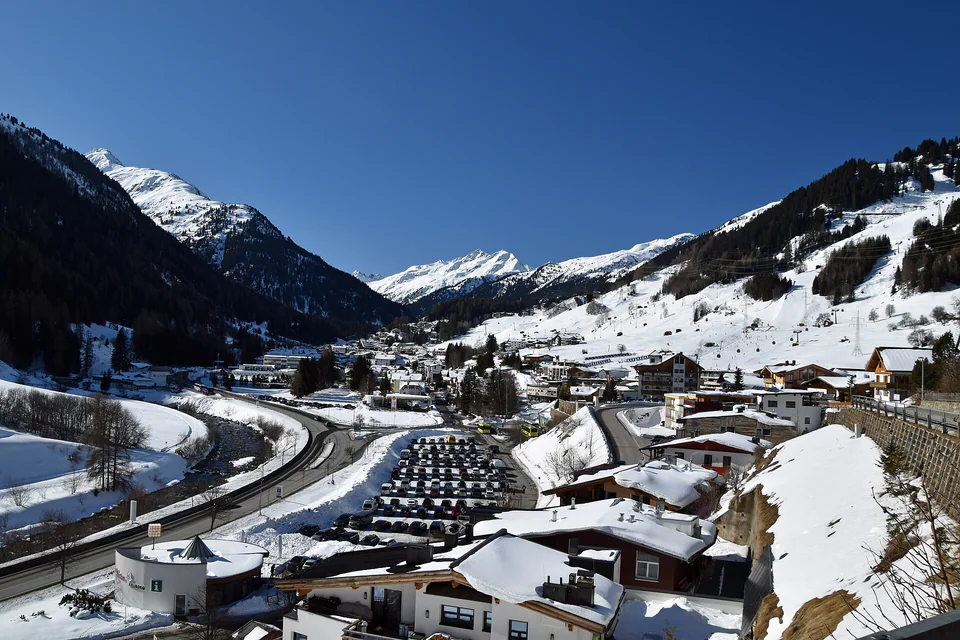
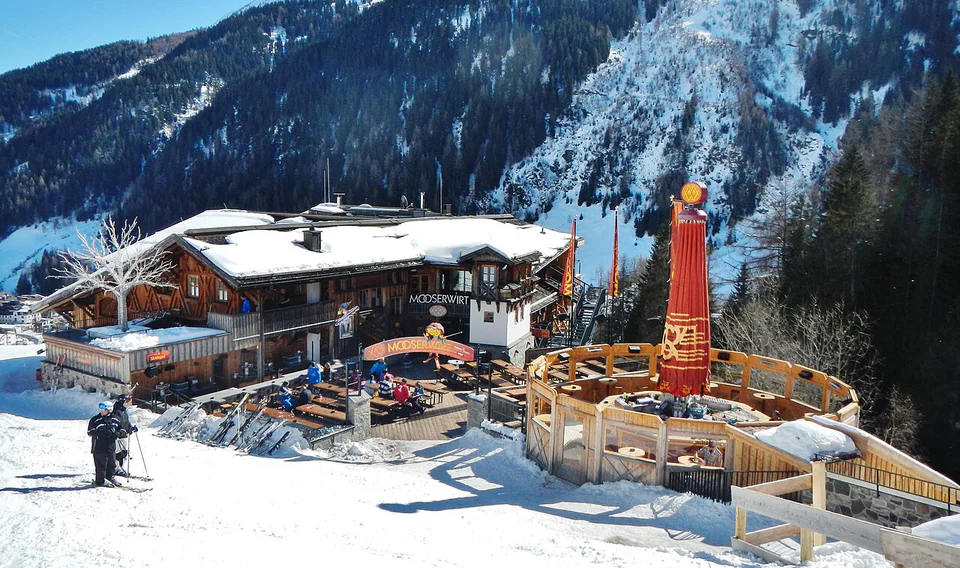
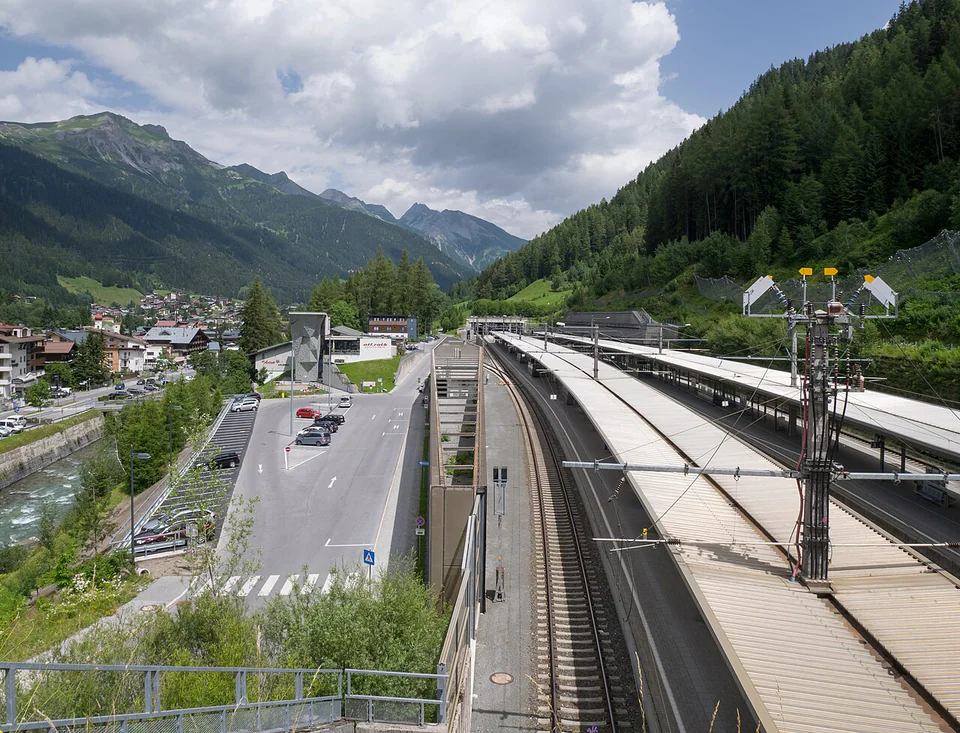
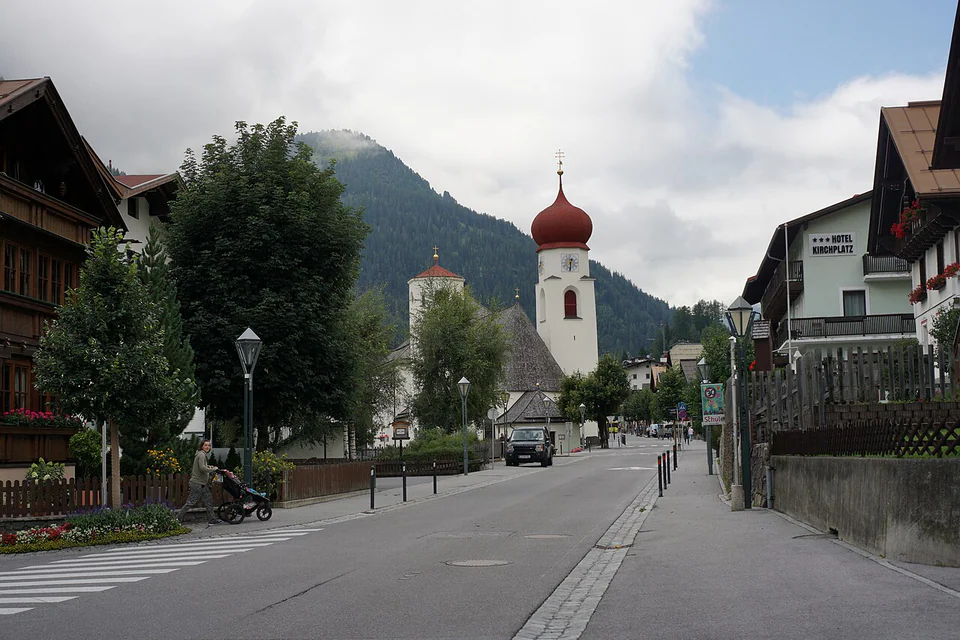
The après-ski is at least as famous as the skiing. At the MooserWirt and the Krazy Kanguruh, beside the run down to the village, guests dance in their ski boots and the party is in full swing long before the last run of the day. In the village centre, the main street is lined with hotels, sports shops and restaurants. The railway station is also within easy walking distance of the centre.
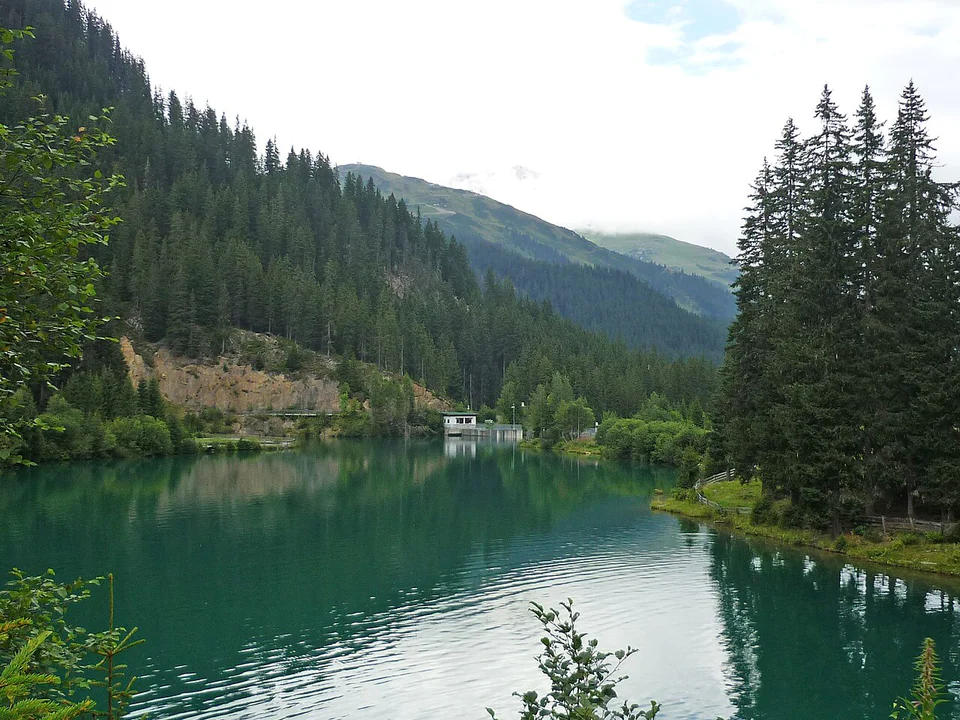
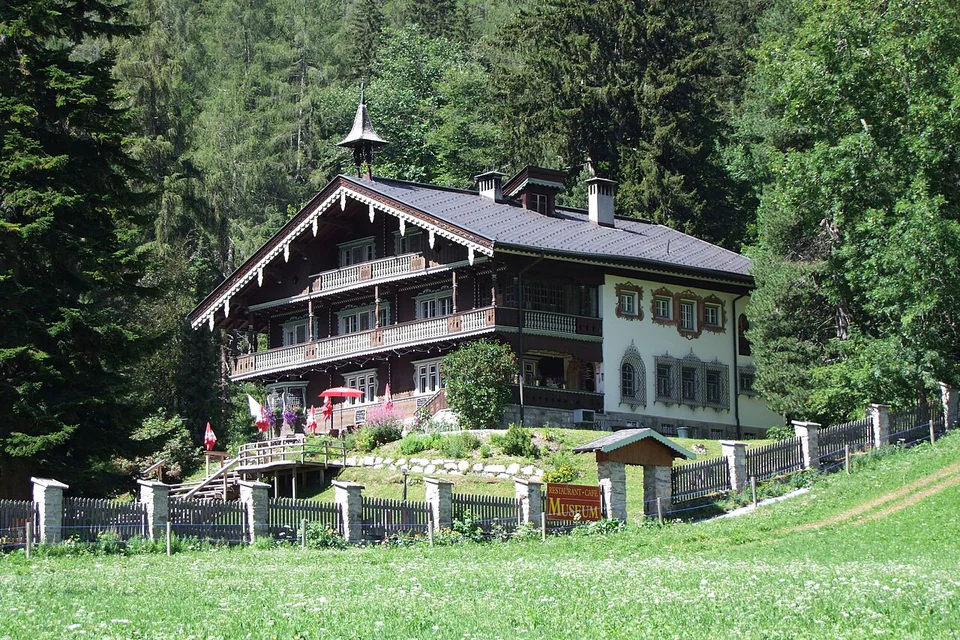
In summer St Anton turns into a popular hiking resort. Trails take you into the Verwall valley, among other places, to the Verwallsee lake and the Konstanzer Hütte mountain hut. In the ski museum, housed in a villa from the early 1900s, you can follow the story of how a poor mountain village grew into one of the most famous ski resorts in the Alps.
Things to do
Cross-country skiing in the Verwall valley
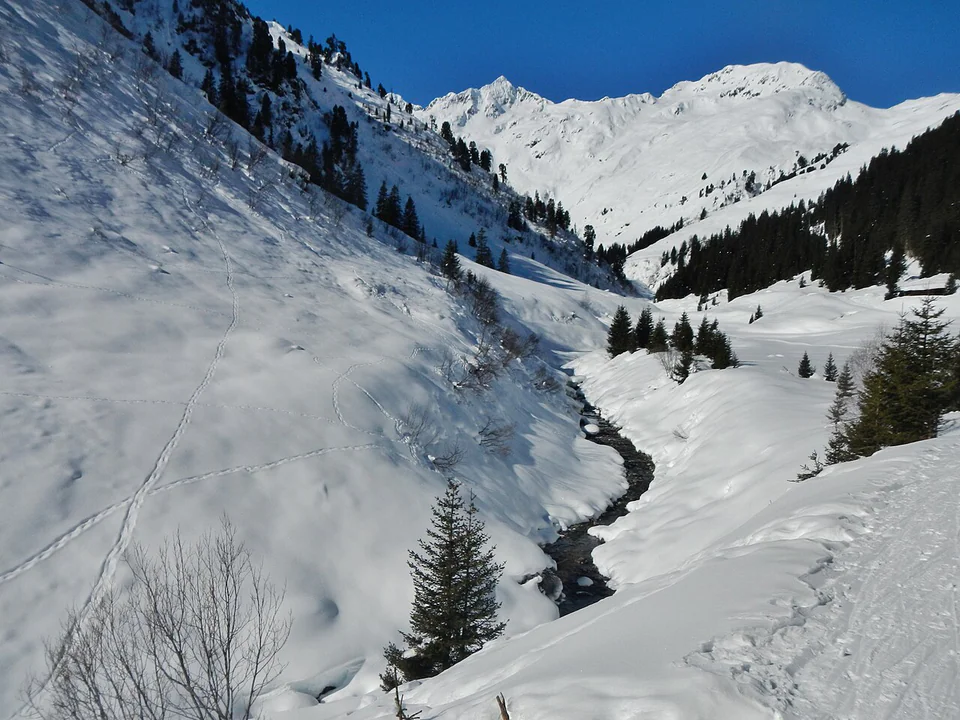
Southwest of the village a groomed cross-country trail of around ten kilometres runs into the narrow Verwall valley towards the Verwallsee lake, and a winter walking path follows the same route. A bus from the village saves you the first climb. Check that the trail is open before you set off.
Hiking to the Konstanzer Hütte
In summer a trail runs from the village past the Verwallsee and on up the valley to the Konstanzer Hütte, a mountain hut at 1,688 metres. The whole way takes around three and a half hours one way, but a bus runs part of the way up the valley and shortens the hike.
Skiing on the Rendl
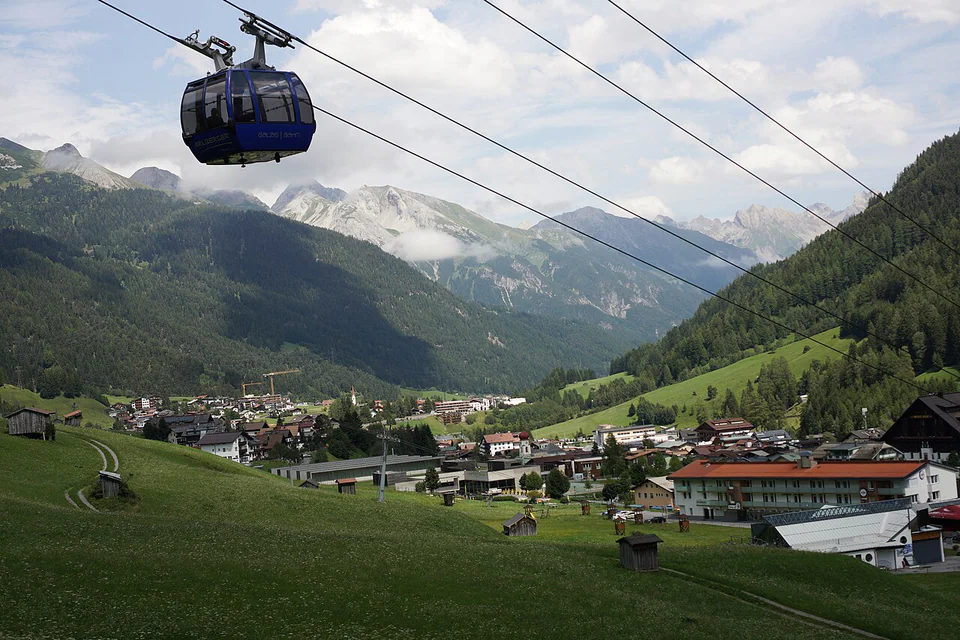
On the other side of the valley lies the Rendl, a smaller and quieter ski area reached by gondola from the village. The pistes are mostly easier ones, the queues are often shorter than on the Galzig, and when storms come from the right direction the snow can be better here.
Pack right
☼
Best December–April and July–September
−10–20 °C
Cold, snowy winters, with more snow higher up the slopes than down in the village. Summers are mild and sometimes rainy, with afternoon thunderstorms. Föhn winds and snowfall can close the highest lifts.
Current currency
€
Euro
1 EUR to SEK
The rate is updated every hour. Always check the current rate before you travel.
Find places to stay in St Anton
Compare hotels and apartments on the map, with current prices.
The map loads from Stay22 only when you click. Stay22 may then set cookies and collect information about your browser. Privacy
Plan your trip
✈Getting to St Anton
The nearest airport is Innsbruck (INN), just over an hour away by car. Zürich (ZRH) and Munich (MUC) are two to three hours away. Transfer buses and taxis run from the airports.
The train is often the easiest option. St Anton is on the Arlberg Railway, and Railjet trains run direct from Innsbruck in just over an hour and from Zürich in around two and a half hours. The station is close to the village centre.
Check current departures and prices before you travel.
⌂Where to stay
St Anton has everything from family-run guesthouses to luxury hotels, chalets and apartments. Stay near the Galzigbahn or the Nassereinbahn and you can walk to the lifts, while the centre puts you close to restaurants and après-ski. Nasserein and St. Jakob, east of the centre, are quieter, and in St. Christoph up by the pass you stay right on the slopes.
Book well ahead for Christmas, New Year, February and Easter, when school holidays in several countries fill the resort.
The big and the small
Selected sights
Lech am Arlberg
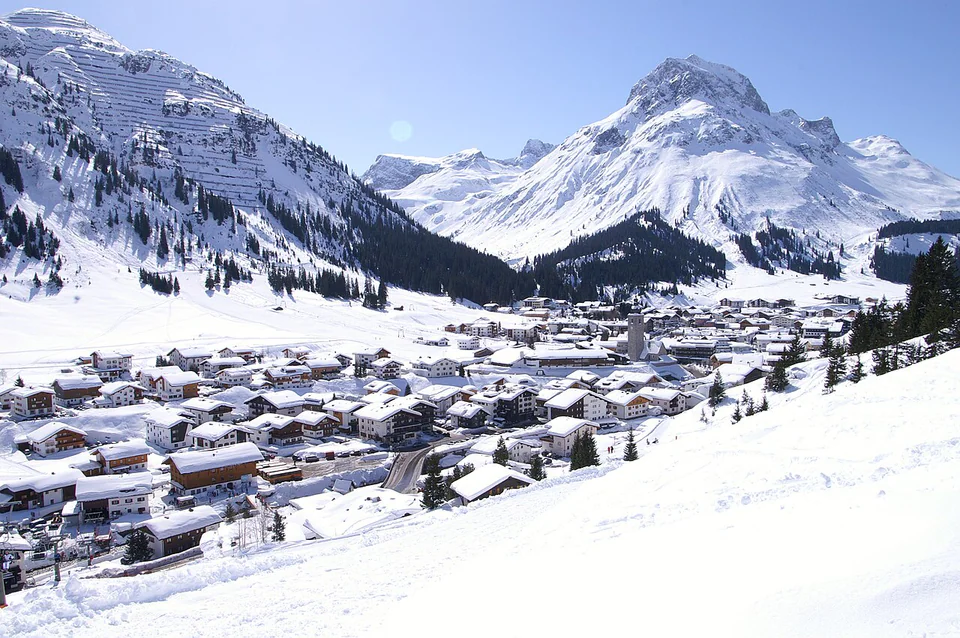
On the Vorarlberg side of the Flexen Pass lies Lech, one of Austria's most exclusive ski resorts, with wooden houses, an old village church and a river running through it. Der Weiße Ring, a ski circuit of around 22 kilometres, loops around Lech, Zürs and Oberlech, and since 2006 it has also been raced every winter.
Zürs
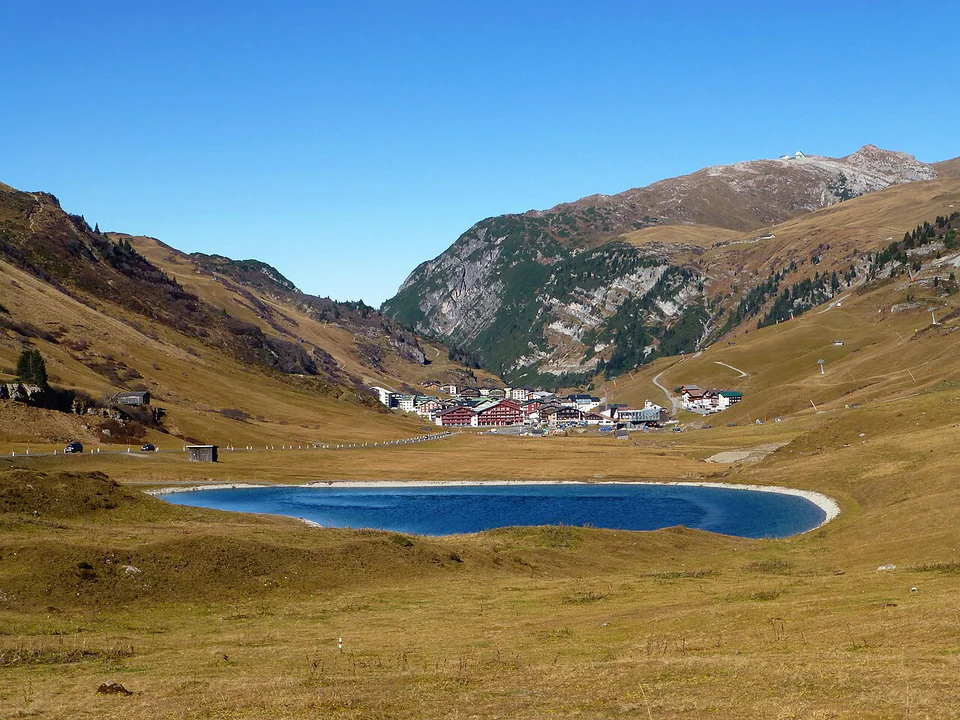
The small resort at around 1,700 metres by the Flexen Pass consists almost entirely of hotels. From St Anton you get here on the Flexenbahn from Alpe Rauz, which opened in 2016 and linked up Ski Arlberg. This is also where the off-piste from the back of the Valluga ends.
St. Christoph
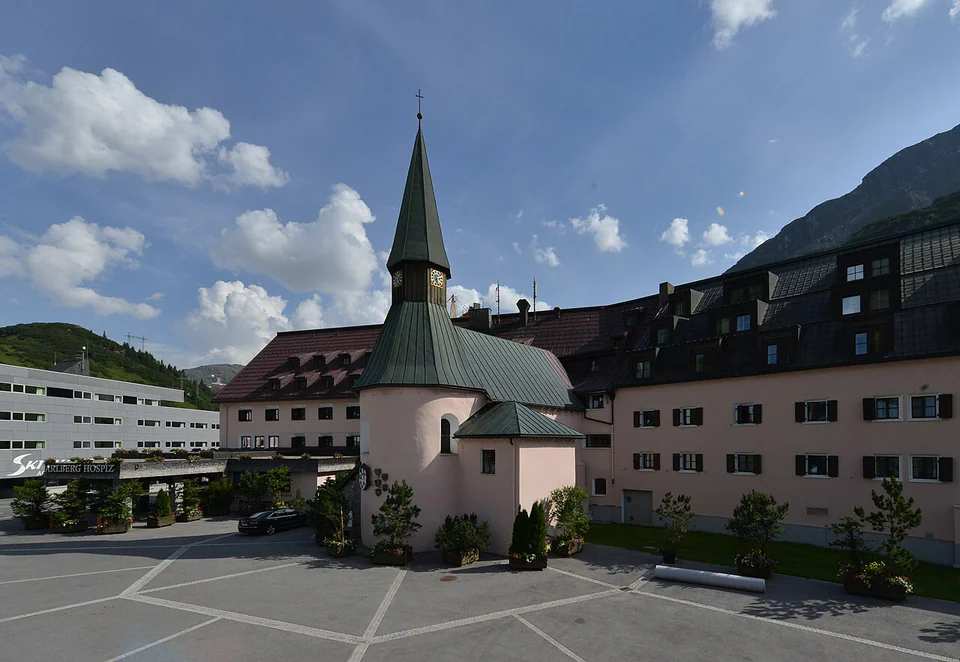
Up at the Arlberg Pass, at around 1,800 metres, the shepherd boy Heinrich Findelkind founded a hospice around 1386 for travellers crossing the pass. Today the Arlberg Hospiz hotel and its chapel stand on the site. The Ski Club Arlberg was founded here in 1901.
Stuben
The small village on the Vorarlberg side of the pass has kept its old village character. Hannes Schneider was born here in 1890, and the house where he was born has a memorial plaque. Stuben is part of Ski Arlberg and known for deep snow and good off-piste, and the Flexenbahn towards Zürs leaves from Alpe Rauz just above.
Museum St. Anton am Arlberg
The museum is in the Villa Trier, built around 1912 for a German industrialist, in a park above the Galzigbahn. The exhibition upstairs tells of the Arlberg technique, the first ski schools and how St Anton became a ski resort. There's a restaurant on the ground floor, and the villa appears in the 2011 film Chalet Girl.
Valluga
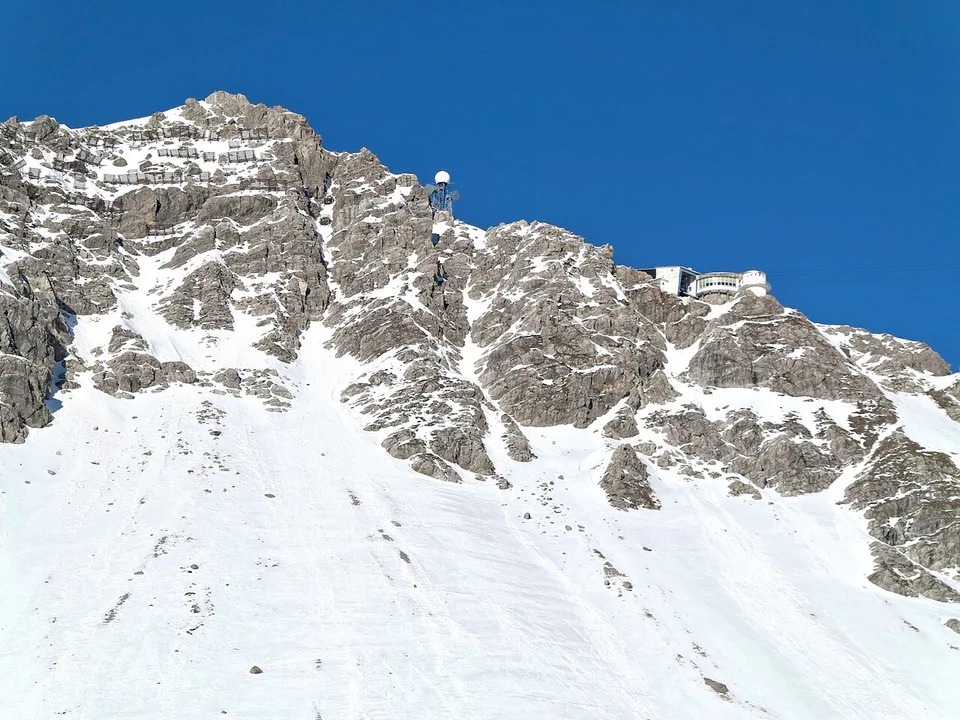
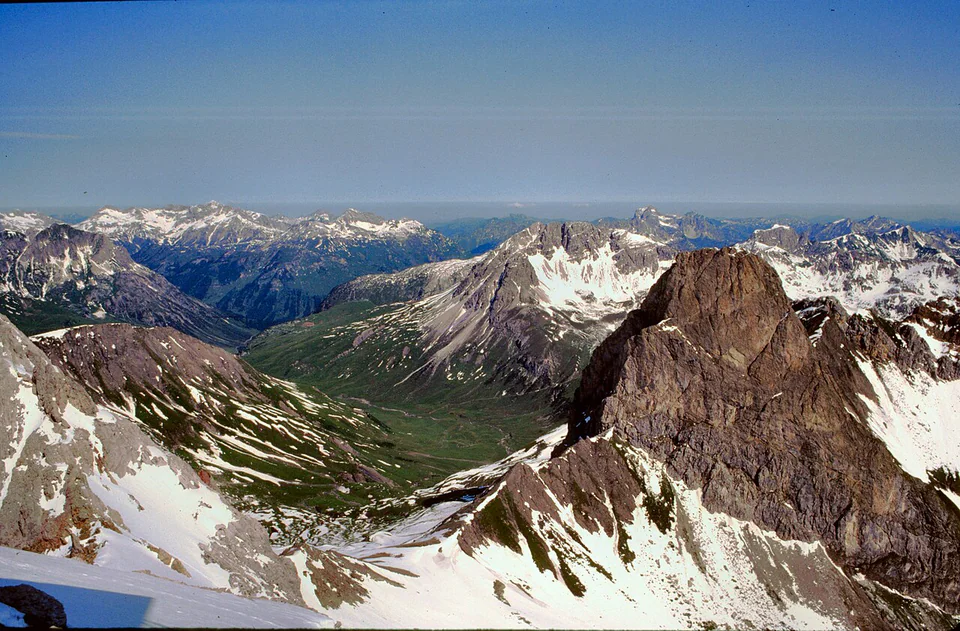
The highest peak in the ski area reaches 2,811 metres. From the Galzig the Vallugabahn climbs to the Vallugagrat, and from there a small cable car takes you the last stretch to a viewing platform on the summit. Skiers may only ride the top cable car with a licensed guide, as the run down the back towards Zürs is pure off-piste.
Ski Arlberg
The ski area links St Anton, St. Christoph, Stuben, Zürs, Lech, Oberlech, Warth and Schröcken, with around 300 kilometres of pistes plus many marked but ungroomed ski routes. Since the Flexenbahn opened in 2016 the whole area has been connected, and one ski pass covers it all.
Après-ski
Beside the run down to the village are the MooserWirt and the Krazy Kanguruh après-ski bars, where the music starts in the afternoon. The Krazy Kanguruh is counted as the resort's oldest après-ski bar. You ski the last stretch down to the village, often at dusk, so save some energy for the end.
Worth knowing
Areas of St Anton
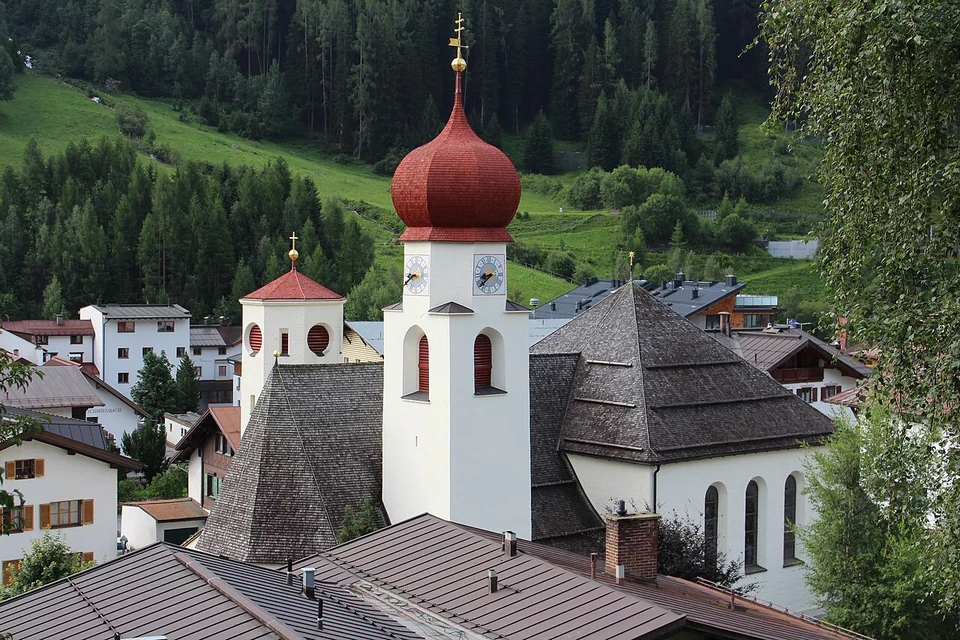
The centre is around the main street, Dorfstraße, and the church, with the Galzigbahn and most of the bars and restaurants. East of the centre lies Nasserein, with its own gondola up into the ski area, and furthest east the quiet village of St. Jakob. Up by the pass, a short bus ride away, is St. Christoph.
Food & drink
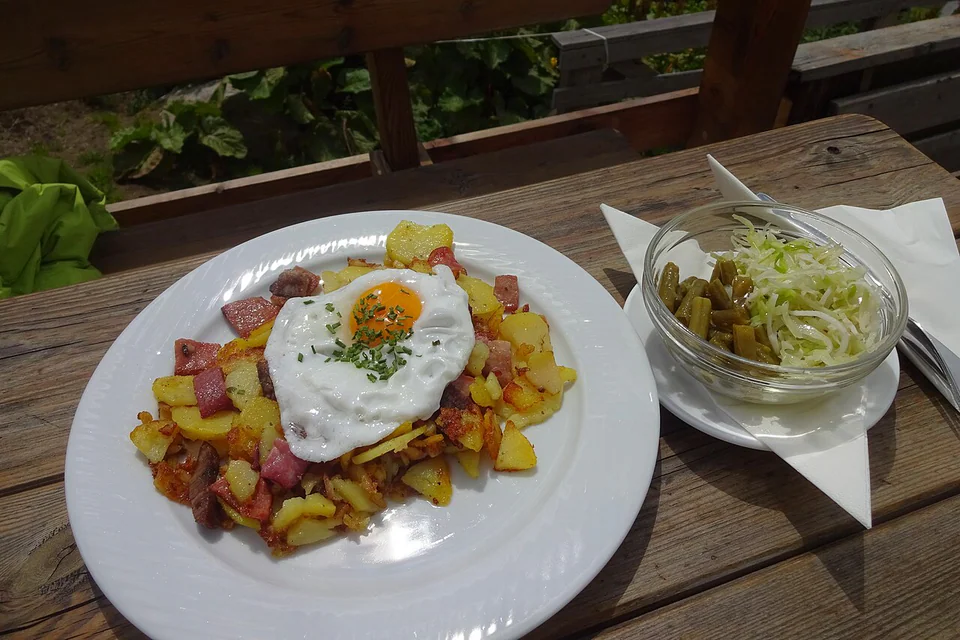
Tyrolean food is filling and made for long days on the slopes. Try Tiroler Gröstl, fried potatoes with pork and onion topped with a fried egg, Kasspatzln, small egg noodles baked with cheese, and Kaspressknödel, bread and cheese dumplings in broth. For dessert there's Kaiserschmarrn, a torn-up pancake with icing sugar and fruit compote. There are plenty of mountain restaurants on the slopes, and the village has everything from pizzerias to fine dining.
Skiing
The main area above the village is made up of the Galzig, Gampen, Kapall and Schindlergrat, with the Valluga at the top. On the other side of the valley lies the Rendl. Beyond the pistes there are marked ski routes, which aren't groomed, and large off-piste areas. The Ski Arlberg pass also covers Stuben, Zürs, Lech, Warth and Schröcken.
St Anton suits experienced skiers best, with many steep and red runs. Beginners have nursery slopes and ski schools to choose from, but may want to spend a few days on the Rendl or in Lech. The season usually runs from early December to late April.
Getting around
The centre is easy to walk around, and buses run between the different parts of the village and on to St. Christoph, Stuben, Zürs and Lech. If you drive, you need a vignette for Austrian motorways, and the road tunnel under the Arlberg has its own toll. From 1 November to 15 April your car must have winter tyres in wintry conditions, and it's wise to carry snow chains. Parking in the village is limited and paid.
Apps
Ski Arlberg's website, skiarlberg.at, shows which lifts and pistes are open, and you can buy ski passes there. The tourist office at stantonamarlberg.com has events and bus information. The ÖBB app shows train times and sells tickets. Also download a weather app with mountain forecasts, and a map app with offline hiking trails for summer.
Essentials
The currency is the euro. Cards work in most places, but carry some cash for smaller mountain restaurants. EU roaming rules apply. The off-piste and ski routes carry avalanche risk: only ski off-piste with avalanche gear and preferably a guide, and check the avalanche forecast every day. The emergency number is 112. The sun is strong at altitude, even on a cold day.
Extra tips and advice
Choose your season by what you want to do: skiing from December to April, hiking from July to September. January and March are often quieter than Christmas, February and Easter, and in April the days are long. Take the train if you can, as it goes straight to the village and avoids wintry roads. Between seasons, in May–June and October–November, much of the village is closed.
St Anton's main street with the church in the background on a summer day
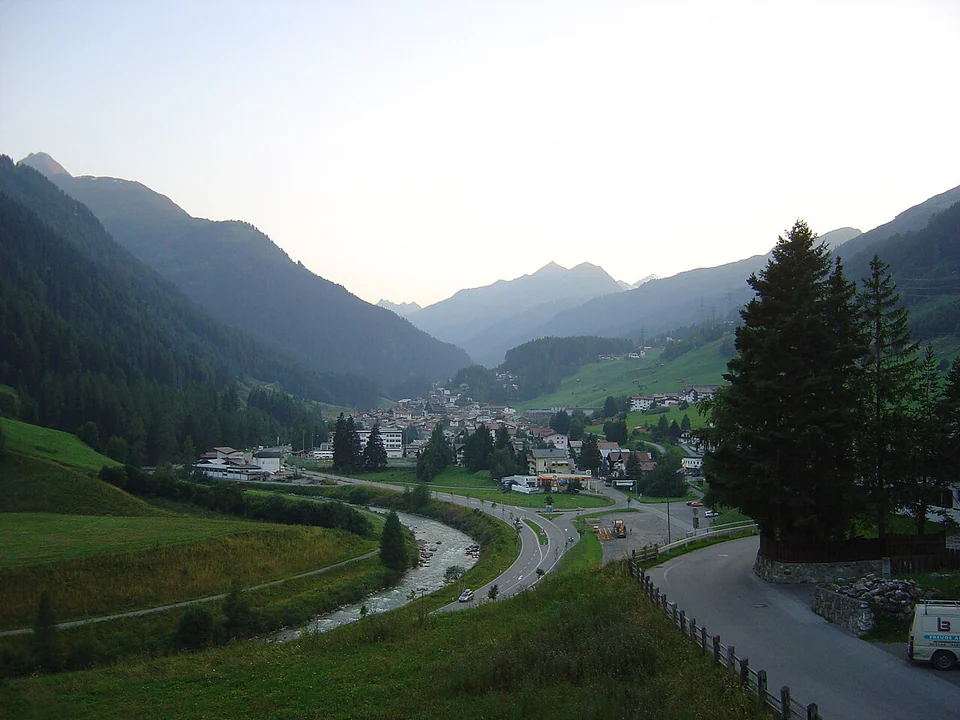
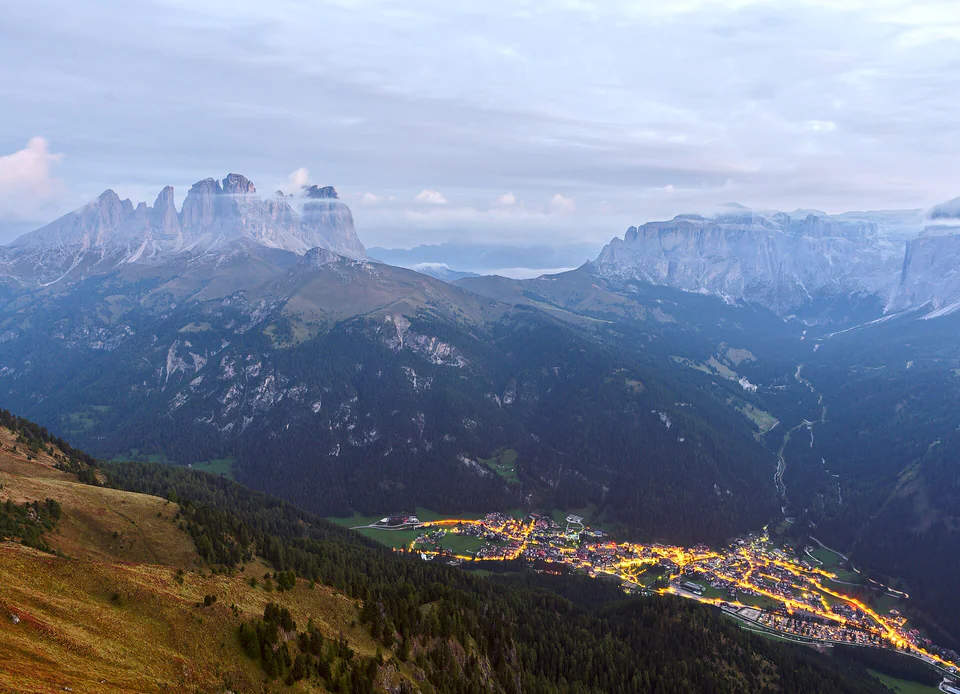
The valley with St Anton on a summer evening, seen from Nasserein
The view from the Valluga over the mountains and valleys on an early summer day