Belle Époque hotels by a waterfall, thermal baths and skiing in the Hohe Tauern
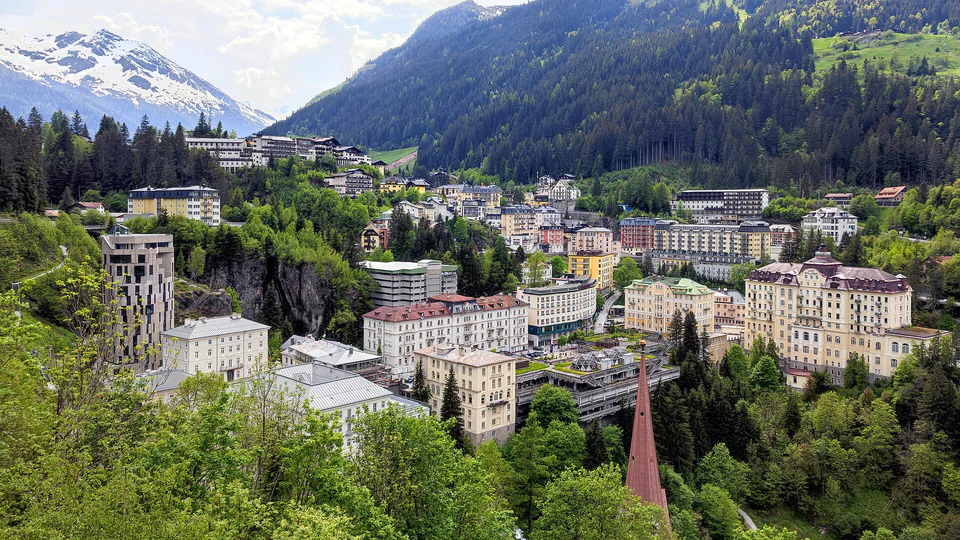
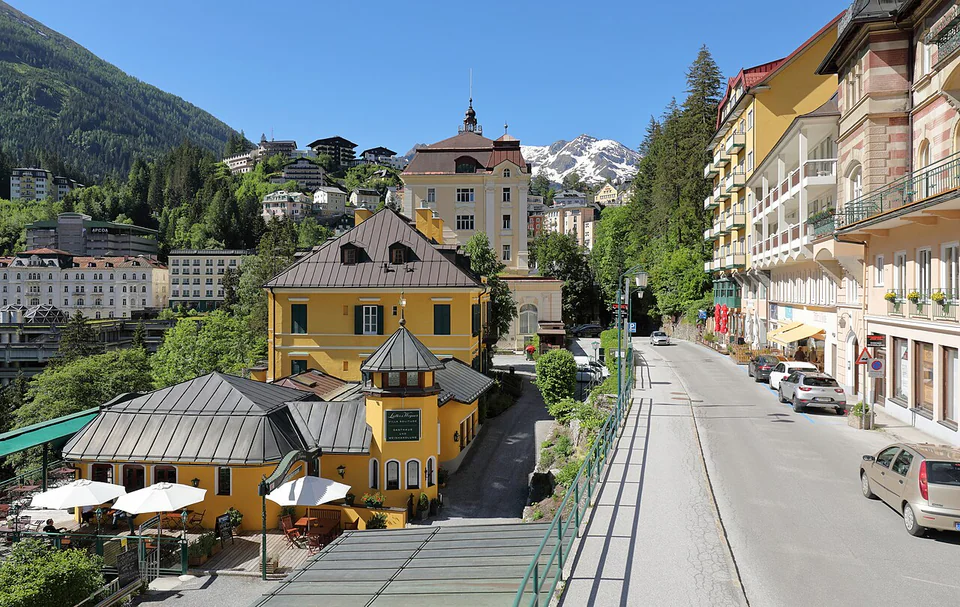
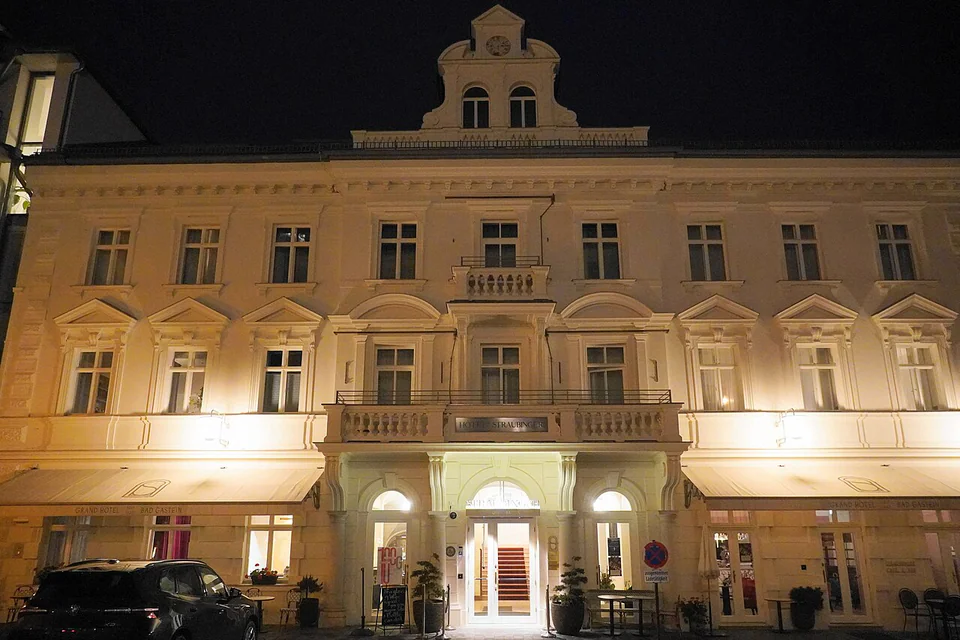
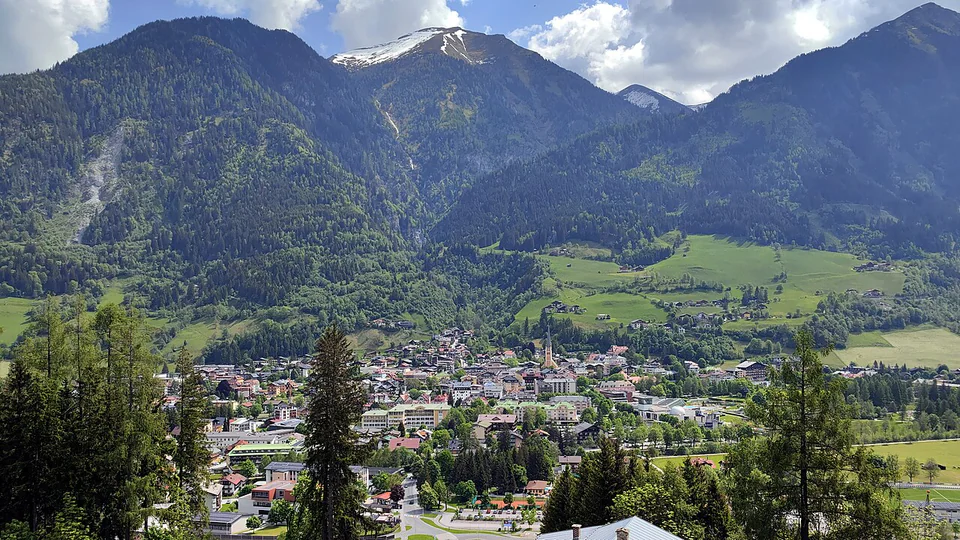
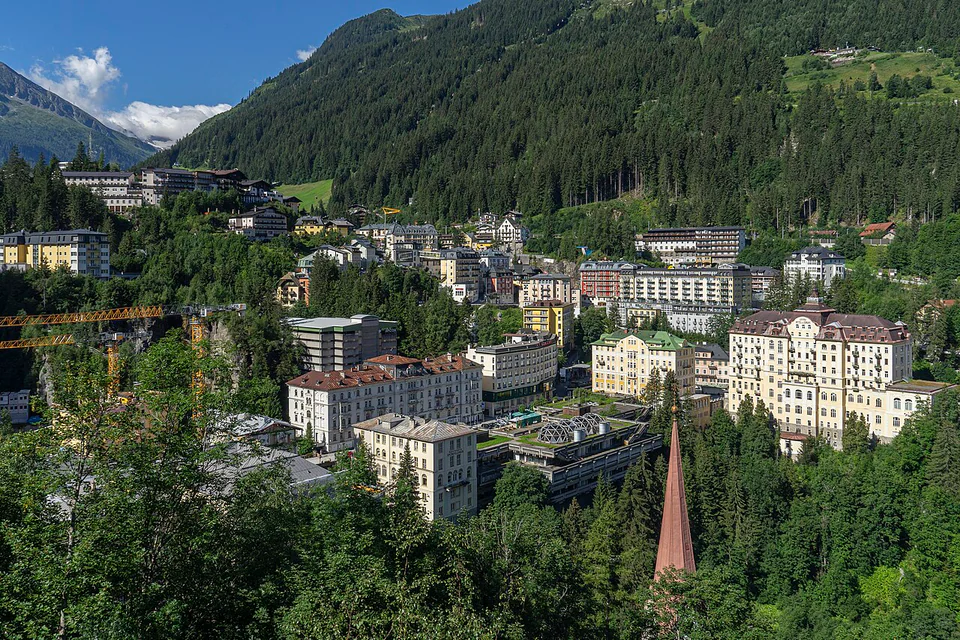
Bad Gastein sits at around 1,000 metres in the Gastein Valley in the state of Salzburg, at the foot of the Hohe Tauern mountains. In the middle of the village, the Gastein Waterfall plunges 341 metres in three stages. The Belle Époque hotels rise along the steep slopes, a reminder of the resort's heyday as an exclusive spa town. In the 19th century Bad Gastein became a meeting place for Europe's rulers. Empress Elisabeth and the German Emperor Wilhelm I were among the visitors, and in 1865 the Gastein Convention between Austria and Prussia was signed at the Hotel Straubinger.
For many years several of the grand hotels stood empty. More recently the village has come back to life, and in 2023 both the Straubinger and its neighbour, the Badeschloss, reopened after almost two decades.
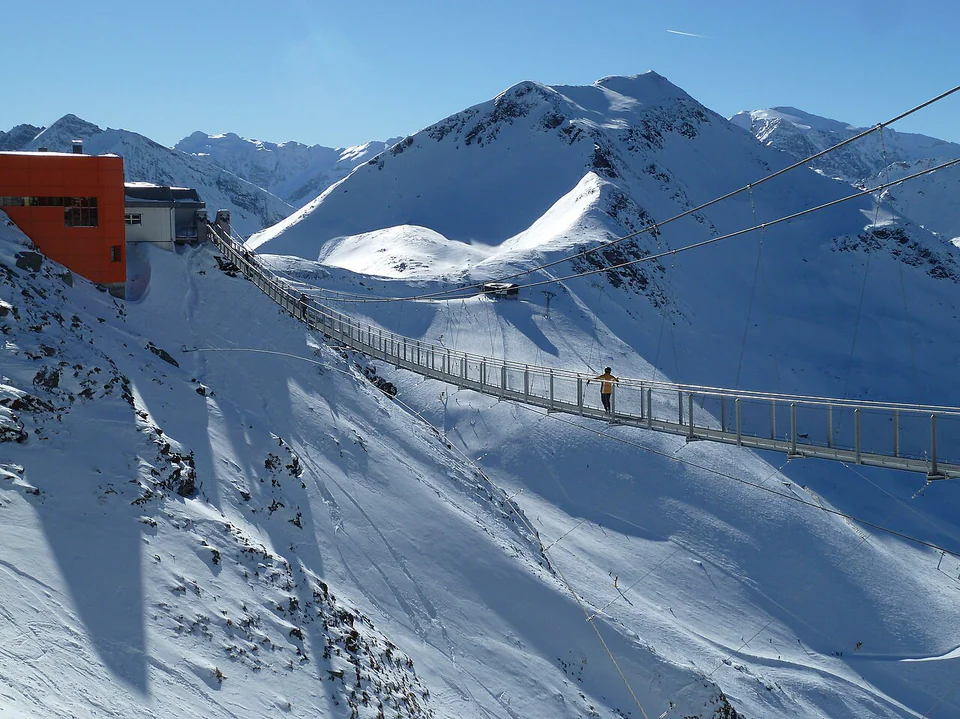
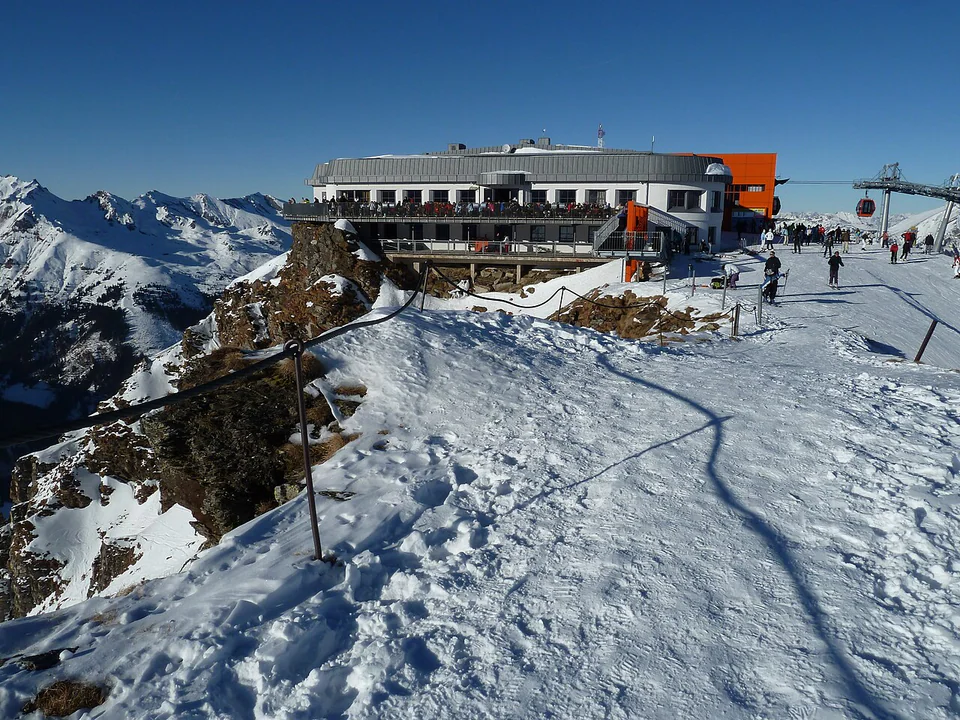
In winter Bad Gastein is part of Ski Gastein, with around 200 kilometres of pistes across the valley's ski areas. From the village, the gondola takes you up to the Stubnerkogel, where a 140-metre suspension bridge spans a dramatic drop. Further up the valley lies Sportgastein, with skiing up to 2,686 metres and often good snow well into spring.
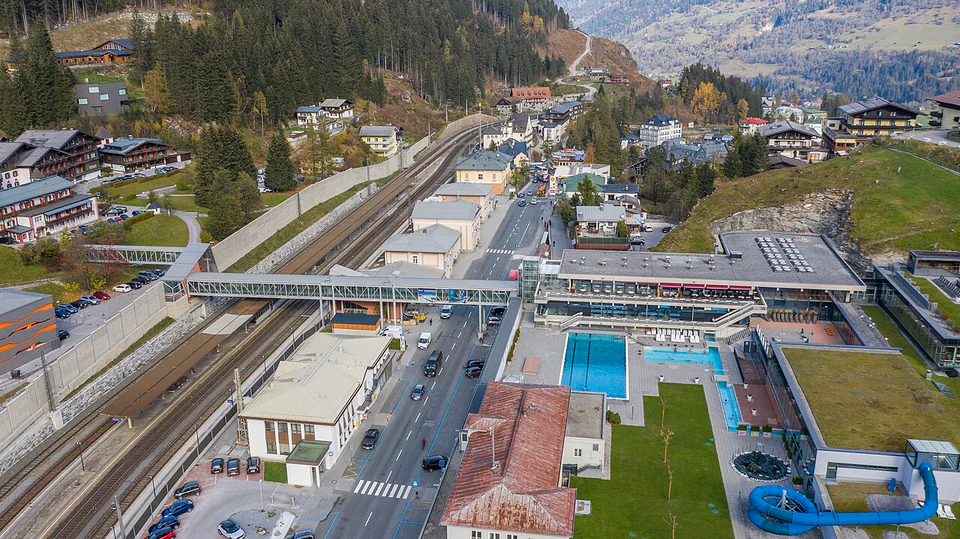
The thermal water is still a key part of Bad Gastein's identity. You can bathe at the Felsentherme, next to the railway station, or take the train into the Gasteiner Heilstollen in Böckstein, a former mine tunnel filled with warm, radon-rich air. In summer the hiking trails of the Kötschachtal draw walkers with sweeping views of the mighty Hohe Tauern peaks.
Things to do
Bathing at the Felsentherme
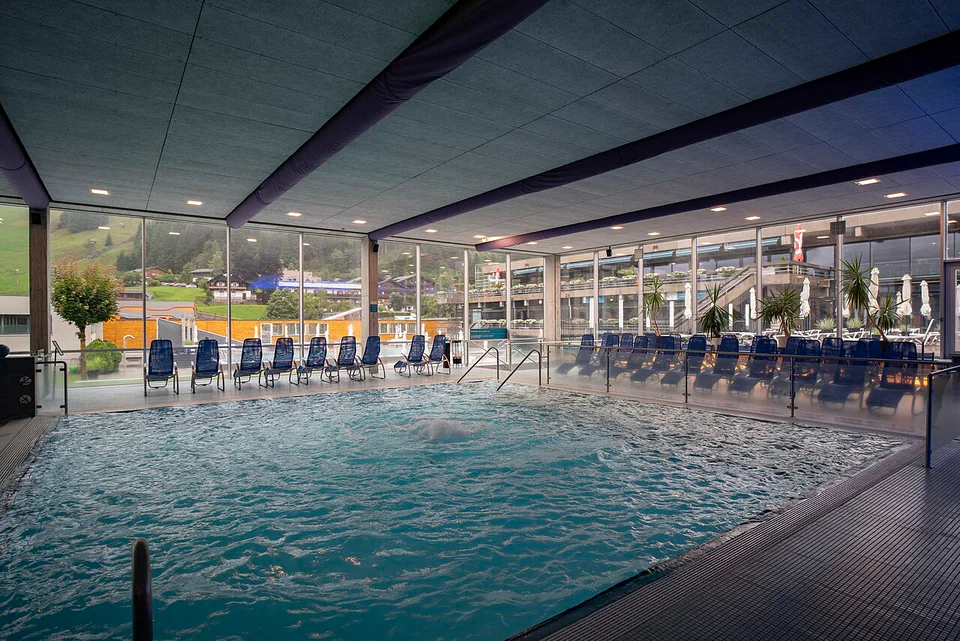
The thermal baths are a few steps from the railway station and are filled with Gastein's thermal water, which comes out of the mountain at around 46 degrees. There are indoor and outdoor pools, and an evening dip in warm water surrounded by snow is hard to beat after a day on the slopes.
A walk along the Kaiser-Wilhelm-Promenade
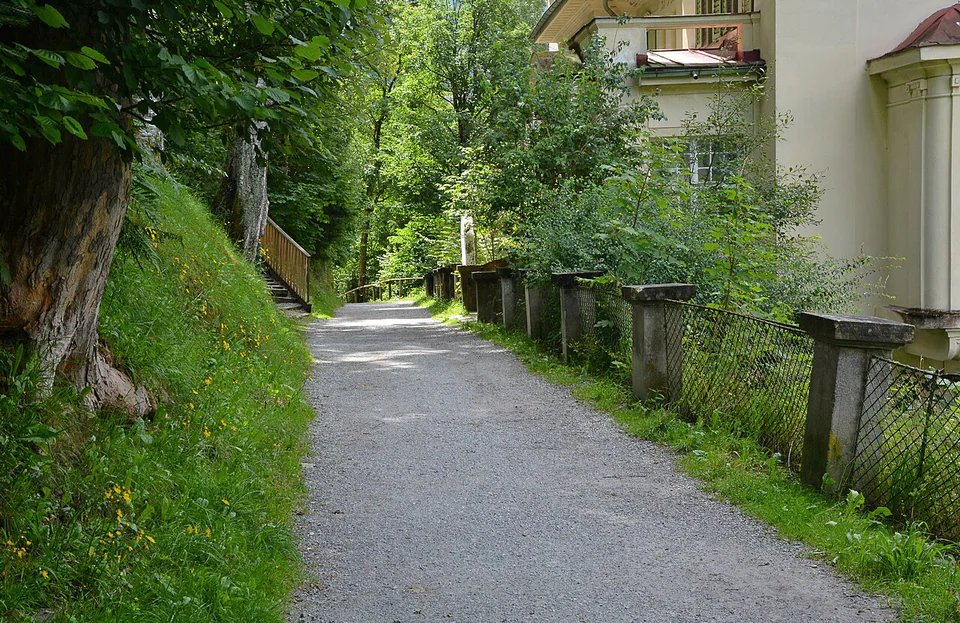
The almost level promenade, named after the German emperor who came here for the cure around twenty times, runs 2.5 kilometres from the centre through the woods to the Kötschach valley. It takes about an hour and works all year round, even on a snowy winter day.
Skiing in Sportgastein
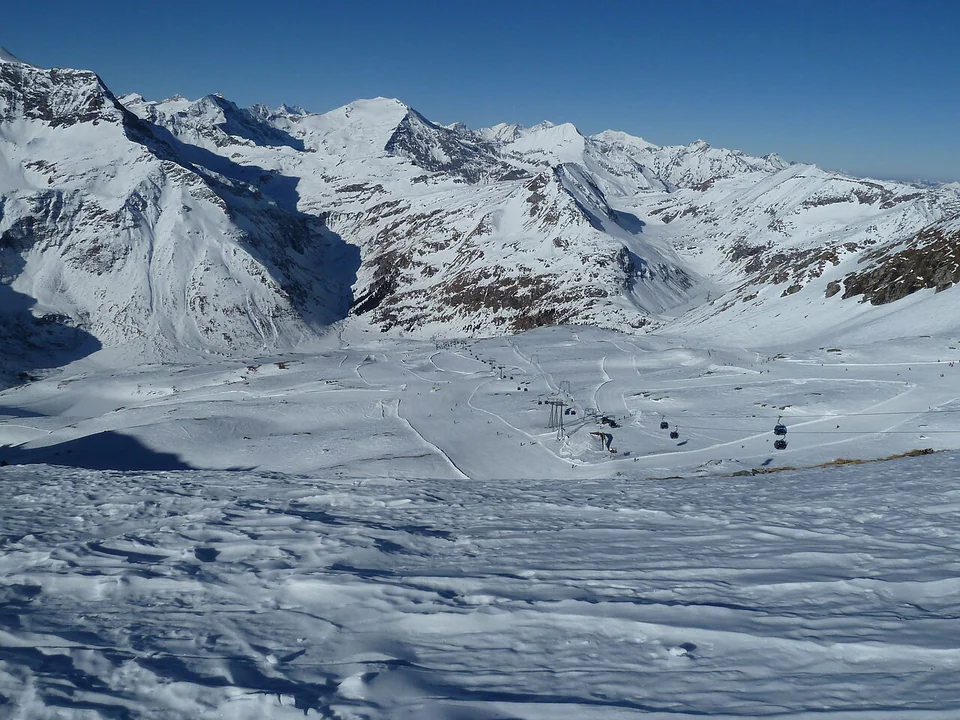
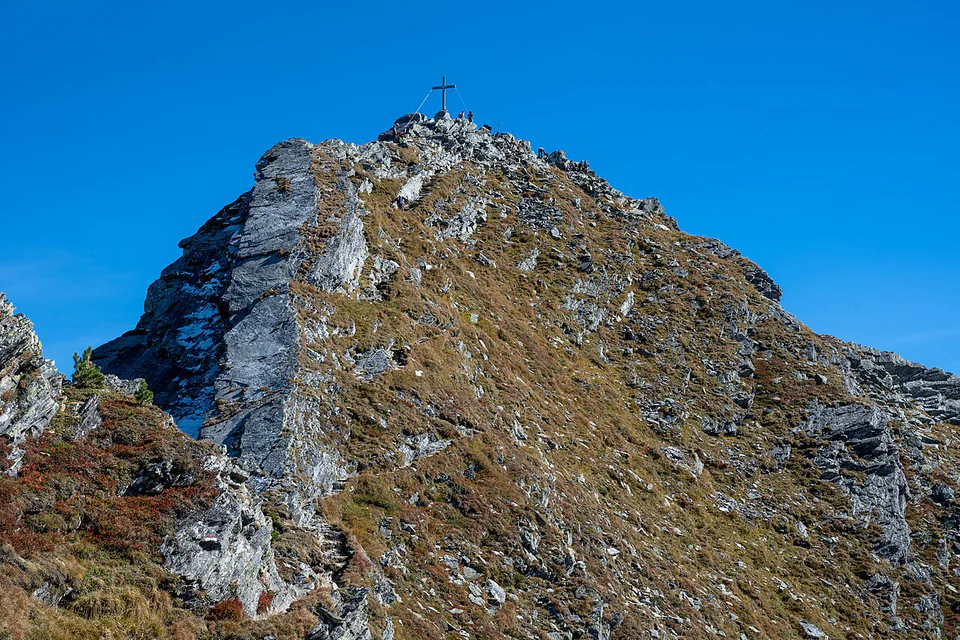
At the head of the valley, on the Nassfeld, lies Sportgastein, the highest ski area in Ski amadé, with pistes up to 2,686 metres on the Kreuzkogel. It has wide runs, good off-piste and often snow well into spring. Ski buses run there from Bad Gastein.
Pack right
☼
Best December–March and June–September
−8–22 °C
Cold, snowy winters, with the most reliable snow high up and in Sportgastein. Summers are mild and green, with afternoon thunderstorms. The thermal baths mean the resort works even on a rainy day.
Current currency
€
Euro
1 EUR to SEK
The rate is updated every hour. Always check the current rate before you travel.
Find places to stay in Bad Gastein
Compare hotels and apartments on the map, with current prices.
The map loads from Stay22 only when you click. Stay22 may then set cookies and collect information about your browser. Privacy
Plan your trip
✈Getting to Bad Gastein
The nearest airport is Salzburg (SZG), around an hour and a half away by car. Munich (MUC) is around three hours away. Transfer buses and taxis run from the airports.
The train is often the easiest option. Bad Gastein is on the Tauern Railway between Salzburg and Villach, and the direct trip from Salzburg takes around an hour and a half. There are also direct trains from Munich and Vienna, among other cities. The station is in the middle of the village, next to the Felsentherme.
Check current departures and prices before you travel.
⌂Where to stay
Bad Gastein has everything from restored Belle Époque hotels around Straubingerplatz to design hotels, guesthouses and apartments. Many hotels have their own thermal baths fed by the springs. Stay near the Stubnerkogelbahn and you can walk to the lift. Bad Hofgastein and Dorfgastein are quieter, with more family hotels.
Book well ahead for Christmas, New Year, February and Easter.
The big and the small
Selected sights
Bad Hofgastein
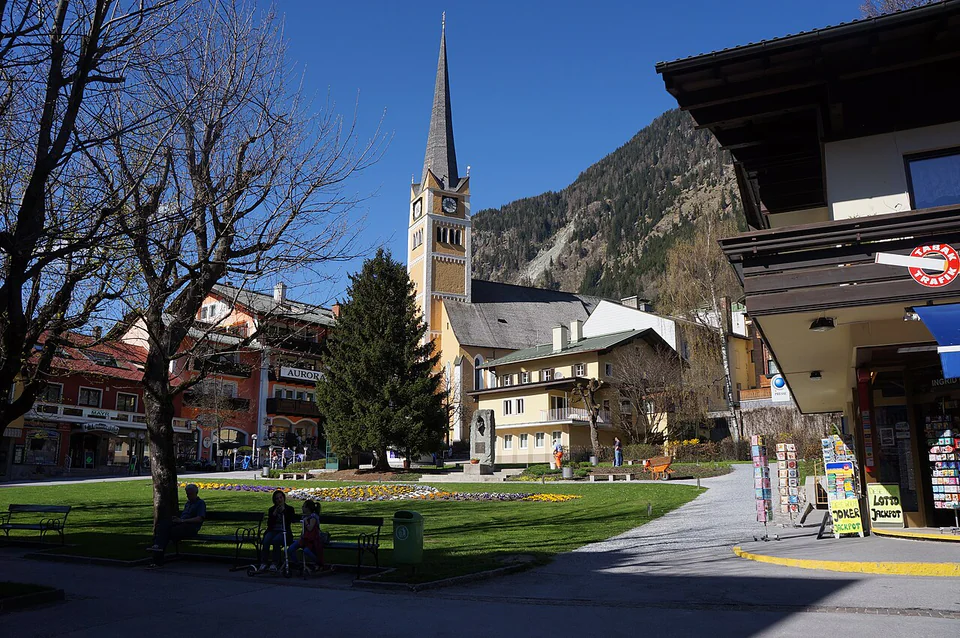
The valley's largest town lies a few kilometres to the north, where the valley is wider and sunnier. It has the Alpentherme thermal baths, an old church in the centre and the gondola up to the Schlossalm. Bad Hofgastein is quieter than Bad Gastein and a good base for families.
Schlossalm
Above Bad Hofgastein lies the Schlossalm, linked with the Angertal and the Stubnerkogel in a single ski area. The pistes are wide and sunny with views over the valley, and long runs lead down to Bad Hofgastein. In summer trails run between alpine pastures and peaks.
Graukogel
Bad Gastein's other mountain, across the valley from the Stubnerkogel, hosted the 1958 World Ski Championships, where Toni Sailer won three golds. Winter operations in the small ski area are paused, according to the plan until the 2028/29 winter, but in summer the mountain makes a fine hiking destination.
Altböckstein
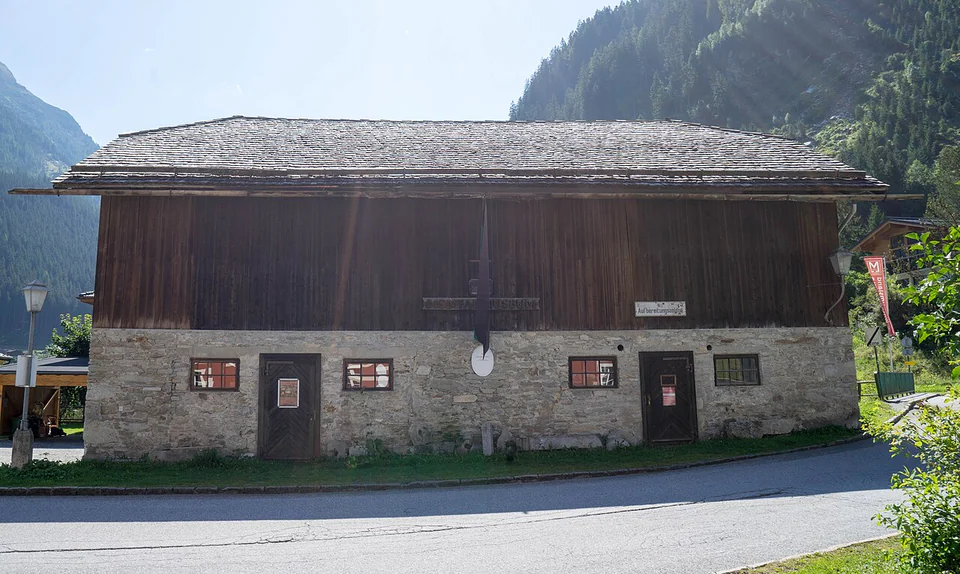
The old mining village of Böckstein was built after an avalanche destroyed the earlier mining works in 1741. In the old buildings the Montanmuseum Altböckstein shows the valley's long history of gold mining, and guided tours lead through the old ore processing plant. The museum is only open in summer.
The Kötschach valley
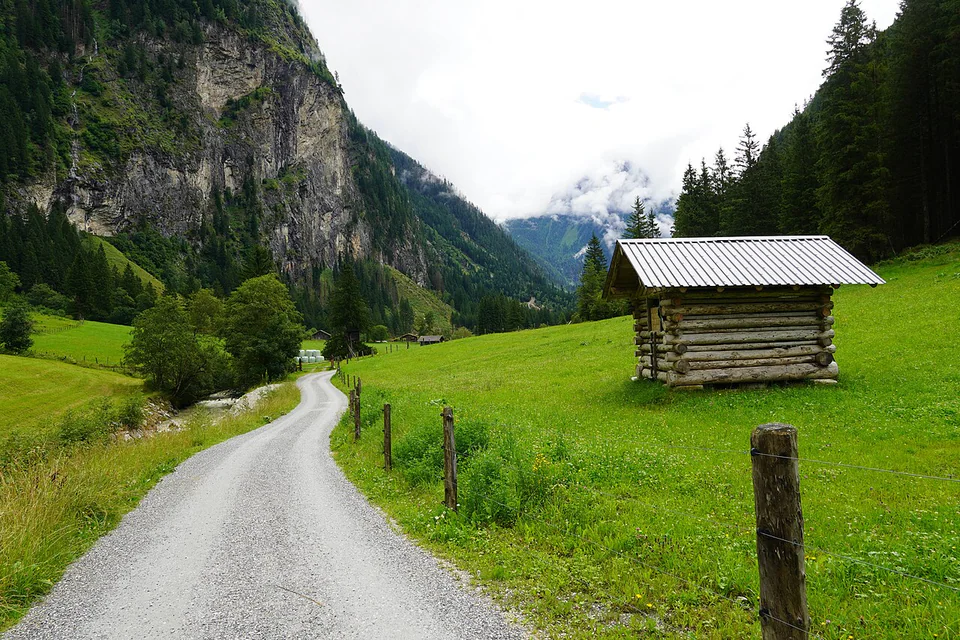
The side valley east of Bad Gastein is a protected landscape of meadows, hay barns and the sheer Himmelwand cliff. You can walk here along the Kaiser-Wilhelm-Promenade, and from here trails lead on up to the alpine pastures and peaks.
The Gastein Waterfall
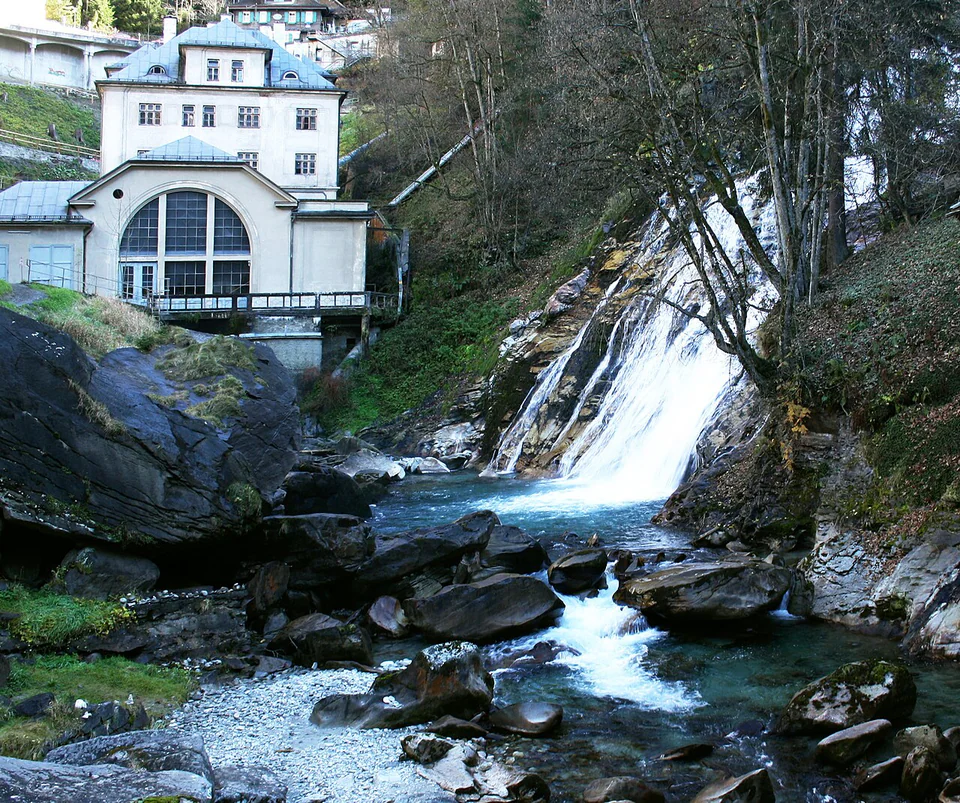
In the middle of the village the Gasteiner Ache river drops 341 metres in three steps, with hotels and bridges all around. The best views are from the bridge at Straubingerplatz and from the path along the falls. A hydroelectric plant stands at the foot, and in early summer, when the snow melts, the falls are at their most powerful.
Stubnerkogel
The gondola from the village climbs to the 2,246-metre summit. At the top station a 140-metre suspension bridge of steel mesh hangs over a drop of almost 30 metres, and a cliff path leads on to the Glocknerblick viewing platform. In winter this is where the runs down to Bad Gastein and the Angertal begin.
Straubingerplatz
The square by the waterfall is the heart of Bad Gastein, with the Hotel Straubinger, the Badeschloss and the old post office, built between 1791 and 1888. The Gastein Convention was concluded at the Straubinger in 1865. After almost 20 years standing empty, the Straubinger and the Badeschloss reopened as hotels in 2023.
Worth knowing
Villages in the Gastein valley
Bad Gastein climbs the slope around the waterfall, with Straubingerplatz at its centre and the railway station and Stubnerkogelbahn a little higher up. Further up the valley lies Böckstein, with the Heilstollen and the car train, and at the very end Sportgastein. To the north are Bad Hofgastein, the valley's largest town, and Dorfgastein, the smallest and most village-like.
Food & drink
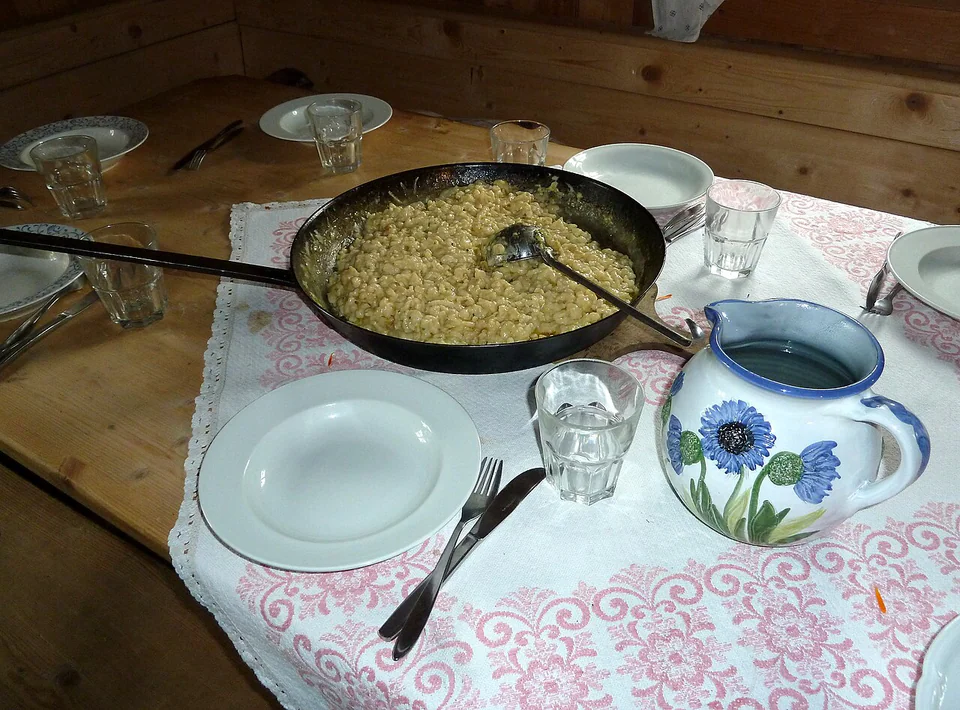
Salzburg's alpine food is filling. Try Kasnocken, small cheese dumplings with fried onions served in the iron pan, Kaspressknödel, cheese dumplings in broth, and Salzburger Nockerl, a fluffy soufflé for dessert. The mountain huts serve Kaiserschmarrn and Germknödel, a yeast dumpling with plum jam and vanilla sauce. Bad Gastein also has cafés and restaurants in the old hotels.
Skiing
Ski Gastein has around 200 kilometres of pistes. The largest area links the Stubnerkogel, the Angertal and the Schlossalm between Bad Gastein and Bad Hofgastein. Sportgastein at the head of the valley is the highest and most snow-sure, and Dorfgastein links with the neighbouring Grossarl valley. Ski buses run between the areas, and the ski pass is valid across Ski amadé.
There are pistes for every level, with plenty of red runs. The season usually runs from early December to early April, longer in Sportgastein.
Getting around
Bad Gastein is steep, so expect stairs and slopes between the hotels. Buses and trains run through the valley between Dorfgastein, Bad Hofgastein, Bad Gastein and Böckstein, and ski buses go to the lifts and to Sportgastein. If you drive, you need a vignette for Austrian motorways. From 1 November to 15 April your car must have winter tyres in wintry conditions, and it's wise to carry snow chains.
Apps
The ski area's website, skigastein.com, shows which lifts and pistes are open, and you can buy ski passes there. The tourist office at gastein.com has events and bus information. The ÖBB app shows train times and sells tickets. Also download a weather app with mountain forecasts, and a map app with offline hiking trails for summer.
Essentials
The currency is the euro. Cards work in most places, but carry some cash for smaller mountain huts. EU roaming rules apply. Radon treatment in the Heilstollen is a medical treatment, so ask a doctor first if you have heart or lung disease or are pregnant. The off-piste carries avalanche risk: only ski off-piste with avalanche gear and preferably a guide. The emergency number is 112.
Extra tips and advice
Bad Gastein works all year round: skiing from December to April, hiking and thermal baths in summer and autumn. January and March are often quieter than Christmas, February and Easter. Take the train if you can, as the station is in the middle of the village. Combine skiing with an afternoon in the thermal baths when it's snowing or too windy up on the mountain.
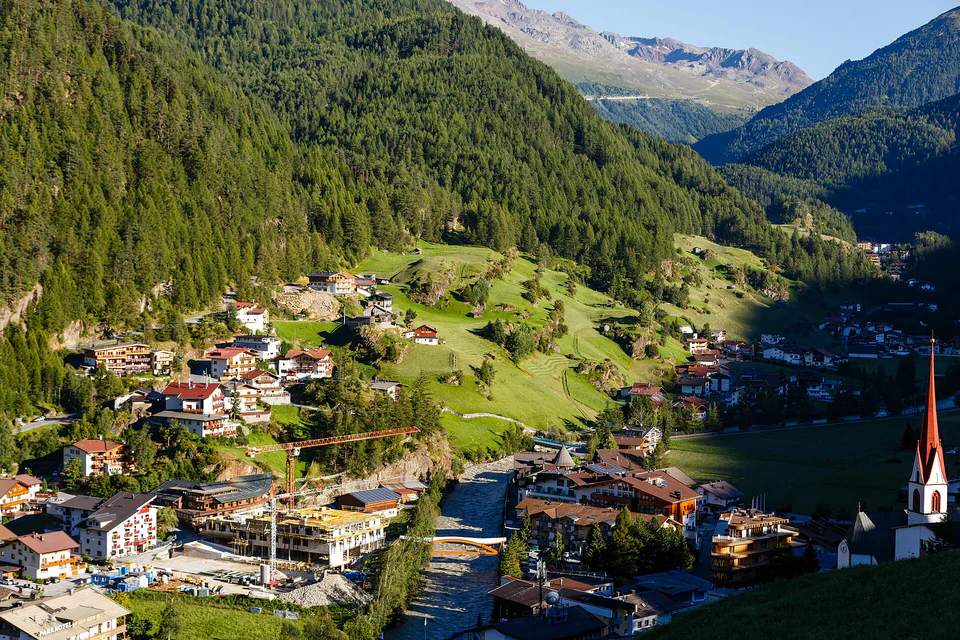
Bad Gastein's hotels on the steep slopes on a summer day
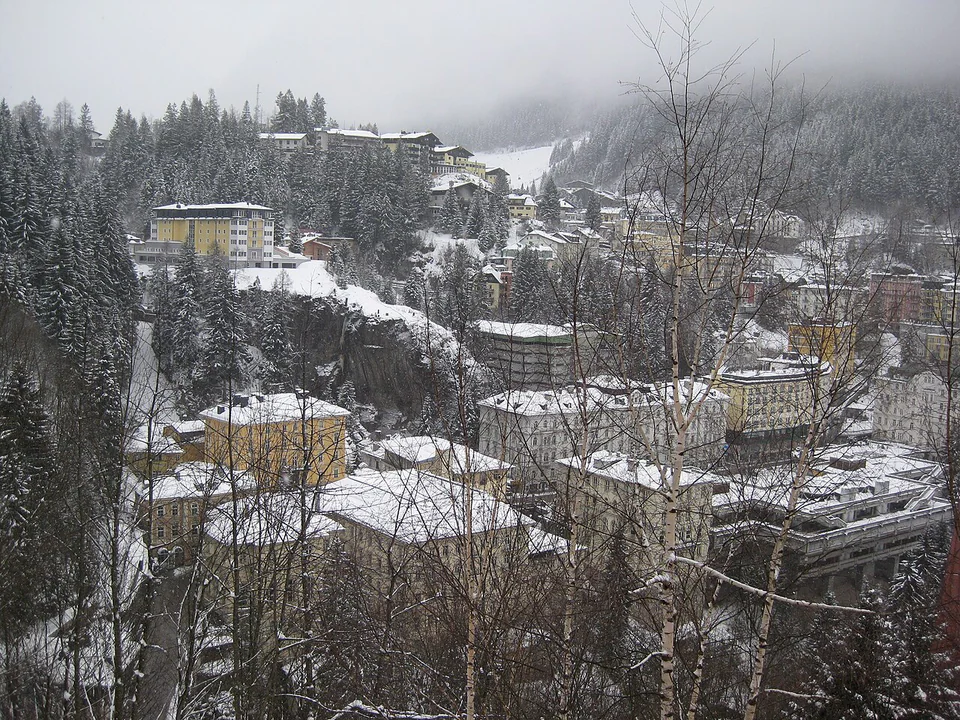
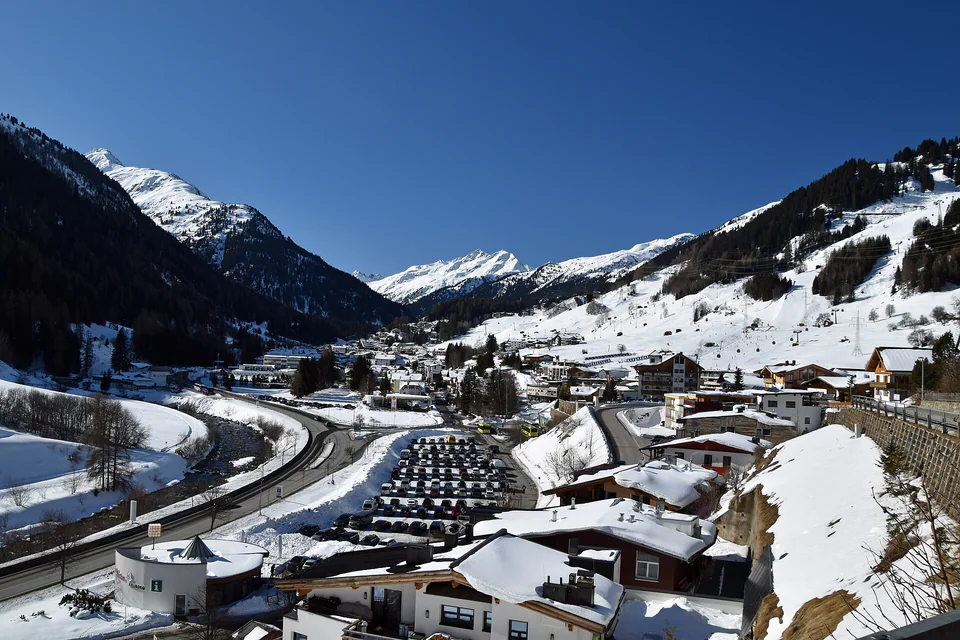
Snow-covered houses and hotels in Bad Gastein on a winter day
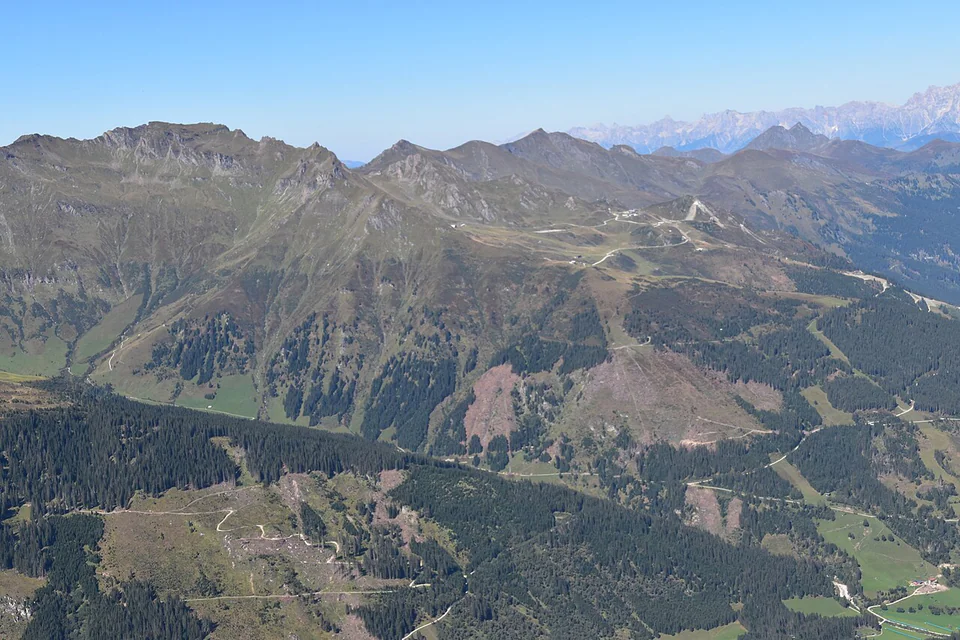
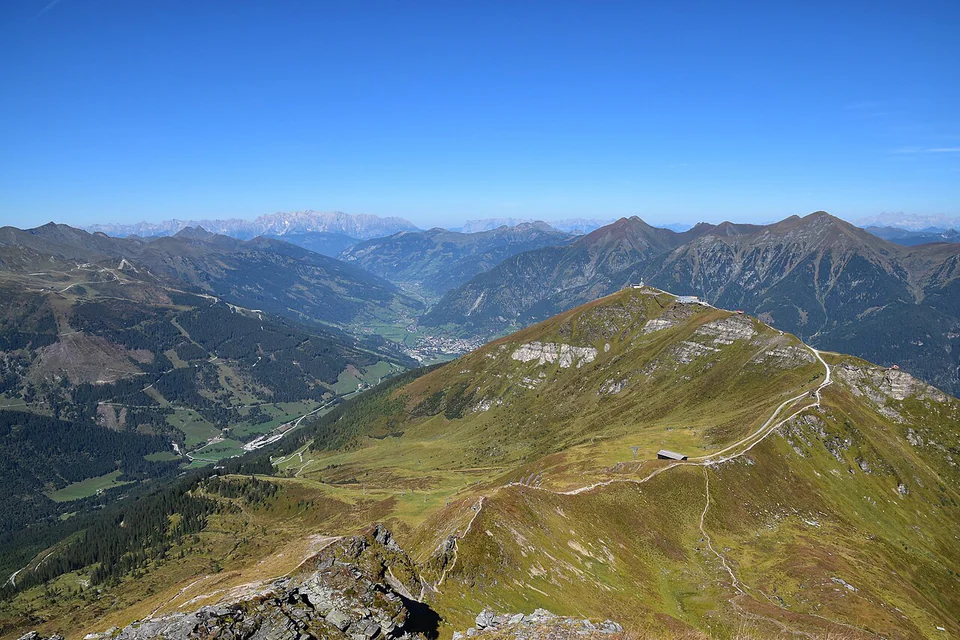
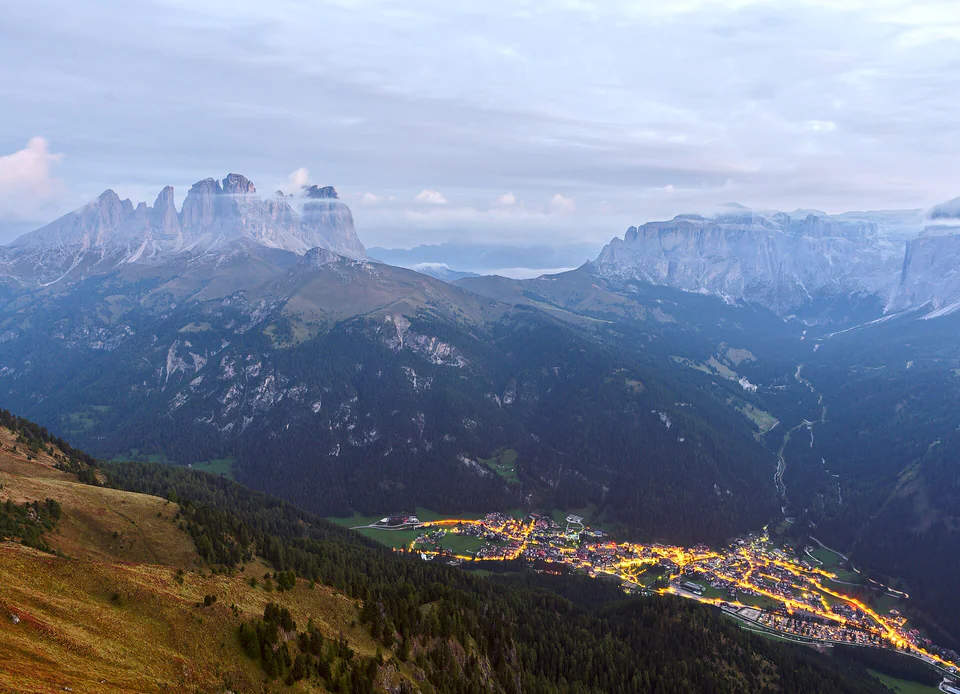
View over the Angertal and the Gastein valley towards the Stubnerkogel on a summer day