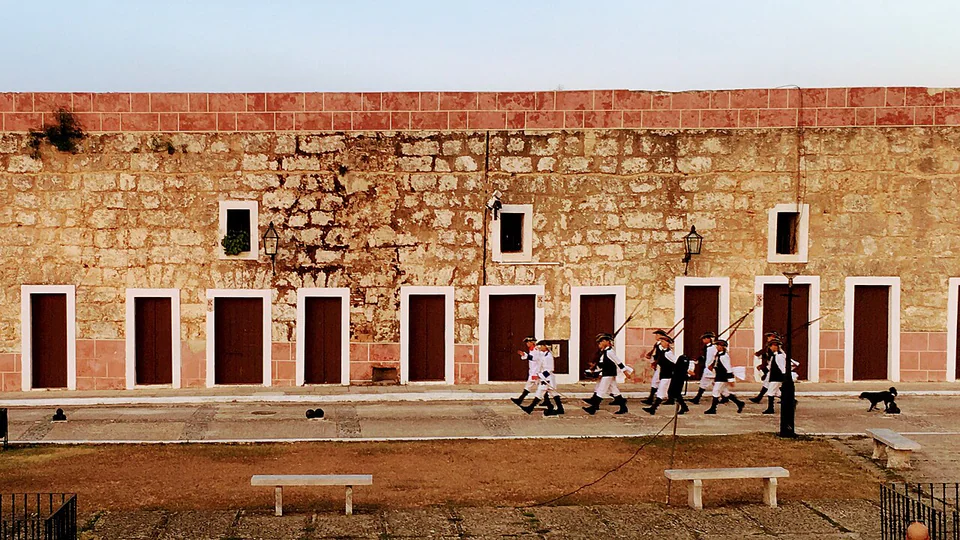
The cannon shot at La Cabaña
Every evening at nine, soldiers in 18th-century uniforms fire a cannon at La Cabaña fortress, as when the city gates were once closed. Arrive early and walk the ramparts at sunset.
See tours and prices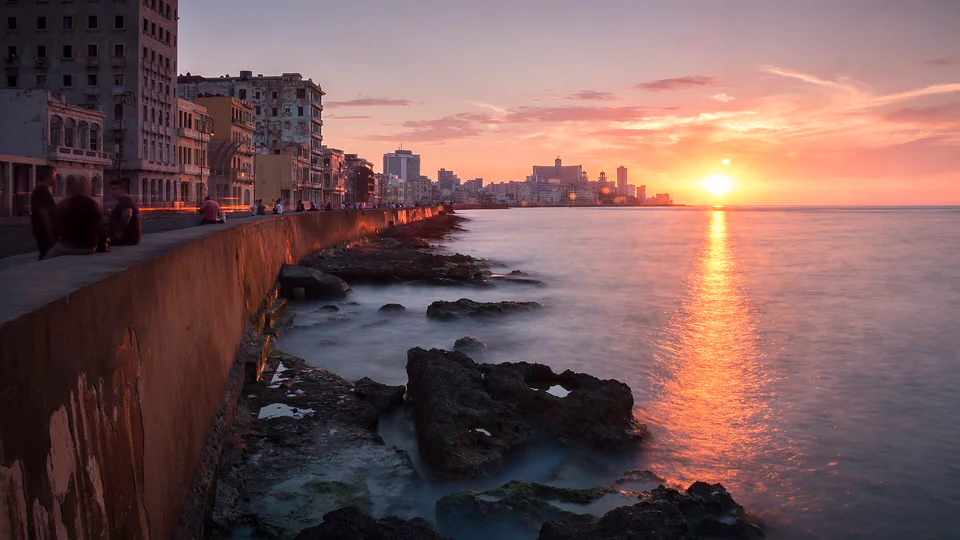
The colonial city on the Caribbean · Cuba
Your guide to Havana
Havana was founded by the Spanish and moved in 1519 to its present site on a sheltered bay on Cuba's north coast. The city became Spain's most important port in the West Indies, where the silver fleets gathered before sailing back across the Atlantic. The fortresses at the harbour entrance and the old quarter, Habana Vieja, have been on UNESCO's World Heritage List since 1982.
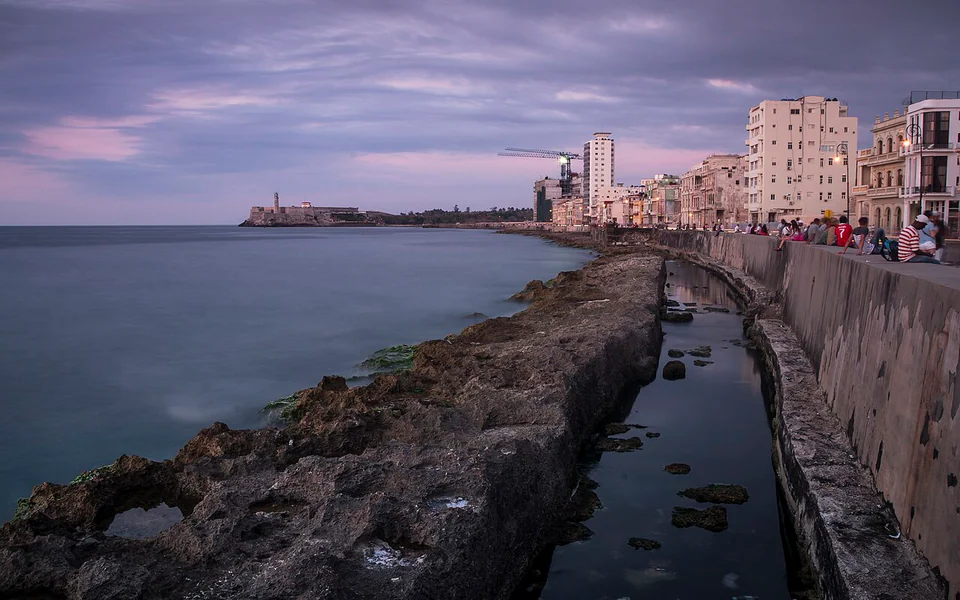
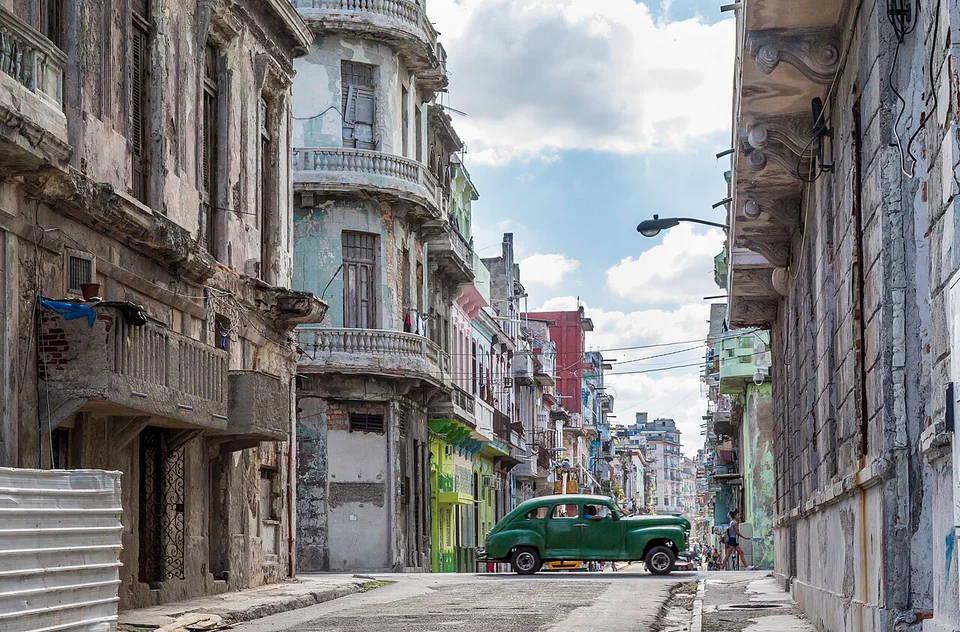
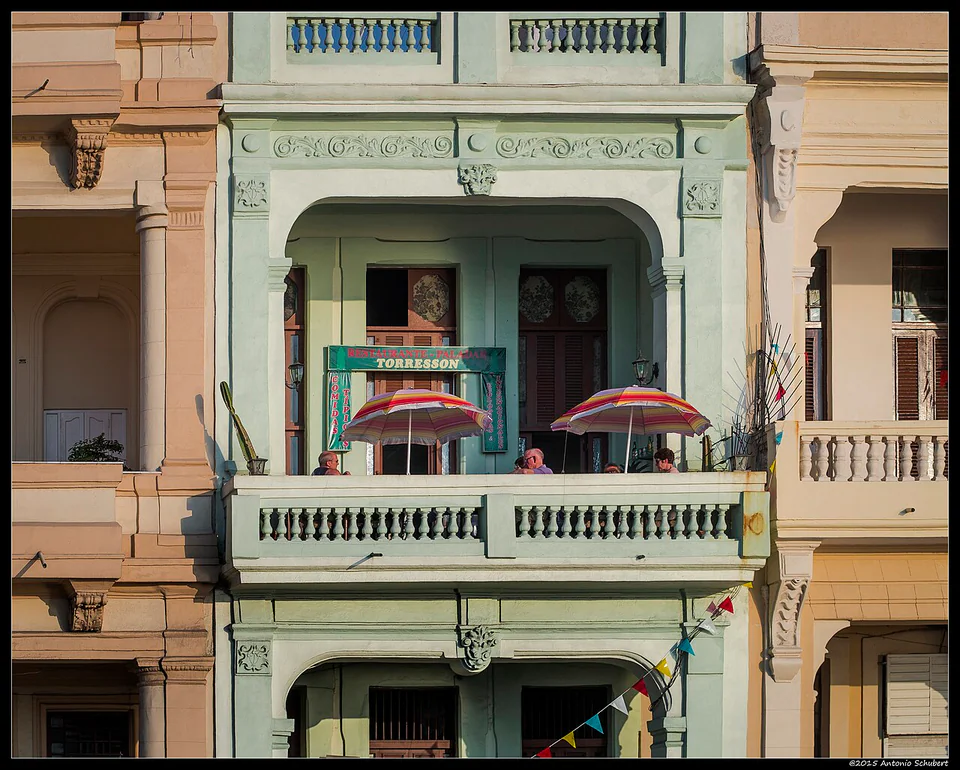
In Habana Vieja, squares such as Plaza Vieja and Plaza de la Catedral are surrounded by baroque churches, palaces and arcades. Many buildings have been carefully restored, while others show the wear of time, with laundry hanging from the balconies. Along the sea stretches the Malecón, the famous seafront promenade where Havana's residents gather in the evenings. When the wind picks up, the waves crash over the sea wall.
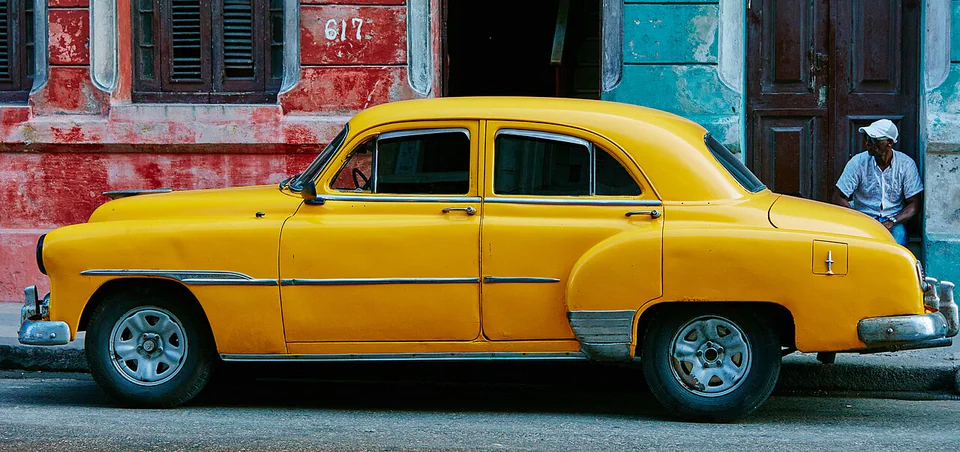
American cars from the 1950s still roll through the city's streets, both as taxis and as tourist attractions. Music is everywhere – from son and salsa in the bars of the old town to the jazz clubs of Vedado. Ernest Hemingway lived near Havana for two decades, and several of his favourite haunts are still there.
Cuba is in a deep economic crisis, with fuel shortages and widespread power cuts. Several governments, including Sweden's, advise against non-essential travel to the country. Follow the situation and check the current safety situation and your own government's travel advice carefully before planning a trip here.
Things to do
Every evening at nine, soldiers in 18th-century uniforms fire a cannon at La Cabaña fortress, as when the city gates were once closed. Arrive early and walk the ramparts at sunset.
See tours and prices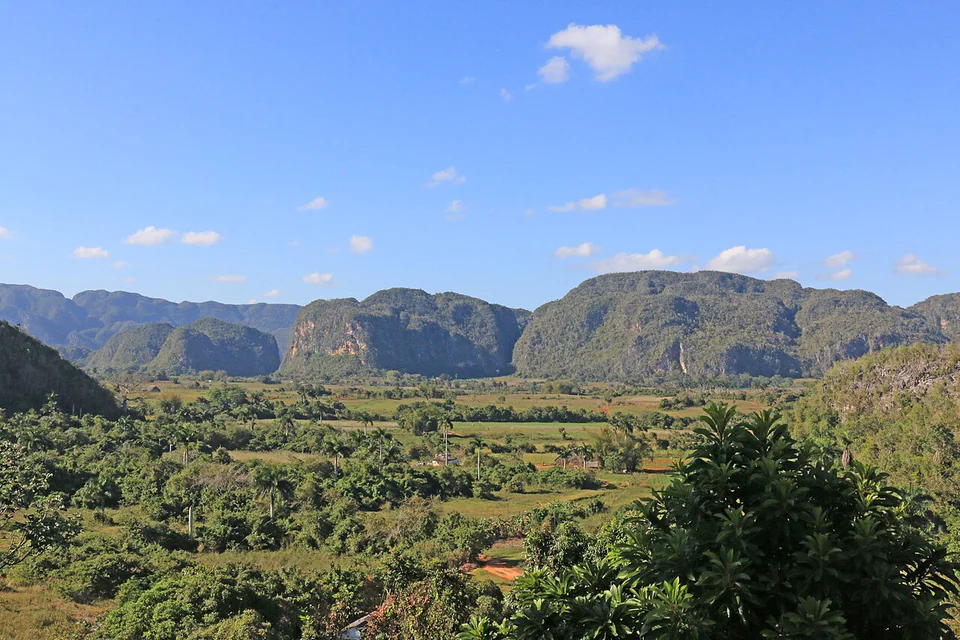
The valley of steep limestone hills, the mogotes, and tobacco fields lies just under 200 kilometres to the west. Visit a tobacco farm and see how cigars are rolled by hand.
See tours and prices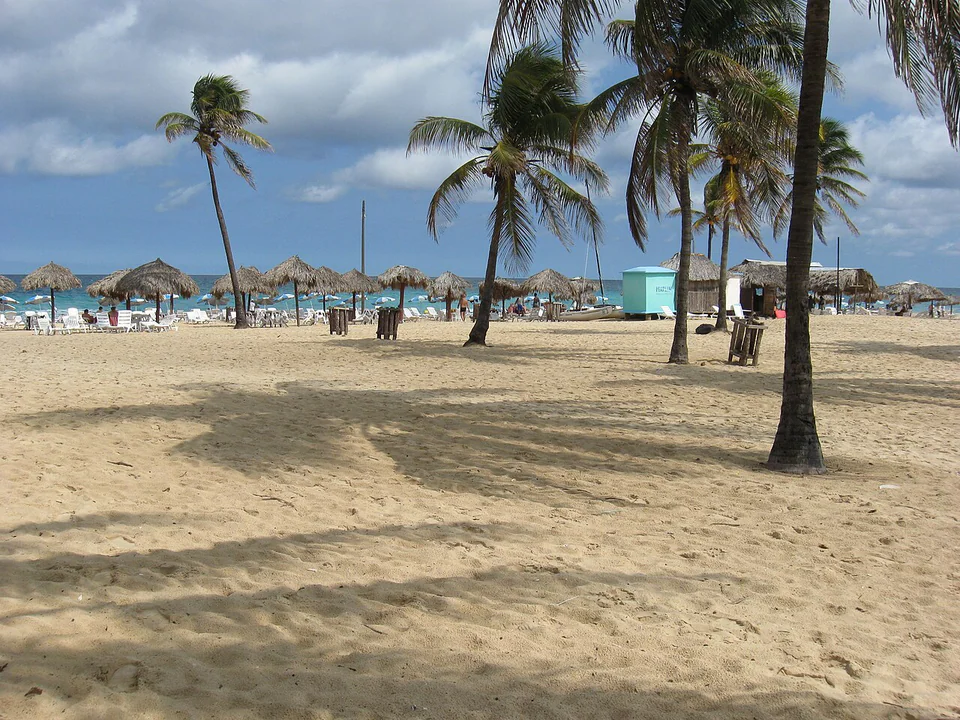
Havana's nearest sandy beaches, such as Santa María del Mar, lie around 20 kilometres to the east. Locals come here at weekends to swim beneath the palms.
See tours and pricesPack right
Best November–April
18–32 °CWarm all year round. The dry season from November to April brings sunshine and pleasant daytime highs of 25–28 °C. Summer is hot, humid and rainy, and the hurricane season runs from June to November.
Current currency
Cuban peso
1 CUP to SEKThe rate is updated every hour. Always check the current rate before you travel.
Compare hotels and apartments on the map, with current prices.
The map loads from Stay22 only when you click. Stay22 may then set cookies and collect information about your browser. Privacy
Plan your trip
José Martí International Airport (HAV) lies just under 20 kilometres south of the centre. Since the 2026 fuel crisis, several European airlines have suspended their routes to Cuba. Air Europa flies from Madrid, and other connections run via places such as Panama or Mexico.
From the airport, take a taxi into town, as public transport there is unreliable. Always check current departures, since routes are cancelled and restarted at short notice.

The typical place to stay in Havana is a casa particular, a room or flat with a Cuban family, often with breakfast. It's good value and gives you a glimpse of everyday life. Old Havana is close to most things, Centro Habana is cheaper and more run-down, and Vedado has quieter streets, villas and the big hotels.
Because of the power cuts, it's wise to ask whether your accommodation has a generator, a water tank and a fan or air conditioning that works when the power goes.
The big and the small
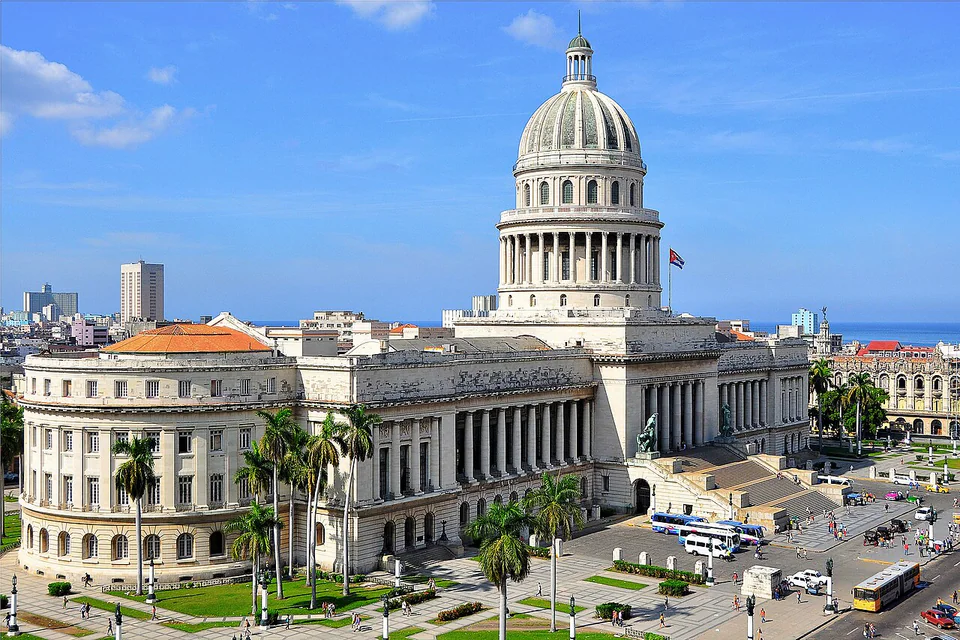
The white domed building was inaugurated in 1929 and housed the parliament until the revolution. After a long restoration, it has again been the seat of Cuba's National Assembly since 2019. In the floor beneath the dome, a replica diamond marks kilometre zero for the country's roads.
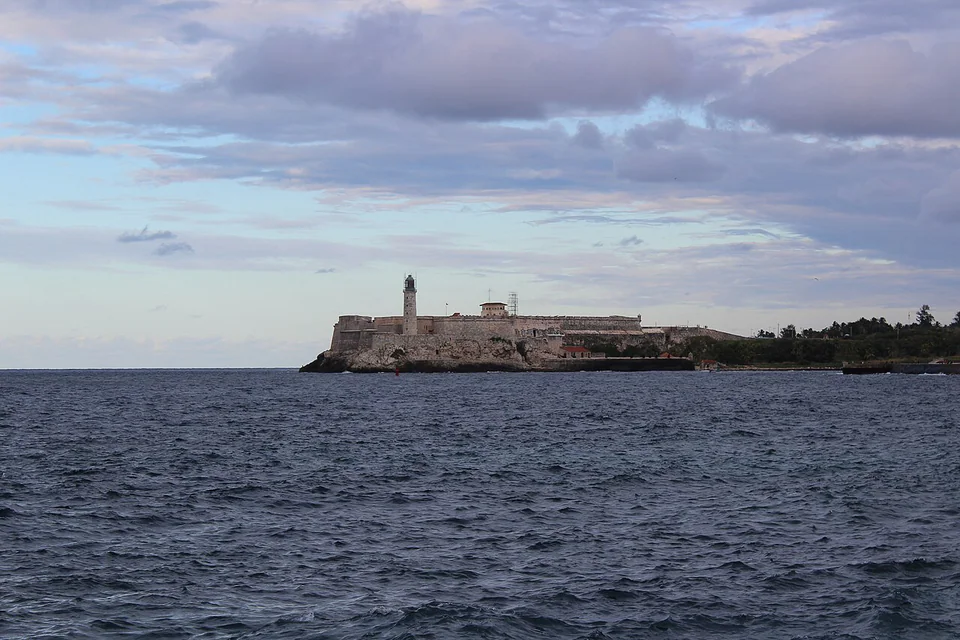
The Castillo de los Tres Reyes del Morro fortress was built around 1600 on the rocks at the harbour entrance. The lighthouse was added in the 19th century. From the walls you look out over the Malecón and the city skyline, and the larger La Cabaña fortress is a short walk away. El Morro trips
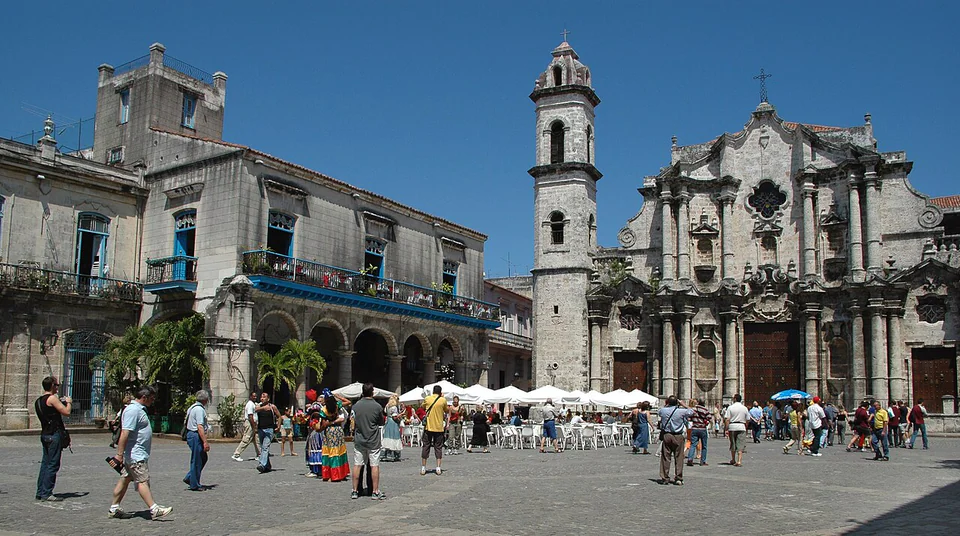
The 18th-century cathedral has an undulating baroque façade of coral stone and two towers of different widths. The square in front is lined with colonial palaces, and in one of them the Museo de Arte Colonial shows furniture and interiors from the colonial era.
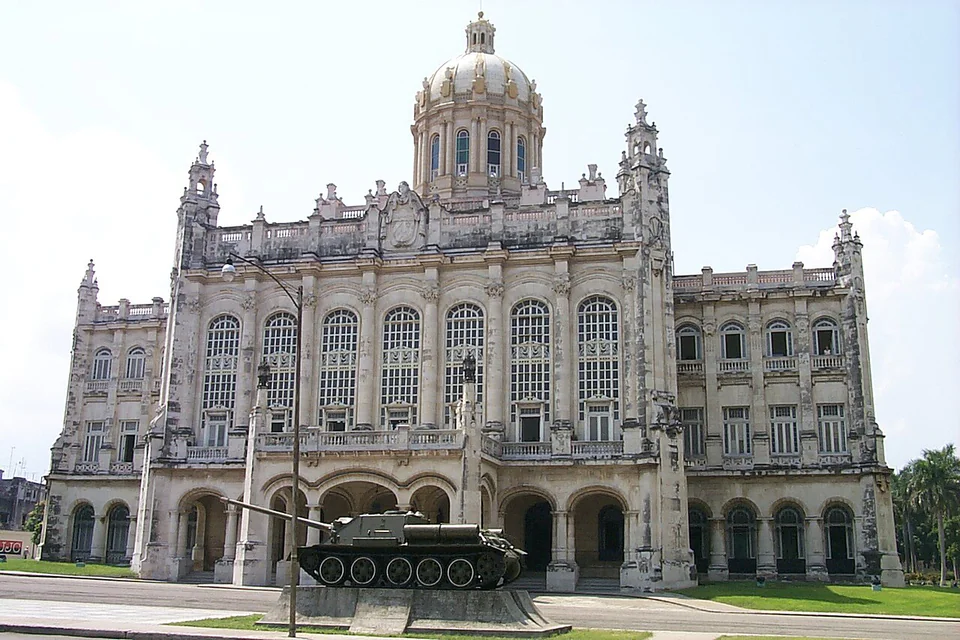
The museum is housed in the former presidential palace from 1920 and tells Cuba's history from the official, revolutionary point of view. Bullet holes from the 1957 attack on the palace are still visible. In a glass pavilion behind the building stands the Granma, the boat that carried Fidel Castro and his rebels from Mexico to Cuba in 1956.
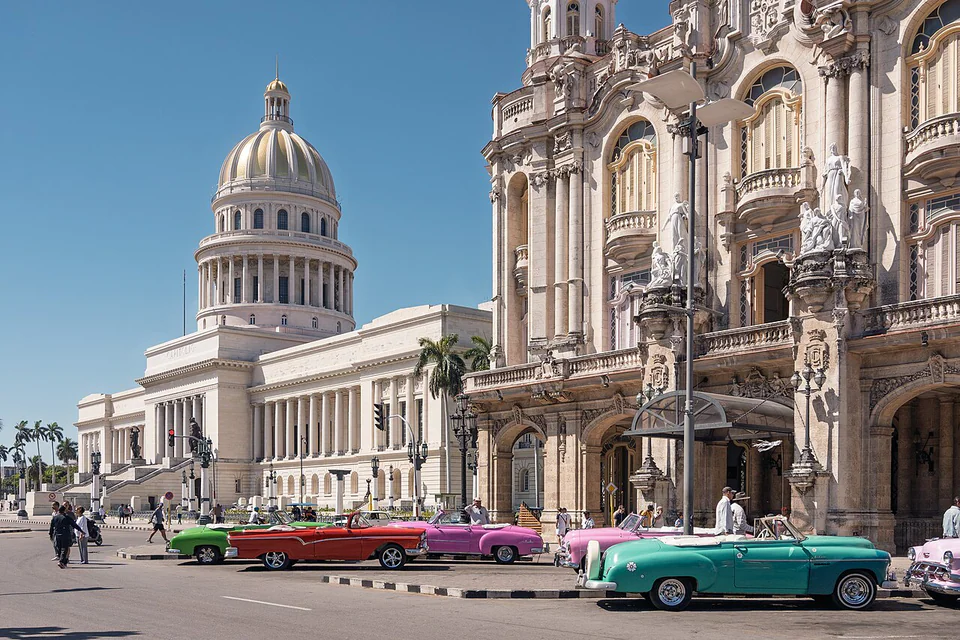
The lavishly decorated theatre building on Parque Central was built in the 1910s for the Galician society Centro Gallego. Today it's home to the Cuban National Ballet and is named after the ballerina Alicia Alonso. See a performance or take a guided tour.
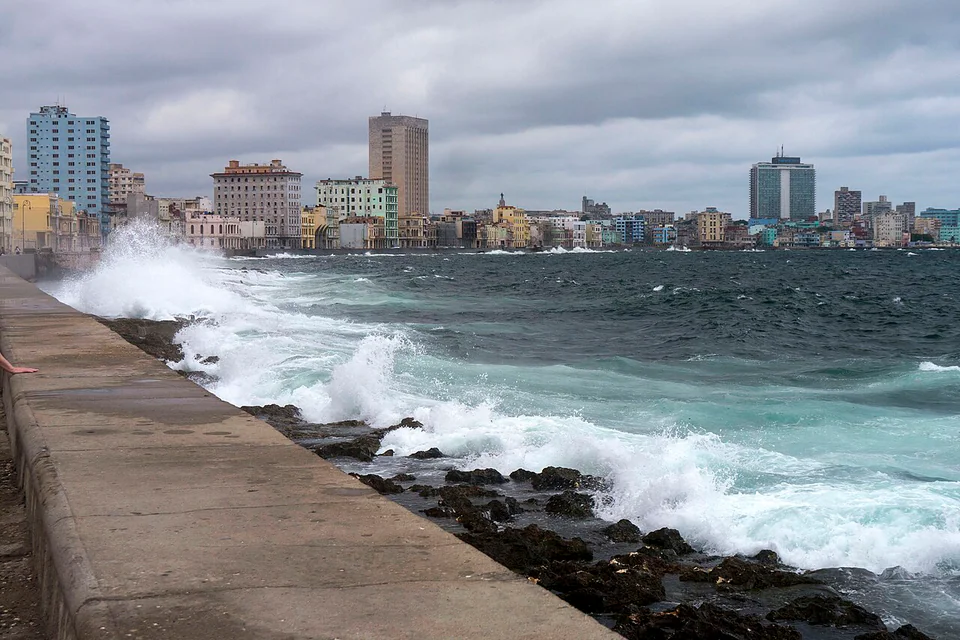
The Malecón seafront follows the sea for about eight kilometres, from Old Havana past Centro Habana to Vedado. In the evening, residents sit on the sea wall with music and rum, fishermen cast their lines and the sun sets behind the buildings. When a northerly wind blows, the waves crash over the wall and onto the road.
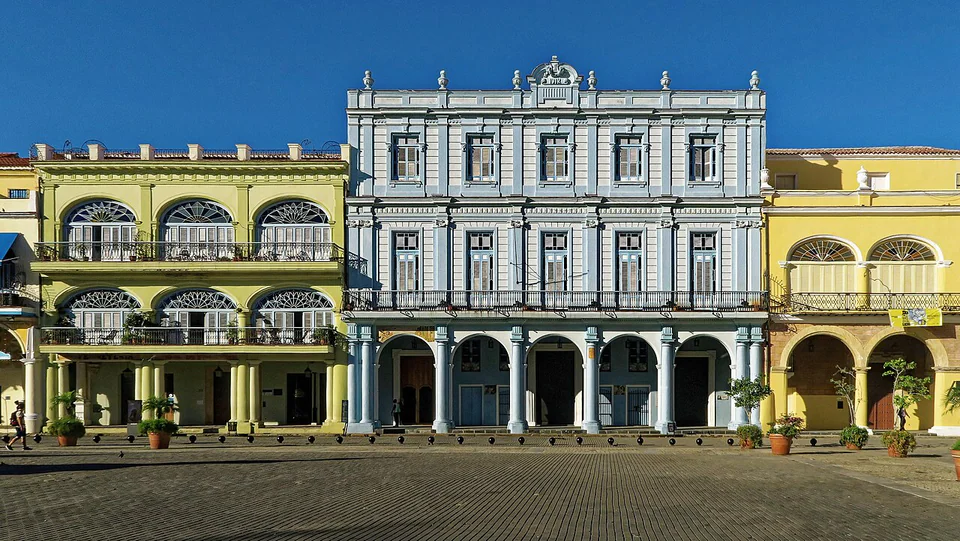
The old town gathers around four squares: Plaza de Armas with its book stalls and the Palace of the Captains General, Plaza de la Catedral, Plaza de San Francisco by the harbour and Plaza Vieja with colourful arcaded buildings from the 18th and 19th centuries. Stroll between them along the pedestrian streets Obispo and Mercaderes and peek into the courtyards. Old Havana walking tours
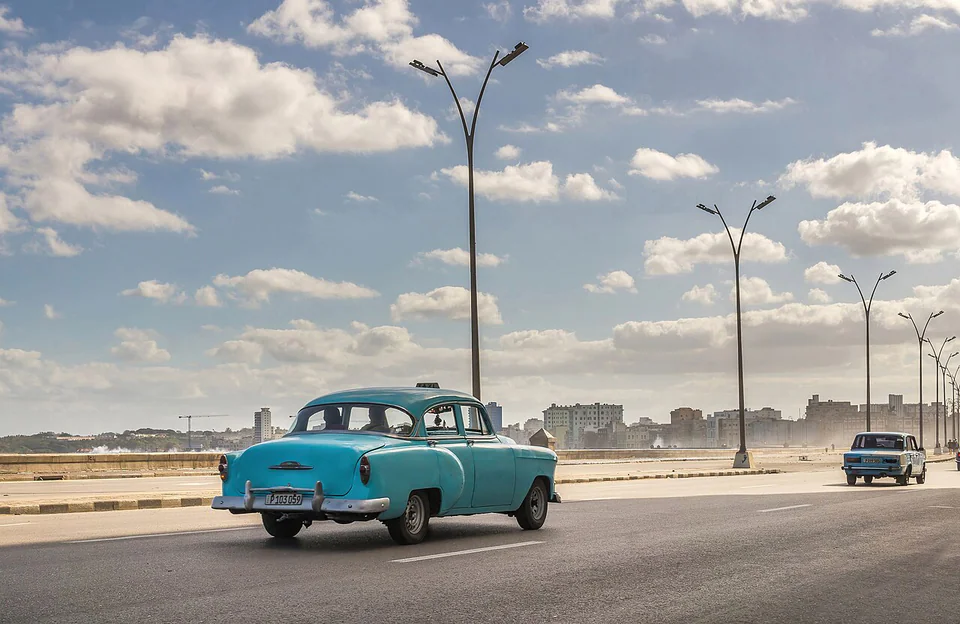
Open-top American cars from the 1950s in pink, turquoise and red wait at Parque Central and the Capitolio. An hour's ride takes you along the Malecón, past Revolution Square and through the villa streets of Vedado. Agree on the price and route before you set off. Classic car tours
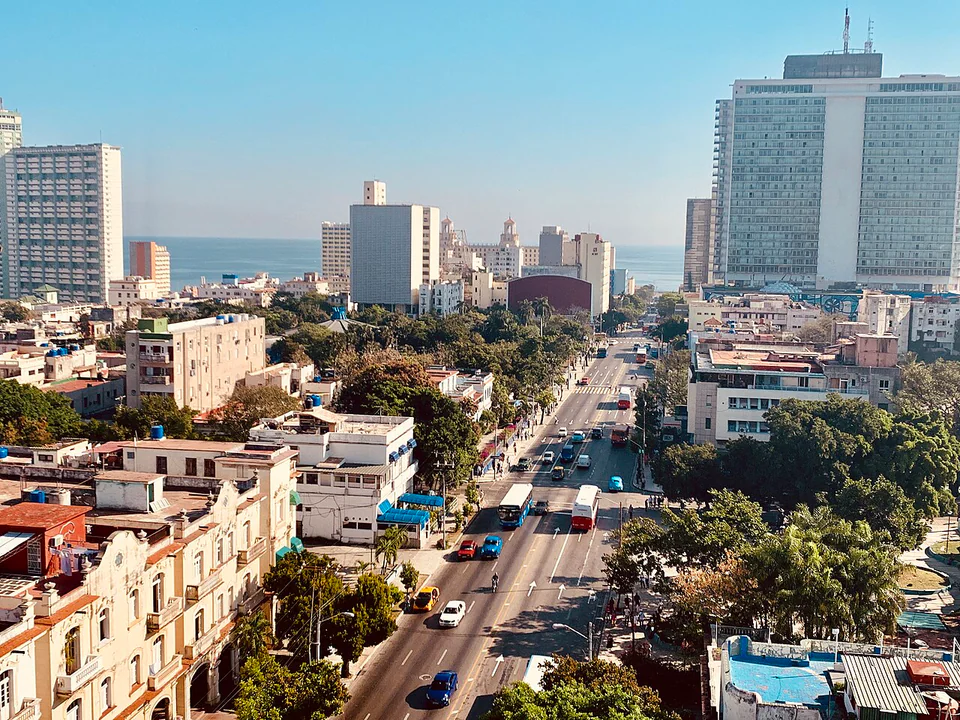
Old Havana is the colonial city inside the former city walls, with its squares, churches and museums. To the west lies Centro Habana, densely built and run-down, with the Paseo del Prado, the Capitolio and Chinatown. Vedado was built in the early 20th century and has wide streets, villas, the Hotel Nacional, the Coppelia ice-cream park and much of the nightlife. Further west is elegant Miramar, with embassies and grand old mansions, and across the bay are the fortresses and the small town of Casablanca.
Eat at paladares, private restaurants often set in beautiful old houses or on rooftop terraces, with better food than the state-run places. Try ropa vieja, shredded beef in tomato sauce, moros y cristianos, rice with black beans, and fried plantain. The mojito is linked with La Bodeguita del Medio and the daiquiri with El Floridita, both Hemingway haunts, but the drinks are cheaper and just as good at other bars. Shortages mean menus are sometimes shorter than they look.
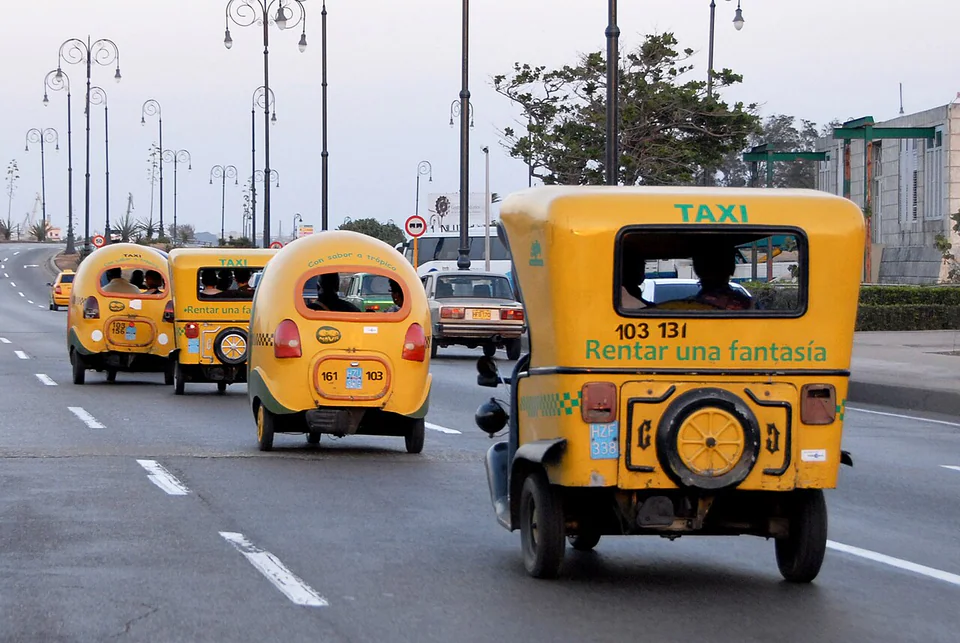
Old Havana and Centro Habana are easy to explore on foot. For longer distances, take a taxi, a yellow coco taxi or a colectivo, a shared vintage car that runs fixed routes for a few pesos. Always agree on the price before you get in. City buses are crowded and infrequent, and the fuel shortage can make any transport hard to find. A small ferry crosses the bay to Casablanca and Regla.
Internet in Cuba is slow and sometimes down, so download maps and translations before you leave. Organic Maps and Maps.me work offline, and Google Translate can be downloaded for Spanish. Some apps and services are blocked for Cuba, so sort out bookings and payments from home. Sign up for your government's travel alerts to stay informed about the situation.

Several governments advise against non-essential travel to Cuba because of fuel shortages and long power cuts, which affect healthcare, water and transport. Check your government's travel advice before you book, and make sure your travel insurance covers you.
Most visitors need an electronic visa applied for in advance, a completed D'Viajeros form before arrival and health insurance valid in Cuba. If you have been to Cuba, you can no longer travel to the United States under the ESTA visa waiver and need a visa.
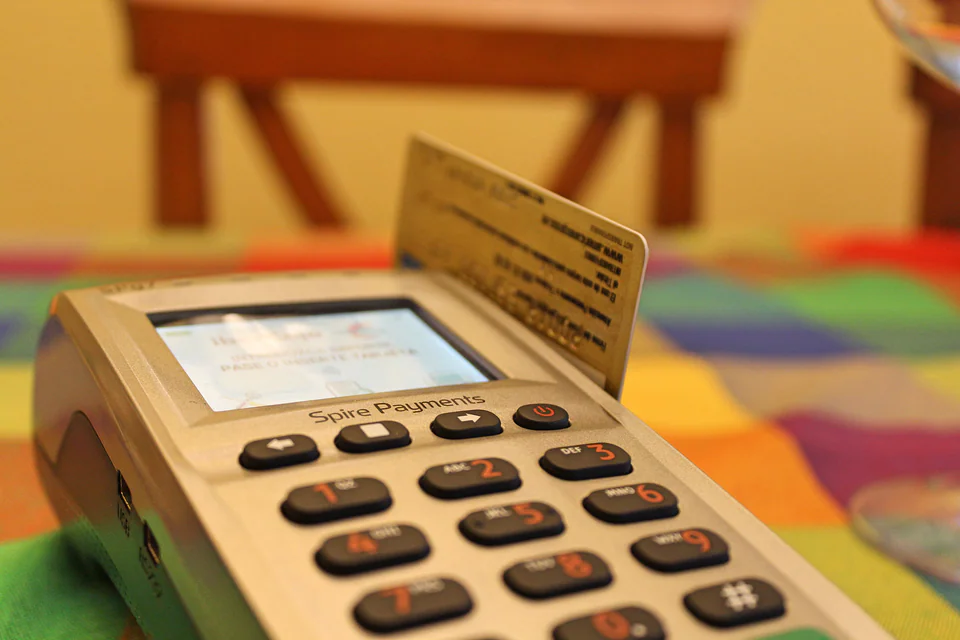
Cards work poorly, so bring cash, preferably euros, and change it into Cuban pesos. Drink only bottled water.
Pack a torch, a power bank, insect repellent and any medicines you need, since power cuts and shortages are common. Keep small notes handy for taxis and tips. Head out to the Malecón at sunset and see the cannon shot at La Cabaña at nine. Listen to live music in the old town's bars, and take a vintage car ride on one of your first days to get a feel for the city's different districts.