Swim with whale sharks
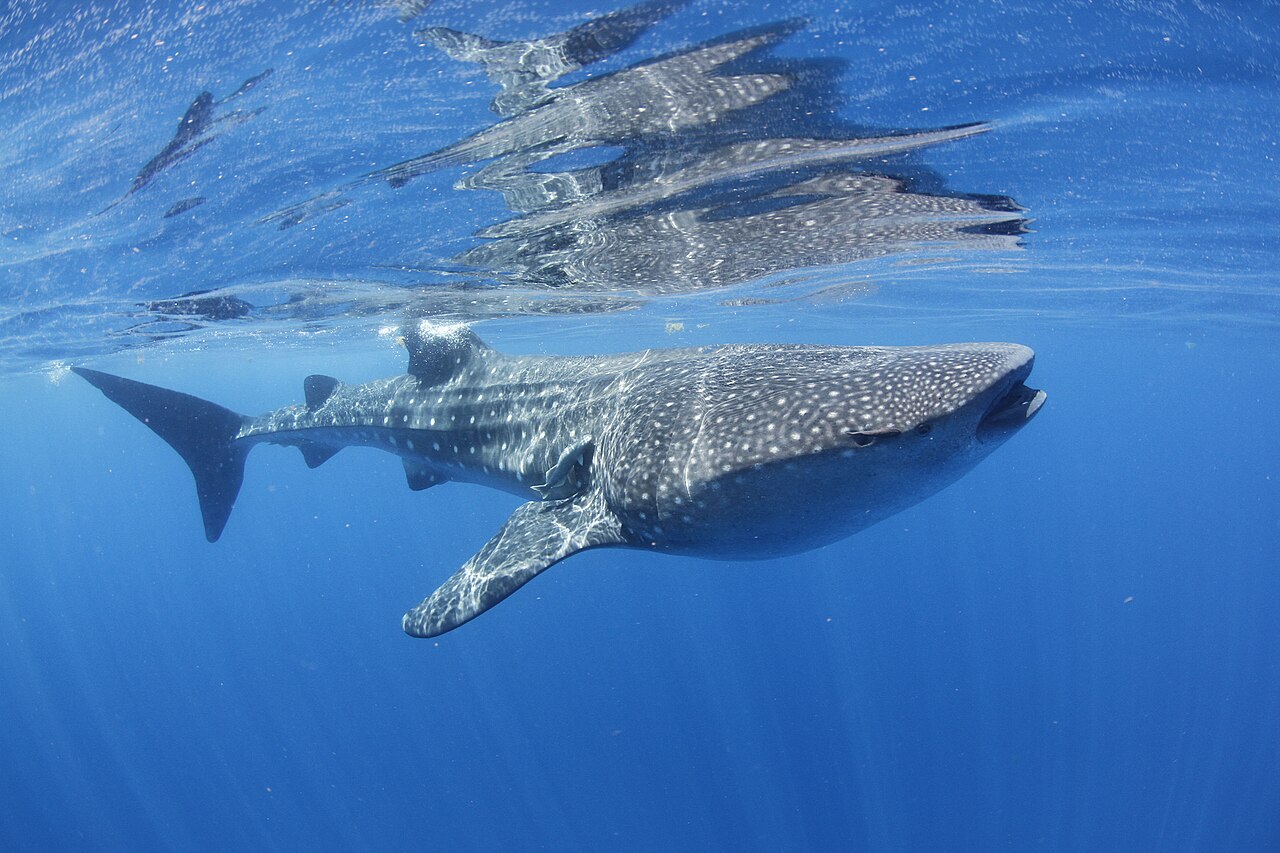
From around June to September, whale sharks gather offshore north of Isla Mujeres and Holbox. Boat trips leave early in the morning, and you snorkel alongside the world's largest fish.
See tours and pricesGateway to the Mexican Caribbean · Mexico
Your guide to Cancún
Cancún was built from scratch. When the Mexican government began developing the resort in 1970, there was only a narrow strip of sand, jungle and a handful of inhabitants. Today close to a million people live in the city, and its airport is one of the largest in Latin America, with direct flights from many parts of the world.
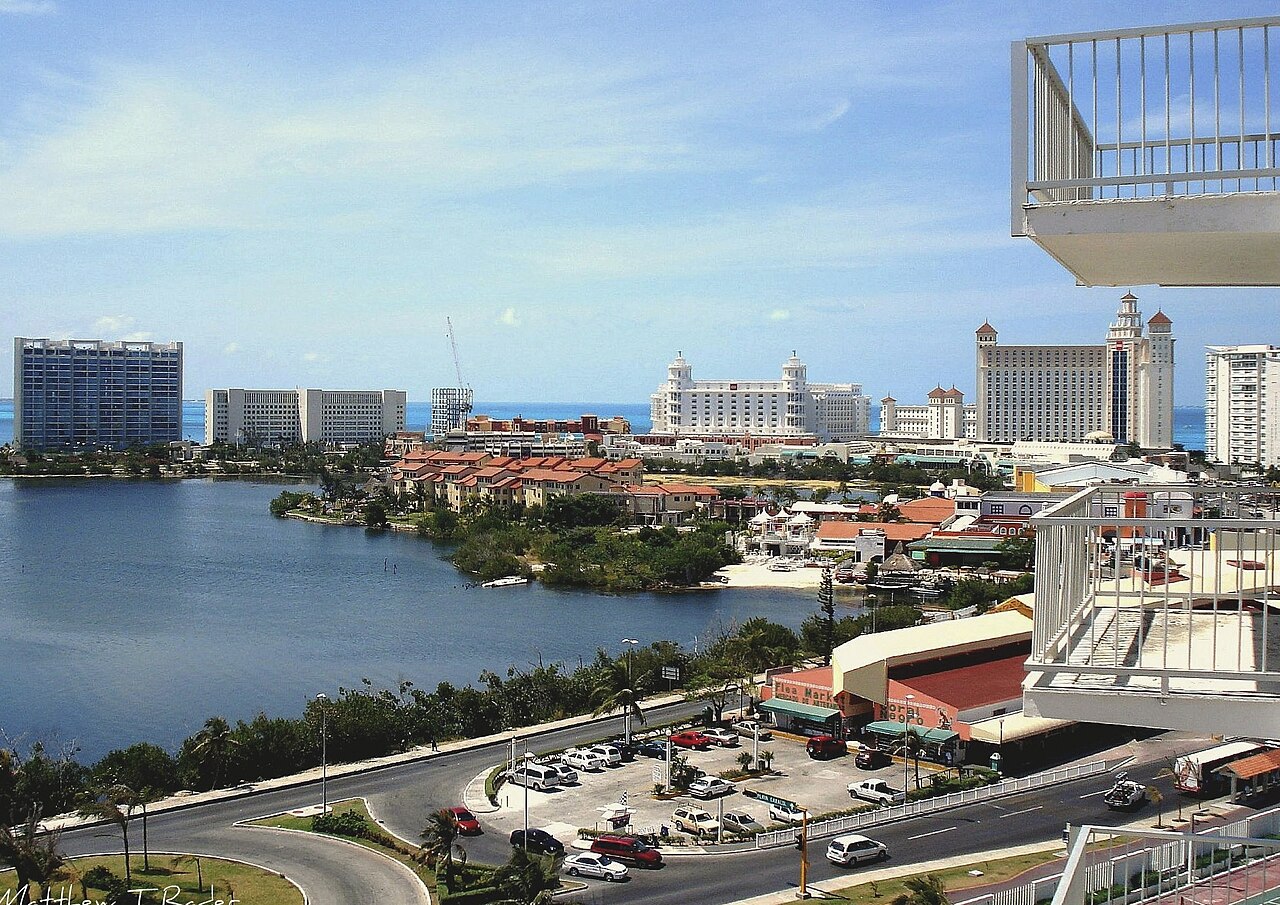
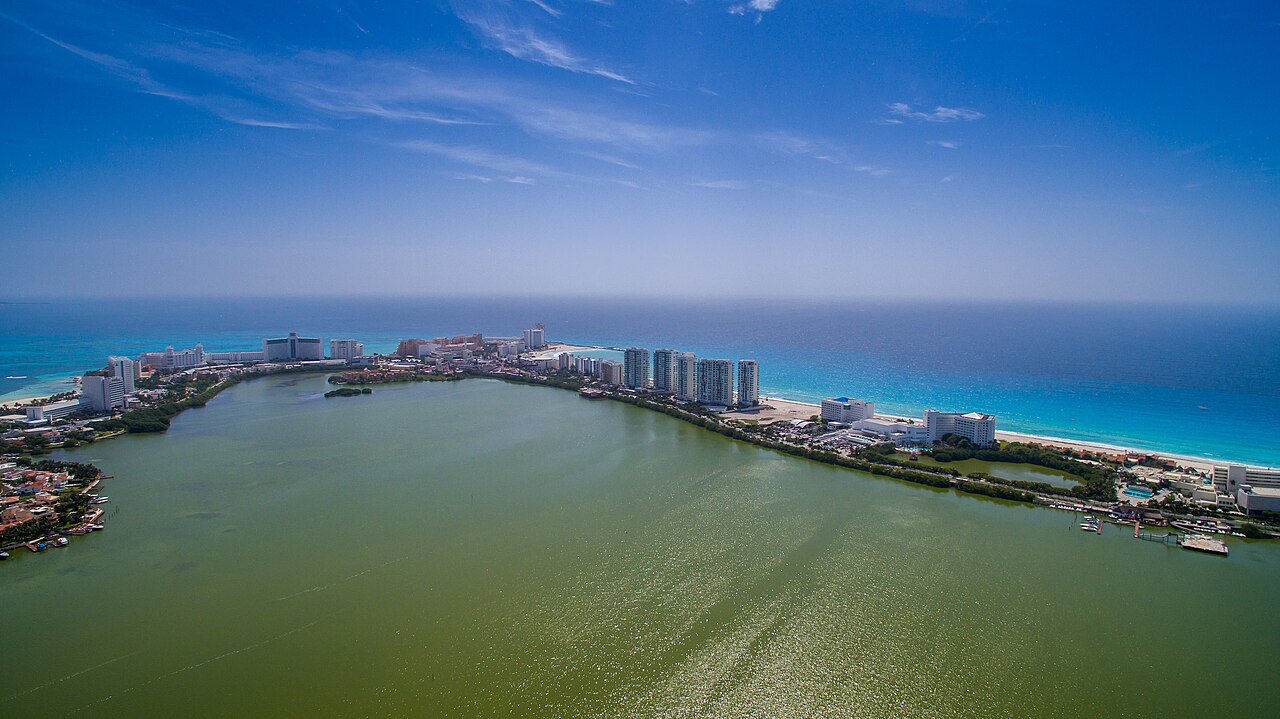
The best-known part is the hotel zone, the Zona Hotelera, a strip of land just over 20 kilometres long shaped like the number seven. On one side stretches the Caribbean Sea; on the other lies the Nichupté lagoon. This is where you'll find the big hotels, the nightclubs and the white sandy beaches. On the mainland is Cancún's city centre, Centro, where most residents live and where restaurants are often cheaper and the food more authentically Mexican.
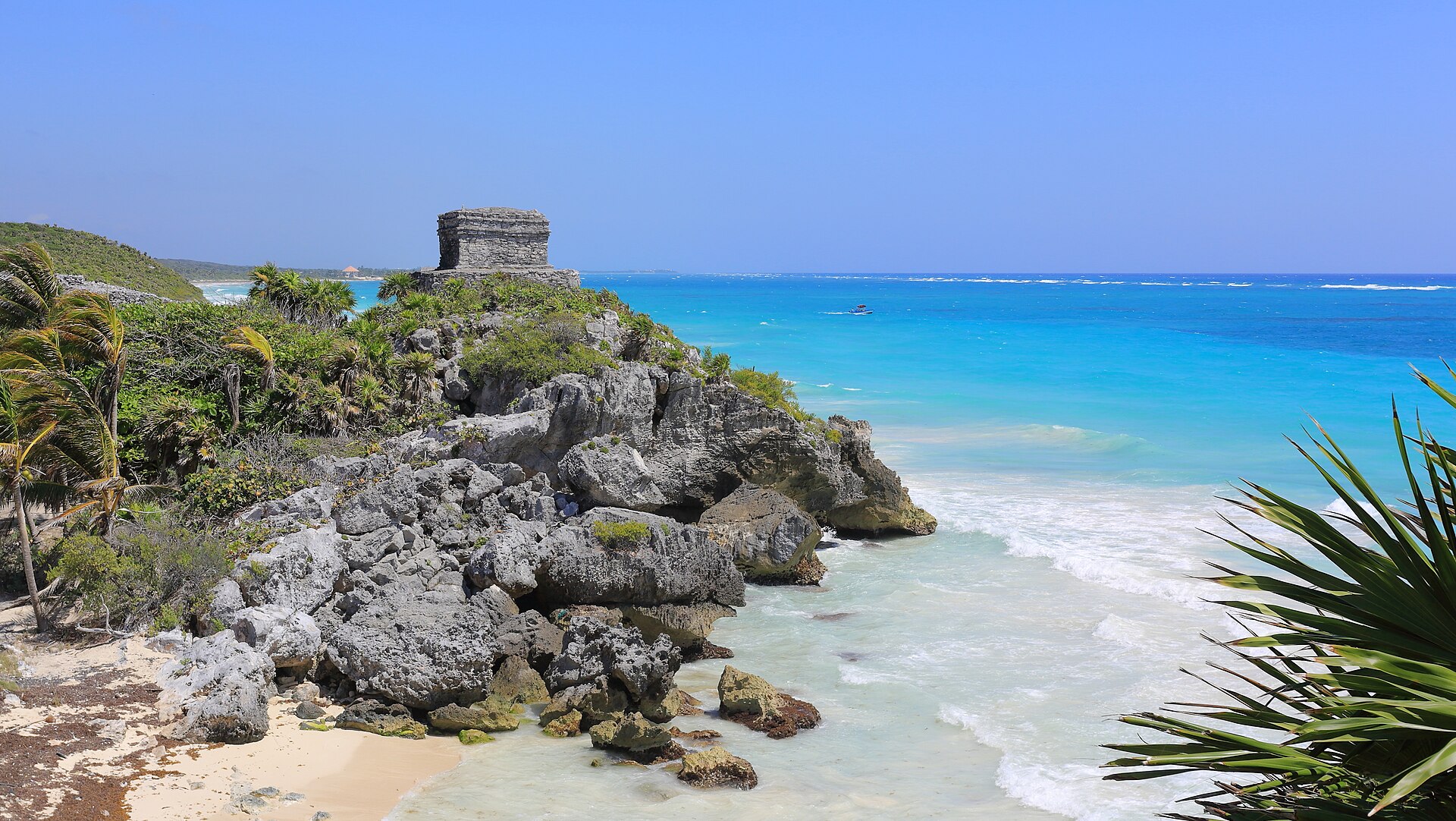
Cancún is also an excellent base for excursions. A short ferry ride away is the laid-back island of Isla Mujeres. In summer, boat trips are organised for those who want to snorkel with whale sharks. Maya ruins can be found both in the hotel zone and within day-trip distance inland.
The weather is at its best during the dry season, from December to April. Summer is hotter and more humid, with a risk of hurricanes and large amounts of sargassum, a kind of brown seaweed that sometimes drifts in and settles along the beaches.
Things to do
From around June to September, whale sharks gather offshore north of Isla Mujeres and Holbox. Boat trips leave early in the morning, and you snorkel alongside the world's largest fish.
See tours and prices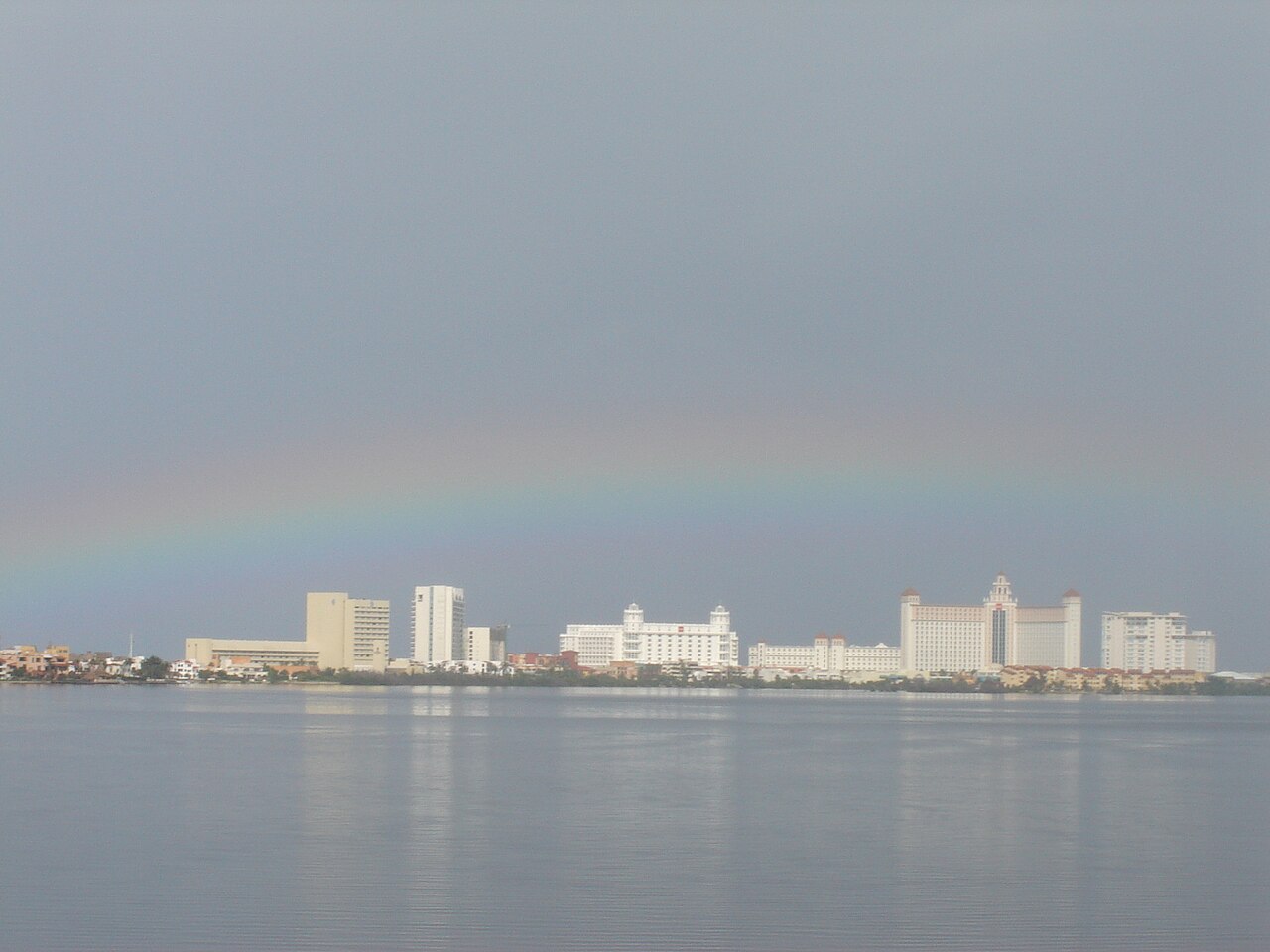
Behind the hotel zone lies a large lagoon fringed with mangroves. Go by kayak, paddleboard or a speedboat tour through the channels, ideally at sunset.
See tours and prices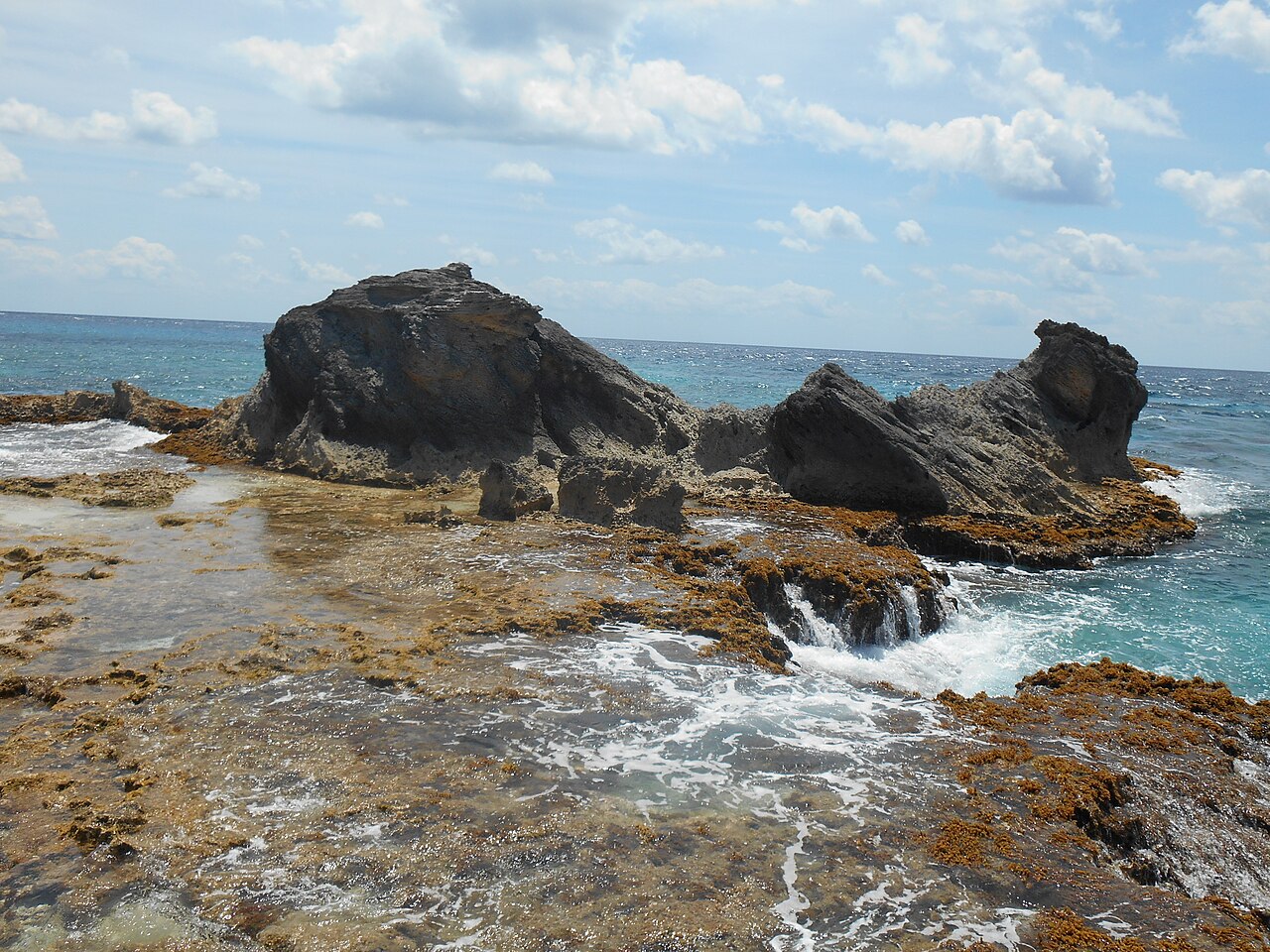
Rent a golf cart on Isla Mujeres and drive to the island's southern tip, where waves crash against the cliffs and a path leads past a lighthouse and the ruins of a small Maya temple.
See tours and pricesPack right
Best December–April
24–32 °CWarm all year round. The dry season from December to April is the sunniest and most comfortable. Summer is hot and humid with heavy showers, and the hurricane season runs from June to November.
Current currency
Mexican peso
1 MXN to SEKThe rate is updated every hour. Always check the current rate before you travel.
Compare hotels and apartments on the map, with current prices.
The map loads from Stay22 only when you click. Stay22 may then set cookies and collect information about your browser. Privacy
Plan your trip
Cancún International Airport (CUN) lies south of the city, about 20 minutes from the hotel zone. It has direct flights from the US, Canada and several European cities.
ADO buses run from the terminals to the bus station in Centro and on along the coast. The Tren Maya train stops at the airport. Taxis and pre-booked transfers are also available, and for the hotel zone a pre-booked transfer is often the easiest option.
Check current departures and prices before you travel.

In the hotel zone, the big hotels and all-inclusive resorts sit right on the beach. The northern part, towards Playa Linda and Playa Langosta, has calmer water and suits families, while the area around Punta Cancún has nightclubs and restaurants. Further south the beaches are wider and the waves stronger.
In Centro you stay much more cheaply and closer to everyday city life, and take the bus to the beach. For something quieter, stay on Isla Mujeres. Book well ahead for Christmas, New Year, Easter and the American spring break in March.
The big and the small
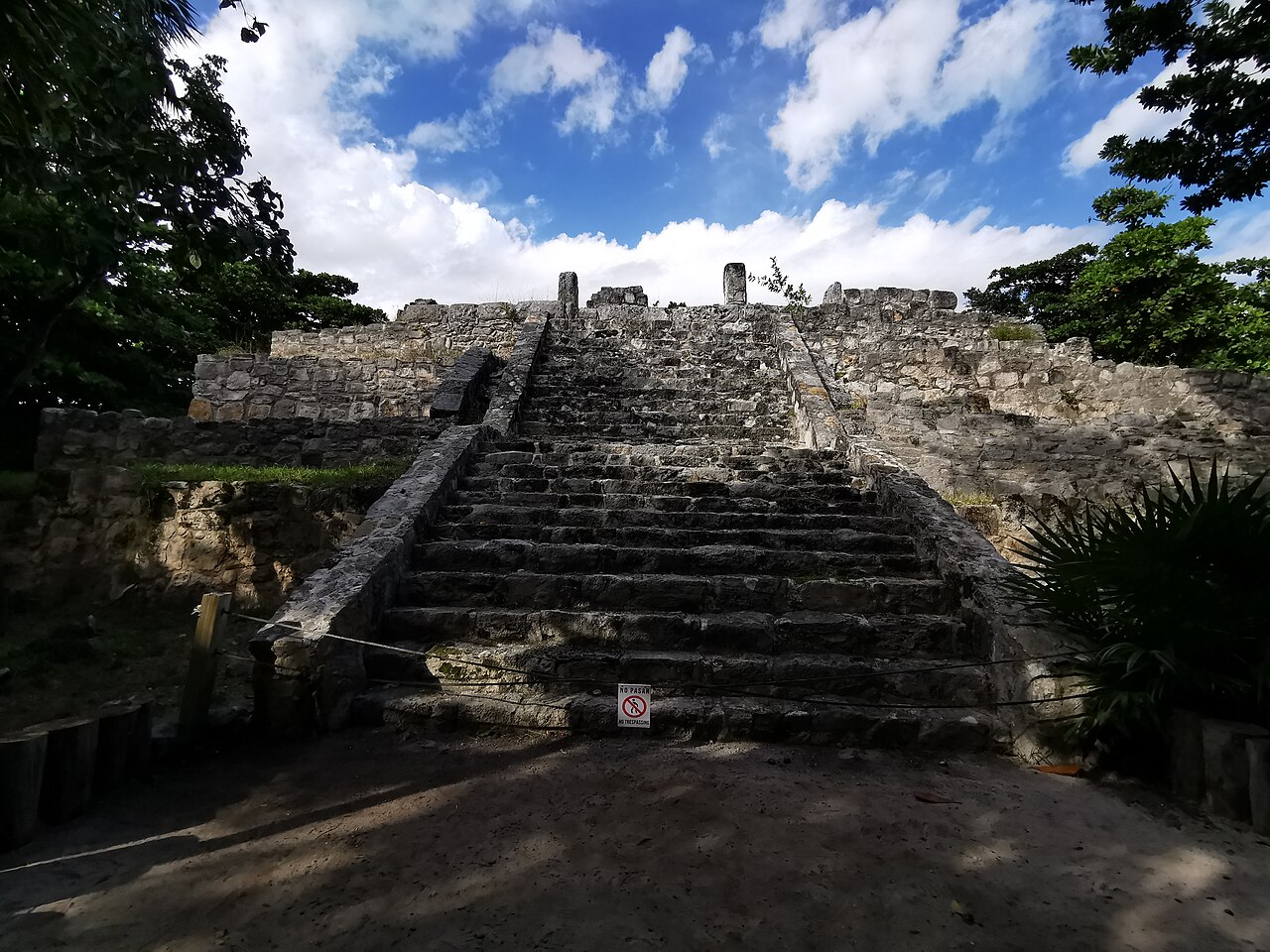
The modern Maya museum in the hotel zone opened in 2012 and shows finds from Maya cities across the Yucatán Peninsula. The same ticket covers San Miguelito, the ruins of a small Maya settlement in the jungle behind the museum, inhabited in the centuries before the Spanish arrived. A cool break from the beach on a hot day.
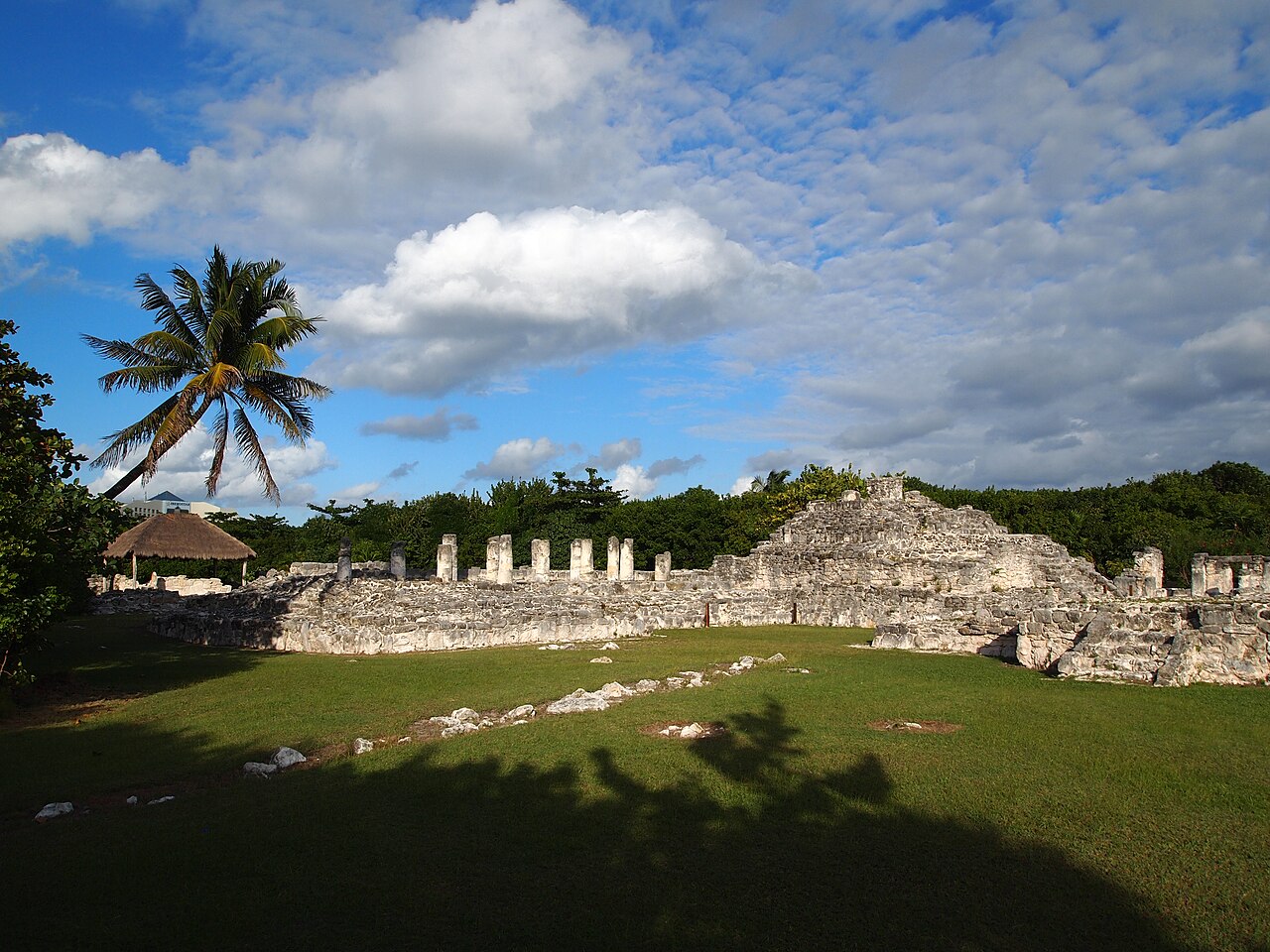
In the middle of the southern hotel zone lie the ruins of a Maya settlement, with platforms, a small plaza and a street lined with buildings. Hundreds of iguanas bask on the stones. It takes about an hour to walk around, and it's rarely crowded.
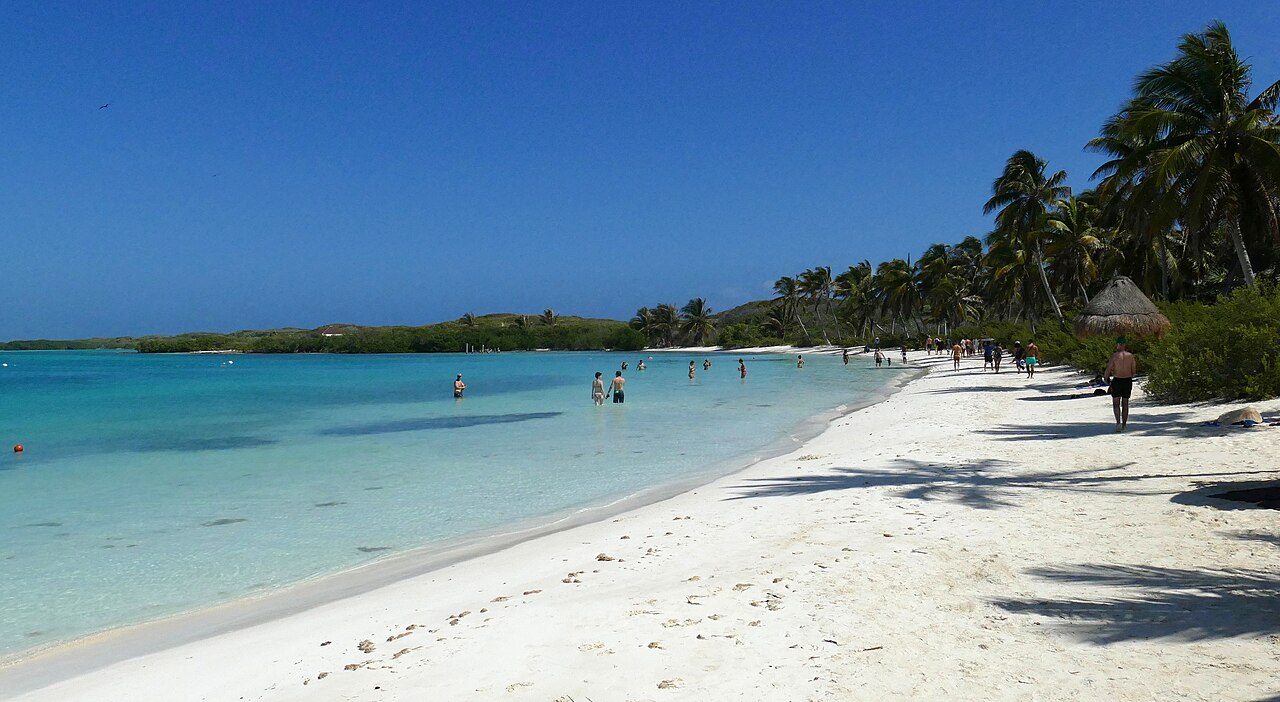
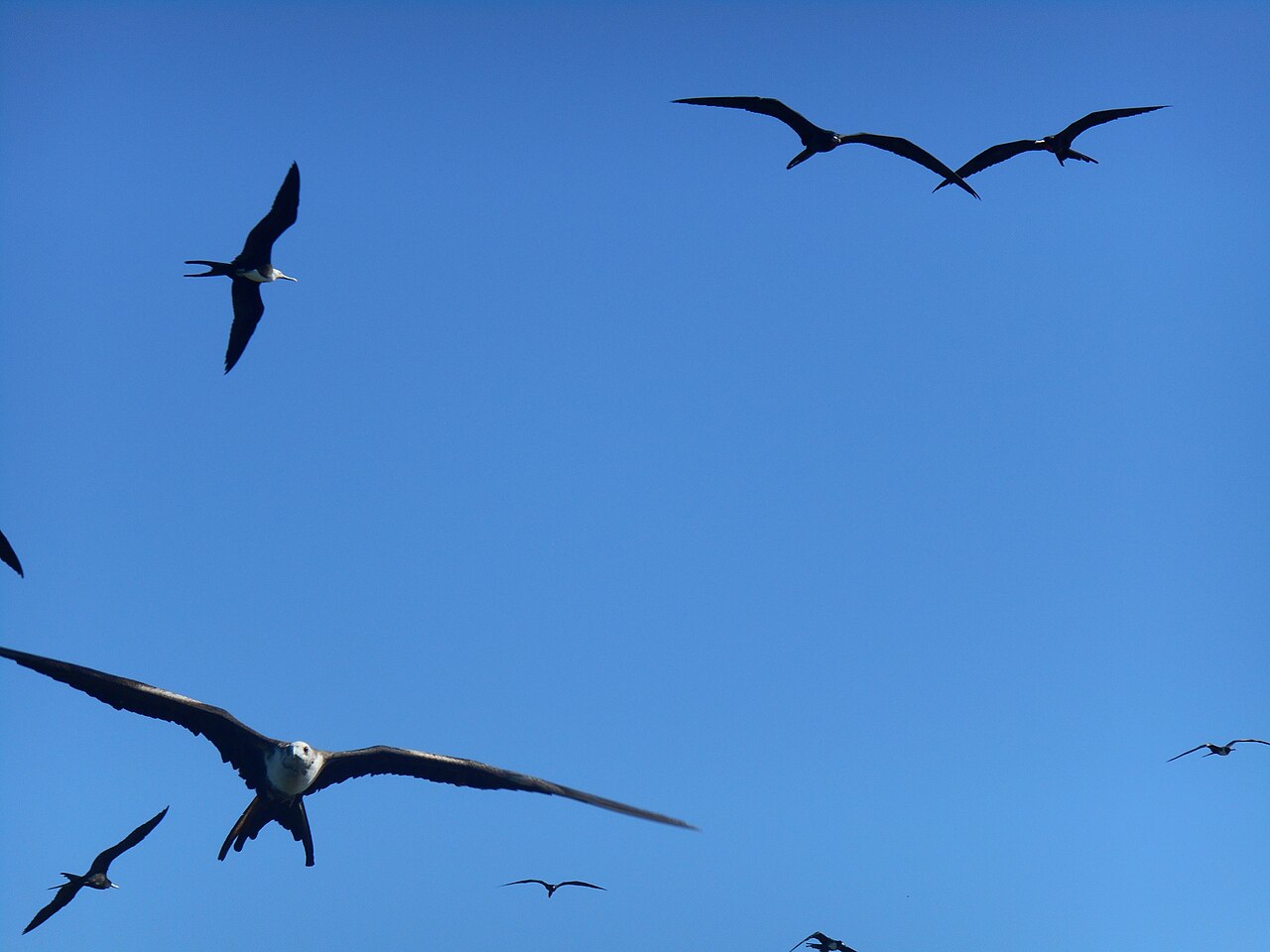
The uninhabited island north of Isla Mujeres is a national park and an important nesting site for frigatebirds, pelicans and cormorants. The number of daily visitors is limited, and you can only get there on authorised boat trips, which often stop for snorkelling on the way. The beach is untouched and the water crystal clear.
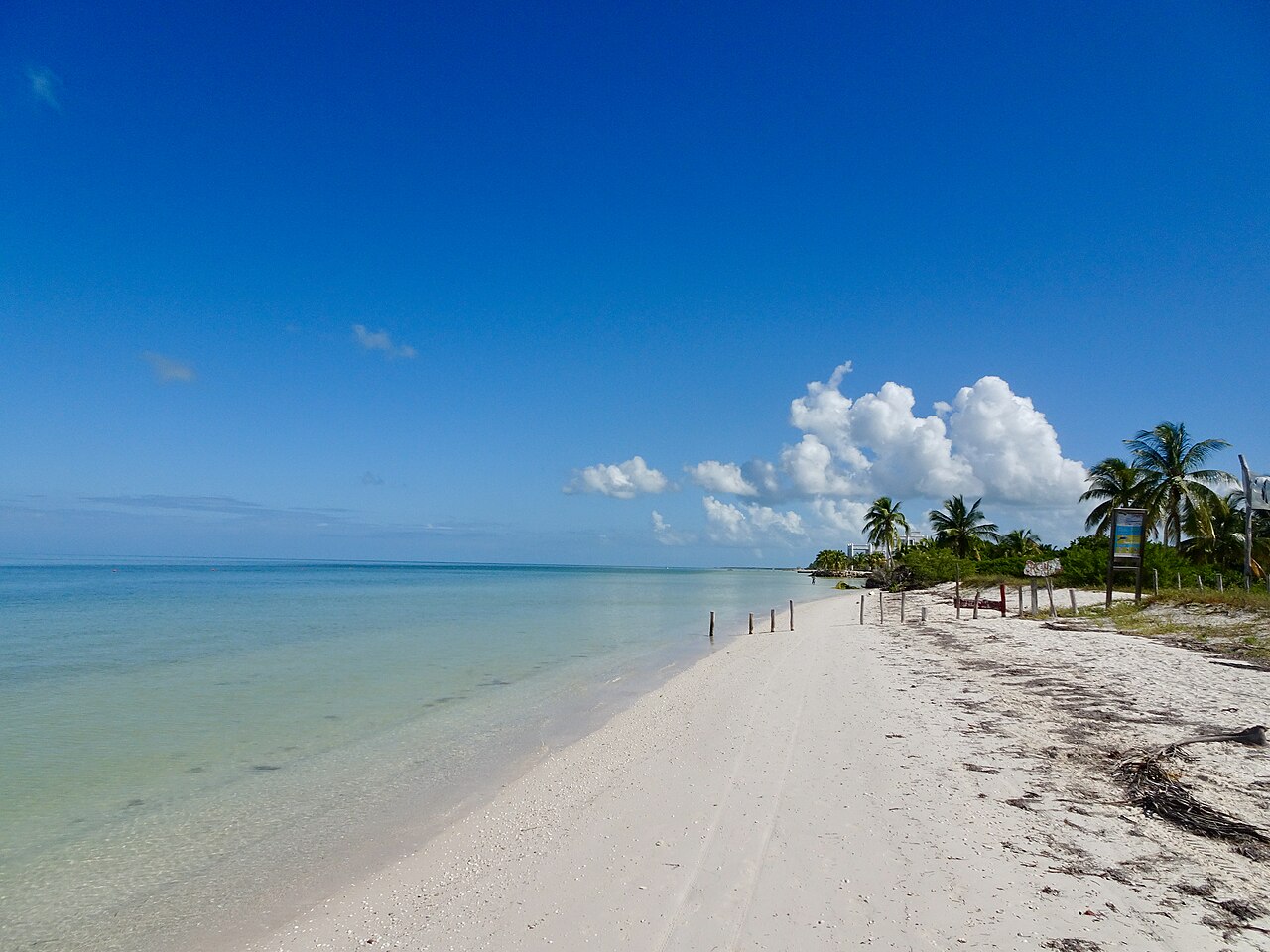
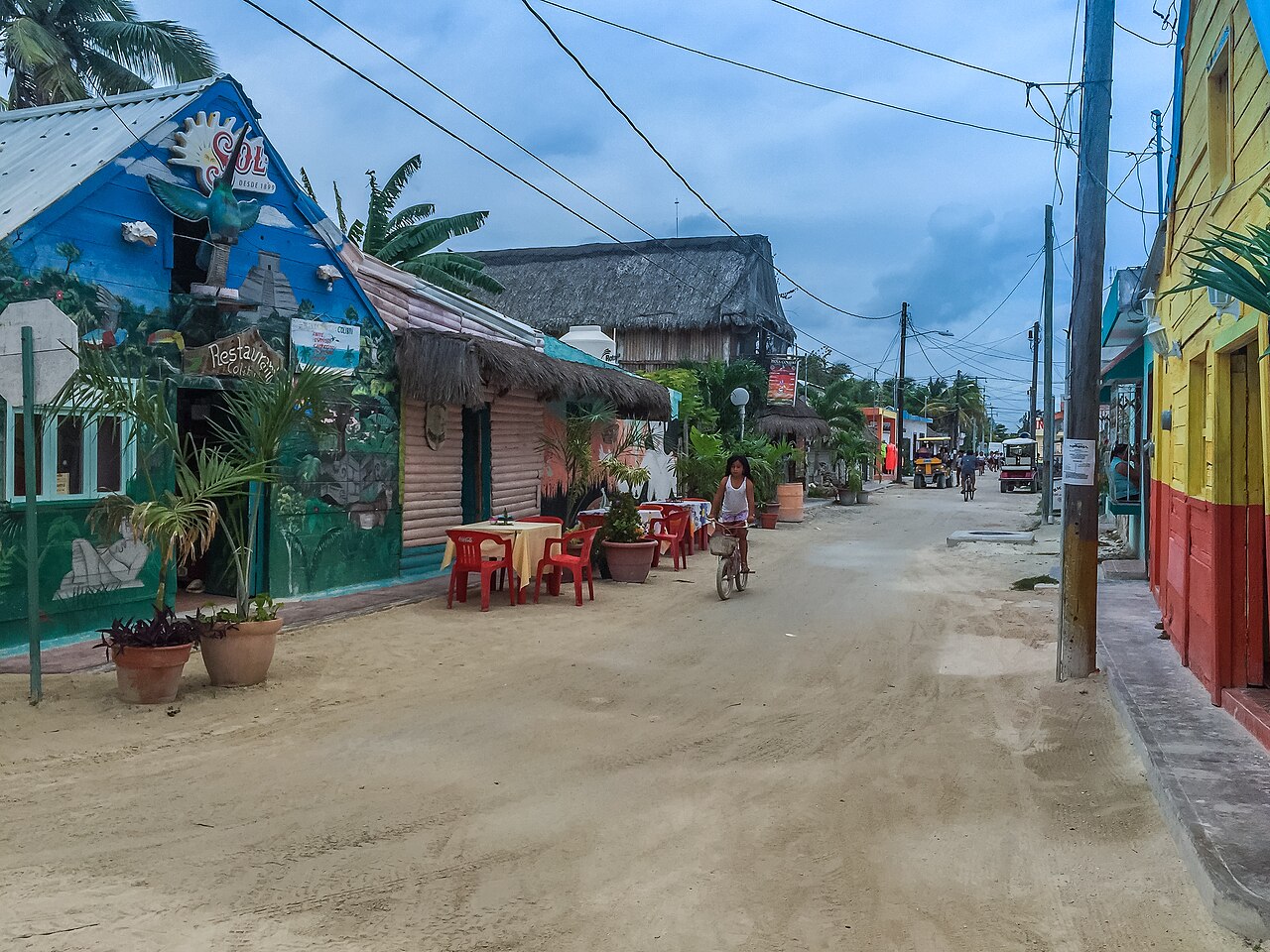
The car-free island at the northern tip of the Yucatán Peninsula is reached by ferry from Chiquilá, a couple of hours' drive from Cancún. The streets are sand, and people get around on foot, by bike or by golf cart. The beaches are long and shallow, flamingos and pelicans gather in the lagoons, and in summer tours head out to the whale sharks.
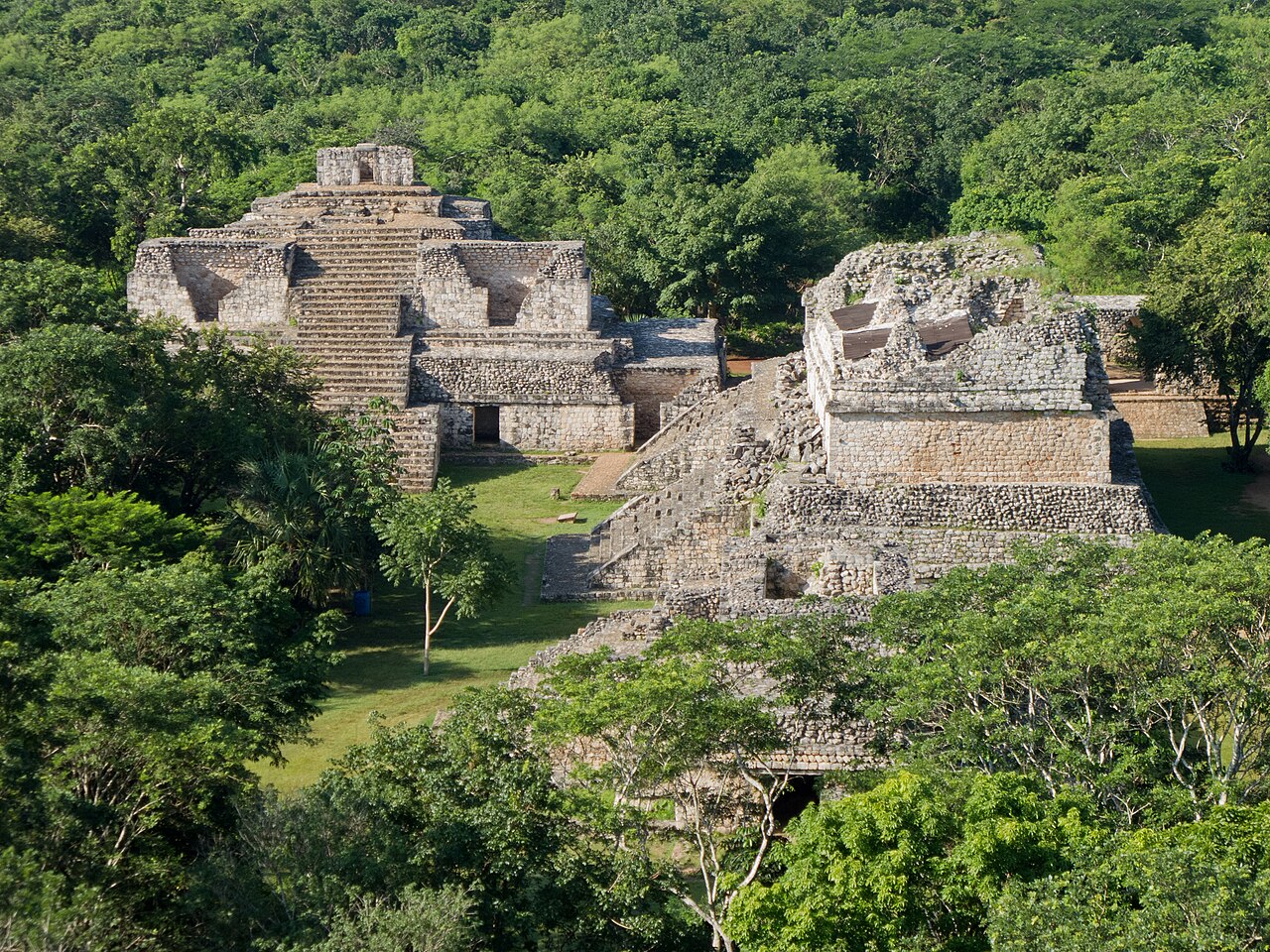
The Maya city lies in the jungle north of Valladolid, about two hours from Cancún. Its great acropolis has well-preserved stucco work, including winged figures at the entrance to a royal tomb. It gets far fewer visitors than Chichén Itzá, and there are cenotes for swimming nearby.
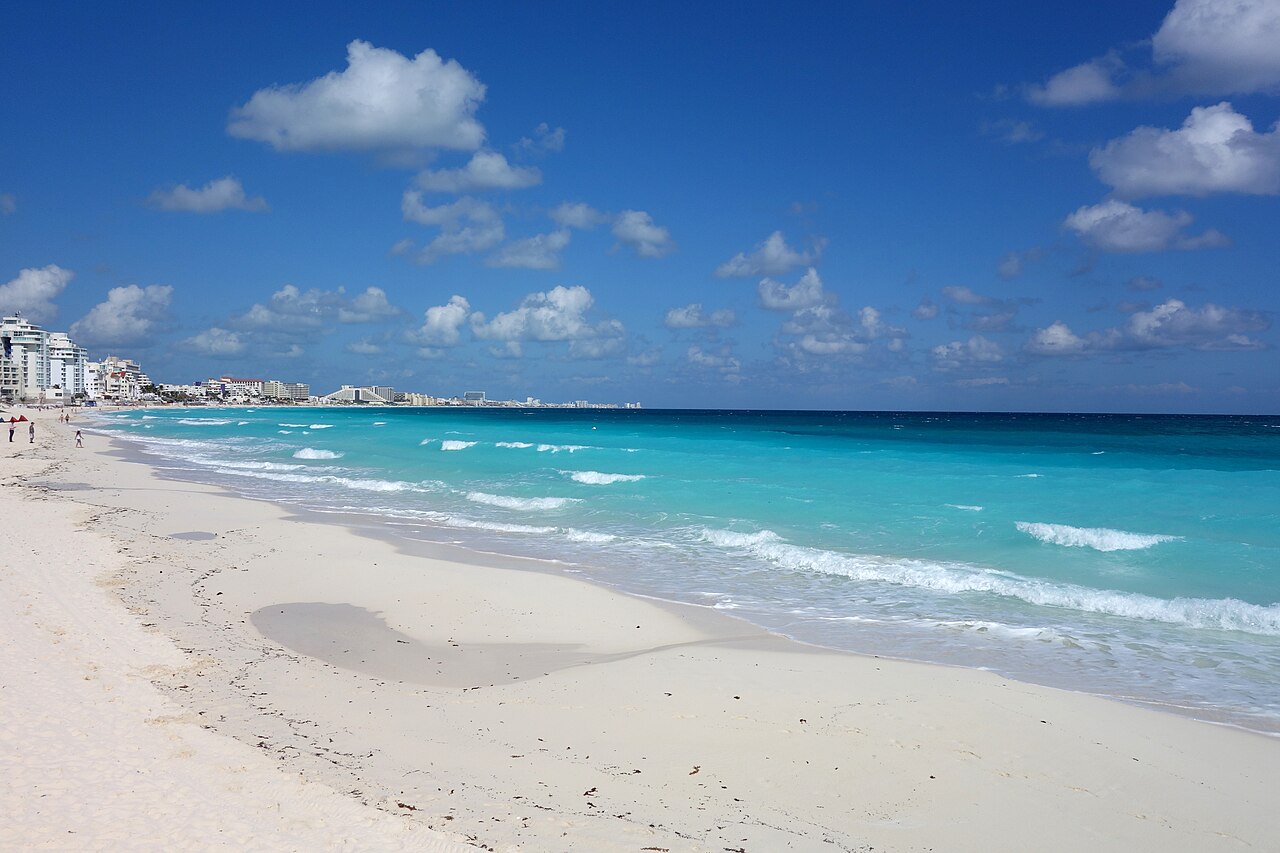
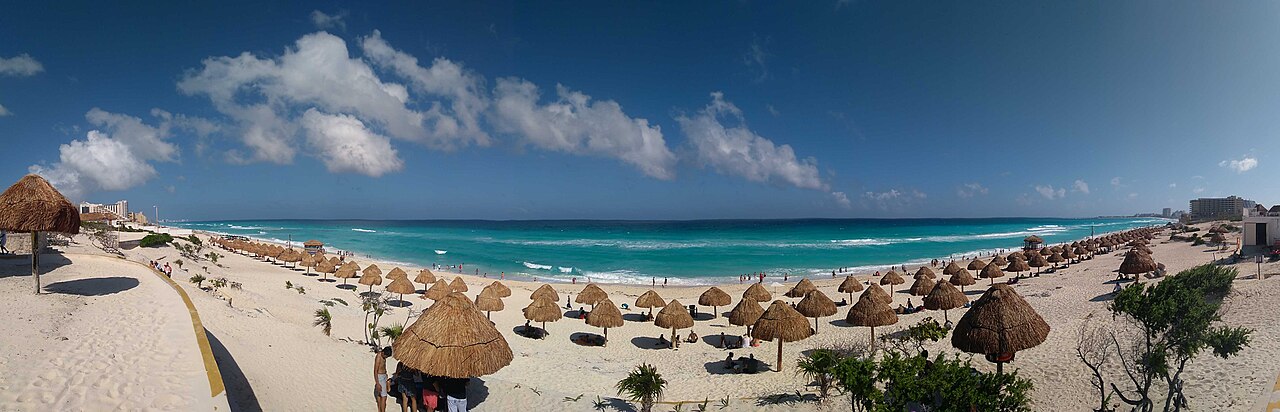
Along the east side of the hotel zone run kilometres of fine white coral sand facing a turquoise sea. Beaches in Mexico are public, so you can swim even in front of the hotels. On the northern side the water is calm, while the waves can be strong further south, where Playa Delfines is one of the few beaches without hotels. Keep an eye on the flags.
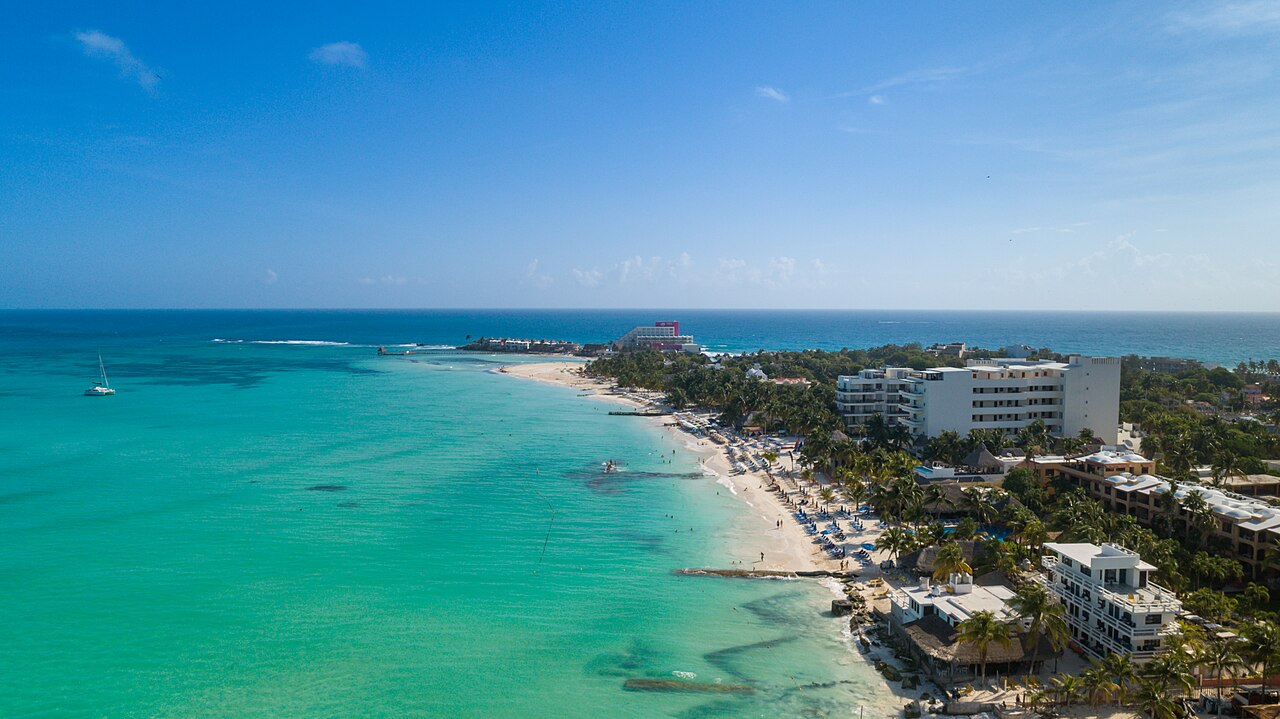
The ferry from Puerto Juárez takes about 20 minutes to the narrow island, which is calmer and more relaxed than Cancún. Playa Norte has shallow, clear water that's good for swimming all day. Rent a golf cart and drive around the island to the cliffs at Punta Sur in the south, and eat fish at the small restaurants in the village.
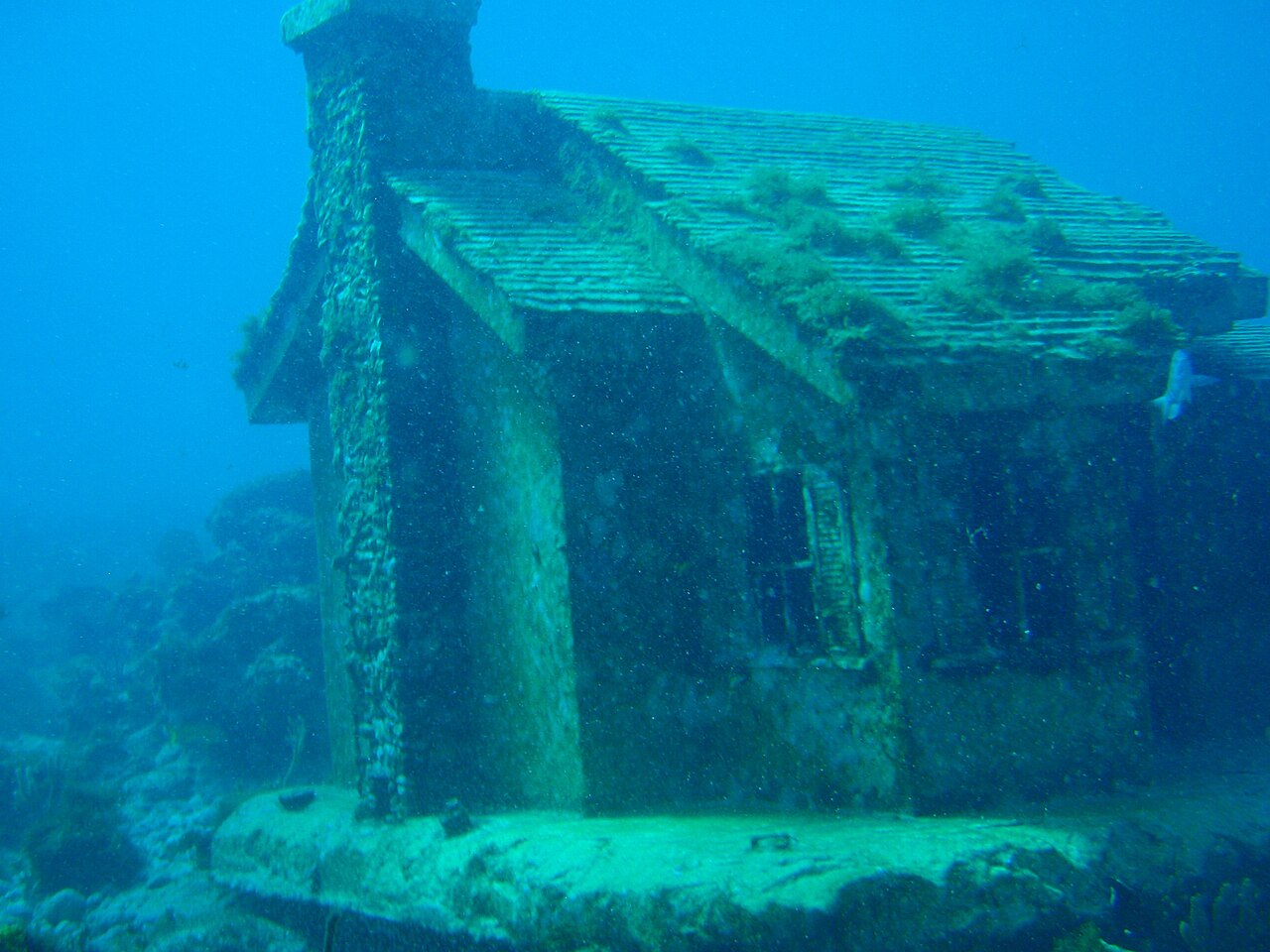
On the seabed between Cancún and Isla Mujeres stand around 500 concrete sculptures, most of them by the artist Jason deCaires Taylor. Over time, corals and algae have grown on them and fish have moved in. The shallowest parts can be seen with a snorkel, while others require diving. Boat trips run from Cancún and Isla Mujeres.
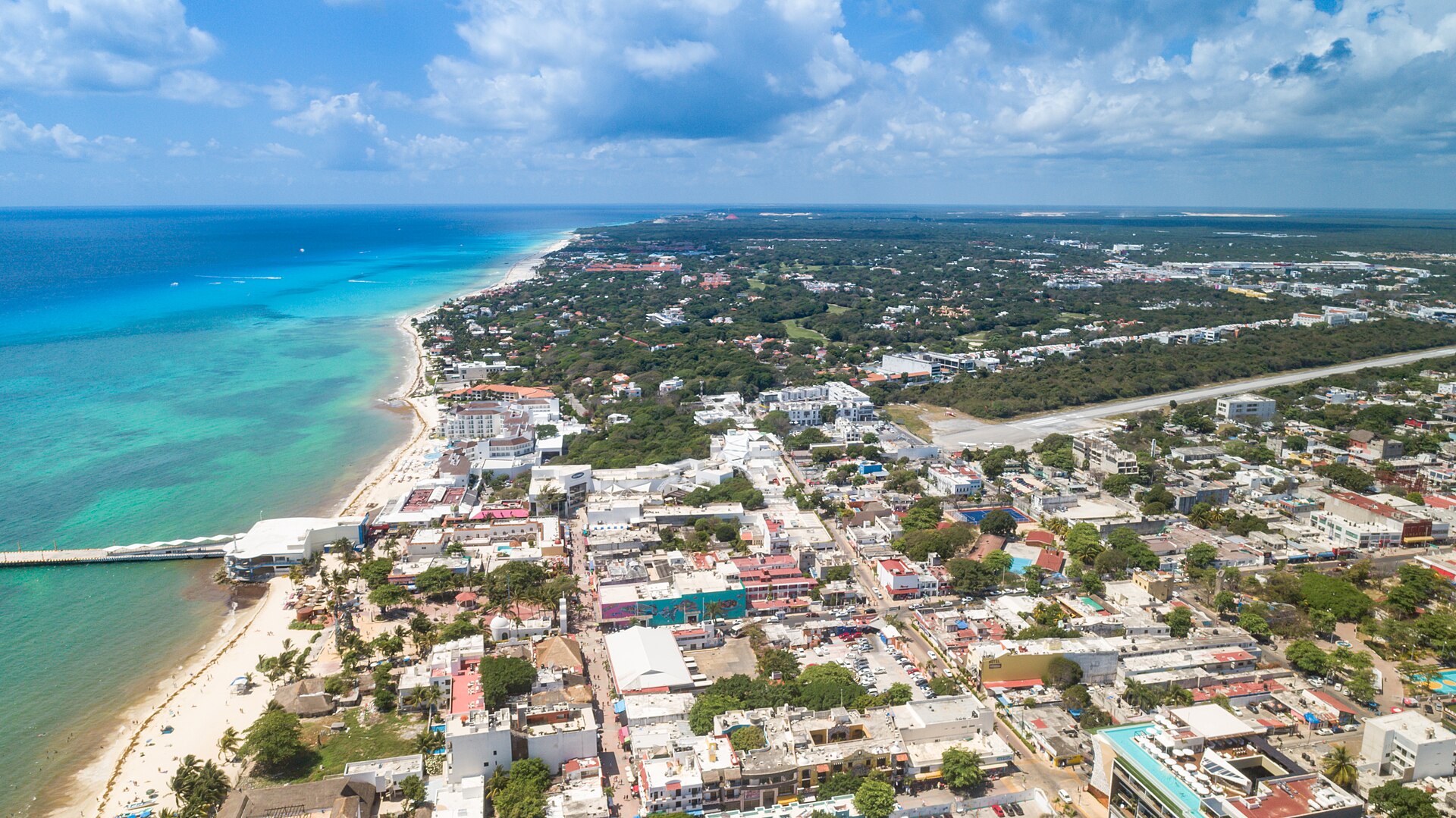
The hotel zone follows Boulevard Kukulcán along the strip, from Punta Cancún, where the nightclubs are, south past the shopping malls, Museo Maya and the El Rey ruins to Punta Nizuc. Centro on the mainland is the real city, with Parque de las Palapas, the Mercado 28 market and the Tulum and Yaxchilán avenues, where restaurants are cheaper. North of Centro is Puerto Juárez, with the ferries to Isla Mujeres, and further north the growing Costa Mujeres area with large new hotels.
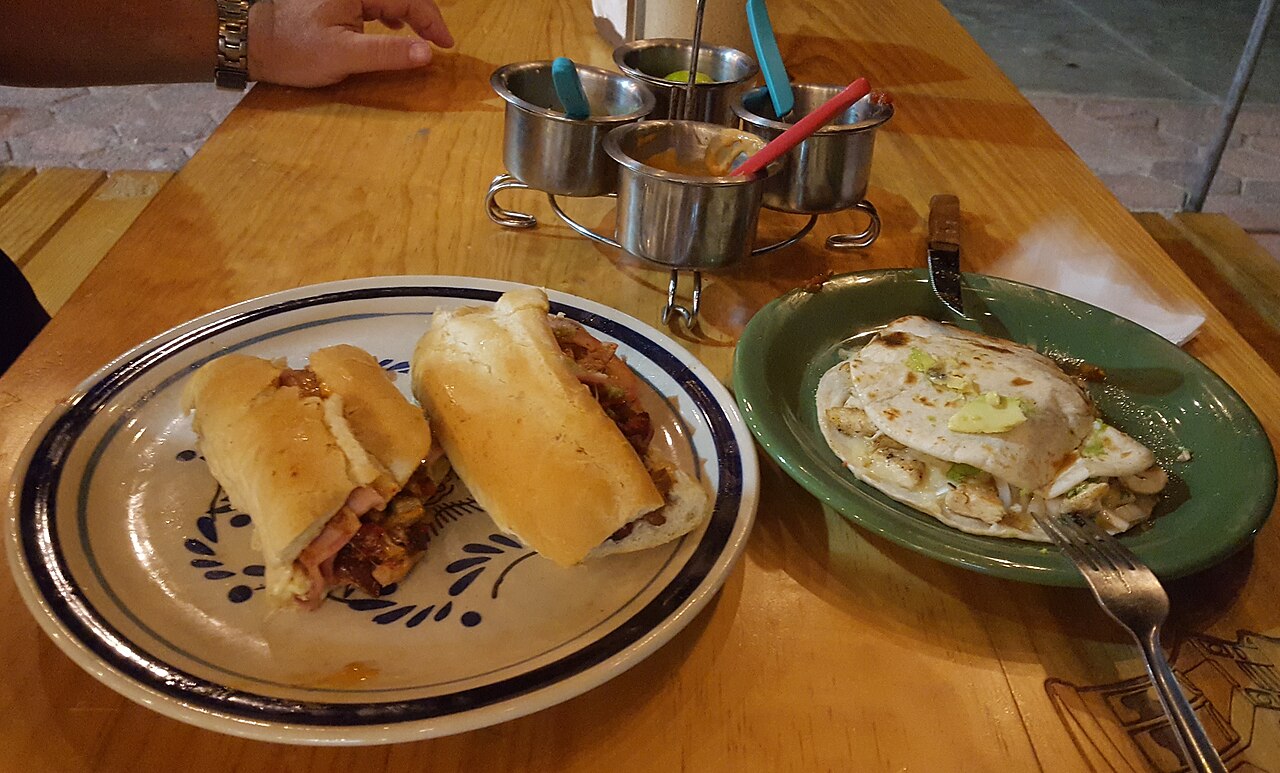
The Yucatán Peninsula has its own cuisine. Try cochinita pibil, pork slow-cooked in achiote and banana leaves, sopa de lima, a chicken and lime soup, and the fried tortillas panuchos and salbutes. Tacos al pastor from a taquería and fresh ceviche are everyday food, and on Isla Mujeres fish is grilled tikin xic style, marinated in achiote. Restaurants in the hotel zone are expensive and often geared to tourists, so take the bus to Centro to eat like the locals.
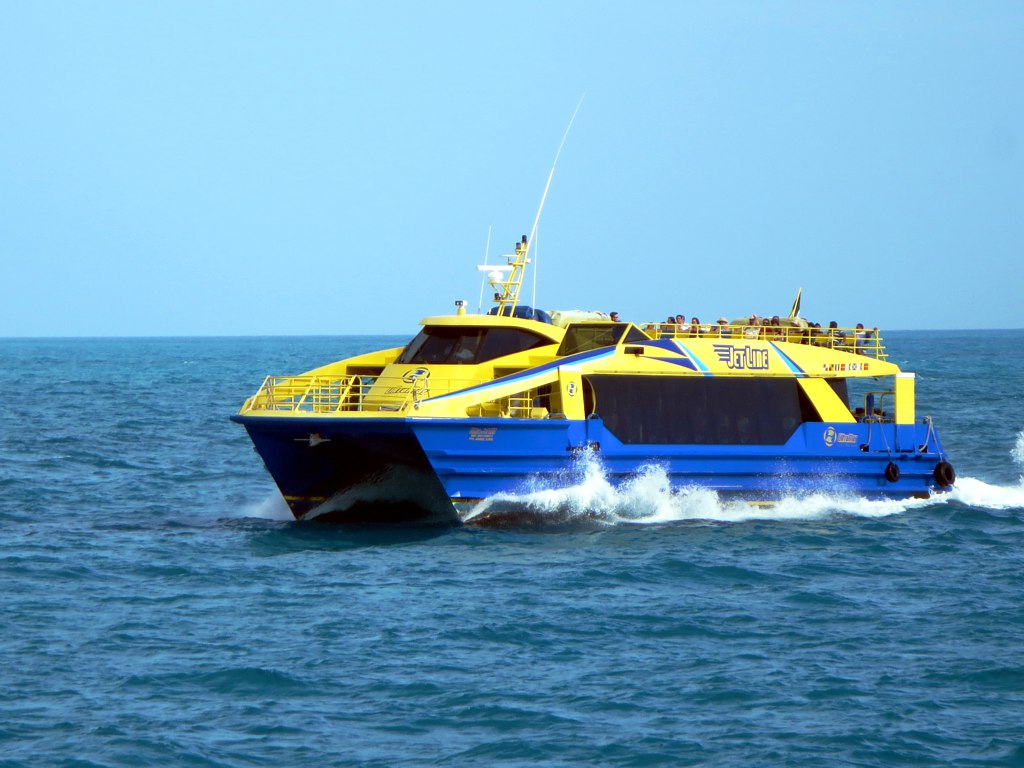
The R-1 and R-2 city buses run frequently along the hotel zone and into Centro, and they're cheap. Pay in cash in pesos and have small coins ready. Taxis have no meter, so agree the fare before you get in. Ferries to Isla Mujeres leave from Puerto Juárez and from piers in the hotel zone. Along the coast road south towards Puerto Morelos and Playa del Carmen run colectivos and ADO buses, and for day trips inland a rental car is convenient.
With the ADO app you buy bus tickets and check departures, and Tren Maya tickets are sold on the train's own website. The ferry companies to Isla Mujeres sell tickets on their websites. Many hotels, restaurants and tour operators reply fastest on WhatsApp. Download maps for offline use before excursions, and a translation app helps when English runs out outside the hotel zone.

Check the entry rules for your nationality before you travel; the border officer decides how long you may stay, so check the number of days in your passport. The state of Quintana Roo charges a tourist fee, Visitax, which you pay at visitax.gob.mx. The currency is the Mexican peso. US dollars are accepted in many places in the hotel zone, but at a poor rate, so pay in pesos. A tip of 10–15 per cent is expected in restaurants. Don't drink the tap water. The time zone is UTC−5 all year, with no daylight saving time.

Take the bus into Centro one evening and eat at Parque de las Palapas to see another side of Cancún. Go to Isla Mujeres on an early ferry and stay until sunset. Many snorkel spots and parks require biodegradable sunscreen or none at all. Follow the sargassum reports in summer, since the seaweed is often lighter on the northern side of the hotel zone and on Isla Mujeres.