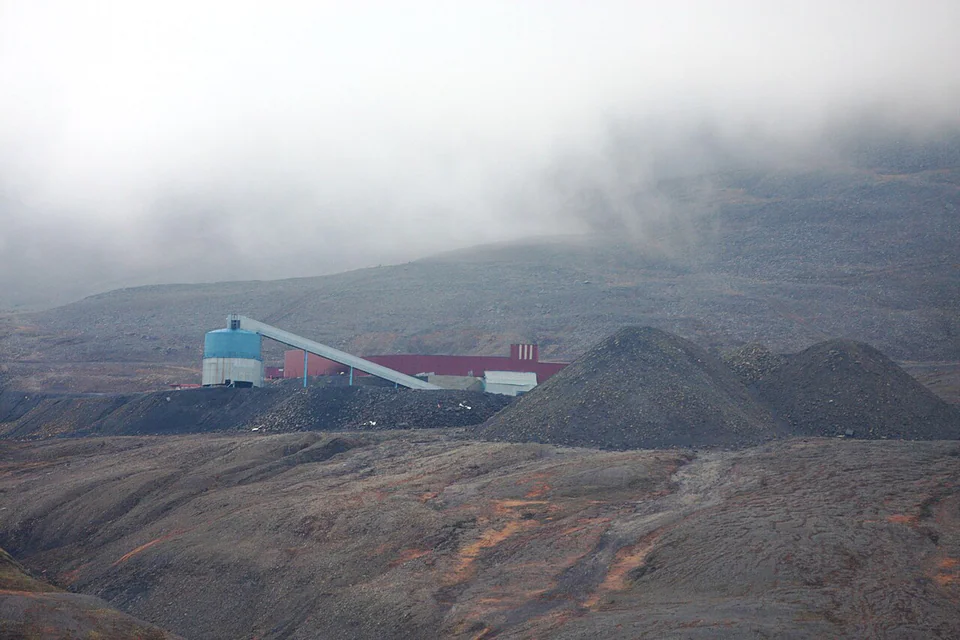
A visit to Mine 3
The closed coal mine near the airport is shown on guided tours. You walk into the mountain with a headlamp and hear about life as a miner on Svalbard.
See tours and prices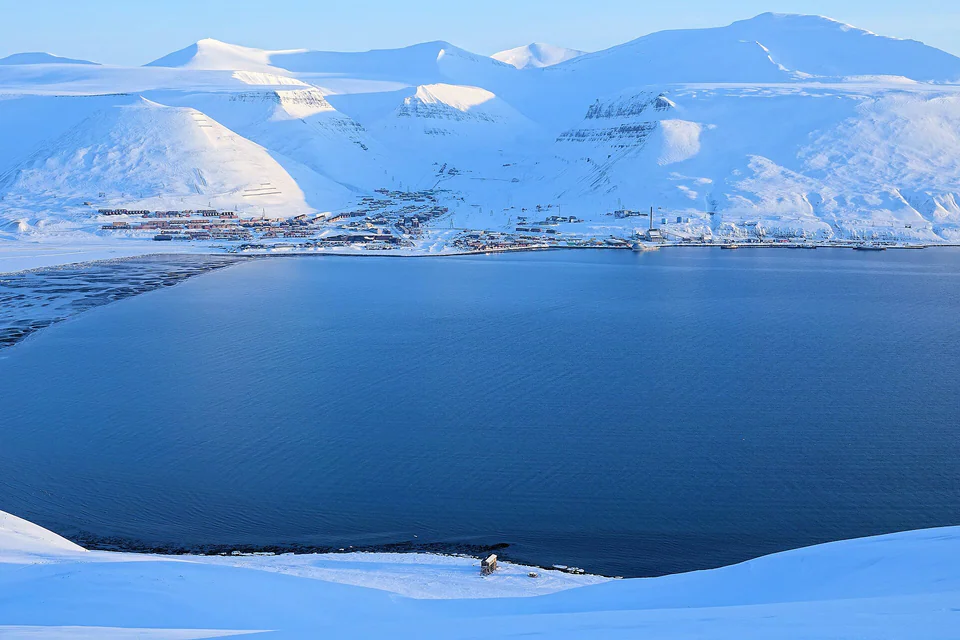
The real Arctic · Norway
Your guide to Svalbard
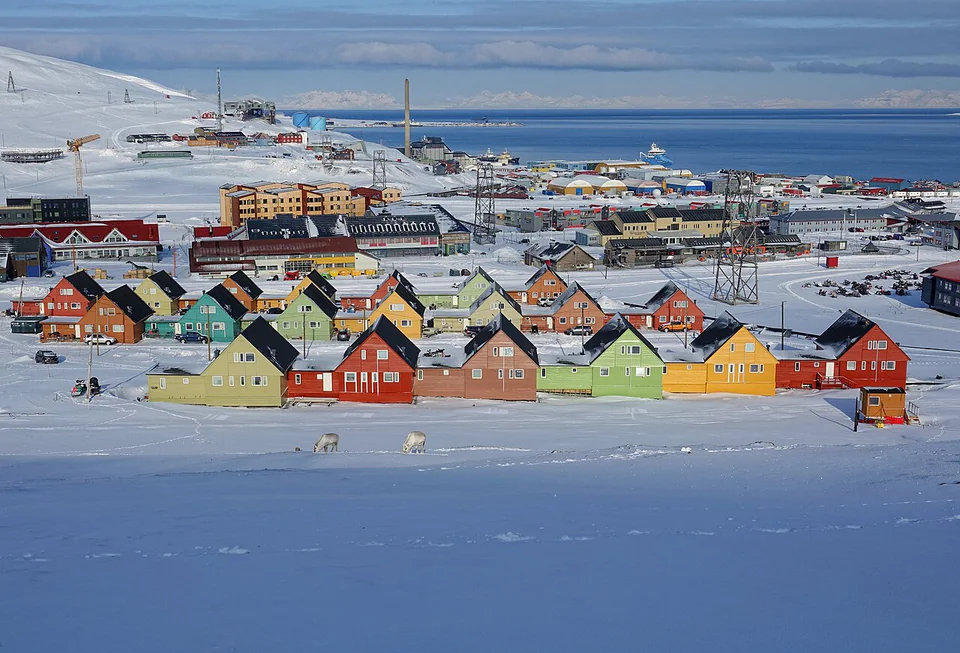
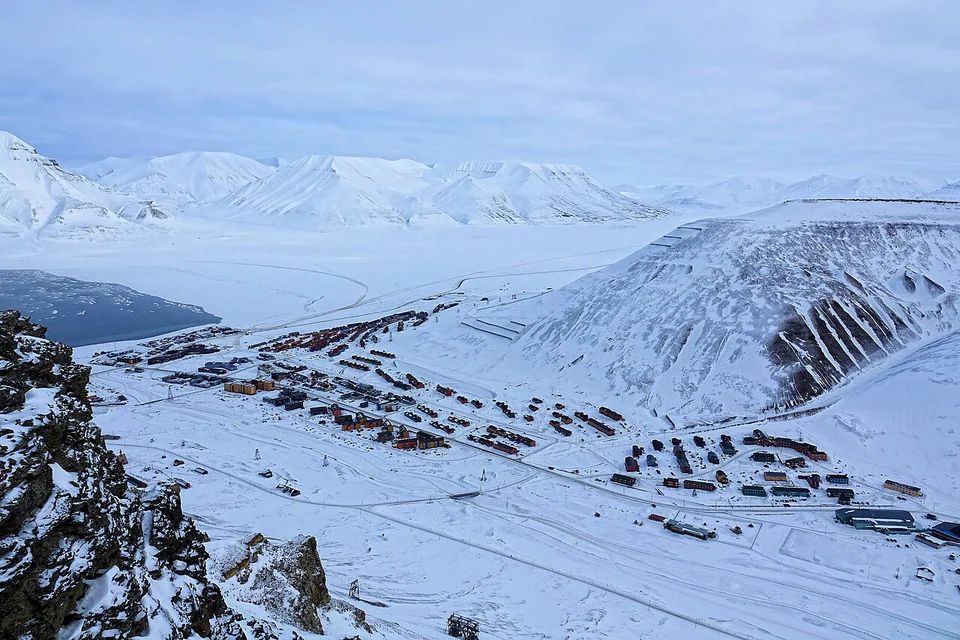
Svalbard is an archipelago in the Arctic Ocean, roughly halfway between mainland Norway and the North Pole. Glaciers, fjords and dramatic mountains spread out as far as the eye can see. The main town, Longyearbyen, with around 2,500 inhabitants, was founded as a mining town in 1906 by the American John Munro Longyear and is today one of the northernmost settlements in the world.
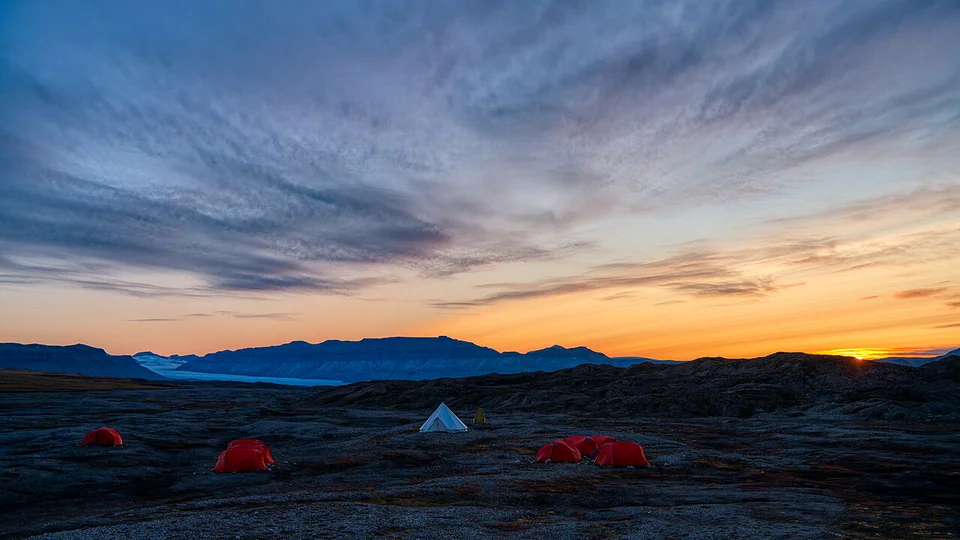
Light rules life here. From late April to late August the sun never sets, and from late October to mid-February it never rises. During the polar night the northern lights can dance across the sky, and in spring, when the light returns while the snow still lies on the ground, it's high season for dog sledding and snowmobiling.
In summer, boats take you out on Isfjorden, to calving glaciers and the abandoned Soviet mining town of Pyramiden. Svalbard reindeer graze on the tundra and the bird cliffs teem with life. Coal mining has almost entirely stopped, but its traces remain everywhere – from the cableways above Longyearbyen to Mine 3, where you can join a tour into the mountain.
The nature is as fragile as it is magnificent. Outside the settlements there is always a risk of meeting a polar bear, which is why most visitors head out with a guide. Back in Longyearbyen, cosy cafés, restaurants and the world's northernmost brewery await.
Things to do
The closed coal mine near the airport is shown on guided tours. You walk into the mountain with a headlamp and hear about life as a miner on Svalbard.
See tours and prices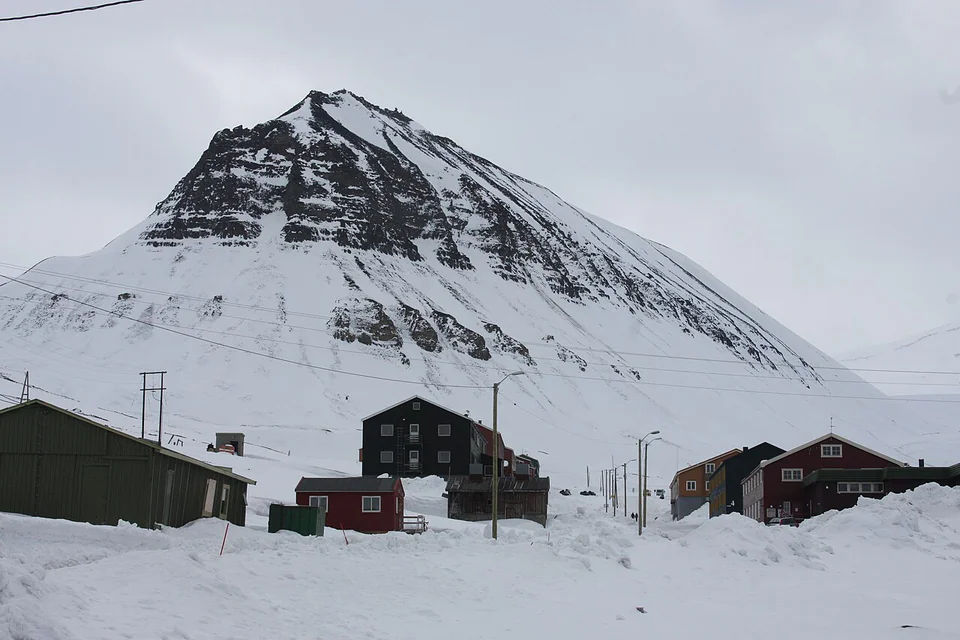
A popular guided summer hike from Nybyen up to the Sarkofagen peak, with views over Longyearbyen, Adventfjorden and the surrounding glaciers.
See tours and prices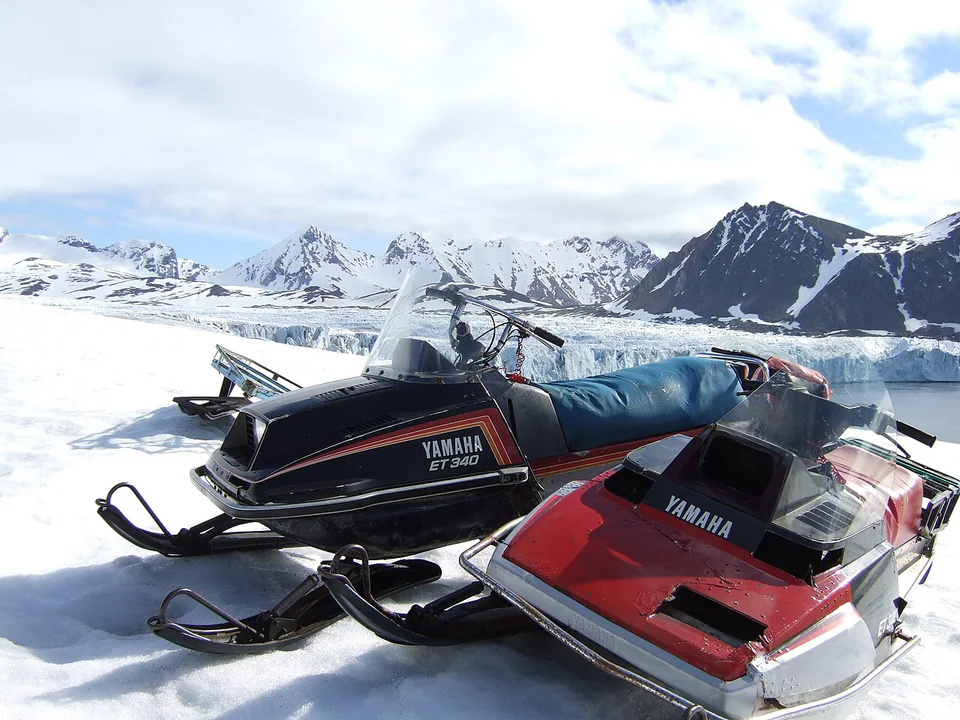
In winter and spring, guided snowmobile trips take you across mountains, glaciers and frozen fjords, for example to Tempelfjorden or the east coast. Warm overalls and boots are usually included.
See tours and pricesPack right
Best March–August
−12–7 °CLong, cold, dark winters and cool summers with the midnight sun. The weather changes quickly, and the wind often makes it feel colder than the thermometer shows.
Current currency
Norwegian krone
1 NOK to SEKThe rate is updated every hour. Always check the current rate before you travel.
Compare hotels and apartments on the map, with current prices.
The map loads from Stay22 only when you click. Stay22 may then set cookies and collect information about your browser. Privacy
Plan your trip
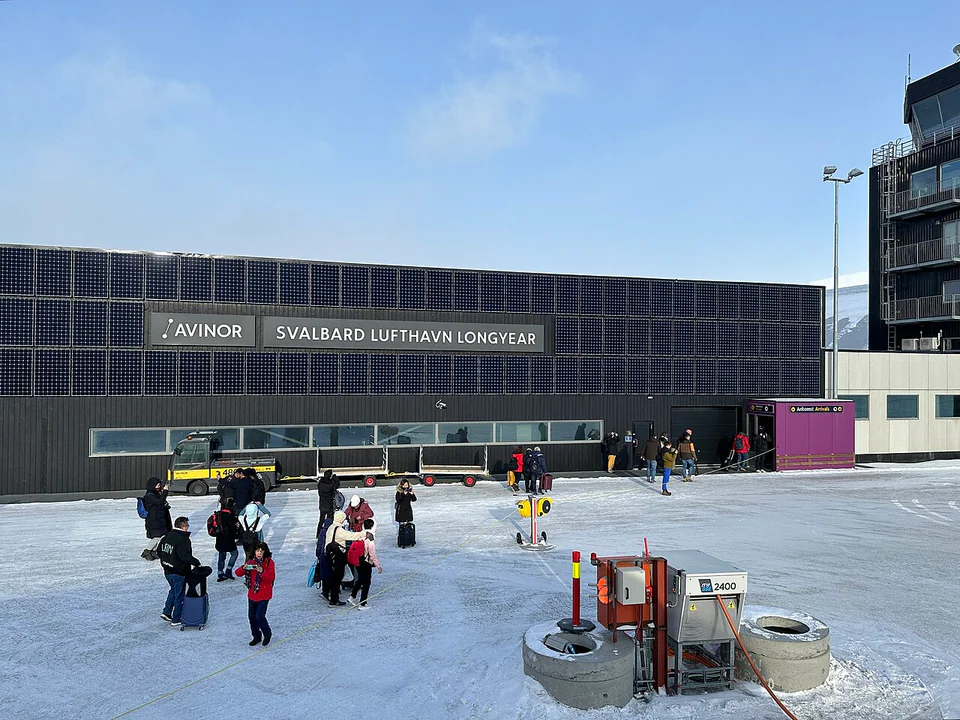
Svalbard Airport (LYR) lies a few kilometres from Longyearbyen and has scheduled flights with SAS and Norwegian from Oslo Gardermoen (OSL) and Tromsø (TOS). The flight from Oslo takes just under three hours.
Svalbard is outside the Schengen area, so you pass through passport control in Oslo or Tromsø on the way. The airlines recommend bringing a passport. An airport bus runs between the airport and the hotels in Longyearbyen.
Check current departures and prices before you travel.

Almost all accommodation is in Longyearbyen. The centre has hotels in different price ranges, and Nybyen, further up the valley, has guesthouses in former miners' quarters, simpler and cheaper. In summer there's a campsite near the airport.
The choice is limited and prices are high, so book well ahead, especially for the spring season in March and April. Many hotels also arrange tours and can help with equipment.
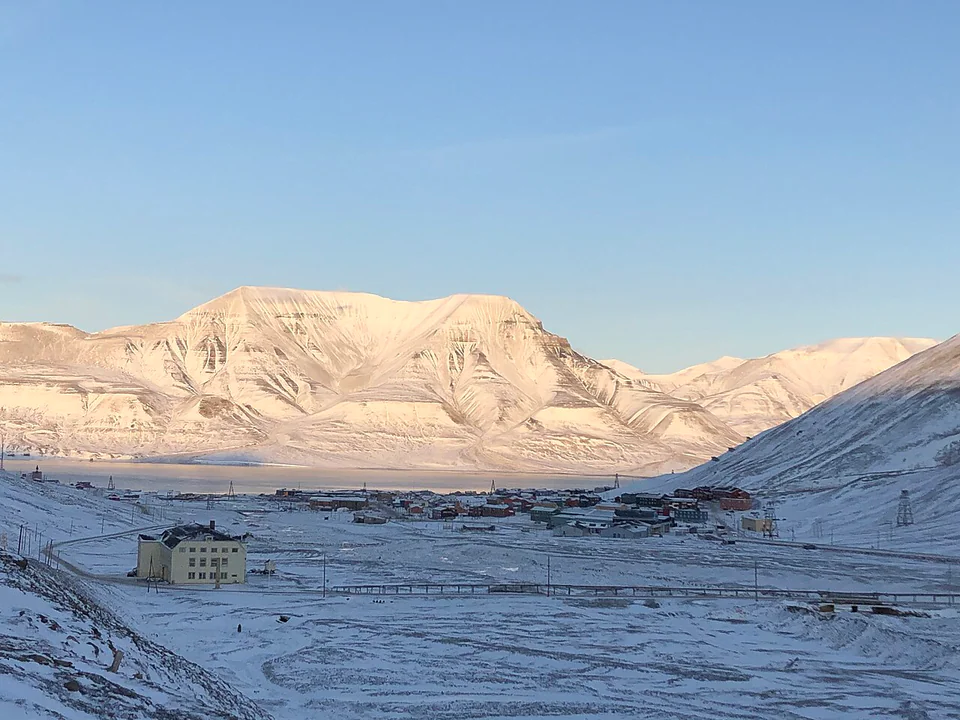
The big and the small
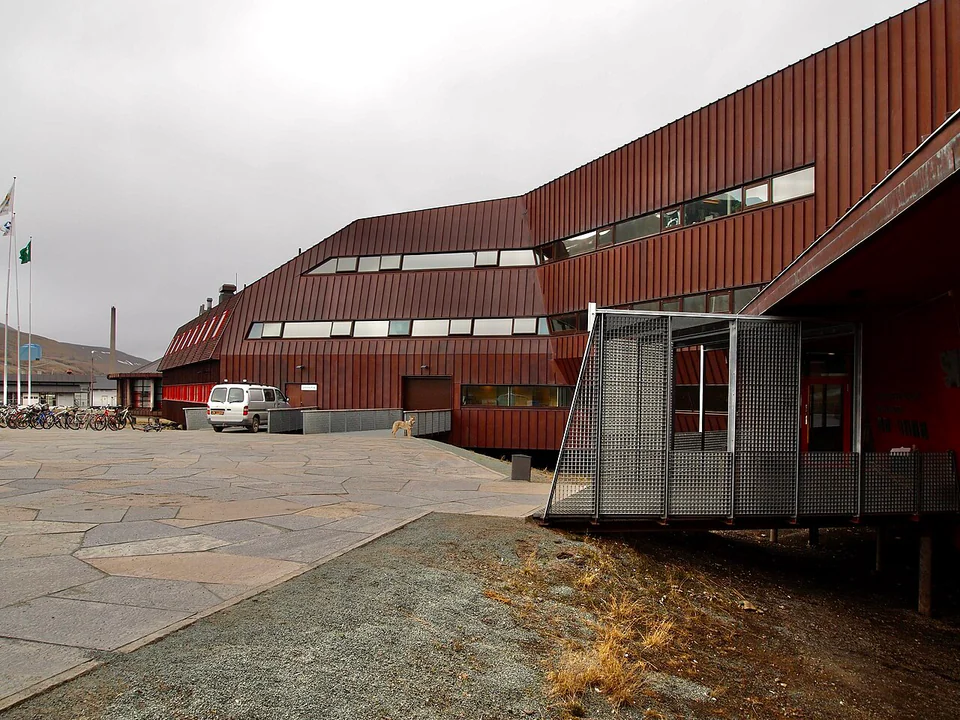
The museum in the Svalbard Science Centre in Longyearbyen tells the story of the archipelago, from whalers and trappers to mining and polar expeditions, as well as its wildlife and nature. It's a good first stop for understanding Svalbard before you head out into the landscape.
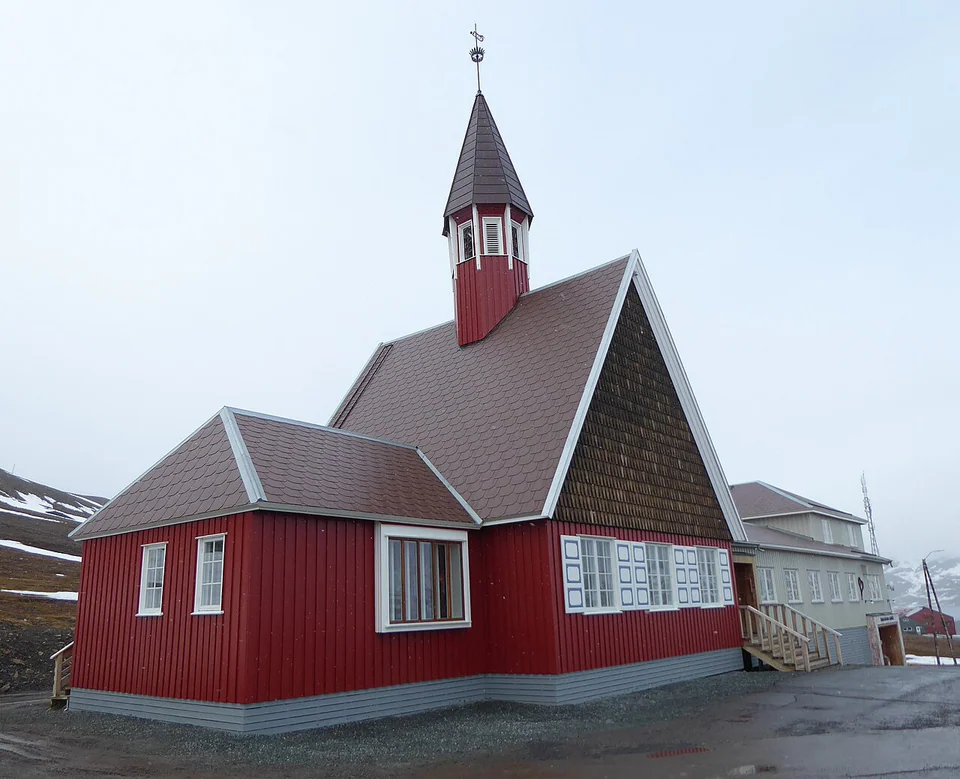
The red wooden church in Longyearbyen is one of the northernmost churches in the world and a gathering place for the town. It's usually open to visitors during the day. Take your shoes off at the entrance, as people do in many buildings in Longyearbyen, a custom from the days when miners carried in coal dust.
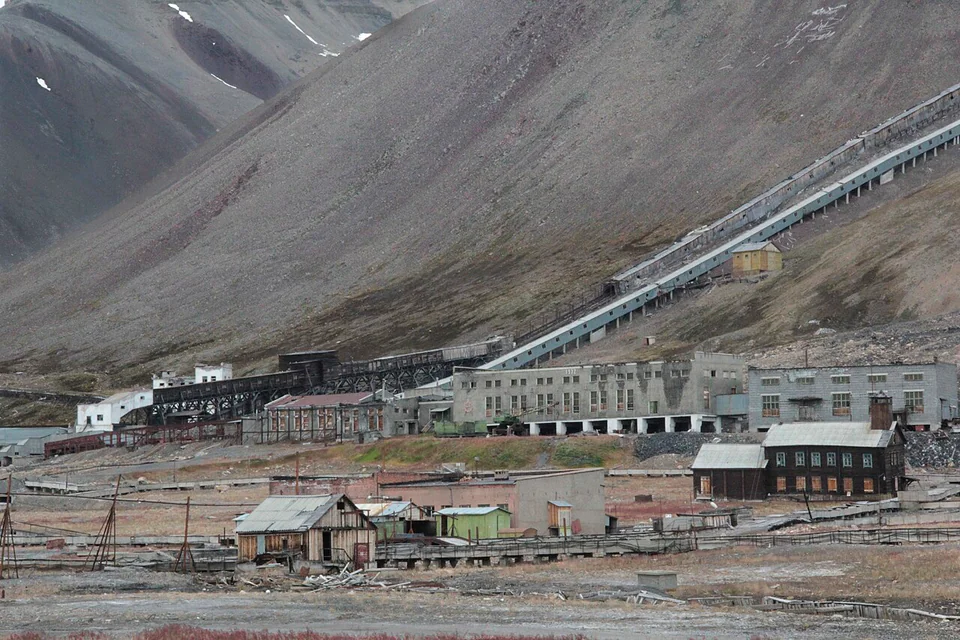
The Soviet mining town was abandoned in 1998 and stands almost as the workers left it, with brick buildings, a cultural centre and a bust of Lenin in front of the mountains. You get here by boat in summer and by snowmobile in winter. The view across Billefjorden to Nordenskiöldbreen is magnificent. Pyramiden boat trips
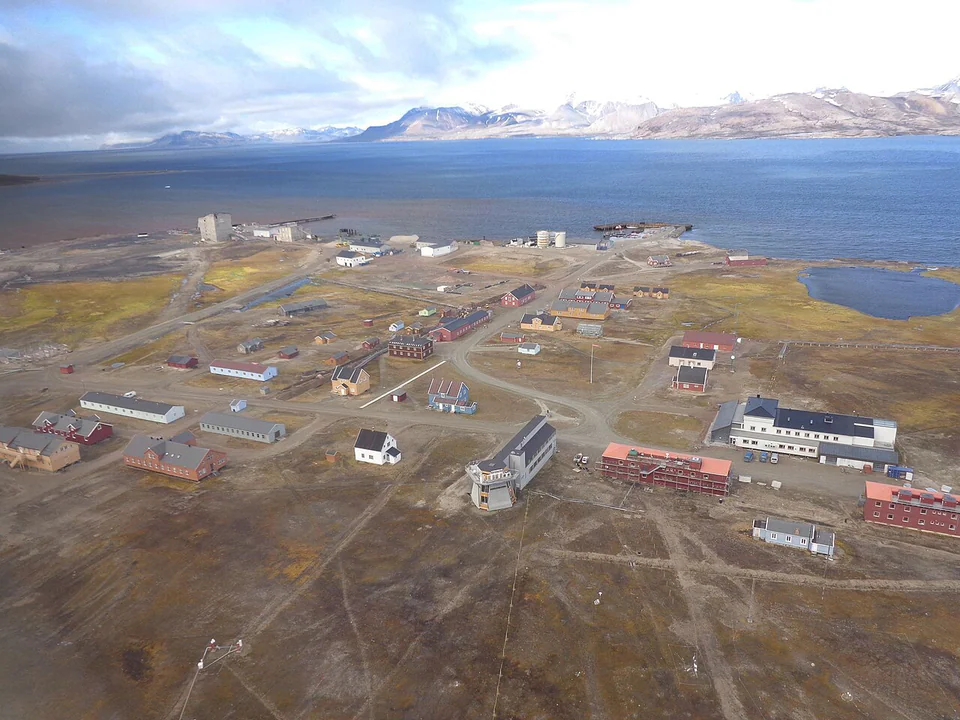
One of the northernmost settlements in the world is today an international research village on Kongsfjorden. Roald Amundsen set off from here in the airship Norge for the North Pole in 1926, and the mooring mast still stands. Ny-Ålesund is mainly visited by cruise and expedition ships, and a small museum tells its story from the mining days to today.
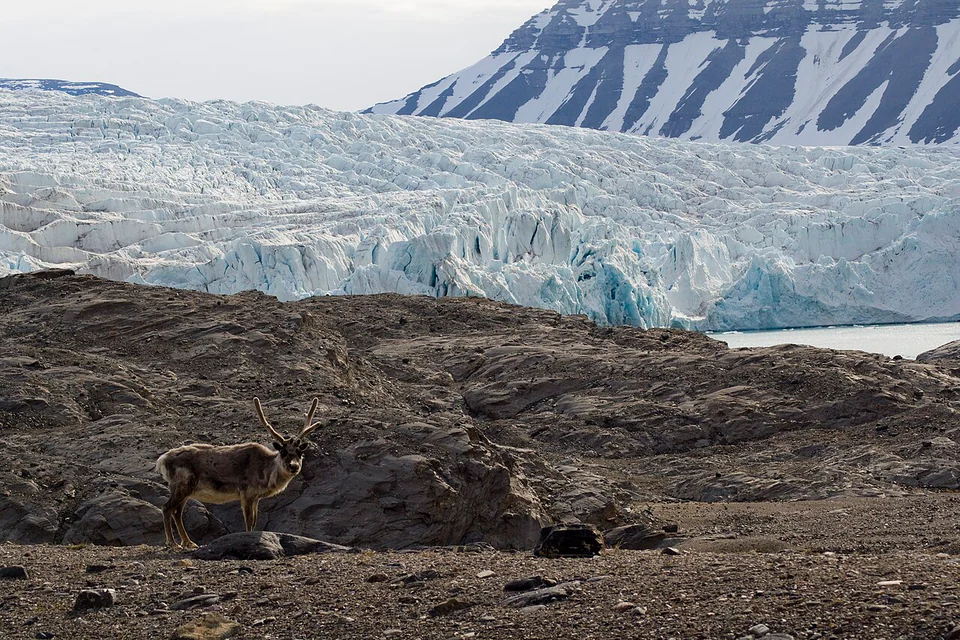
The broad glacier at the head of Billefjorden meets the sea opposite Pyramiden. Its ice front is several kilometres wide, and every now and then blocks of ice break off and crash into the water with a roar. Boat trips to Pyramiden usually stop in front of the glacier. Nordenskiöld Glacier boat trips
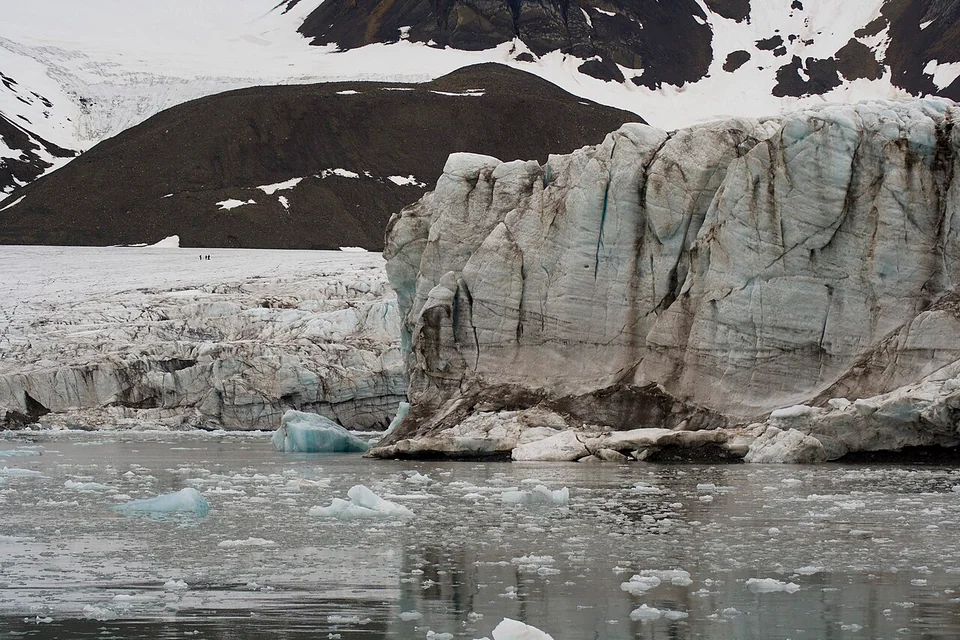
In summer, boats leave Longyearbyen for Isfjorden, Svalbard's great fjord system. The trips head to glaciers such as Esmarkbreen and Nordenskiöldbreen, where blocks of ice break off and crash into the sea, and sometimes on to Pyramiden. Look out for seals, whales and bird cliffs, and dress warmly even on a sunny summer day. Isfjorden boat trips
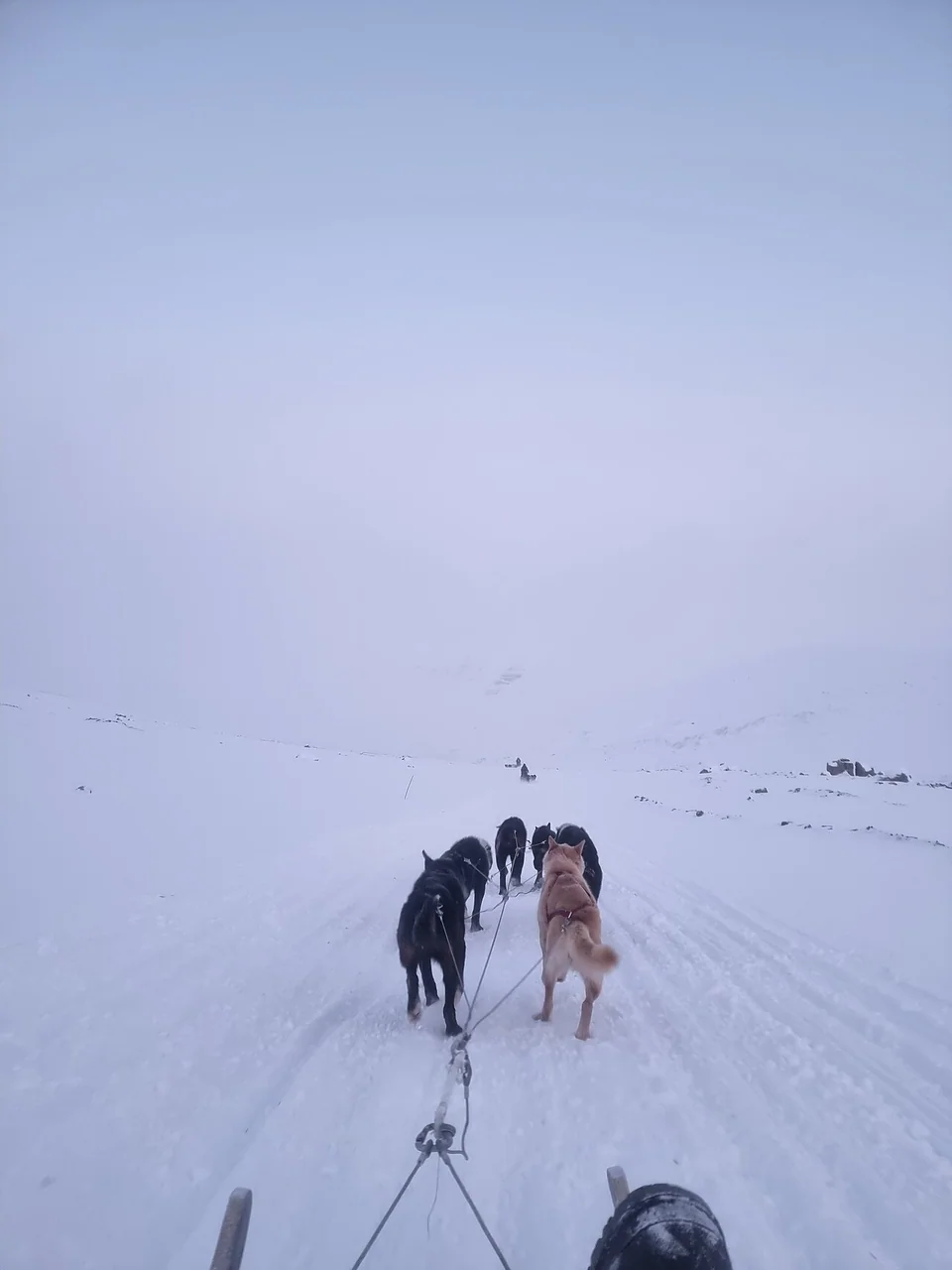
The dog yards outside Longyearbyen take you out by dog sled through snow-covered valleys, and after a short introduction you can often drive your own team. Once the snow has melted, the sled is swapped for a cart on wheels. The dogs are eager and noisy before they're allowed to run, and that's a big part of the charm. Dog sledding trips
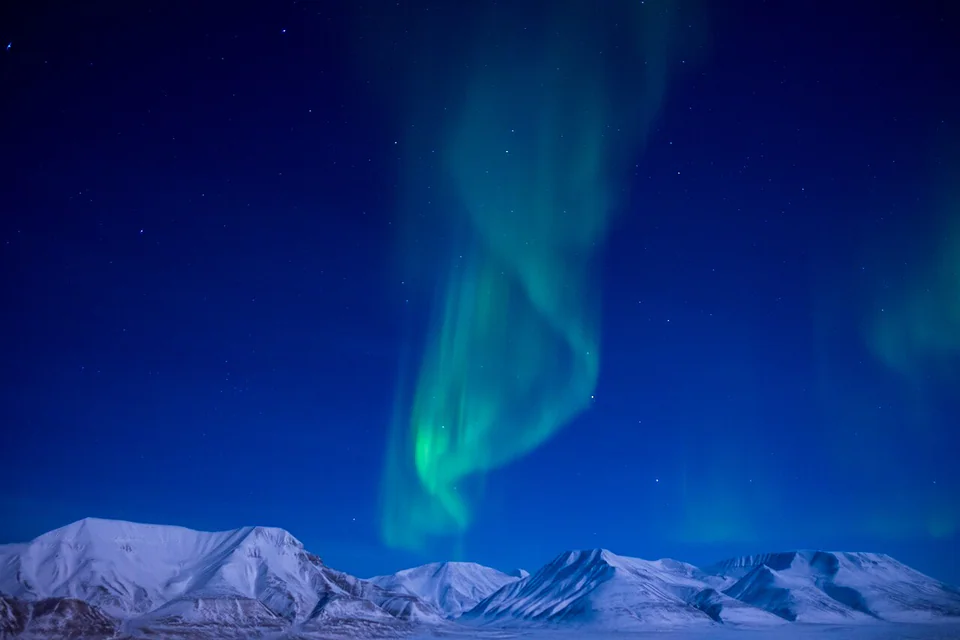
From late October to mid-February the sun never rises, and because it's dark around the clock the northern lights can appear even at midday. Moonlight on the snow and blue twilight around noon make the polar night more beautiful than many expect. Head away from the town lights with a guide for the best chance of seeing the aurora. Northern lights tours
Longyearbyen is the main town, with shops, restaurants, a museum, a church and the airport. Nybyen, further up the valley, has guesthouses and trailheads. Barentsburg, west of Longyearbyen, is a Russian mining town that is still inhabited, and Pyramiden further north is an abandoned Soviet mining town. Ny-Ålesund on Kongsfjorden is an international research village. There are no roads between the settlements, so you travel by boat, snowmobile or plane.
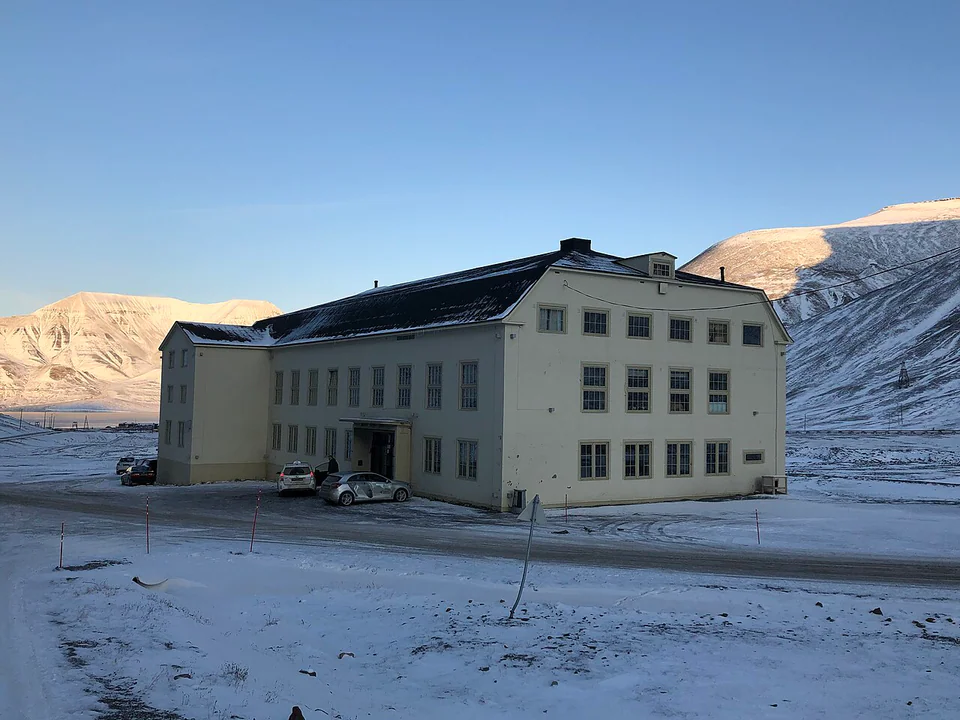
Longyearbyen has surprisingly good restaurants for its size. Huset, in a building from 1951 that has served as a cinema, school and post office, is known for its large wine cellar. Try Svalbard reindeer and Arctic char, and beer from the local brewery. Food is expensive because almost everything is flown or shipped in. Alcohol is sold at Nordpolet, but visitors can only buy it by showing a boarding pass for the journey home. Svalbard has no VAT, so shop prices can be lower than on the mainland.
In Longyearbyen you can get far on foot, and there's an airport bus and taxis. There are no roads between the settlements. Don't walk outside the settlement on your own: polar bears can turn up anywhere, and anyone leaving town must carry polar bear protection, in practice a rifle and the skill to use it. Most excursions are therefore made with a guide, by boat in summer and by snowmobile or dog sled in winter.
Yr, the Norwegian weather service, is essential because the weather changes quickly. An aurora app with forecasts is handy during the polar night. The Visit Svalbard website lists tours, accommodation and restaurants. There's mobile coverage in the settlements but not across most of the archipelago, so download maps and information before you head out.

Svalbard belongs to Norway but is outside the Schengen area, so bring a passport. The currency is the Norwegian krone, and cards work almost everywhere. Disturbing polar bears is forbidden, and since 2025 you must keep at least 300 metres away, 500 metres from March to June. Drones are banned across large parts of the archipelago. Anything left by people before 1946 is a protected heritage site, so don't touch what you find. Take your shoes off indoors in hotels, museums and the church.

Choose your season by what you want to experience: the polar night and northern lights in winter, sun, snow and snowmobiling in March–May, or the midnight sun, boat trips and hiking in summer. Dress in layers of wool, and bring a hat and gloves even in summer. Book tours in advance, especially in spring, and expect that the weather may cancel them. Always follow your guide's instructions about polar bears, and leave no trace in the fragile nature.