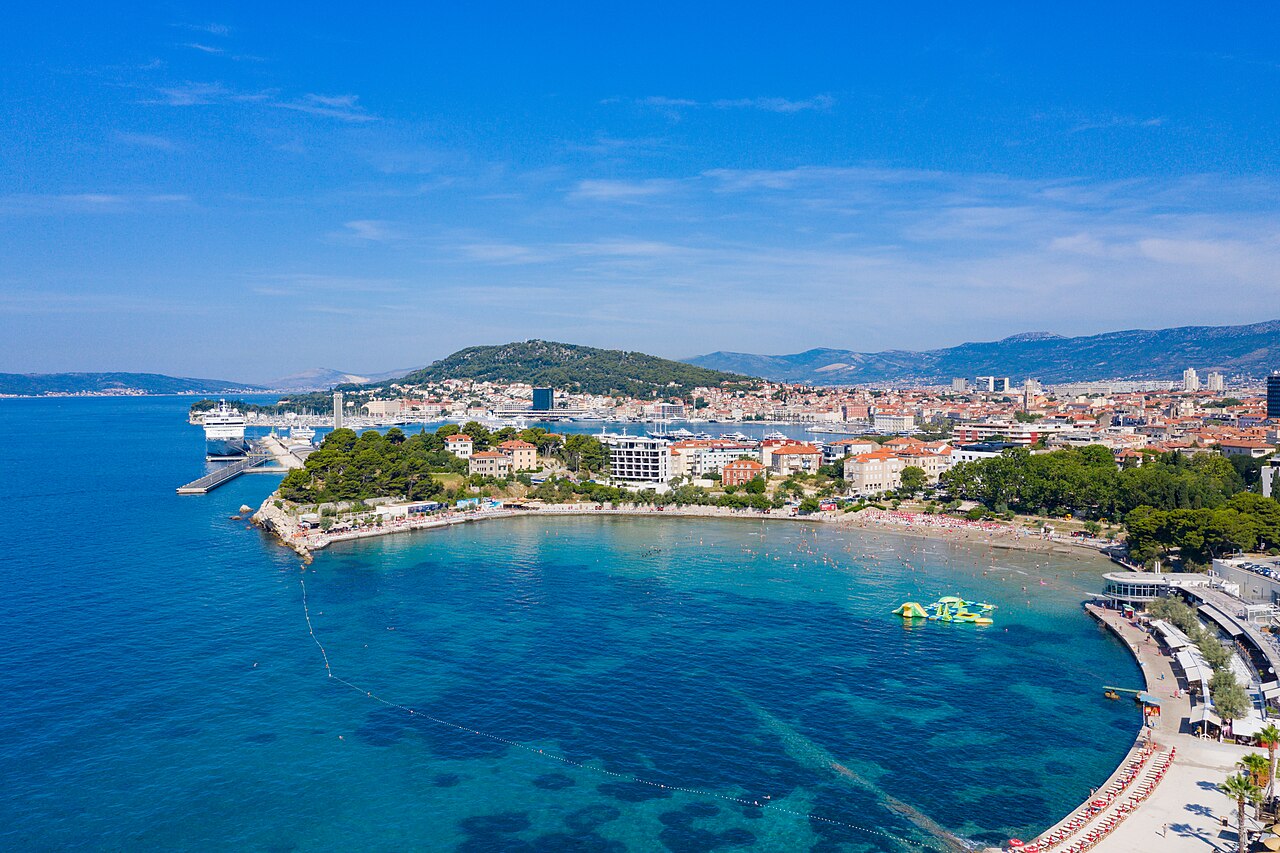
Picigin at Bačvice
Bačvice, the town beach, is just a few minutes' walk from the old town. This is where the locals play picigin, a ball game in the shallow water where the ball must never touch the surface.
See tours and pricesThe city in the emperor's palace · Croatia
Your guide to Split
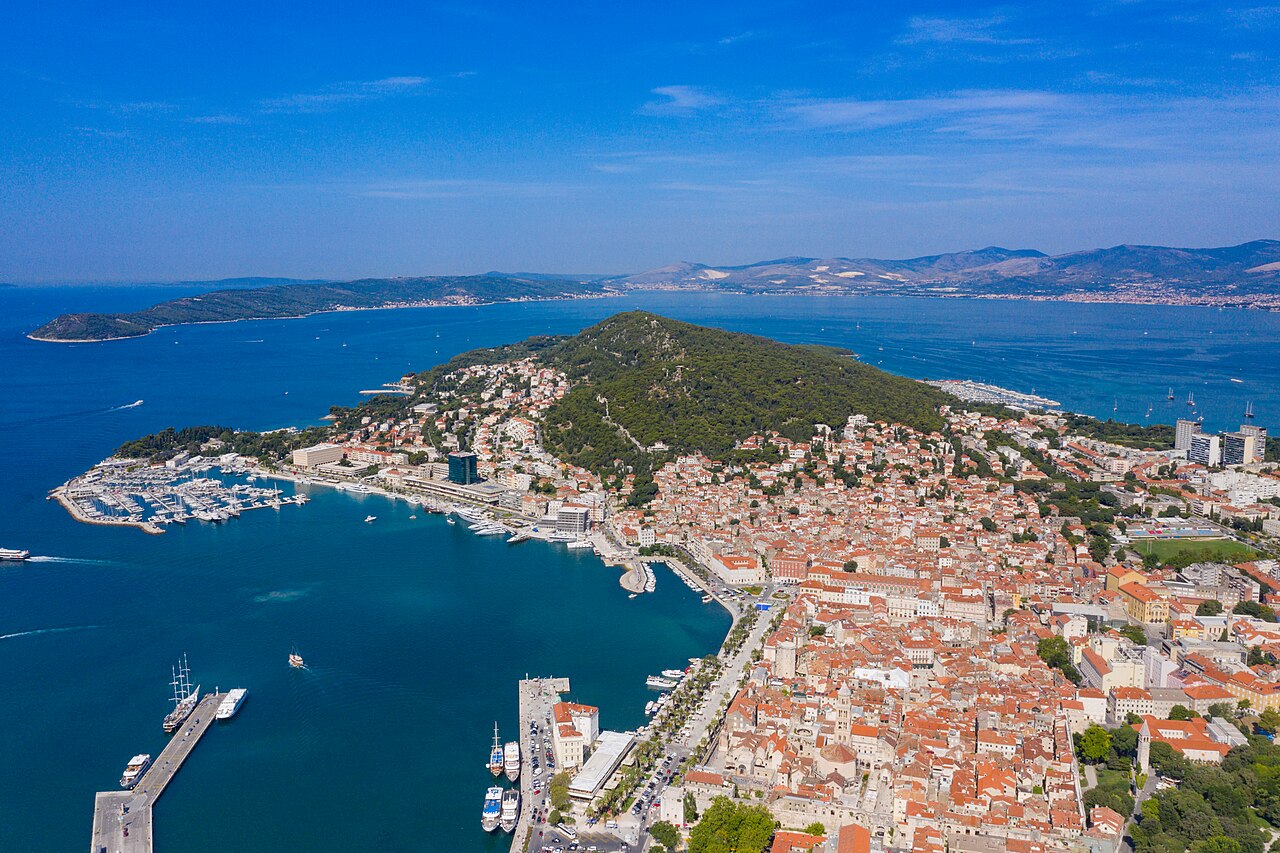
Split is Croatia's second-largest city and the heart of Dalmatia, but it's also something entirely its own: a city that has grown up inside a Roman emperor's palace. Emperor Diocletian had his palace built by the sea around AD 300, and today people still live, shop and eat among its ancient walls.
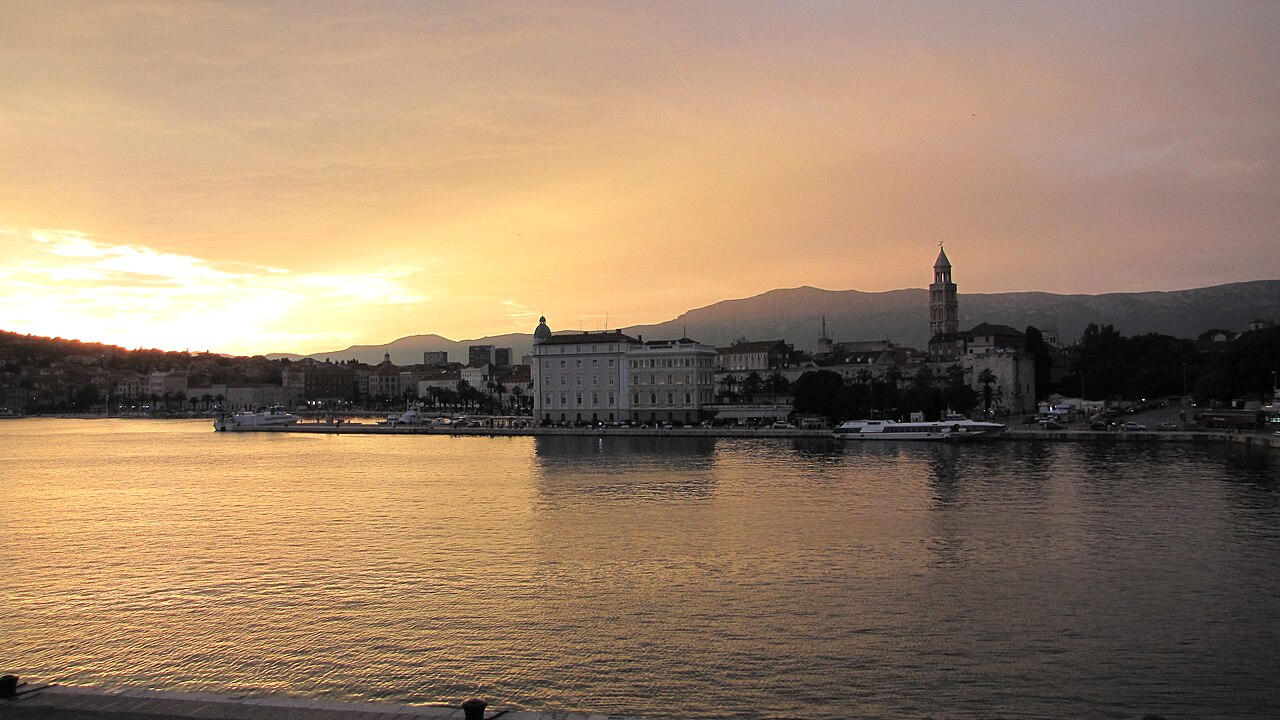
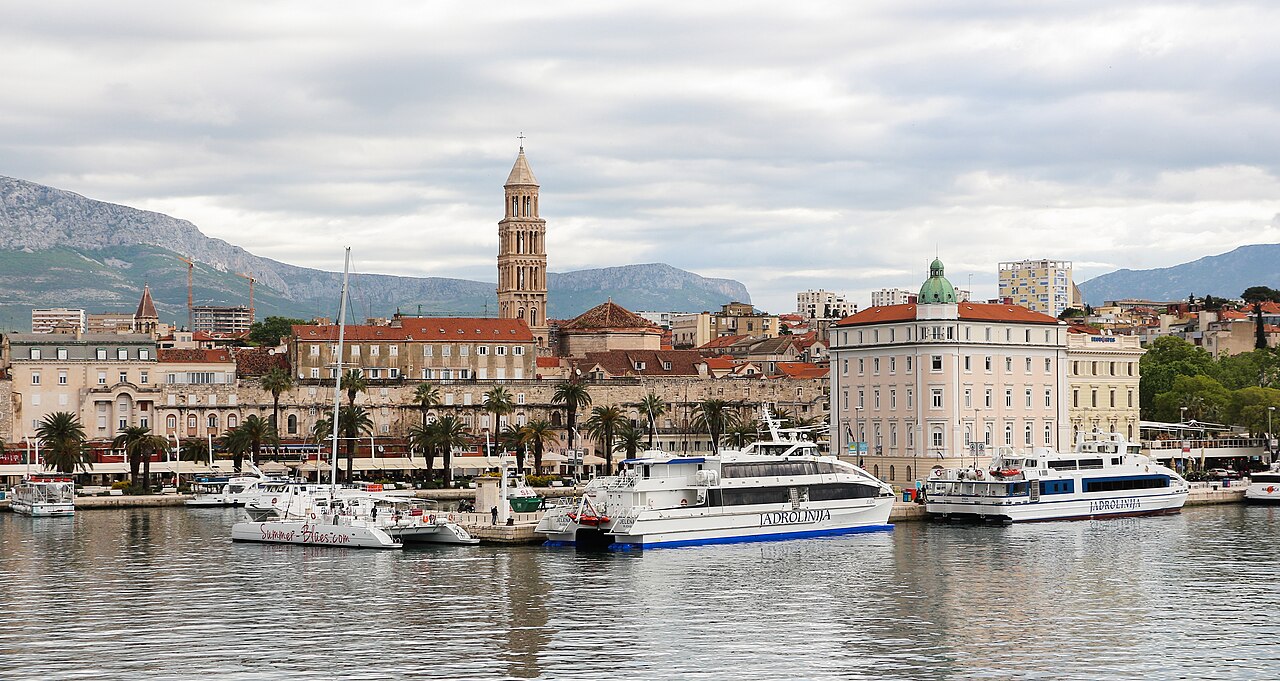
The old town is small enough to explore on foot in a day, but full of surprises. At the heart of the palace lies the Peristyle, the old ceremonial square, where the cathedral occupies the emperor's former mausoleum and cafés and klapa singers share the space among the Roman columns. Along the water runs the Riva, the palm-lined promenade where locals and visitors alike gather for an evening stroll.
Split is also the obvious starting point for trips to the Dalmatian islands. Ferries and catamarans leave the harbour for Brač, Hvar and Vis, among others. On a day trip you have time both to swim and to have lunch in a harbour on one of the islands. Closer to the centre there are beaches such as Bačvice and the Marjan forest park, with its pines, footpaths and small coves for swimming.
Split is perfect for a long weekend, but works even better as a base for a longer trip along the coast, with excursions to places such as Trogir, Krka National Park and Dubrovnik. Early summer and September are especially good months to come, when the sea is pleasantly warm and the lanes are less crowded than in high summer. July and August are often both hot and crowded.
Things to do
Bačvice, the town beach, is just a few minutes' walk from the old town. This is where the locals play picigin, a ball game in the shallow water where the ball must never touch the surface.
See tours and prices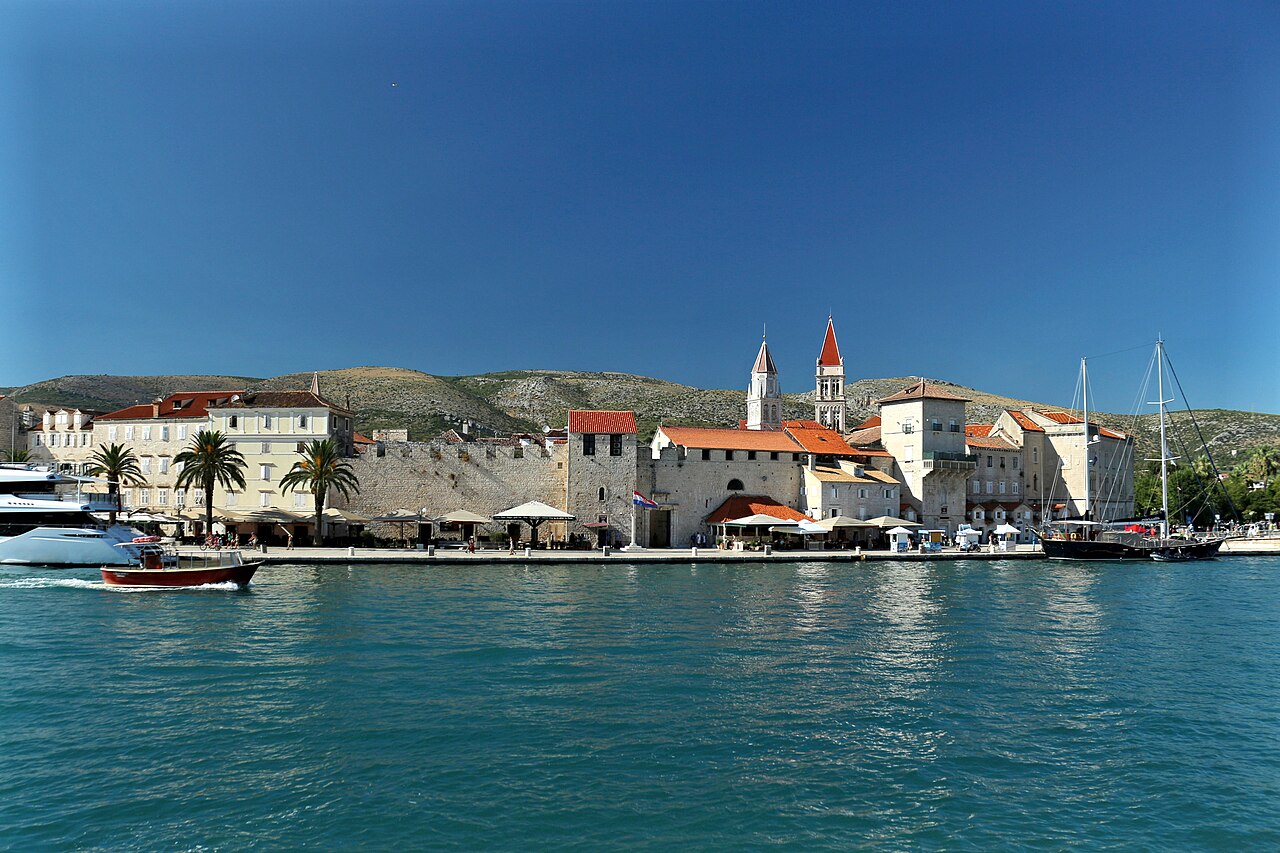
The small medieval town on an island about 30 kilometres to the west is also on UNESCO's World Heritage List. The local bus takes just under an hour, and the lanes, the cathedral and the Kamerlengo fortress easily fill half a day.
See tours and prices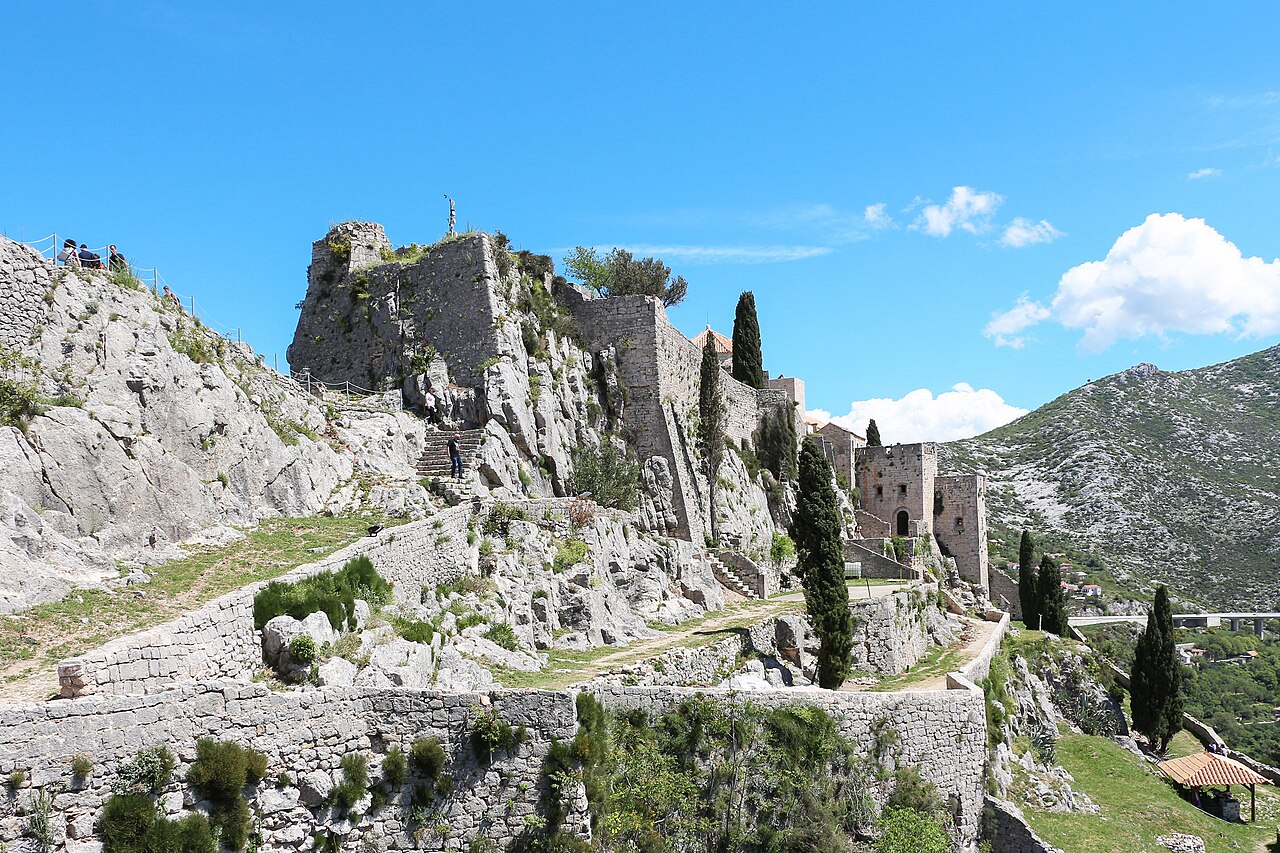
The fortress on a mountain pass about 12 kilometres from Split guarded the road to the coast for centuries. The view over the city and the islands is magnificent, and Game of Thrones fans will recognise it as the city of Meereen.
See tours and pricesPack right
Best May–June and September
5–30 °CHot, dry and sunny summers, often above 30 °C in July and August. Winters are mild but wetter, and sometimes the cold north-easterly bura wind blows.
Current currency
Euro
1 EUR to SEKThe rate is updated every hour. Always check the current rate before you travel.
Compare hotels and apartments on the map, with current prices.
The map loads from Stay22 only when you click. Stay22 may then set cookies and collect information about your browser. Privacy
Plan your trip
Split Airport (SPU) is at Kaštela, about 25 kilometres west of the centre and close to Trogir. In summer there are direct flights from much of Europe. The airport shuttle runs to the bus station by the ferry terminal in just over half an hour, and local bus 37 takes the slower route through Kaštela. Taxis, Uber and Bolt are also available.
From Zagreb the bus takes just over five hours and the train longer, and coastal buses run to Zadar and Dubrovnik, among other places. Ferries sail to the Dalmatian islands and to Ancona in Italy.
Check current departures and prices before you travel.

Staying inside the palace or in the old town is atmospheric and practical, but the lanes can be noisy in the evening and hard to reach by car. Varoš and Radunica just outside are almost as close but quieter. Around Bačvice and Firule you're close to the beach, and Žnjan further east has larger hotels and apartments. Many visitors stay in private apartments, apartmani, rather than hotels.
Expect your accommodation to charge a tourist tax per person per night.
The big and the small
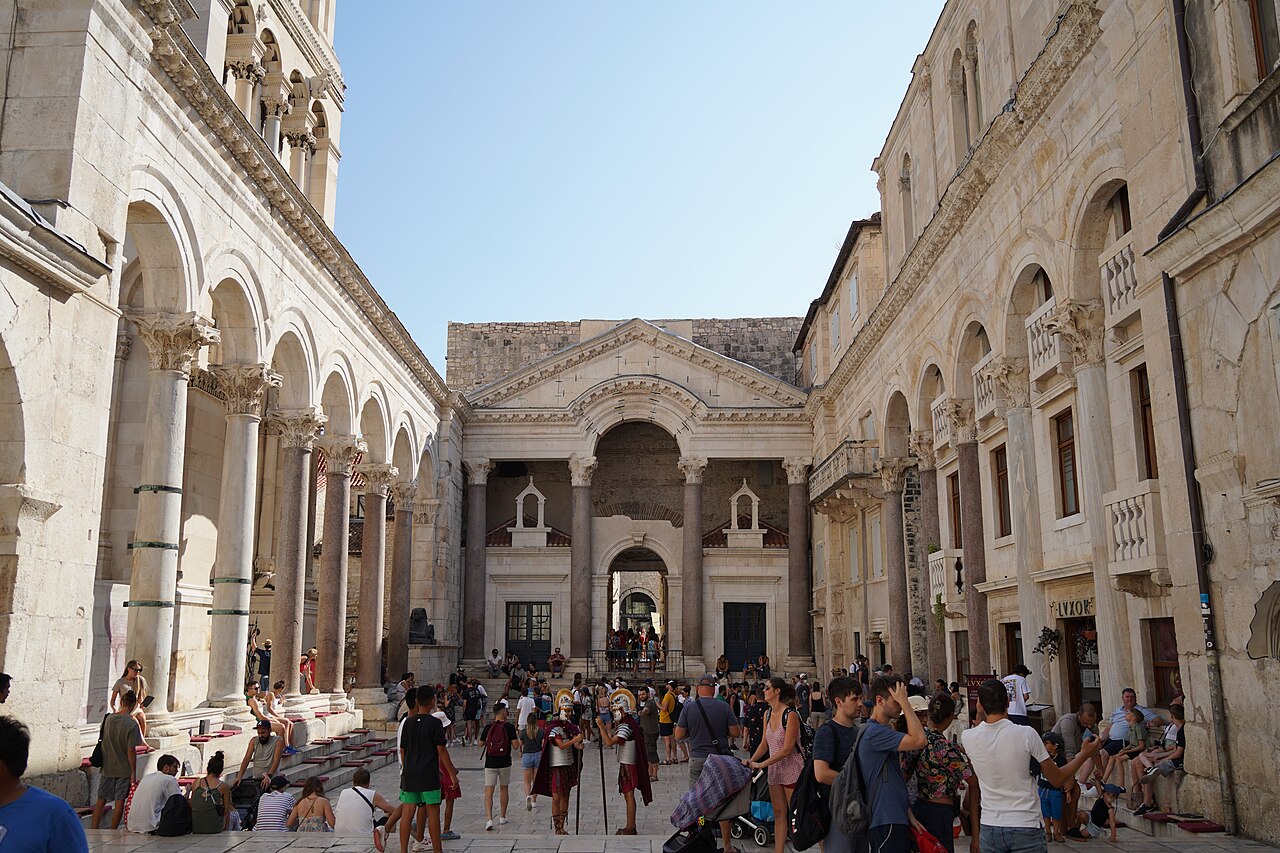
The palace's central courtyard, surrounded by ancient columns and arches, was once the ceremonial square in front of the emperor's residence. Today people sit on the steps with a coffee, and on summer evenings there's often music here. At the far end, steps lead up to the Vestibule.
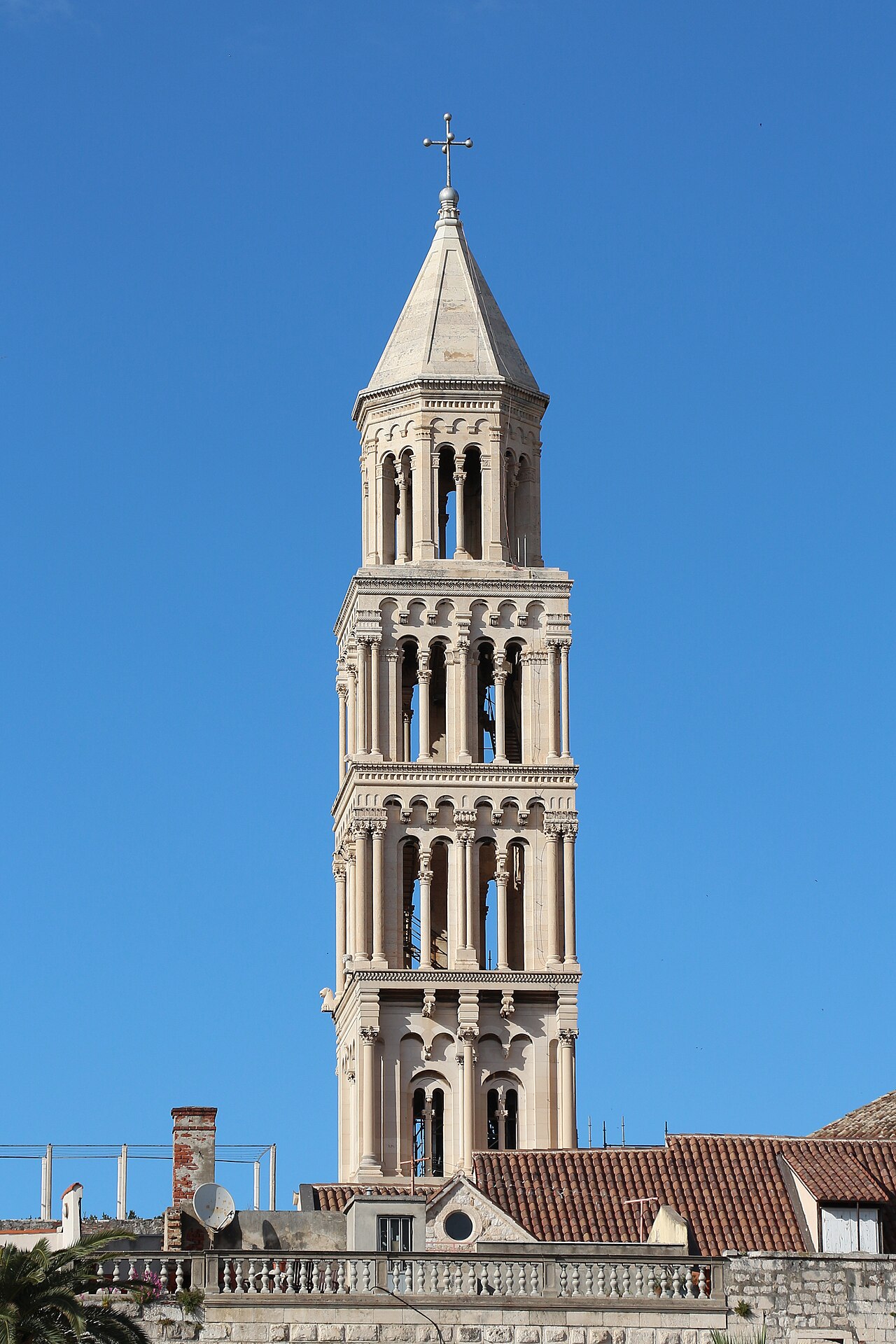
The cathedral is housed in Diocletian's octagonal mausoleum. It's one of history's ironies, as Bishop Domnius, to whom it is dedicated, was martyred during the emperor's persecution of the Christians. The Romanesque bell tower was added in the Middle Ages, and you can climb it for the view over the rooftops and the harbour.
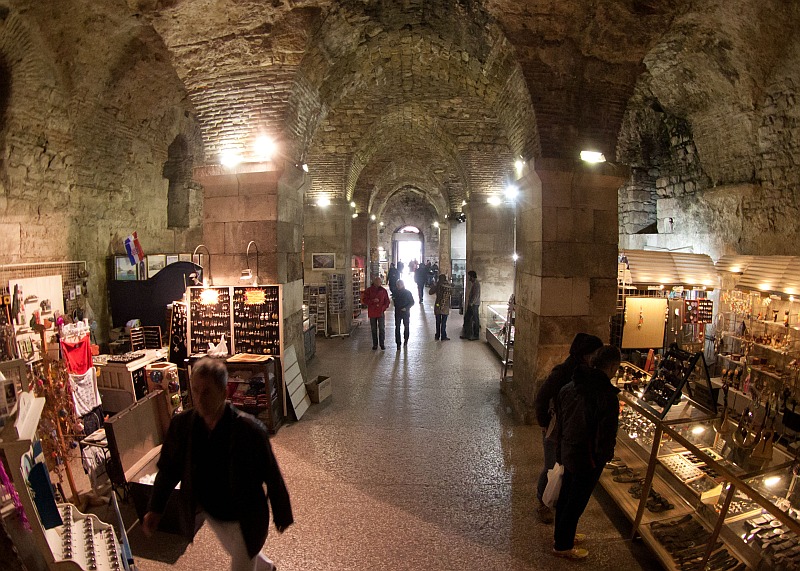
Beneath the palace lie the great vaulted halls that held up the emperor's apartments. The central passage is full of souvenir stalls and leads from the Riva up to the Peristyle, while the quiet halls on either side charge an entrance fee. Scenes from Game of Thrones were filmed here.
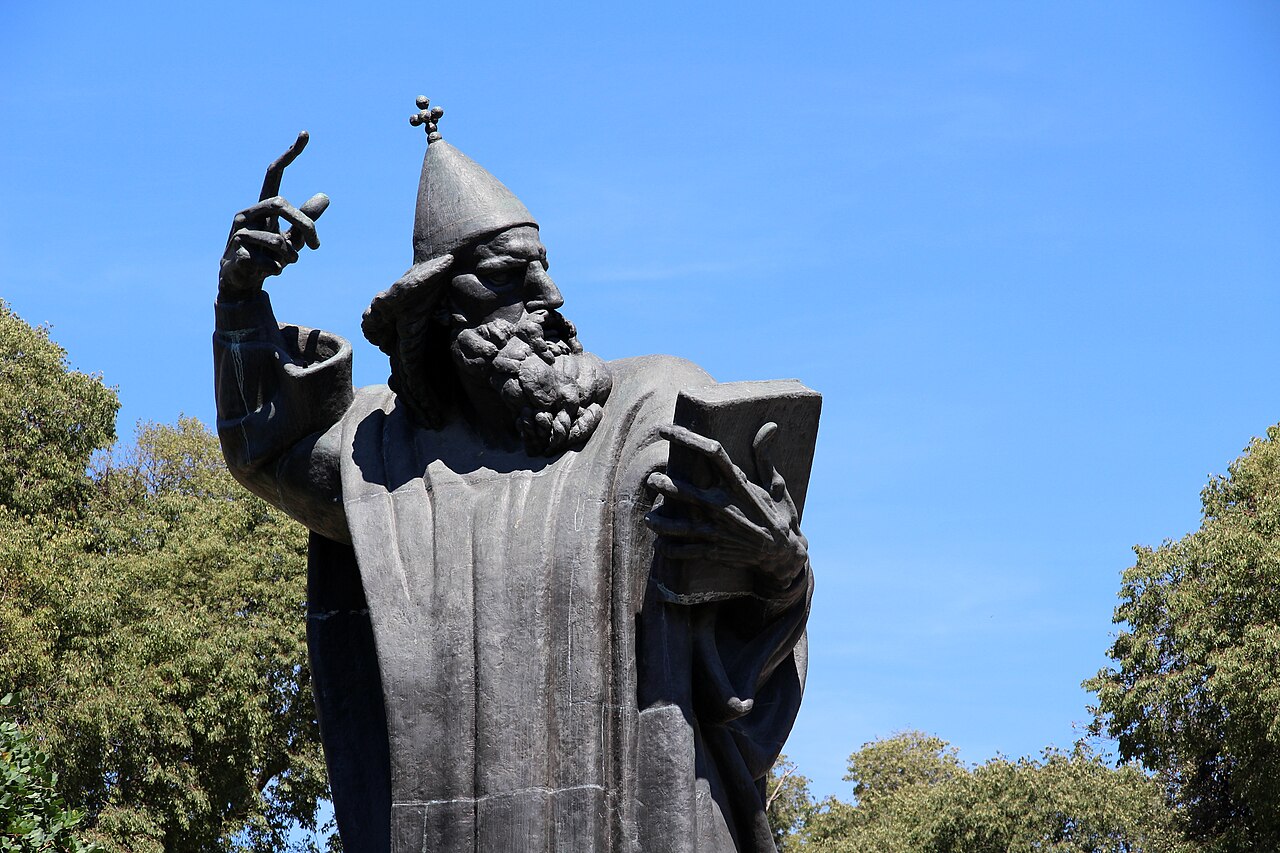
Ivan Meštrović's giant statue depicts Bishop Grgur Ninski, who in the 10th century fought for mass to be said in the people's own language. It stands by the palace's Golden Gate, and the big toe of the left foot is polished bright by everyone who has rubbed it for luck.
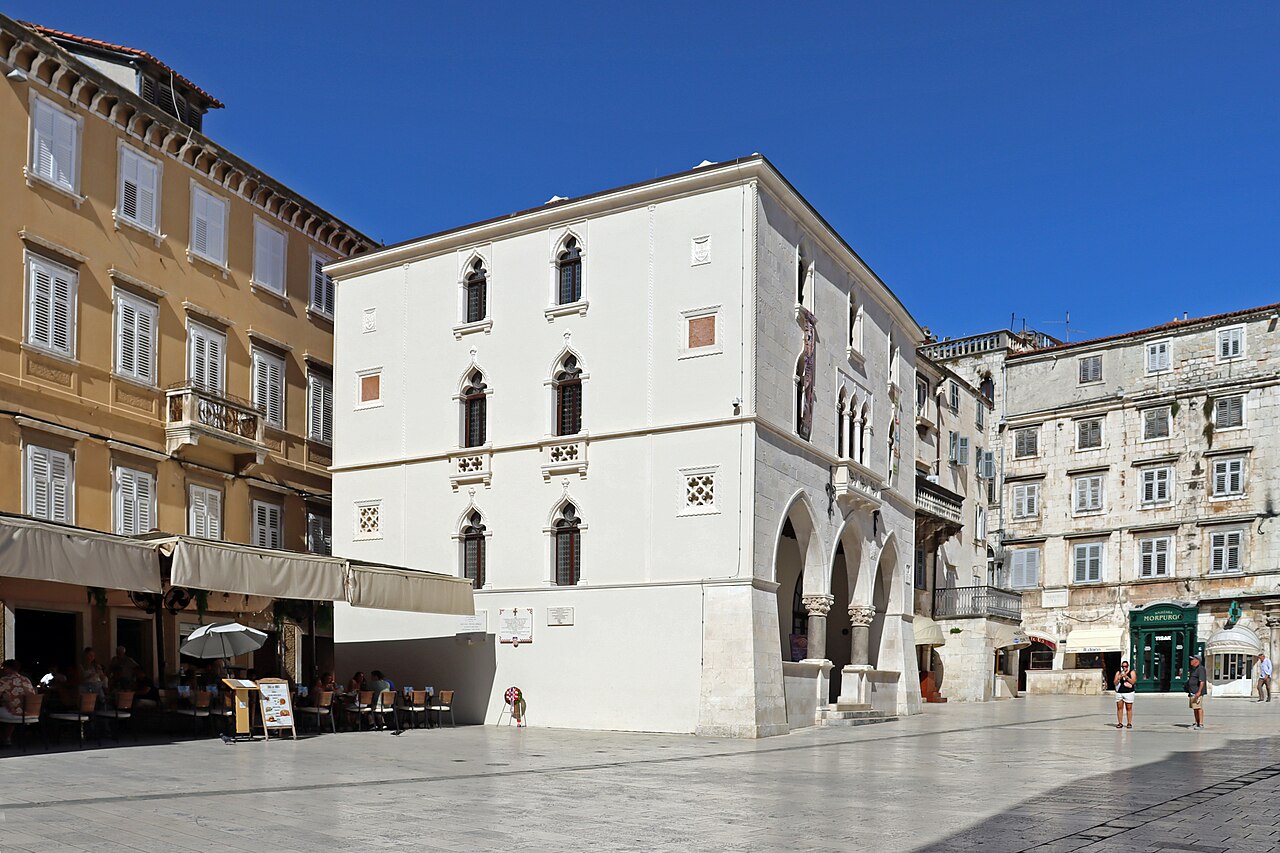
The square just west of the palace became the city's centre in the Middle Ages, as the town grew beyond the walls. It is framed by the white Gothic town hall and Venetian palaces, and it's a good place to sit at a café and watch life in the old town go by.
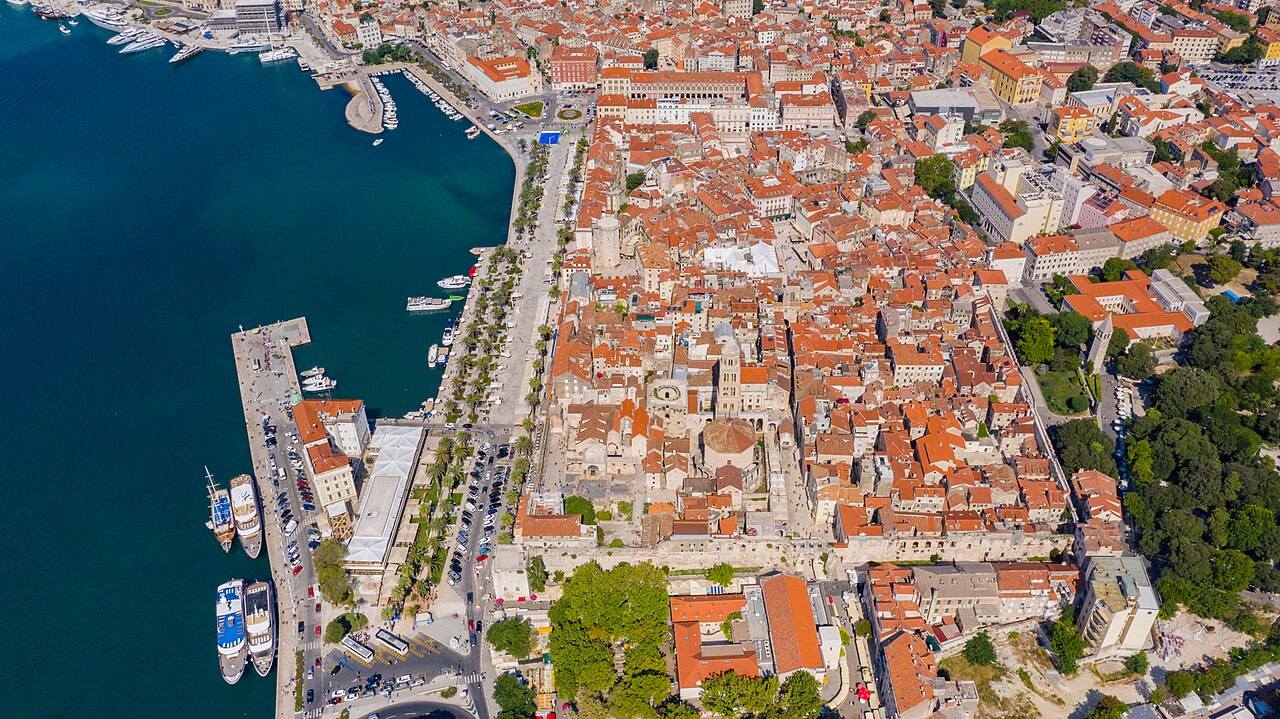
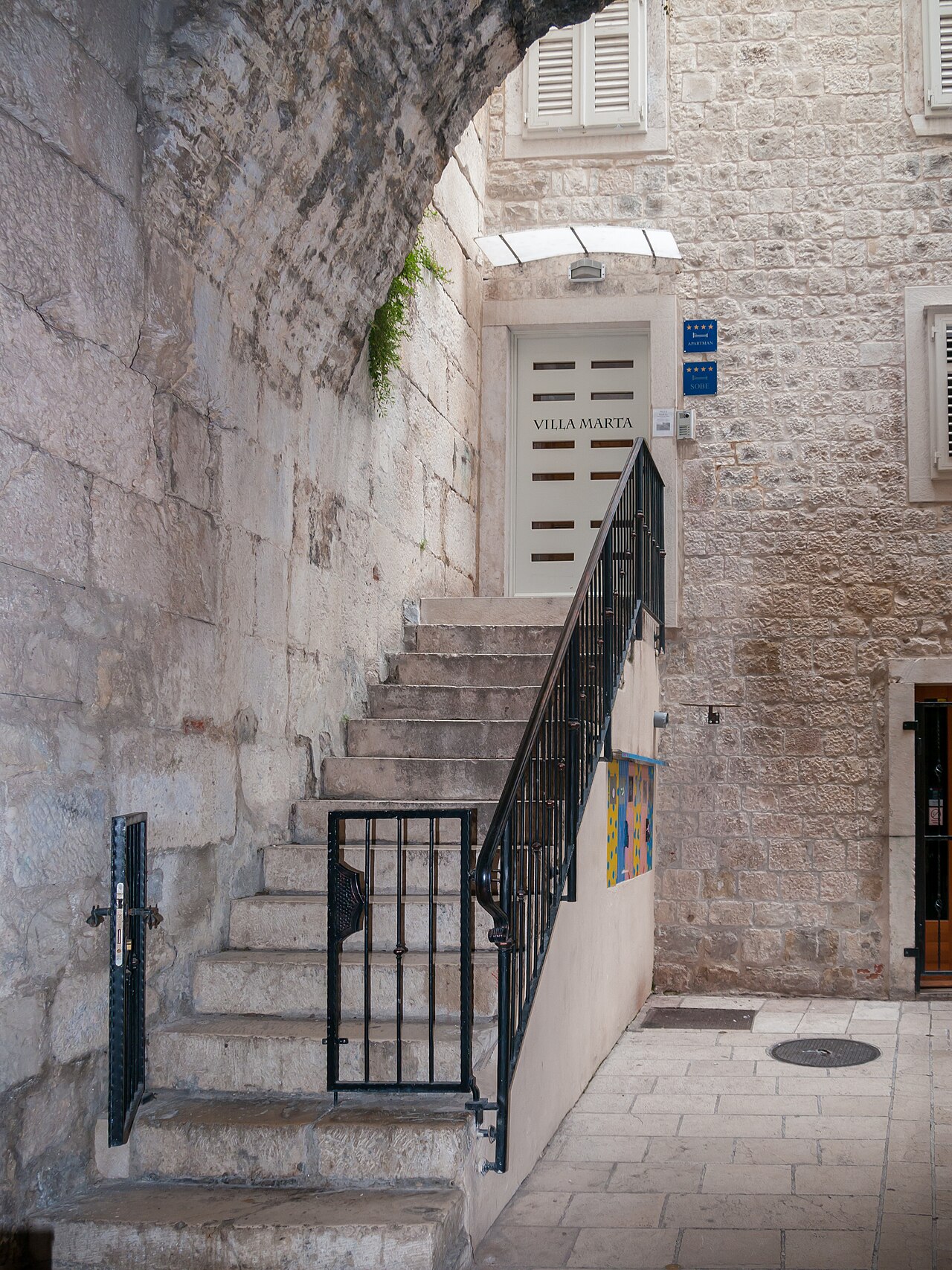
Emperor Diocletian had the palace built around AD 295–305 to live in after he stepped down. When the Roman Empire fell, people from nearby Salona moved in behind the walls, and today the palace is a living part of the city, with homes, shops and restaurants. It has been on UNESCO's World Heritage List since 1979, together with Split's historic centre. Walk in through any of the four gates and let the lanes lead you. Diocletian's Palace guided tours
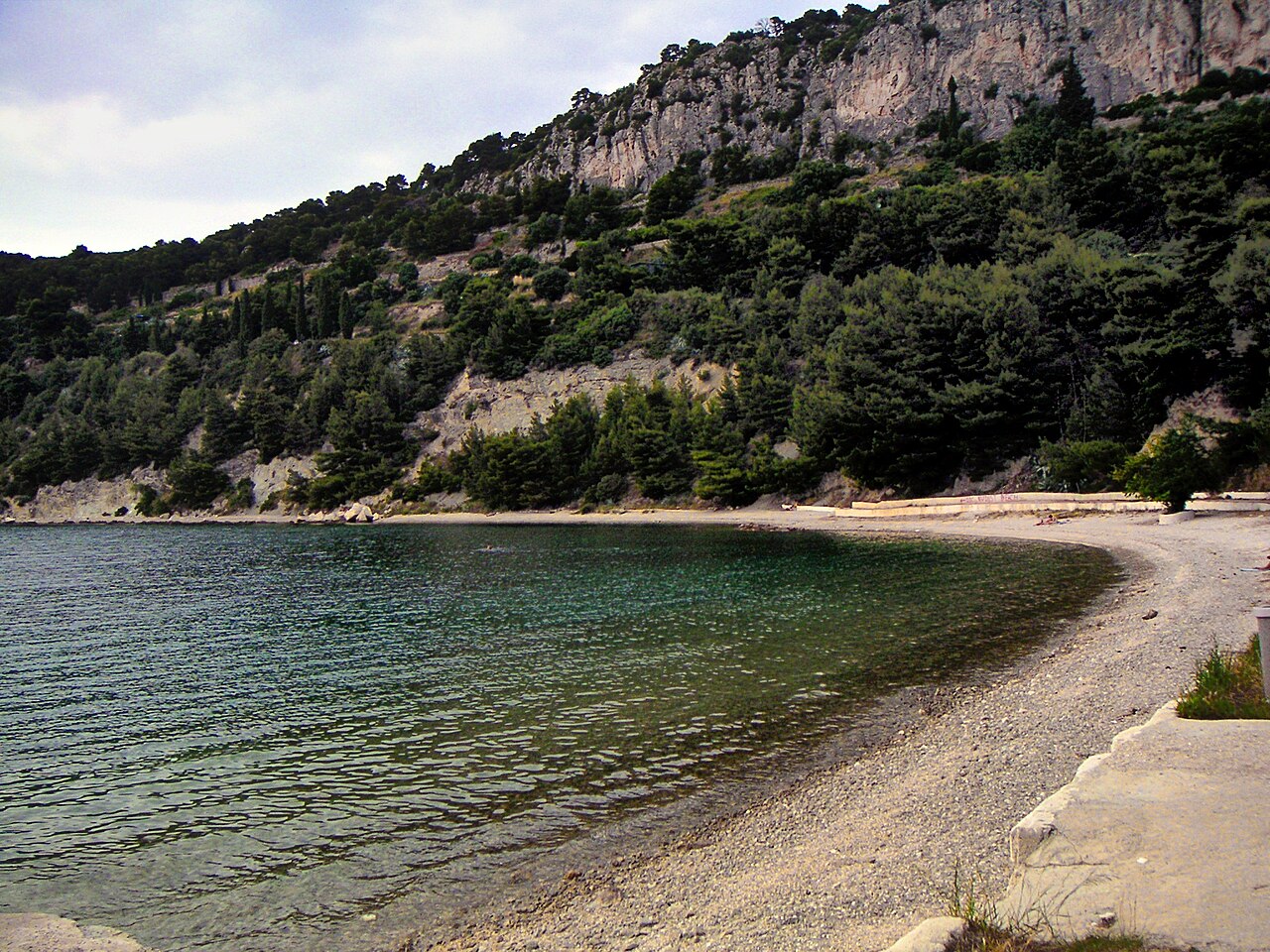
The wooded hill west of the centre is the city's green lung, with pine forest, footpaths, small chapels and viewpoints over the city and the islands. The steps up start in the Varoš quarter, and on the south side there are quieter coves for swimming, such as Kašjuni. Bring water, as the slopes can get hot.
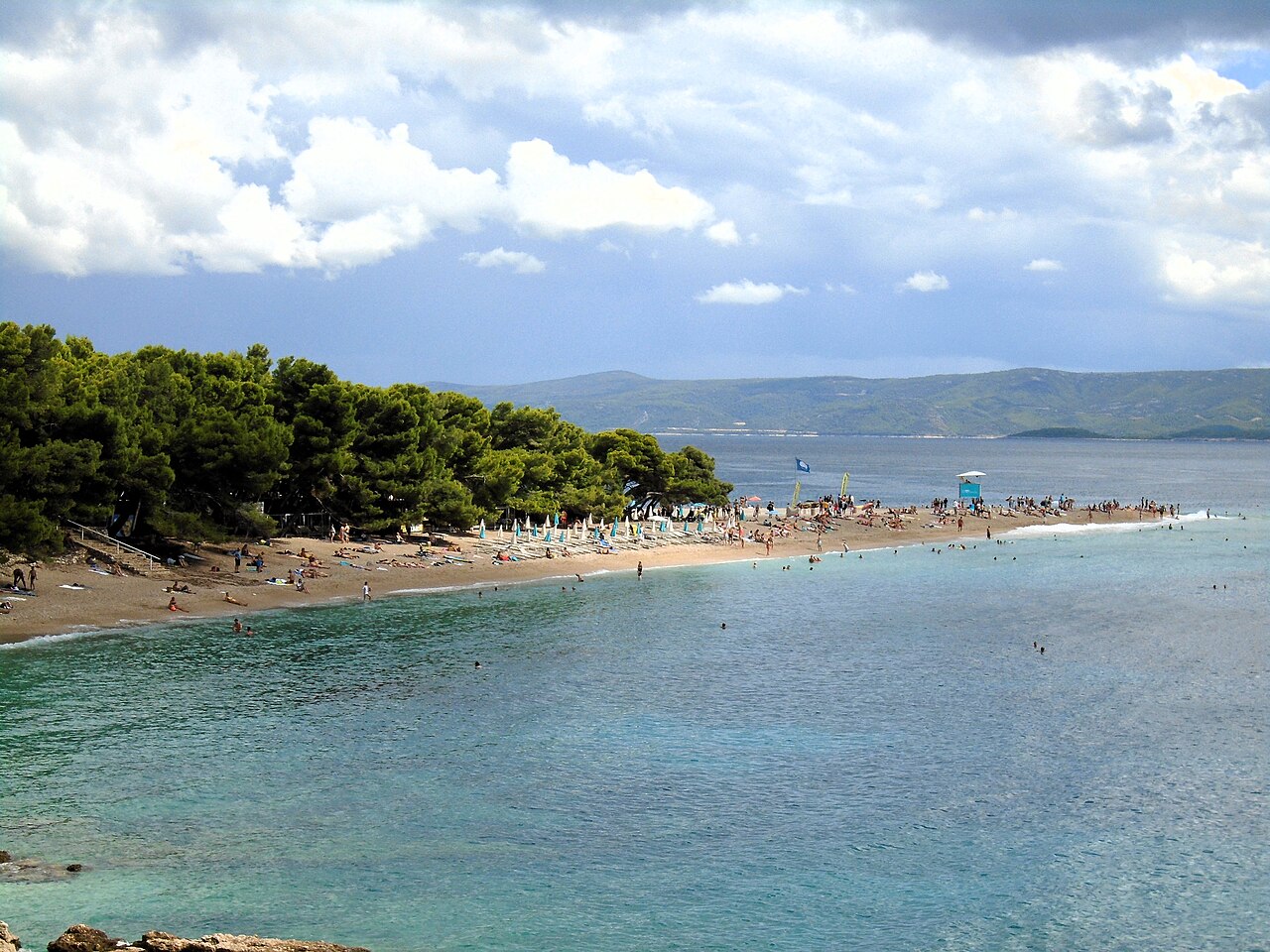
From Split's harbour the catamarans take you in about an hour to Bol on the island of Brač, with the famous Zlatni Rat beach, a long pebbly spit that changes shape with the wind and currents. Hvar, with its lively harbour town and fortress, is about as far away. Book tickets in advance in summer. Boat trips to Hvar and Brač
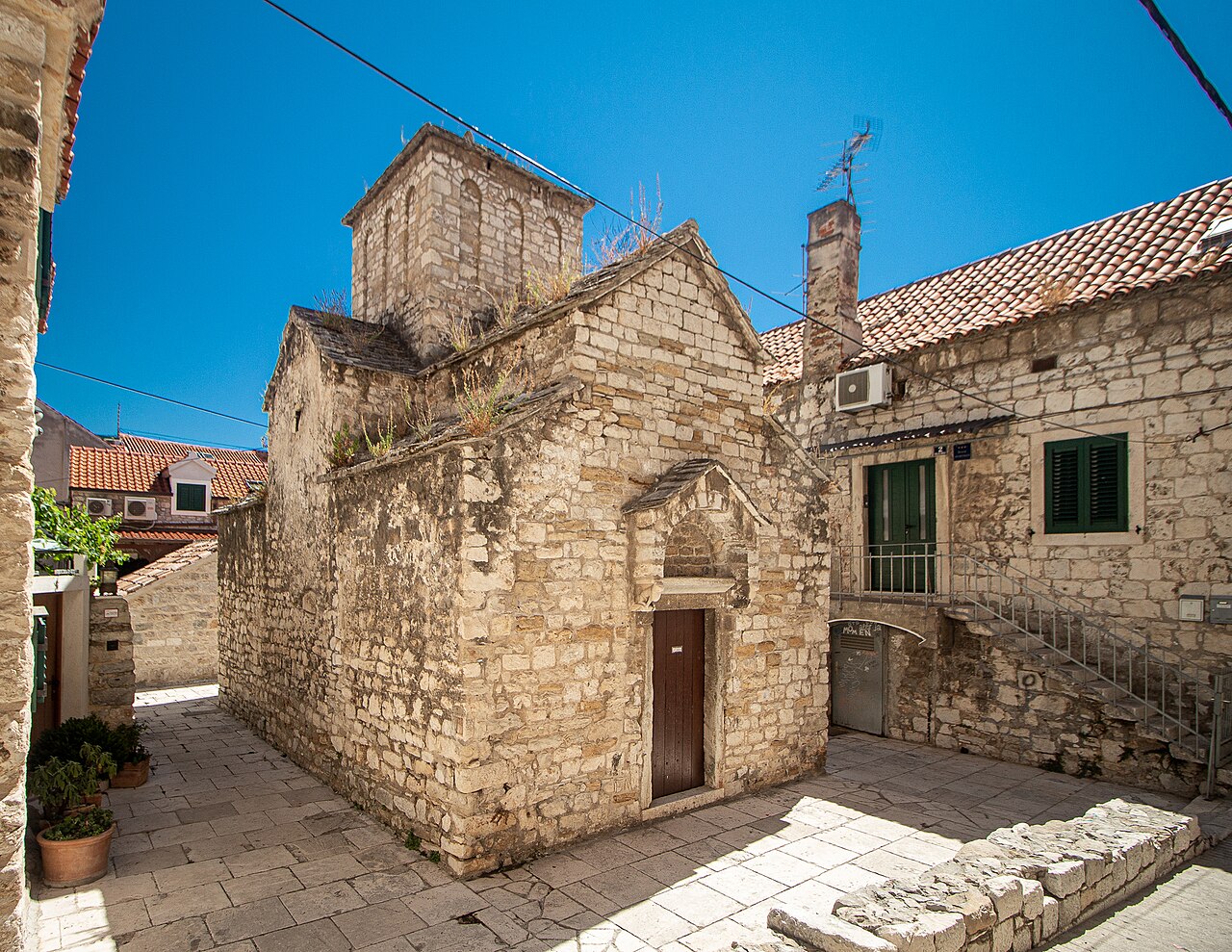
Grad, the old town, takes in the palace and the medieval streets west of it. Veli Varoš on the slopes of Marjan is an old quarter of fishermen and farmers with narrow lanes and small churches, and Radunica and Manuš, east and north of the palace, are other old quarters. Bačvice and Firule are the beach districts south of the harbour, and Meje is a leafy area of villas at the foot of Marjan. Further out lie newer districts such as Žnjan with its long seafront promenade.
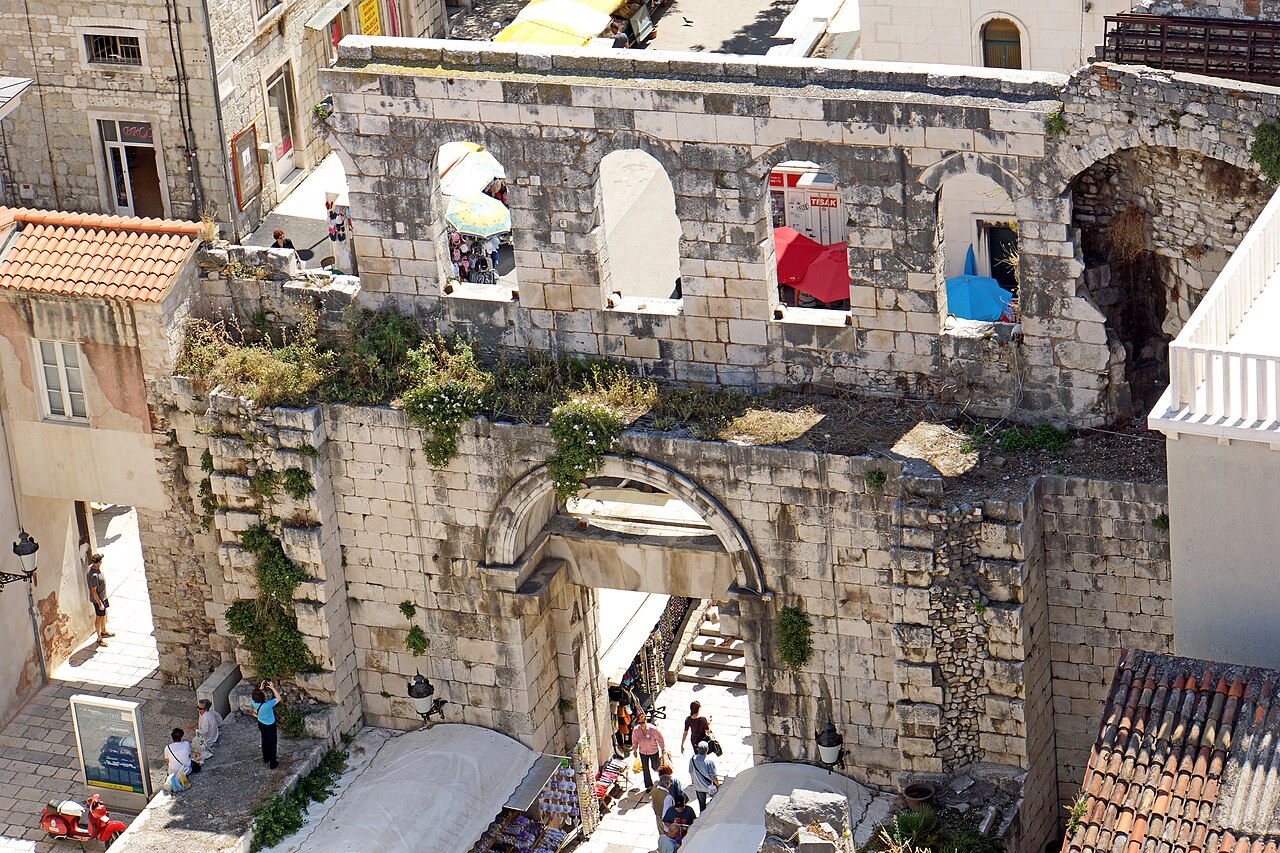
Dalmatian cooking is built on fish, olive oil, vegetables and wine. Try crni rižot, black risotto coloured with cuttlefish ink, grilled fish and pašticada, a slow-cooked beef stew with prunes and wine served with gnocchi. Peka, meat or octopus cooked under an iron lid in the embers, often has to be ordered in advance. Soparnik is a thin chard pie from the area, and with coffee people eat fritule, small fried doughnuts. A konoba is a simple Dalmatian tavern, and the Pazar produce market is by the palace's Silver Gate.
The old town and the waterfront are best explored on foot. Promet Split's city and regional buses cover the rest of the city and the surrounding area, including Trogir, Klis and the airport, and tickets are sold by the driver, at kiosks or in the app. Ferries and catamarans to the islands leave from the harbour next to the bus station, and Jadrolinija is the largest operator. Taxis, Uber and Bolt work well, but a car is rarely worth the trouble in the centre.
Promet Split's app sells bus tickets, and Google Maps shows departures. The Jadrolinija app and Ferryhopper show the boats to the islands and sell tickets, which is wise to do in advance in summer. Uber and Bolt work for taxis.

Croatia has used the euro since 2023 and is part of the Schengen Area, and cards work almost everywhere. EU roaming rules apply. In the old town it's forbidden to walk around in swimwear or shirtless, and the fines are steep. Cover your shoulders and knees in the cathedral. Tap water is safe to drink. Many sights inside the palace charge separate entrance fees, but combined tickets are available.

Walk around the palace early in the morning, before the cruise ships and day-trippers arrive. Book the boats to the islands in advance in summer, especially to Hvar. Bring water shoes, as most beaches are pebbly or rocky. Head up Marjan at sunset and end the evening along the Riva. Eat in Varoš rather than on the Riva, where restaurants tend to be pricier.