Sunset at the Yellow Bastion
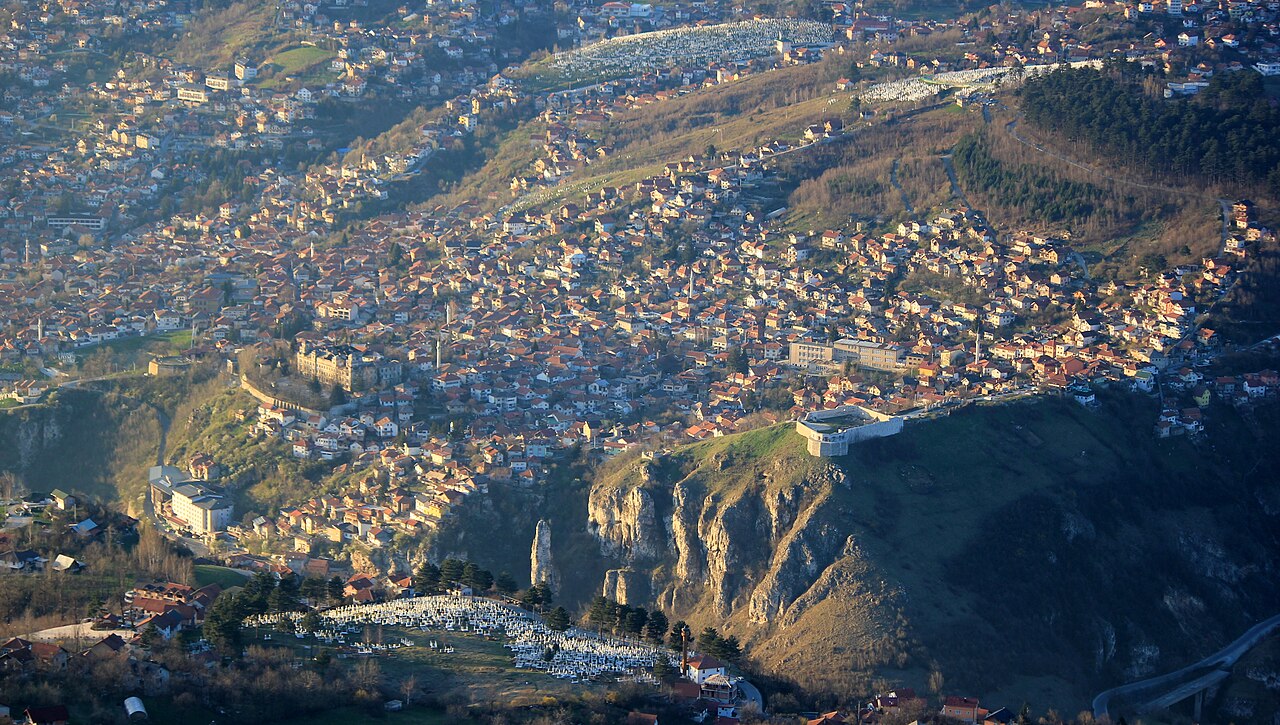
Walk up through the Vratnik neighbourhood to the Žuta tabija fortress above the old town. From here you see the whole valley, and at sunset you hear the calls to prayer from the city's mosques.
See tours and pricesWhere East meets West · Bosnia and Herzegovina
Your guide to Sarajevo
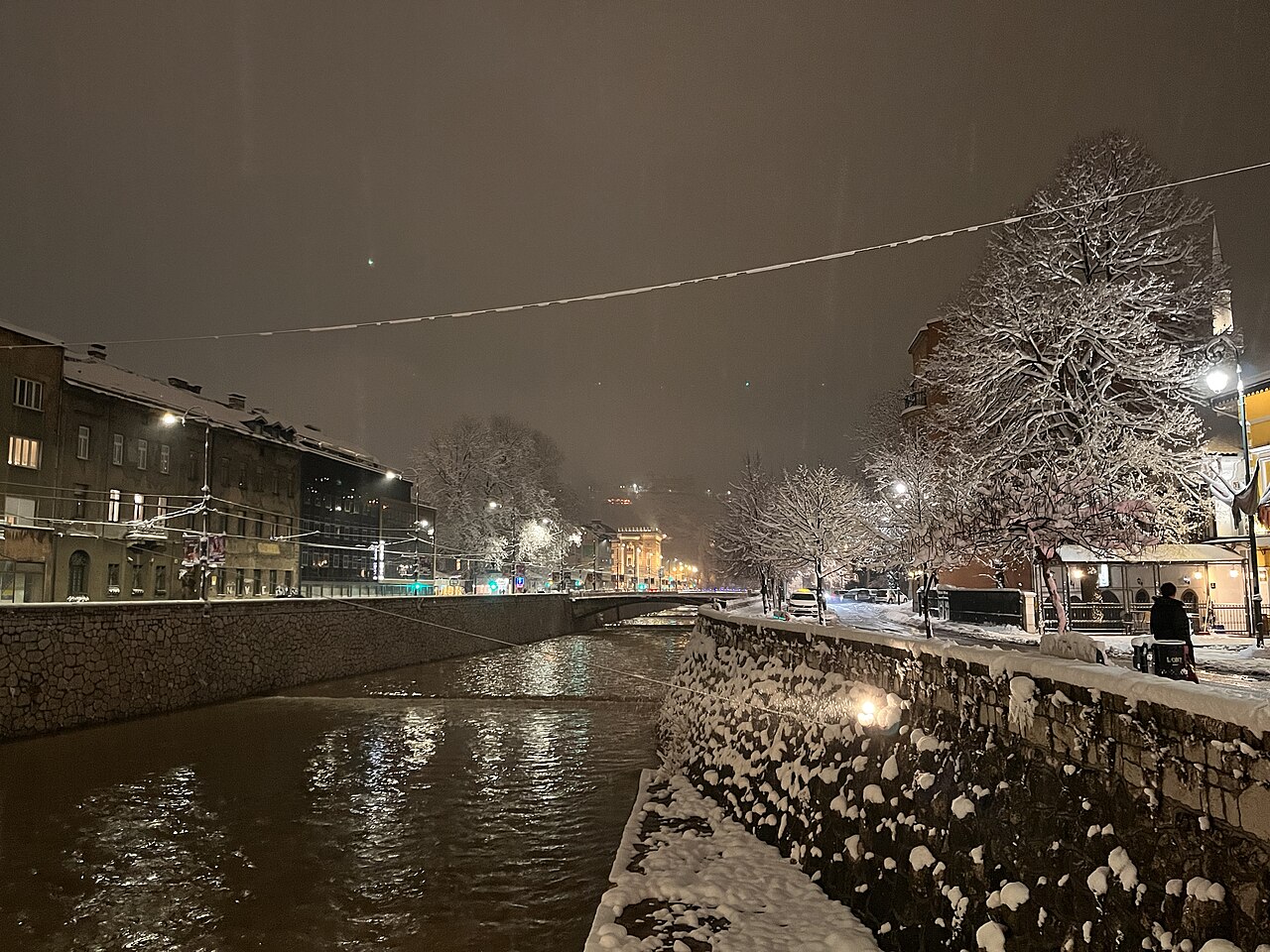
Sarajevo grew into a city under Ottoman rule in the 15th century, in a narrow valley along the river Miljacka, surrounded by green mountains. In the old town, Baščaršija, coppersmiths, cafés and mosques have stood ever since. Just a few steps away, the grand buildings of the Austro-Hungarian era take over. Mosques, Catholic and Orthodox churches and a synagogue stand within a few hundred metres of each other. That's why Sarajevo has sometimes been called the Jerusalem of Europe.
This is where Archduke Franz Ferdinand was shot in 1914, an event that helped trigger the First World War. In 1984 the Winter Olympics were held in the mountains around the city. During the war of the 1990s, Sarajevo was under siege for almost four years. The traces are still visible as bullet holes in façades and memorials, and the museums give a powerful picture of life during the siege.
Today Sarajevo is a warm and welcoming city with a lively café culture. You drink Bosnian coffee from small cups, brewed in traditional copper pots, eat ćevapi in freshly baked bread and watch the sun set over the rooftops from the fortress above the old town.
Prices are low compared with much of Europe, and the city is easy to explore on foot. A cable car takes you up into the mountains in minutes, and Mostar with its famous bridge is within reach on a beautiful train excursion.
Things to do
Walk up through the Vratnik neighbourhood to the Žuta tabija fortress above the old town. From here you see the whole valley, and at sunset you hear the calls to prayer from the city's mosques.
See tours and prices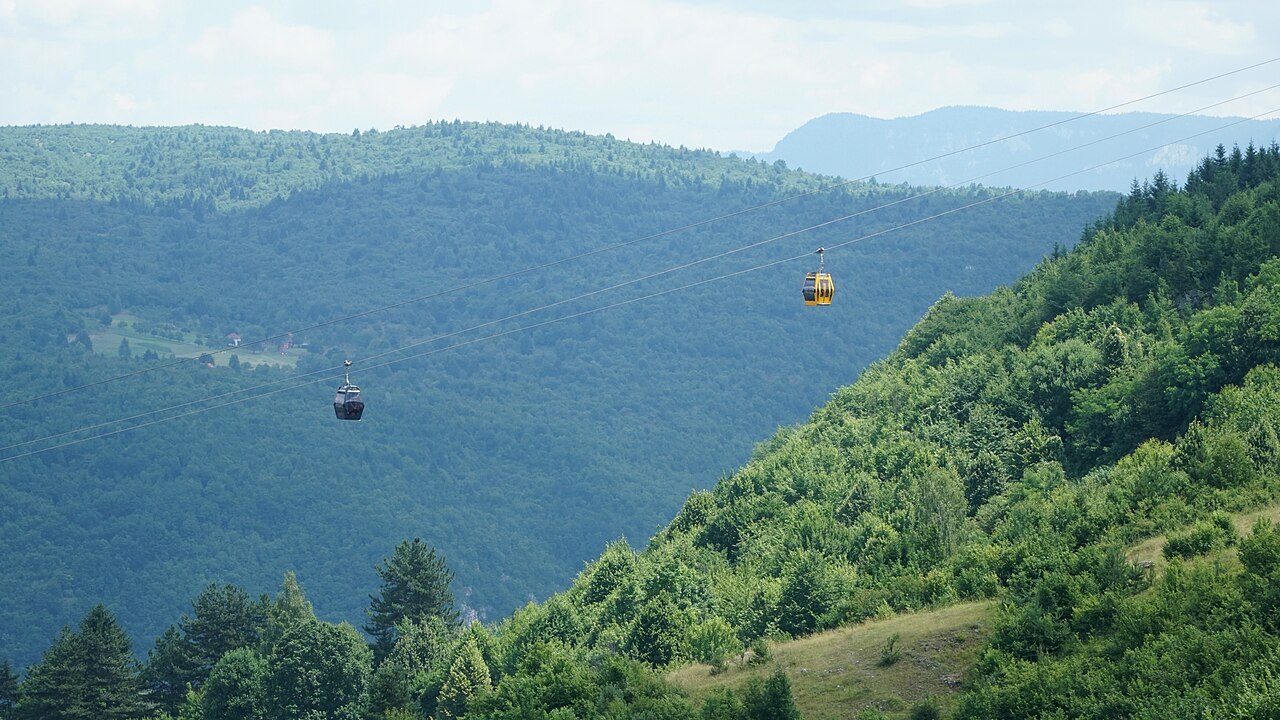
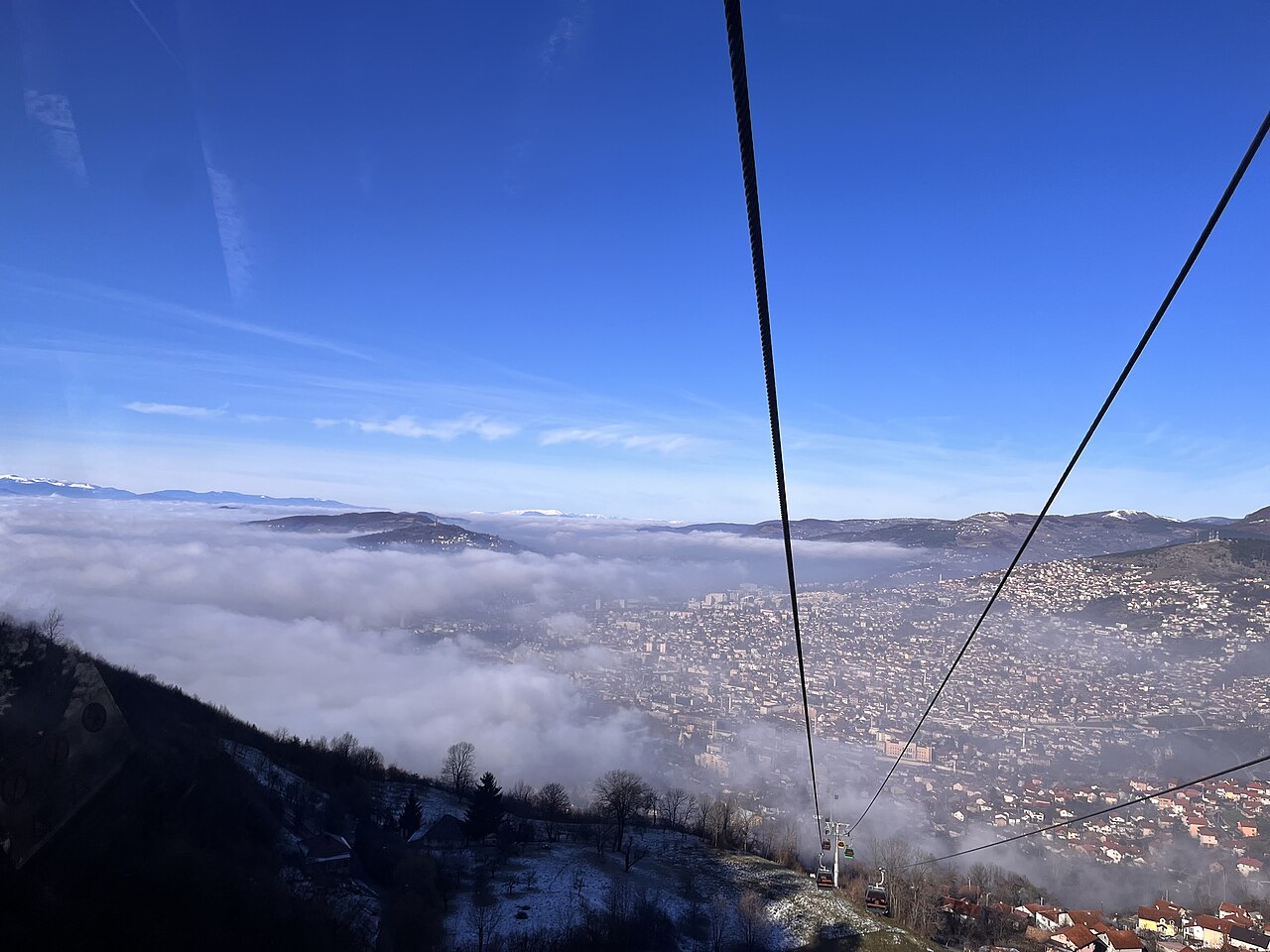
The cable car from 1959 was destroyed in the war and reopened in 2018. It takes you from the old town up Mount Trebević, with hiking trails, views and the old Olympic bobsleigh track.
See tours and prices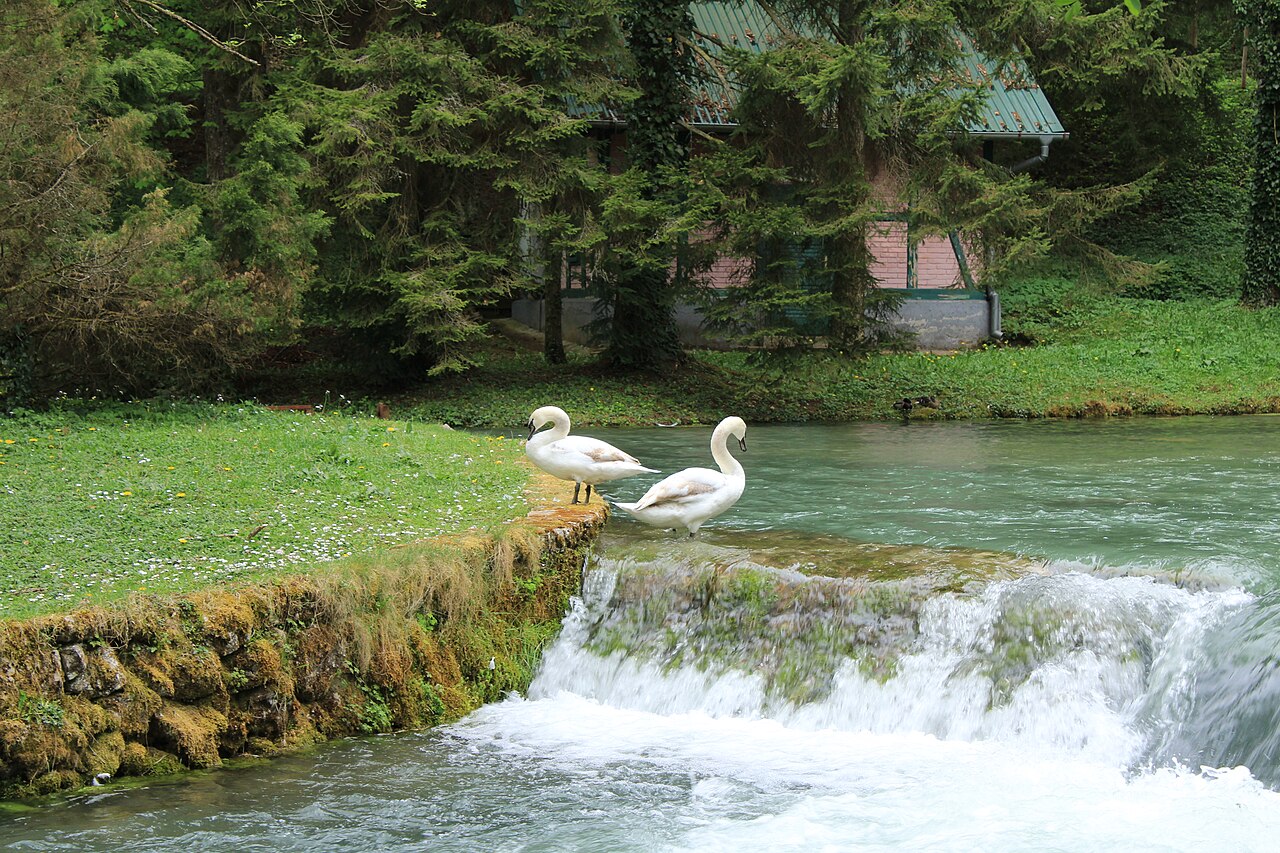
The springs of the river Bosna in Ilidža are a green park of clear water, swans and little bridges. Walk or take a horse-drawn carriage along the three-kilometre avenue from the tram terminus.
See tours and pricesPack right
Best May–September
−2–28 °CA continental climate with cold, snowy winters and warm summers around 27 °C. Fog can settle over the valley in winter. The Sarajevo Film Festival is held in August.
Current currency
Convertible mark
1 BAM to SEKThe rate is updated every hour. Always check the current rate before you travel.
Compare hotels and apartments on the map, with current prices.
The map loads from Stay22 only when you click. Stay22 may then set cookies and collect information about your browser. Privacy
Plan your trip
Sarajevo International Airport (SJJ) lies about 12 kilometres south-west of the centre. There are direct flights from a number of European cities, but from Scandinavia you usually change planes on the way, for example in Vienna, Munich or Istanbul. Low-cost flights also serve Tuzla (TZL), a few hours away by bus.
An airport bus runs into the centre, and a taxi takes about 20 minutes. Buses run to Sarajevo from cities including Zagreb, Split, Dubrovnik and Belgrade.
Check current departures and prices before you travel.

Stay in or near Baščaršija to be within walking distance of almost everything. There are lots of small hotels and guesthouses in old buildings here. On the hillsides of Vratnik, Bistrik and Kovači are family-run guesthouses with views over the city, but expect steep hills.
Around Marijin Dvor and along the main road to the west are larger, modern hotels, with trams into the old town. Accommodation is good value compared with most European capitals, but book well ahead for the film festival in August.
The big and the small
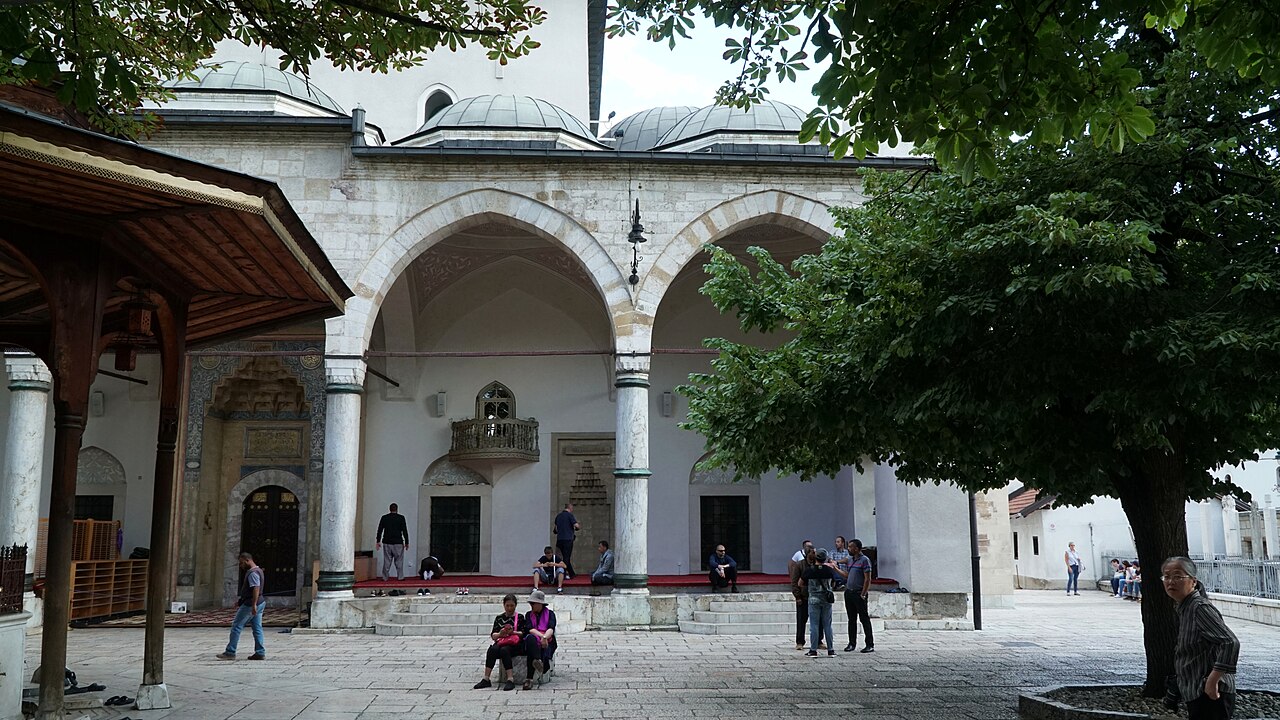
Bosnia's most important mosque was built in 1531 by the Ottoman governor Gazi Husrev-beg, who also built baths, schools and a caravanserai around it. The courtyard with its fountain is a calm place in the middle of the bazaar. Visitors are welcome outside prayer times for a small fee. Dress so that shoulders and knees are covered, and women cover their hair.
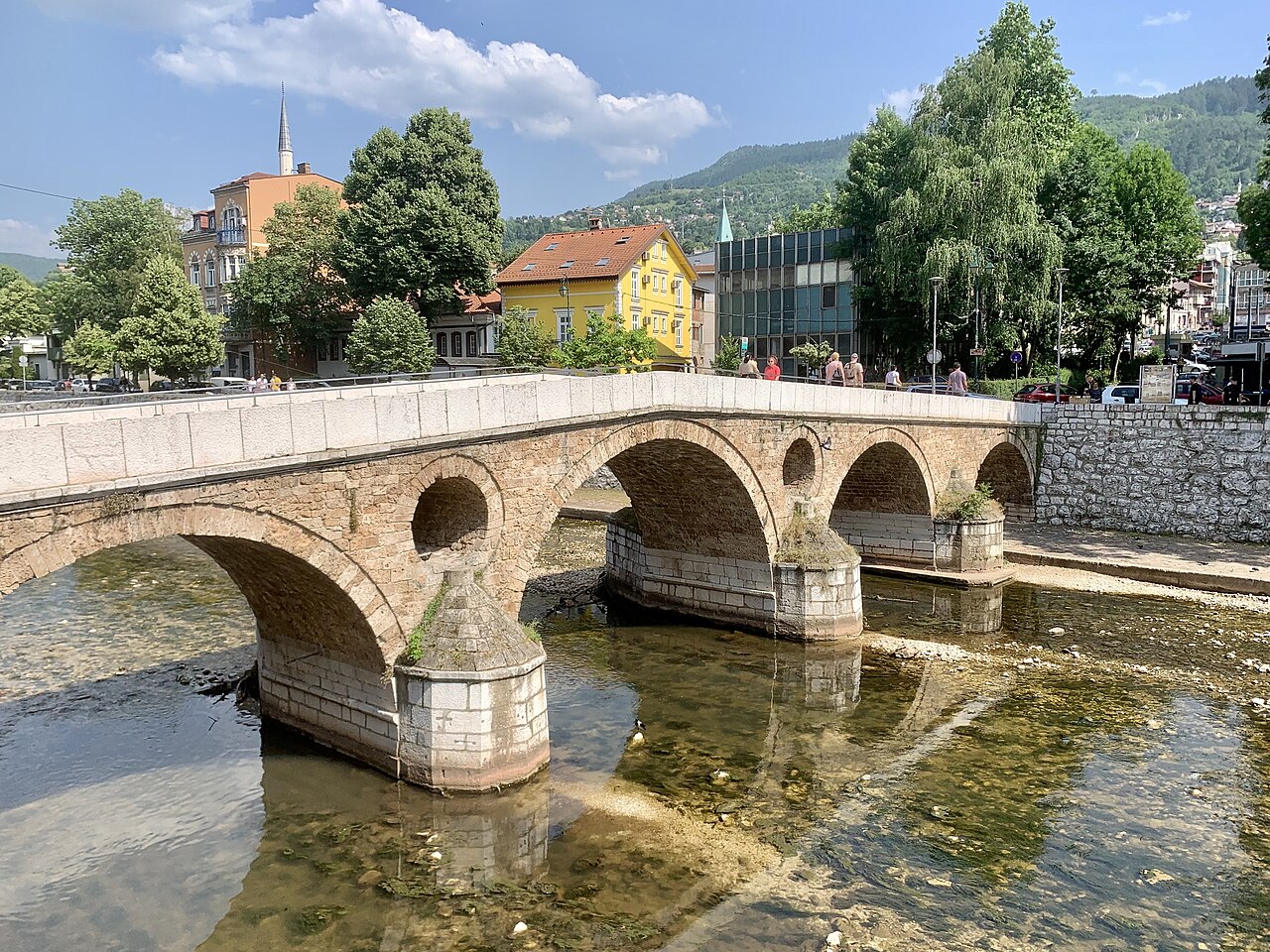
On the corner next to this Ottoman stone bridge, Gavrilo Princip shot Archduke Franz Ferdinand and his wife Sophie on 28 June 1914. The assassination was the spark that set off the First World War. In the building on the corner, a small museum tells the story of Sarajevo under Austro-Hungarian rule and of the assassination.
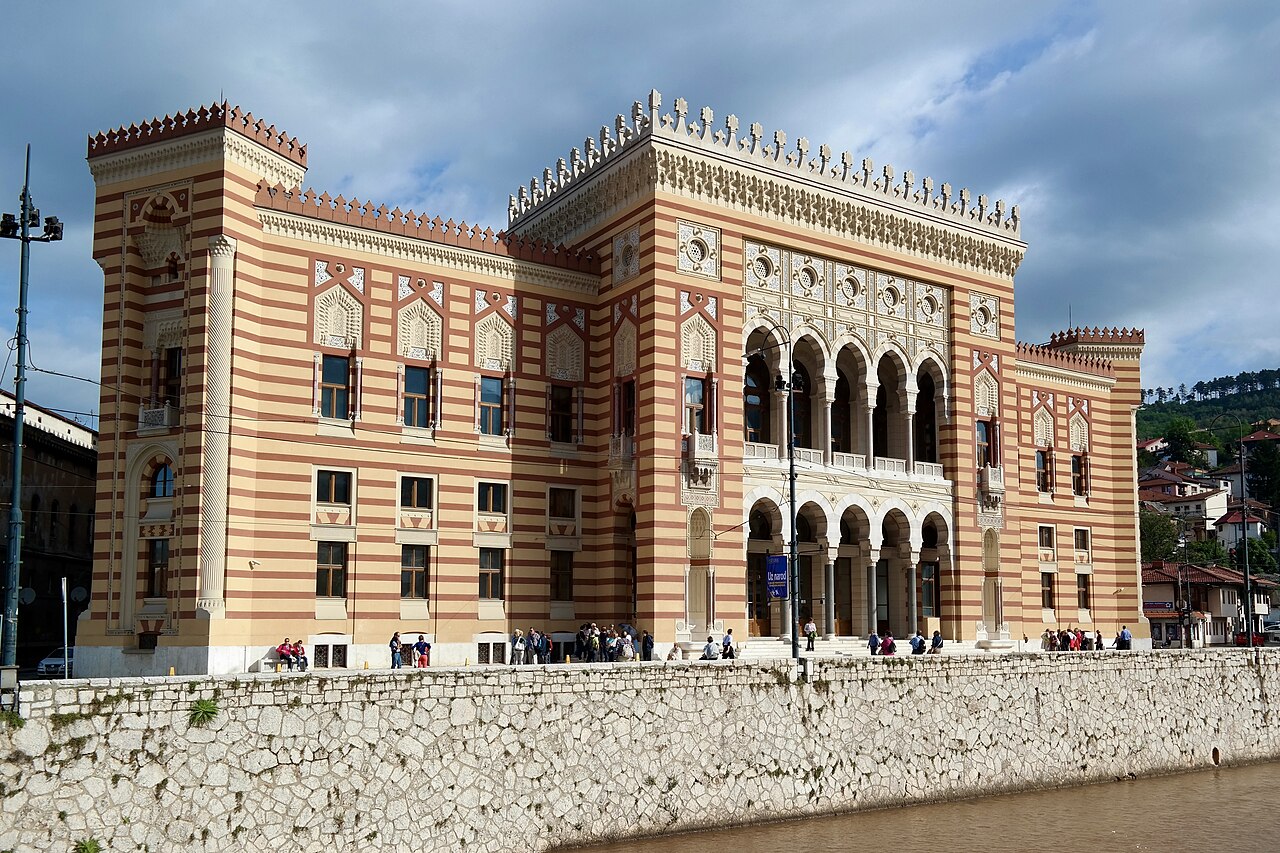
The striped City Hall in pseudo-Moorish style was inaugurated in 1896 and later became the National Library. In August 1992 it was shelled and burned, and almost the entire book collection was lost. After a long restoration, the building reopened in 2014. Go inside to see the colourful central hall and the exhibition on the building's history.
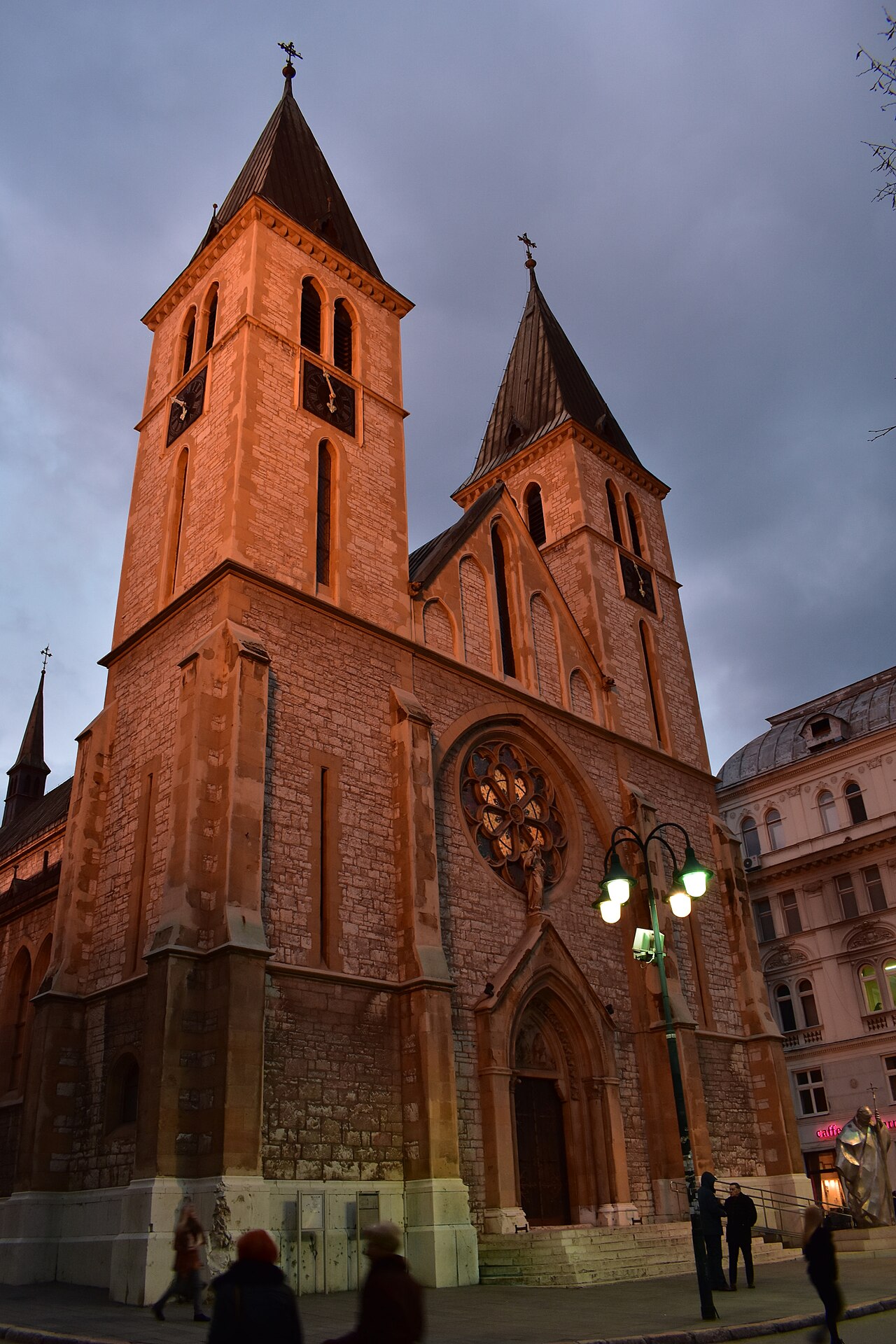
The neo-Gothic Catholic cathedral from 1889 stands on Ferhadija, the city's busiest pedestrian street, and is Bosnia's largest Catholic church. In the street outside is one of the Sarajevo roses, a shell scar in the pavement filled with red resin in memory of those killed there.
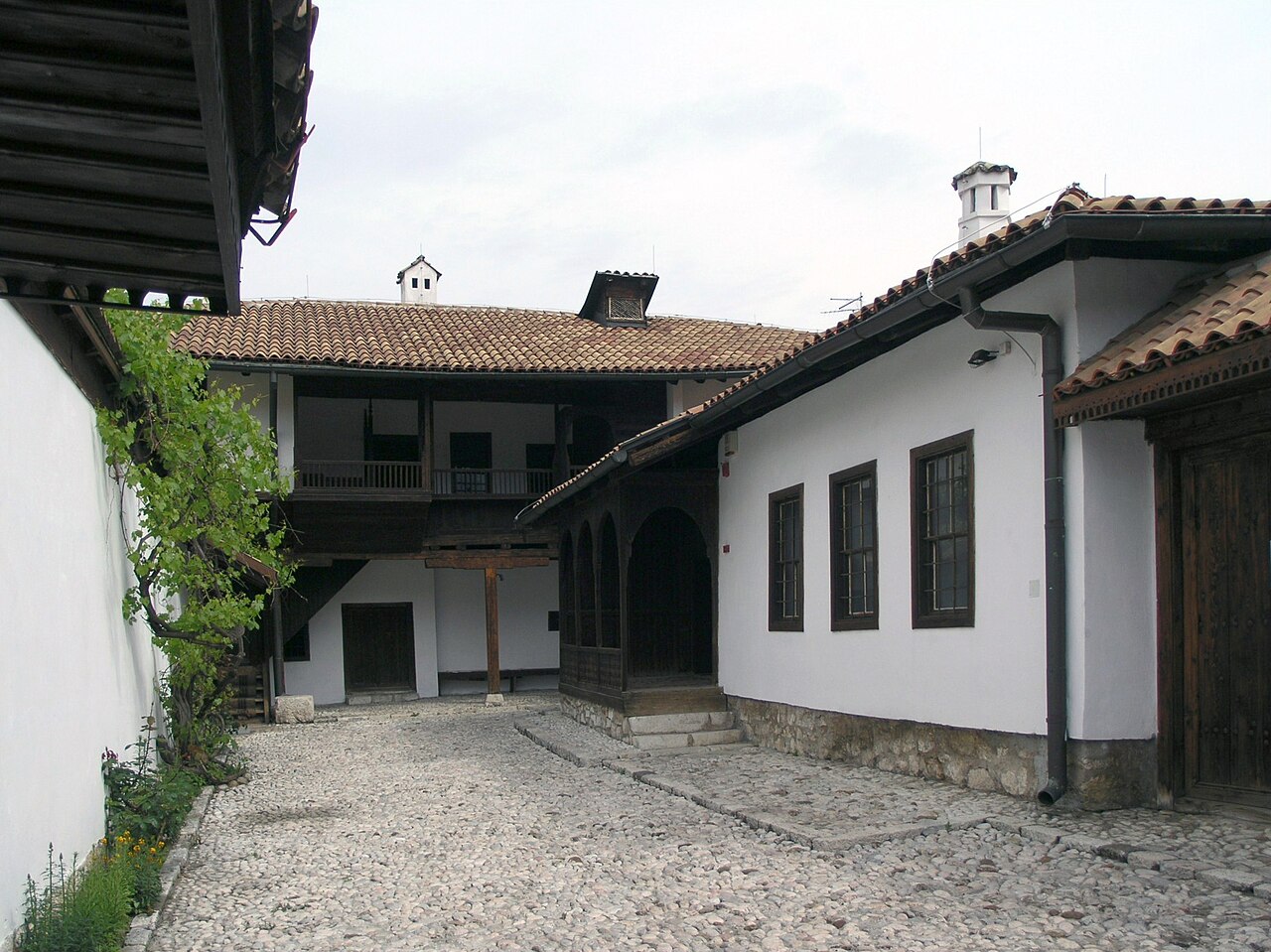
A well-preserved Ottoman family house from the 18th century, a few minutes uphill from the bazaar. The rooms are furnished as when a wealthy Muslim family lived here, with separate quarters for men and women, low sofas and a green inner courtyard.
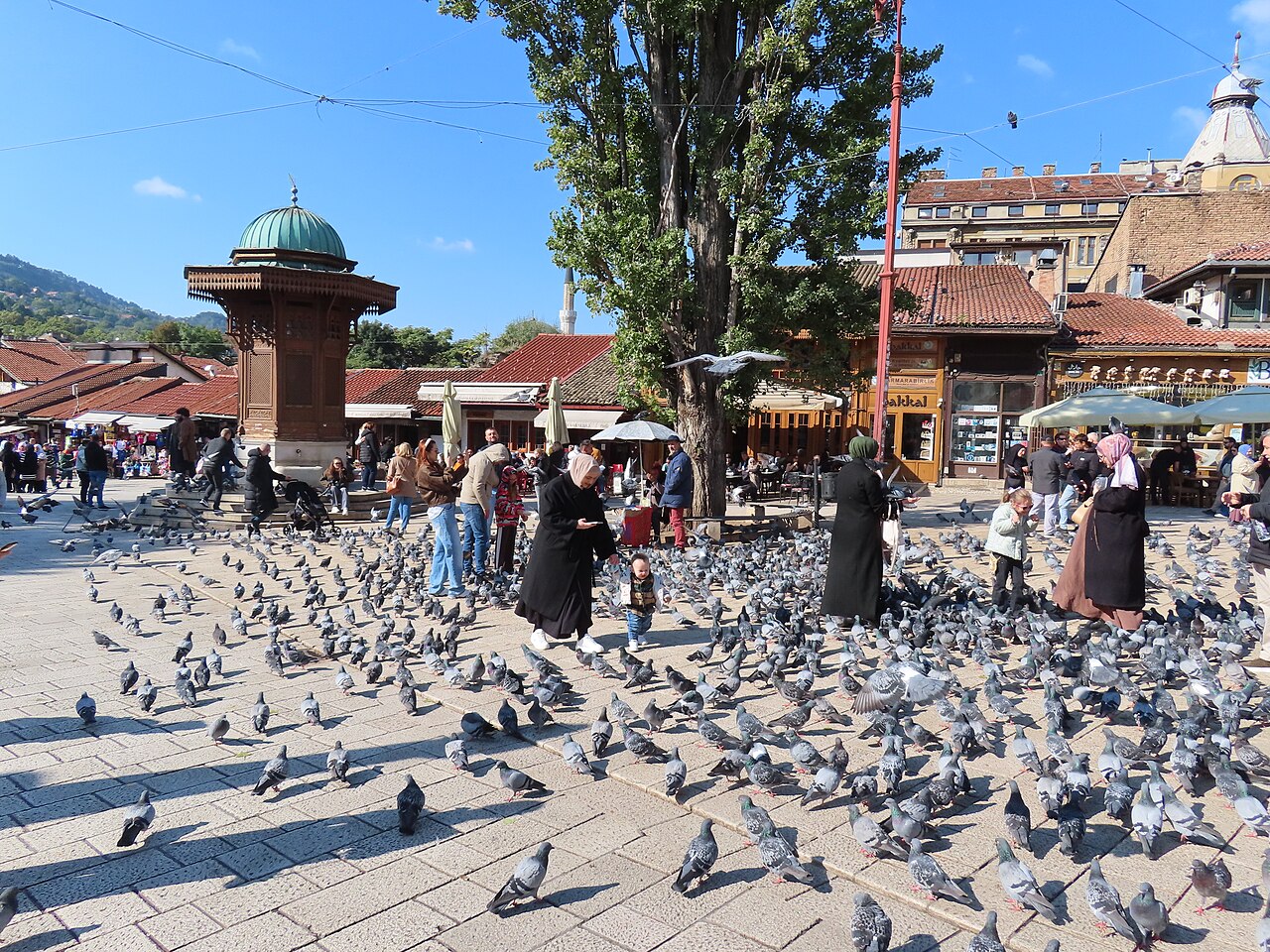
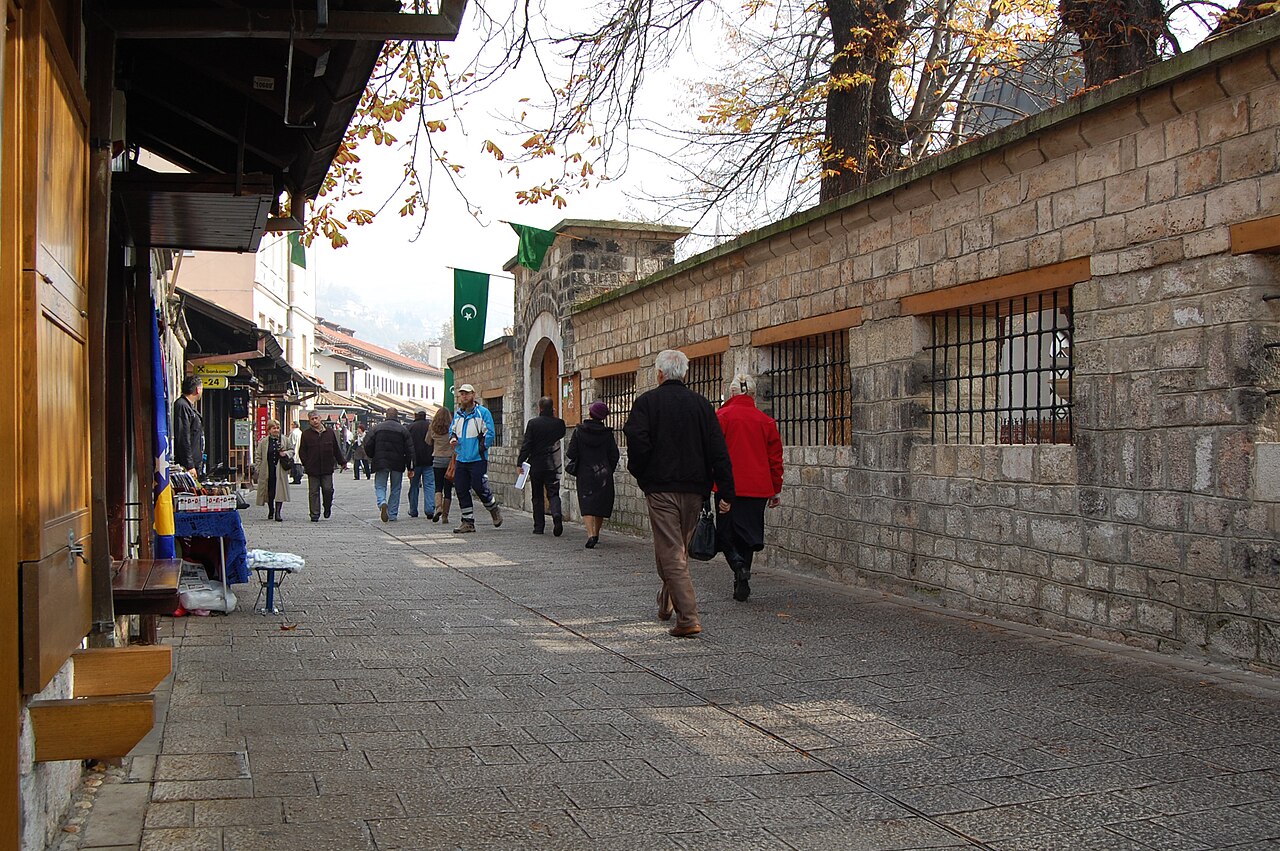
The old bazaar from the 15th century is the heart of Sarajevo, with cobbled streets, small workshops and cafés. In the middle of the square stands Sebilj, a wooden fountain from 1891, and legend has it that whoever drinks from it will return to Sarajevo. Turn into Kazandžiluk street to watch the coppersmiths hammer out coffee pots and trays.
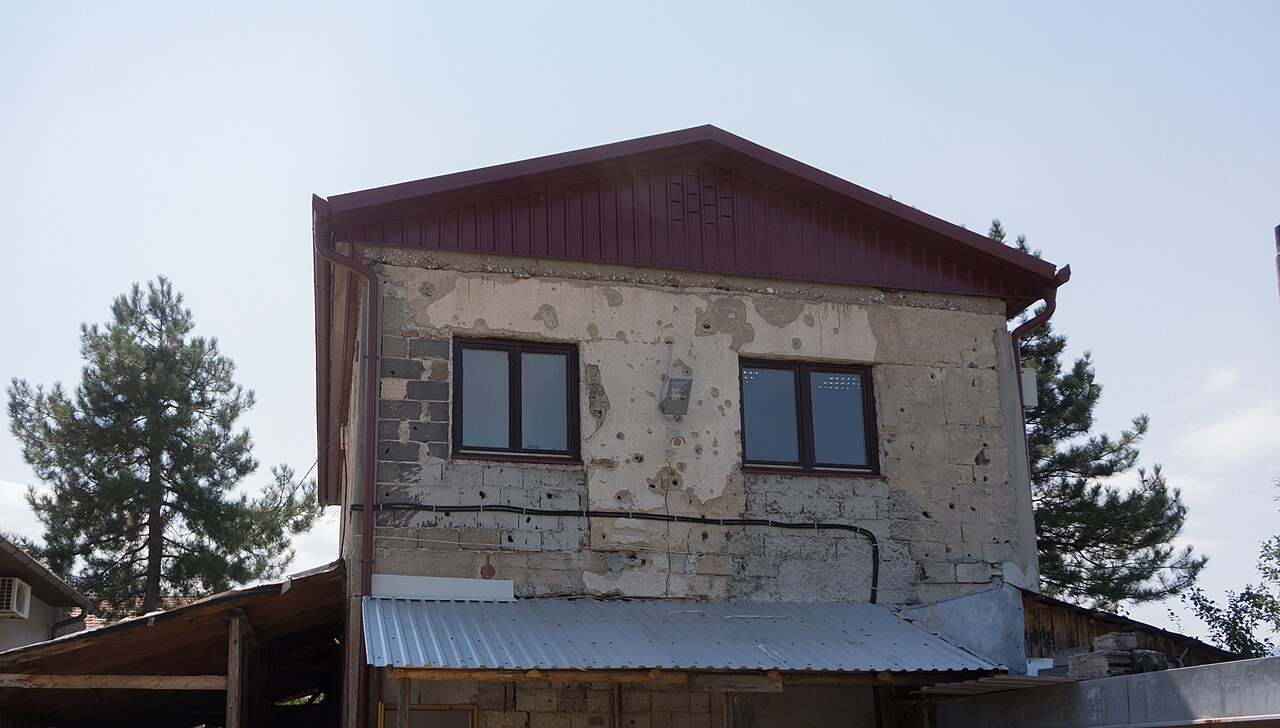
During the siege, a tunnel of just over 800 metres was dug under the airport runway in 1993, the city's only link with the outside world. Food, weapons and wounded people were carried through it. The museum is in the bullet-scarred family house in Butmir where the tunnel came out, and you can walk through a short section of it. Take a taxi or a guided tour there.
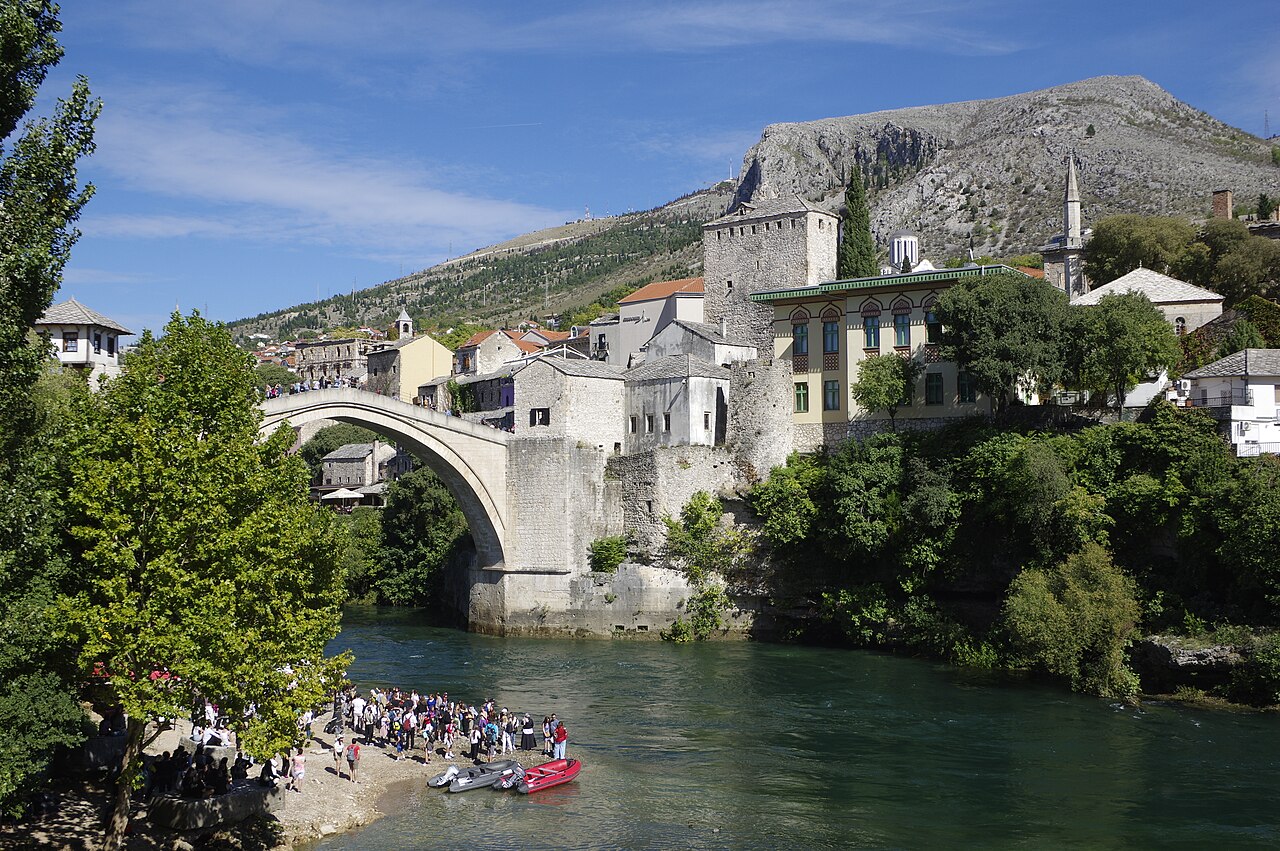
The train to Mostar takes around two hours and follows the river Neretva through a dramatic mountain valley, one of the most beautiful railway lines in the Balkans. The Ottoman bridge Stari Most from 1566 was destroyed during the war in 1993 and rebuilt using the original techniques. Today the bridge and old town are a World Heritage Site, and in summer divers leap from the top of the bridge into the river.
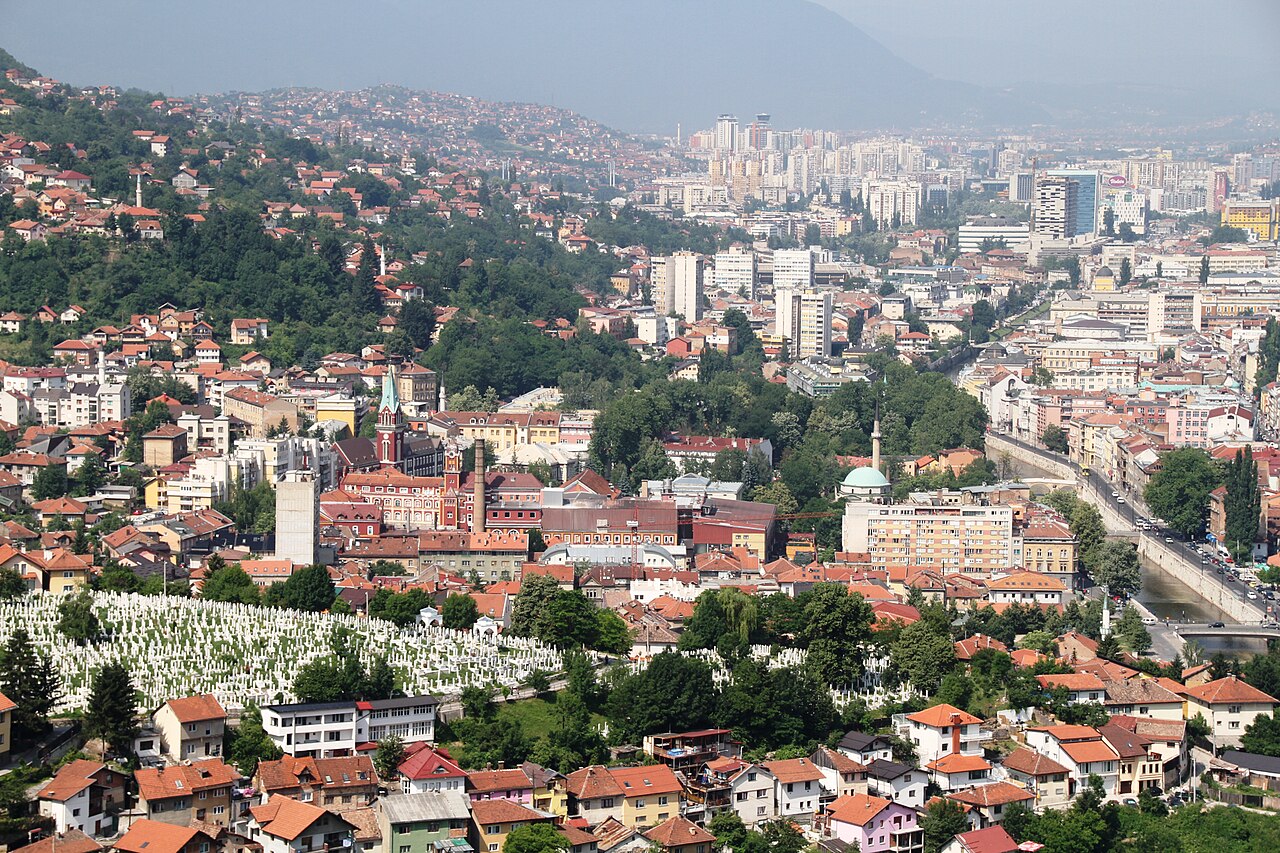
Stari Grad, the old town, contains Baščaršija with its bazaar and Ottoman mosques. To the west, the Austro-Hungarian centre begins along the pedestrian street Ferhadija and Maršala Tita, with cafés, shops and the cathedral. Marijin Dvor is the modern centre, with the National Museum and the History Museum. On the slopes above are the old residential quarters of Vratnik, Kovači and Bistrik, with narrow streets and wide views. Furthest west lies the spa town of Ilidža with the Vrelo Bosne park.
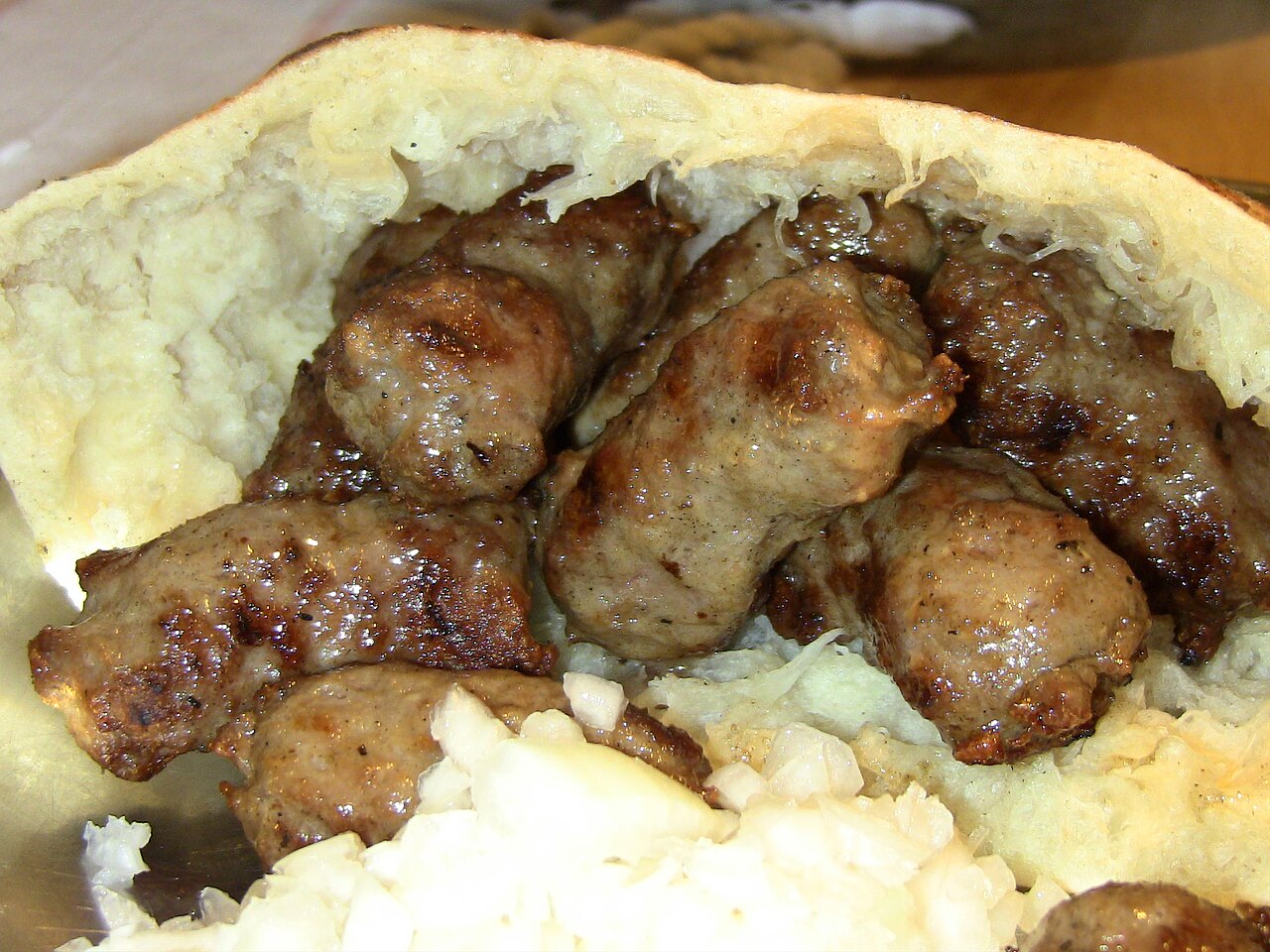
Sarajevo's best-known dish is ćevapi, small grilled meat sausages served in freshly baked somun bread with chopped onion and often kajmak, a creamy fresh cheese. Burek is a pie filled with meat, while the versions with cheese, potato or spinach are called sirnica, krompiruša and zeljanica. Bosnian coffee is served in a little copper pot, a džezva, with a sugar cube and Turkish delight. For dessert there's baklava and tufahija, an apple stuffed with walnuts. Sarajevsko beer has been brewed in the city since 1864.
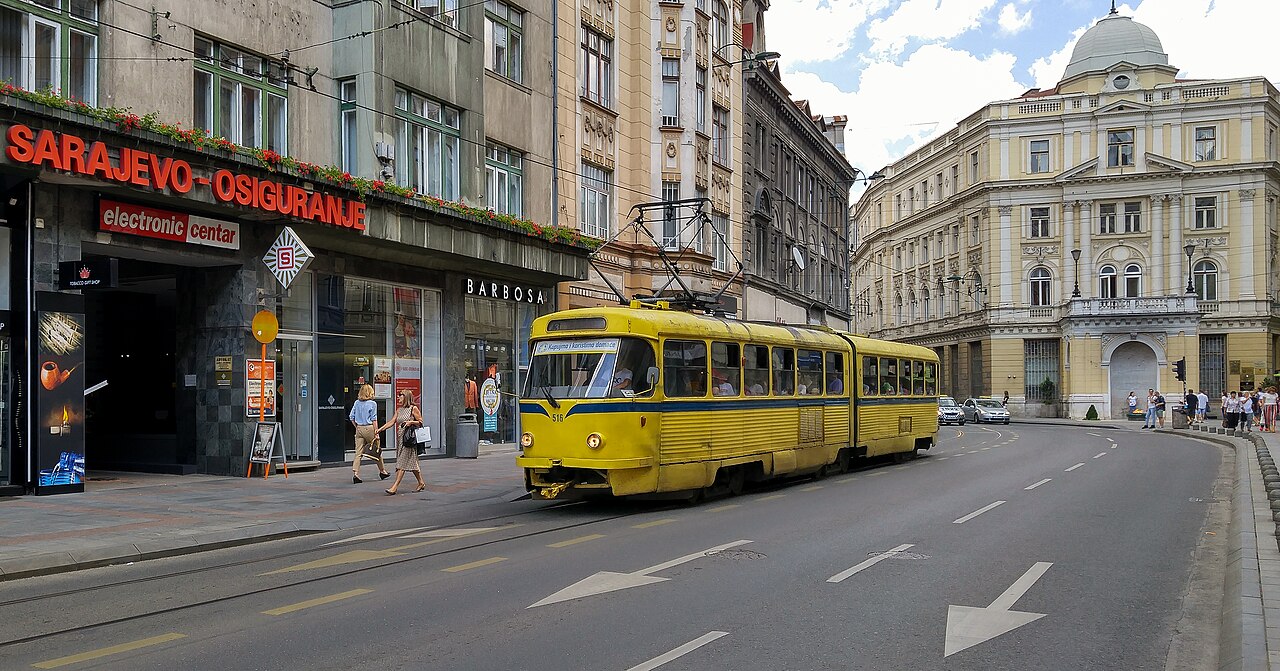
Central Sarajevo is easy to walk around, as the city follows the river along a long valley. The tram runs along the valley from Baščaršija west to Ilidža, and Sarajevo was one of the first cities in Europe with an electric tram. Buy your ticket at a kiosk before you travel, as it's cheaper than from the driver, and validate it on board. Taxis are cheap, but make sure the meter is running. The slopes around the old town are steep, so comfortable shoes are a must.
Download a map app and save Sarajevo offline, so you can find your way through the lanes and up to the viewpoints. A currency app helps you convert prices from convertible marks. Mobile data on EU plans isn't always included, as Bosnia and Herzegovina isn't in the EU, so check the roaming price or buy a local or digital SIM card.

The currency is the convertible mark, which is pegged to the euro at roughly two marks per euro. Cards work in hotels and many restaurants, but carry cash for small cafés, markets and taxis. Euros are sometimes accepted, but often at a poor rate. Sarajevo is a safe city. Outside the city there are still landmines left from the war, so stick to marked paths and roads when hiking. Show respect in mosques and at memorials, and ask before photographing people.

Take a guided walking tour on your first day to get both the history and the local stories. Consider visiting the War Childhood Museum, which tells the story of the war through children's own belongings and memories. Drink Bosnian coffee slowly; it's part of the experience. Walk up to Žuta tabija at sunset, and take the cable car up Trebević on a clear day. Carry on to Mostar by train, through one of the most beautiful valleys in the Balkans.