Ancient ruins, baroque fountains and pasta on the piazza in the evening sun.
According to legend, Rome was founded in 753 BC. For almost three thousand years the city has been the centre of an empire, the Catholic Church and a united Italy. The layers of history show everywhere. A medieval church may rest on the foundations of a Roman temple, and between the apartment blocks stand columns older than Christianity.
In ancient Rome, around the Colosseum and the Roman Forum, you wander among the ruins of temples, triumphal arches and squares where the Romans once made their political decisions. A couple of kilometres away, across the Tiber, lies Vatican City with St Peter's Basilica and the Sistine Chapel. In between spreads the historic city centre, with the Pantheon, Piazza Navona and the Trevi Fountain.
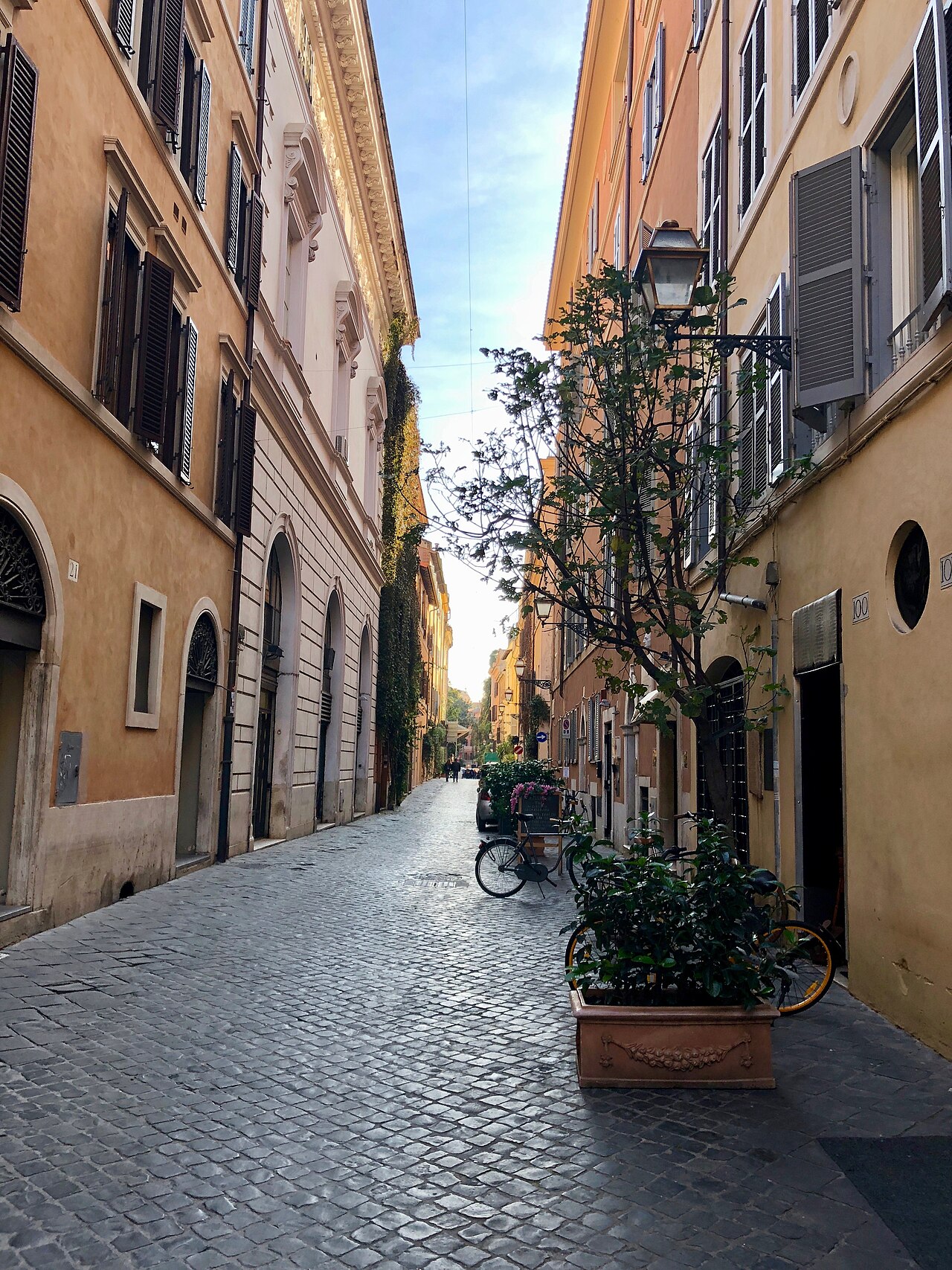
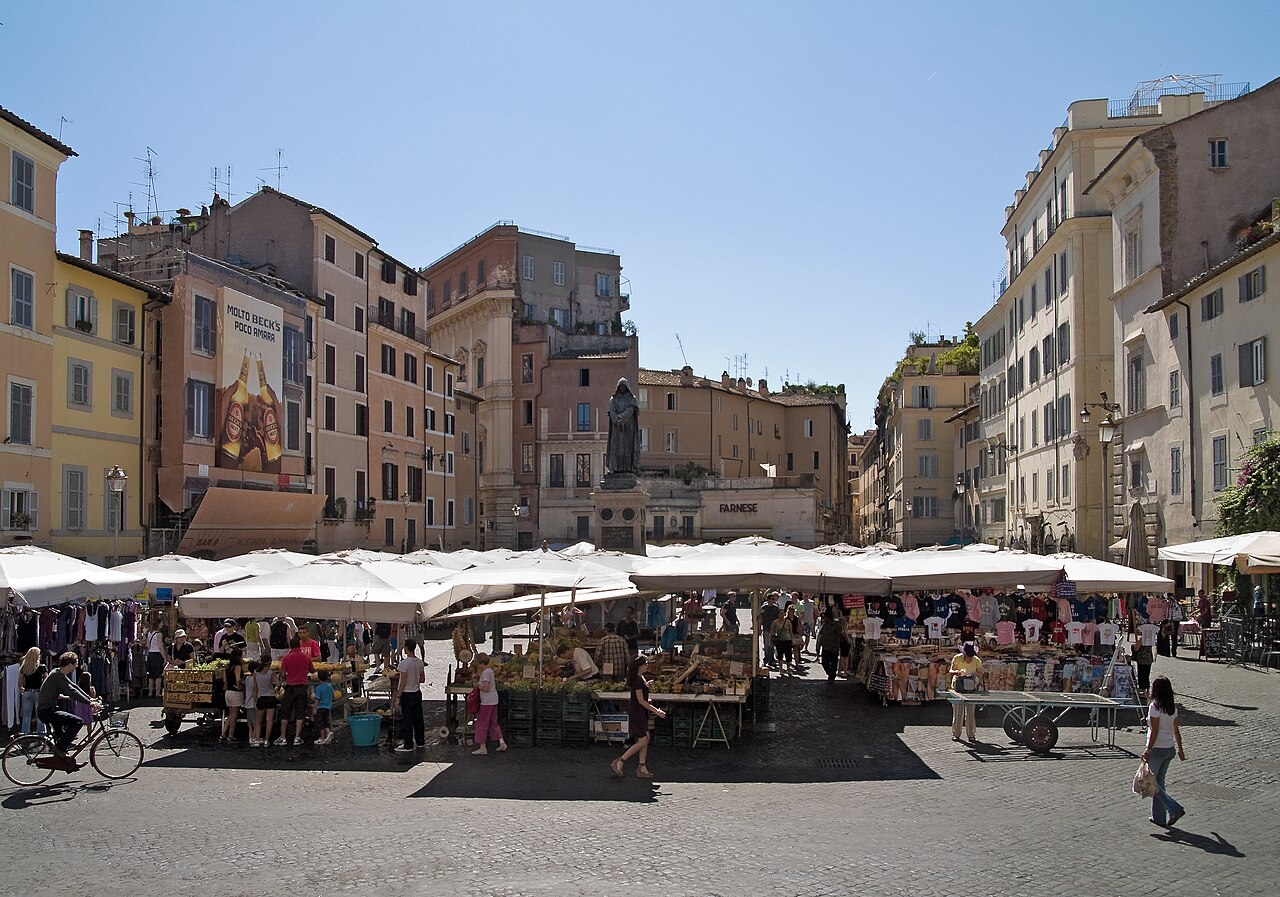
Yet much of Rome's charm lies between the sights. Get lost in the lanes of Monti and Trastevere, drink an espresso standing at the bar counter and settle down on a piazza as the sun goes down. Roman cooking is simple and full of flavour: carbonara, cacio e pepe, fried supplì and pizza al taglio, sold by the slice.
Rome is perfect for a long weekend, but the city has enough to fill a much longer stay. Spring and autumn are the best seasons to visit, when the weather is pleasantly warm without getting too hot. Book tickets for the big museums in advance and leave plenty of time simply to stroll around.
Things to do
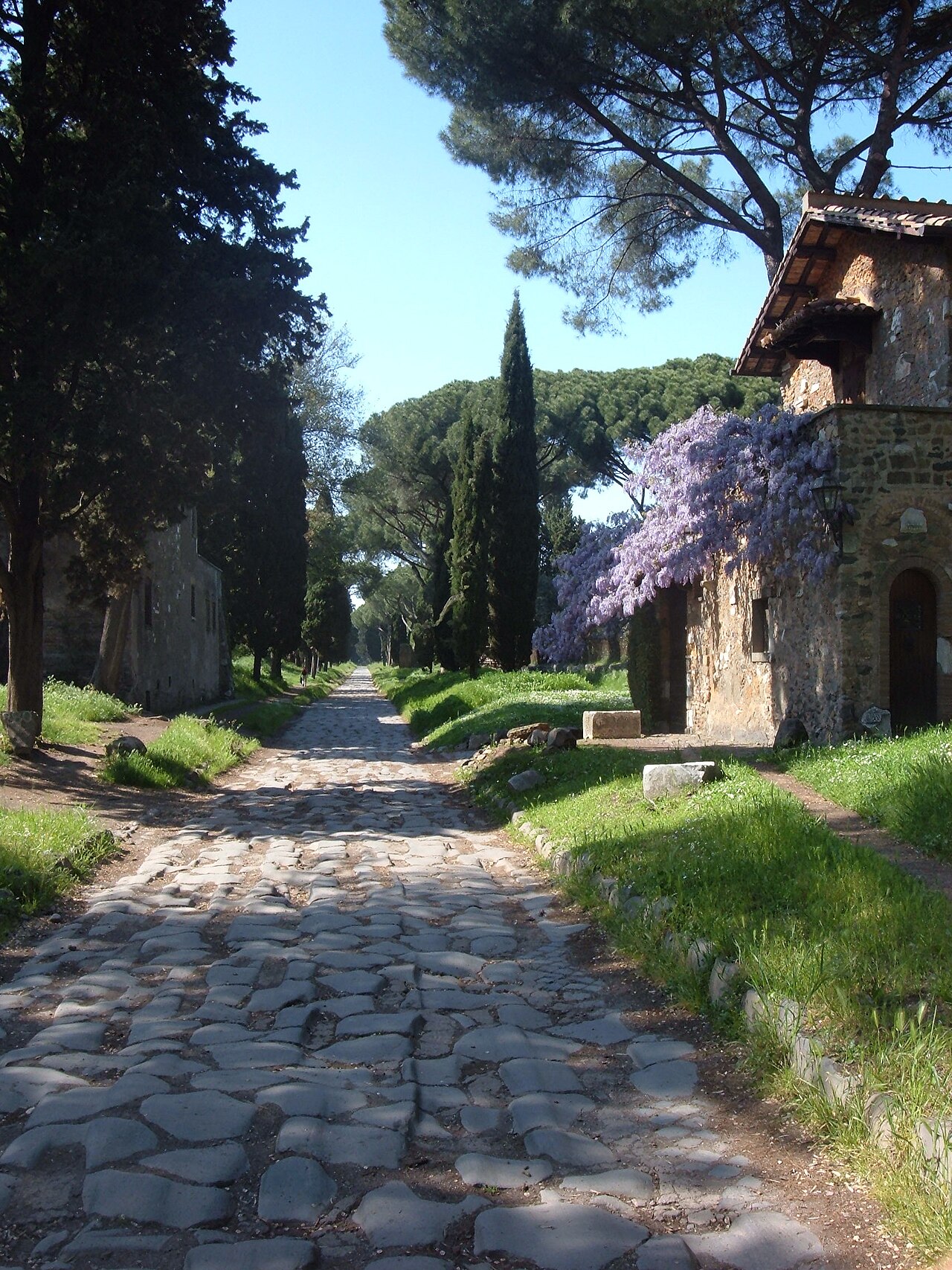
Cycle along the Via Appia Antica
The ancient road was begun in 312 BC and is lined with tombs, umbrella pines and catacombs. Rent a bike at the park's information point and ride on the old paving stones. On Sundays, long stretches are closed to cars.
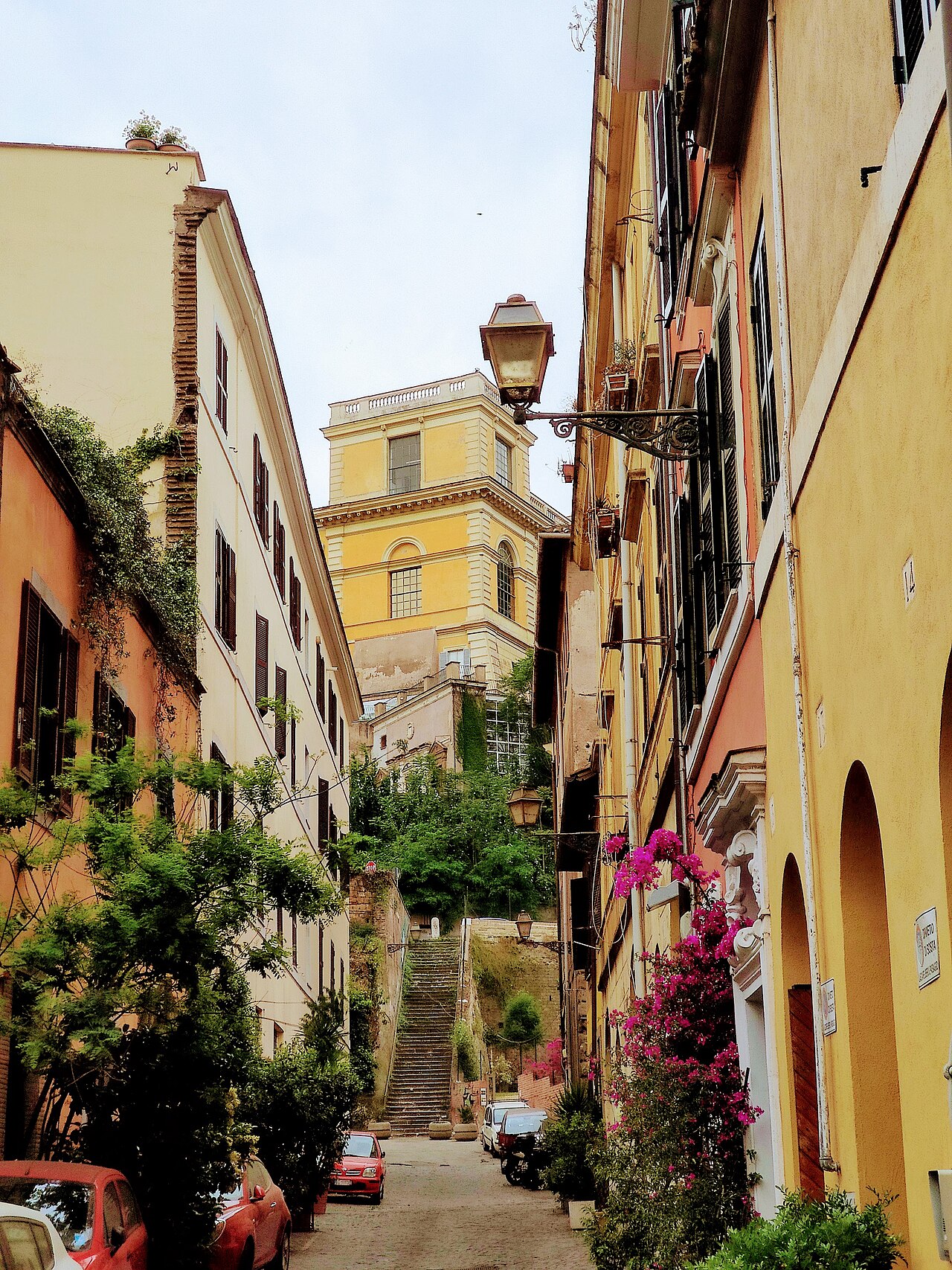
Walk across the Tiber to the quarter with ivy-covered walls, trattorias and bars. Start at Santa Maria in Trastevere with its golden mosaics and let the lanes lead you on.
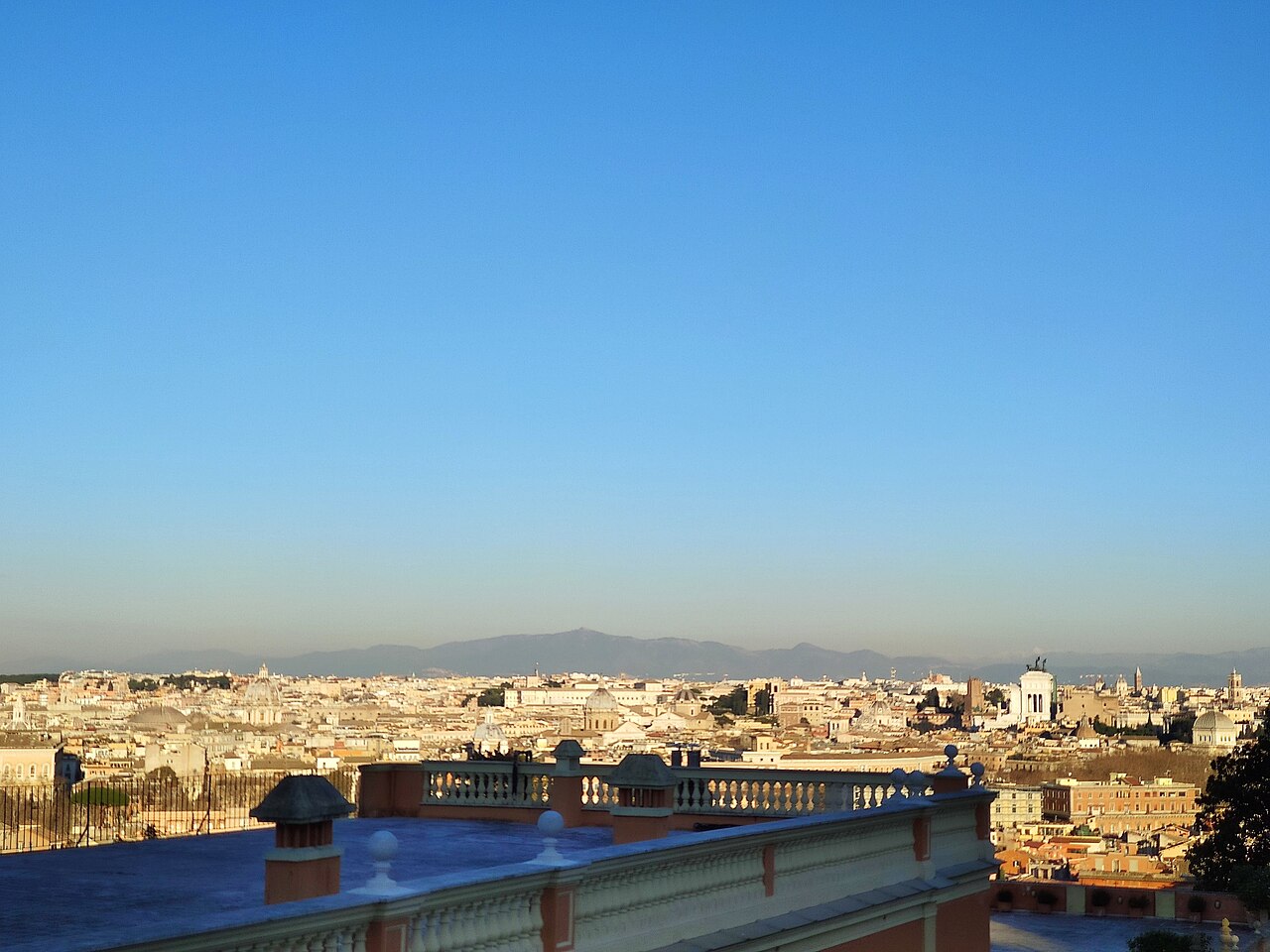
Walk up the hill from Trastevere to the Gianicolo, where all of Rome and its domes spread out below. Every day at noon a cannon is fired below the terrace, and the evening light is lovely.
Mild, sometimes rainy winters and hot, dry summers, often above 30 °C in July and August. Spring and autumn are the most pleasant for long walks.
Current currency
€
Euro
1 EUR to SEK
The rate is updated every hour. Always check the current rate before you travel.
Find places to stay in Rome
Compare hotels and apartments on the map, with current prices.
The map loads from Stay22 only when you click. Stay22 may then set cookies and collect information about your browser. Privacy
Plan your trip
✈Flights to Rome
Rome's main airport is Fiumicino (FCO), Leonardo da Vinci, about 30 kilometres south-west of the centre. It has direct flights from cities across Europe, including London, Stockholm and Copenhagen. The Leonardo Express train runs to Roma Termini in just over half an hour, and taxis to the historic centre charge a fixed fare. Several low-cost airlines land instead at Ciampino (CIA), south-east of the city, with buses to Termini.
Within Italy, high-speed trains make it easy to combine Rome with Florence or Naples, for example.
Check current departures and prices before you travel.
⌂Where to stay
The historic centre around the Pantheon, Piazza Navona and Campo de' Fiori is the most expensive but puts most things within walking distance. The streets around the Spanish Steps and Via del Corso are elegant and close to shopping, and Monti is near the Colosseum with plenty of small restaurants.
Trastevere is charming but lively in the evenings, and Prati near the Vatican is quieter and often cheaper. The area around Termini is handy for trains and airport buses but less pleasant. Expect your hotel to charge a municipal tourist tax per person per night.
The big and the small
Selected sights
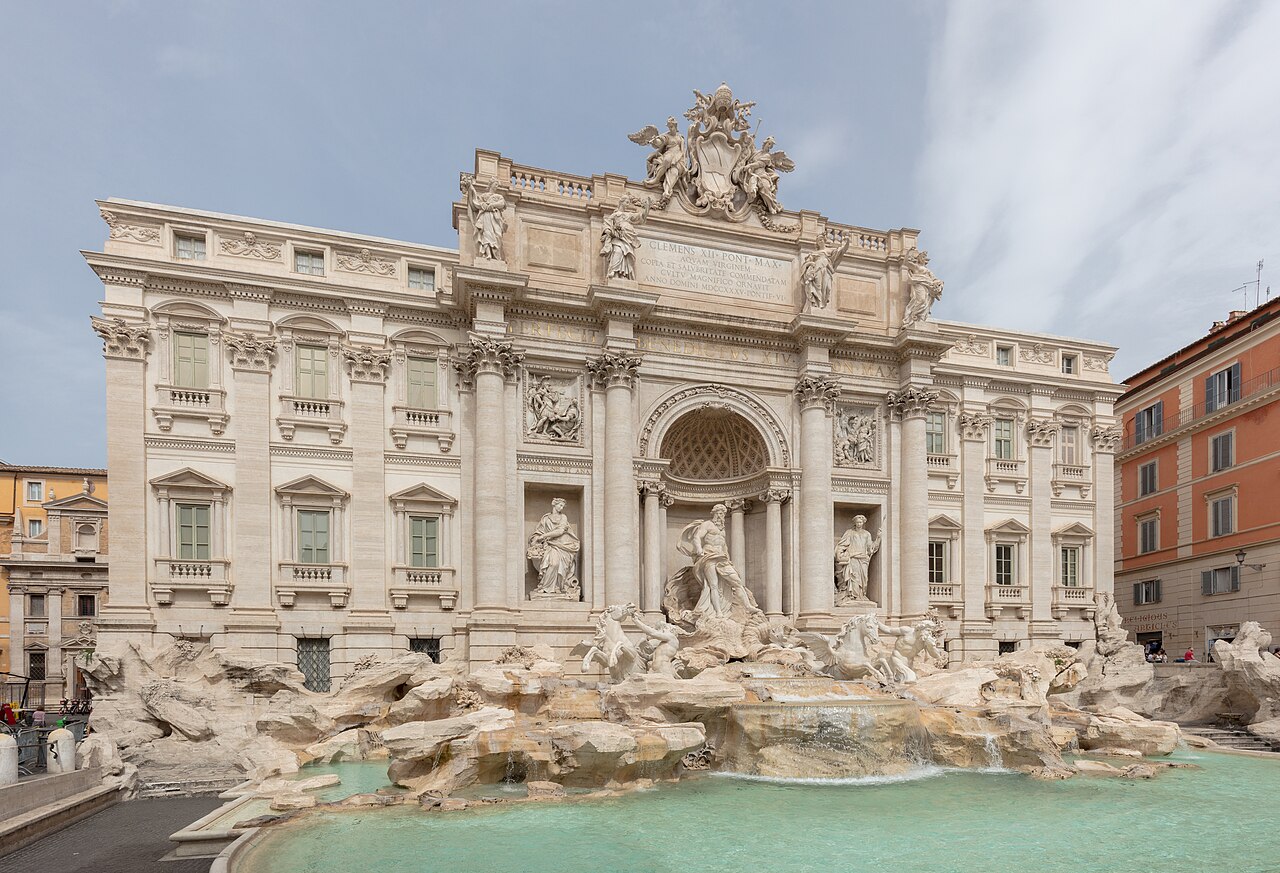
The Trevi Fountain
The baroque fountain was completed in 1762 and fills almost the whole of its small piazza. Tradition says you'll return to Rome if you toss a coin over your shoulder, and the coins go to charity. Since 2026 it costs two euros to go down to the basin, while the view from the piazza is free. Come early in the morning or late in the evening to avoid the crowds.
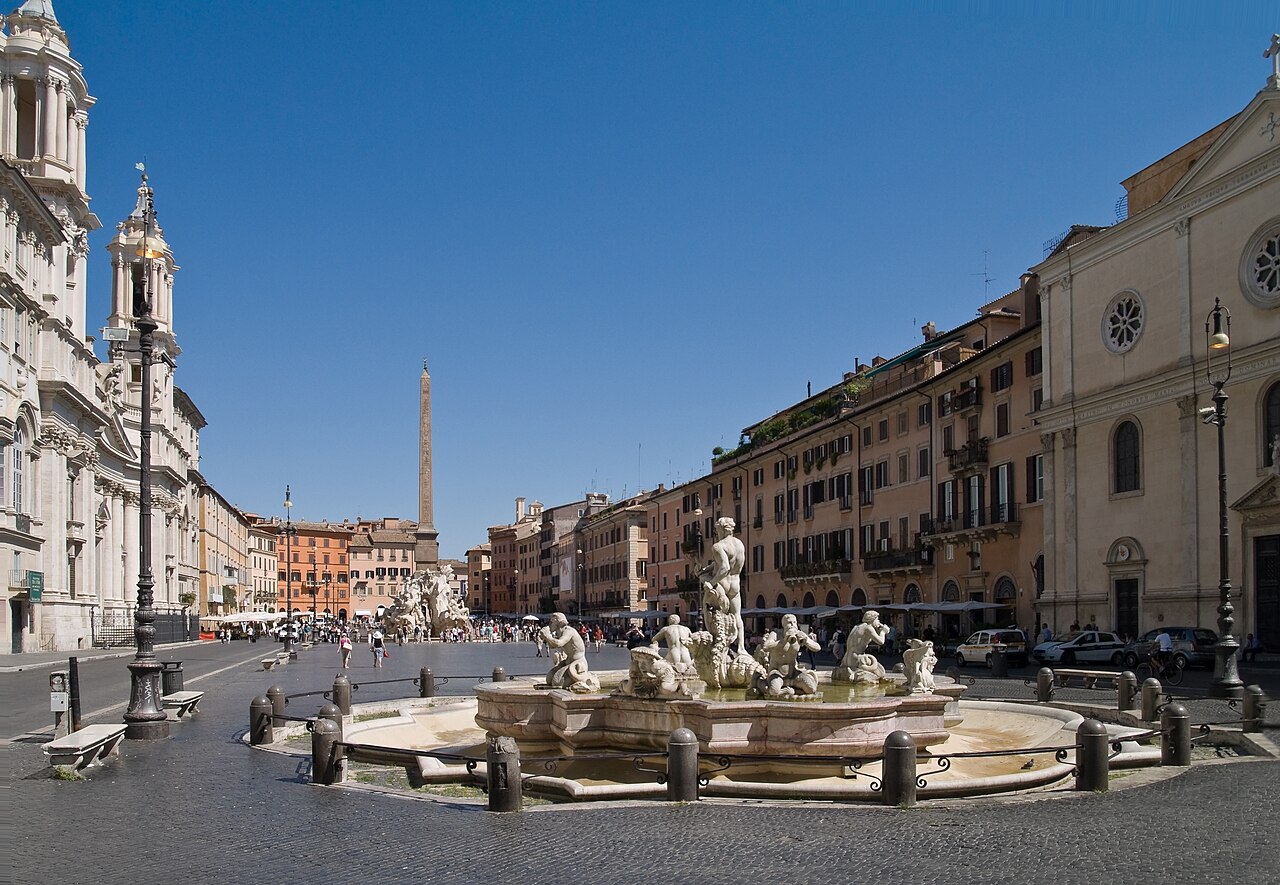
Piazza Navona
The long piazza follows the shape of Emperor Domitian's stadium, which stood here in antiquity. At its centre stands Bernini's Fountain of the Four Rivers from the 17th century, surrounded by churches, palaces and cafés. Street painters and musicians gather here from morning to night.
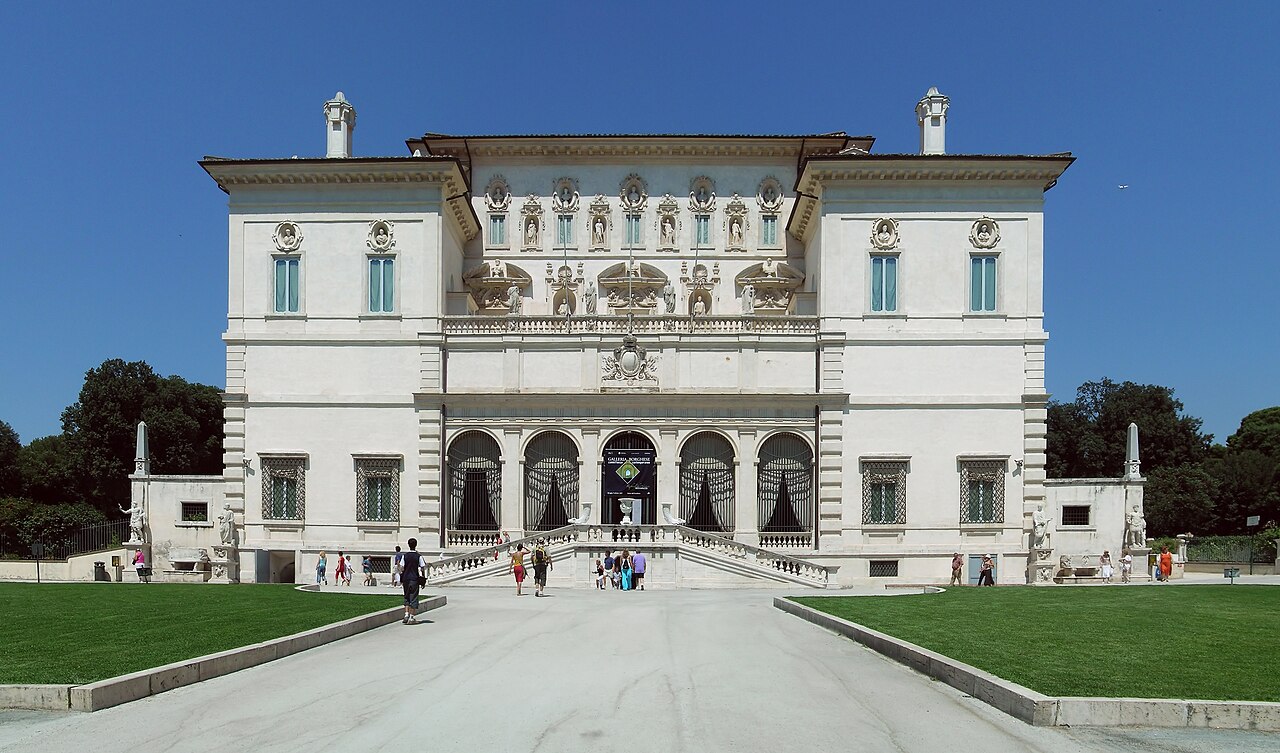
Galleria Borghese
The villa in the Villa Borghese park houses one of Rome's finest art collections, with Bernini's marble sculptures, paintings by Caravaggio and Canova's Paolina Borghese. Visits are in timed two-hour slots and must be booked in advance. Take a walk in the park afterwards. Galleria Borghese tickets
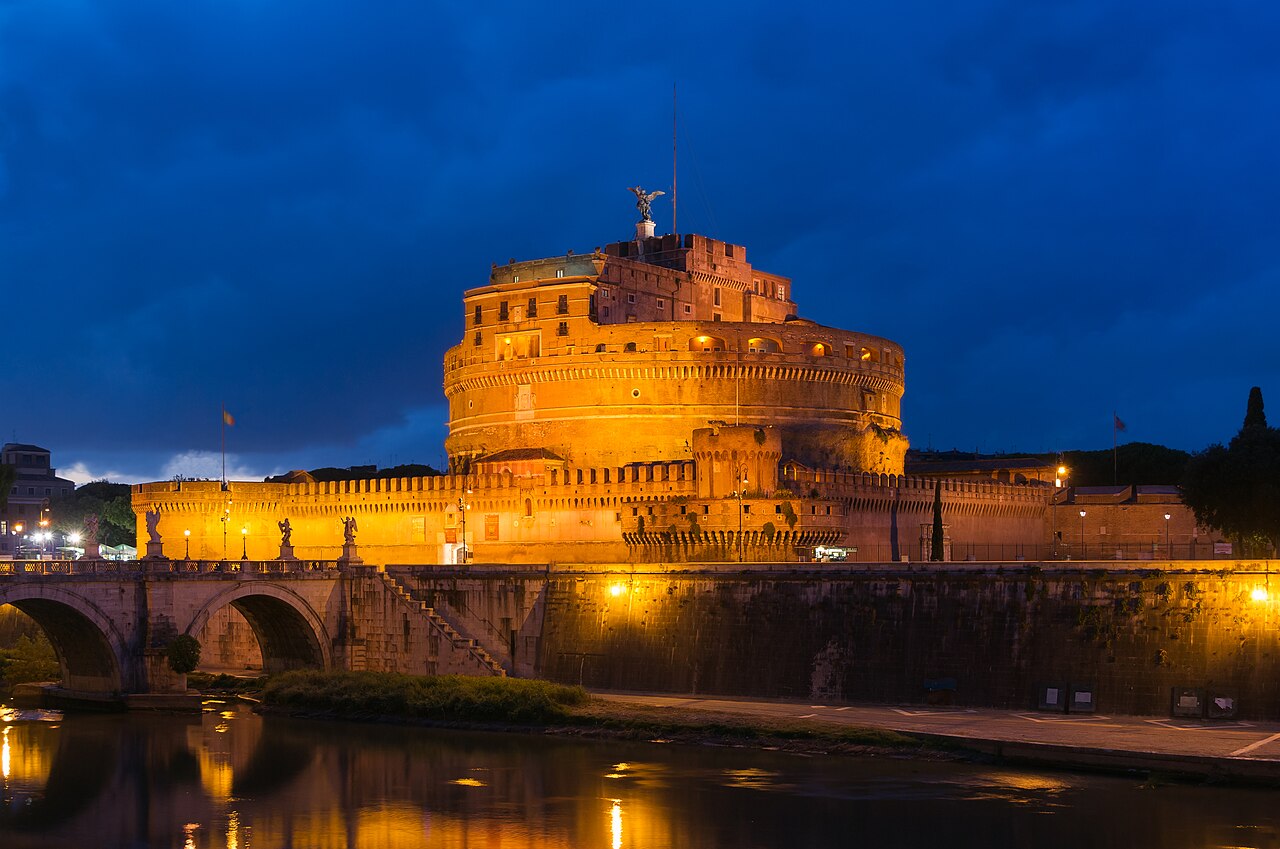
Castel Sant'Angelo
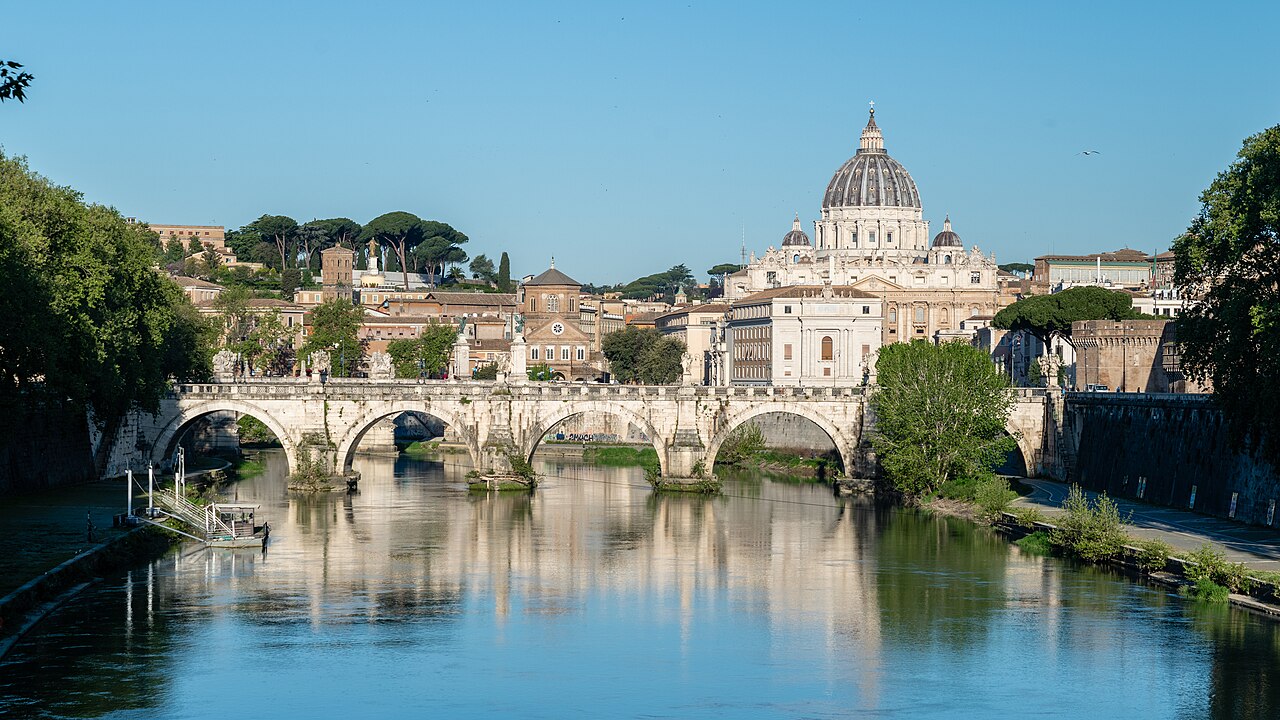
The round castle by the Tiber was built as a mausoleum for Emperor Hadrian and later became the popes' fortress, linked to the Vatican by a raised passage. Today it's a museum, and the roof terrace has one of the best views towards St Peter's. The Ponte Sant'Angelo in front is lined with Bernini's angels.
The Capitoline Museums
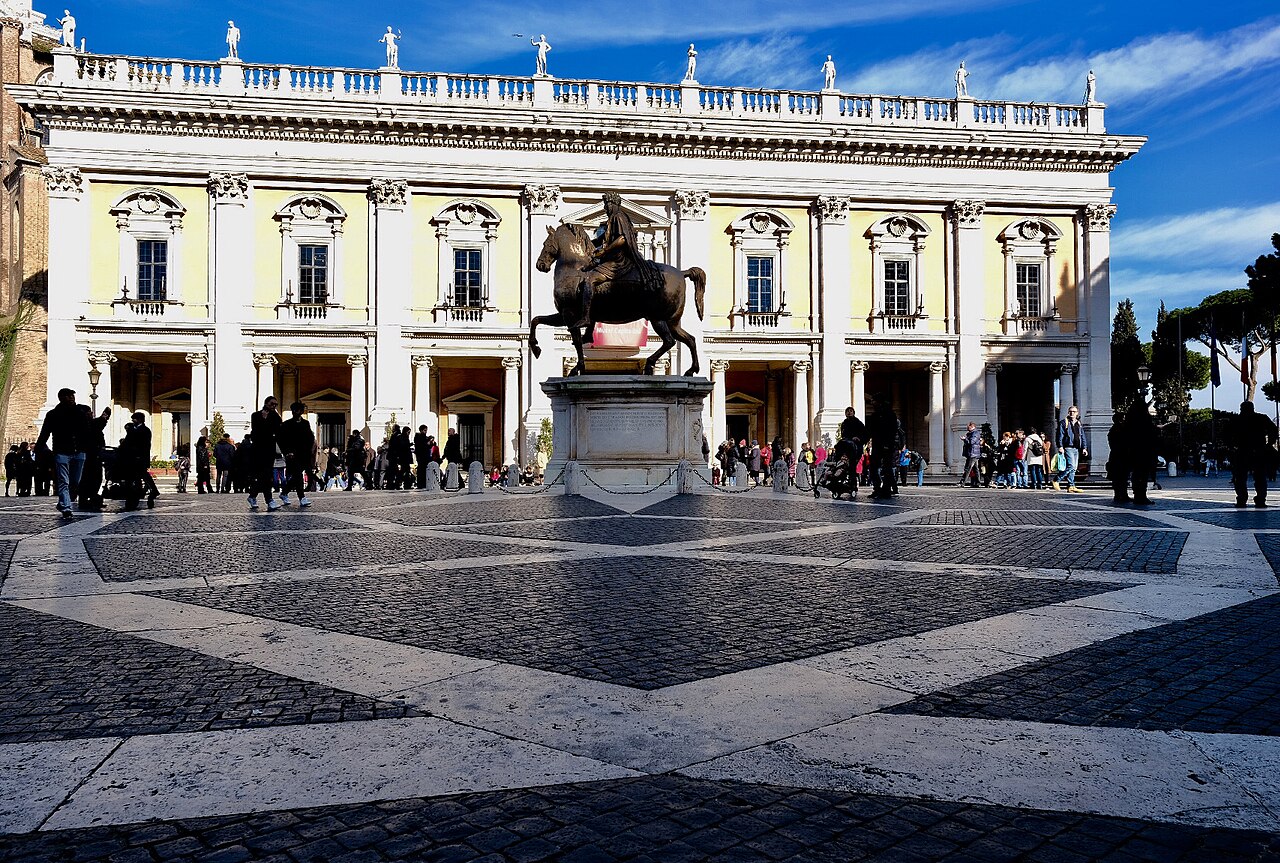
The museums stand around Michelangelo's piazza on the Capitoline Hill, and the collection began in 1471 with a gift from the pope to the people of Rome. Here are the ancient bronze she-wolf and the original equestrian statue of Marcus Aurelius. A passage beneath the museums gives a fine view over the Roman Forum.
The Colosseum and the Roman Forum
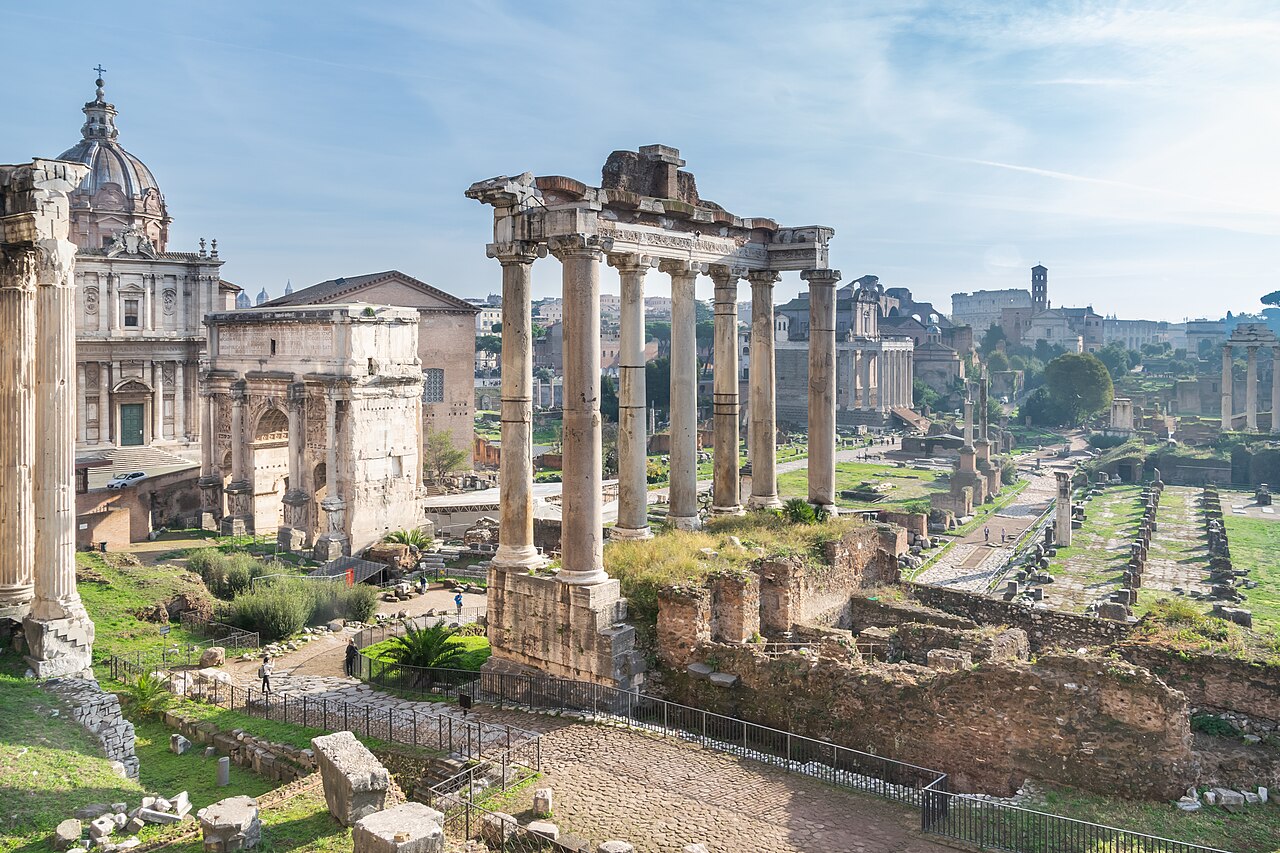
The Colosseum opened in AD 80 and held around 50,000 spectators for gladiator games and animal hunts. The same ticket covers the Roman Forum and the Palatine Hill next door, where you walk among temples, triumphal arches and the ruins of the imperial palaces. Tickets are timed and personal, so book well ahead and bring ID. Colosseum tickets and tours
St Peter's Basilica and the Vatican Museums
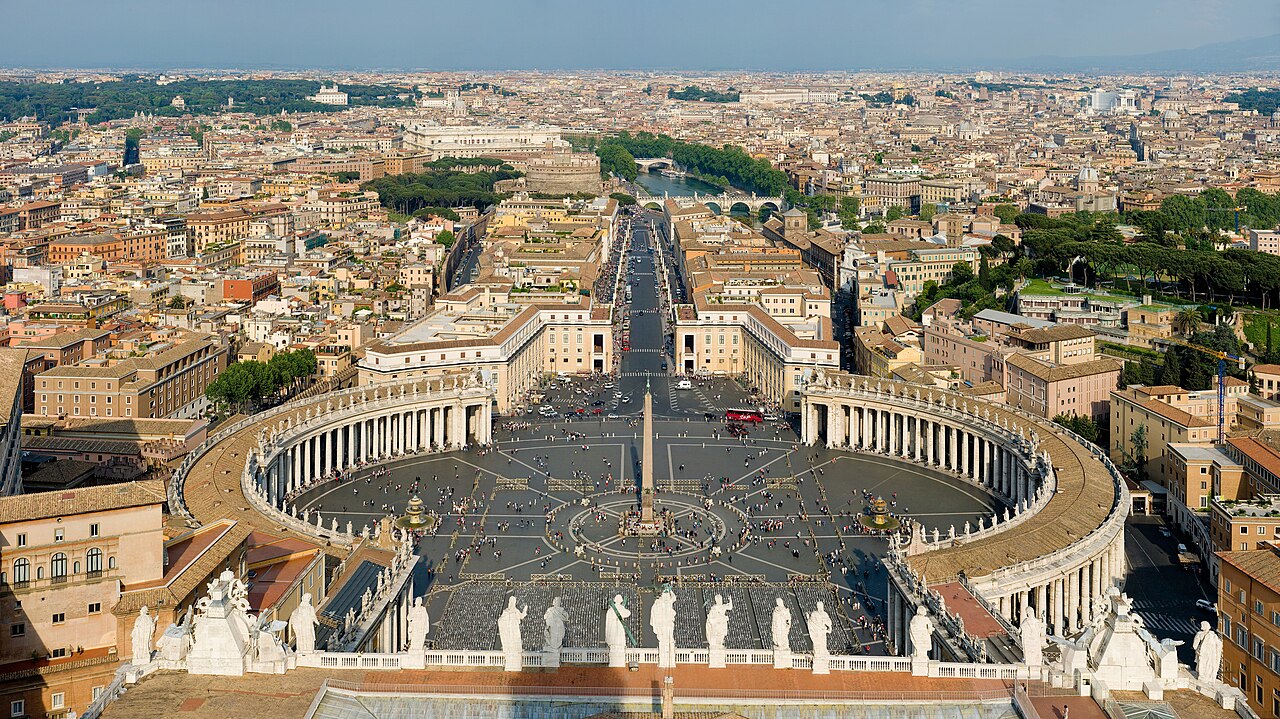
Vatican City is the world's smallest state. Entry to St Peter's Basilica is free, and you can climb Michelangelo's dome for the view over St Peter's Square and Rome. The Vatican Museums hold some of the world's finest art collections, ending with the Raphael Rooms and the ceiling of the Sistine Chapel. Book tickets in advance and dress so that your shoulders and knees are covered. Vatican Museums tickets and tours
Pantheon
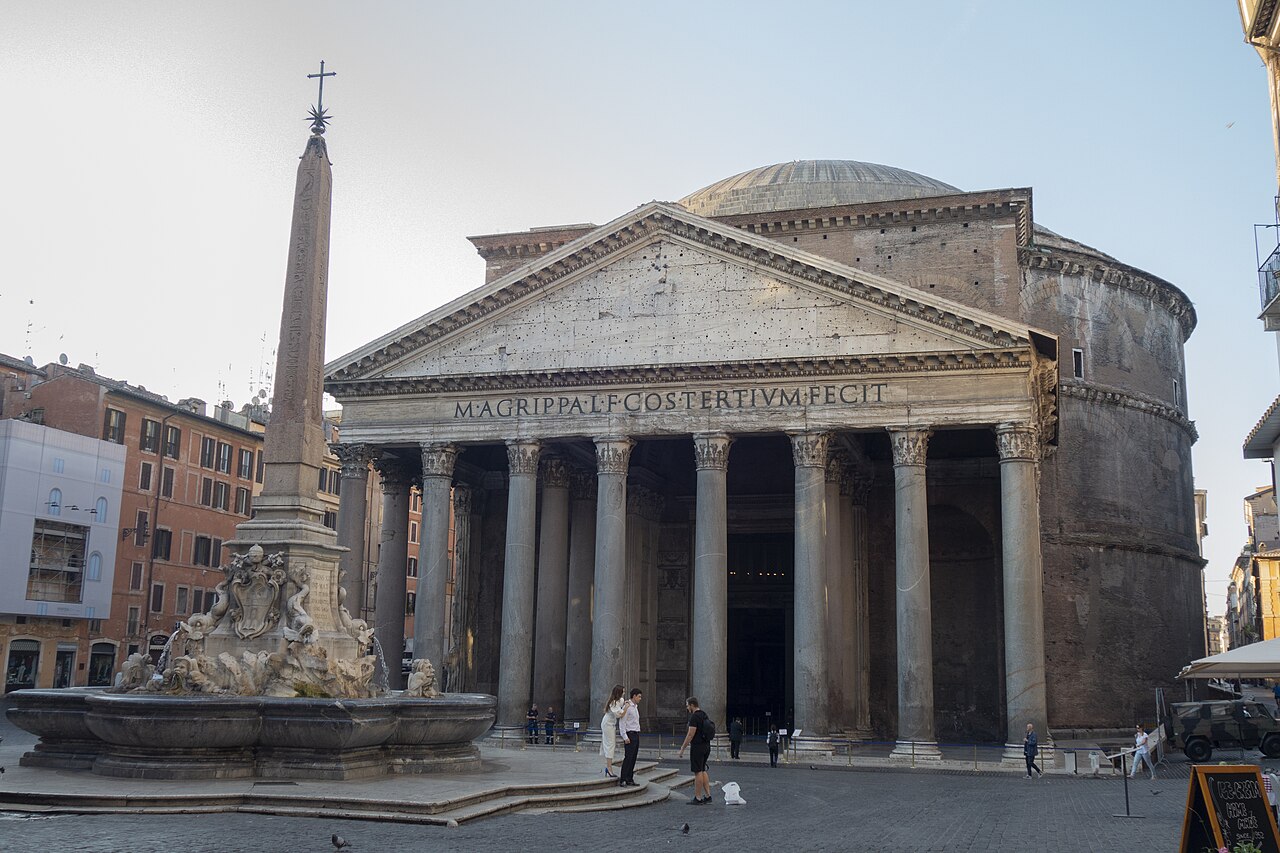
The temple took its present form under Emperor Hadrian in the 2nd century and is one of the best-preserved buildings of antiquity. Its dome is still the largest of unreinforced concrete in the world, and through the opening in the roof the sunlight, and sometimes the rain, falls straight in. The painter Raphael is buried here. Entry costs a few euros and is best booked in advance.
Worth knowing
Neighbourhoods
The centro storico, the historic centre in the bend of the Tiber, holds the Pantheon, Piazza Navona and Campo de' Fiori. Ancient Rome, with the Colosseum and the Roman Forum, lies south of Piazza Venezia. Monti, Rome's oldest district, has lanes of vintage shops and wine bars. Trastevere across the river is known for its nightlife, and Testaccio is a former working-class district with a market hall and classic Roman trattorias. Prati, near the Vatican, is a quiet residential area with wide streets, and the Aventine is a green hill of monasteries and villas.
Food & drink
Roman cooking is built on just a few ingredients. Try the four classic pasta dishes, carbonara, cacio e pepe, amatriciana and gricia, along with fried rice balls, supplì, and pizza al taglio, sold by the slice. In the old Jewish quarter they serve fried artichokes, carciofi alla giudia, and for breakfast Romans eat a maritozzo, a bun filled with whipped cream. Testaccio is known for traditional food, and the market on Campo de' Fiori runs in the mornings. Coffee is drunk standing at the bar, which is cheaper than at a table, and restaurants often add a small cover charge, coperto, per person.
Getting around
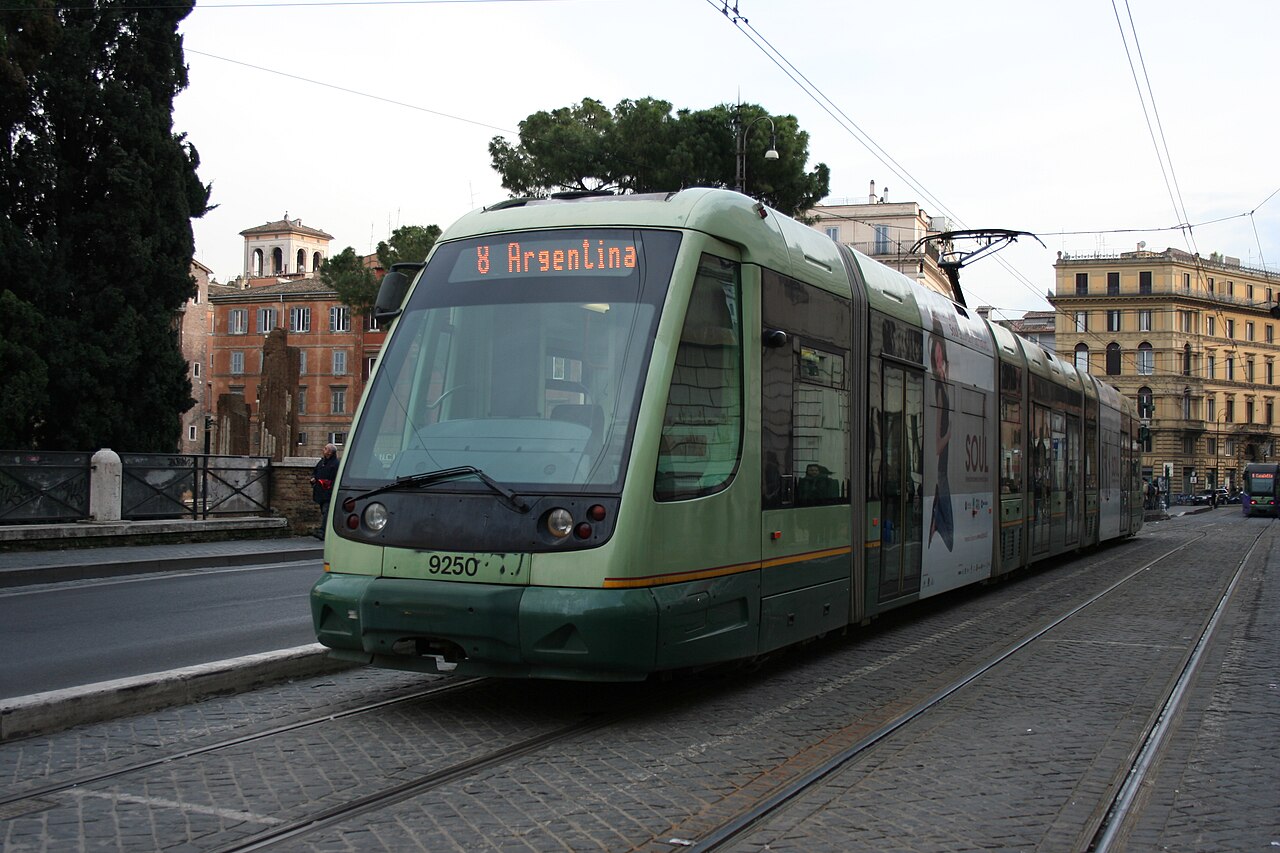
Most of central Rome is within walking distance, and the lanes are often the nicest way to get around. The metro has three lines, A, B and C, and since 2025 line C has a station at the Colosseum. Buses and trams cover the rest. ATAC tickets are valid for 100 minutes on buses and trams plus one metro ride, and you can tap your bank card right at the gate or on board. Day passes are also available. Take a taxi from a taxi rank or book one in an app.
Apps
The ATAC app sells tickets for buses, trams and the metro, and Google Maps or Moovit show departures. With the Trenitalia and Italo apps you buy train tickets, for example to Florence or Naples. Regular Uber barely exists in Rome, so book a taxi with itTaxi or FreeNow instead. Book tickets for the Colosseum, the Vatican Museums and the Galleria Borghese on their official websites.
Essentials
Italy uses the euro, and cards work almost everywhere, but carry some cash for small cafés and markets. EU roaming rules apply. In churches, and especially in St Peter's, shoulders and knees must be covered. Pickpocketing is common on the metro, on crowded buses and around the big sights. You can refill your water bottle at the city's free drinking fountains, the nasoni. State museums, including the Colosseum, are free on the first Sunday of the month, and the Vatican Museums on the last Sunday. Expect long queues then. Public transport strikes happen and are announced in advance.
Extra tips and advice
Book the Colosseum, the Vatican Museums and the Galleria Borghese as early as you can, especially in spring and summer. Visit the Trevi Fountain and the Spanish Steps early in the morning, before the crowds arrive. Many of Rome's churches are free and hold art by Caravaggio, Bernini and Michelangelo. Take it easy in the middle of the day in summer, as the Romans do, and head out again when it cools down. Don't eat at the restaurants closest to the sights; walk a couple of blocks away instead.
The Tiber and the Ponte Sant'Angelo with the dome of St Peter's behind
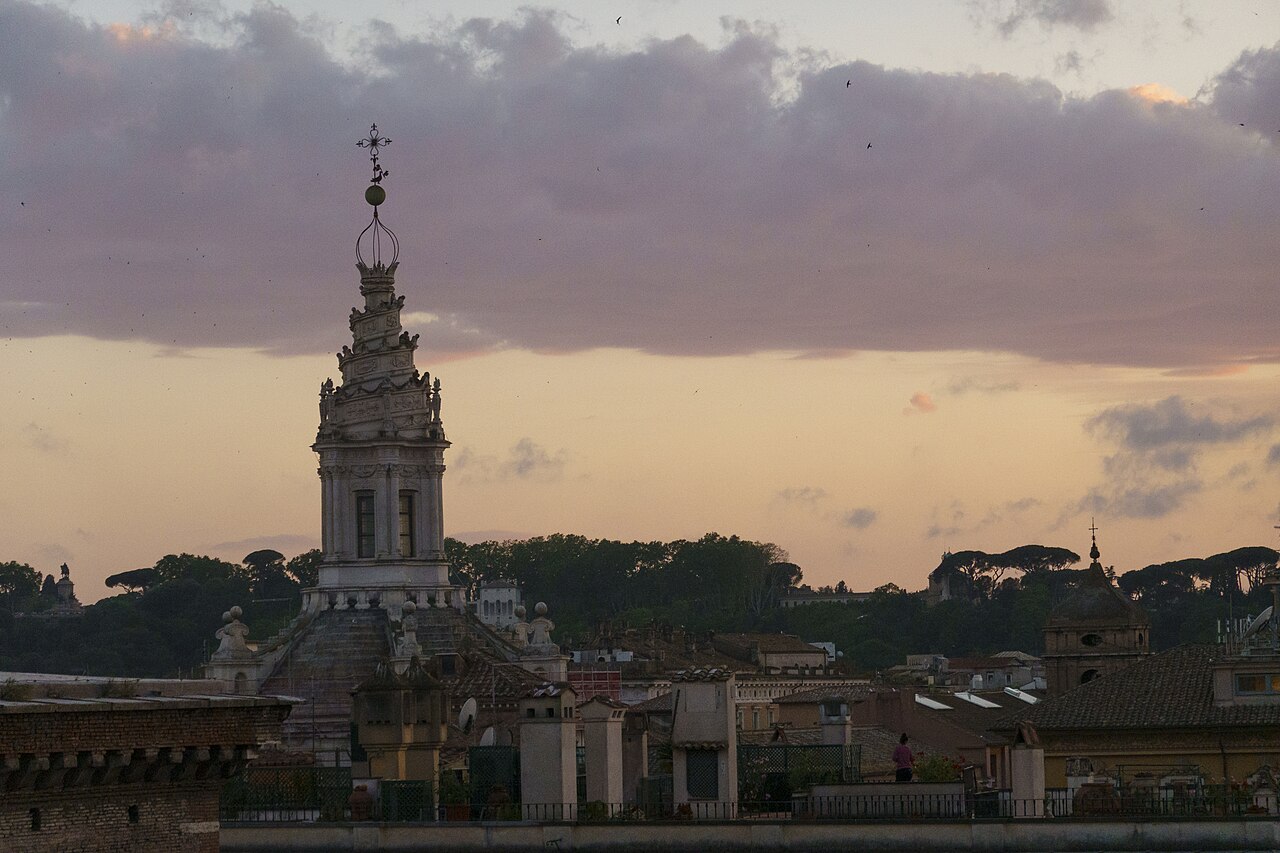
Rome's rooftops at dusk with the spiral tower of Sant'Ivo alla Sapienza