Knights' castles, white villages and sandy beaches in the Aegean sun.
Rhodes is the largest of the Greek Dodecanese islands and lies closer to the coast of Turkey than to the Greek mainland. The island has been a popular holiday destination for decades, and it's easy to see why. Sandy beaches, clear water and sunshine await from May to October, along with a history stretching back more than two thousand years.
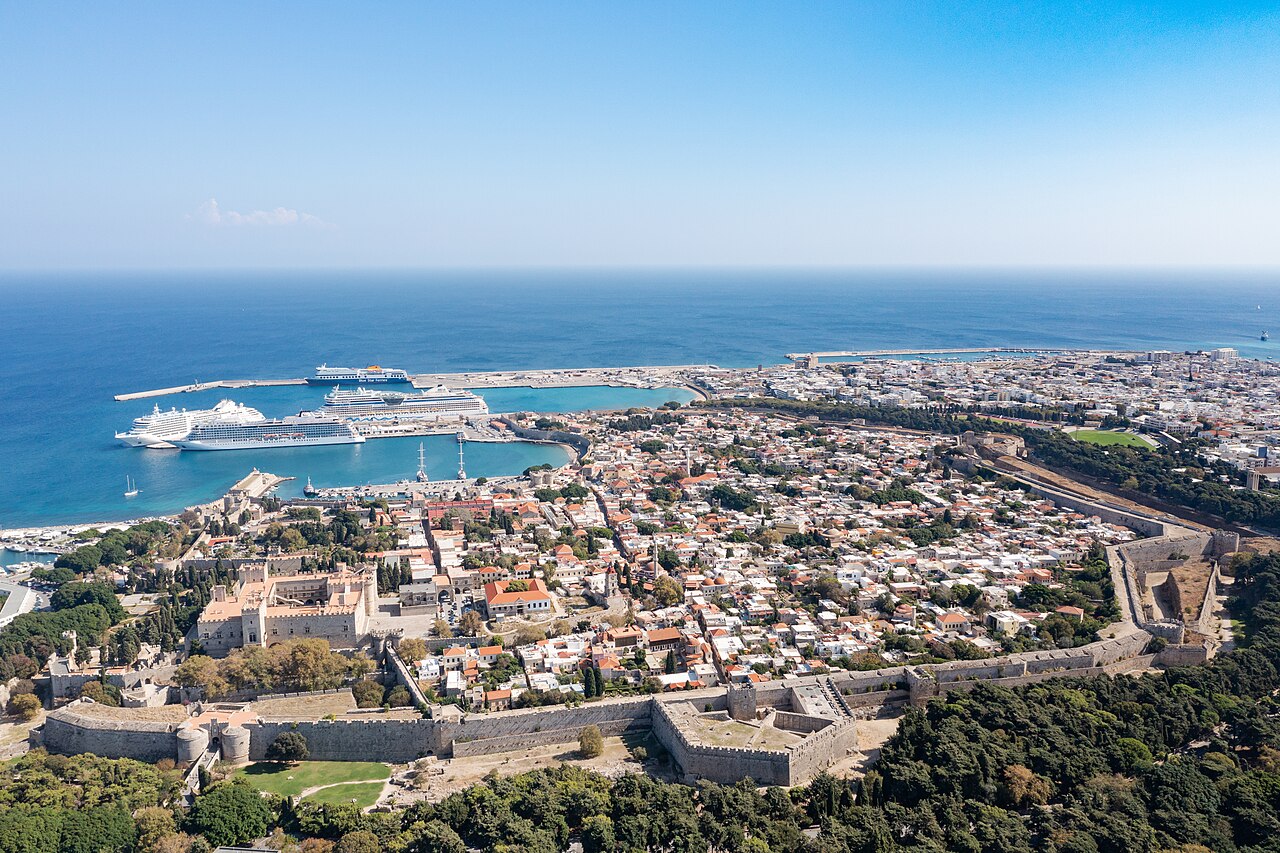
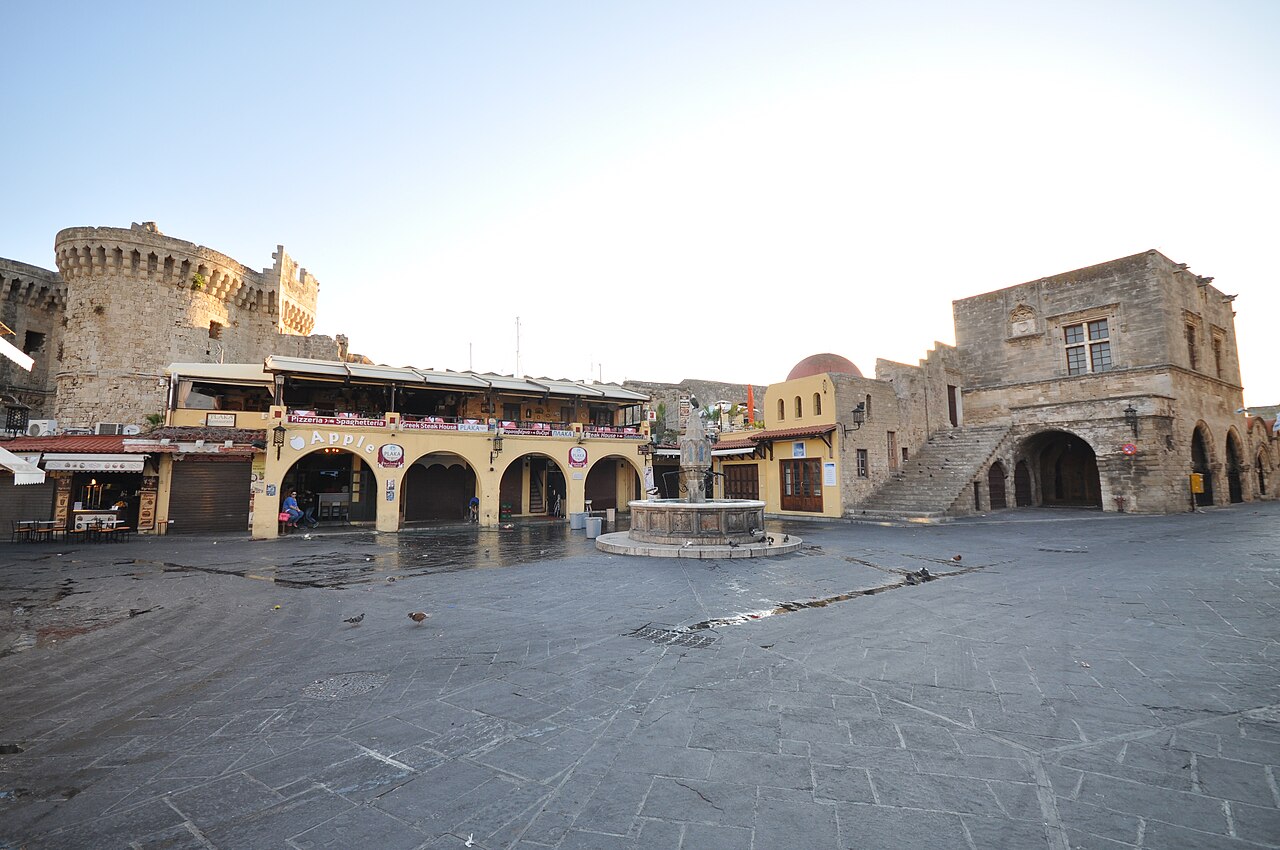
Rhodes Town has a medieval centre that is on UNESCO's World Heritage List. It was built by the Knights of St John, who ruled the island for more than two hundred years. Inside the mighty city walls you can stroll along the Street of the Knights, visit the Palace of the Grand Master and settle down on a square surrounded by mosques, churches and cafés. Just outside the walls lies Mandraki Harbour, where tradition says the famous Colossus once stood.
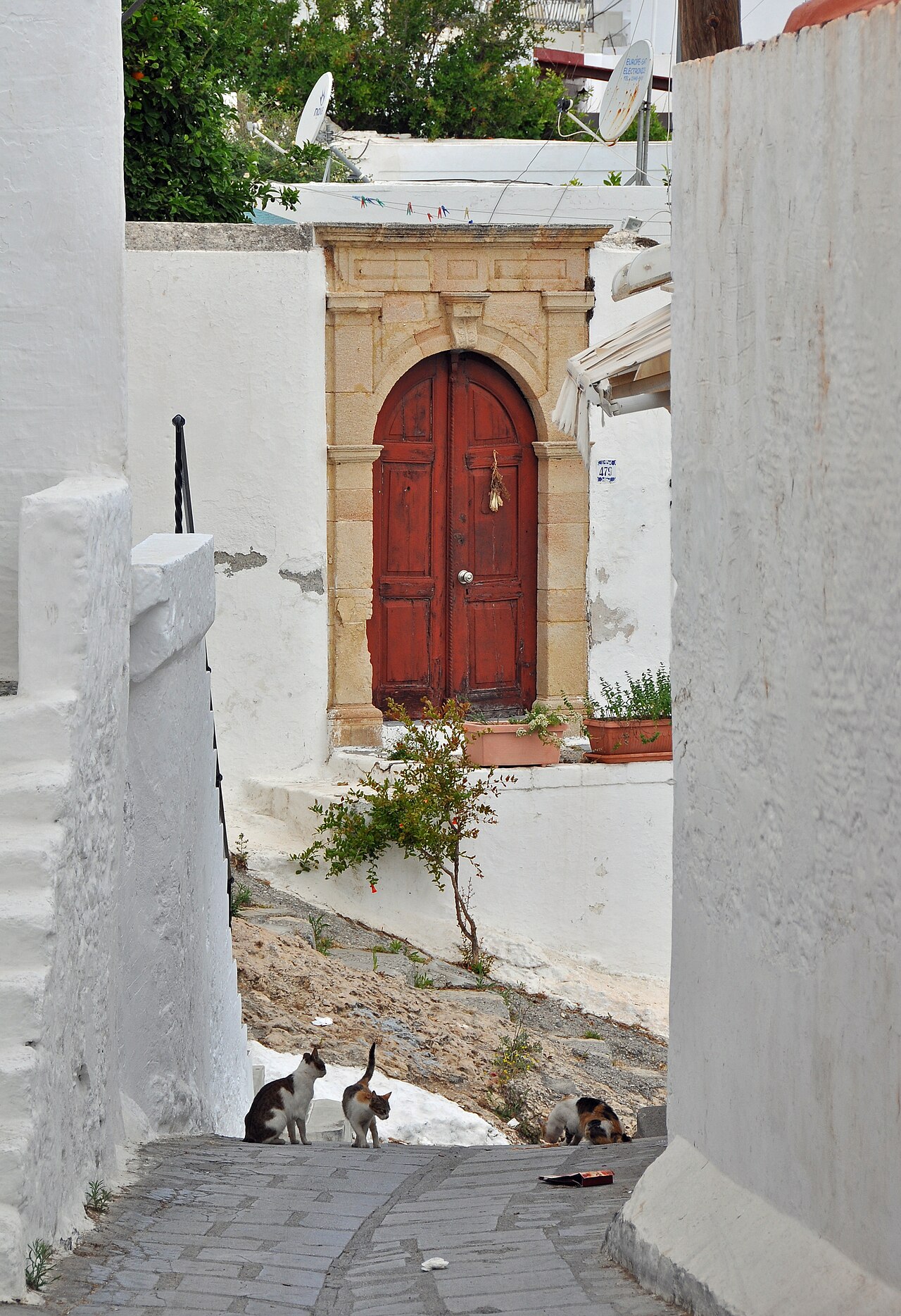
Most of the island's resorts and beaches are along the east coast. This is also where you'll find Lindos, a whitewashed village below an ancient acropolis. The west coast is windier and more barren, with the ancient ruined city of Kamiros and the castle of Monolithos, high up on a crag. At the southern tip, two seas meet at Prasonisi, a popular haunt for windsurfers and kitesurfers.
Rhodes suits a relaxing beach week with the family just as well as a trip full of history and excursions. Rent a car for a few days and discover the mountain villages inland, or take the boat to the neighbouring island of Symi. Early summer and September are especially good months to come here. The sea is warm then, while the heat and the crowds tend to be less overwhelming.
Things to do
A day trip to Symi
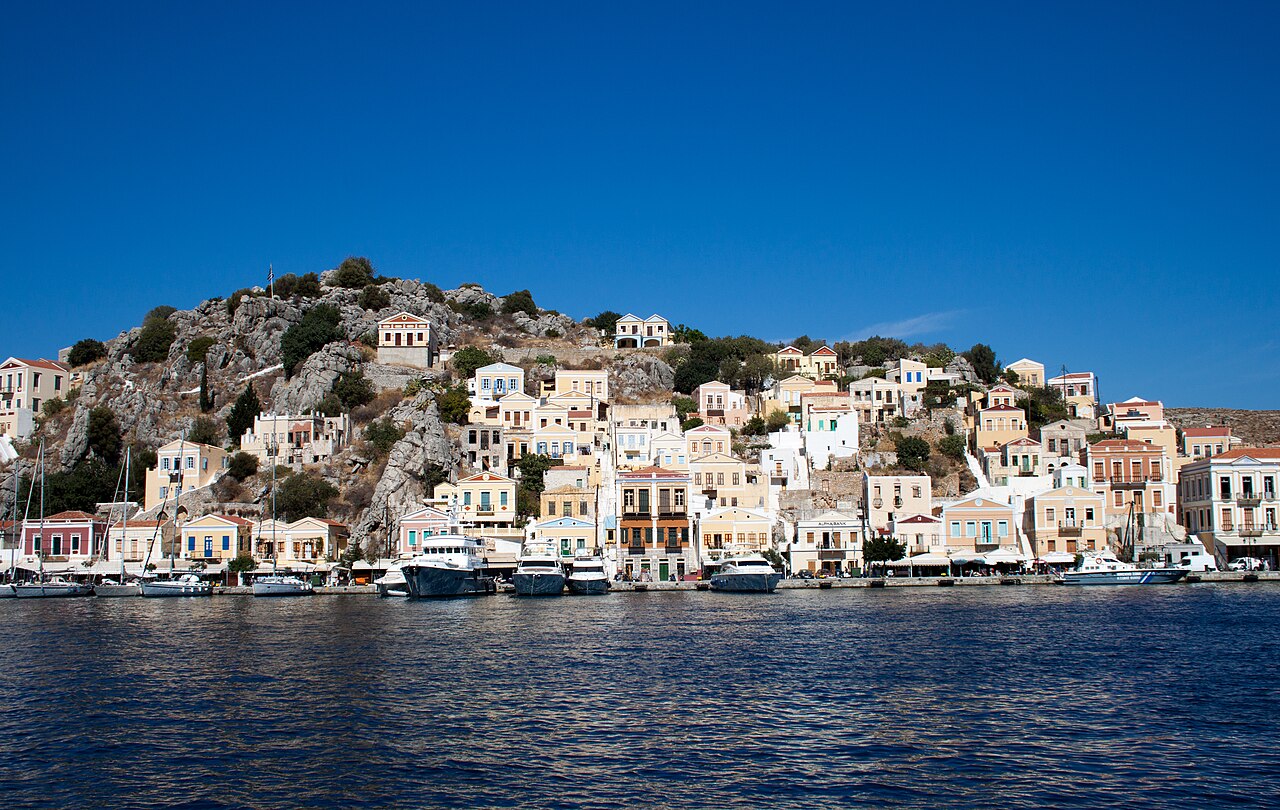
Fast boats take you from Rhodes Town to the neighbouring island of Symi in about an hour. The harbour is lined with colourful neoclassical captains' houses climbing up the hillside, and there's time for both a swim and lunch before the boat goes back.
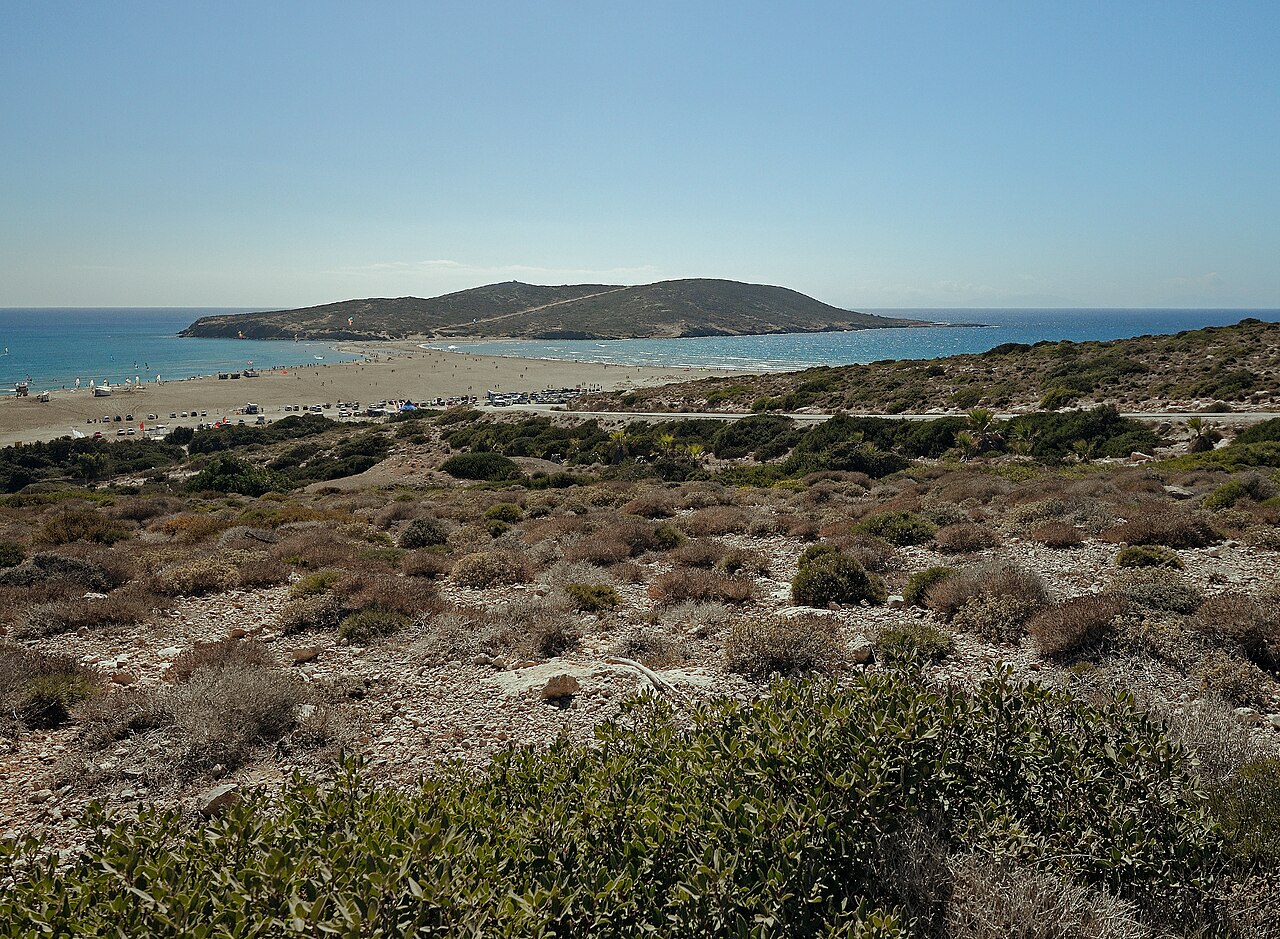
At the island's southern tip, a sandbar links the islet of Prasonisi to Rhodes, and it is often under water in winter. On one side the wind whips up waves, on the other the water is flatter, and surf schools rent out gear and give lessons.
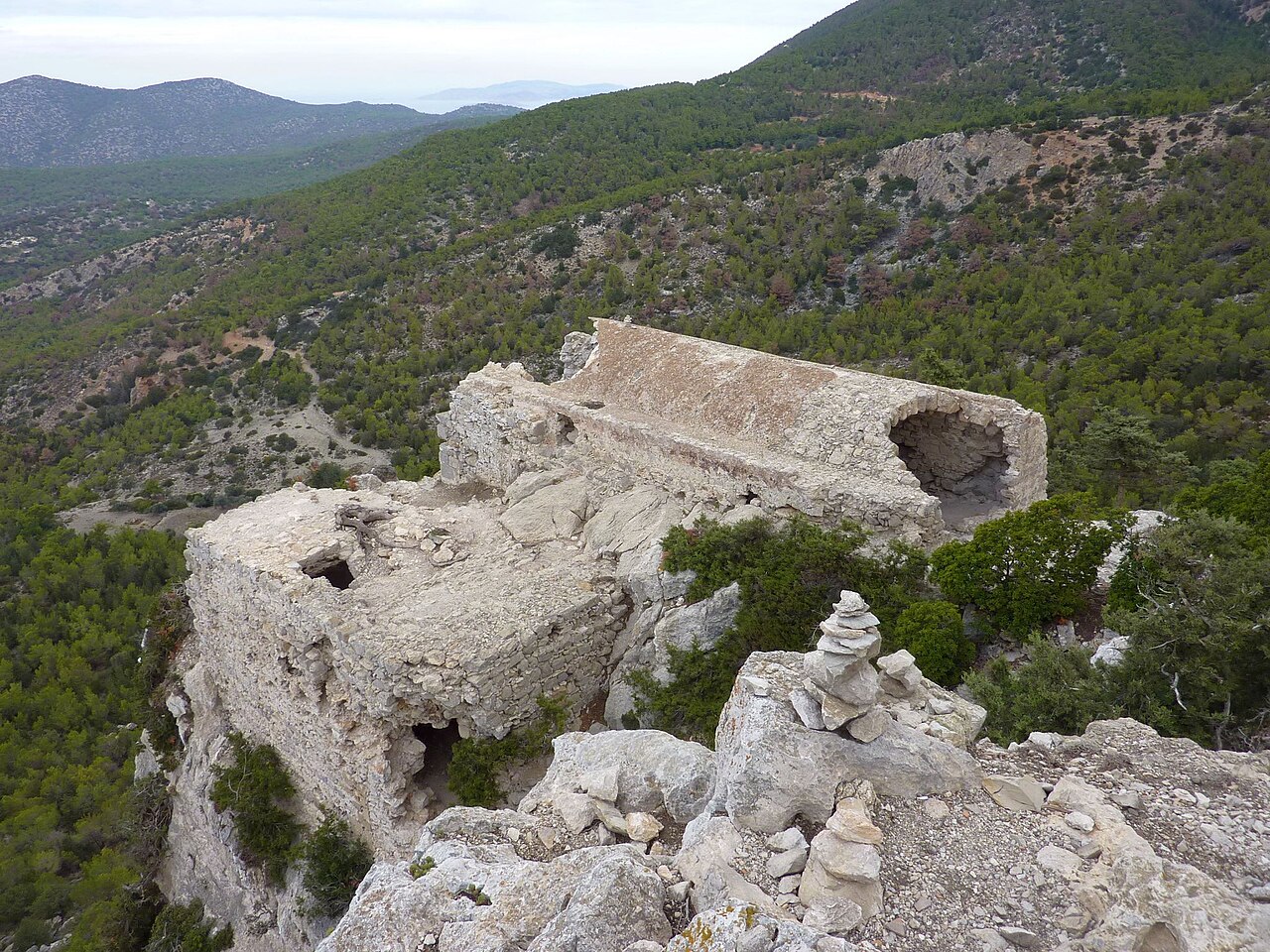
The knights' 15th-century castle stands on a high crag above the west coast. Climb up for the view over the sea, the forest and the neighbouring islands, and stay on for the sunset.
Hot, dry summers with sunshine almost every day, often above 30 °C in July and August, when the northerly meltemi wind brings some relief, especially on the west coast. Winters are mild but wetter, and the sea is warmest in August and September.
Current currency
€
Euro
1 EUR to SEK
The rate is updated every hour. Always check the current rate before you travel.
Find places to stay in Rhodes
Compare hotels and apartments on the map, with current prices.
The map loads from Stay22 only when you click. Stay22 may then set cookies and collect information about your browser. Privacy
Plan your trip
✈Flights to Rhodes
Rhodes International Airport Diagoras (RHO) is on the west coast, about 14 kilometres south-west of Rhodes Town. In summer there are direct flights from much of Europe, from both scheduled and charter airlines. Buses run to Rhodes Town in just over half an hour, and a taxi takes about 20 minutes. Ferries link Rhodes with Piraeus near Athens, with the other Dodecanese islands and with Marmaris in Turkey.
Check current departures and prices before you travel.
⌂Where to stay
Rhodes Town suits you if you want history, restaurants and buses in every direction. The old town has small hotels in old stone houses, and the new town has larger hotels near the beach. Faliraki is a lively resort with a long beach and plenty of nightlife, while Kolymbia, Lardos and Kiotari further south are quieter, with many large family hotels. Lindos is beautiful but expensive and crowded. Ixia and Ialysos on the west coast are close to the airport and windier, which surfers appreciate.
Expect your hotel to charge a climate resilience fee per room per night, which varies with the season and the number of stars.
The big and the small
Selected sights
The Palace of the Grand Master
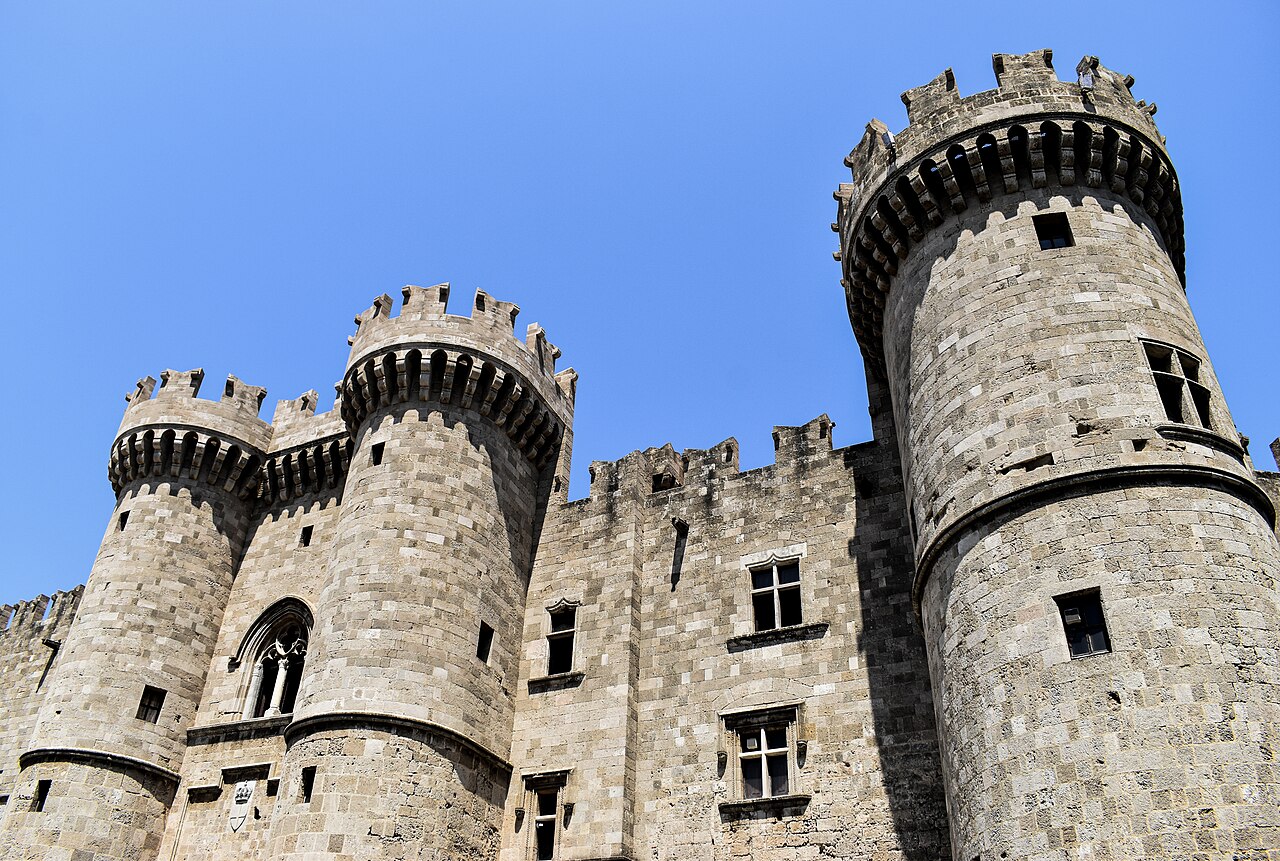
The palace of the Order of St John at the top of the old town was destroyed by a gunpowder explosion in 1856 and rebuilt in the late 1930s, when Italy ruled the island. The rebuilding took liberties with the original, but the façade with its round towers and the halls with ancient floor mosaics are impressive. Today the palace houses a museum. Tickets and old town guided tours
The Street of the Knights
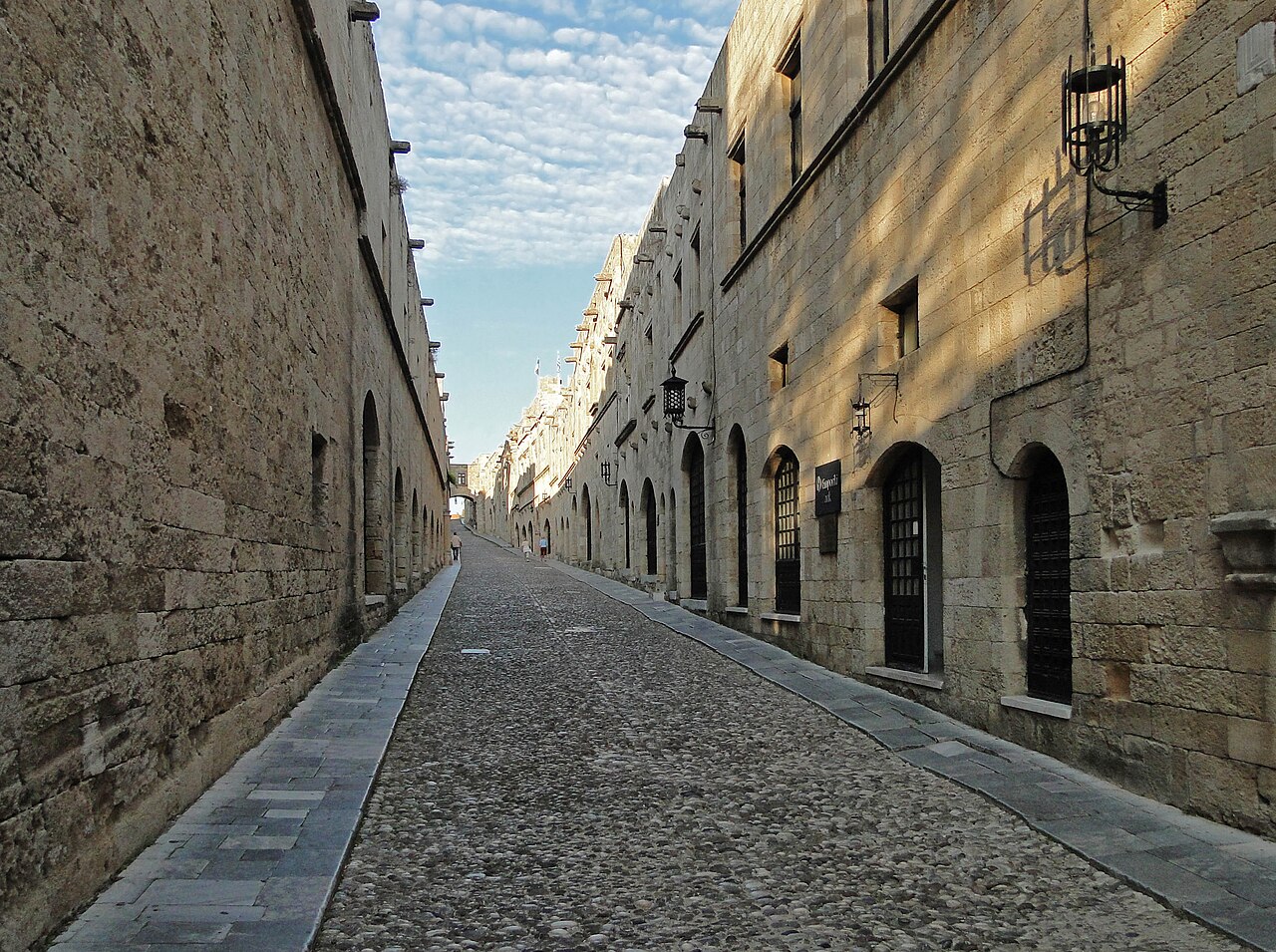
The cobbled street leads up to the Palace of the Grand Master and is lined with the inns where the knights lived, grouped by language and origin. Coats of arms from the knights' era still hang on the façades. The street is at its loveliest early in the morning, before the shops and crowds take over the old town.
Mandraki Harbour
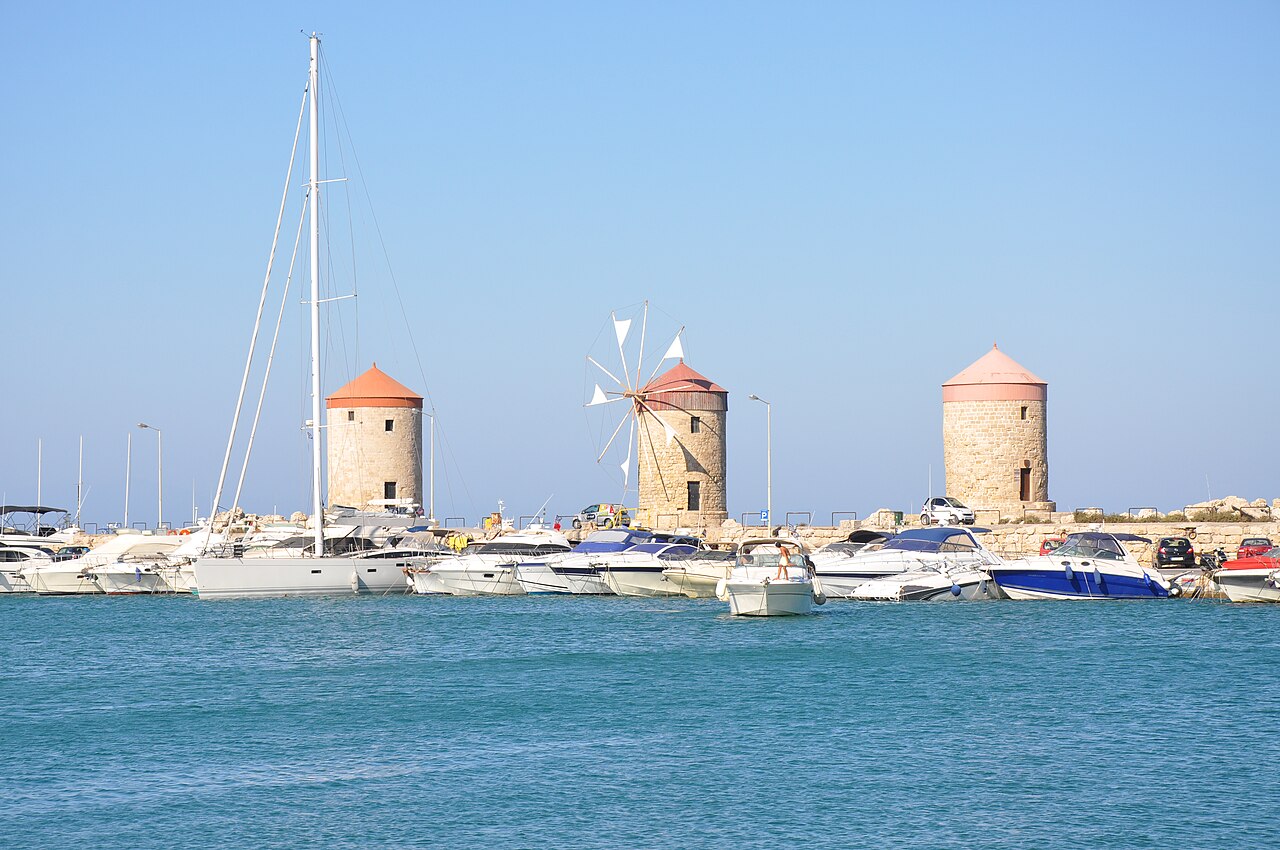
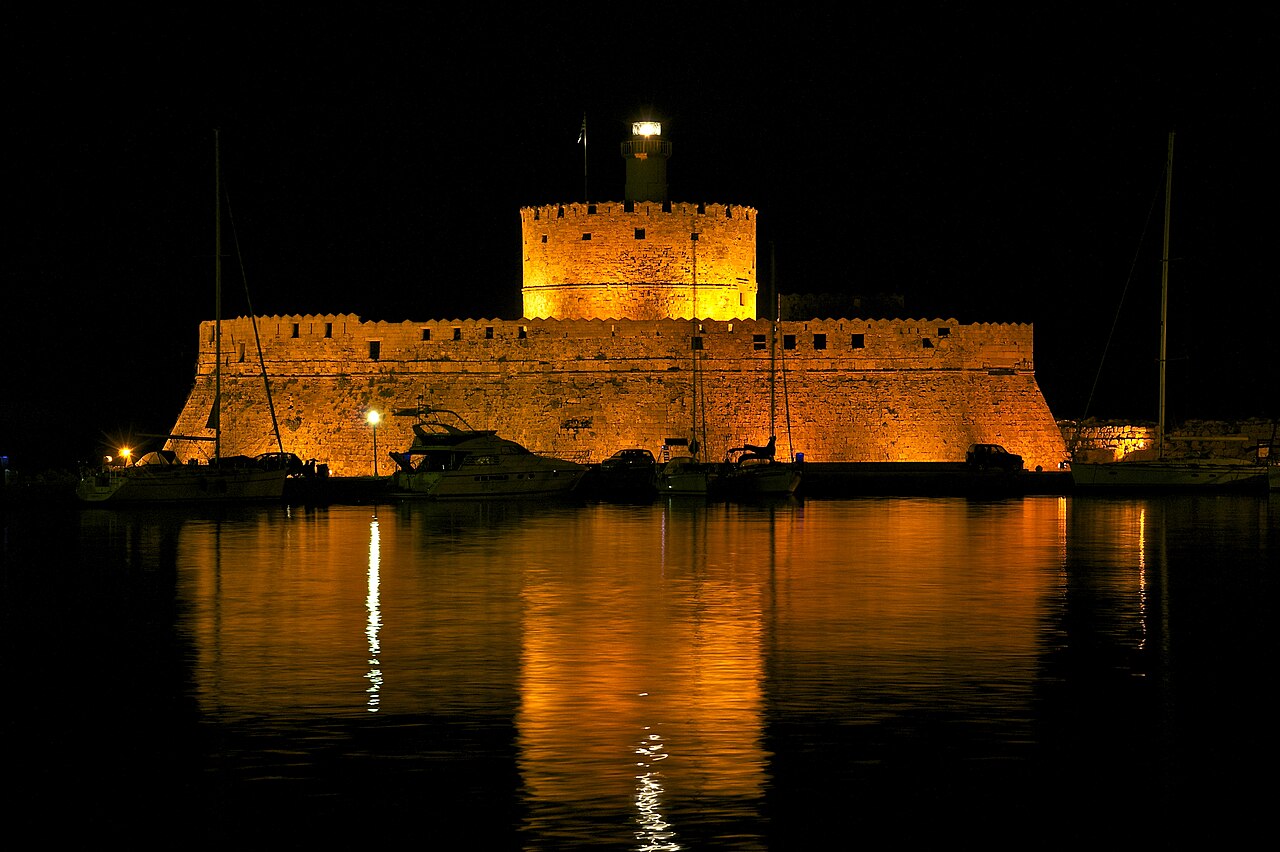
The old harbour lies just outside the walls of the old town. At its mouth two bronze deer stand on columns, near the spot where tradition says the Colossus of Rhodes stood, and along the pier are three windmills and the knights' Fort of St Nicholas. Excursion boats along the coast leave from here.
Kamiros
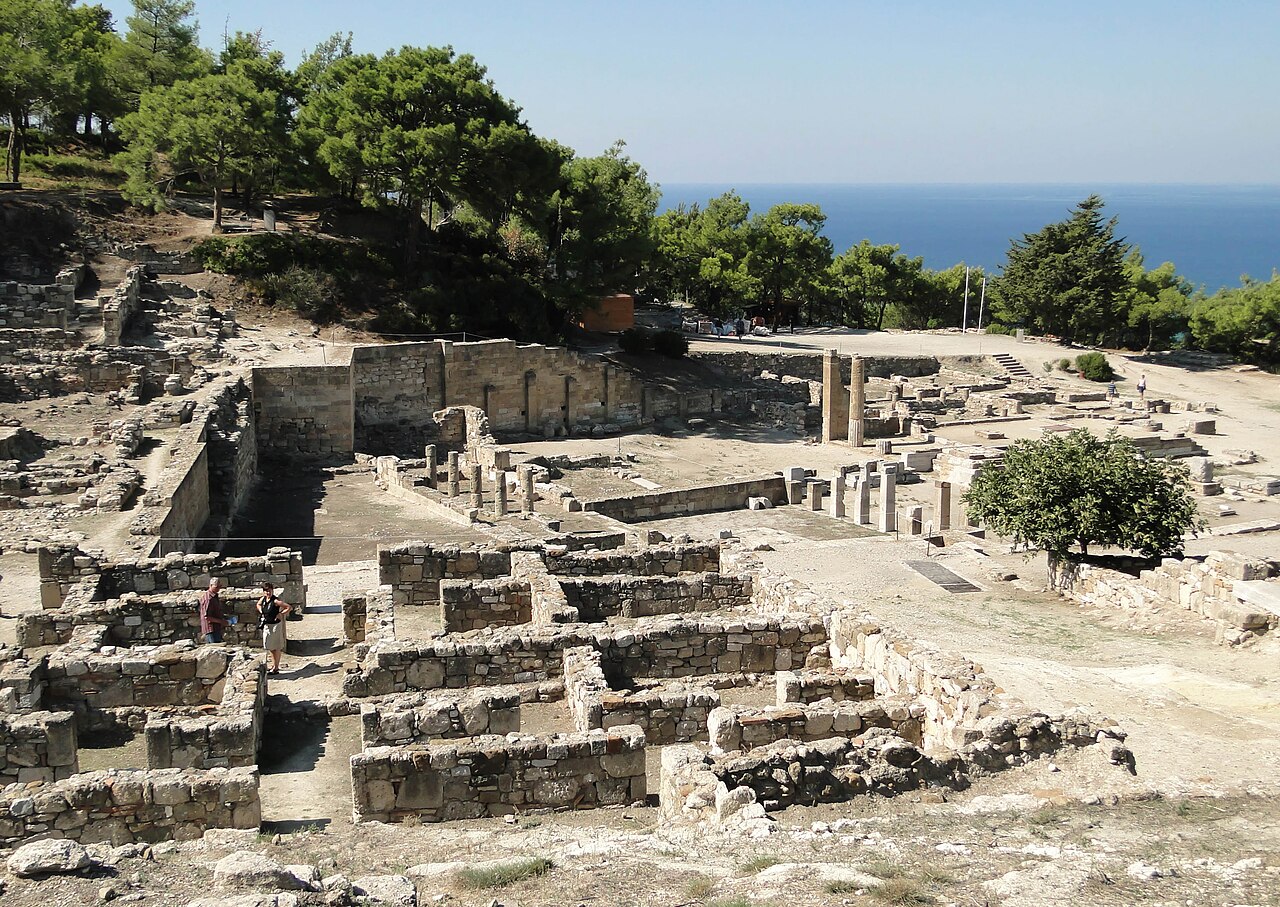
The ruins of one of the island's three ancient city-states lie on a slope running down to the west coast. You walk along the old main street, past houses, temples and a large cistern, with the sea behind. The city was struck by severe earthquakes and eventually abandoned, which makes its layout unusually easy to read.
The Valley of the Butterflies
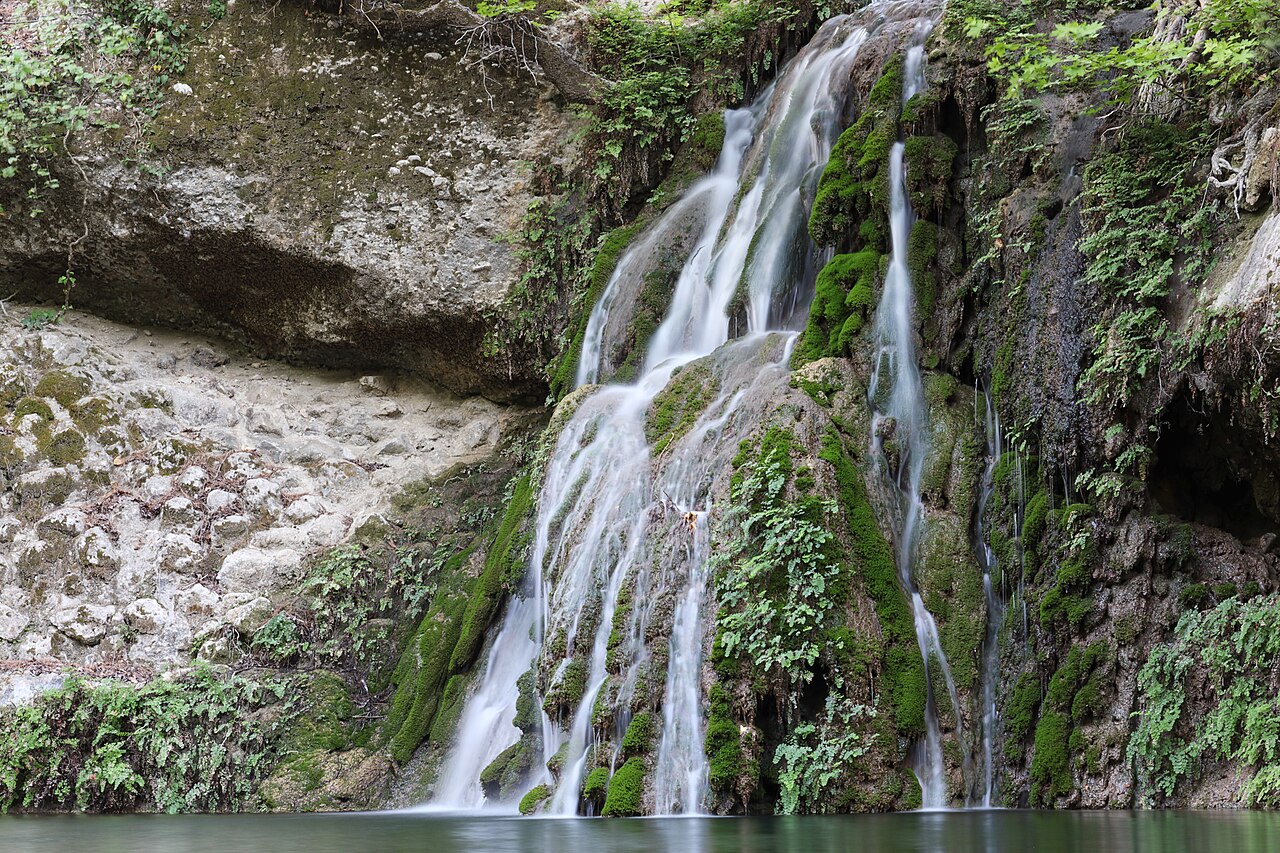
In the Petaloudes valley inland, a path winds along a stream past small waterfalls and pools in the shade of sweetgum trees. In summer, mainly from June to September, thousands of Jersey tiger moths gather on the trunks. Keep quiet and don't clap, as the moths are easily disturbed.
Rhodes Old Town
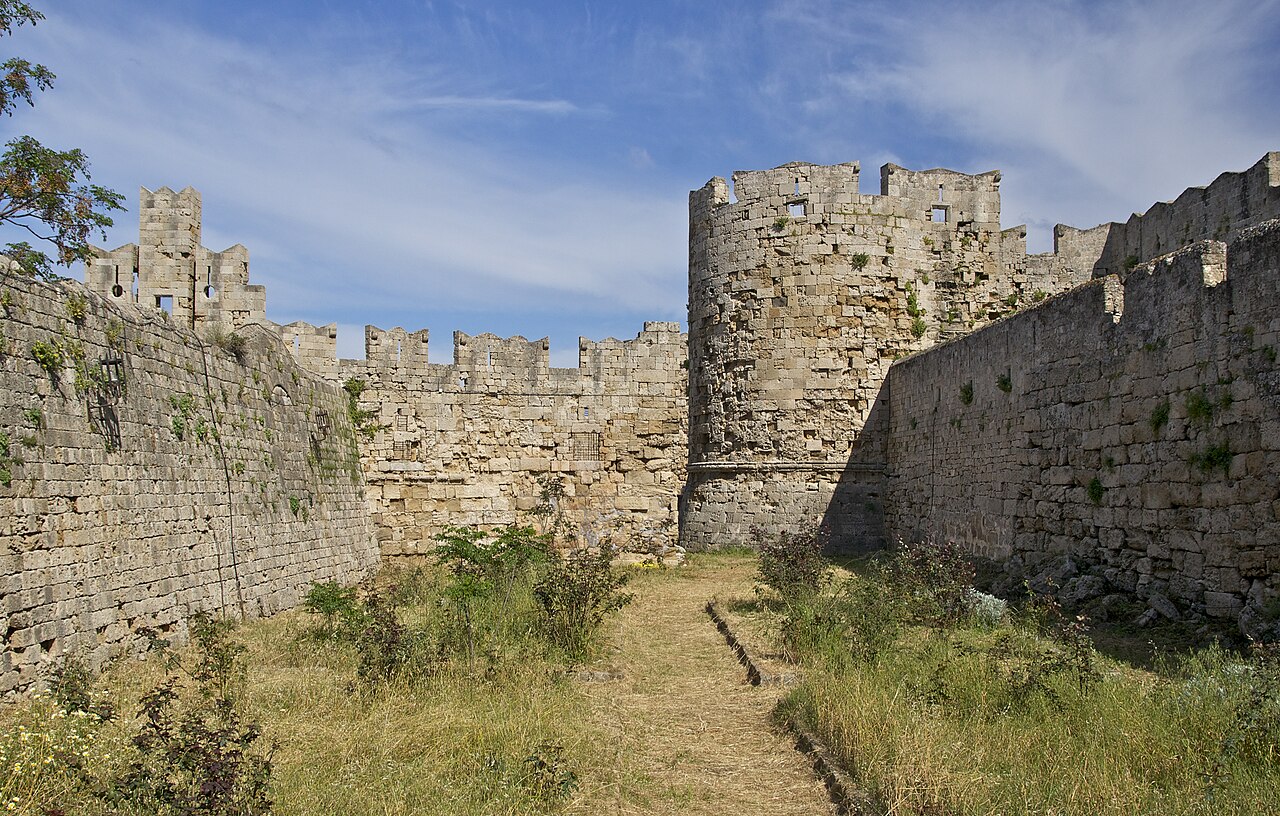
The Knights of St John ruled Rhodes from 1309 to 1522 and built the walls, gates and moats that still surround the old town. It has been on UNESCO's World Heritage List since 1988 but is no museum: thousands of people live here among mosques, churches, cafés and shops. Wander the lanes in the evening, once the day-trippers have left.
Lindos and its acropolis
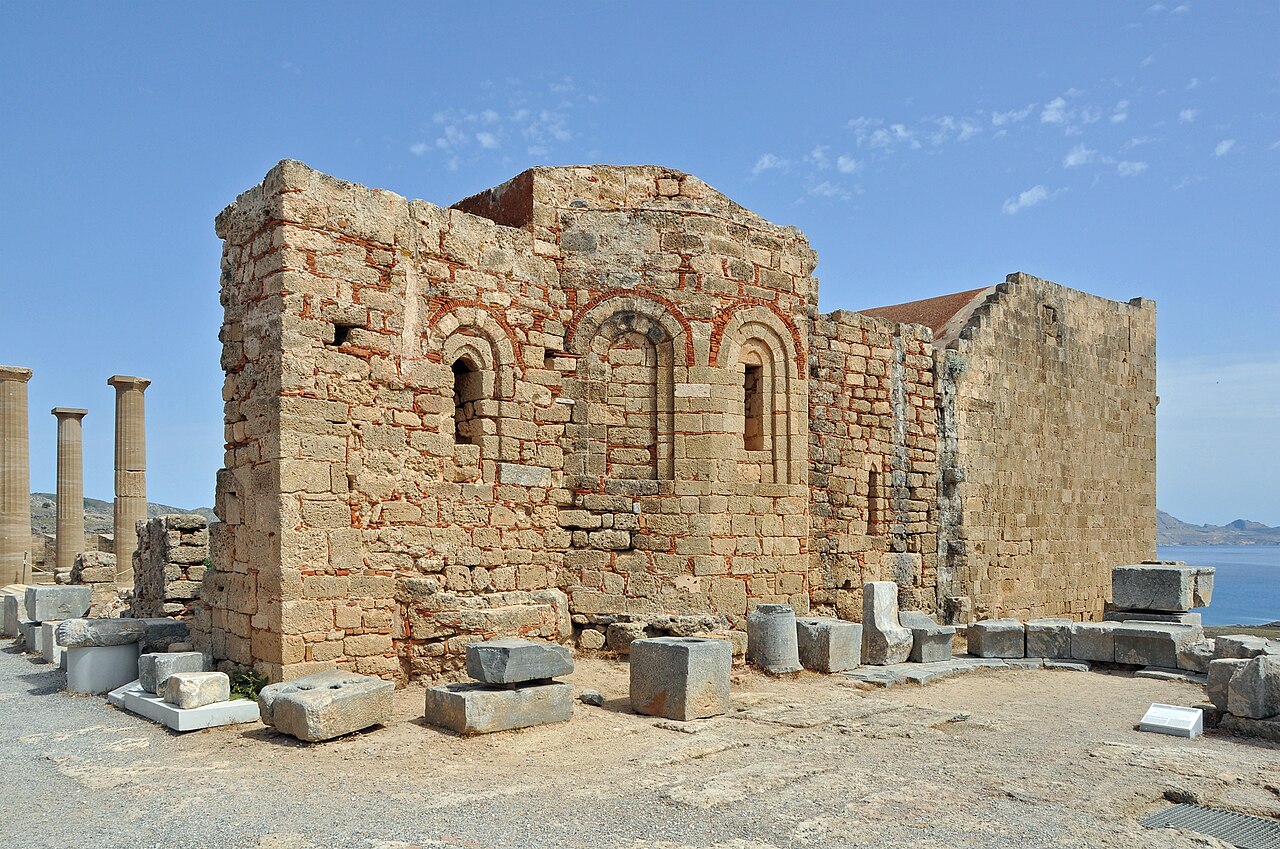
The white village lies on the east coast, about 50 kilometres south of Rhodes Town, below a crag topped by an acropolis. Up there the ancient Temple of Athena Lindia stands inside the knights' walls, looking out over the sea and St Paul's Bay, where tradition says the apostle Paul came ashore. Climb up early in the morning before the heat and the coaches arrive, then stroll the village lanes among old captains' houses. Lindos trips and tours
The east coast beaches
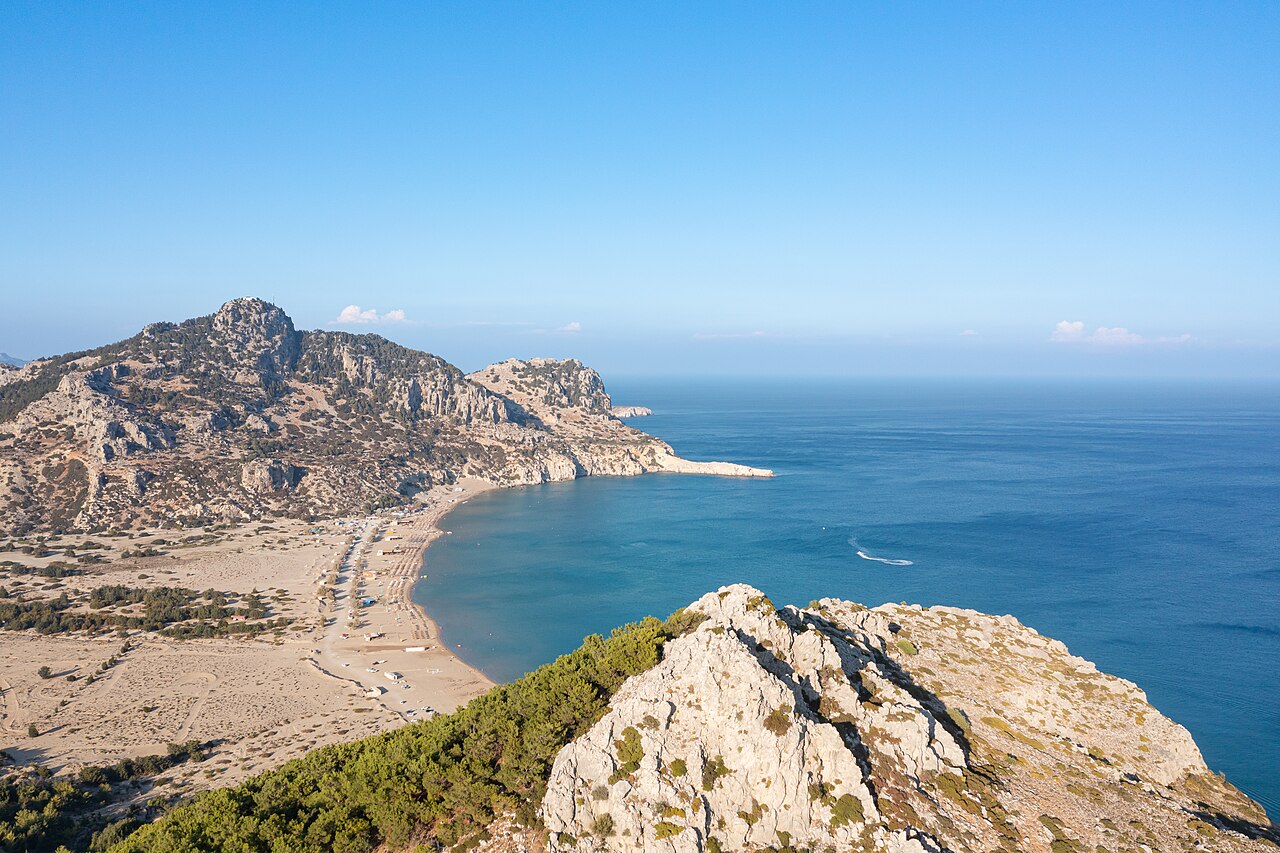
The east coast has calmer water than the west and many of the island's finest beaches. Tsambika is a long sandy beach below a monastery on a hilltop, and Anthony Quinn Bay is a small cove with clear water, named after the actor who was here when The Guns of Navarone was filmed on the island in 1960. Further south the beaches grow longer and quieter.
Worth knowing
Around the island
Rhodes Town on the northern tip of the island is made up of the medieval old town inside the walls and the new town around Mandraki Harbour, with shopping streets, the market hall and Elli, the town beach. The east coast, from Kallithea and Faliraki down to Lindos and Lardos, has most of the resorts and the calmest water. The west coast is windier and more thinly populated, with Kamiros, Monolithos and the wine village of Embonas at the foot of Attavyros, the island's highest mountain. Heading south, the island grows ever quieter, all the way down to Prasonisi.
Food & drink
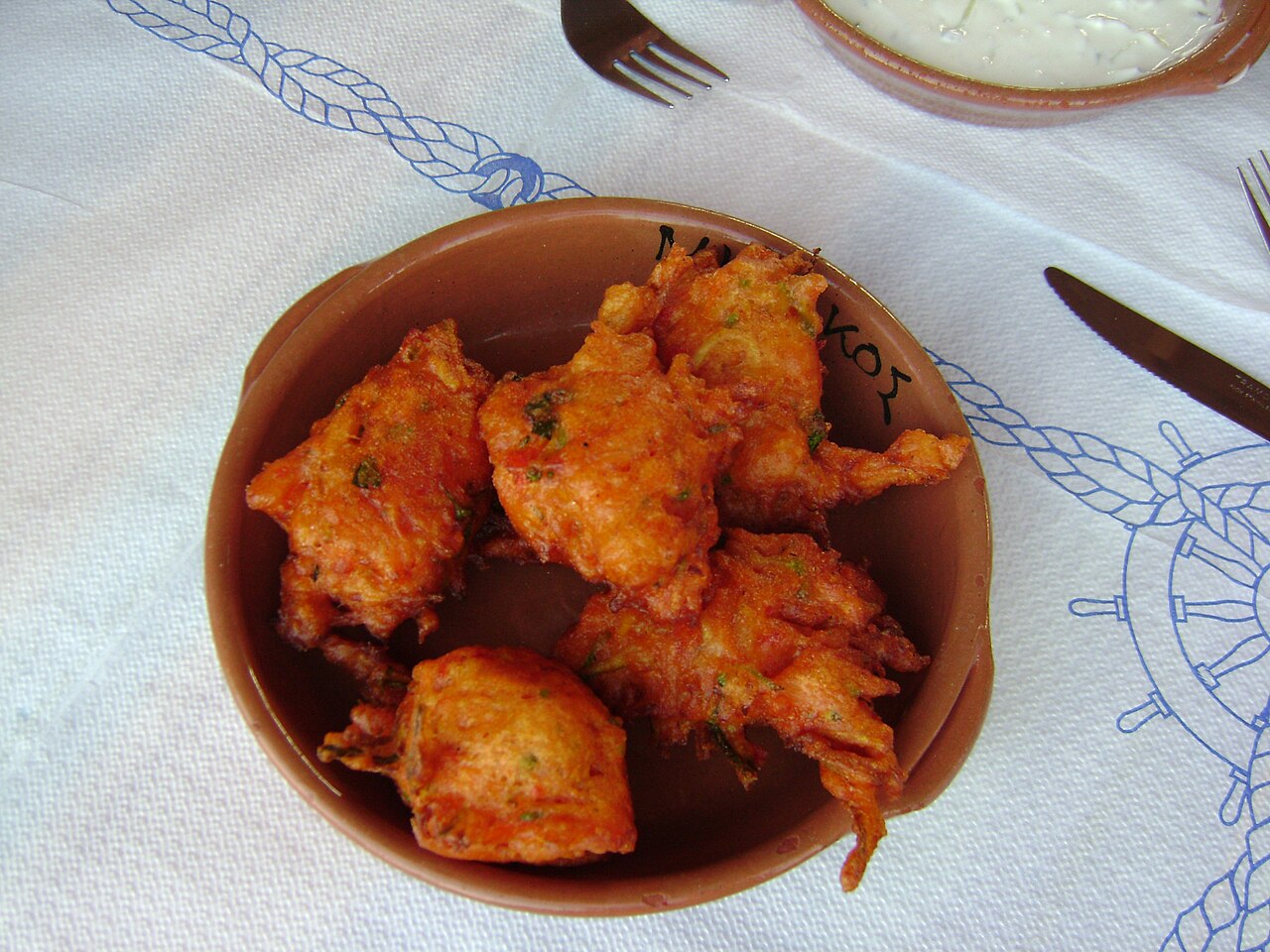
Greek classics such as souvlaki, moussaka, Greek salad and grilled fish are everywhere, and a meze, several small dishes to share, is a good way to try a bit of everything. The island's own speciality is pitaroudia, fried patties of chickpeas with tomato, onion and mint. Melekouni, a bar of sesame seeds and honey, is traditionally served at weddings. Local wines come from the village of Embonas, and souma is the island's own grape spirit. The best tavernas are often away from the tourist strips, in the villages and by the fishing harbours.
Getting around
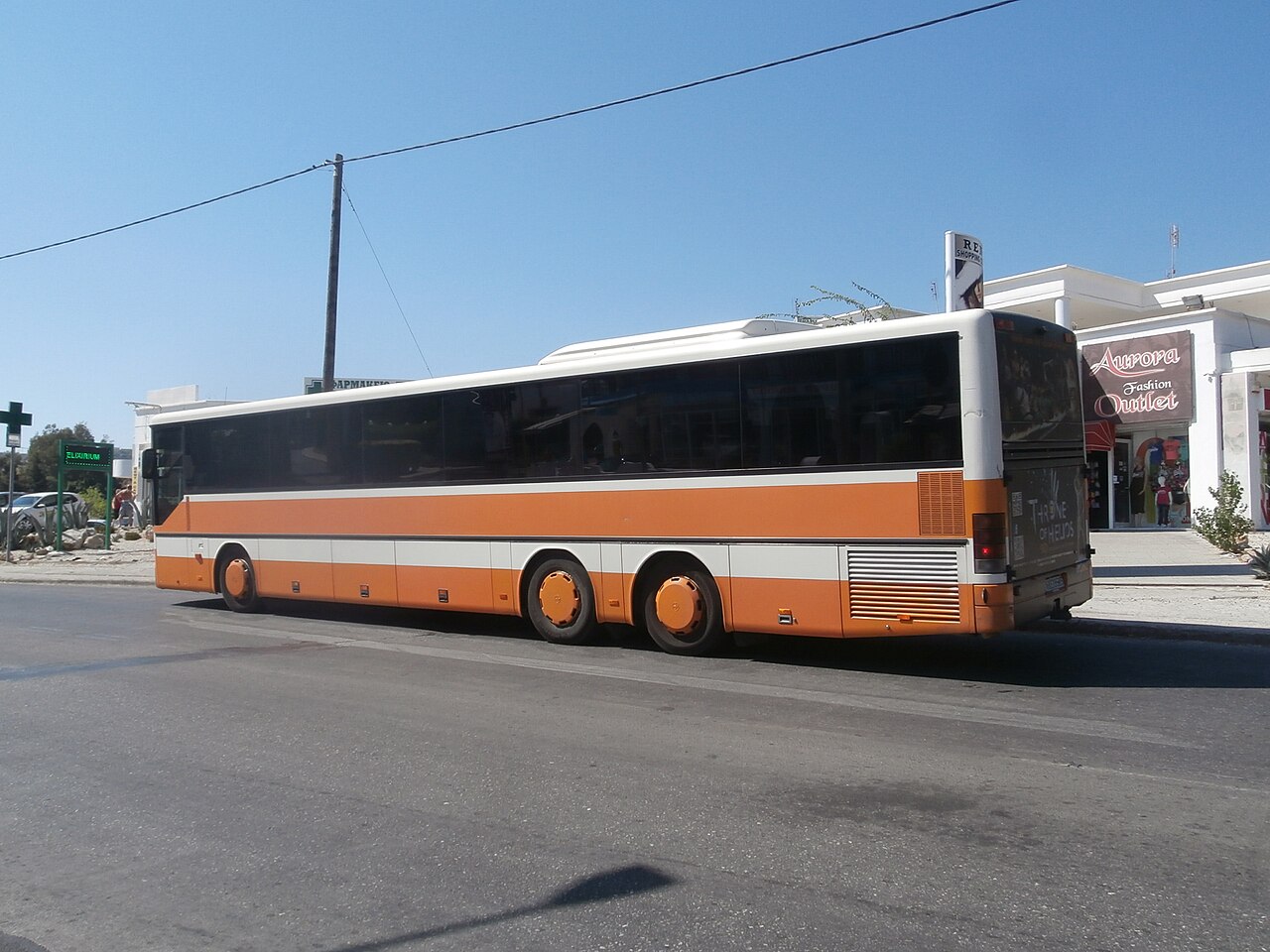
Buses run from Rhodes Town to most places. KTEL covers the east coast, including Faliraki and Lindos, and RODA runs in town, to the airport and along the west coast. Both companies have their stops near the market hall in the new town. Buses run often along the coasts but rarely to the inland villages, so a rental car is the best way to explore the island. The roads are good but narrow and winding in the mountains. Explore the old town on foot, and taxis are available in all larger towns.
Apps
Google Maps works well for driving and shows many of the bus routes, but check the KTEL and RODA timetables, as they change with the season. Ferryhopper shows boats to Symi and the other islands and sells tickets. Entry to the state archaeological sites, such as the Acropolis of Lindos and the Palace of the Grand Master, can be bought online in advance.
Essentials
Greece uses the euro, and cards work in most places, but carry cash for small tavernas, kiosks and sunbeds. EU roaming rules apply. Toilet paper often goes in the bin rather than the toilet, as the drains are narrow. Dress so that your shoulders and knees are covered when visiting monasteries and churches. In summer the fire risk is high, and during wildfires the authorities send 112 alerts to every phone in the area. Follow them carefully.
Extra tips and advice
Visit the Acropolis of Lindos and Rhodes Old Town early in the morning or late in the afternoon, when it's cooler and there are fewer cruise passengers. Rent a car for a few days and drive around the island, stopping in mountain villages such as Embonas and Siana. Bring water shoes for the pebbly beaches and for the tunnel at Epta Piges. The west coast is often windy, so pick the east coast for calm beach days. Book the boat to Symi a day ahead in high season.
The dry moat and the walls around Rhodes Old Town
The Fort of St Nicholas at the mouth of Mandraki Harbour at night