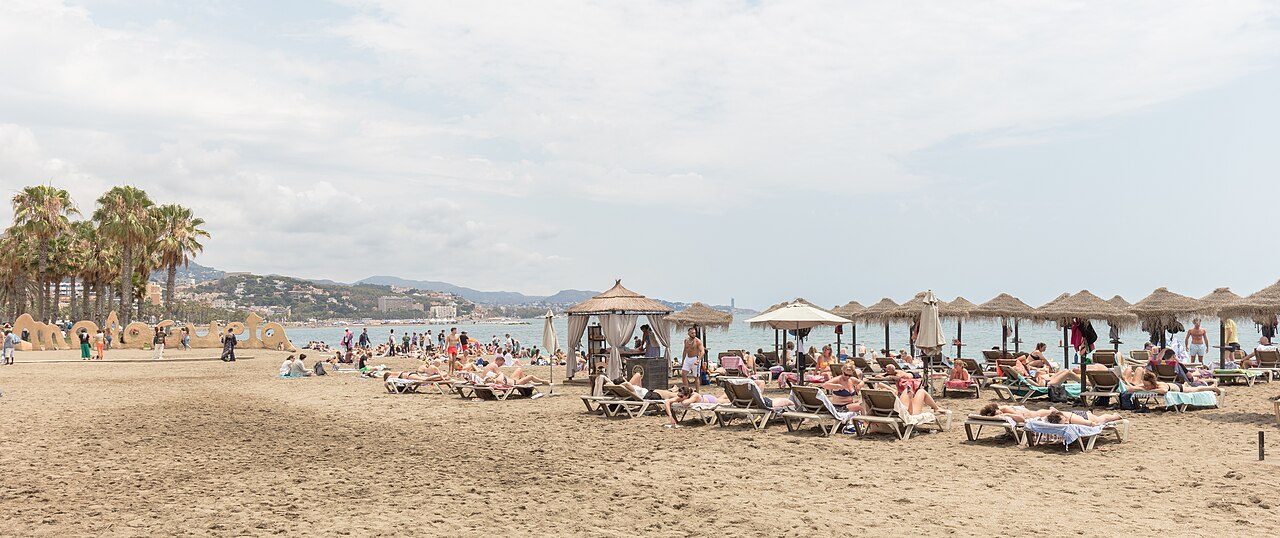
Beach life
Go for a swim at Malagueta near the centre, or carry on east to the old fishing quarters of Pedregalejo and El Palo.
See tours and pricesHeart of the Costa del Sol · Spain
Your guide to Málaga
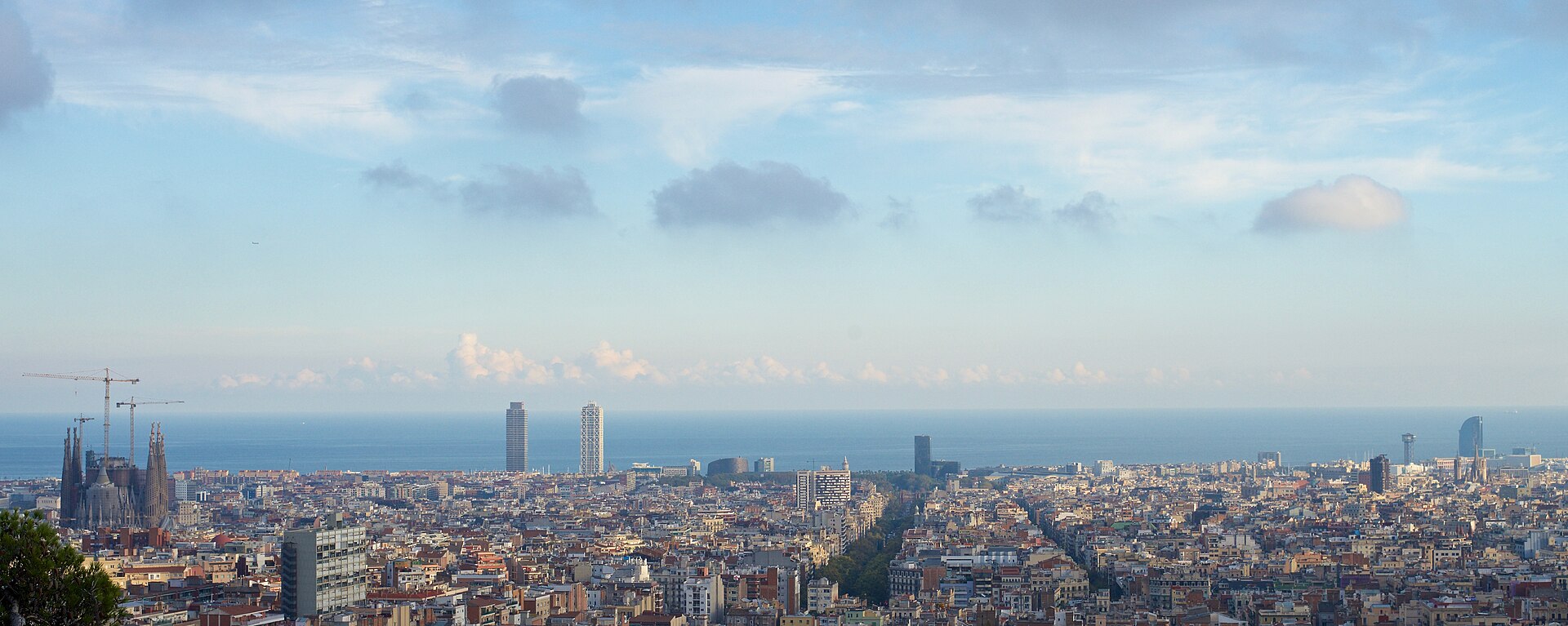
Málaga is one of Europe's oldest cities, with roots reaching back almost 3,000 years to the time of the Phoenicians, and today the lively capital of the Costa del Sol. The Moorish Alcazaba fortress and a Roman theatre sit side by side in the heart of the historic centre, and from Gibralfaro you look out over the harbour and the Mediterranean. Picasso was born here, and the city has grown into one of Spain's most exciting cities for museums. Malagueta beach is within easy walking distance of the centre, and when evening comes, tapas bars, sweet Málaga wine and the bustle of Calle Larios and the surrounding streets draw you in.
Popular right now
Go for a swim at Malagueta near the centre, or carry on east to the old fishing quarters of Pedregalejo and El Palo.
See tours and prices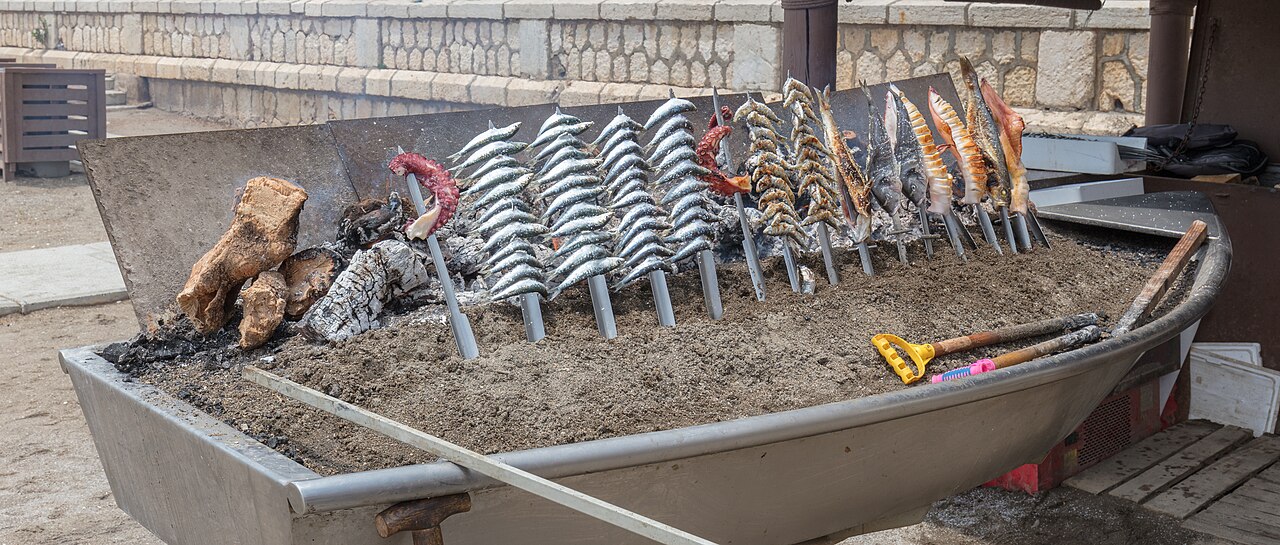
Try espetos, sardines grilled on skewers over embers in old boats on the beach, then move on to the tapas bars of the old town.
See tours and prices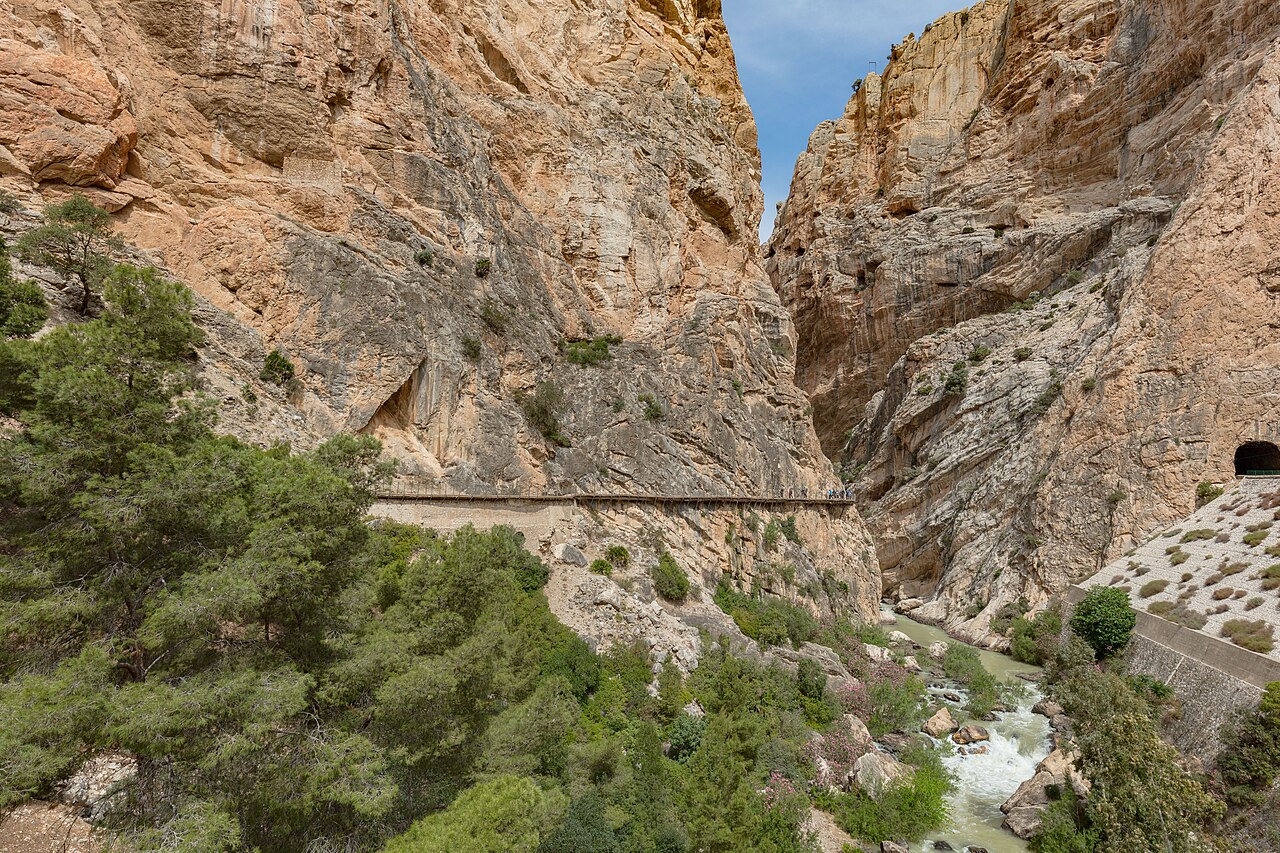
Walk along boardwalks fixed to the cliff high above the Desfiladero de los Gaitanes gorge, about an hour from the city. Book tickets in advance.
See tours and pricesPack right
Best April–June and Sep–Oct
17–30 °CAround 300 sunny days a year. Hot summers and mild winters with daytime highs around 17 °C.
Current currency
Euro
1 EUR to SEKThe rate is updated every hour. Always check the current rate before you travel.
Compare hotels and apartments on the map, with current prices.
The map loads from Stay22 only when you click. Stay22 may then set cookies and collect information about your browser. Privacy
Plan your trip
Málaga's Costa del Sol airport lies about eight kilometres south-west of the centre and has direct flights from several Swedish cities, with more departures in the winter half of the year. The flight from Stockholm takes just over four hours. From the airport, the C1 commuter train runs to María Zambrano and Centro-Alameda stations, and the A airport bus goes to the centre and the port. A taxi or pre-booked transfer is easier with lots of luggage or a late arrival.

Choose where to stay based on the feel you are after. Centro Histórico suits you if you want to walk to the cathedral, museums and tapas bars, while Soho is close to the port and a little more relaxed. La Malagueta puts the beach on your doorstep with the centre a short walk away. Pedregalejo and El Palo further east are quieter, with a more local seaside feel. Book well ahead for Easter, summer and the August Feria.

The big and the small
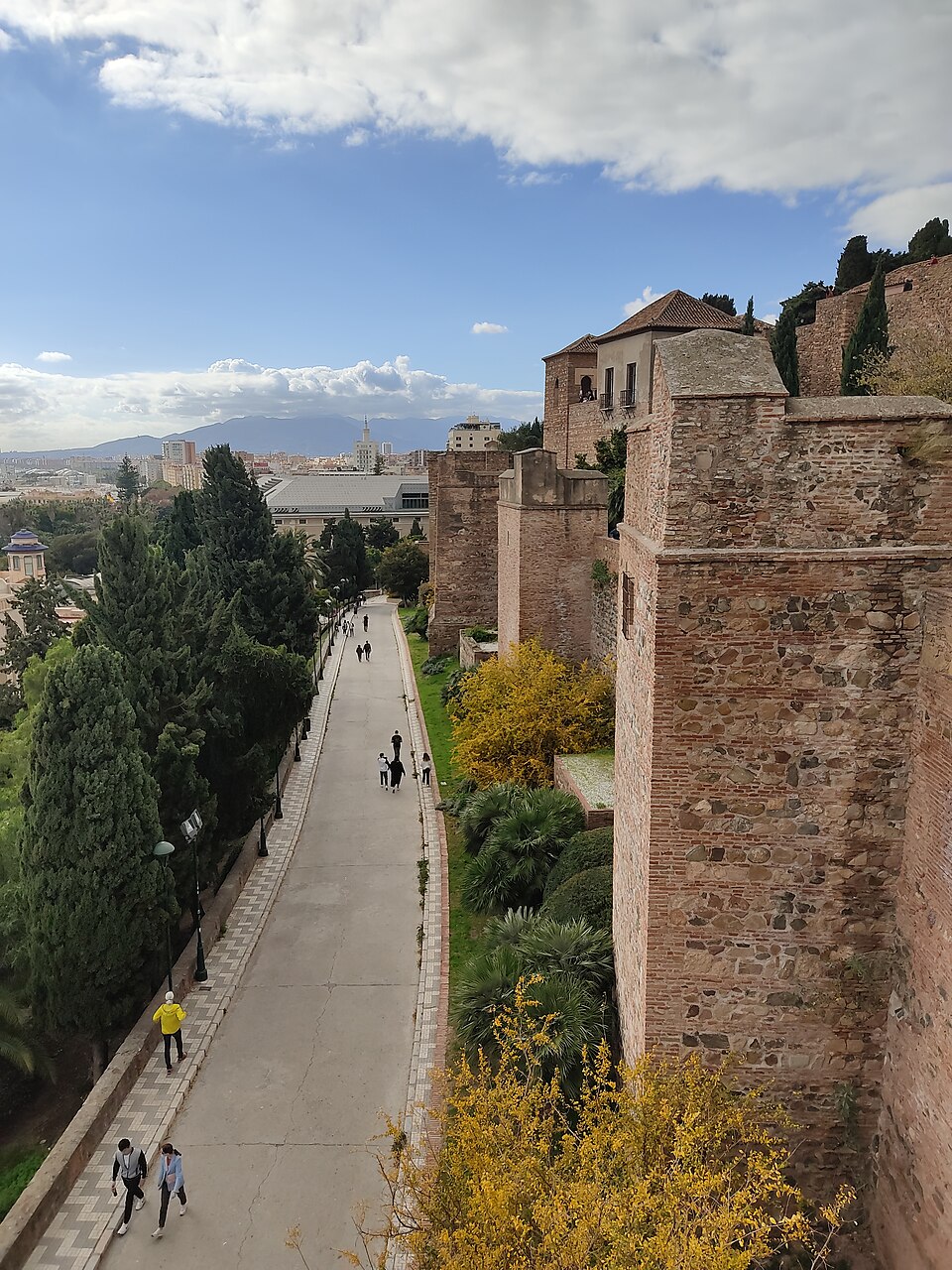
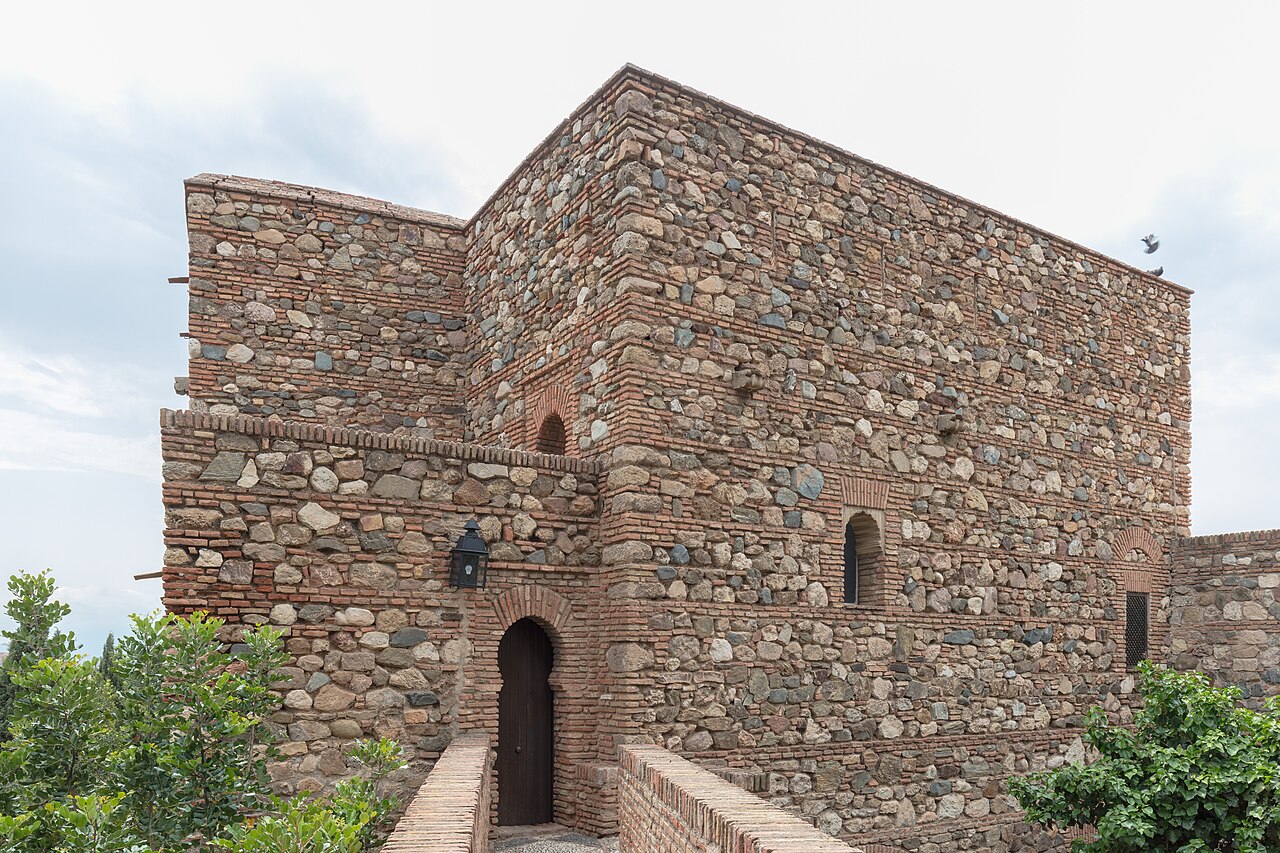
An 11th-century Moorish palace fortress with gardens, fountains and arches climbing the hill in the middle of the city. Pass through the double walls to the Moorish palace courtyards with reflecting pools and views over the harbour. The combined ticket also covers Gibralfaro, and entry is free on Sundays after 2 pm.
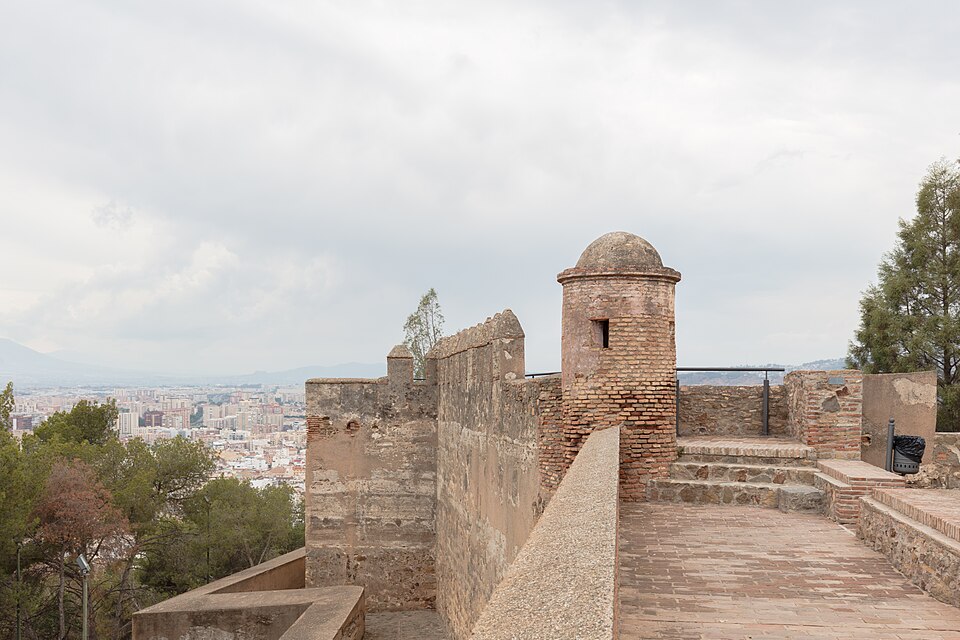
Walk the walls at the top of the hill for the city's best view over the harbour, the bullring and the sea. The castle was built in the 14th century to protect the Alcazaba, and its name comes from the Arabic for lighthouse hill. The walk up is steep but shady, and bus 35 goes all the way to the top if you want to save your legs.
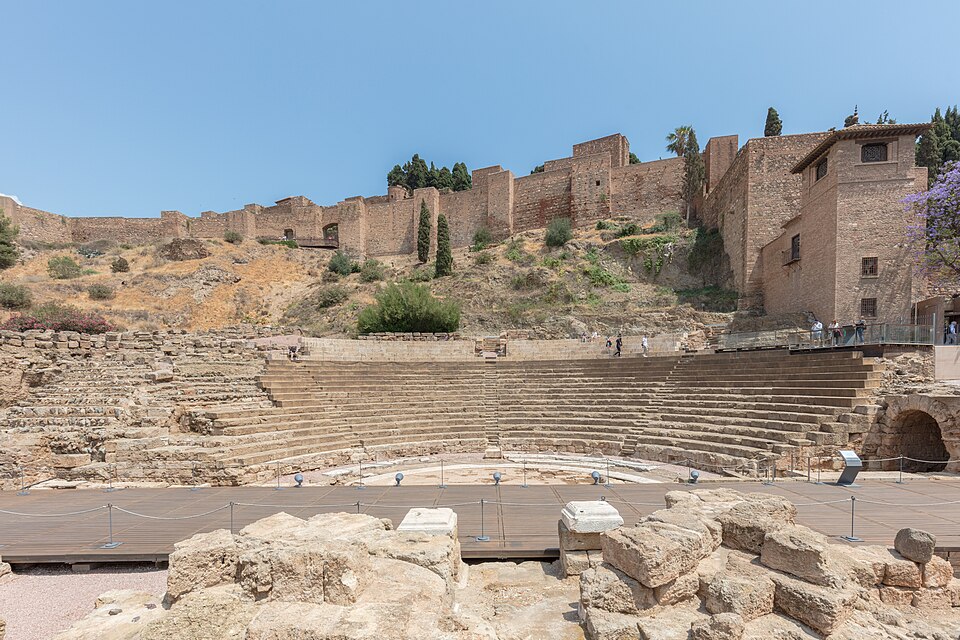
A theatre from the time of Augustus at the foot of the Alcazaba. It was found in 1951 while gardens were being laid out beside a cultural centre. Entry and the small visitor centre are free, and in the evening the theatre is beautifully lit below the fortress.
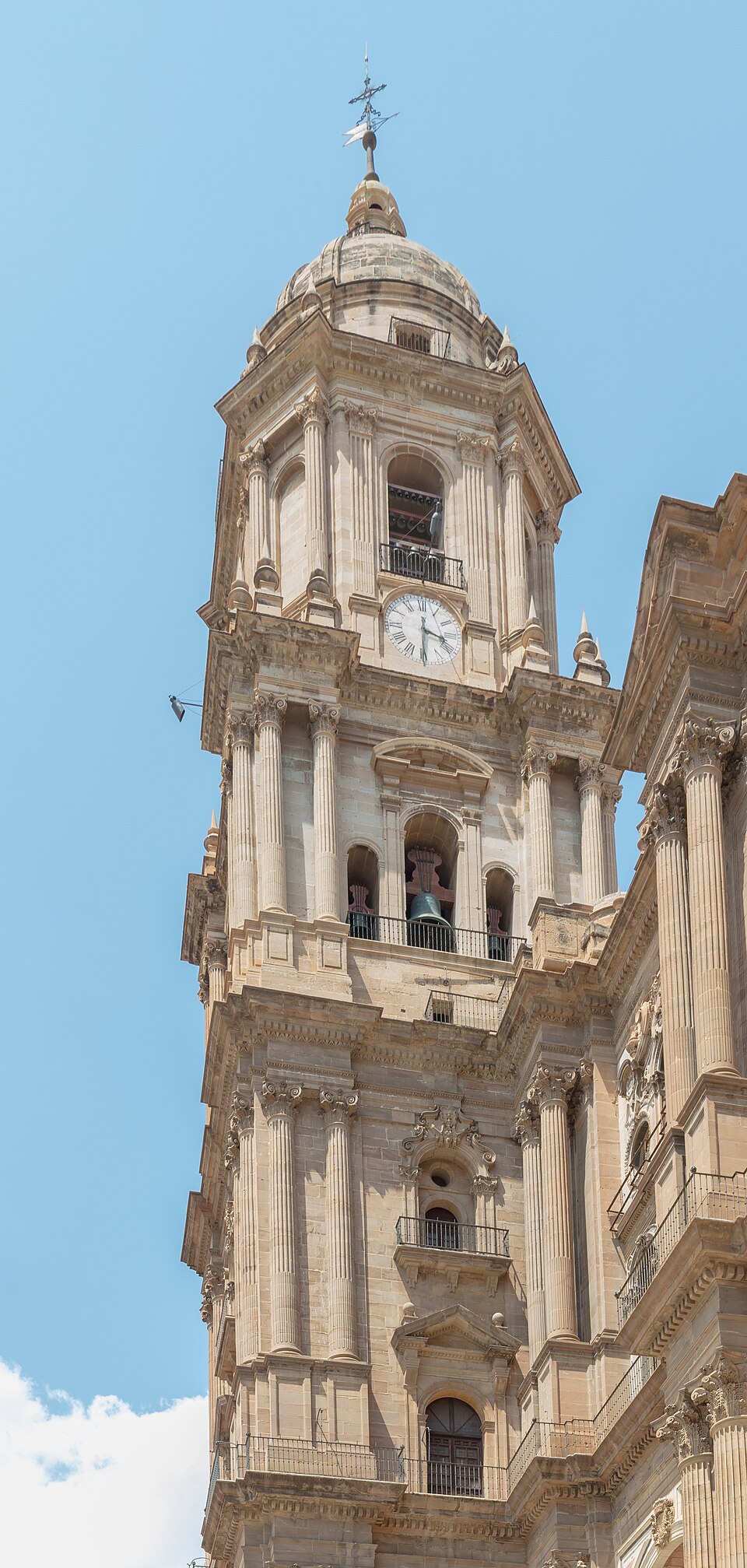
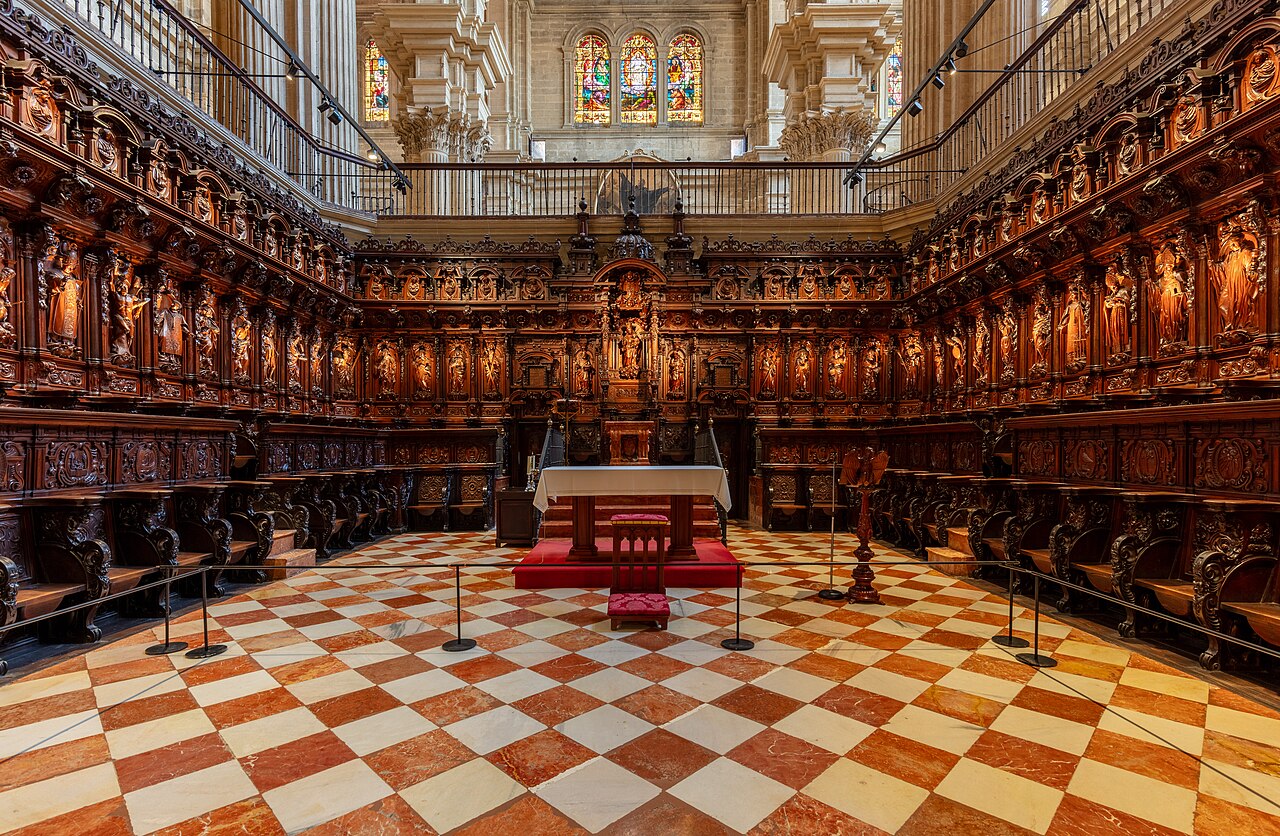
The cathedral is nicknamed "the one-armed lady" because its south tower was never finished. Climb onto the roof for the view. Building went on for more than 250 years, from 1528 to 1782. Tradition has it that the money for the tower went to support the American War of Independence instead. Inside are carved choir stalls and two large Baroque organs.
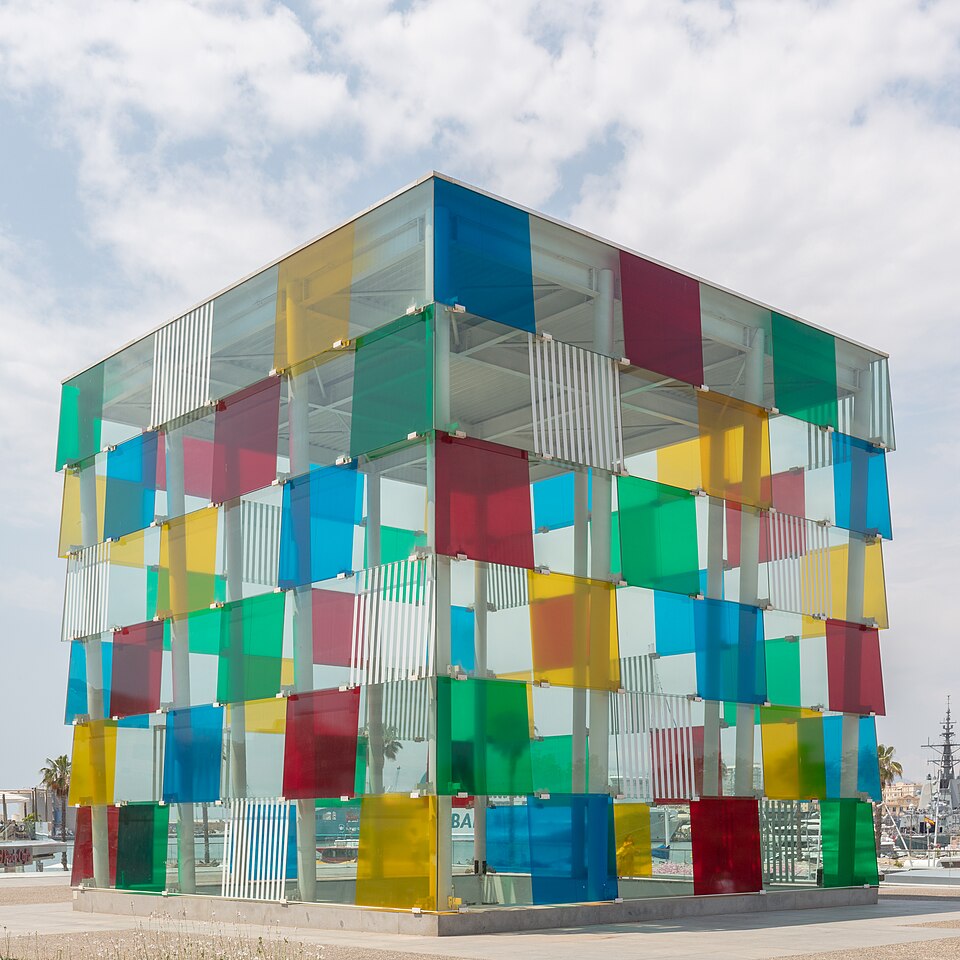
Stroll along the palm-lined harbour pier to the colourful glass cube that houses the Málaga branch of the Centre Pompidou. The pier is lined with restaurants and cafés looking out over the boats, and at La Farola lighthouse you carry straight on to Malagueta. The colourful panels on the cube are the work of the artist Daniel Buren.
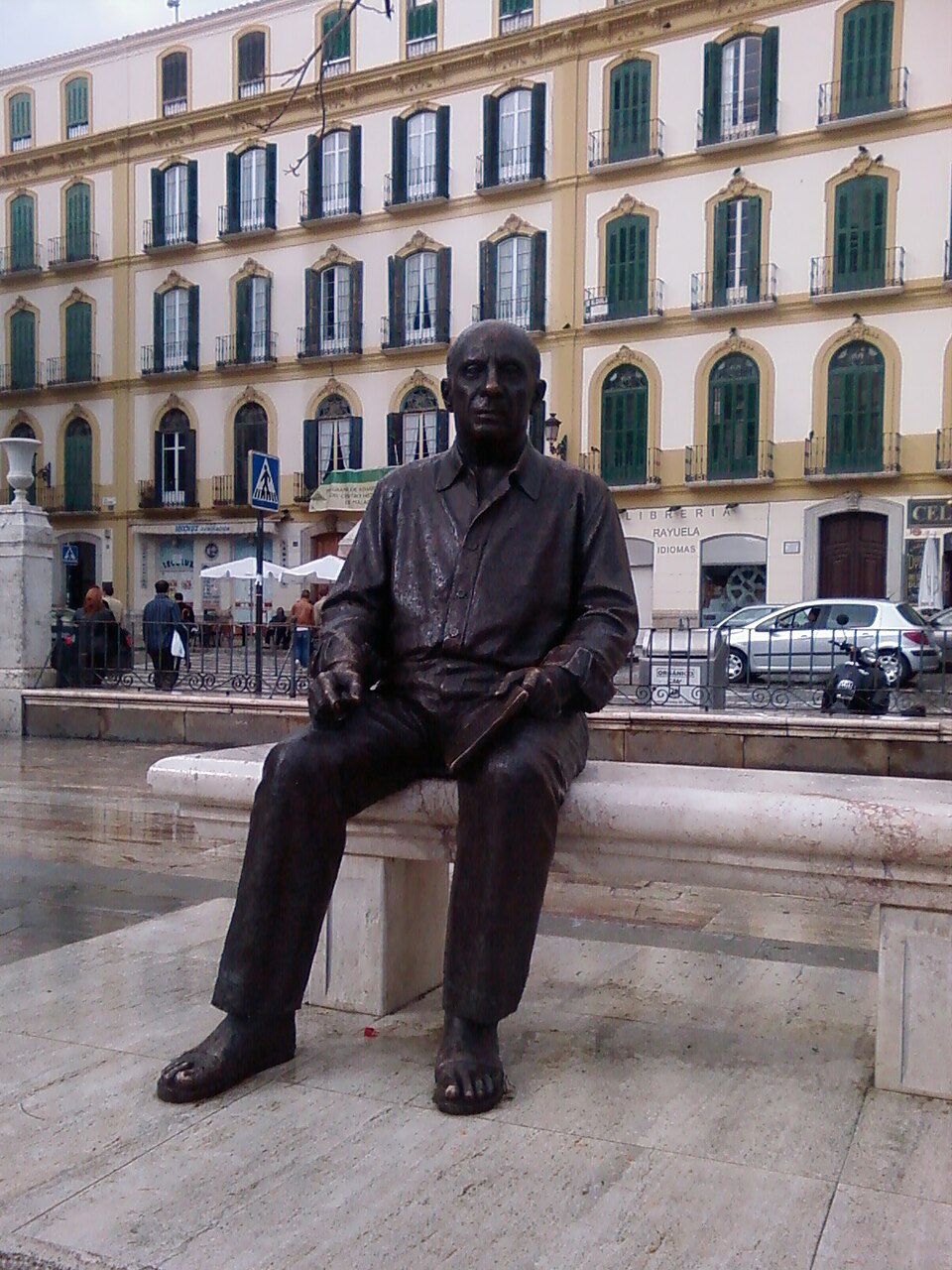
See more than 200 works at the Museo Picasso in a Renaissance palace, and visit his birthplace on Plaza de la Merced. The museum opened in 2003 with works donated by his family. The bronze statue of Picasso sitting on a bench in Plaza de la Merced is a favourite photo stop, just a few steps from his birthplace.
In mid-August the city celebrates for a whole week with flamenco, music and street parties day and night. The fair marks the city's capture by the Catholic Monarchs in 1487. By day people dance in the centre with sweet Cartojal wine and flamenco dresses, and at night the party moves out to the Cortijo de Torres fairground.
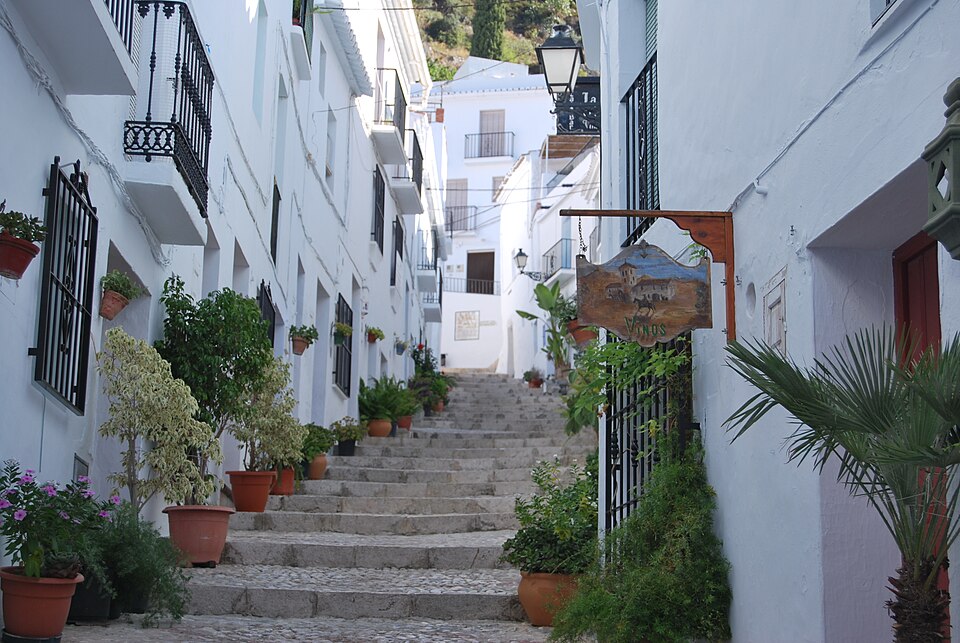
Combine the Balcón de Europa viewpoint in Nerja with the whitewashed lanes of the mountain village of Frigiliana. The bus to Nerja takes about an hour along the coast. See the vast stalactite caves of the Cuevas de Nerja, then take the local bus up to Frigiliana in time for sunset.
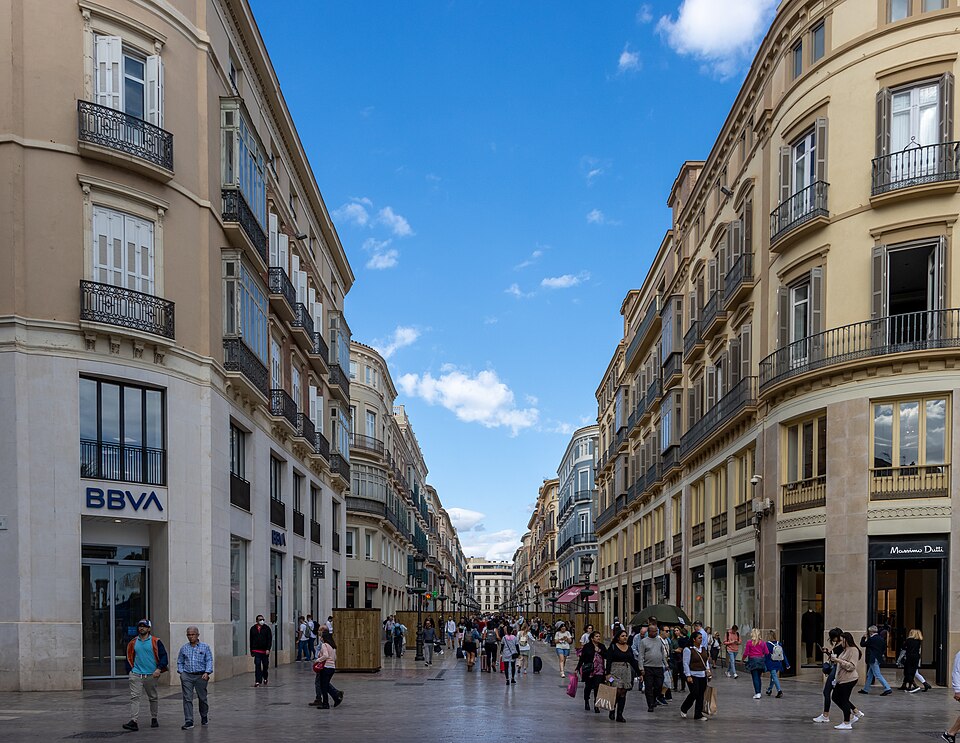
Centro Histórico is Málaga's heart, with the marble-paved Calle Larios, the cathedral and Plaza de la Merced. Soho, between the centre and the port, is known for street art, galleries and cafés. The Muelle Uno harbour promenade leads on to La Malagueta, the city's closest beach. Pedregalejo and El Palo are former fishing districts lined with beach restaurants, and across the Guadalmedina river lie the traditional working-class districts of El Perchel and La Trinidad.
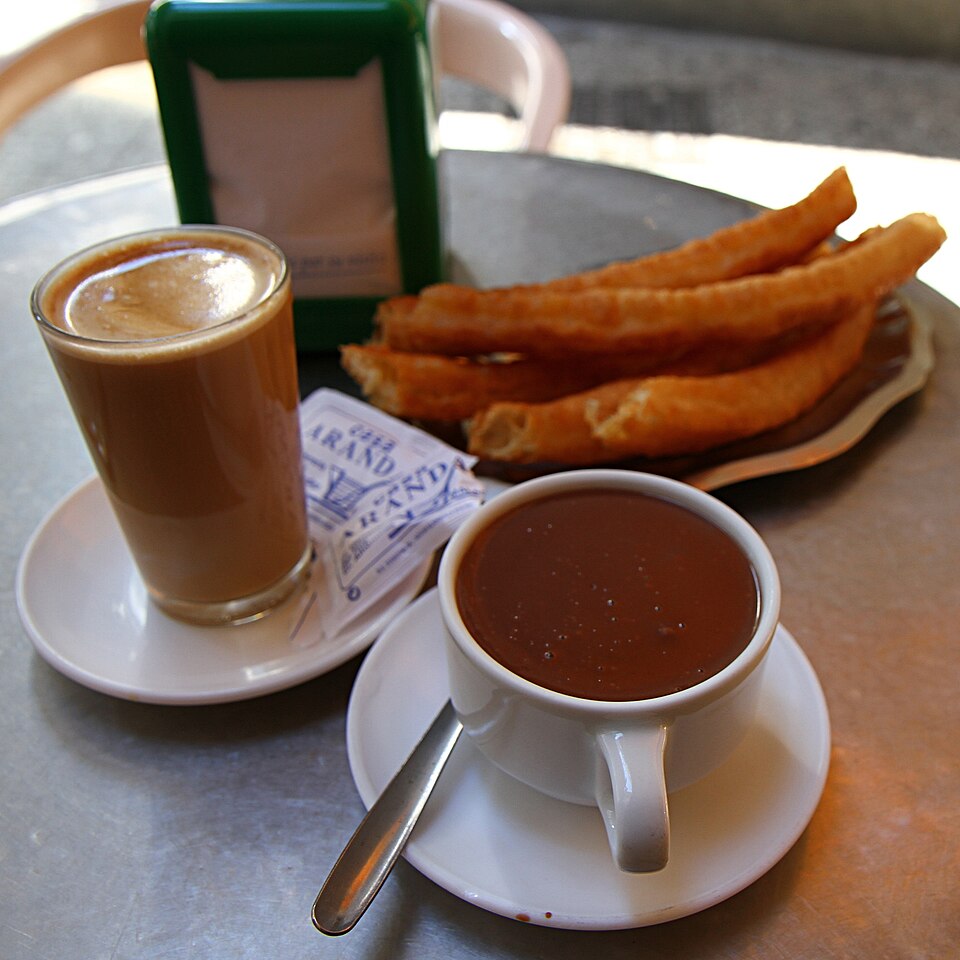
Málaga is a city for fish and seafood. Try espetos, sardines grilled on skewers over an open fire on the beach, pescaíto frito and fried boquerones. Cold soups such as ajoblanco and porra antequerana are perfect on a hot day, and a glass of sweet Málaga wine goes well with dessert. Start the morning with churros and chocolate, and learn to order coffee the local way: a mitad is half coffee, half milk.
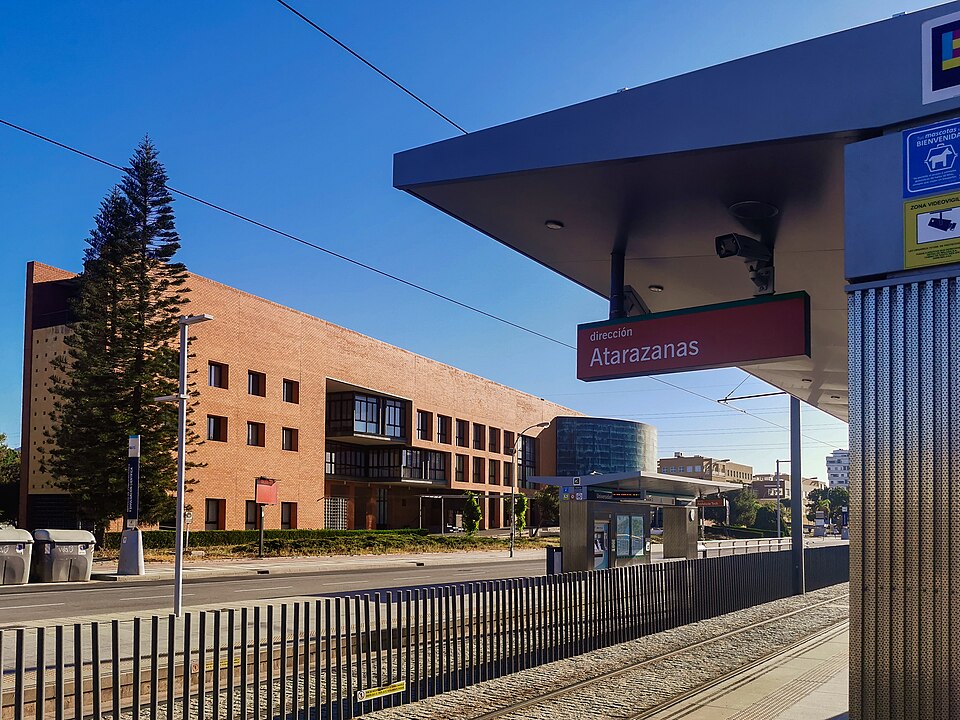
Málaga's centre is flat and compact, so walking is usually the easiest way to get around. The EMT city buses cover the whole city, including the beaches to the east. The metro's two lines run from the centre out to the western districts and the university. The C1 commuter train runs along the coast to Torremolinos, Benalmádena and Fuengirola. A rechargeable Consorcio de Transportes travel card is handy if you make many journeys.
Download a map app so you can save places offline, and use the EMT Málaga app for bus routes and departures. The Renfe app shows times for the coastal commuter trains and for long-distance trains to places such as Seville and Córdoba. Uber and Cabify are alternatives to regular taxis, and TheFork can be useful for booking restaurants. A weather app is handy if you plan a day trip to the mountains or the coast.

Málaga is a safe city, but keep an eye on your wallet and phone in crowds, especially on Calle Larios and during festivals. The tap water is safe to drink, cards are accepted almost everywhere, and English works well in the centre, although a little Spanish is appreciated. Spaniards eat late, so expect lunch after two and dinner after nine. In summer, the hot inland wind known as the terral can make some days especially hot.

Visit the Alcazaba and Gibralfaro early in the day, before the heat and the crowds arrive. Spring and autumn are often the most pleasant times, and the Holy Week processions are an experience even if you are not religious. Book tickets for the Alhambra in Granada and the Caminito del Rey well in advance. The high-speed train makes Córdoba or Seville an easy trip, and buses take you to Ronda, Nerja and the white villages in the mountains.