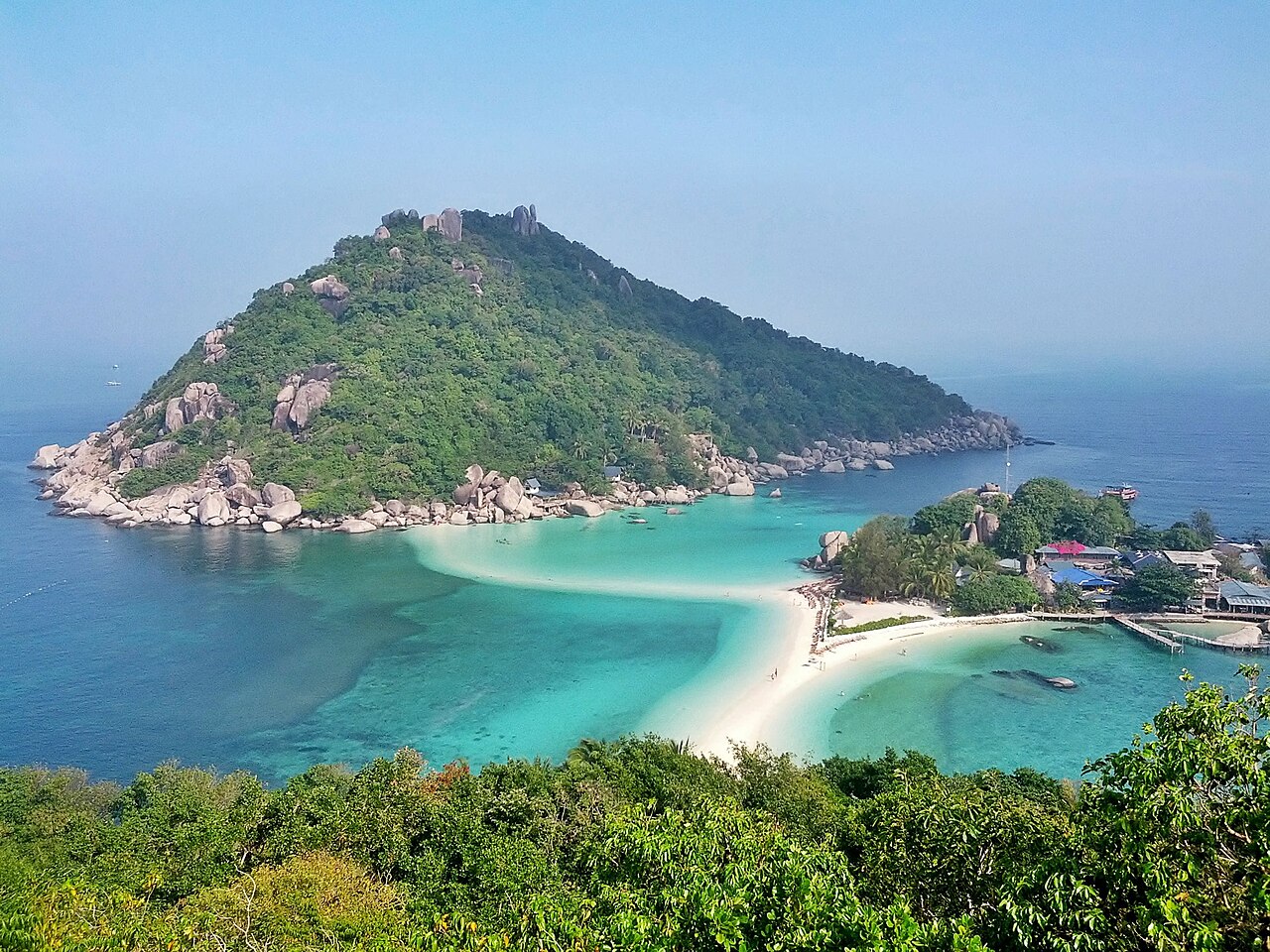
A day trip to Koh Nang Yuan and Koh Tao
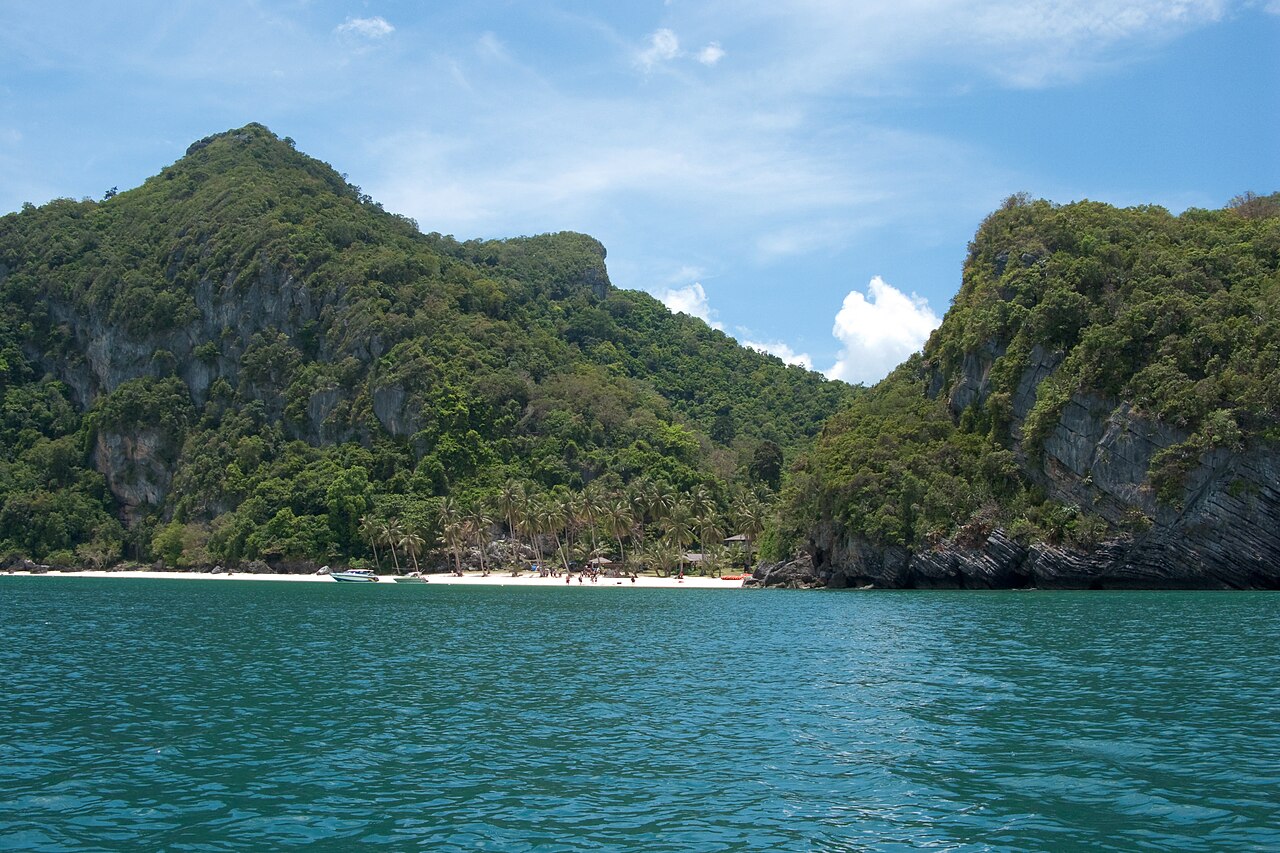
Speedboats head north to Koh Tao and the three small islands of Koh Nang Yuan, joined by a sandbar. Snorkel in the clear water and climb to the viewpoint.
See tours and pricesThe palm island in the Gulf of Thailand · Thailand
Your guide to Koh Samui
Koh Samui lies in the Gulf of Thailand off Surat Thani province and is Thailand's second-largest island after Phuket. For a long time the islanders made their living from coconut farming and fishing. The first backpackers arrived on fishing boats in the 1970s. Today the island has its own airport, hotels in every price range and a ring road that runs around most of the island.
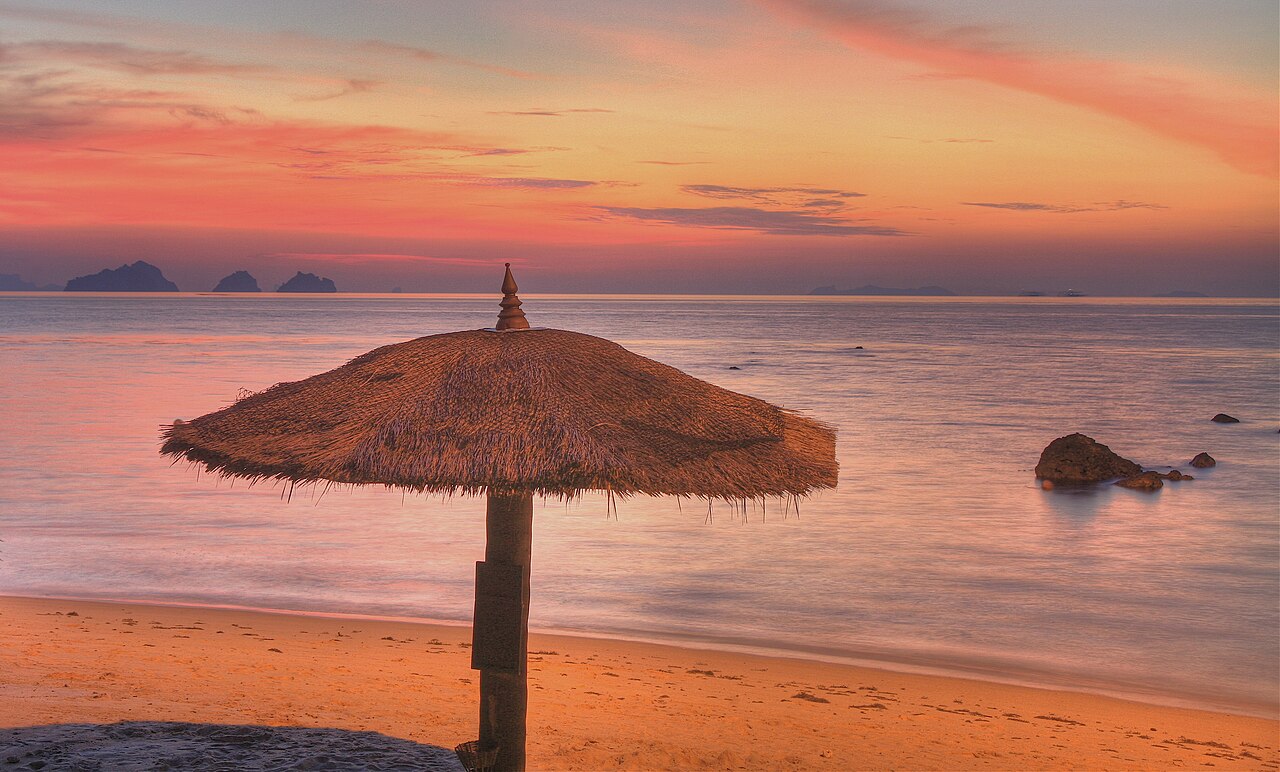
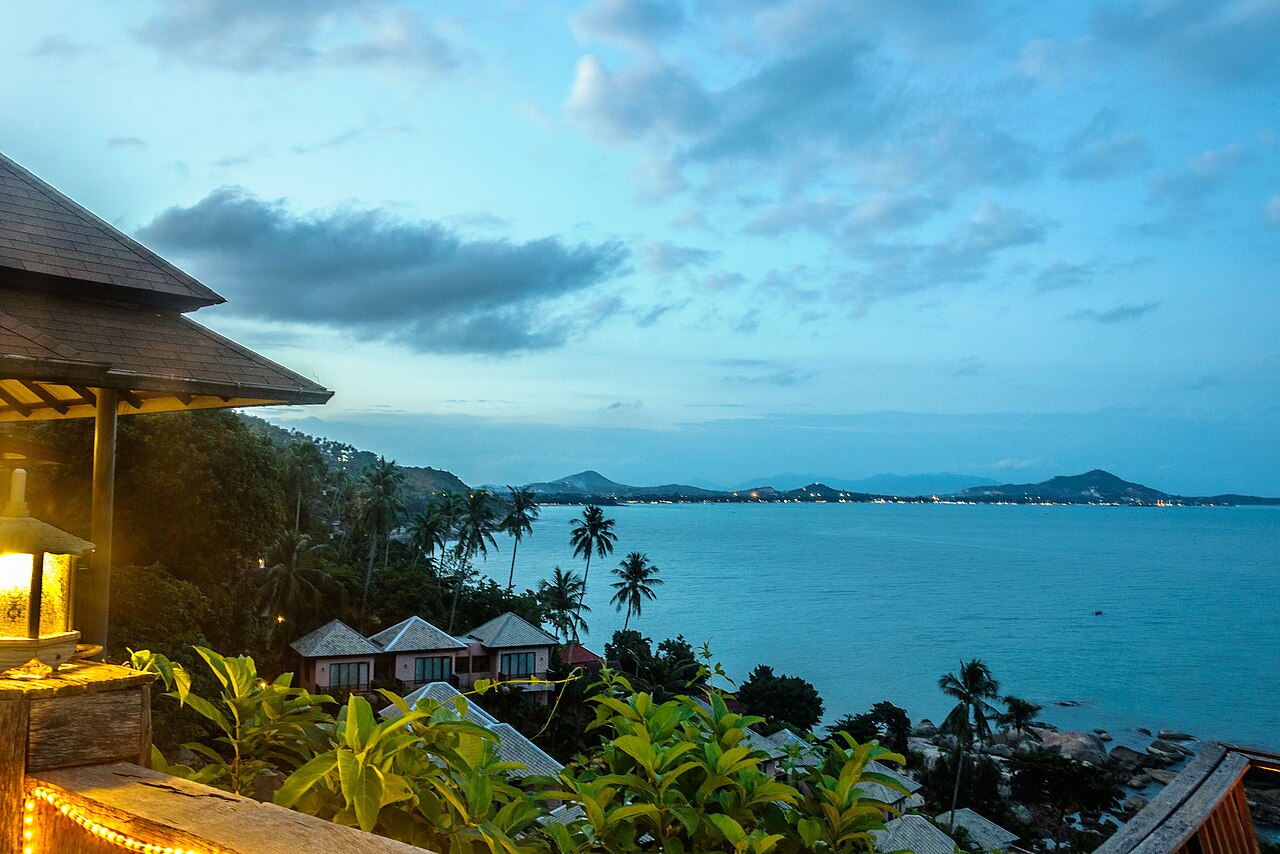
The beaches each have their own character. Chaweng on the east coast is the longest and liveliest, with bars, restaurants and buzzing nightlife. Lamai just to the south has a slightly calmer pace, while Bophut, Maenam and Choeng Mon in the north suit those looking for a quieter holiday. On the west side, you can watch the sun sink into the sea.
Inland rise jungle-covered hills with waterfalls and viewpoints. Along the coast are Buddhist temples, among them Wat Phra Yai with its 12-metre golden Buddha statue on a small island in the north-east. From Samui, boats run to the beautiful Ang Thong marine national park and to Koh Tao, known for its excellent diving.
Koh Samui has a different climate from Thailand's west coast. The wettest period usually falls between October and December, while January to August often brings more sunshine and less rain. That makes the island an attractive destination in the northern summer too.
Things to do
Speedboats head north to Koh Tao and the three small islands of Koh Nang Yuan, joined by a sandbar. Snorkel in the clear water and climb to the viewpoint.
See tours and prices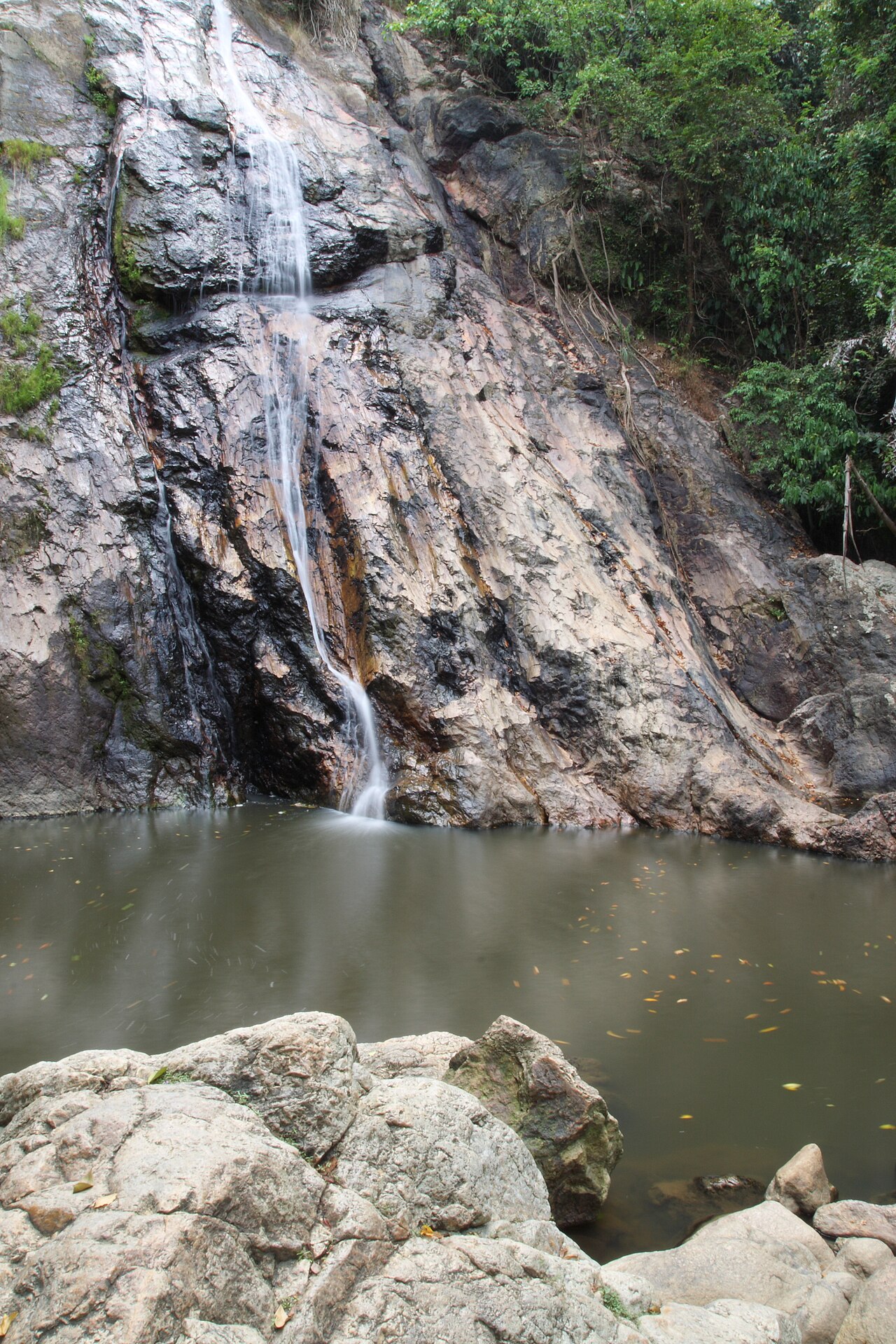
Two waterfalls in the jungle in the island's south. The lower one has a natural pool to swim in, and a path leads up to the higher fall.
See tours and prices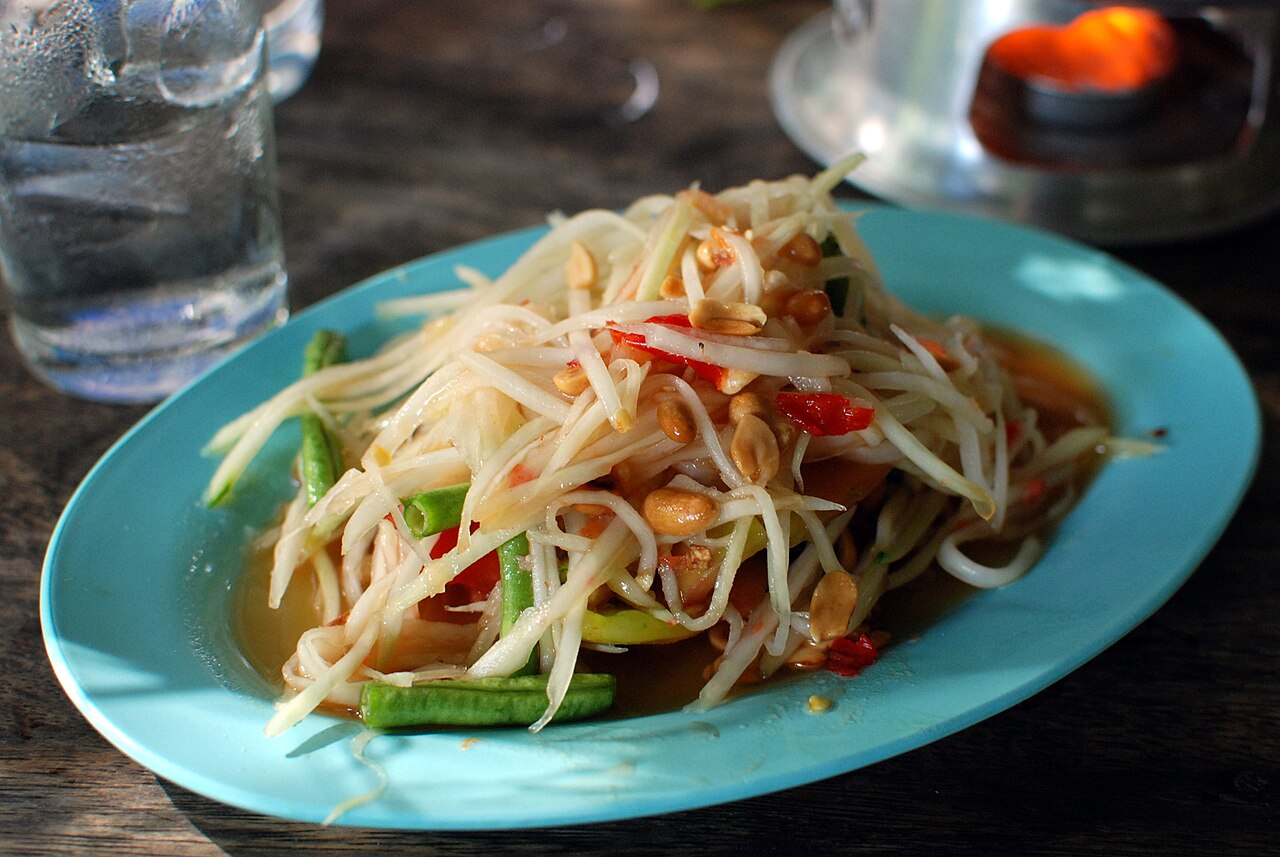
Several cooking schools on the island take you to the market and teach you to make curry paste, tom yum and papaya salad from scratch. You eat what you cook.
See tours and pricesPack right
Best January–August
25–33 °CTropical and warm all year. The rainy season comes mainly from October to December, with November the wettest month. January to April is driest, and summer is usually sunny with the occasional shower.
Current currency
Thai baht
1 THB to SEKThe rate is updated every hour. Always check the current rate before you travel.
Compare hotels and apartments on the map, with current prices.
The map loads from Stay22 only when you click. Stay22 may then set cookies and collect information about your browser. Privacy
Plan your trip
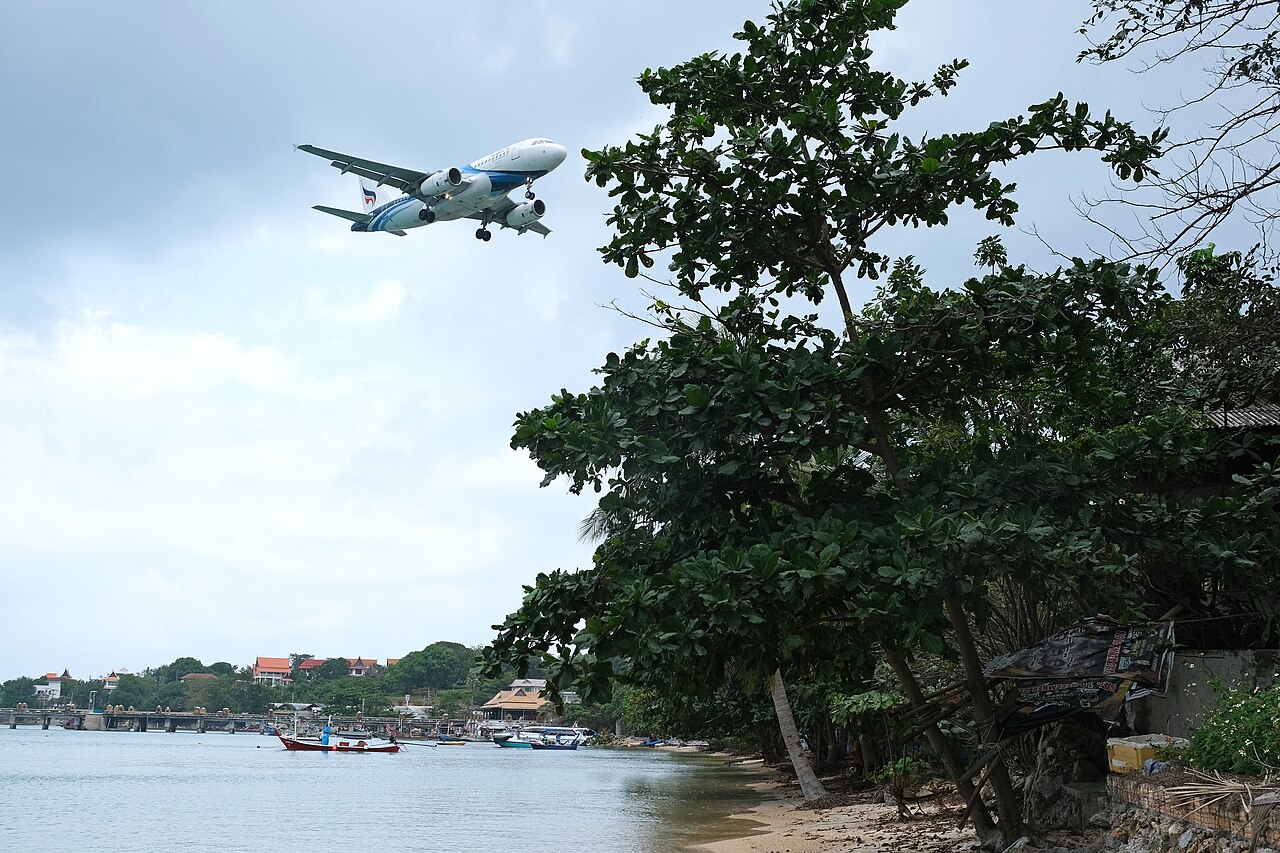
Samui Airport (USM) is on the island's north-east corner, close to Chaweng and Bophut. Bangkok Airways, which owns the airport, flies here from Bangkok in just over an hour, and there are also flights from Phuket and Singapore, among others. From Europe you usually fly to Bangkok (BKK) and change there.
A cheaper but longer option is to fly to Surat Thani (URT) on the mainland and continue by bus and ferry. Ferries from Donsak reach Nathon or Lipa Noi in one to one and a half hours. Combined bus-and-boat tickets are also sold from Bangkok.
Check current departures and prices before you travel.

Chaweng suits you if you want to be close to restaurants, bars and shopping, but it can be noisy in the evenings. Lamai is a little calmer and has more good-value places to stay. In the north are Bophut with Fisherman's Village, peaceful Maenam and the small coves of Choeng Mon, good for families and couples.
On the west coast, around Lipa Noi, it's quiet with sunsets over the sea, but further from everything. Many villas and resorts sit up in the hills with sea views. Book well ahead for Christmas and New Year.
The big and the small
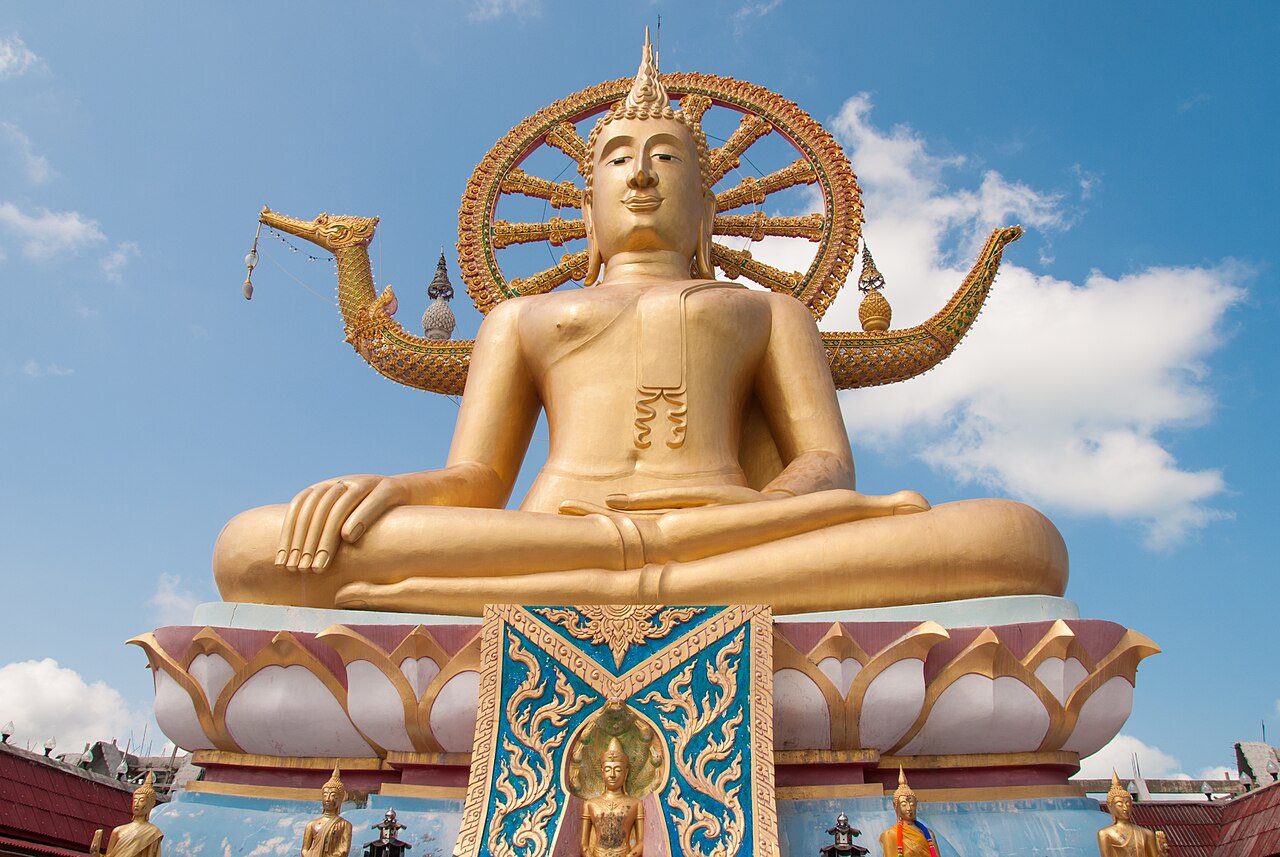
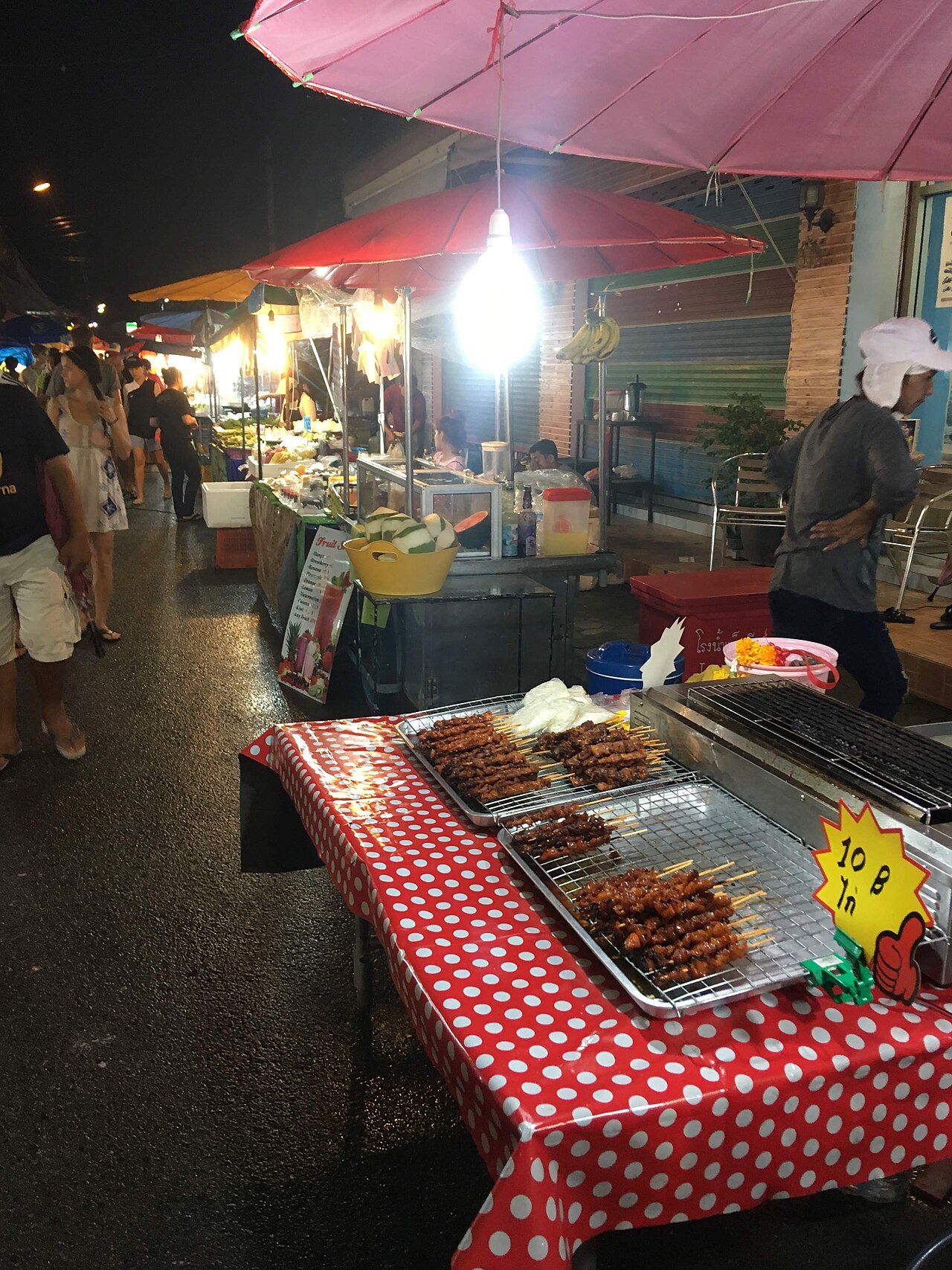
The golden Buddha statue at the Wat Phra Yai temple was built in 1972 and is around twelve metres tall. It sits on a small island in the north-east, linked to land by a causeway, and can be seen from planes as they come in to land. Dress with shoulders and knees covered, and take off your shoes before climbing the steps.
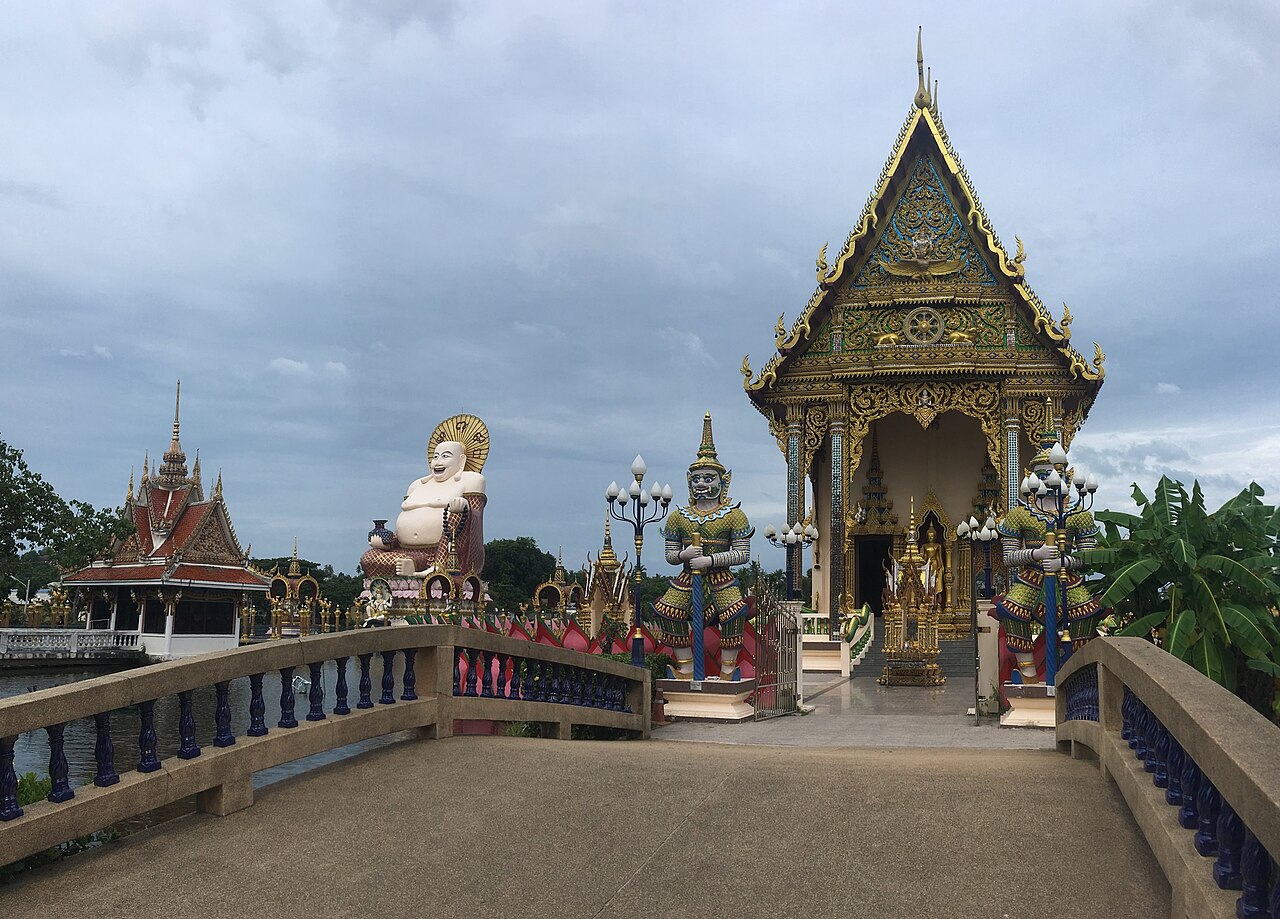
A few hundred metres from the Big Buddha is a colourful temple on a lake. Here stand a white statue of Guanyin, the goddess of mercy, with eighteen arms, a laughing Buddha and a Thai-style temple, joined by bridges. It's lovely in the afternoon light and free to enter.
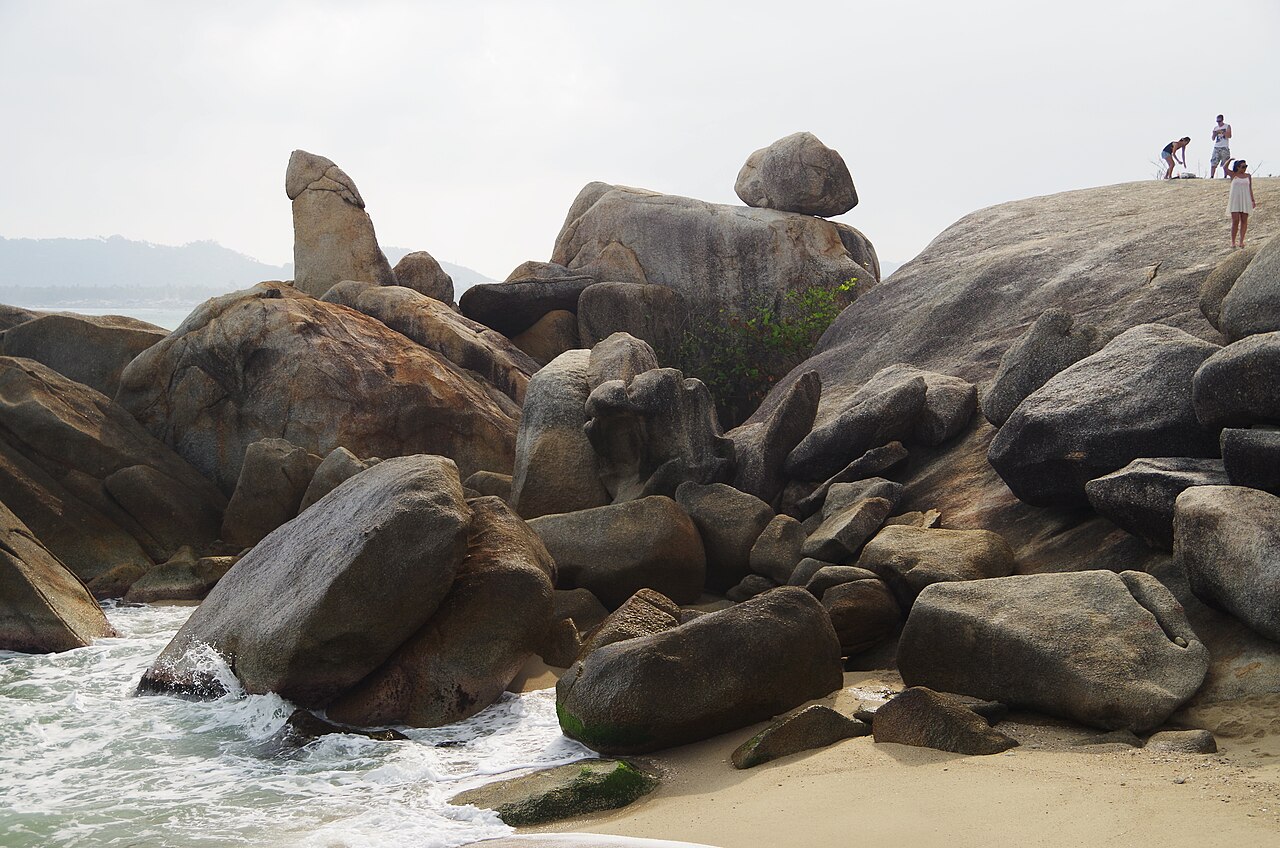
At the southern end of Lamai stand two rock formations known as the Grandfather and Grandmother Rocks. Their shapes resemble male and female genitals, and a local legend tells of an elderly couple who were shipwrecked here. It's a popular spot, with souvenir stalls and sea views.
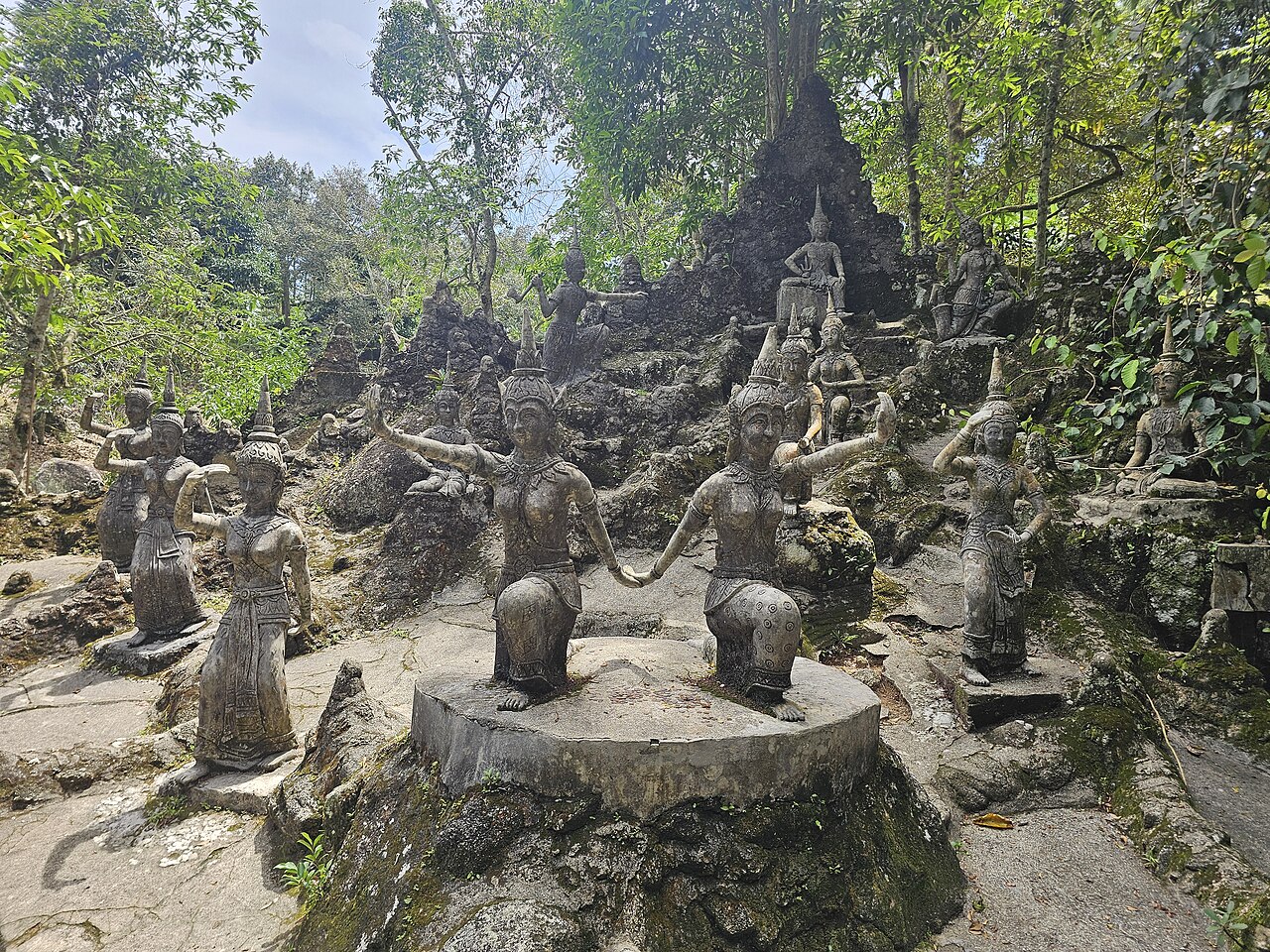
High up in the hills, along a steep road, is a garden where a local fruit farmer began setting up sculptures in the 1970s. Among rocks and streams stand figures of deities, animals and people meditating or playing music. The road is steep and needs four-wheel drive or a guided tour.
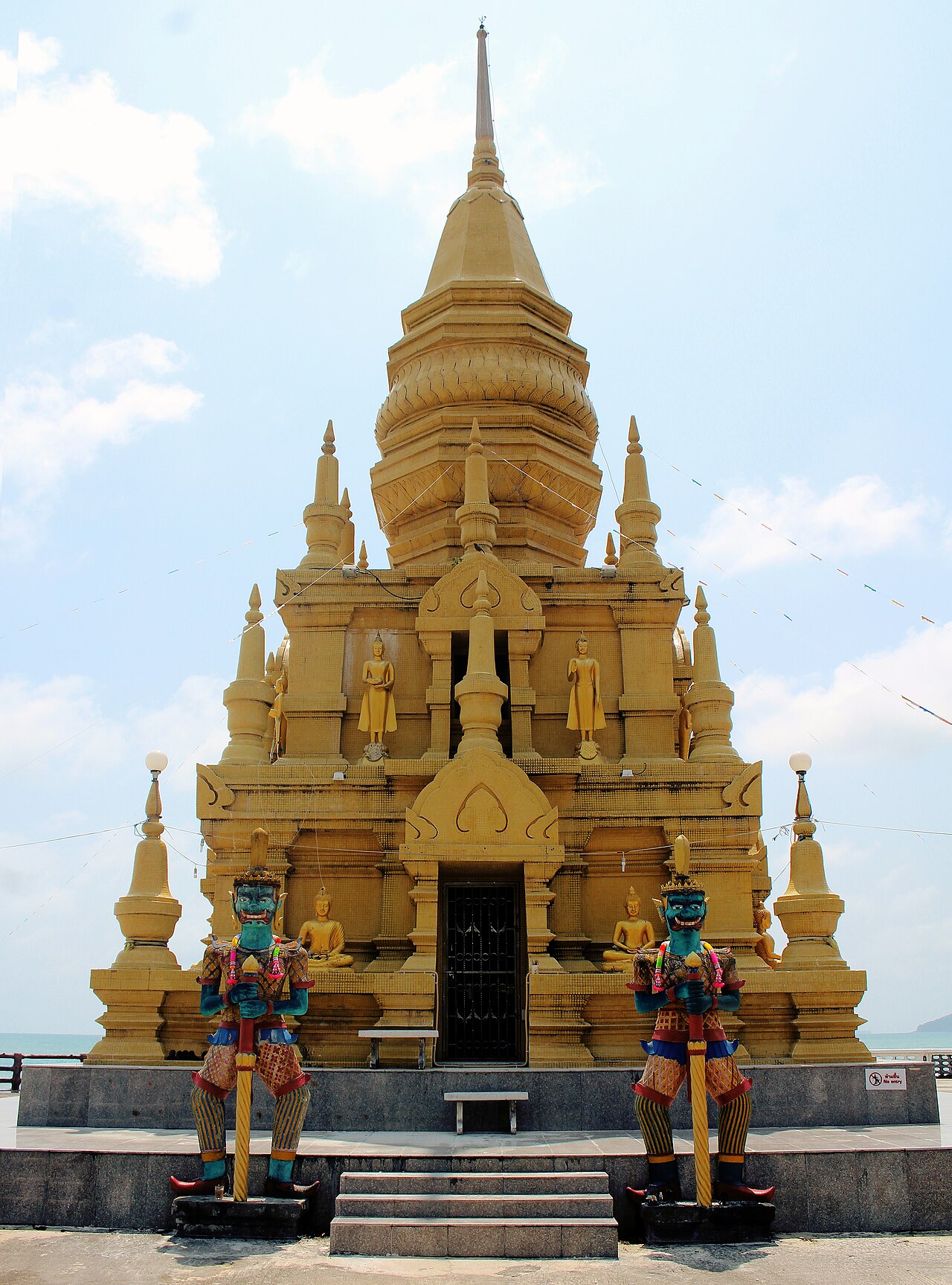
On the south coast, a golden pagoda stands right at the water's edge, surrounded by palms and quiet. Few tourists come here, and it's a lovely place to watch the sunset. Combine it with the beaches and fishing villages along the southern coast.
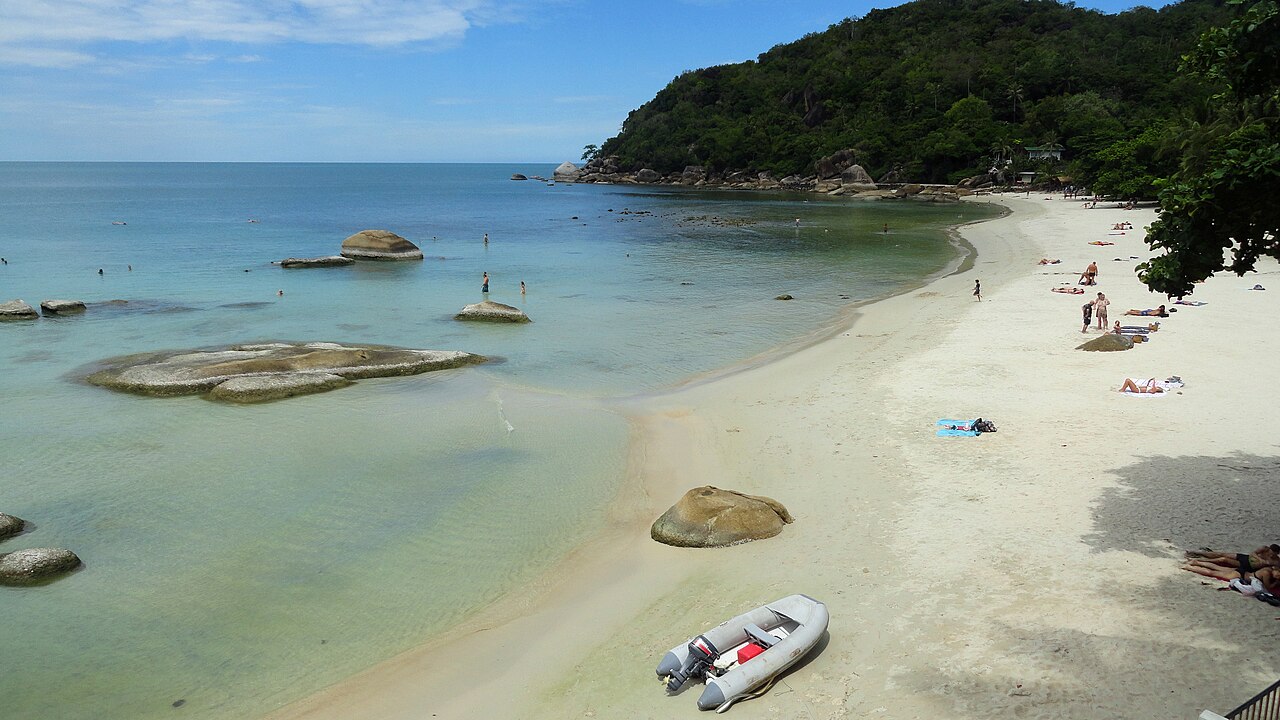
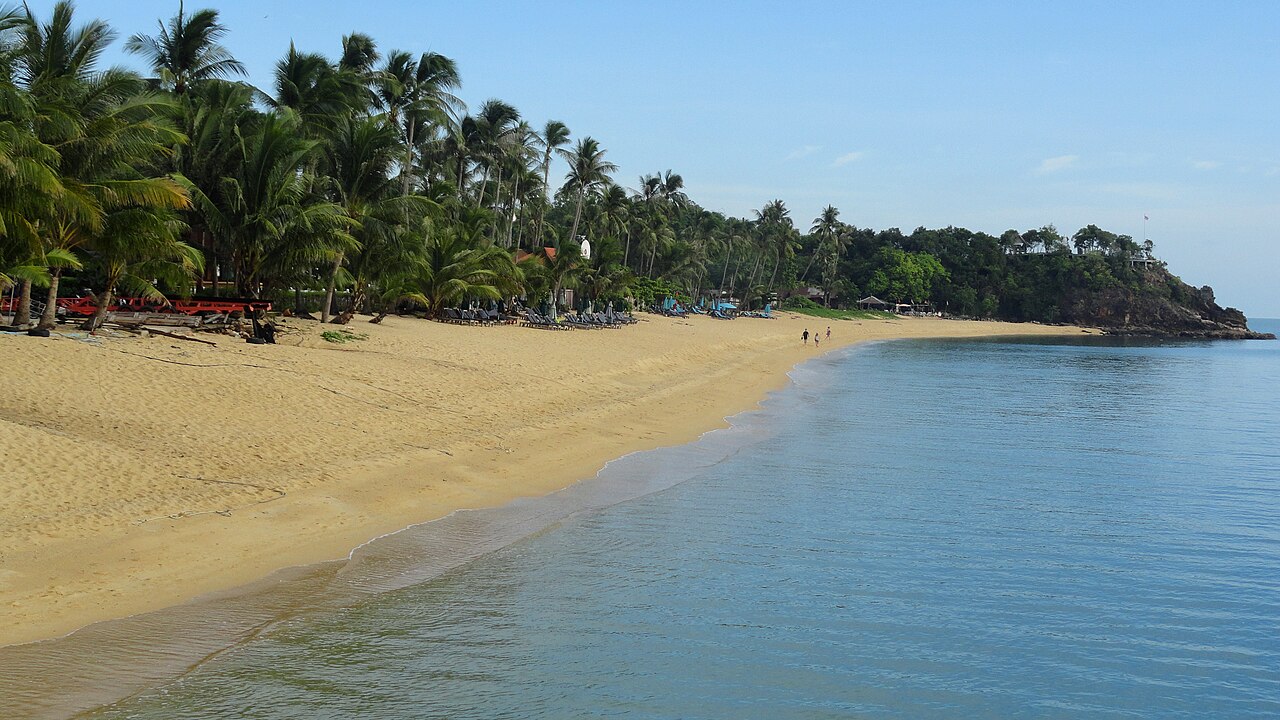
Chaweng has long white sand and plenty of life, Lamai has big granite boulders and a slightly calmer feel, and Maenam and Bophut in the north have shallow, still water. In the south are smaller coves such as Silver Beach, with rocks and clear water for snorkelling. Rent a scooter or car and try several.
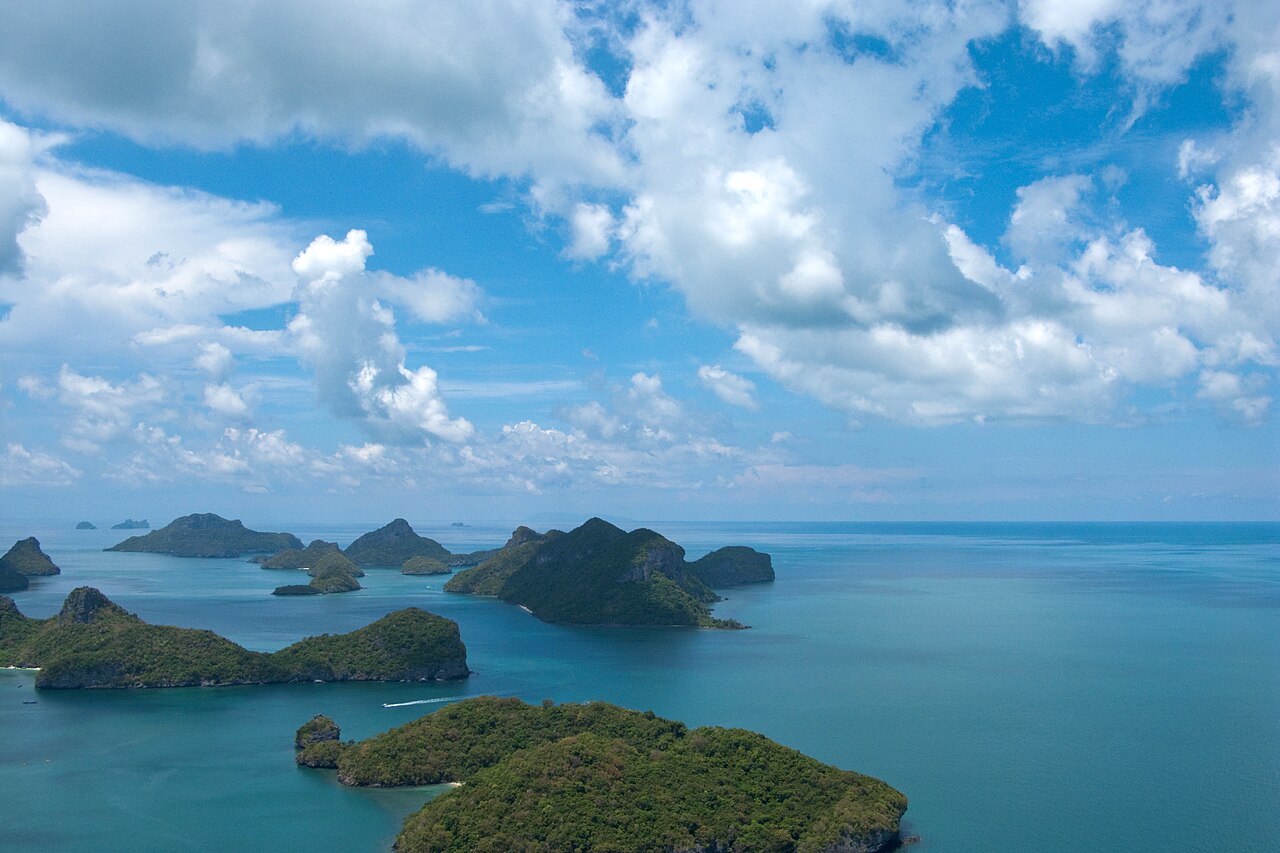
North-west of Samui lie 42 limestone islands with steep cliffs, jungle and white beaches, protected as a national park since 1980. Day trips go by boat and often include kayaking, snorkelling and a steep path up to the view over the Emerald Lake, a saltwater lagoon inside an island. The park closes during the monsoon, roughly in November and December.
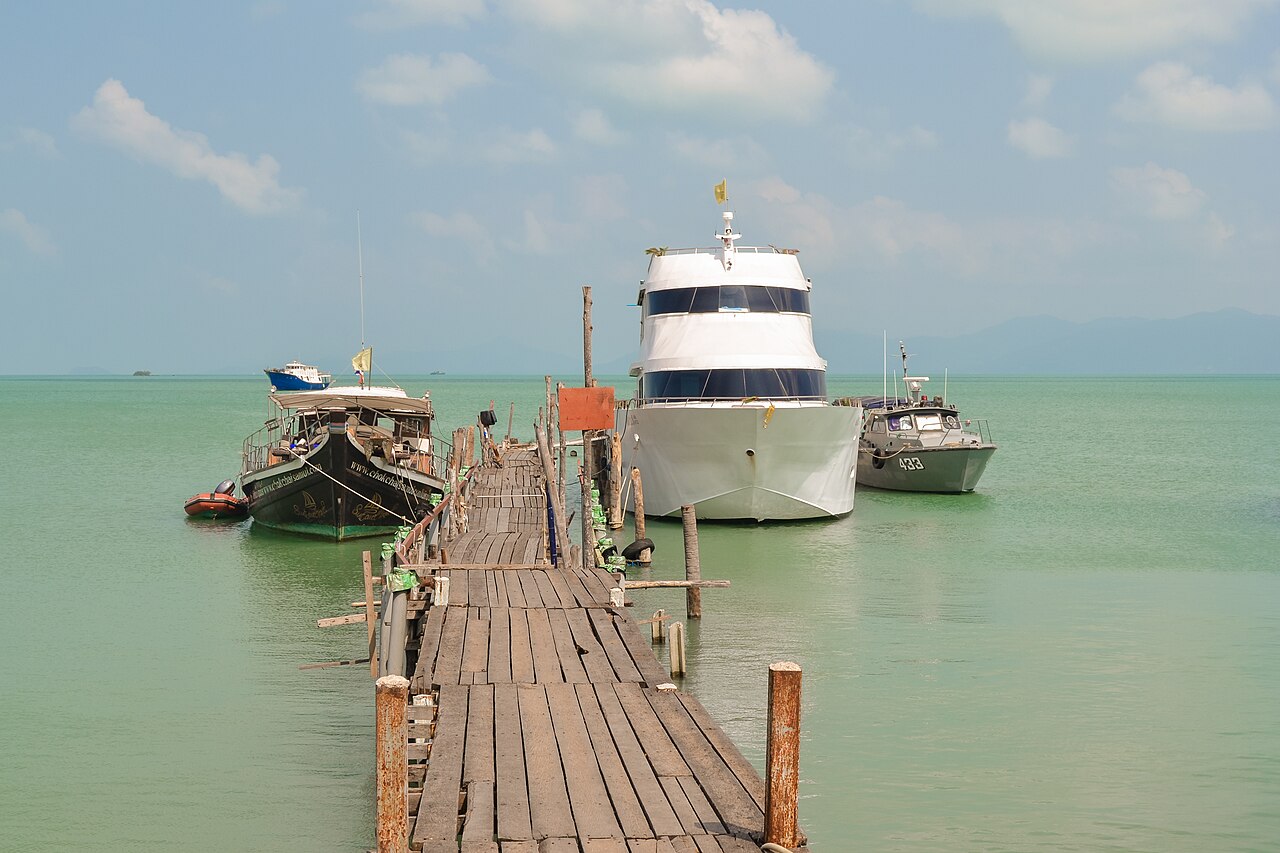
The old fishing village of Bophut on the north coast has narrow streets with wooden houses built by Chinese traders, small shops and waterfront restaurants. On Friday evenings the main street becomes a walking street with market stalls, street food and music. Boats to the neighbouring islands leave from the pier.
Chaweng on the east coast is the island's tourist centre, with the longest beach, shopping malls and nightlife. Lamai to the south has its own beach, a Sunday market and the Hin Ta Hin Yai rocks. The north coast, with Bophut, Maenam and Choeng Mon, is calmer, with Fisherman's Village, the Big Buddha and small coves. Nathon on the west coast is the main town with the harbour and markets, and the south coast has fishing villages, temples and few tourists.
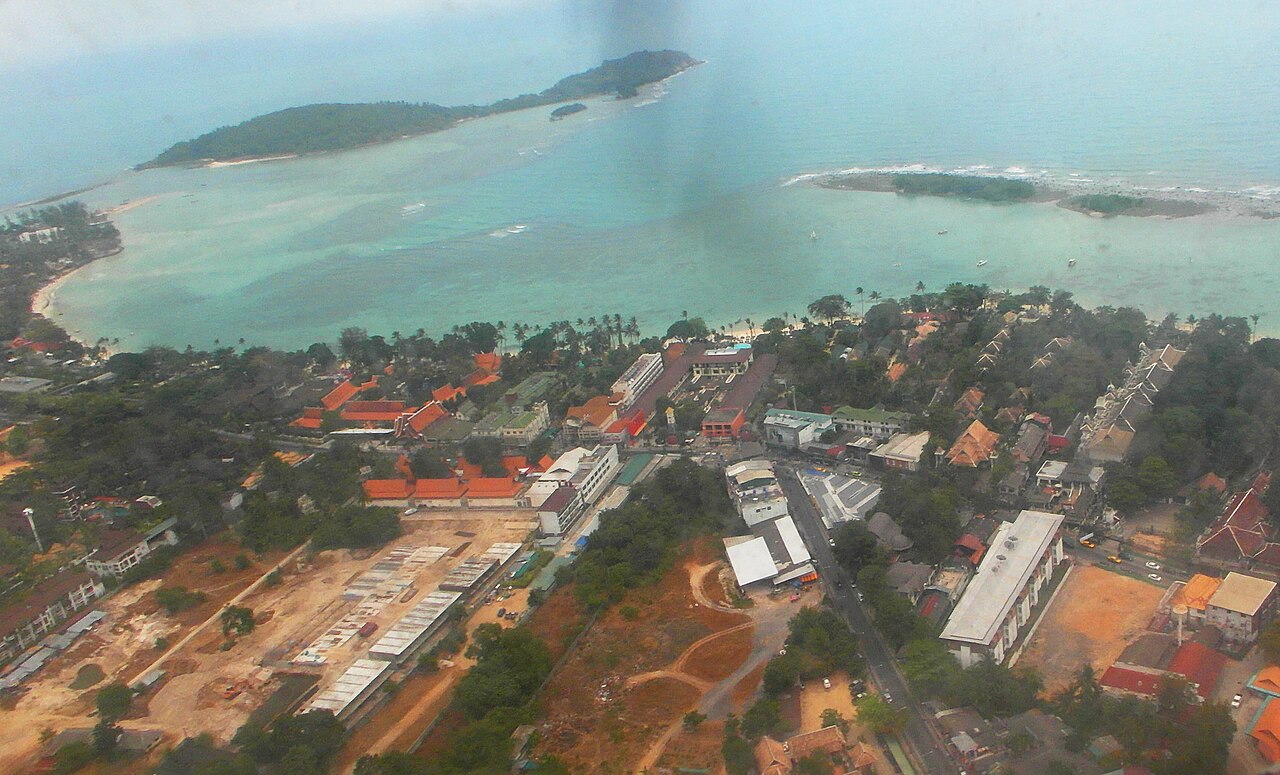
Southern Thai food is spicy. Try massaman and green curries, tom yum, som tam papaya salad and freshly cooked fish and seafood. The night markets are best for eating cheaply: the Sunday market in Lamai and the Friday market in Fisherman's Village have grilled skewers, noodles, fruit and mango with sticky rice. Coconuts were the island's traditional livelihood, so drink fresh coconut water straight from the nut. Ask for your food less spicy with "mai phet".
A ring road runs around the whole island. Along it run songthaews, pickup trucks with benches in the back, which stop wherever you wave them down and are cheap. Taxis rarely use the meter, so agree the fare beforehand or book through Grab. Many people rent scooters, but traffic drives on the left and accidents are common. You need a motorcycle licence and an International Driving Permit, otherwise your travel insurance may not cover you.
Grab works for taxis and food delivery and shows the price in advance. Ferry tickets and combined bus-and-boat trips are easy to book through 12Go or directly with the ferry companies. Before arrival, fill in the TDAC digital arrival card on the official website. Google Translate with the camera function helps with Thai signs and menus.

Many nationalities can enter Thailand visa-free for short tourist stays, but the number of days has changed several times, so check the current rules for your passport before you travel. Fill in the TDAC digital arrival card before arrival, and make sure your passport is valid for at least six months. The currency is the Thai baht, and cash is needed at markets and small shops. The time zone is UTC+7 all year. Don't drink the tap water. The royal family is protected by strict laws, so speak and write about it respectfully, and cover up in temples.

Samui is a good choice in the northern summer, when the weather is often better here than on Thailand's west coast. Avoid November if you want to be sure of sunshine, and book boat trips to Ang Thong outside the monsoon. Visit the Big Buddha and the temples early in the morning before the heat. Bring cash to the night markets, and head to the west coast at least one evening for the sunset.