Cycle like a local
Rent a bike and follow the wide cycle lanes along the canals, through the Vondelpark or out to Amsterdam-Noord on the free ferry.
See tours and pricesCity of canals · Netherlands
Your guide to Amsterdam
In the 17th century Amsterdam grew into one of the most important trading cities in Europe. Its legacy lives on in the narrow merchants' houses and the historic canals, whose canal ring is on the UNESCO World Heritage List. Here great art, lively neighbourhoods and everyday life along the water come together.
At the Rijksmuseum, Rembrandt's famous Night Watch awaits, while the Van Gogh Museum brings you close to the artist's life and work. On the Prinsengracht stands the Anne Frank House, which gives a moving insight into one of the darkest periods in European history. It's a good idea to book tickets for the most popular museums in advance.
Between the sights you can settle into a traditional brown café, browse the market stalls or discover the peaceful Begijnhof courtyard. See the city from the water on a canal boat, stroll through the charming Jordaan or rent a bike and explore the neighbourhoods at your own pace.
Amsterdam rewards the curious: take time to leave the busiest routes and discover little alleys, hidden courtyards and cafés along the canals.
Popular right now
Rent a bike and follow the wide cycle lanes along the canals, through the Vondelpark or out to Amsterdam-Noord on the free ferry.
See tours and prices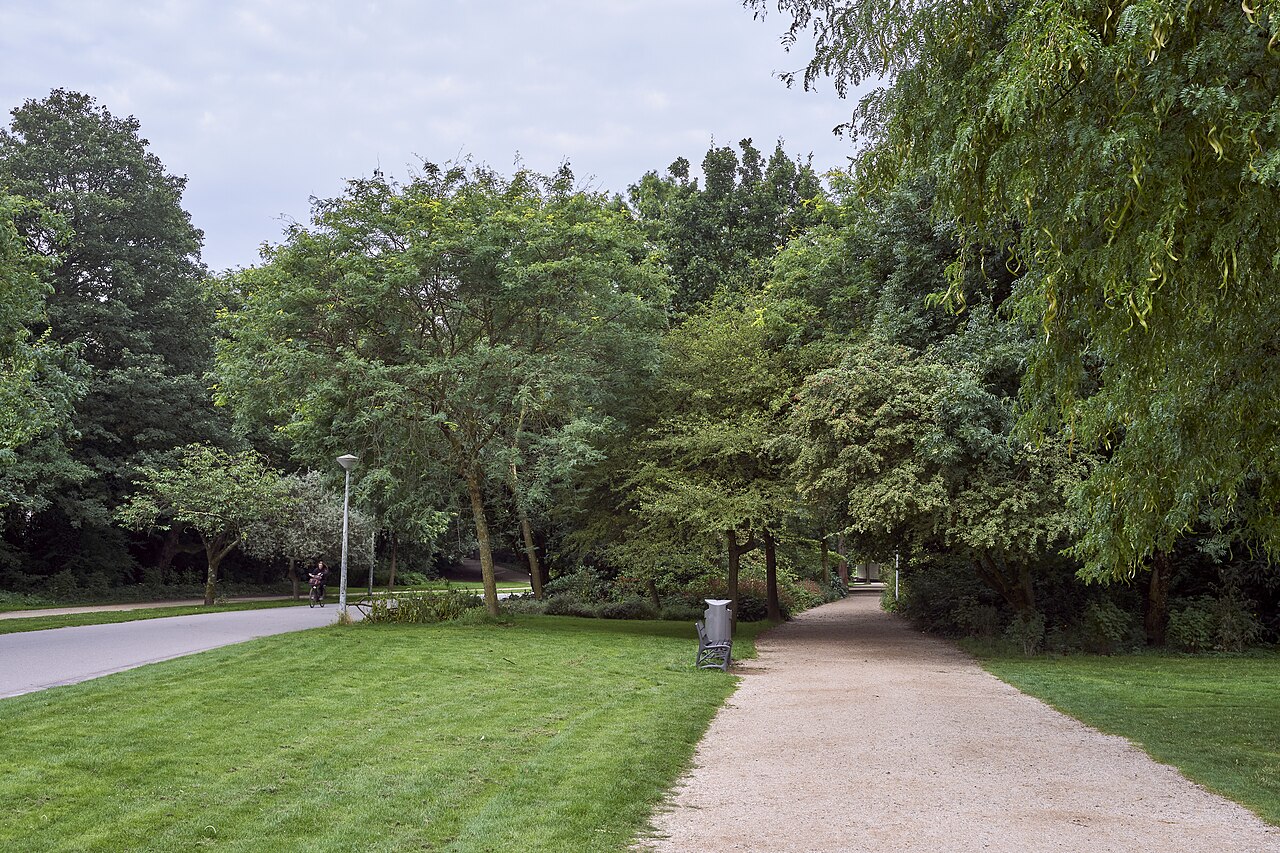
The city's largest and best-loved park, from 1865, with ponds, lawns and free open-air theatre in summer.
See tours and prices
The city's biggest street market in De Pijp, open every day except Sunday. Try cheese, herring and freshly made stroopwafels.
See tours and pricesPack right
Best April–September
6–22 °CA mild maritime climate with rain all year round. Cool winters and pleasant summers with daytime highs around 22 °C.
Current currency
Euro
1 EUR to SEKThe rate is updated every hour. Always check the current rate before you travel.
Compare hotels and apartments on the map, with current prices.
The map loads from Stay22 only when you click. Stay22 may then set cookies and collect information about your browser. Privacy
Plan your trip
Amsterdam's Schiphol airport lies about 15 kilometres south-west of the centre and has direct connections from cities including Stockholm and Gothenburg. The flight from Stockholm takes around two hours.
The easiest way into the city is often the train. Frequent services run from the station beneath the airport terminal to Amsterdam Centraal, and the journey takes about 15–17 minutes. If you're staying near Museumplein, the Rijksmuseum or Leidseplein, airport bus 397 can be a convenient alternative, as it goes straight to these areas. Taxis are available at the airport's official taxi rank, but usually cost considerably more than public transport.
Check current departures and prices before you travel.

Where you choose to stay affects both the price and how you experience Amsterdam. The canal ring and the Jordaan suit you if you want historic streets, charming canals and walking distance to many sights. The central locations are often more expensive.
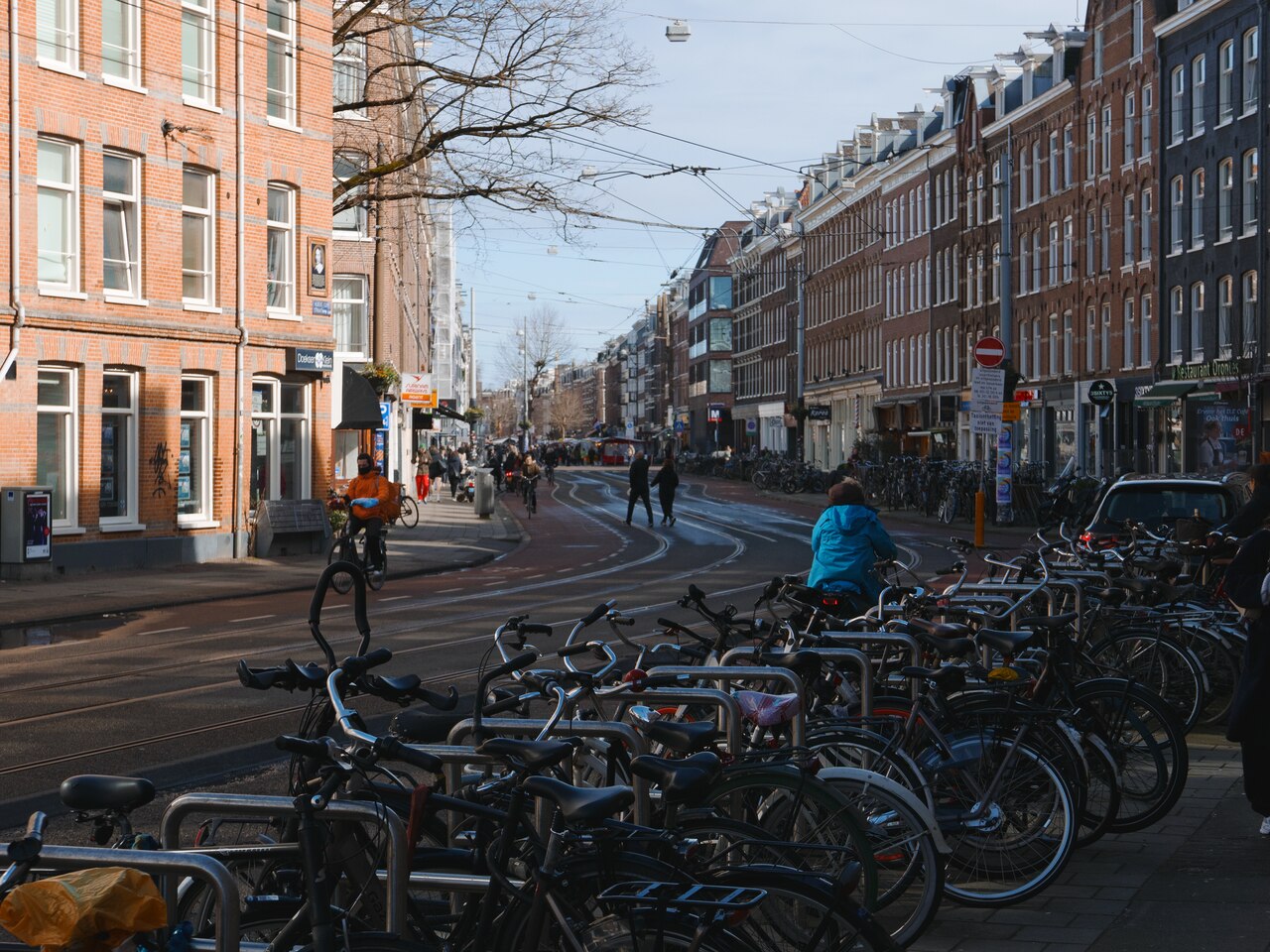
De Pijp and Oud-West are good alternatives if you want to discover restaurants, cafés and a lively neighbourhood life. Oost offers parks and a slightly calmer atmosphere, while Noord may be worth a look if you want to stay across the water. Free ferries run to Noord from the area behind Amsterdam Centraal.
Hotel prices can be high, especially in summer and around big events such as King's Day on 27 April. Book well ahead and check whether tourist tax is included in the price or added when you pay.
The big and the small
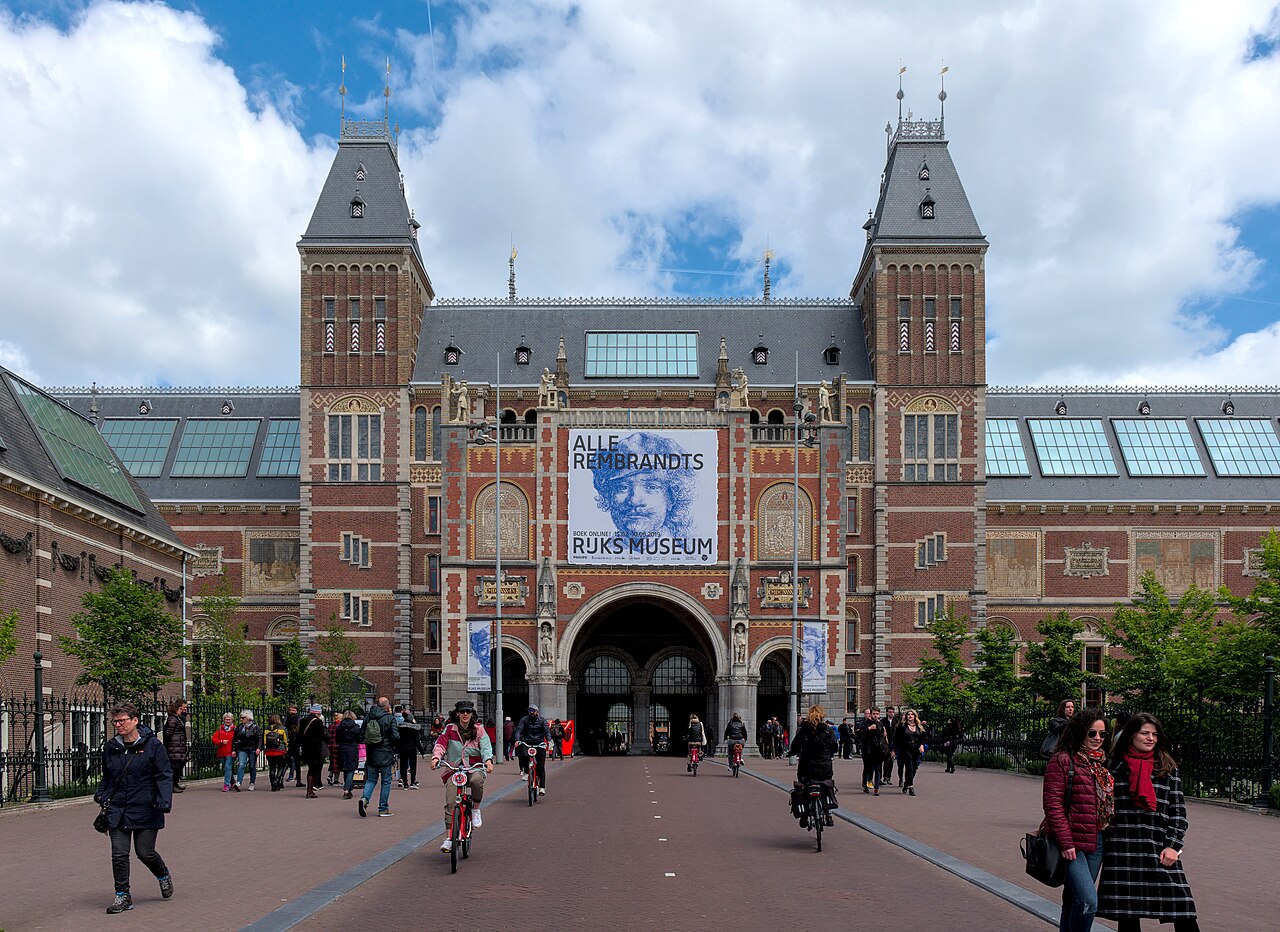
The national museum of the Netherlands, with Rembrandt's Night Watch, Vermeer's Milkmaid and the whole Dutch Golden Age under one roof. The building was designed by Pierre Cuypers and opened in 1885. A cycle path runs straight through the gateway beneath the museum, and the gardens around it are free to visit.
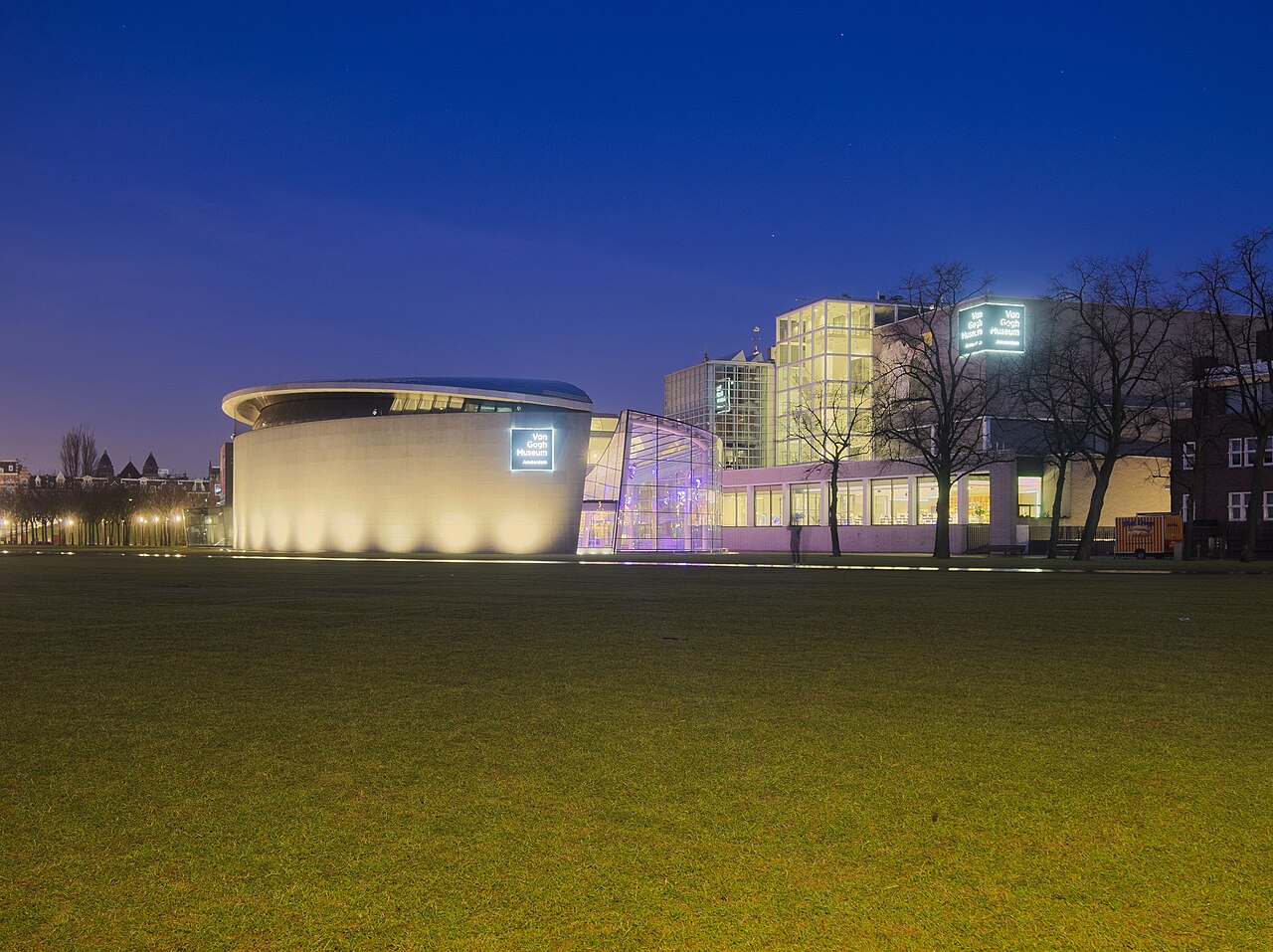
The world's largest collection of Vincent van Gogh's work, with the sunflowers, the bedroom in Arles and hundreds of drawings and letters. The museum is on Museumplein, a few minutes from the Rijksmuseum. Tickets are sold for timed entry and often sell out, so book online in advance.
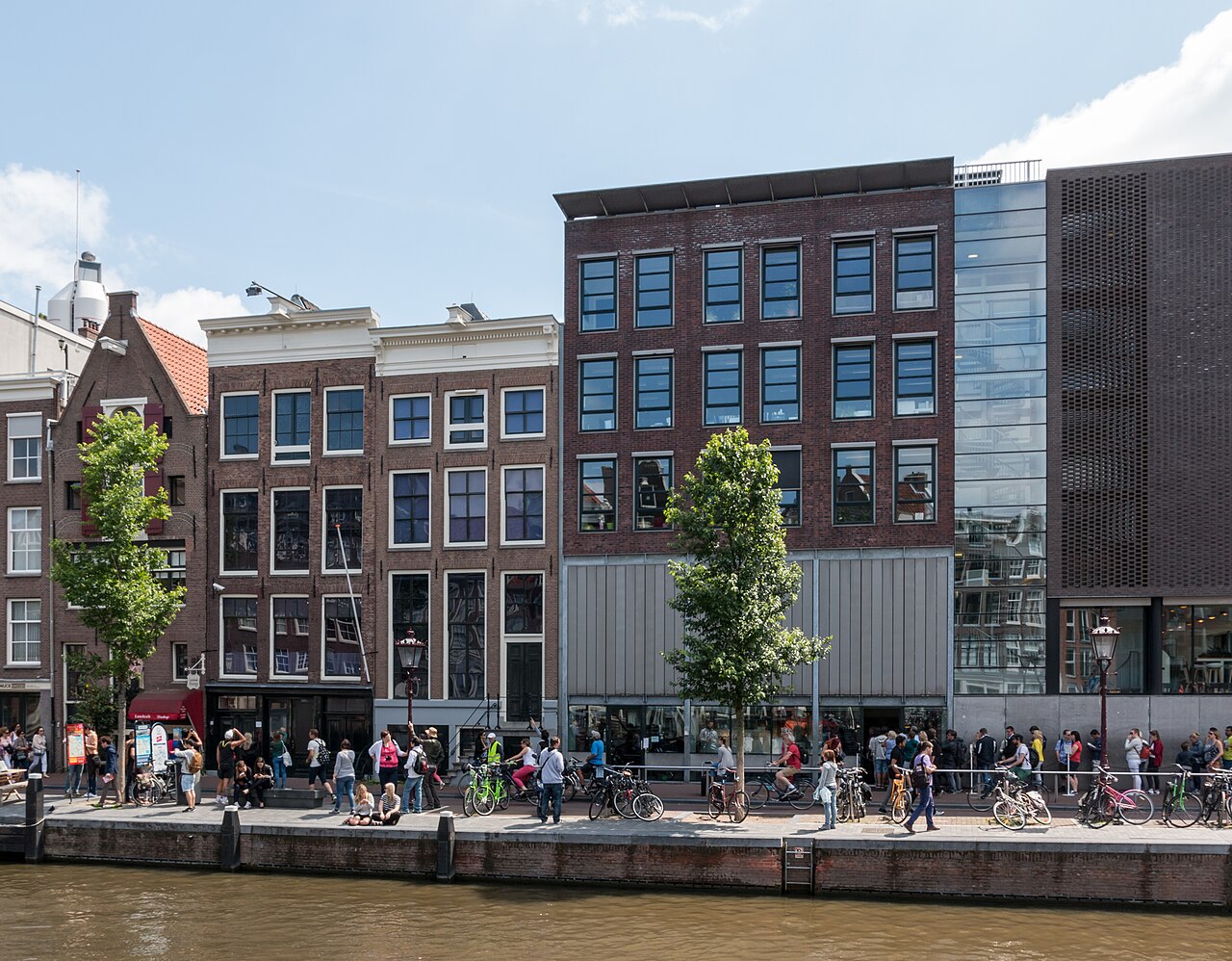
The house on the Prinsengracht where Anne Frank and her family hid in the secret annex from 1942 to 1944, and where she wrote her diary. The rooms are empty, but the story makes the visit powerful. Tickets are only sold online and go quickly, so book as early as you can.
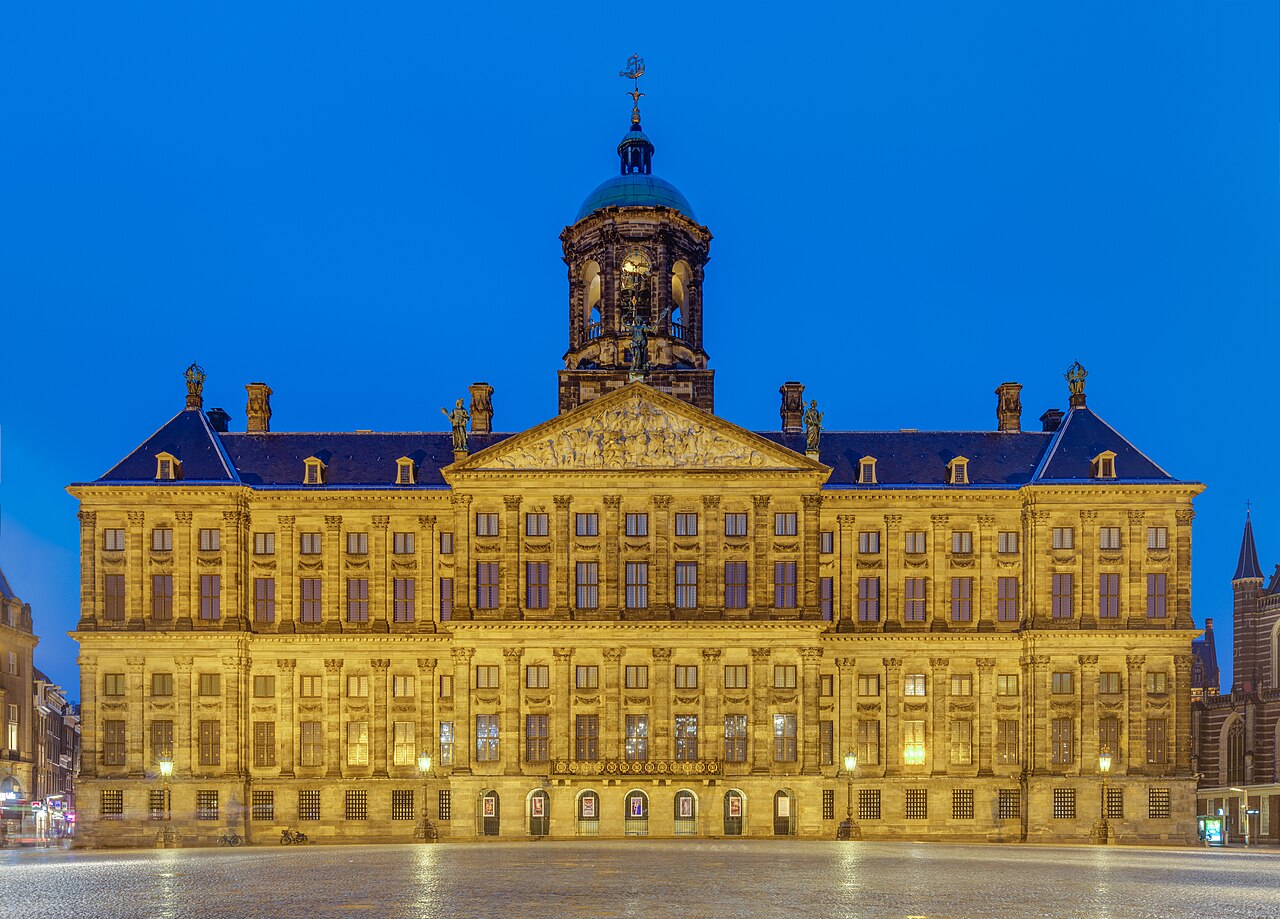
Built from 1648 to 1665 as the city hall, at the time one of the largest buildings in the world, and made a royal palace in 1808. The great Citizens' Hall, with maps of the world inlaid in its marble floor, is impressive. The palace is still used by the royal family but is open to visitors on most days.
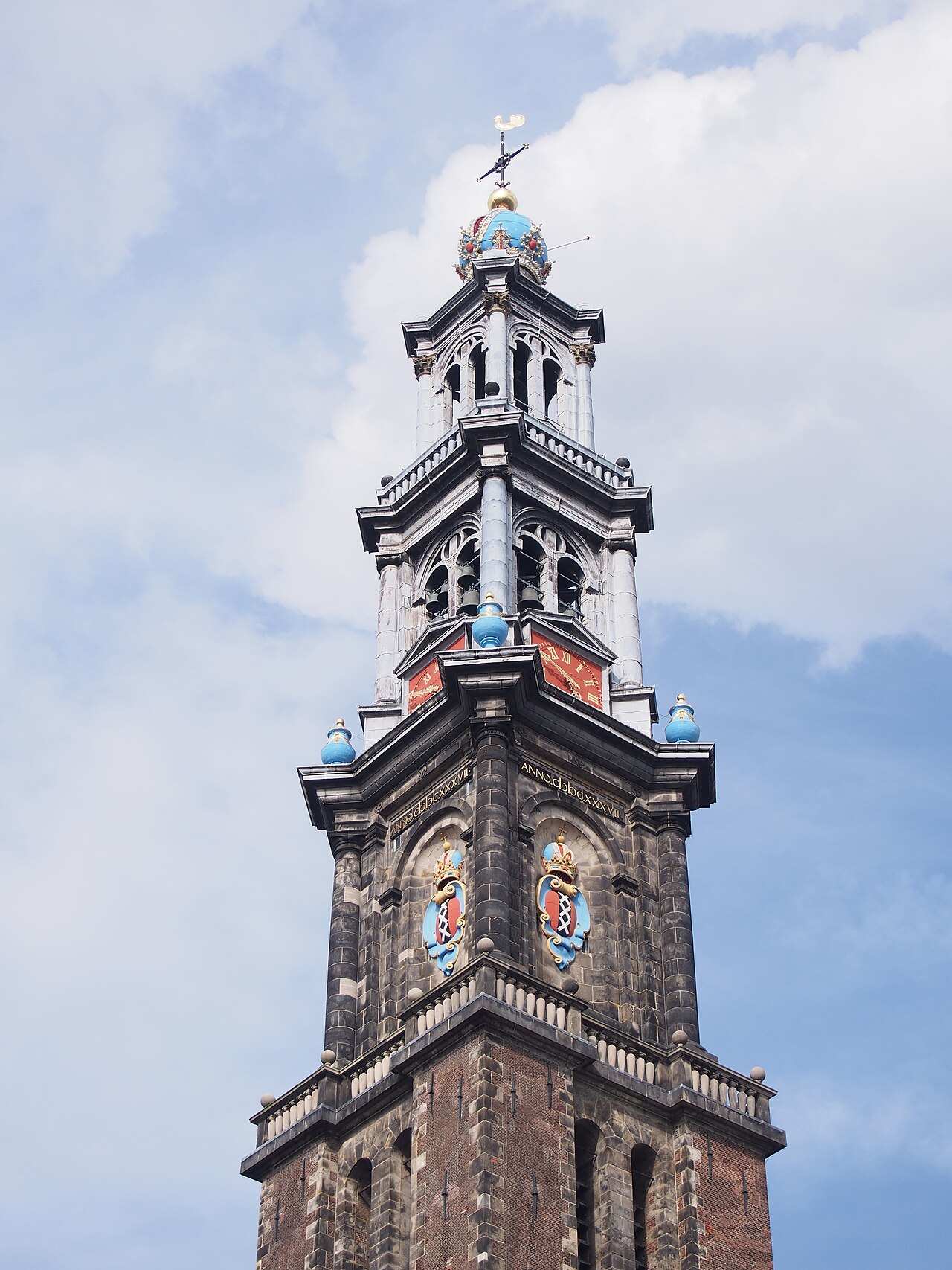
A Protestant church from 1631 on the Prinsengracht, with the Westertoren, the tallest church tower in the old city. Rembrandt is buried here in an unmarked grave, and Anne Frank wrote in her diary about the carillon she heard from her hiding place. In the summer months you can climb the tower with a guide.
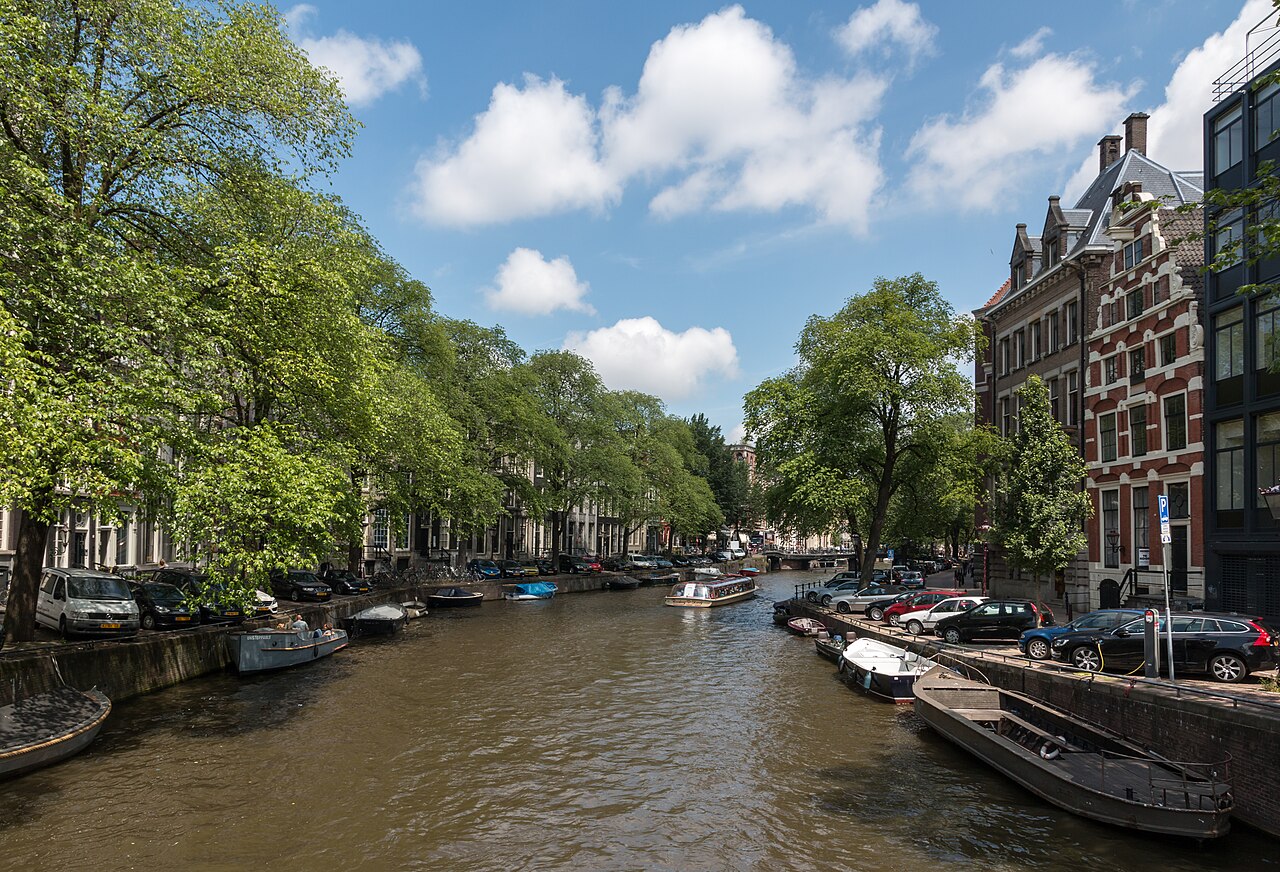
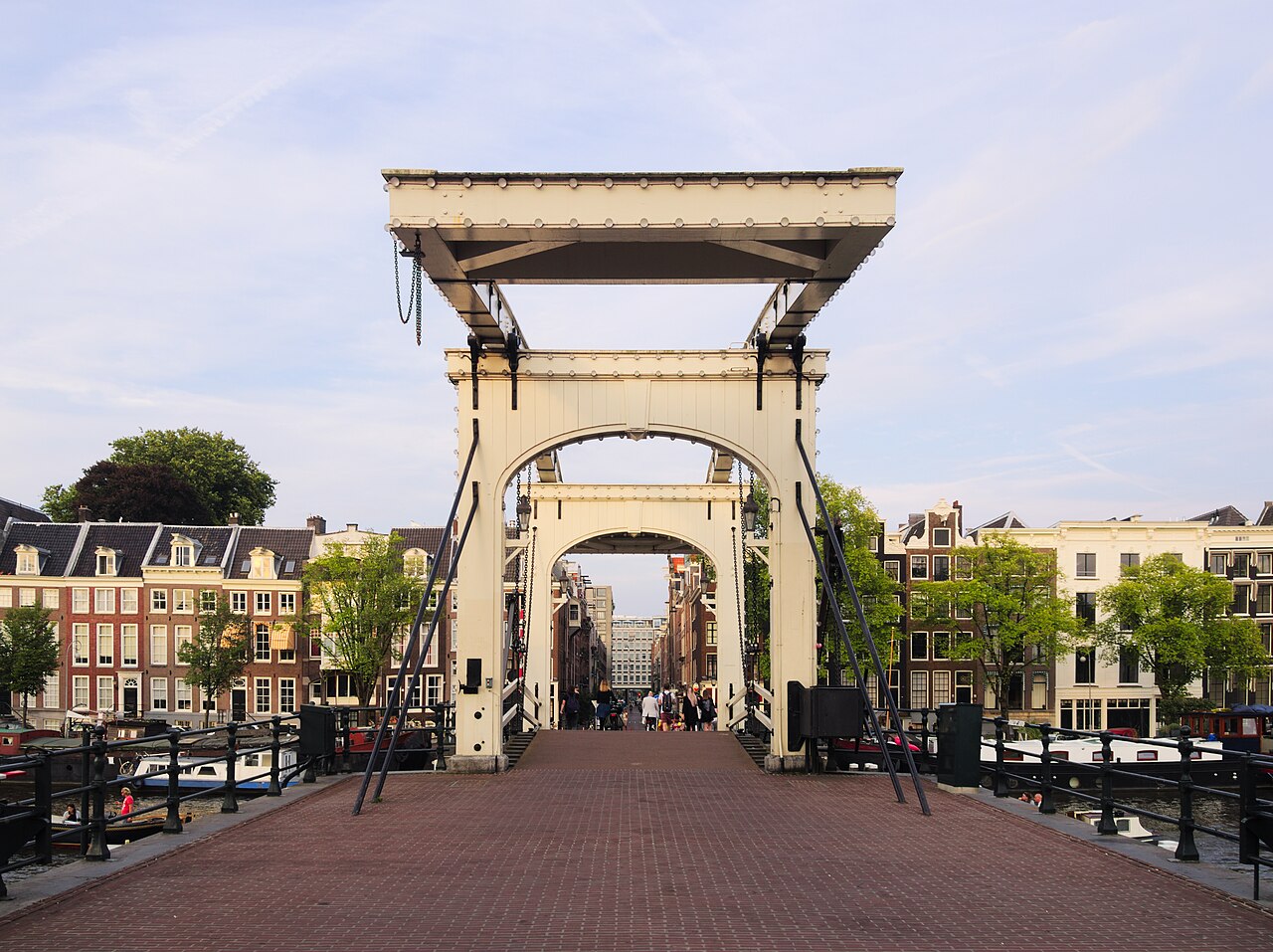
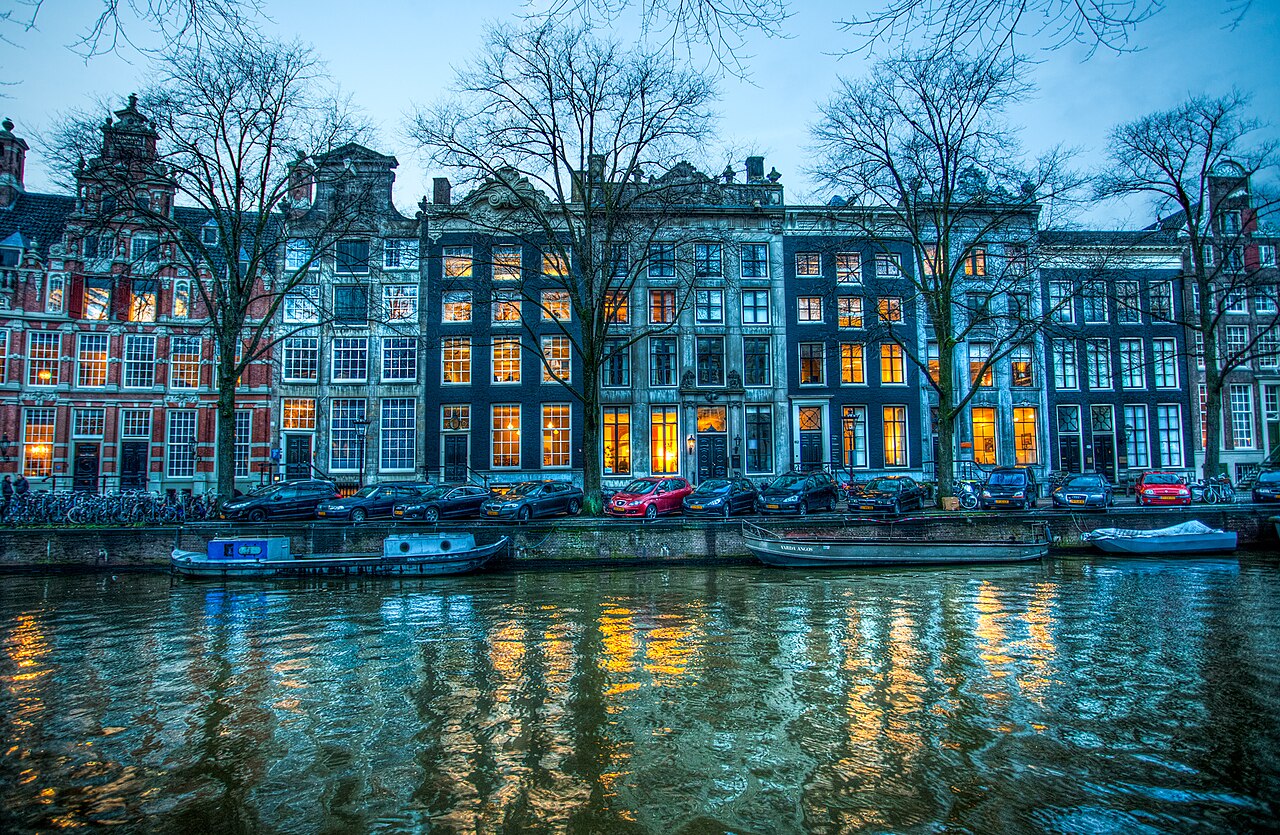
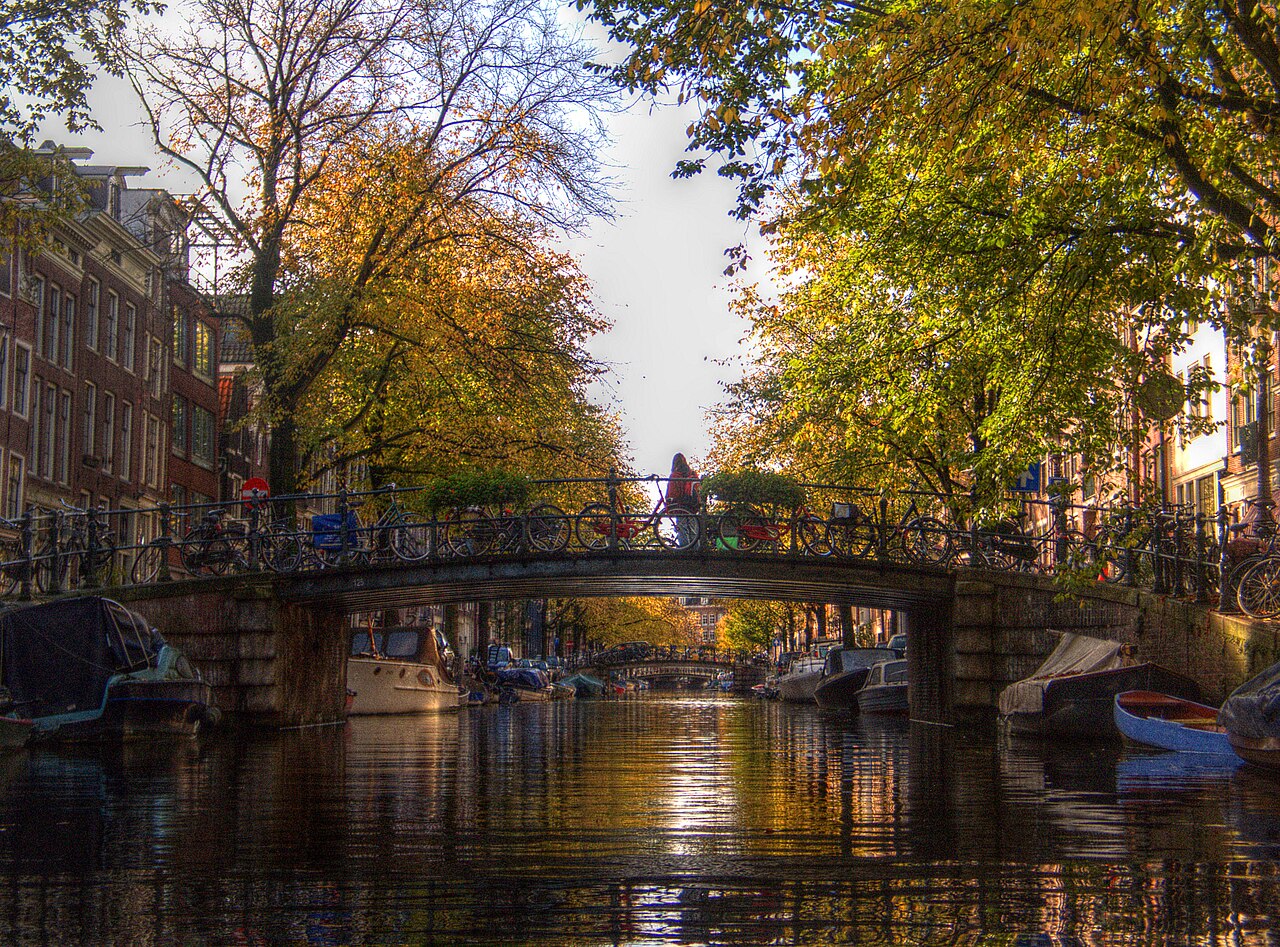
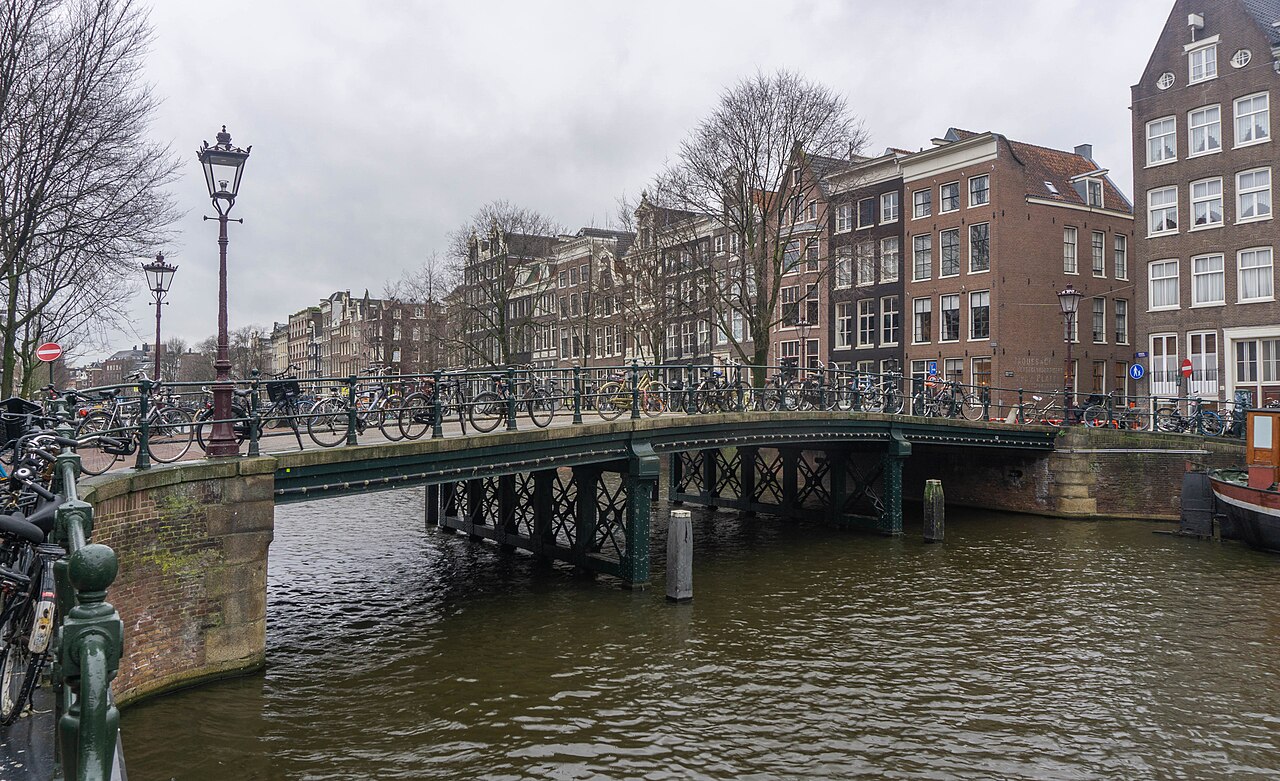
The three main canals, the Herengracht, Keizersgracht and Prinsengracht, were dug in the 17th century and are lined with narrow merchants' houses with curved gables. The canal ring became a World Heritage Site in 2010. See it best from the water on an hour-long boat trip, or walk along the quays early in the morning while the city is still quiet.
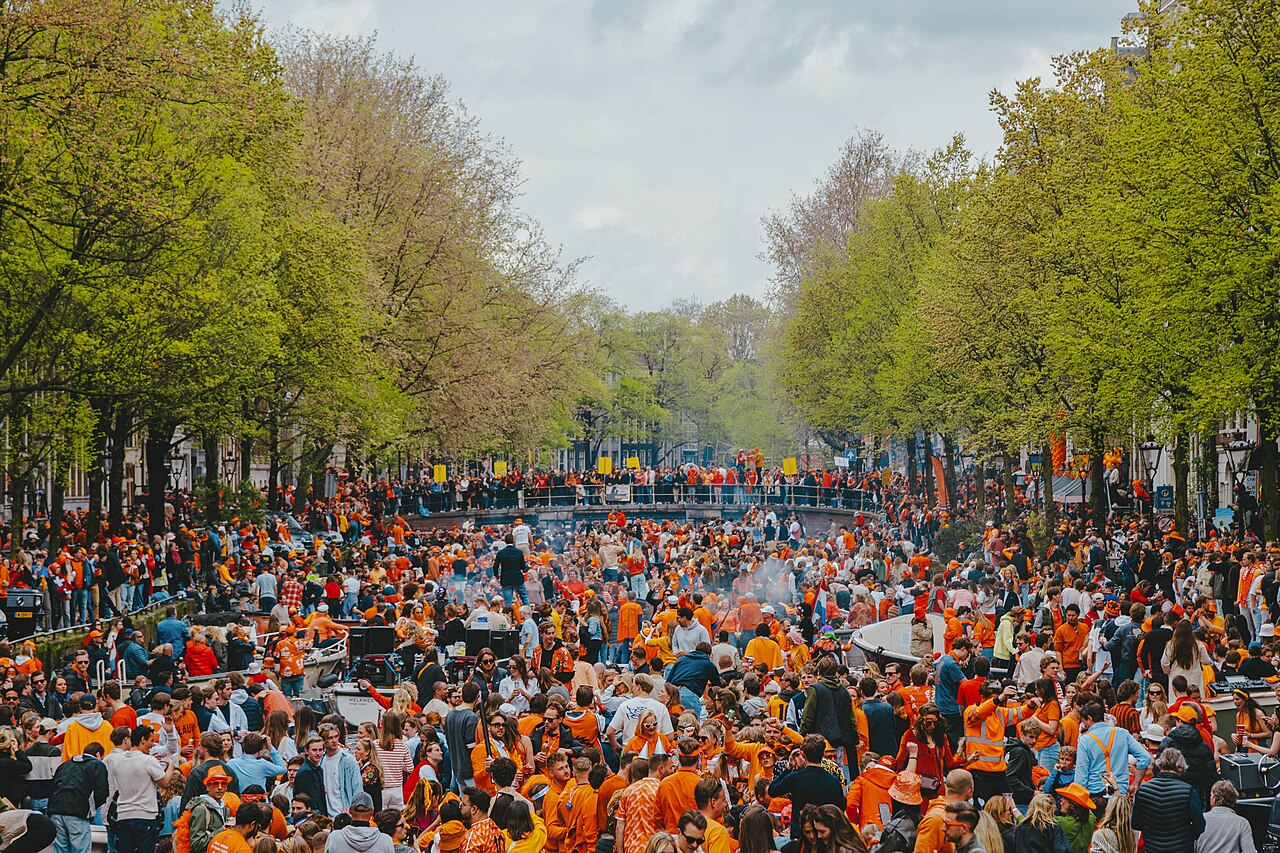
On 27 April the King's birthday is celebrated and the whole city dresses in orange. The canals fill with party boats, and the streets turn into a huge flea market where anyone may sell. Expect crowds, closed streets and fully booked hotels, and book accommodation well in advance.
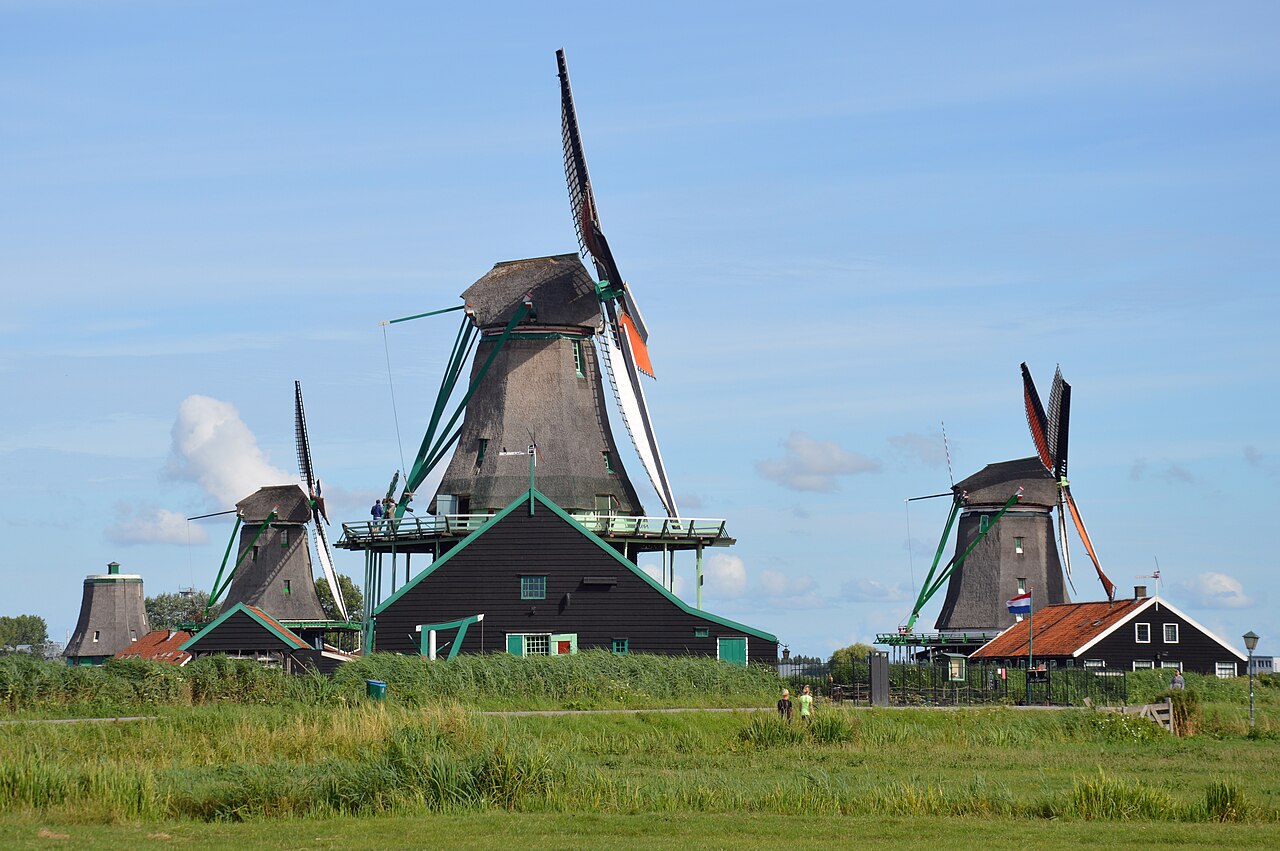
Windmills, green wooden houses and cheese makers on the river Zaan, less than 20 minutes by train from Centraal. Several of the mills still work and can be visited inside. Walking around the area is free, and if you come early in the morning you avoid the big tour coaches.
The Grachtengordel, or canal ring, is the city's classic heart, with 17th-century houses, shops and the big museums a short walk away. The Jordaan, west of the canal ring, is a former working-class district with narrow streets, brown cafés and markets on the Noordermarkt. De Pijp, south of the centre, has the Albert Cuypmarkt and lots of small restaurants. The Museumkwartier brings together the Rijksmuseum, the Van Gogh Museum and the Vondelpark, and across the IJ lies Noord with the former NDSM shipyard.
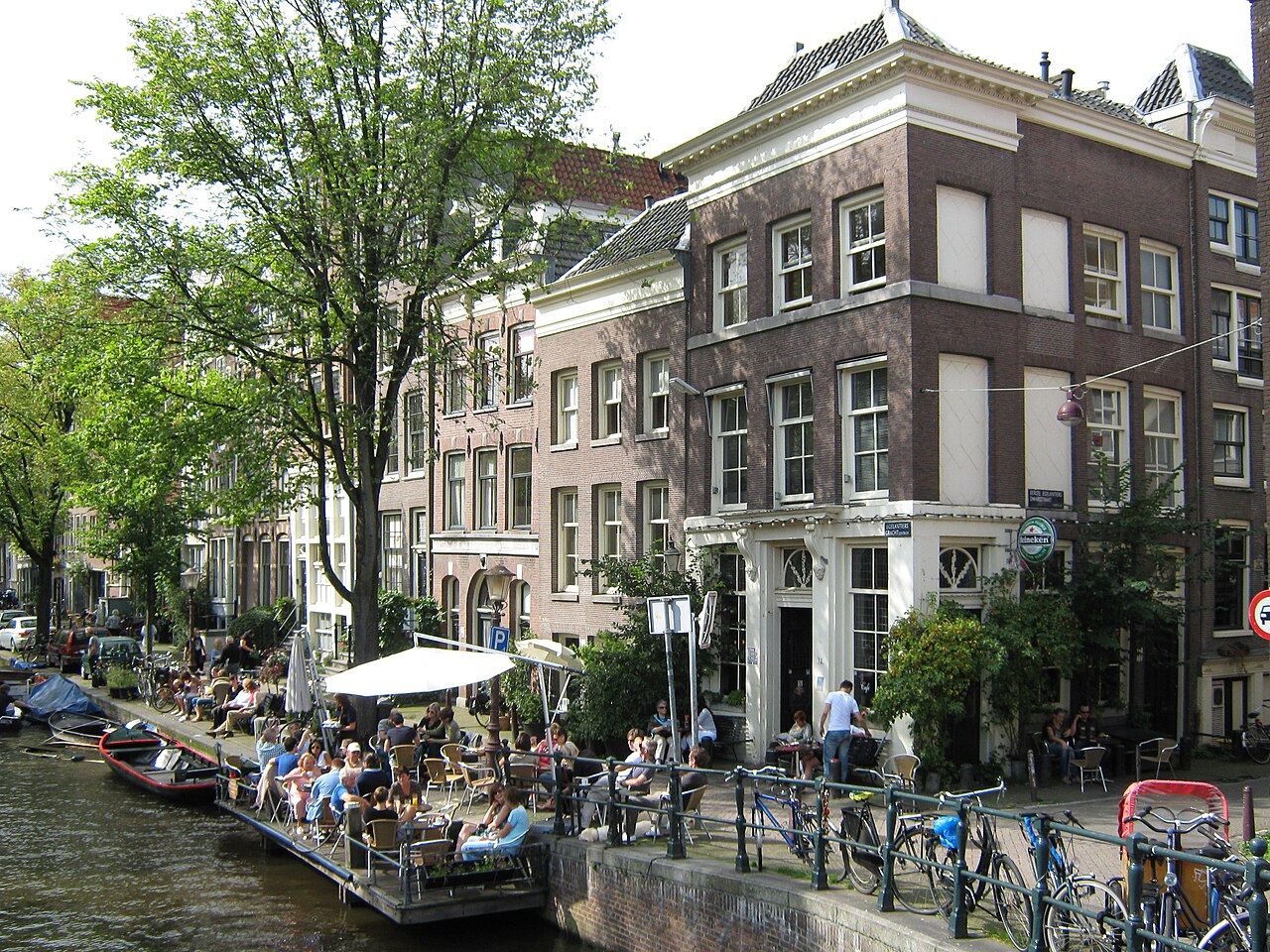
Try herring the Dutch way, a broodje haring with chopped onion and pickles, from a street stall. In a brown café, order bitterballen, deep-fried meat croquettes with mustard, with a beer. Indonesian food is a legacy of the colonial era, and a rijsttafel with many small dishes is a classic dinner. For a snack, have freshly made stroopwafels and Dutch apple pie, and the markets are the best place to buy cheese.

The centre is compact, and you can reach most places on foot or by bike. Trams, buses and the metro are run by GVB, and you pay by tapping your bank card when you get on and off, or with a day ticket for unlimited travel. The ferries across the IJ behind Centraal are free. Trains to Haarlem, Utrecht and Zaanse Schans leave Centraal several times an hour.
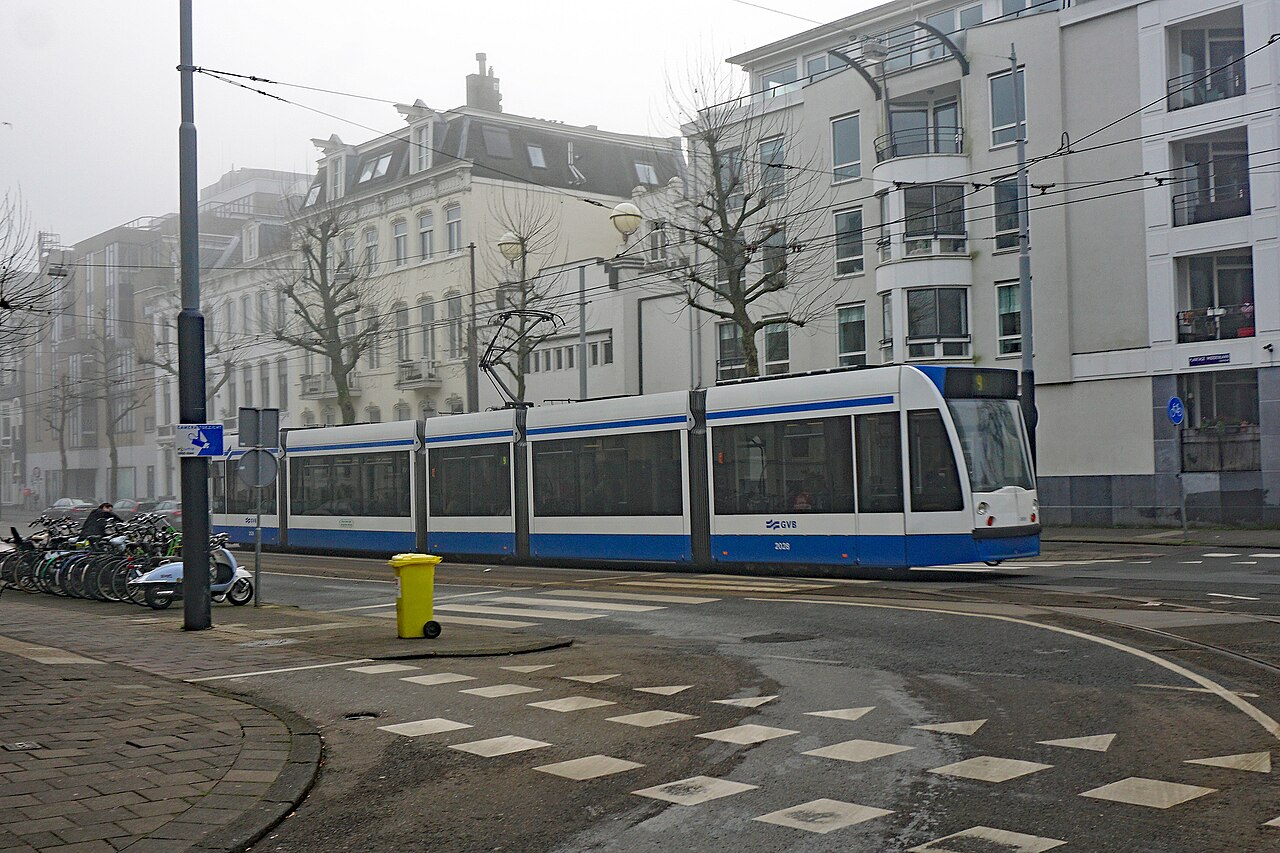
Download a map app so you can save places offline, and use 9292 to plan journeys by tram, bus, metro and train across the country. The NS app shows train times and platforms, and the GVB app sells tickets for public transport in Amsterdam. Uber and Bolt are alternatives to regular taxis, and TheFork can be useful for booking restaurants.

Watch out for cyclists: never walk on the red cycle lanes, and look both ways before crossing. Amsterdam is a safe city, but keep an eye on your wallet and phone around Centraal, Dam Square and in crowds. Cards are accepted almost everywhere, and some places only take cards. The tap water is safe to drink, and almost everyone speaks excellent English.

Book the Anne Frank House, the Van Gogh Museum and the Rijksmuseum online before you go, as tickets often sell out. Explore the canals early in the morning or in the evening, after the day-trippers have left. Pack a rain jacket whatever the season. Haarlem is only a quarter of an hour away by train, and from late March to mid-May the tulips are in bloom at Keukenhof.